The Amalfi Coast is strung along one narrow, spectacular, endlessly winding road, and how you move along it will shape your whole trip. The short version: take the ferry when you can, the bus when you must, and think very hard before you bring a car. Here is how each option really works.
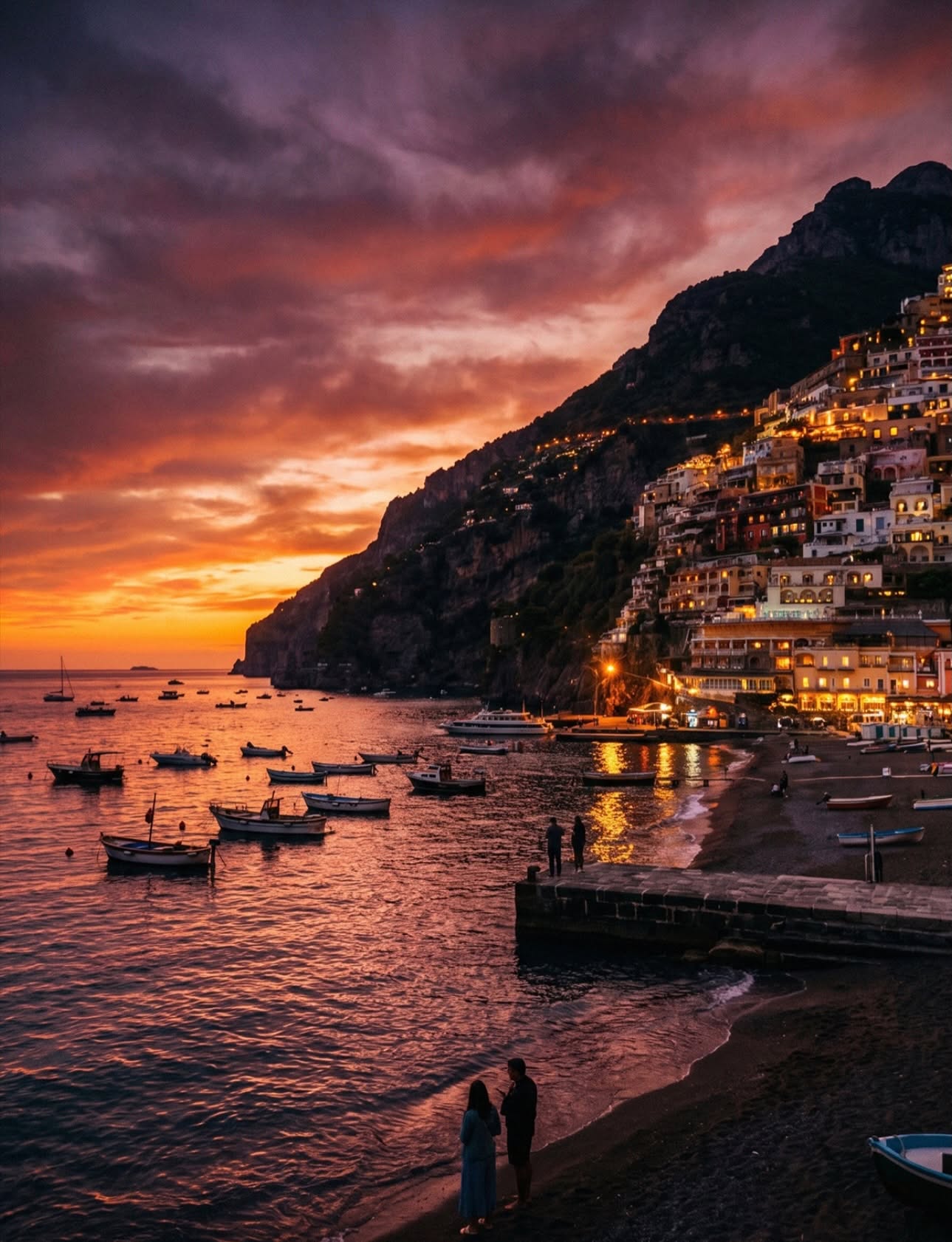
The Ferry: Usually the Best Way
From roughly April to October, fast ferries link the coastal towns, and they are the fastest, calmest and most beautiful way to travel, gliding past cliffs you would otherwise crawl beneath in traffic. Travelmar and others connect Salerno, Maiori, Minori, Amalfi, Praiano and Positano, with onward boats to Sorrento and Capri. Buy tickets at the harbour kiosks or on a ferry app, and check the last sailing, because the sea takes the evening off.
The SITA Bus: The Year-Round Workhorse
The blue SITA Sud buses run the coast road all year, threading between Sorrento, Positano, Amalfi and Salerno every forty to ninety minutes. Single tickets are a couple of euros and a day pass is around eight, bought before you board at a bar or tabacchi. The views are wonderful and the price is unbeatable, but in summer the buses are hot, crowded and slow, and you may have to let a full one pass. Sit on the sea side going towards Amalfi.
The Amalfi Drive
The SS163, the Amalfitana, is one of the world’s great drives and one of its most nerve-testing, a ribbon of hairpins and sheer drops carved into the cliff. It is glorious from the passenger seat and stressful from behind the wheel, especially where two buses meet on a blind bend. If you want the drive without the fear, hire a private driver for a day and simply look out of the window.
Driving and Parking
You can drive the coast, but in high season most people wish they had not. Parking is scarce and shockingly expensive, often more than ten euros an hour where you can find a space at all, and many hotels have none. The towns are built on steps, so a car sits idle while you walk anyway. If you are touring wider Campania a car makes sense; for the coast itself, base yourself and travel by boat and bus.
Getting To the Coast
Most people arrive through Naples, then take the Circumvesuviana or the faster Campania Express train to Sorrento and pick up a bus or ferry, or come up from Salerno, which has good rail links and year-round ferries. From Rome, the high-speed train to Naples or Salerno and onward transfer is the smoothest route. A private transfer from Naples airport is the least stressful way to begin.
Between the Towns: What Actually Works
Amalfi is the natural hub, with the most frequent buses and ferries, so basing there makes car-free days easy. Ravello sits up its own hairpin road, reached by a short bus from Amalfi. Positano is a ferry hop or a bus ride away. For a typical day, take the morning ferry out and the bus back, or the reverse, and keep plans loose, because timetables bend to the weather and the season.
Tickets, Apps and Timing
A little planning with tickets and timing removes most of the friction of coast travel. For the SITA buses you buy your ticket before boarding, from a bar, a tabacchi or a newsstand, then validate it in the little machine when you get on, because you cannot reliably buy from the driver. The free Unico Campania app shows live bus and train times and lets you buy tickets on your phone, which is invaluable when a shop is shut. For the ferries, buy at the harbour kiosks or through an app like Ferryhopper, and arrive fifteen minutes early in high season, as popular sailings sell out.
Timing matters more than anything else here. The buses and roads are busiest in the late morning and again in the late afternoon when the day-trippers move, so travelling early or over the middle of the day is calmer. If you are carrying luggage, avoid the buses at peak times altogether, since a full bus will simply pass you by and there is nowhere to put a large case. Keep some coins and small notes for tickets and the occasional water taxi, and download an offline map, because phone signal drops in and out along the cliffs. Above all, hold your plans loosely: a missed connection here is not a disaster but an excuse for a coffee with a view while you wait for the next boat.
Frequently Asked Questions
Do you need a car on the Amalfi Coast?
No, and in summer a car is more burden than help. Ferries and SITA buses reach every town, and the towns themselves are walked on foot. Keep a car only if you are touring the wider region.
Is it better to take the ferry or the bus?
The ferry when it is running, roughly April to October, for speed, comfort and the views. The bus is the cheaper, year-round backup, but it is slow and crowded in peak season.
How do you get from Naples to the Amalfi Coast?
Train to Sorrento or Salerno, then a SITA bus or a ferry along the coast, or a direct private transfer. Salerno is the easier gateway if you are heading for Amalfi, Ravello or the eastern towns.
Decide where to base yourself in where to stay on the Amalfi Coast, plan the days in the best Amalfi Coast itinerary, and read my complete guide to the Amalfi Coast.