Florence is the city where the Renaissance was born, a compact, walkable jewel on the Arno where Michelangelo’s David, Botticelli’s Venus and Brunelleschi’s impossible dome sit within a few minutes of one another. It is a city of art and old money, of stone streets and artisan workshops, of long lunches and golden evenings over the river. It is also a city that rewards planning, because its greatest sights sell out weeks ahead and its pleasures reveal themselves to those who slow down. This complete guide covers everything you need: when to come, what to see and how to book it, where to stay and eat, the hidden corners, the best views, and the day trips into the Tuscan hills beyond.
What to book before you come
Florence is the city where turning up without tickets costs you the trip. The Uffizi, the Accademia and the dome are all timed entry, all sell out weeks ahead in season, and the same day queue for the David has run past three hours. Book these before you book your train.
- Michelangelo s David, skip the line. Fifteen thousand ratings. He is far larger than the photographs prepare you for, and the unfinished Prisoners in the corridor leading to him are the better half of the room.
- The Uffizi, skip the line. Go late rather than at opening, when the groups have thinned and you can stand in front of the Botticellis without being moved along.
- Brunelleschi s dome. Four hundred and sixty three steps, no lift, timed slot. The climb goes between the two shells of the dome, which is the part nobody mentions and the reason to do it.
- A pasta class with unlimited wine. 4.9 from nearly fifteen thousand people, a remarkable number for a cooking class.
- Pisa, Siena and San Gimignano in a day. A long day and a lot of coach, but it is how most people see Siena at all.
The Duomo exterior, the Ponte Vecchio, San Miniato al Monte and the walk to Piazzale Michelangelo at sunset are free. So is the inside of the cathedral, which surprises people who have just paid for the dome.
Best Time to Visit Florence
Spring and autumn are the sweet spots. April to early June brings warm days, gardens in bloom and long light before the summer crush, while September and October offer the same softness with the harvest coming in across Tuscany just beyond the city. July and August are hot, often above 35 degrees, and busy, with long queues at every museum; if you come in high summer, book everything in advance and see the sights early, saving the afternoons for a shaded garden or a long lunch. Winter is quiet and atmospheric, with far fewer crowds and lower prices, though some days are grey and cold. For the ideal balance of weather, light and manageable crowds, aim for May, June, September or early October.
Plan Your Visit to Florence
A few things I booked and loved. These help support the blog, at no cost to you.
- Where I stayed: search Florence hotels
- Uffizi, Accademia and Florence tickets
- Stay connected: get a travel eSIM
This section contains affiliate links. If you book through them I may earn a small commission, at no extra cost to you.
Top Things to Do in Florence
Florence’s essentials are concentrated and close together, but the great ones need to be booked ahead.
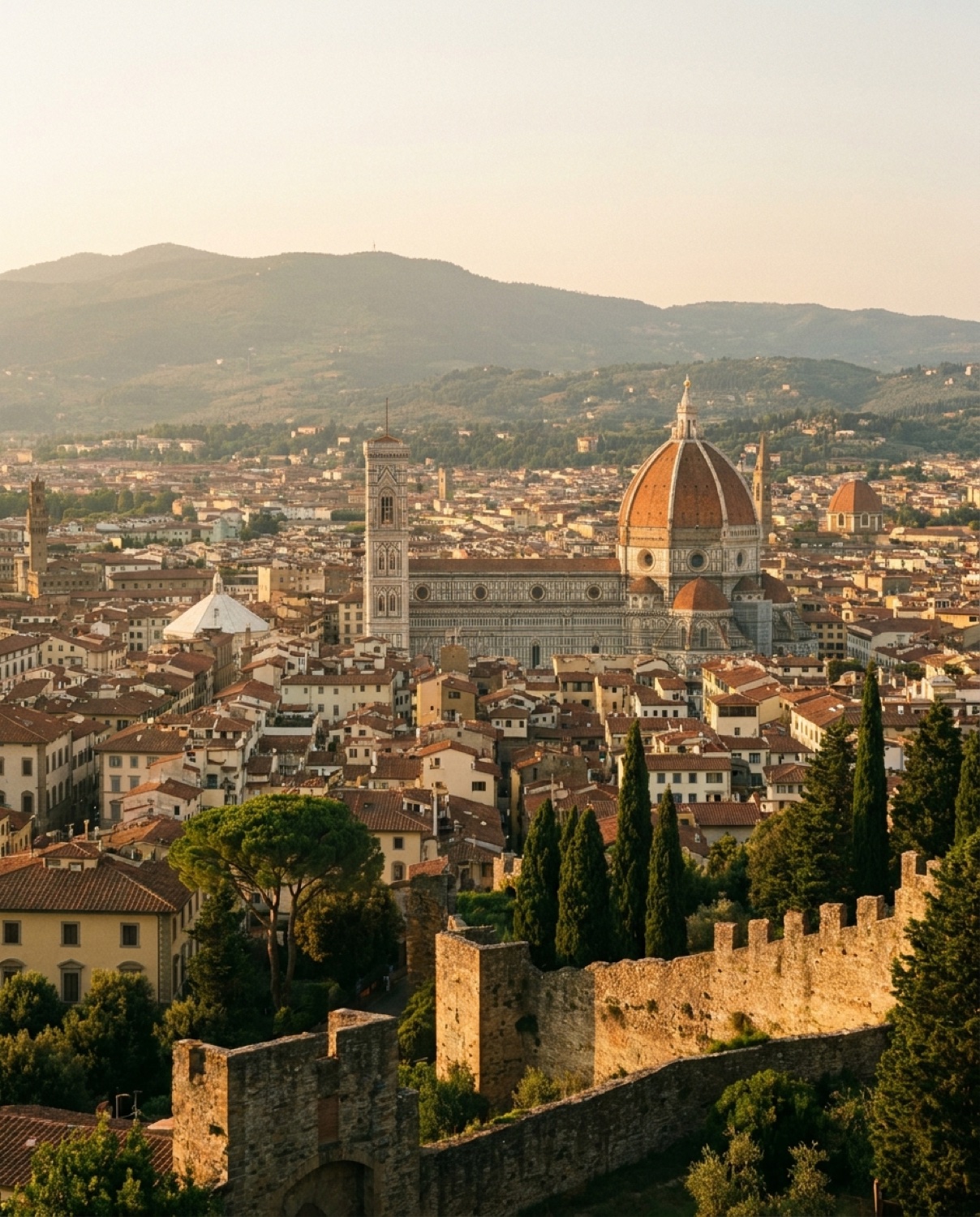
The Duomo complex is the heart of it: the vast striped cathedral of Santa Maria del Fiore is free to enter, but the unmissable experience is the 463-step climb up Brunelleschi’s Dome, the largest masonry dome ever built, which rewards you with the best view in the city; buy the Brunelleschi Pass (around 30 euro, which also covers the Baptistery with its golden doors, Giotto’s Campanile and the museum) and reserve your dome slot online, as it fills quickly. The Galleria dell’Accademia holds Michelangelo’s David, and it sells out weeks ahead, so reserve at least two months in advance in high season. The Uffizi Gallery, one of the greatest art museums on earth, holds Botticelli’s Birth of Venus and Primavera and Leonardo’s Annunciation; tickets run roughly 25 to 29 euro and should be booked at least a month ahead for your pick of times.
Beyond the big three, wander the Piazza della Signoria with its open-air loggia of statues and the Palazzo Vecchio, cross the jeweller-lined Ponte Vecchio, and stroll the Boboli and Bardini gardens behind the Pitti Palace. Climb to Piazzale Michelangelo at sunset for the classic panorama of the whole city. None of these needs a ticket booked months out, so they are the parts of the day to leave loose.
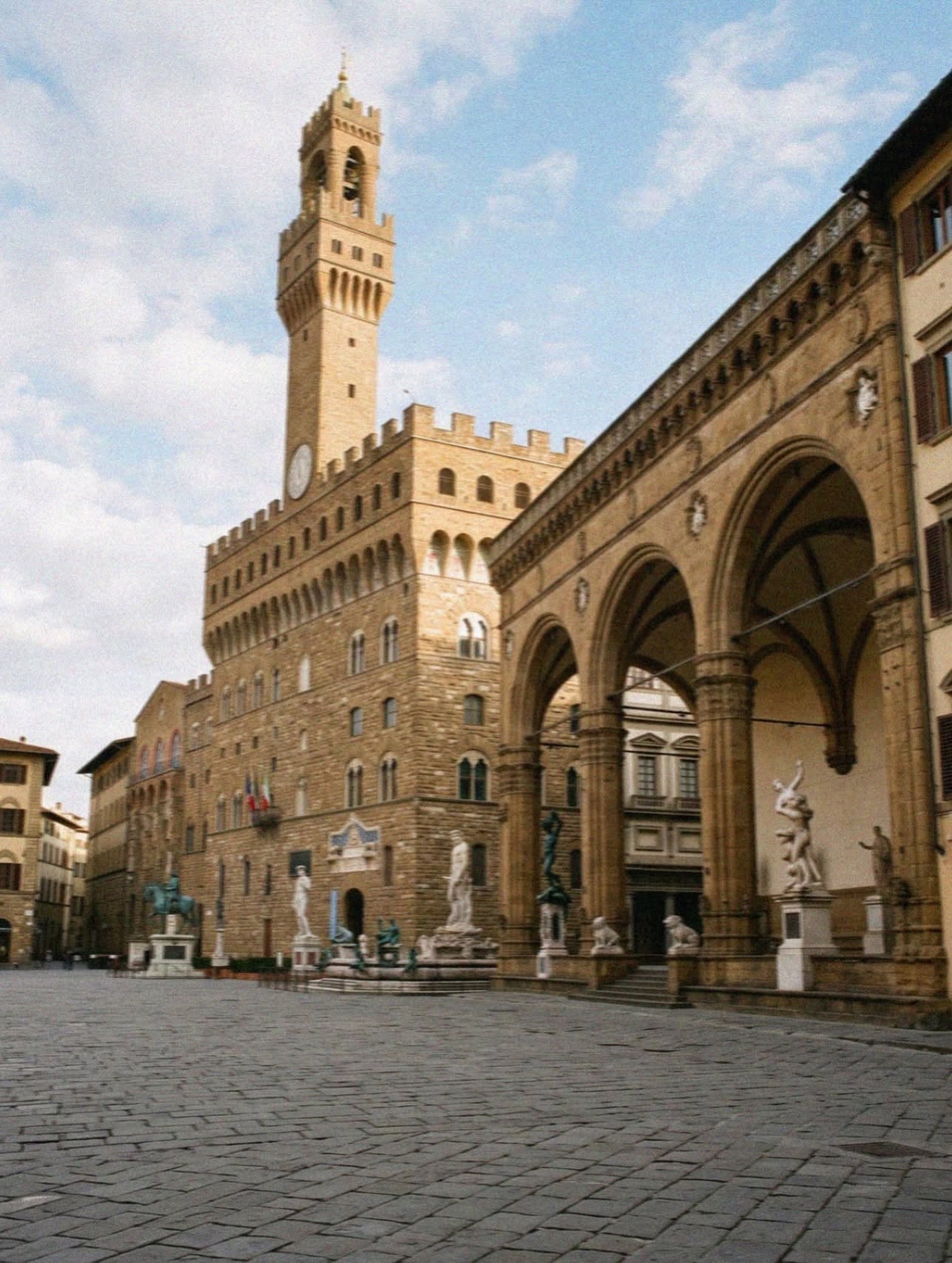
Florence has a deep second tier of sights that most schedules miss. The Bargello holds the finest collection of Renaissance sculpture in the world, including Donatello’s David, and is blissfully uncrowded. The Medici Chapels behind San Lorenzo contain Michelangelo’s brooding tombs, while the basilica of Santa Croce, the pantheon of Italy, holds the graves of Michelangelo, Galileo and Machiavelli. Step inside Santa Maria Novella for the frescoes and its ancient perfumery behind, and go up into the Palazzo Vecchio’s frescoed halls and tower for a different view over the rooftops. If you plan to see several of these, a combined pass can save both money and queuing, and every one of them rewards an unhurried hour.
Where to Stay in Florence
Where you stay shapes the trip, and Florence’s neighbourhoods each have a distinct character.
The Centro Storico, the historic centre around the Duomo, puts every major sight within a few minutes on foot, which is its great advantage; it is also the priciest area and can be noisy at night, so choose a room on a quiet courtyard. The Oltrarno, across the Arno on the south bank, is my favourite: quieter and more local, full of artisan workshops, antique dealers, ceramists and excellent restaurants around Piazza Santo Spirito, yet still an easy walk to the main sights. The area around Santa Croce is lively and characterful with good nightlife and trattorias, while the streets near the Santa Maria Novella station suit those who want easy transport links and slightly better value. For a first, short visit, stay central and pay for the convenience; for a second visit or a longer stay, the Oltrarno gives you the real Florence.
A few more pointers on choosing a base. The elegant streets around Santissima Annunziata and San Marco, just north of the Duomo, are quieter and handsome, close to the Accademia and a short walk from everything. Staying right by the river or the Ponte Vecchio buys you the postcard view but the highest prices and the most footfall. Florence also does grand hotels beautifully, in converted Renaissance palazzi with frescoed ceilings and rooftop bars, if you want to splurge on the setting. Wherever you land, aim for a room off the main tourist arteries, because the centre stays lively late into the night, and ask whether breakfast is worth taking or whether you are better off at the cafe on the corner.
Where to Eat and Drink in Florence
Florentine food is hearty and unfussy. The signature dish is bistecca alla Fiorentina, a vast T-bone steak grilled rare and served by weight, best shared. Look also for ribollita and pappa al pomodoro, the thrifty bread-and-vegetable soups, crespelle, and the city’s famous street food: a lampredotto or tripe panino from a market cart, and warm schiacciata bread stuffed with salumi. Eat at the Mercato Centrale, whose upstairs food hall is a feast, and browse the more local Mercato di Sant’Ambrogio for produce and a stand-up lunch. Finish, as Tuscans do, with cantucci biscuits dipped in sweet Vin Santo, and never miss the gelato; the historic gelaterias like Vivoli are worth the small pilgrimage. Drink the local Chianti and the wines of the surrounding hills, and seek out a buchetta del vino, one of the tiny wine windows in the palazzo walls that have served glasses to the street for centuries.
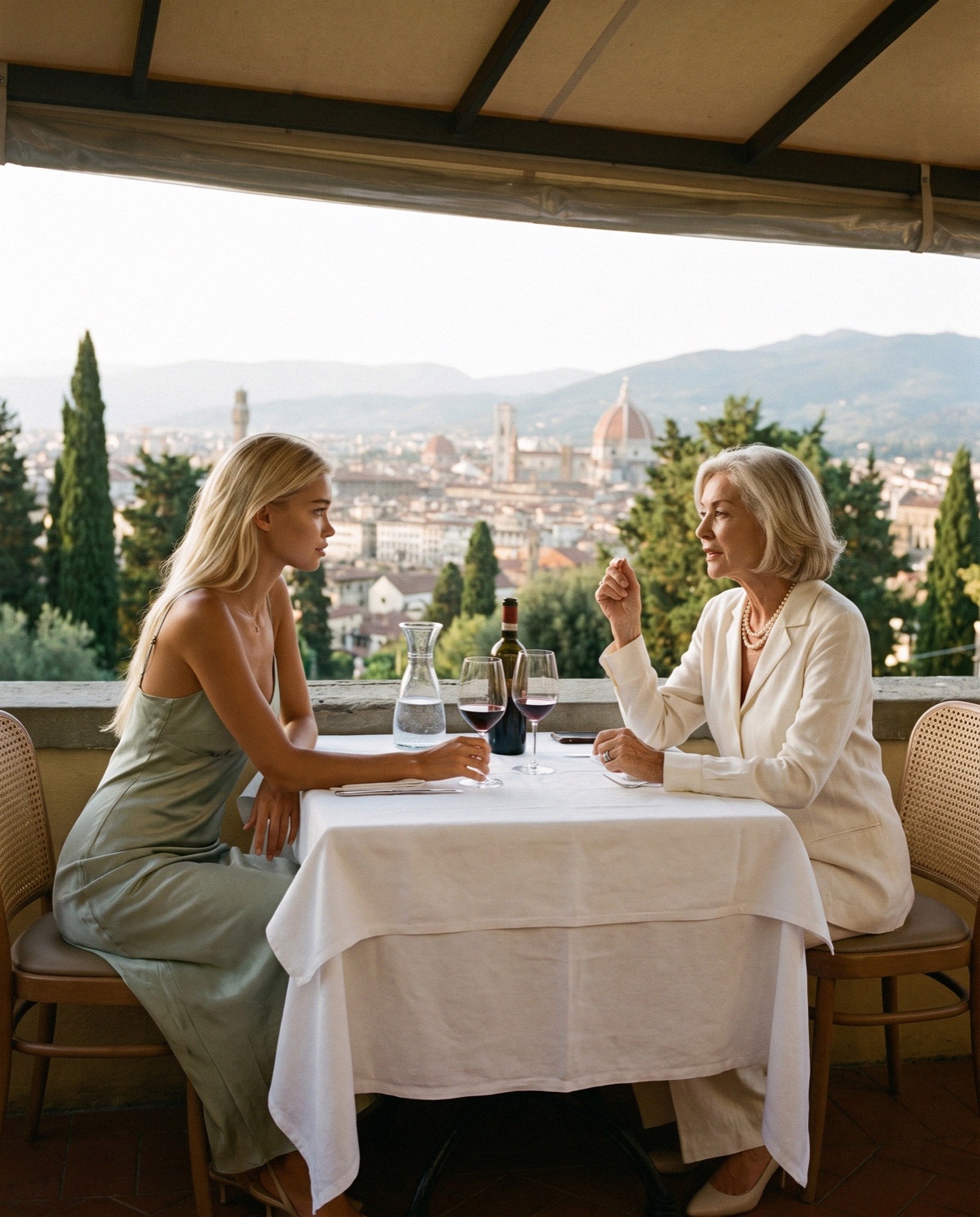
For a special meal, Florence spans everything from a rustic trattoria bench to a Michelin dining room, but the soul of it is the simple places: an old fiaschetteria for a glass and a plate of crostini, a family trattoria for pappardelle with wild boar, a stand at the market for lampredotto with salsa verde. Go to the Sant’Ambrogio market in the morning and eat where the stallholders do. And take the wine seriously: this is the gateway to Chianti, so order a glass of Chianti Classico with the black rooster seal, or seek out one of the tiny wine windows, the buchette del vino, reopened in the old palazzo walls, and take a glass to go the way Florentines have for four hundred years.
Hidden Gems in Florence
Florence hides its best corners in plain sight. Cross into the Oltrarno and lose an hour among the artisan workshops of Via Maggio and the lanes around Santo Spirito, where gilders, bookbinders and restorers still work by hand behind open doors. Visit the Officina Profumo-Farmaceutica di Santa Maria Novella, the frescoed pharmacy the friars founded eight hundred years ago, and buy a soap or a rose water as the loveliest of souvenirs. Escape the crowds in the Bardini Garden, whose wisteria pergola and terrace give you a view of the Duomo to rival any, and climb above Piazzale Michelangelo to the Romanesque church of San Miniato al Monte, still the most peaceful spot in the city at sunset. Duck into the antiquarian bookshops, the small hidden cloisters, and the quiet churches where a single overlooked masterpiece hangs in the gloom.
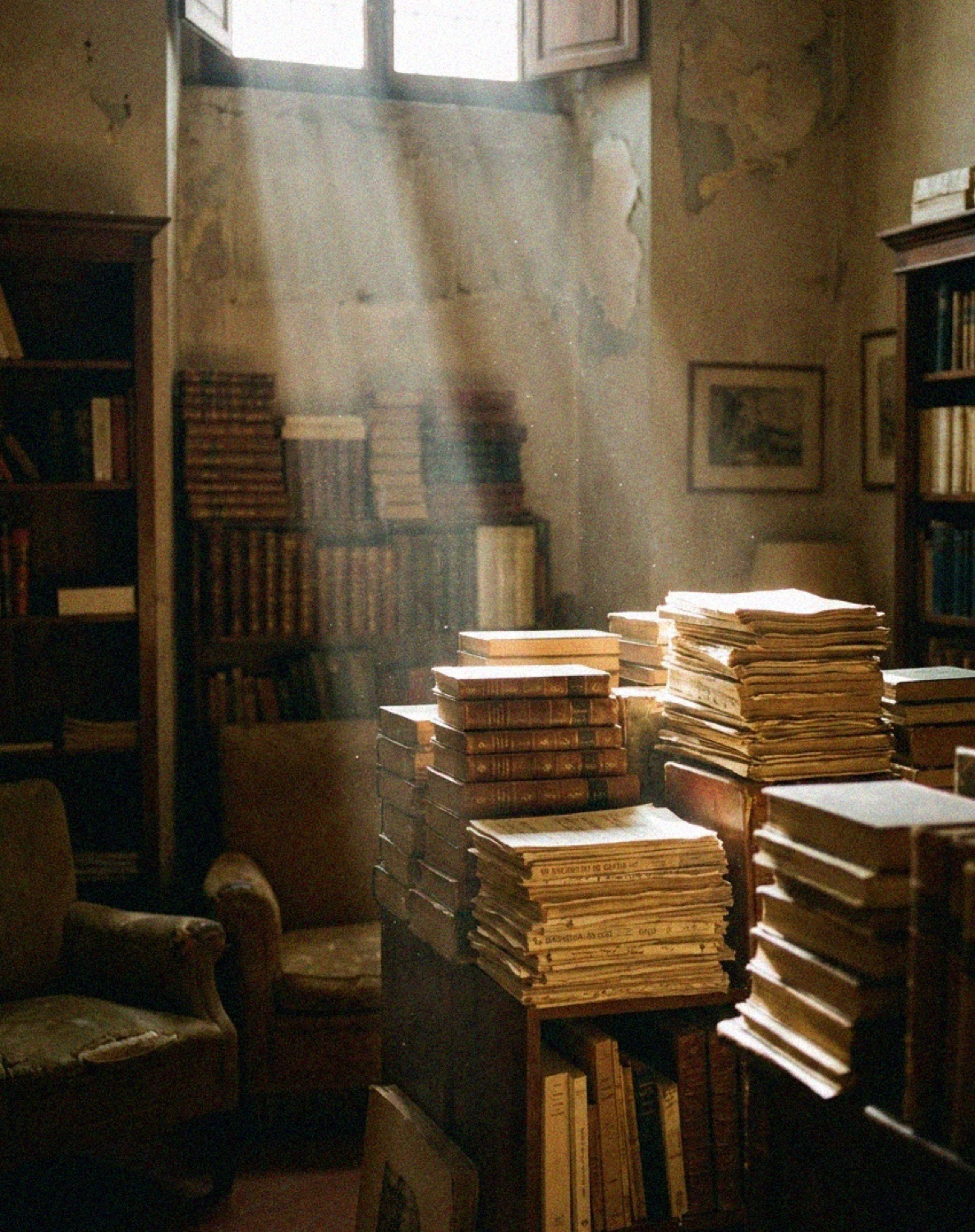
A few more overlooked corners are worth seeking out. The Brancacci Chapel in the Oltrarno holds Masaccio’s revolutionary frescoes that the young Michelangelo came to study, and it is rarely busy. The Museo di San Marco, the old friary painted by Fra Angelico, is one of the most peaceful places in the city, an entire monastery of quiet cells each with its own fresco. Climb the Rose Garden and the Iris Garden on the slope below Piazzale Michelangelo for the same great view with a fraction of the crowd, and wander the streets of the Sant’Ambrogio neighbourhood east of the centre, where Florence goes about its ordinary life far from the tour groups.
Photography Locations in Florence
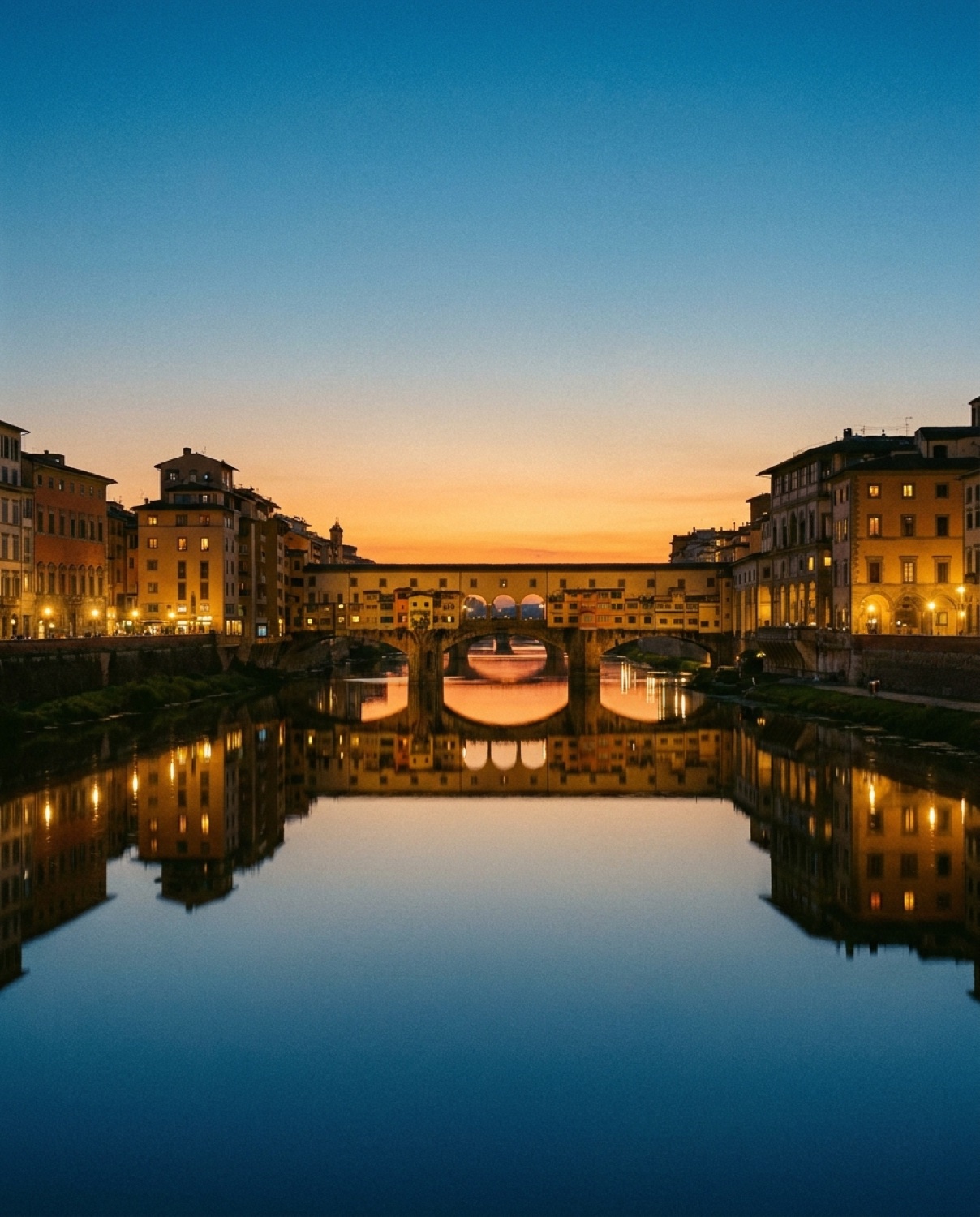
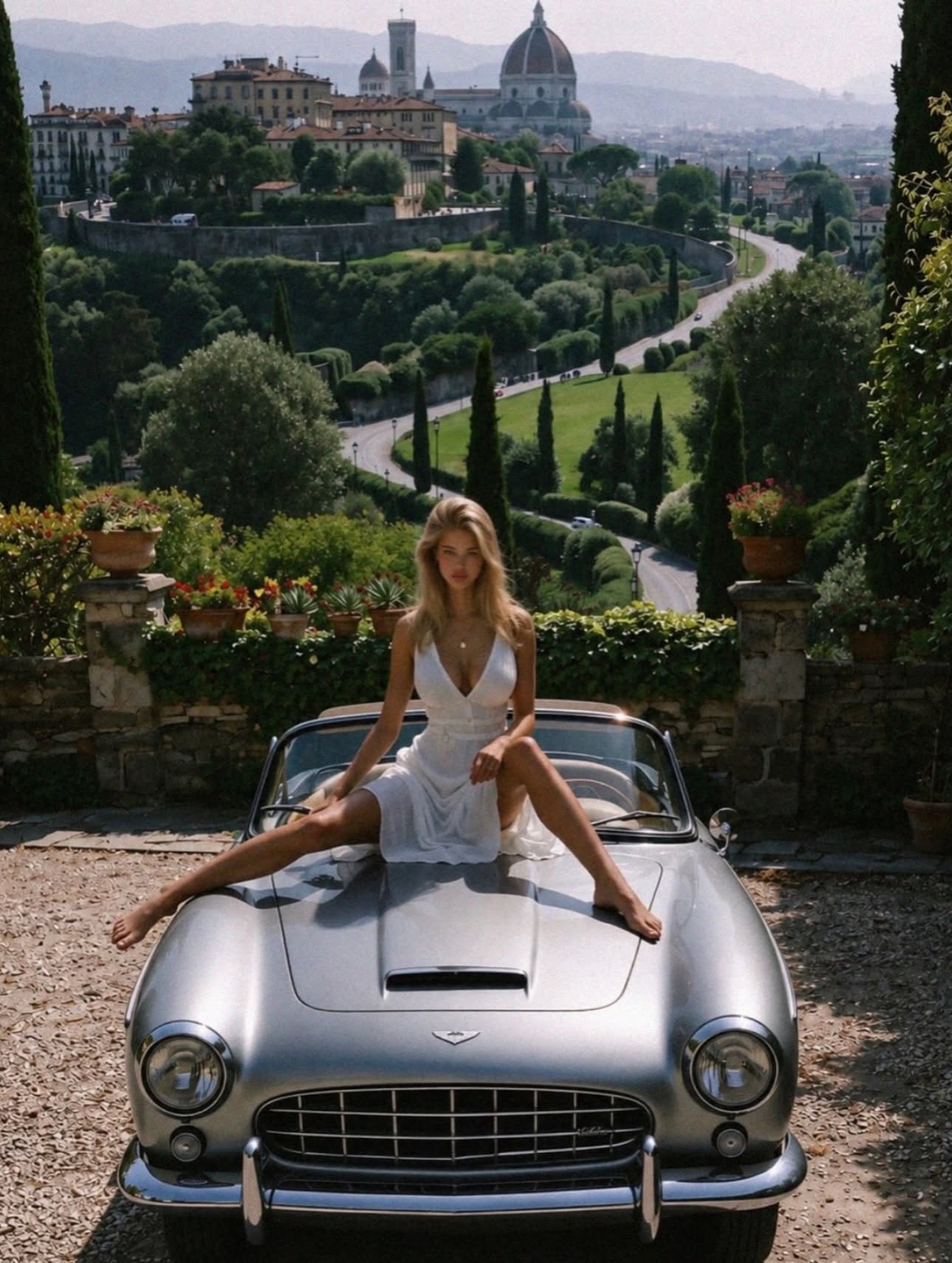
The classic shot of Florence is from Piazzale Michelangelo, the whole city and the red dome laid out along the river, best at golden hour and sunset when the stone turns to honey. For the same view with fewer crowds, climb a little higher to San Miniato al Monte, or take it from the terrace of the Bardini Garden. Down in the centre, shoot the Ponte Vecchio from the neighbouring Ponte Santa Trinita, especially at dusk when the lights come on, and frame the striped marble of the Duomo from the narrow lanes that suddenly open onto it. Early morning gives you the bridges and piazzas nearly empty; the golden hour gives you the light. See our upcoming guide to the best photo spots in Florence for the exact vantage points.
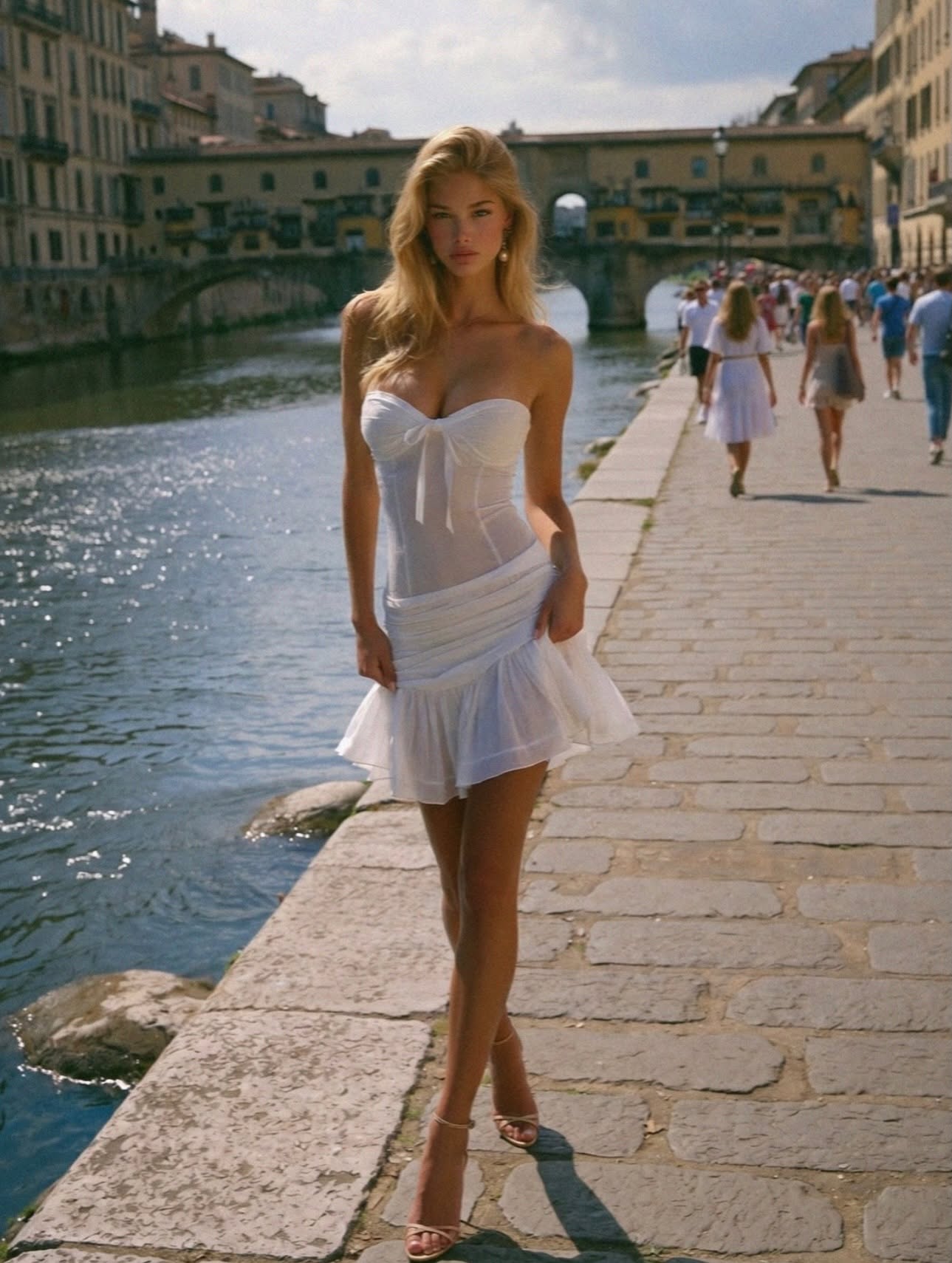
Suggested Itineraries
With one day, see the Duomo and climb the dome, visit either the Uffizi or the Accademia, walk through Piazza della Signoria and across the Ponte Vecchio, and end at Piazzale Michelangelo for sunset. With three days, the sweet spot for a first visit, add the second great museum, the Oltrarno and its workshops, the Pitti and Boboli, and time simply to wander and eat well. With five days you can go deeper, add the Bargello and the Medici Chapels, linger in the gardens and the markets, and take a day trip out into Tuscany. However long you have, book the Duomo dome, the Uffizi and the Accademia the moment your dates are fixed, and leave your afternoons loose for gelato and the river.
A note on pacing, whatever your length of stay: Florence is small enough to see fast and rich enough to reward slowness, so the mistake most first-timers make is over-scheduling. Book the two or three big timed entries you truly want, the dome, the Uffizi, the Accademia, and build the rest of each day loosely around them, with long lunches, a garden in the heat of the afternoon, and a sunset up at Piazzale Michelangelo or San Miniato. Cross the river into the Oltrarno for at least one evening away from the crowds, and leave one half-day completely empty; in a city this dense with beauty, the unplanned hours are often the ones you remember.
Getting There and Around Florence
Florence has its own small airport, and Pisa’s airport, an hour away by train, widens the options; the city also sits on Italy’s high-speed rail spine, ninety minutes from Rome and under two hours from Milan and Venice, so arriving by train straight into the central Santa Maria Novella station is the easiest way of all. Once you are here, Florence is wonderfully walkable, and you will not need public transport for the sights, all of which are within a compact centre. Do not bring a car: the historic centre is a camera-enforced ZTL limited-traffic zone with steep fines, and there is nowhere to park; if you are touring Tuscany by car, pick it up as you leave the city, not before.
Budget Versus Luxury
Florence flexes to any budget. At the affordable end, a room in the Oltrarno or near the station, market lunches of lampredotto and schiacciata, free churches and a sunset that costs nothing make for a rich trip on modest means. In the middle sit comfortable boutique hotels, booked museum entries and long trattoria dinners. At the luxury end, Florence has grand Renaissance-palazzo hotels, private after-hours museum tours, Michelin dining and personal shopping in the leather and gold ateliers. The art, the architecture and the river views are free to everyone; how you sleep, dine and shop is where the range lies.
Who Florence Is For
Florence is for the lover of art, history and beauty, for the traveller who wants Renaissance masterpieces in the morning and a long Tuscan lunch in the afternoon. It suits couples, culture-seekers, solo travellers and anyone happy to walk cobbled streets between one wonder and the next. It is less suited to those after beaches or big nightlife, though it makes a perfect, civilised base for exploring the whole of Tuscany.
Packing and What to Wear
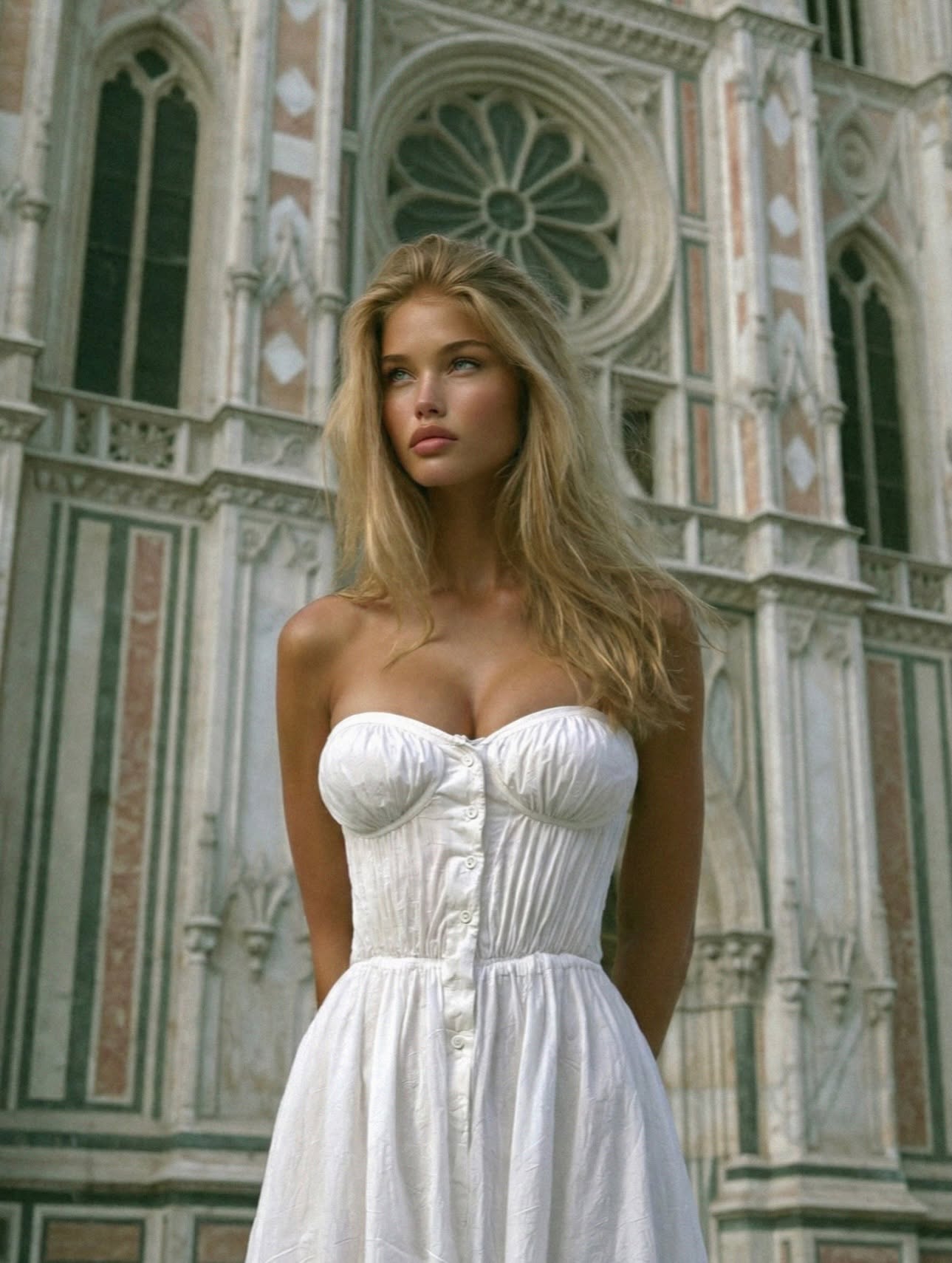
Florence is a stylish, walkable city, so pack comfortable shoes for the stone streets first of all, and leave the high heels behind. Bring light, breathable layers for hot summers and a warm coat and umbrella for winter, with a scarf or shawl to cover shoulders and knees for the churches and the Duomo, where a dress code is enforced. Dress a little smartly for dinner, as Florentines do, and carry a small bag you can keep close in the busy centre. Leave room in your case for leather, a bottle of Chianti and a jar of something from the market to take home.
Day Trips into Tuscany
Florence is the perfect launchpad for Tuscany. Siena, an hour or so away, is the great medieval rival, built around the shell-shaped Piazza del Campo. San Gimignano bristles with its towers and pours its Vernaccia white wine. The Chianti wine road, the hills of vineyards and stone villages between Florence and Siena, makes an easy and delicious day out, best with a driver so everyone can taste. Further afield, Pisa and its leaning tower and the walled city of Lucca sit an hour west by train, and even the painted villages of the Cinque Terre are reachable in a long day. For the full picture of the region, see our complete guide to Tuscany.
Siena and San Gimignano
Siena, about an hour and a quarter south, is Florence’s great medieval rival, built in warm brick around the sloping shell of the Piazza del Campo, with a soaring striped cathedral and the Torre del Mangia to climb. Pair it with San Gimignano, the hilltop town of medieval towers and crisp Vernaccia white wine, for a classic Tuscan day; buses and tours run from Florence, though a car or driver gives you both plus a vineyard in between.
The Chianti Wine Road
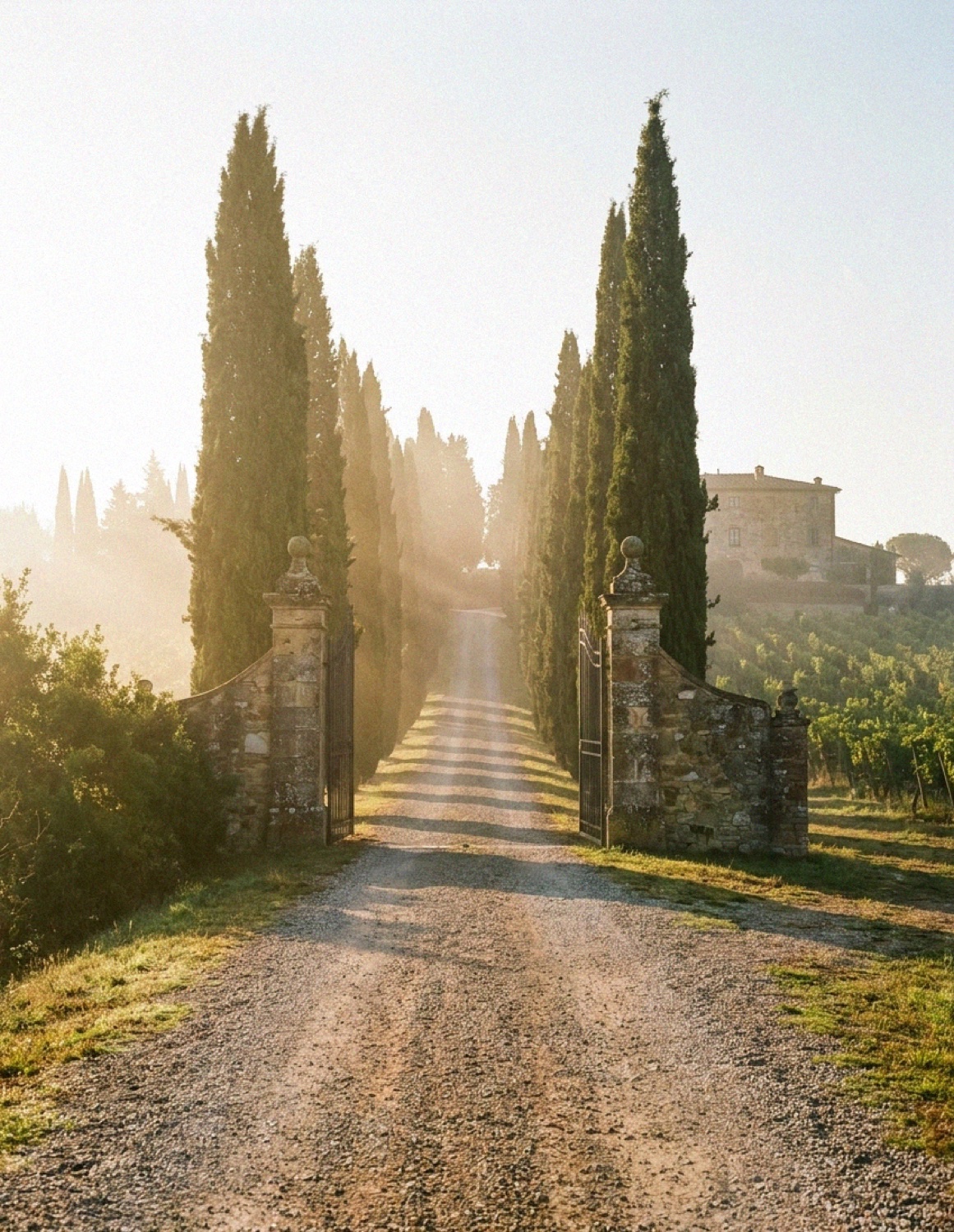
The hills of Chianti, between Florence and Siena, are the easiest and most delicious day out: a slow drive through vineyards and stone villages like Greve, Panzano and Radda, with tastings at the estates along the way. Because the wineries sit down unmarked country lanes and you will want to taste, go with a driver or a small-group wine tour rather than behind the wheel.
Pisa, Lucca and Beyond
West by train lie Pisa, whose leaning tower and cathedral square can be seen in a half day, and the beautiful walled city of Lucca, made for cycling its Renaissance ramparts. With a full day and an early start, even the painted fishing villages of the Cinque Terre are reachable by train. Any of these makes an easy contrast to the city, and Florence’s place on the fast-rail spine makes the logistics simple.
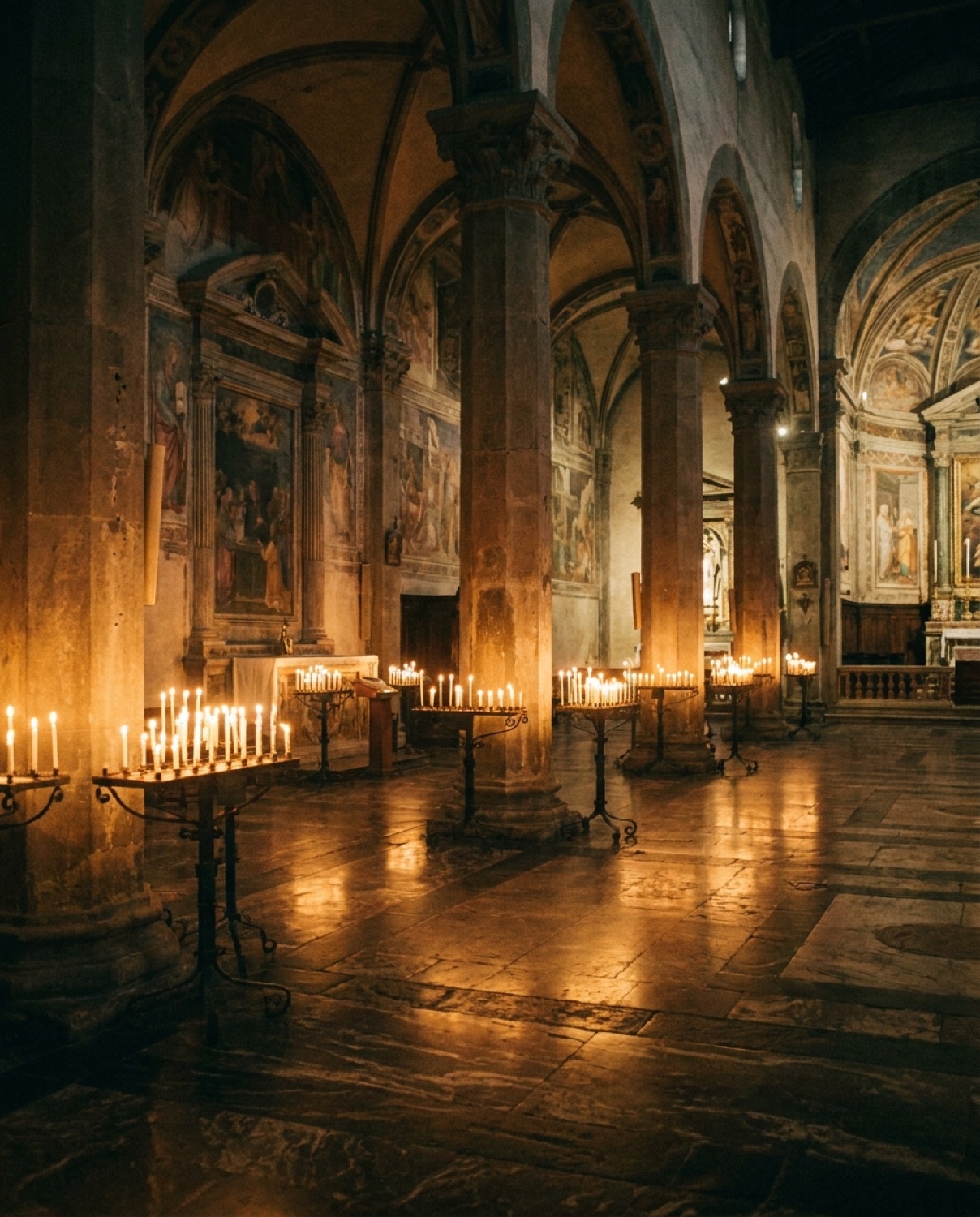
More images from Florence

Frequently Asked Questions
How many days do you need in Florence?
Three days is the sweet spot for a first visit: enough for the Duomo, the Uffizi, the Accademia, the Oltrarno and a sunset at Piazzale Michelangelo, with breathing room. Five days lets you go deeper and add a day trip into Tuscany. Even one well-planned day covers the essentials.
Do you need to book the Uffizi, Accademia and dome in advance?
Yes, absolutely, in high season. The Accademia (Michelangelo’s David) sells out weeks ahead, so book at least two months in advance; the Uffizi at least a month ahead; and reserve your timed slot for the Brunelleschi Dome climb online, as it fills fast. Booking is the single most important thing you can do to enjoy Florence.
Is Florence walkable, or do you need a car?
Florence is very walkable, and every major sight sits within a compact centre, so you will not need public transport. Do not bring a car: the historic centre is a camera-enforced limited-traffic zone with fines and no parking. Arrive by train, and hire a car only as you leave to tour Tuscany.
What is the best time to visit Florence?
Late spring (April to June) and early autumn (September to October) offer warm days, good light and manageable crowds. Summer is hot and very busy; winter is quiet, cheaper and atmospheric but can be cold. Whenever you come, book your museums ahead.
Is Florence expensive?
It can be as affordable or as indulgent as you like. Market lunches, the Oltrarno, free churches and a sunset over the Arno keep costs down, while palazzo hotels, private tours and fine dining sit at the top end. The art and the views are free to all.
What food is Florence known for?
The famous bistecca alla Fiorentina steak, the hearty ribollita soup, the street-food lampredotto and tripe panini, schiacciata bread, cantucci with Vin Santo, and superb gelato. Wash it down with Chianti from the surrounding hills.
What are the best day trips from Florence?
Siena and San Gimignano make a classic medieval day out, the Chianti wine road is the most delicious, and Pisa and the walled city of Lucca sit an hour west by train. With an early start, even the Cinque Terre is reachable. Florence’s place on the fast-rail network makes all of them straightforward.
Is Florence a good base for visiting Tuscany?
Yes, it is the ideal base. Florence sits on the high-speed rail spine and at the top of the Tuscan hills, so you can day-trip to Siena, Chianti, Pisa and Lucca and return each evening, or use it as the first stop before hiring a car and heading into the Val d’Orcia countryside.
Is Florence worth visiting?
Without question. It is one of the great art cities of the world, compact enough to cross on foot, and the concentration of Renaissance painting, sculpture and architecture in a few square kilometres is unmatched anywhere. Even a couple of days tends to leave people planning their return.
How do you get from Florence to Rome, Pisa or Venice?
All three are easy by train from Florence’s central station, Santa Maria Novella. Rome is about an hour and a half on a fast train, Venice a little over two hours, and Pisa around an hour on a regional service, with the airport reached by the short PisaMover shuttle. You do not need a car for any of them.
The Florence Diaries
For the trip behind the guide, read Victoria’s Florence diaries: The House Above Florence, The City to Myself, and For When You Are Ready.
Related Articles
Planning more of Italy? See Victoria’s complete guides to Tuscany and Rome.