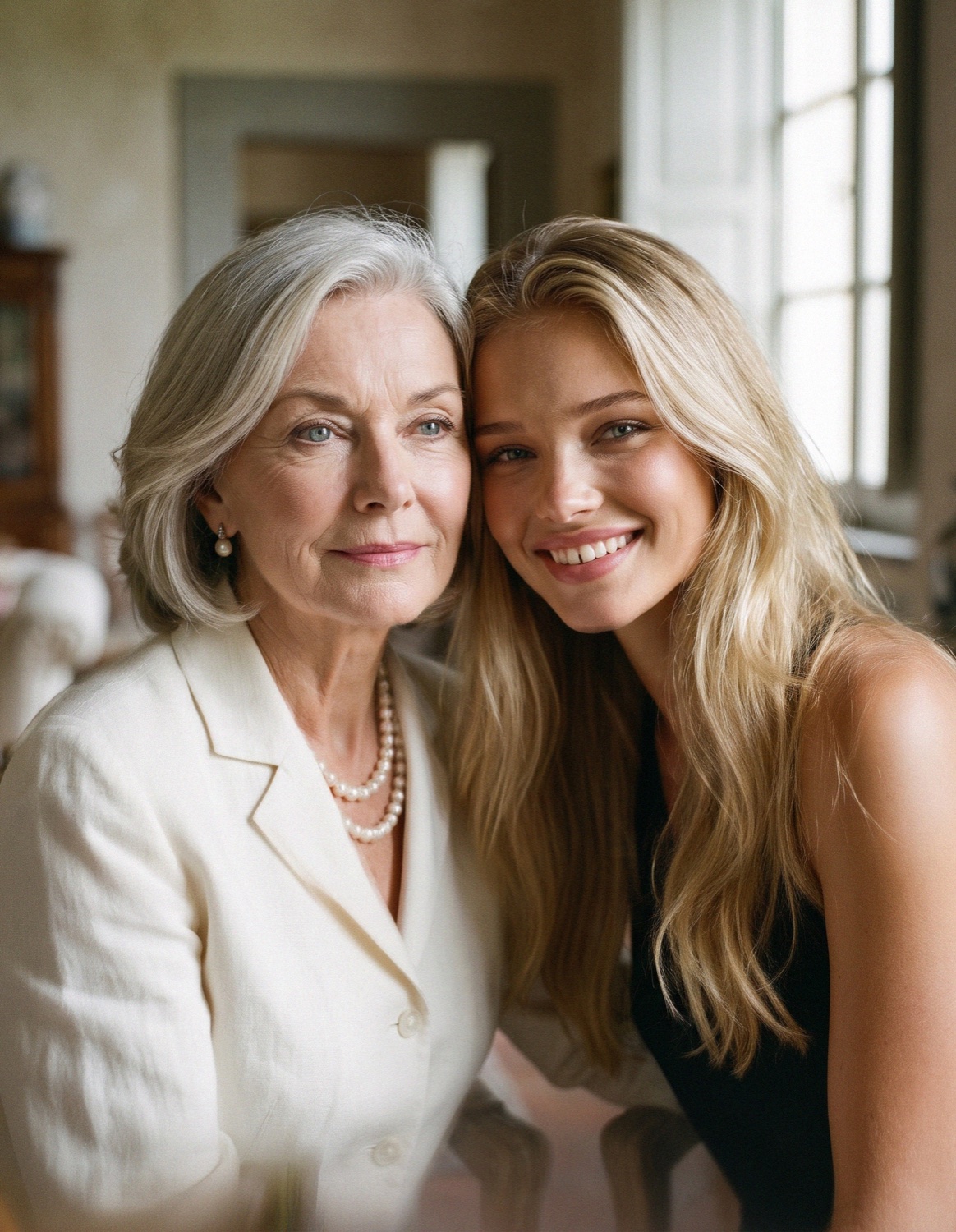
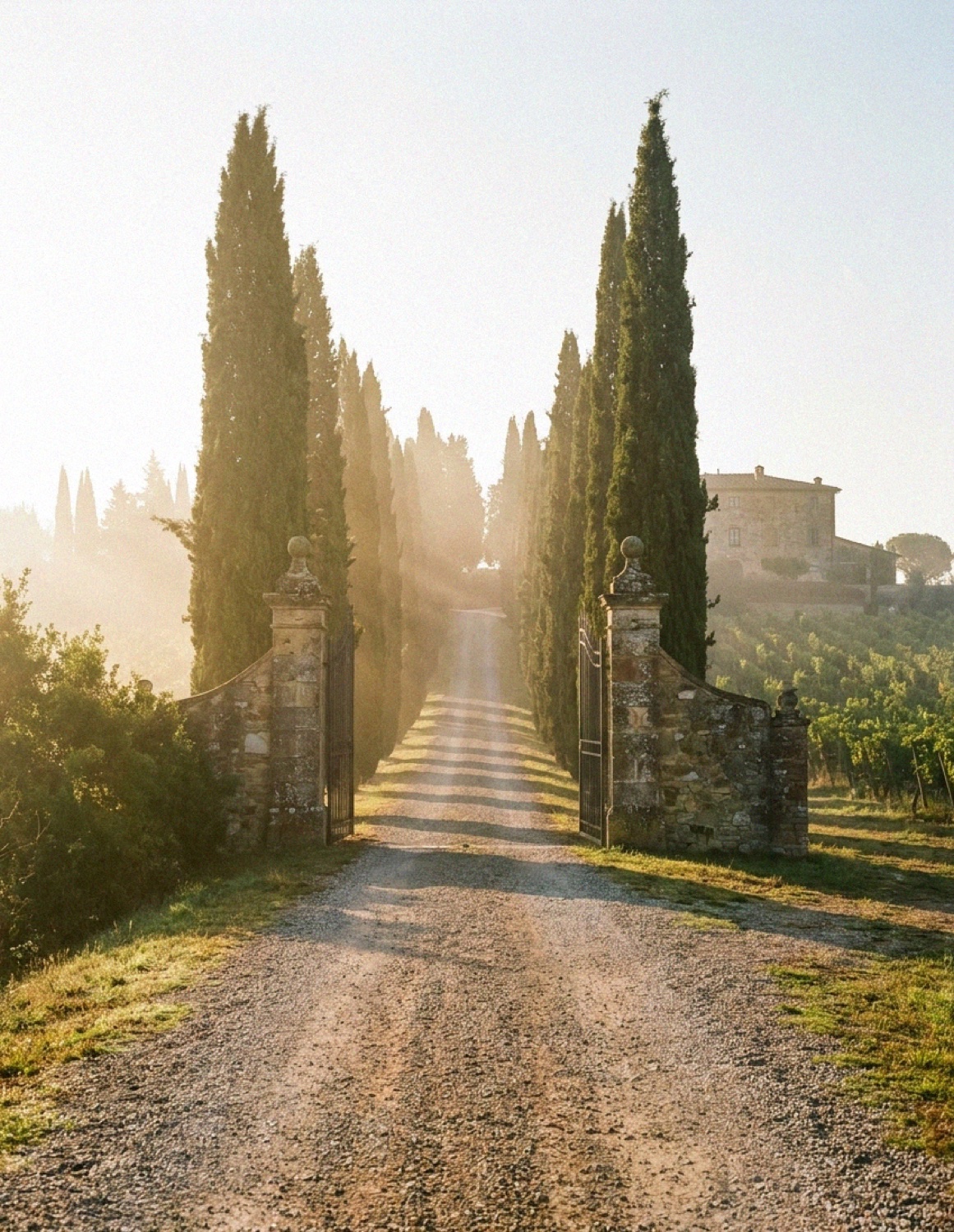
I came to Florence the slow way, as I always seem to, and I came to a house rather than a hotel. My aunt takes a villa in the hills above the city most summers, an old place with faded ochre walls and green shutters and a gravel courtyard where a single cypress leans as though it has been listening for a hundred years. The car turned in off the lane, the city dropped away below us in its haze of terracotta and stone, and there she was in the doorway in her ivory linen, waiting the way she always waits, as if she had known to the minute when I would arrive.
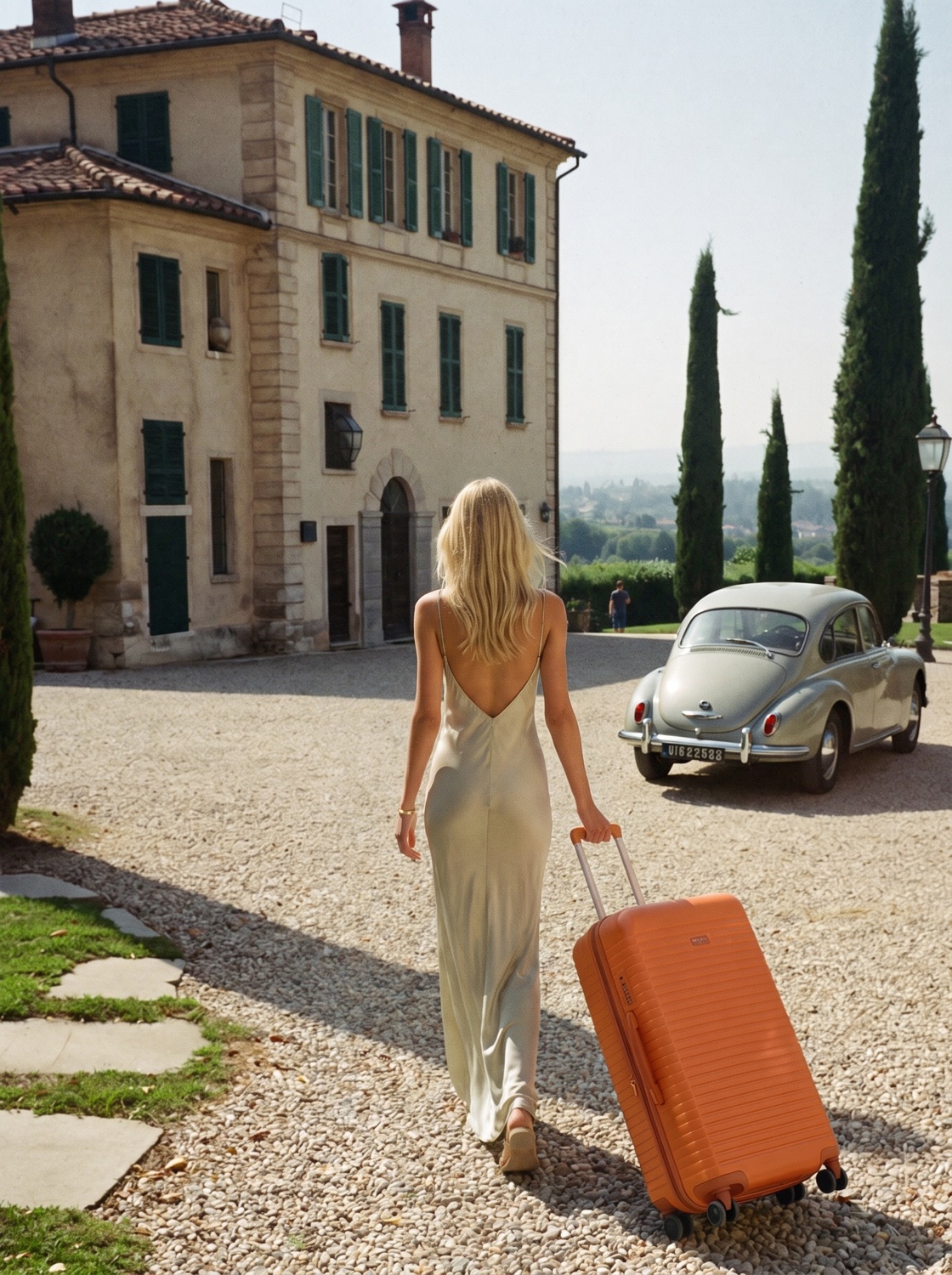
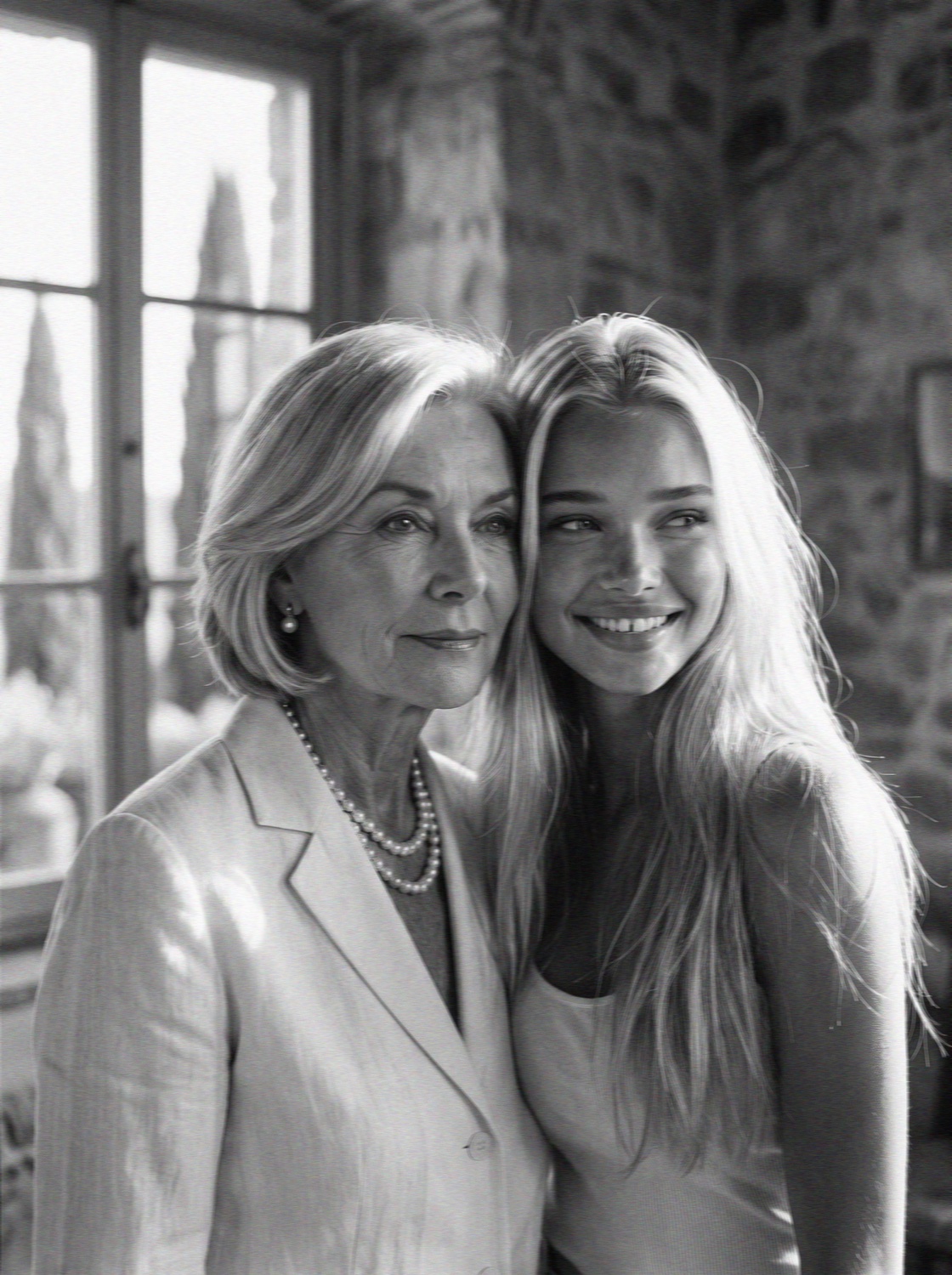
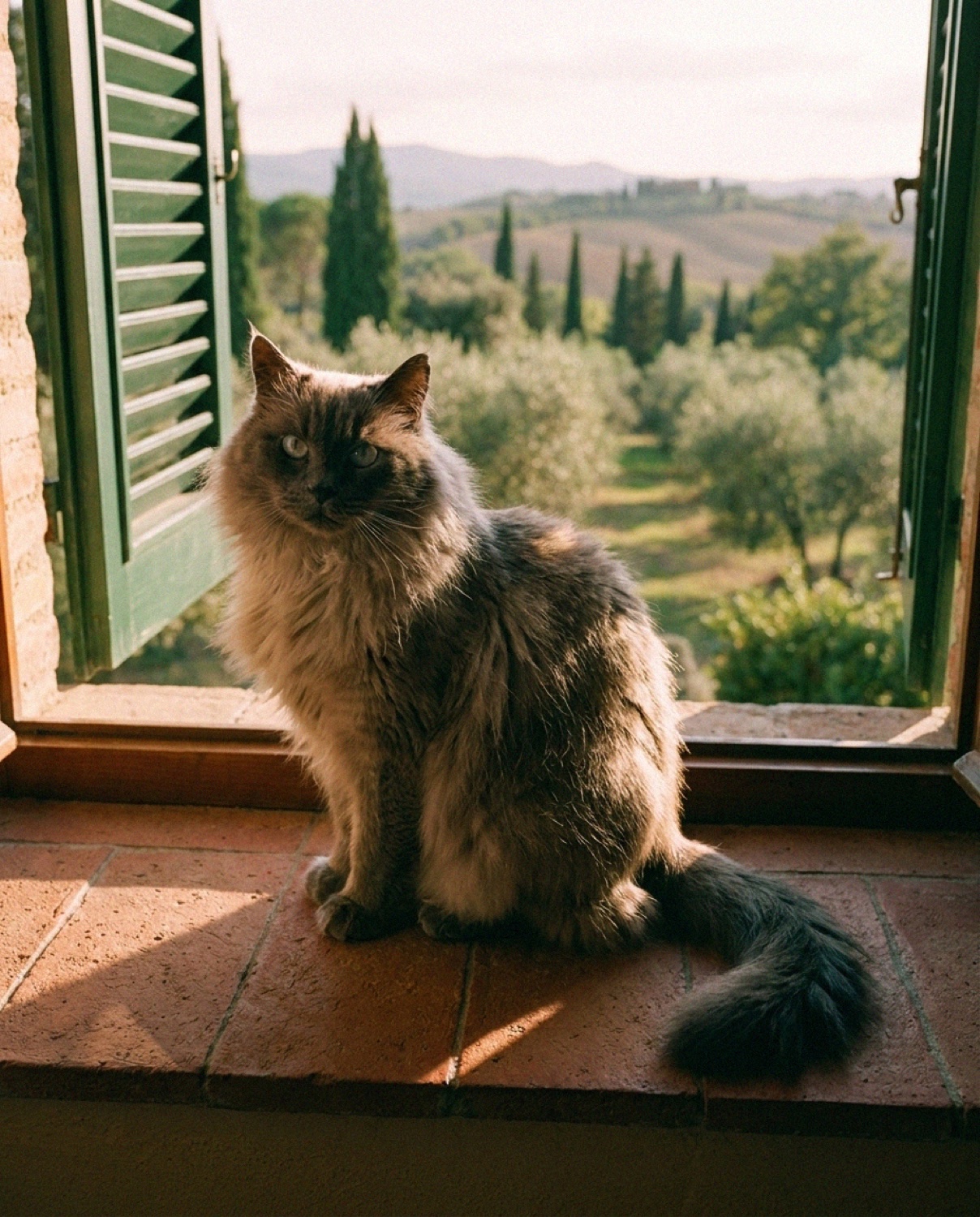
I had my suitcase, the orange one that has been with me since the train out of Naples, and I trundled it across the gravel feeling suddenly very young. There are people who make you younger simply by standing still, and my aunt is one of them. She kissed both my cheeks, held me at arm’s length to look at me the way she has looked at me my whole life, and said only that I was thinner and that lunch would fix it. Behind her, in the cool of the hall, something grey and enormous regarded me with pale eyes and did not get up. The cat. Of course the cat. She travels everywhere with my aunt now, a great long-haired creature who moves through the house as though she holds the deed to it and is merely allowing the rest of us to stay.
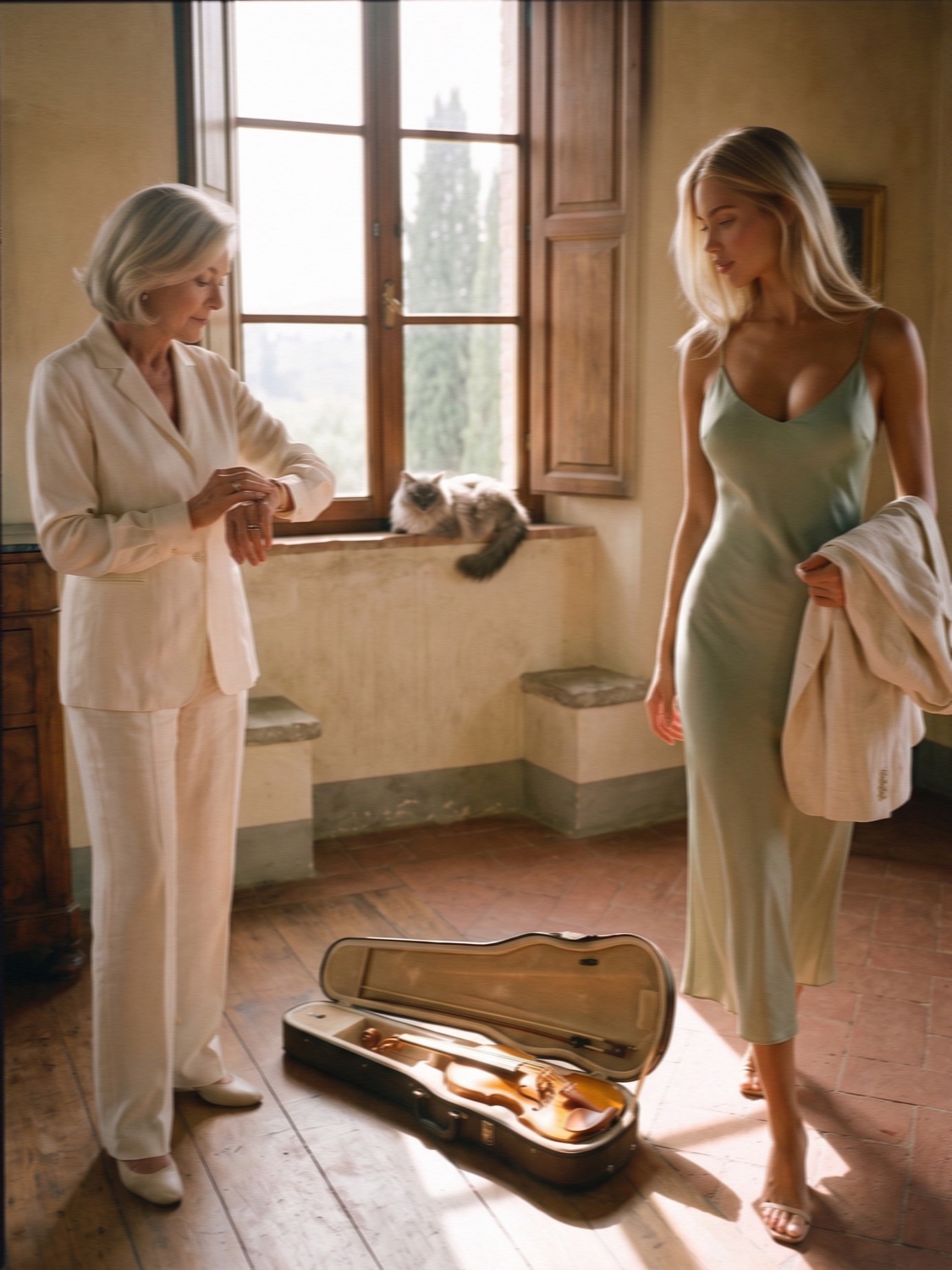
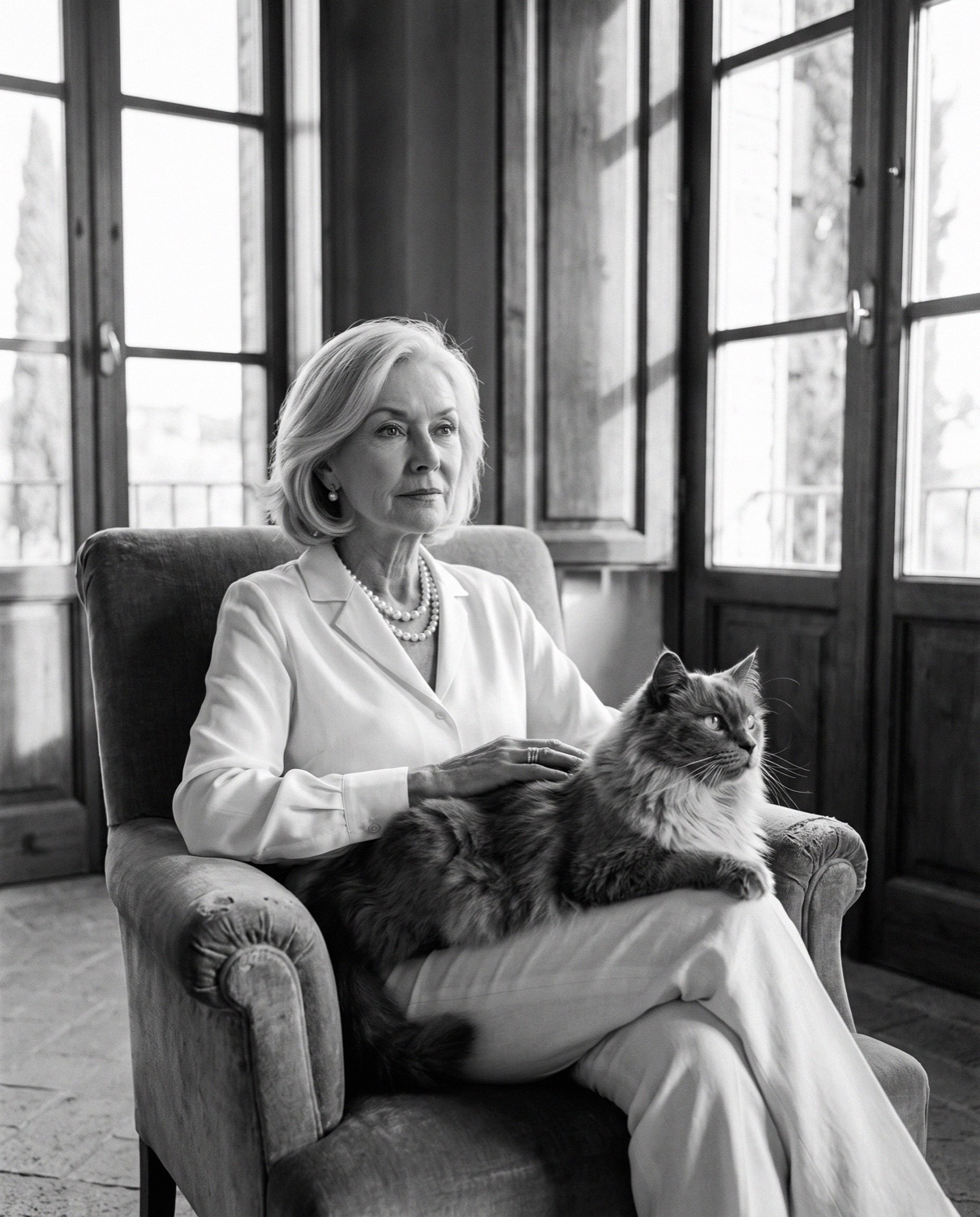
I had imagined we would go straight down into the city. I should have known better. In the music room, where the tall windows hold the whole valley, a stand had been set up in the light, and on it a page of music, and beside it, open on its little table, the violin. My aunt does not ask. She arranges, and then she waits for you to notice you have already agreed. One hour, she said, before Florence. One hour, and then the city is yours. And she settled into the worn armchair with the cat pouring herself into her lap, and she folded her hands, and she looked at me until I picked up the bow.
I had not played in longer than I want to admit. The first notes were rusty and a little ashamed of themselves, and then the room did what that kind of room does: it gave the sound back softer than I had made it, and somewhere in the second page my hands remembered what my head had forgotten. My aunt did not smile, exactly. She has a way of not smiling that is warmer than most people’s delight. The cat closed her eyes. The light moved along the terracotta floor. For a little while there was nothing in the world but the valley and the music and the two of them watching me become, briefly, someone I used to be.
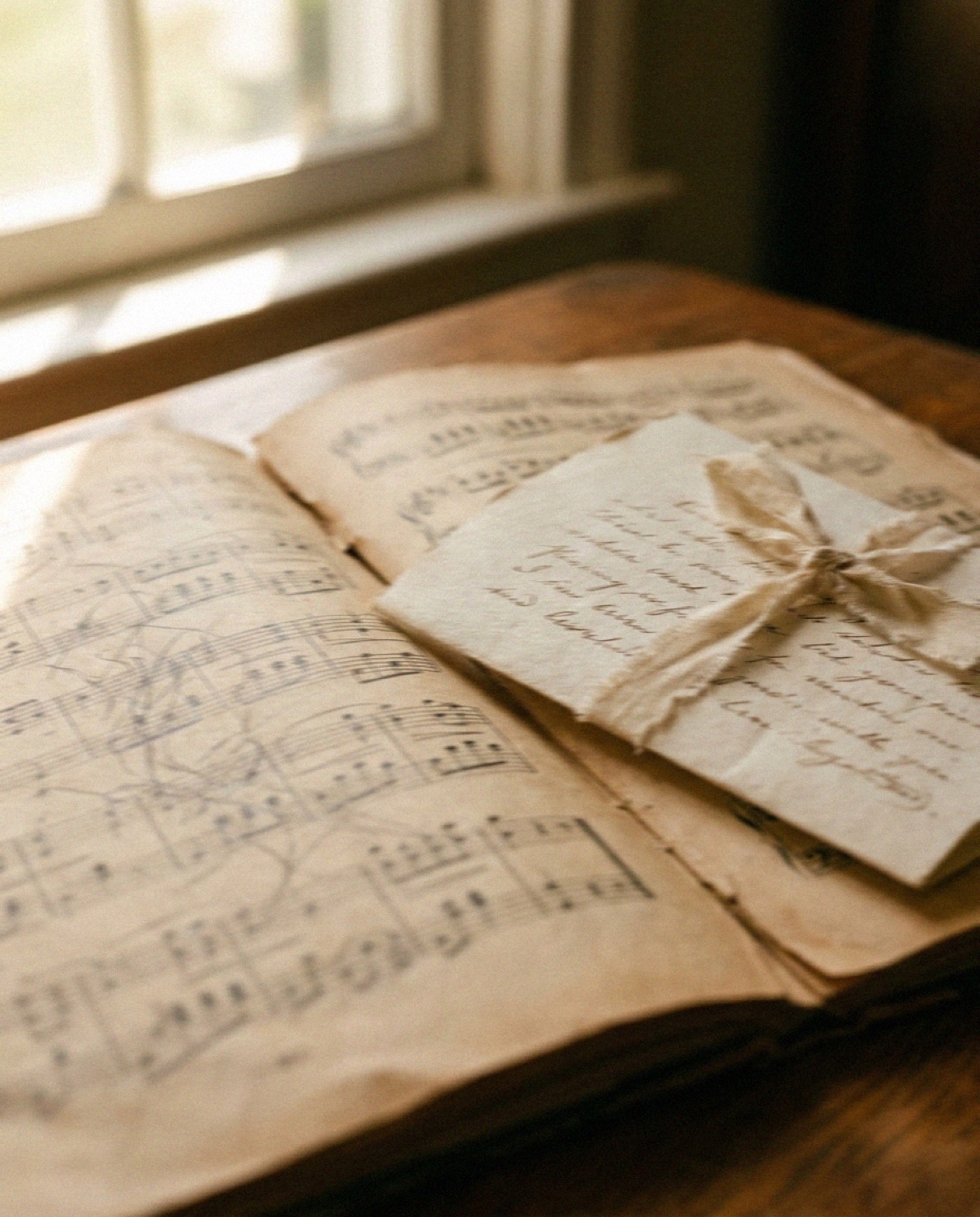
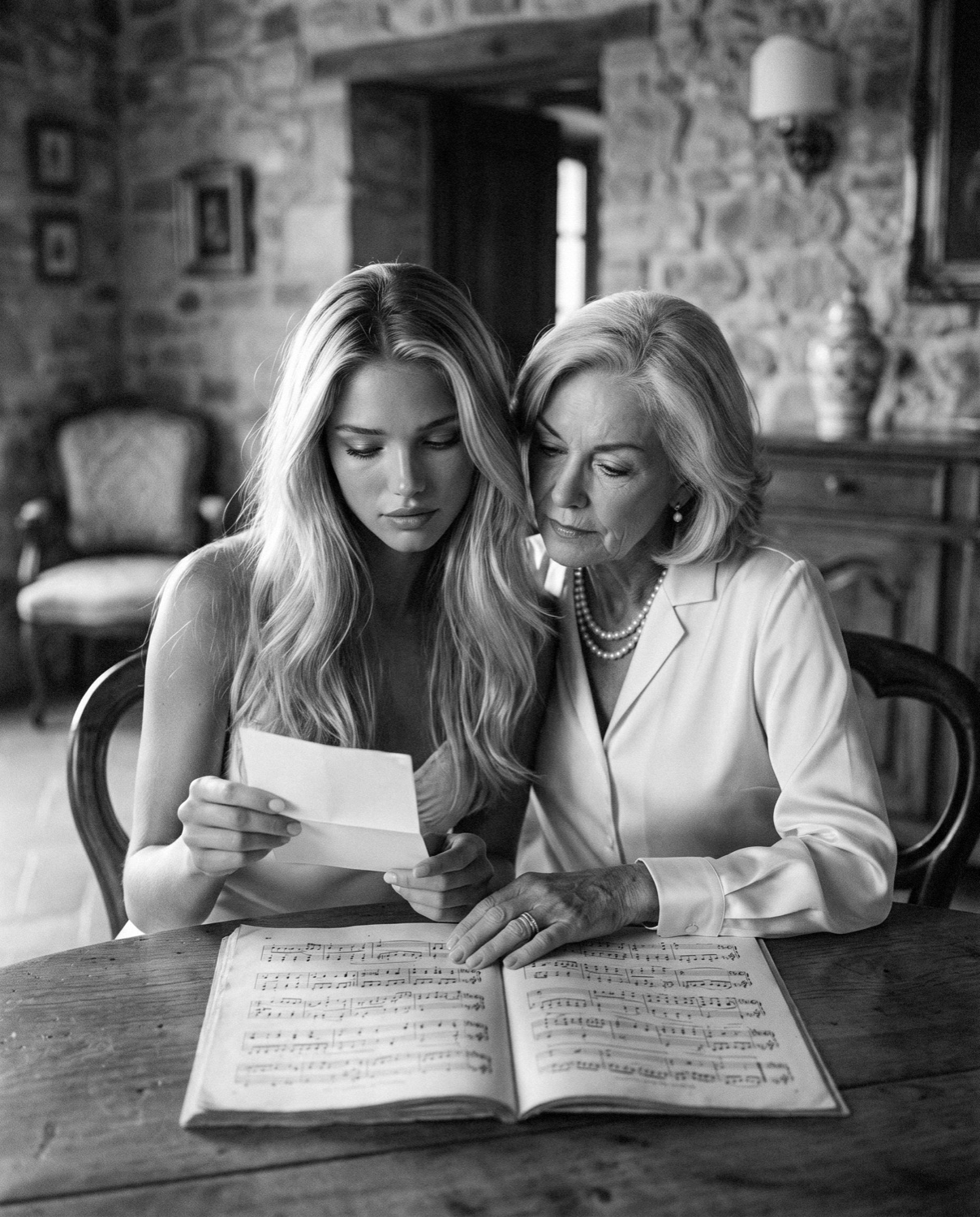
It was in the old sheet music that I found it. Tucked between the yellowed pages, a folded sheet of cream paper, soft with handling, tied round with a faded ribbon, and along the margin of the music a line of pencil in a hand I knew before I could think why I knew it. My father’s hand. I asked her about it, and my aunt, who answers everything, did not answer this. She said only that he had marked that passage once, a long time ago, and that it had always been his. Then she closed the book gently over my fingers, and she stood, and she said the word that ends every conversation she does not wish to have. Lunch. And so I let it go, the way you let a thing go when you understand it will keep, and we went down at last into Florence.
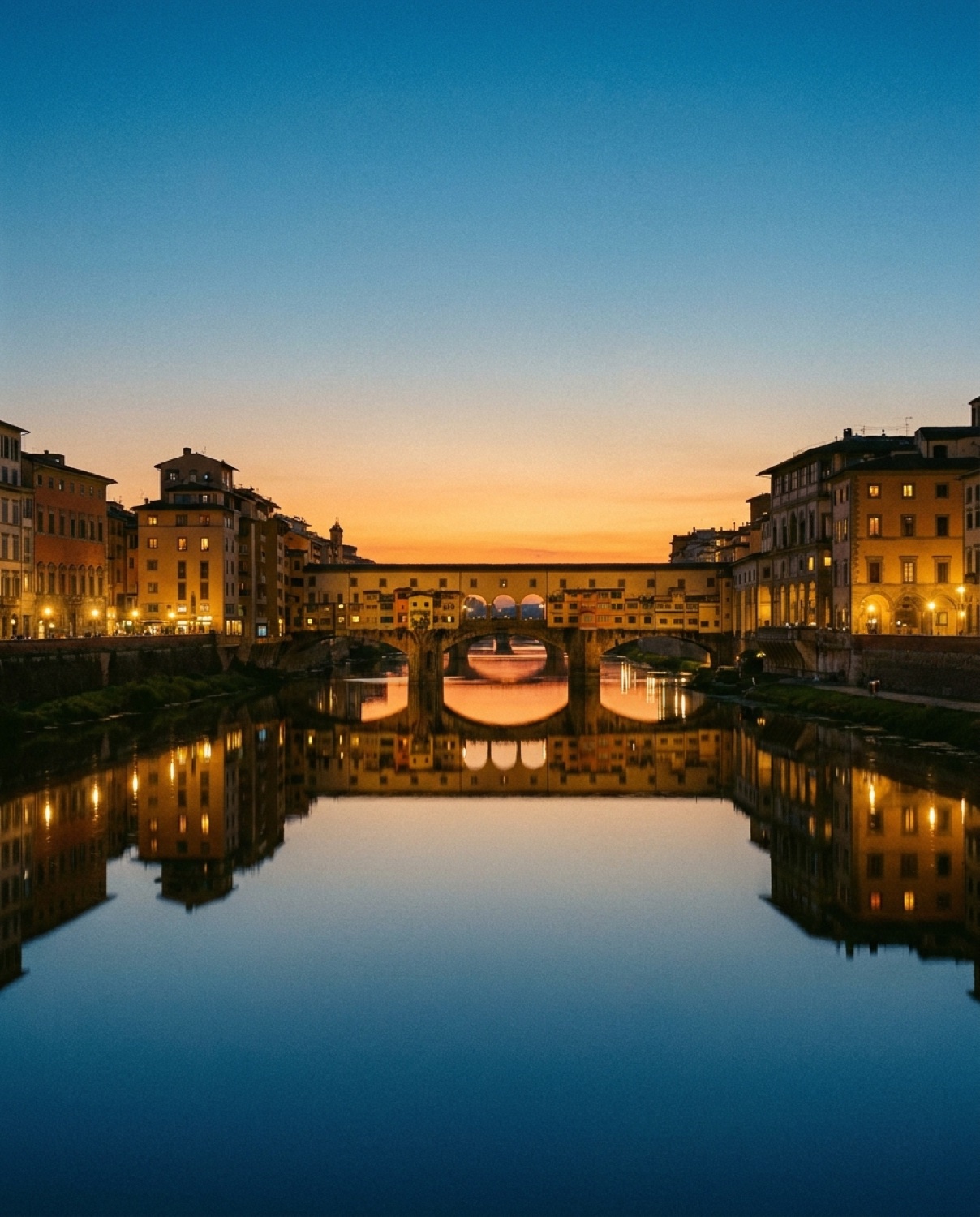
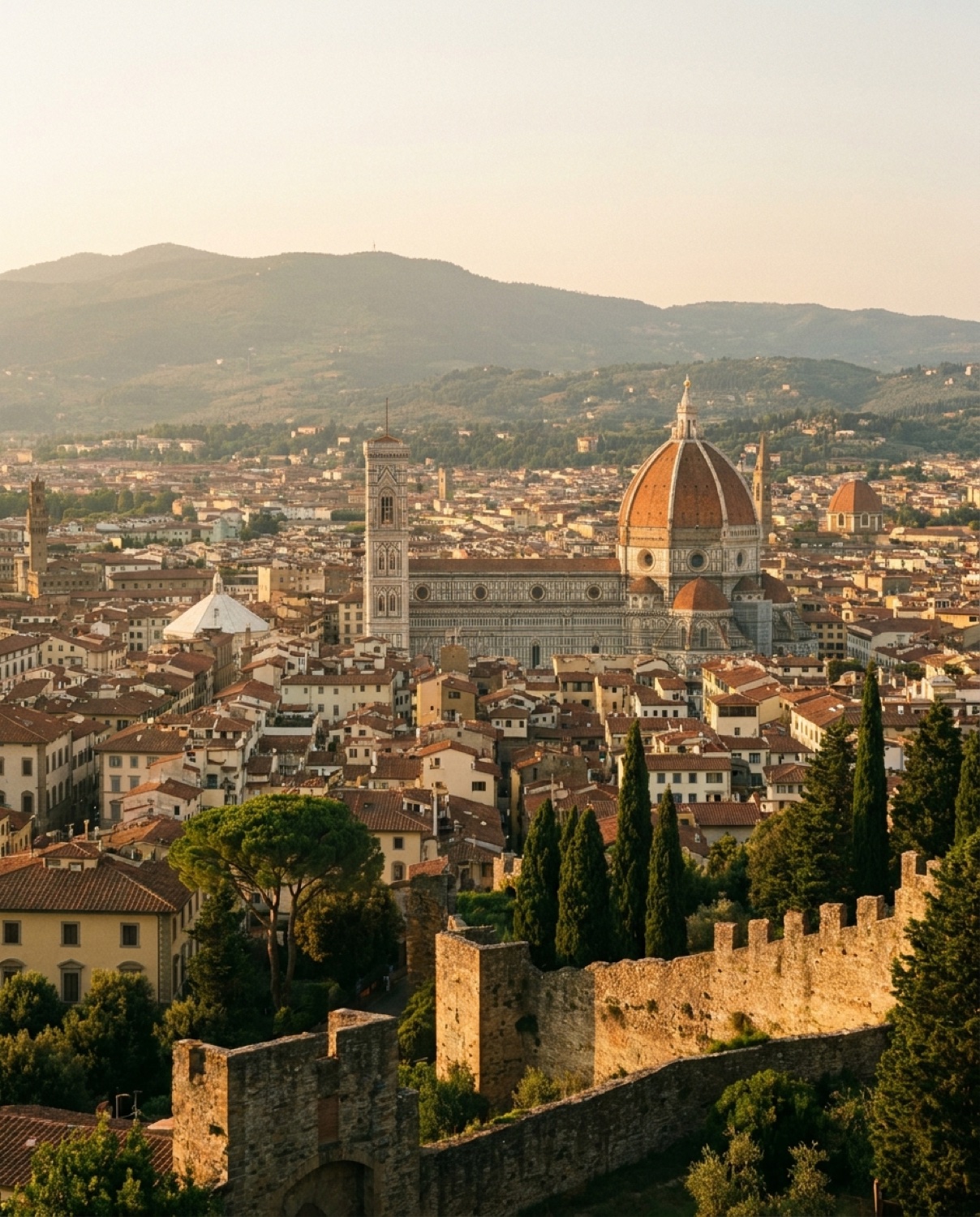
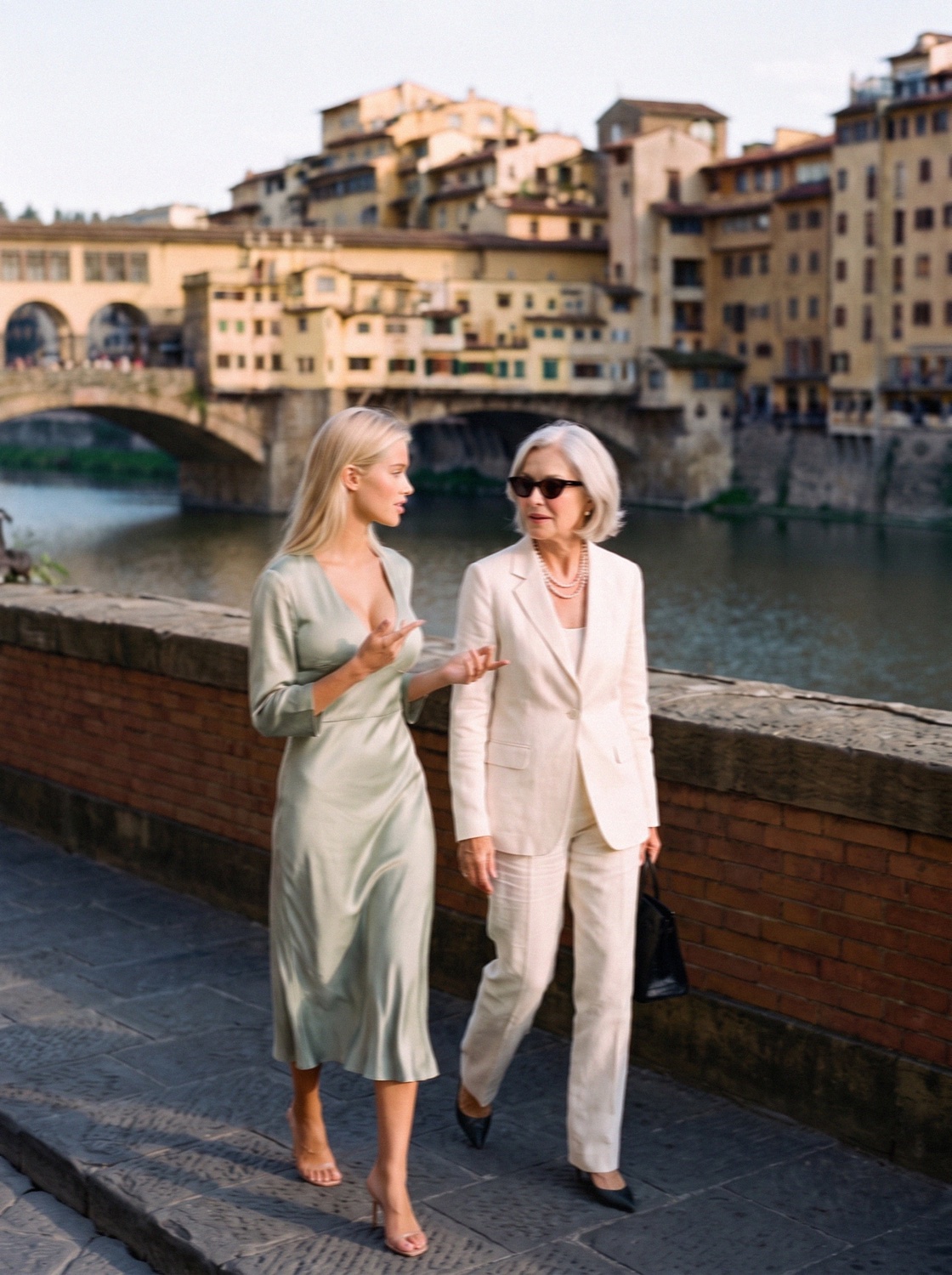
The city meets you all at once from those hills. We walked down through the cypresses, and it opened below us, the great rust dome riding above the rooftops, the whole improbable centre of it laid out like something a person had dreamed and then, absurdly, built. We crossed the river where the light was going long and gold, and stood a while on the bridge lined with its little shuttered shops, the Ponte Vecchio, watching the Arno hold the last of the sun and give it back doubled. My aunt named things without being asked, a habit of hers, this palazzo, that tower, the church where a certain painter is buried, and I half listened, and half simply walked beside her, glad in a way I could not have explained to be the younger one for once, the one who does not have to know.
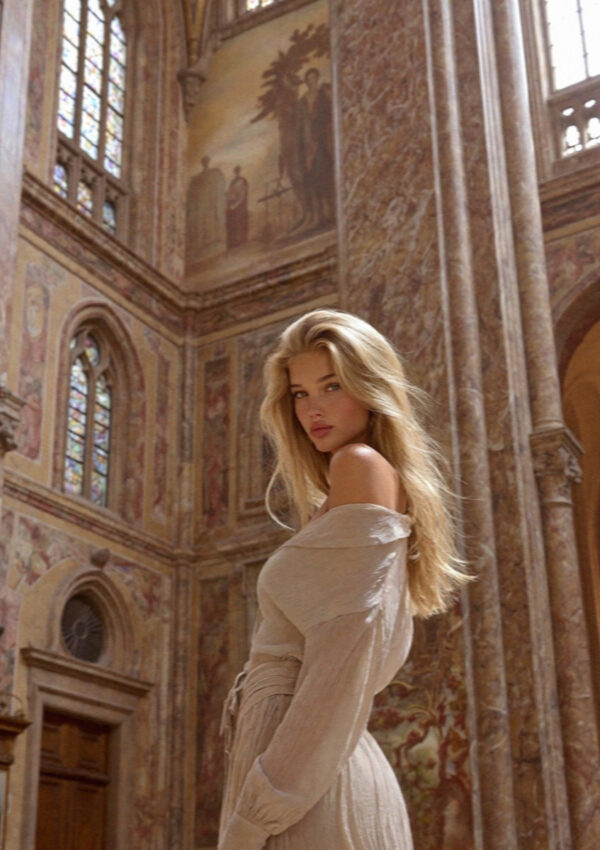
We slipped into a church as the bells were going, out of the heat and into that particular cool dark that smells of stone and centuries and beeswax, and we lit a candle without discussing who it was for. We wandered into a bookshop so old and so overrun that the light came down through the dust in solid bars, shelves giving way to towers of yellowed paper, and my aunt disappeared into it the way she disappears into anything with a spine and a story, and came out with nothing and looked entirely satisfied. And then, because it was Florence and because she believes a day is not finished until it has been properly fed, we climbed to a terrace above the rooftops and took a small table with the whole city in front of us, the dome close enough now to touch, a bottle of something local sweating in the last of the sun.
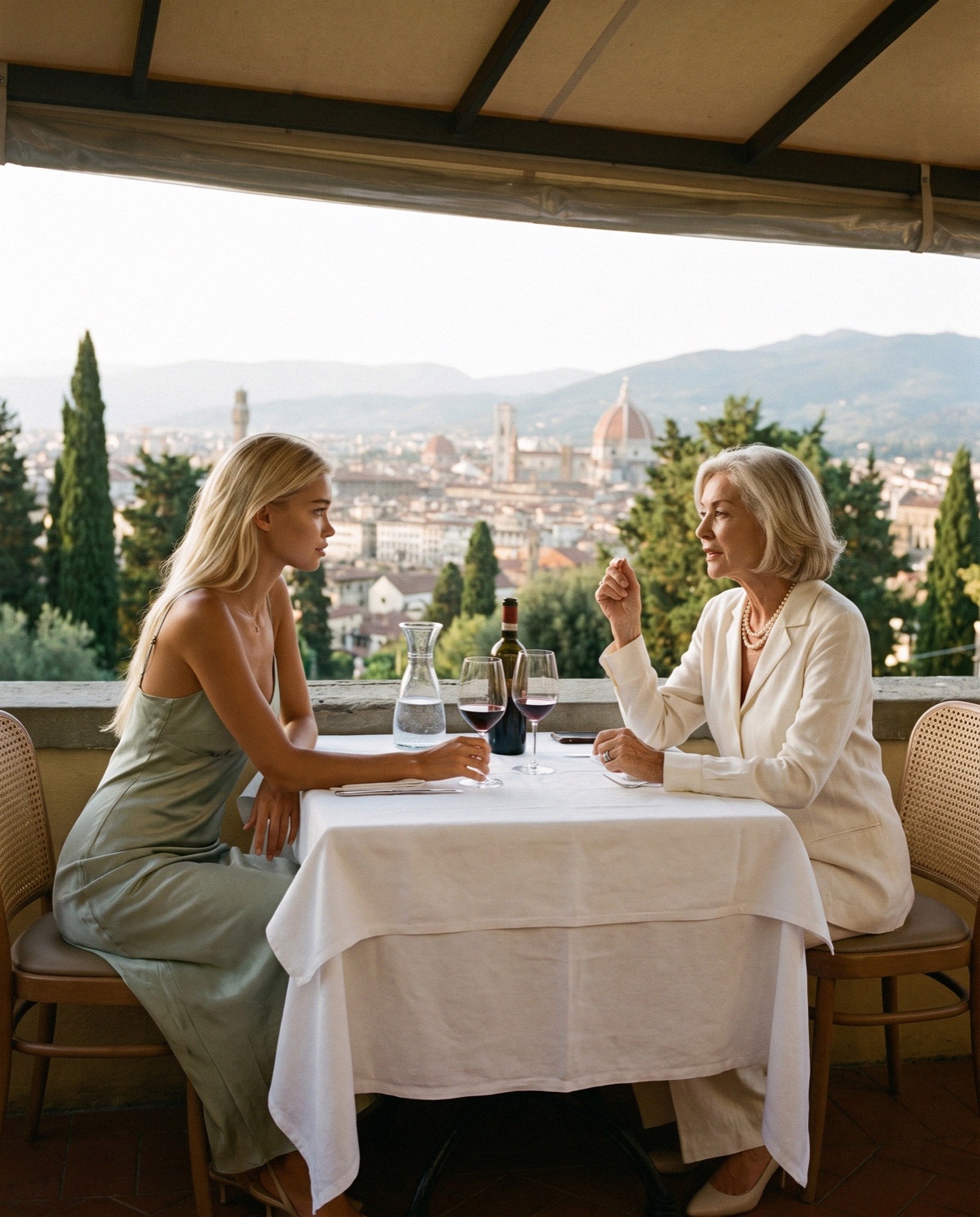
She talked, and I listened, and I did not ask again about the paper. There will be time. That is the thing about my aunt’s houses, there is always the sense of time being kept somewhere safe, of things put by to be taken out later when you are ready for them. She has known me since before I could be startled by my own shadow, and she has never once told me a thing before its hour. Whatever my father marked in that music, whatever she folded away with a ribbon and will not yet explain, it is still here, in this house above the city, waiting the way she waits. And I find I am not impatient. I am only glad to be back inside the small, exact circle of people who knew me first.
We came up in the dark, the cypresses black against a sky going violet, the city a scatter of gold below. The cat met us at the door as though she had been worried, which she had not, and my aunt put on a lamp and asked whether I would play again before bed. I said I might. She smiled, the real one this time, the one she keeps.
Some cities you visit. This one I seem to have been given, along with the house, and the music, and the long slow business of learning what my family has always known and never quite said.
V.
Read also: The City to Myself and For When You Are Ready. For planning a visit of your own, see Victoria’s Complete Guide to Florence.
More from Florence Day 1: