I had one day left in Florence, and only then did I realise I had been saving it without quite admitting it to myself. All week, coming and going from the hills, I had left certain streets unwalked and certain doors unopened, the way you save the best of a meal for last. Now the last of it had arrived, and somehow the city seemed to know before I did. My aunt pressed a coffee into my hand at the gate and did not offer to come, because she never does on the days that matter. I went down alone one final time into the warm stone morning.
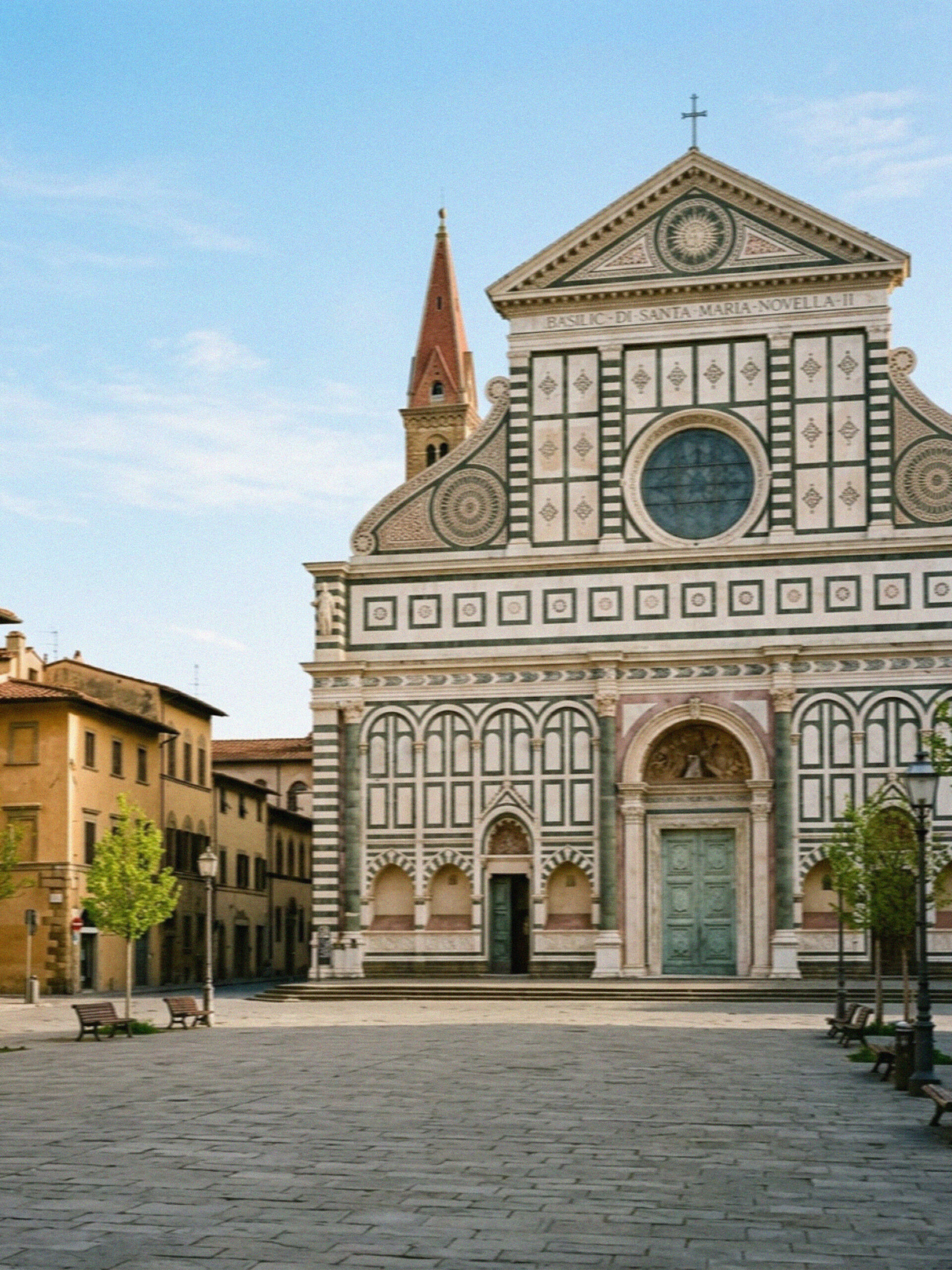
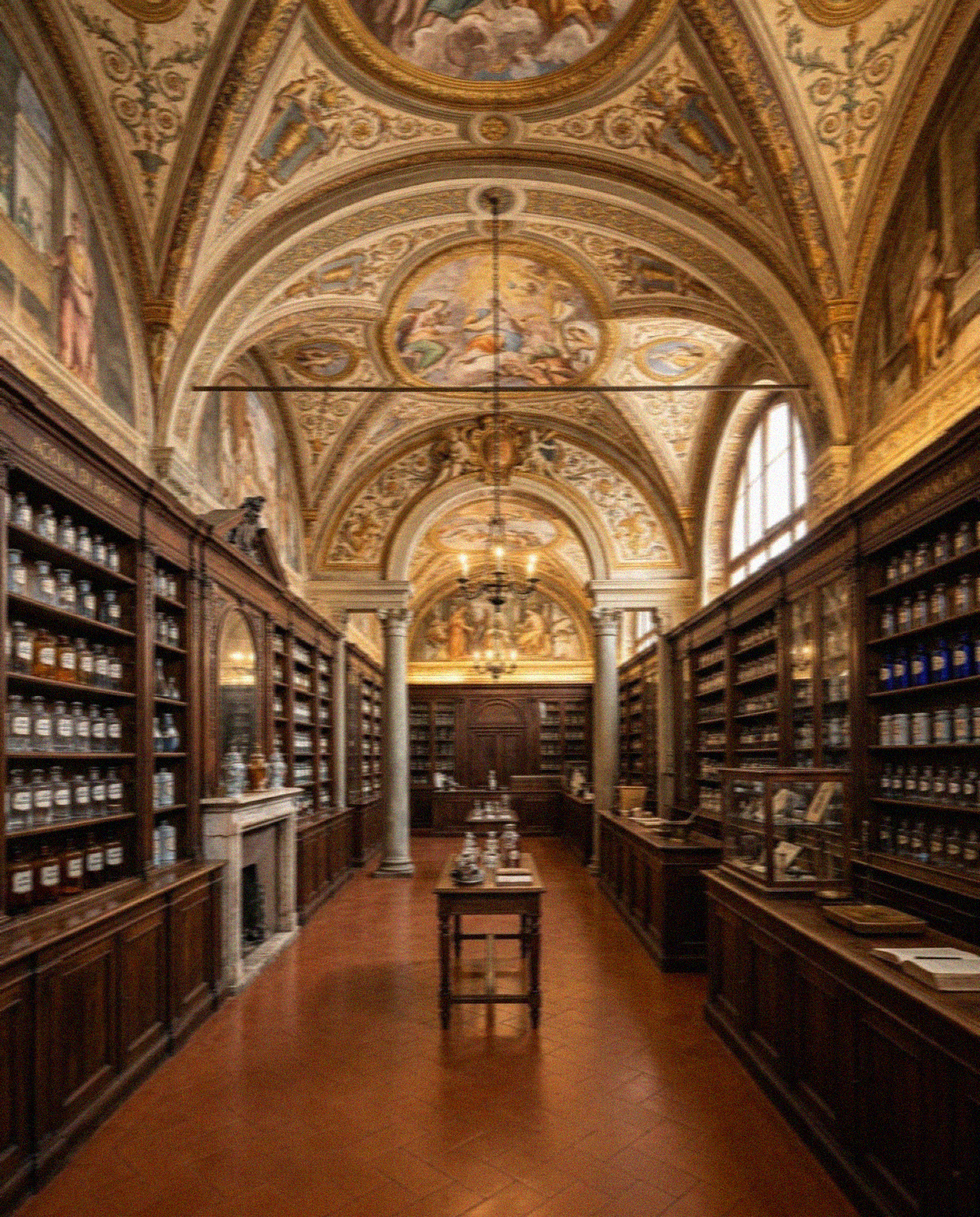
I began at Santa Maria Novella, which I had somehow never given a proper hour to, and stood for a long while before its façade, all that green and white and rose marble arranged with such quiet precision that it felt almost like music written in stone. Then I finally did the thing I had been promising myself and stepped into the old perfumery behind the church, the ancient one the friars began eight hundred years ago. It was a hush of frescoed ceilings, dark wooden cabinets and rows of glass bottles catching the morning light. I bought a small bottle with roses in it that I did not need, only because I wanted to carry Florence home with me. The woman wrapped it as though it were a relic, which in a way it was.

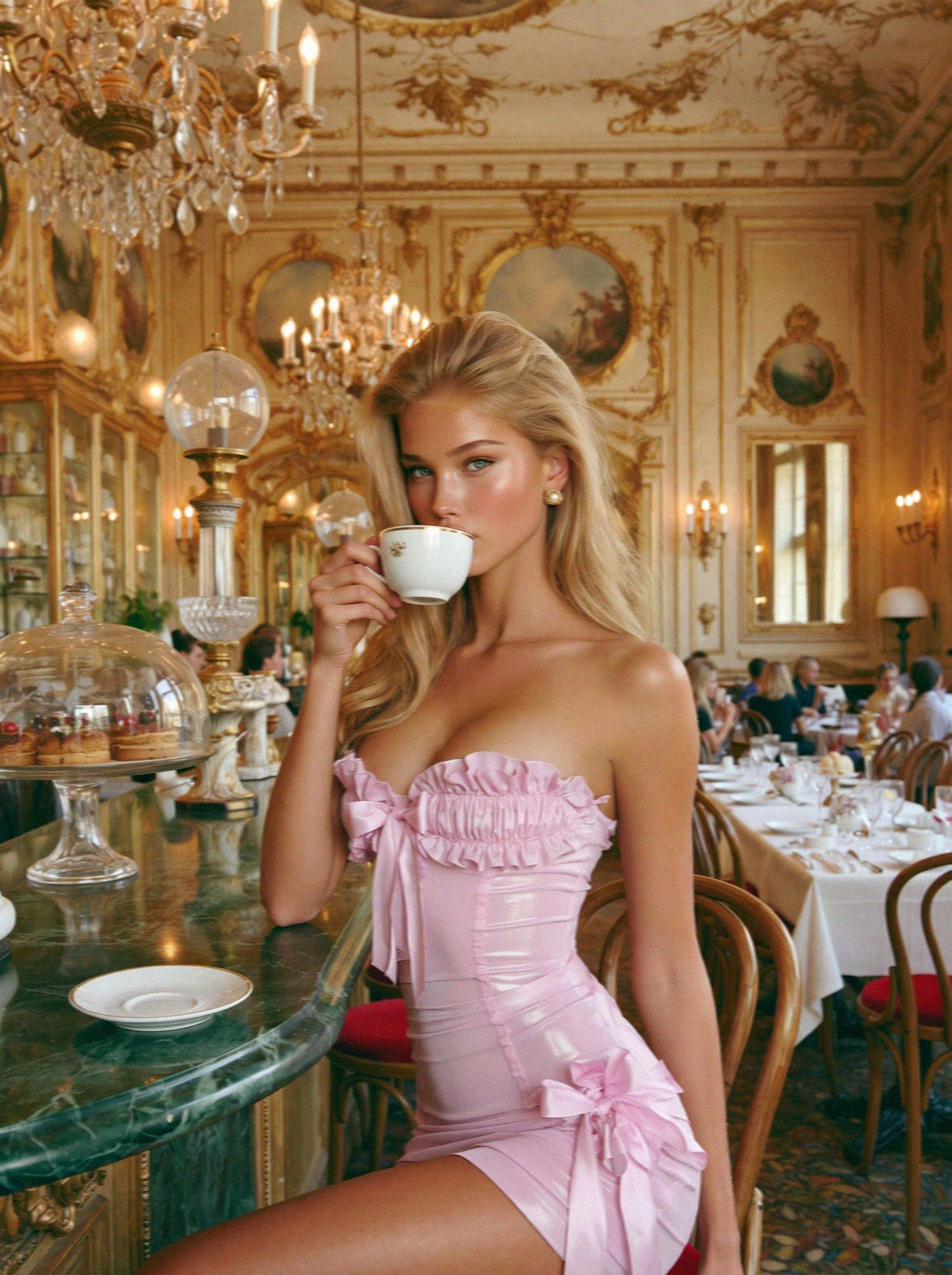
The morning unfolded the way the best mornings do, without a plan and without a wrong turn. I found Piazza della Repubblica and its old wooden carousel turning to a tune for no children in particular. I stood and watched it simply because it had been doing exactly that for longer than anyone standing there had been alive. I had a coffee at the bar and then, because it was my last day and I had decided to indulge myself, I settled into one of the grand old cafés with its mirrors, marble and white-jacketed waiters. I drank something sweet and cold while Florence carried on outside the windows. Perhaps it was only because I knew I was leaving, but everything seemed easier to love that afternoon.
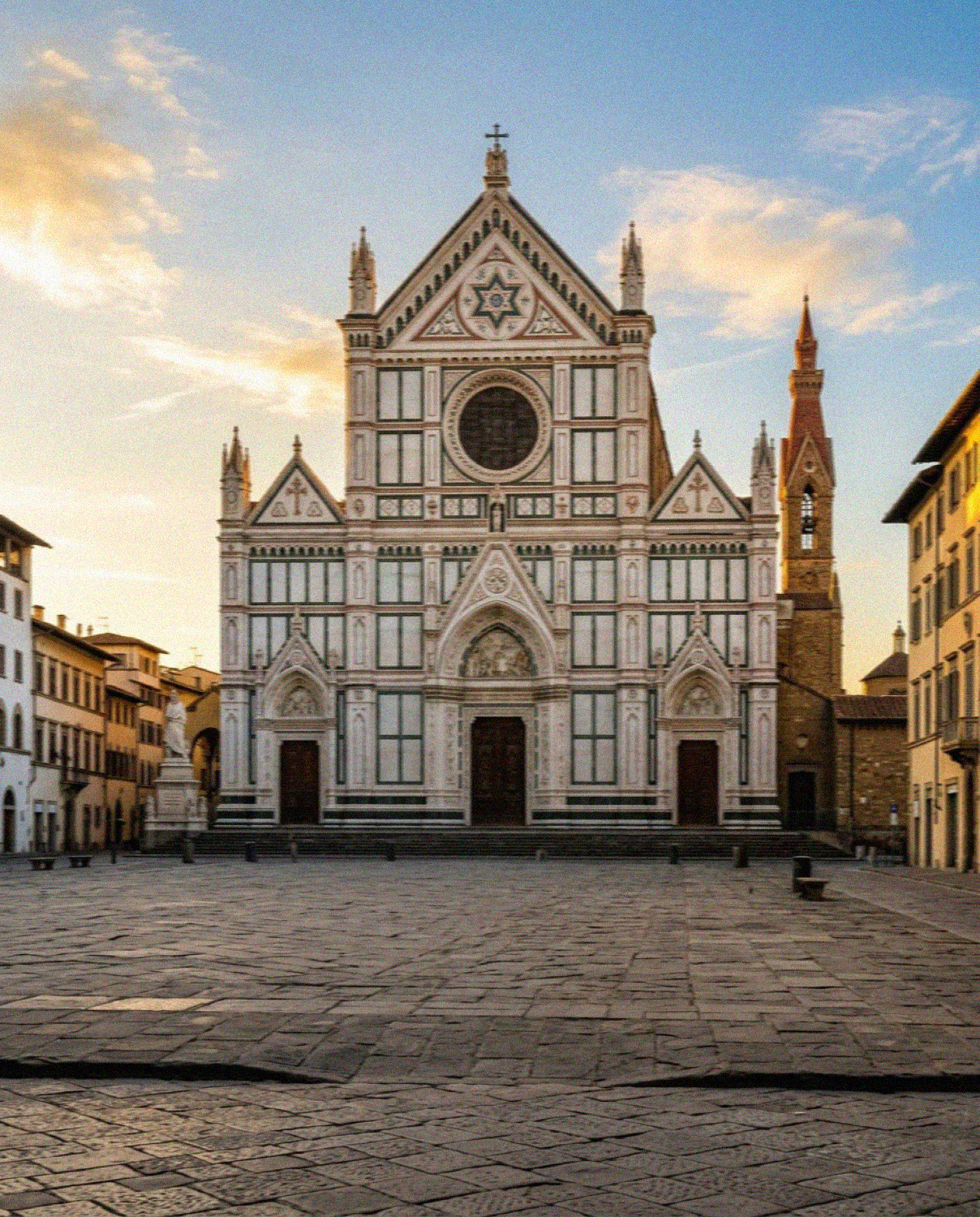
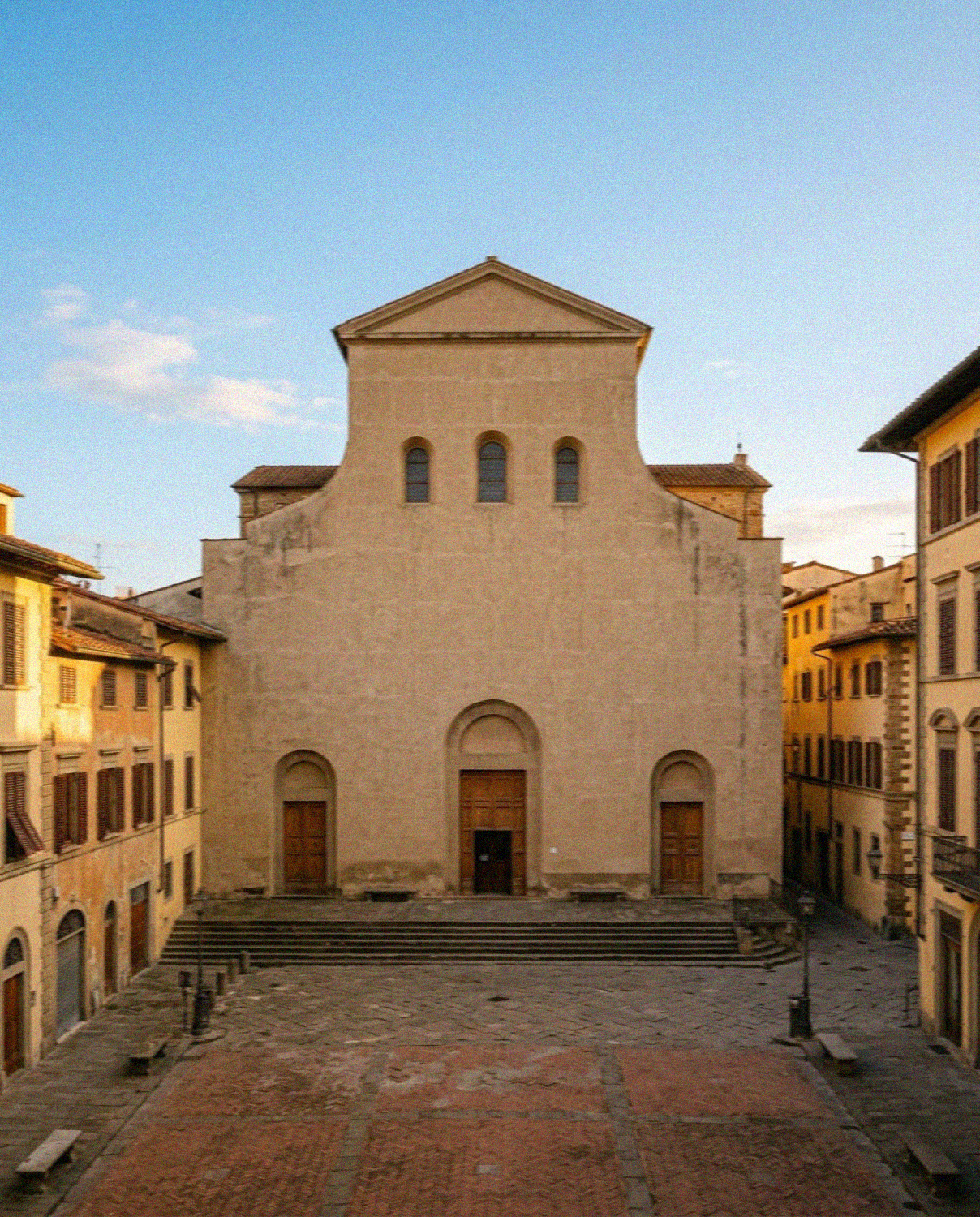
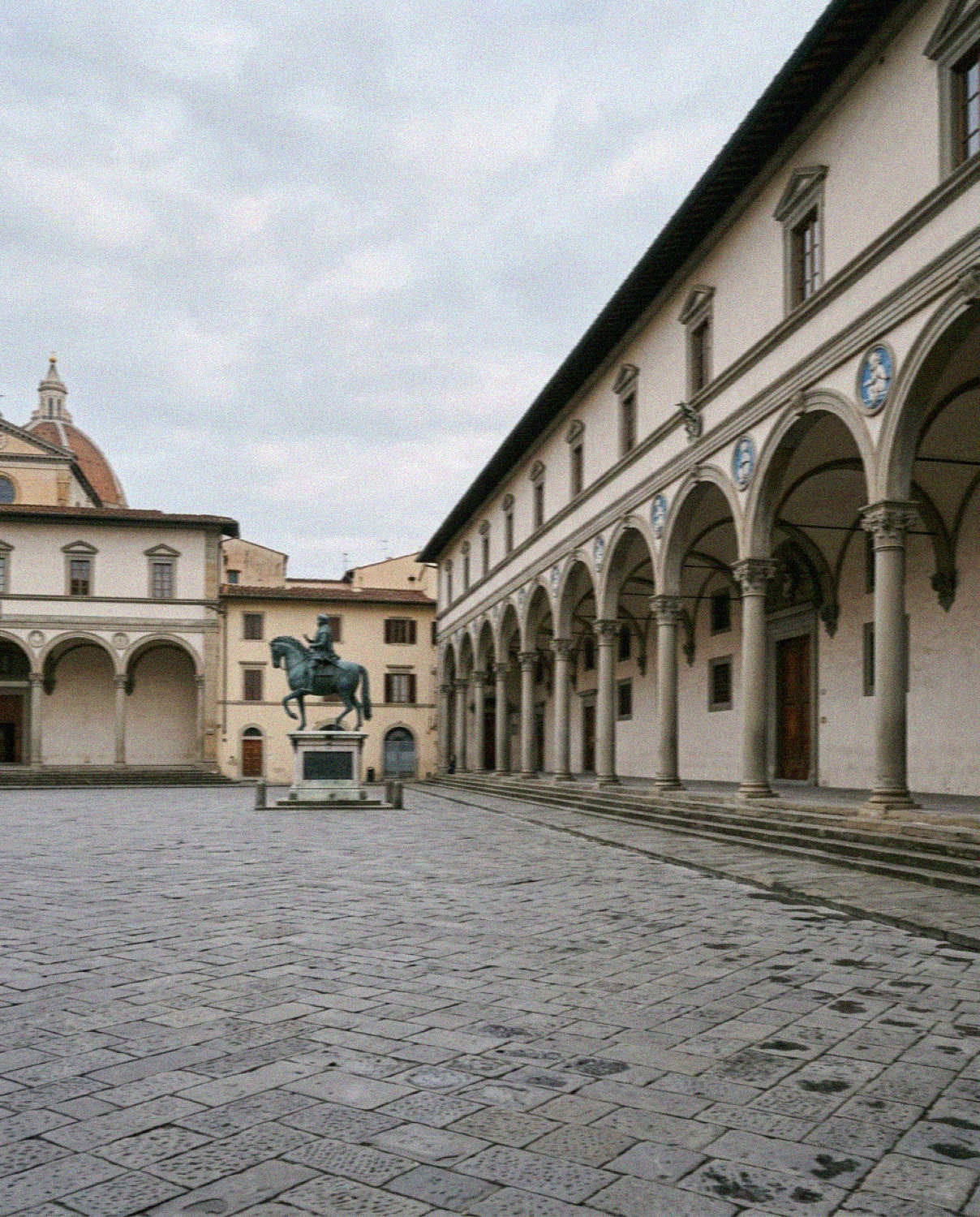
The churches carried me gently across the morning. Santa Croce, rising white and immense over its bright square, where so many of Italy’s great and difficult men lie beneath the floor while the pigeons wander overhead without a second thought. The lanes around San Lorenzo, where I ran my hands across the leather stalls and let the market noise wash over me. The quiet perfection of Piazza Santissima Annunziata, its rows of arches bringing a welcome stillness after the crowds, where I sat beside the fountain and did nothing at all for a while, which is its own kind of sightseeing. Then across the river into the Oltrarno, to the plain, honest face of Santo Spirito, which Brunelleschi never quite finished and is somehow more beautiful because of it. Not everything needs its final coat.
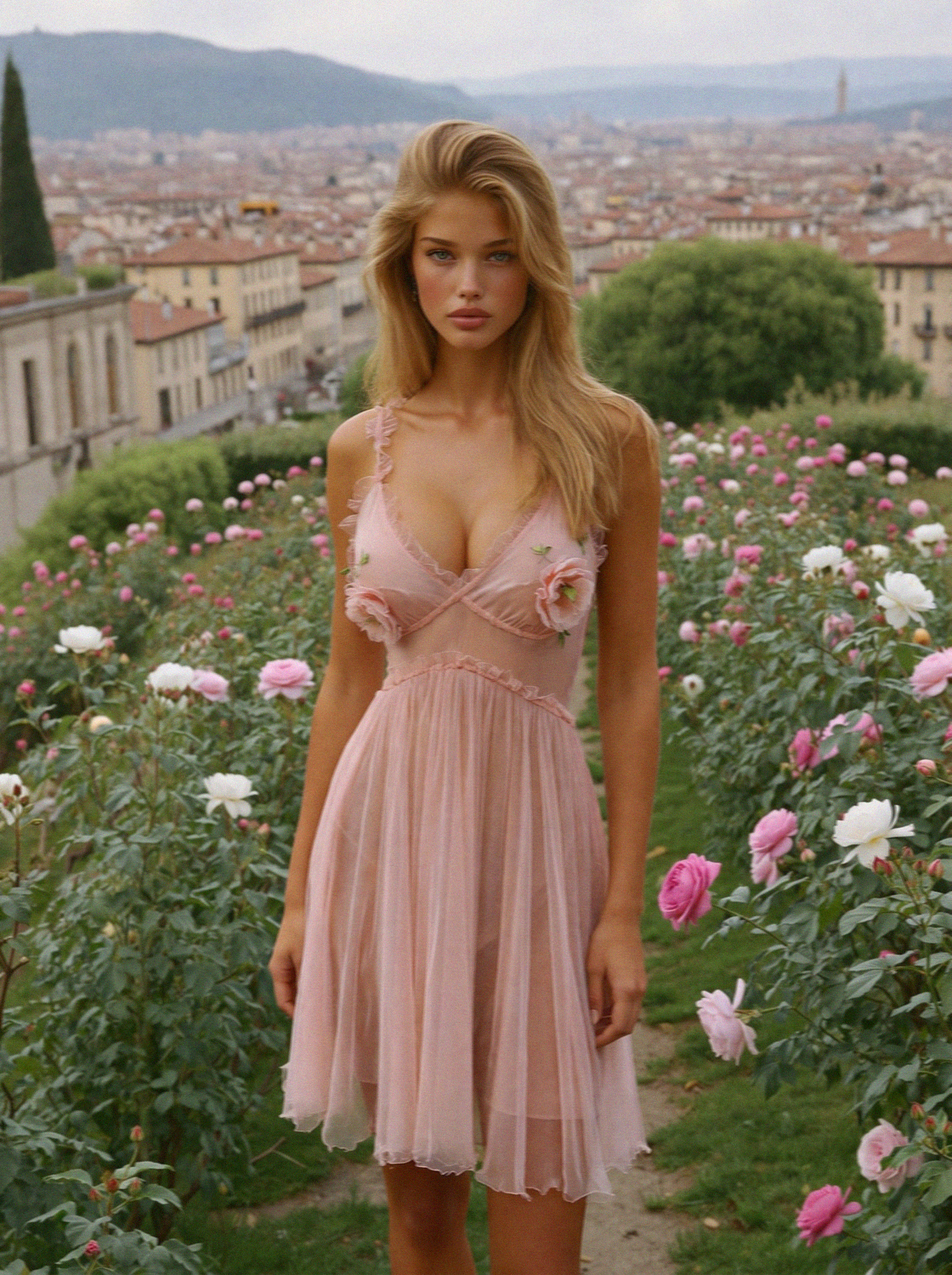
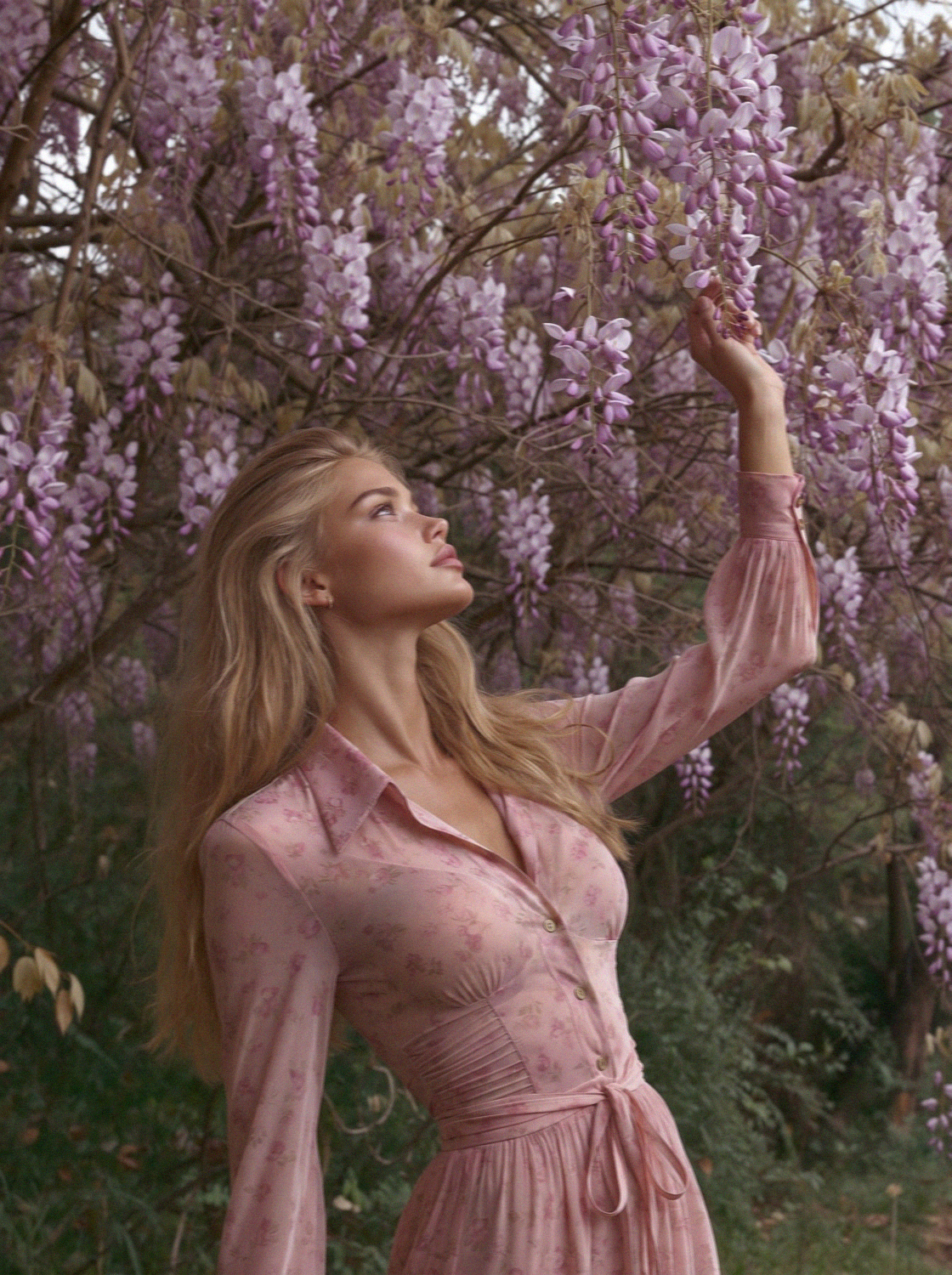
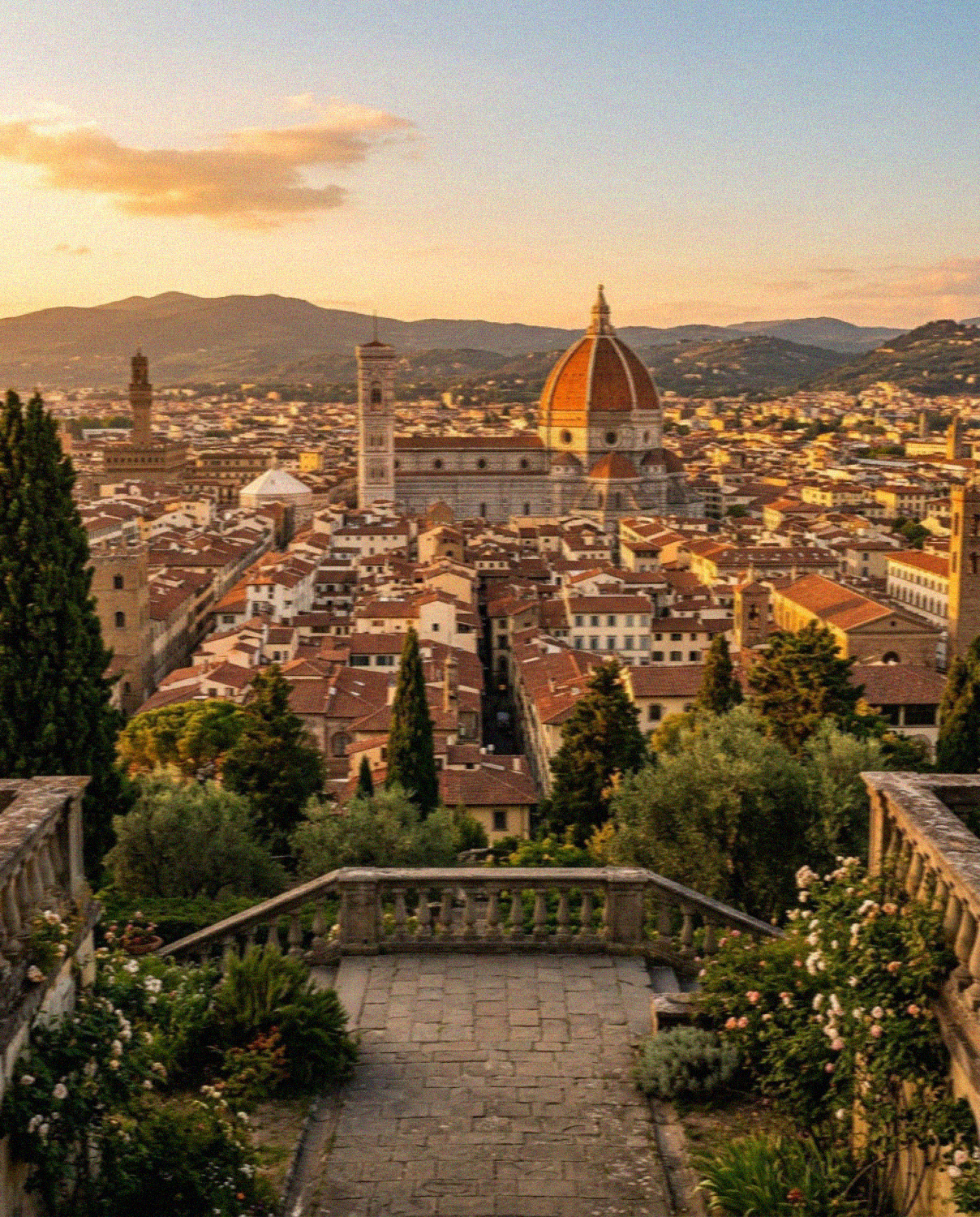
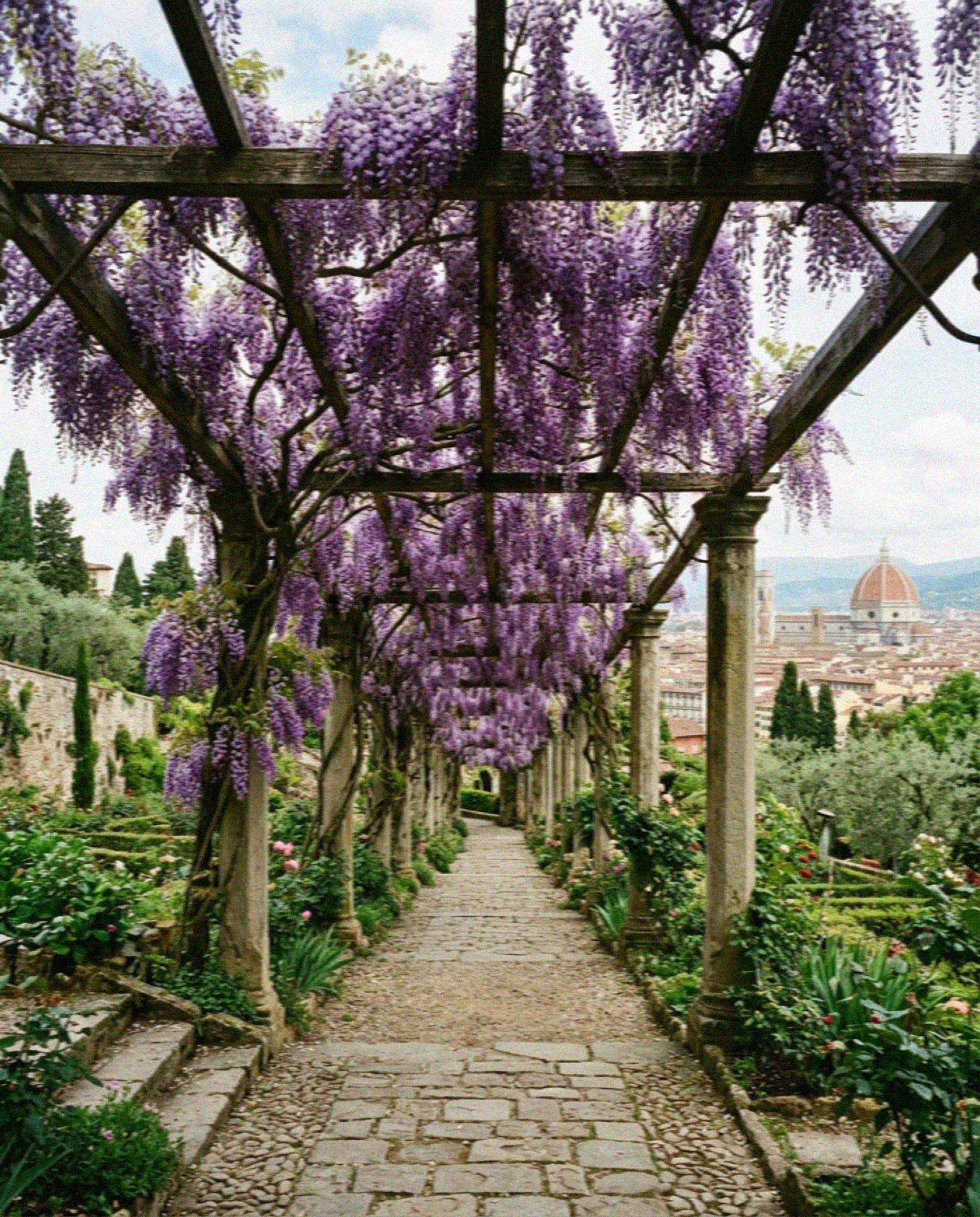
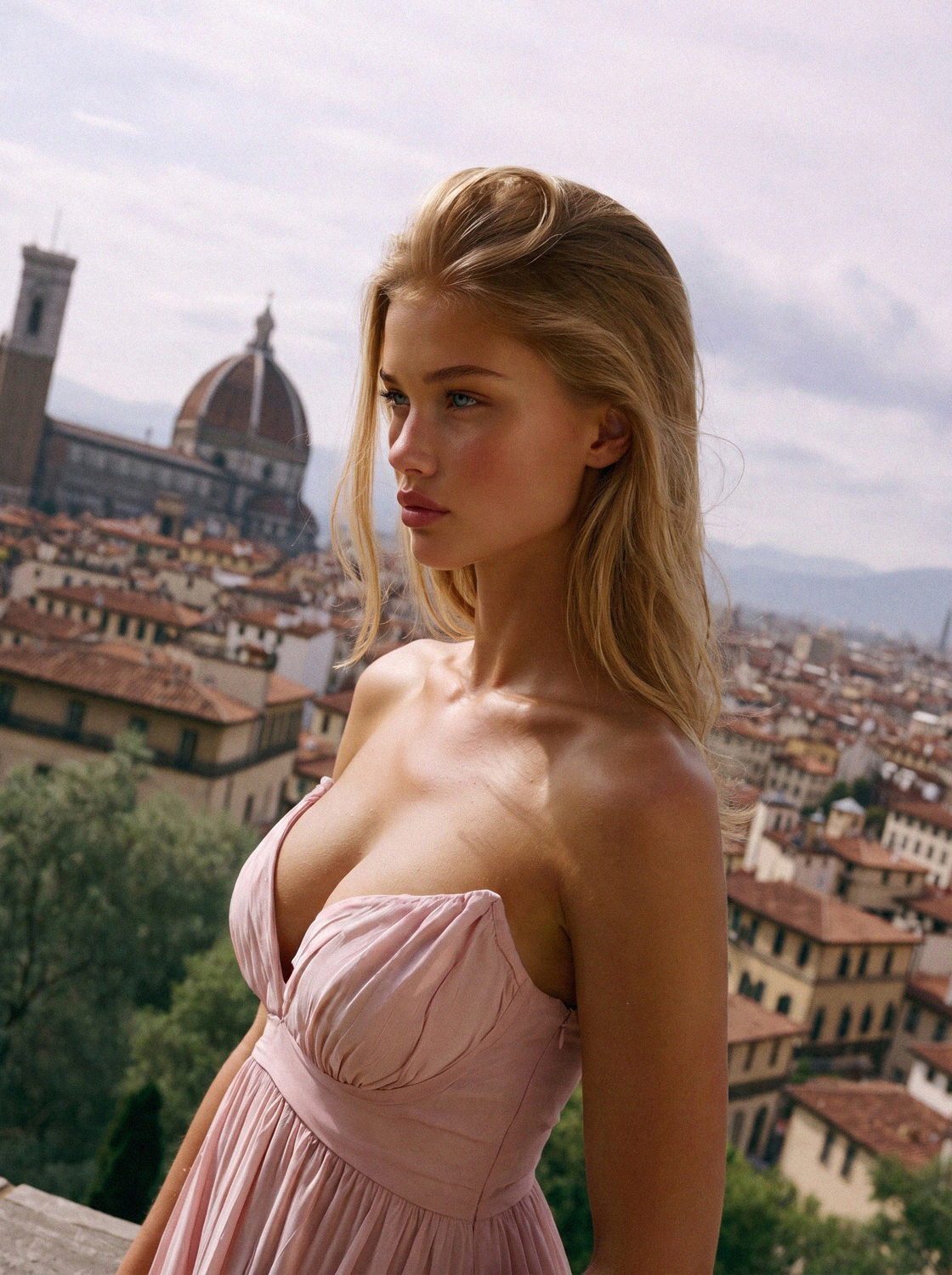
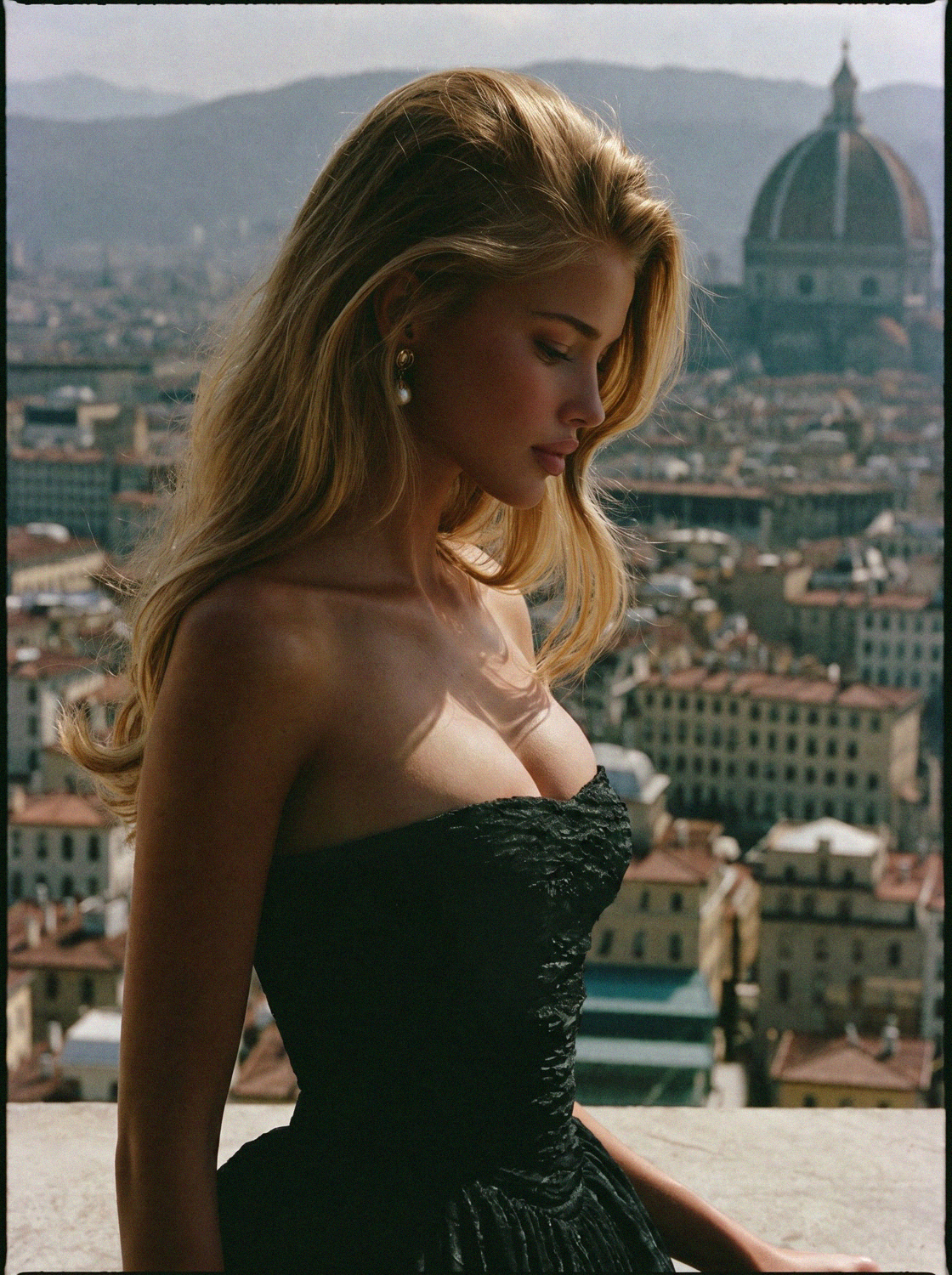
By the afternoon the heat had softened, and I climbed to the Bardini Garden, which someone had mentioned to me over dinner in almost a whisper, as though sharing a secret. It very nearly is. There is a long pergola draped in wisteria there, a tunnel of falling purple, and I walked through it slowly with the bees. At the end of it Florence opened beneath me, the great red dome floating above the rooftops like something imagined before it was built. Standing there, I realised I had fallen for this city in the way you are only allowed to fall once: completely, and without any desire to be sensible about it.
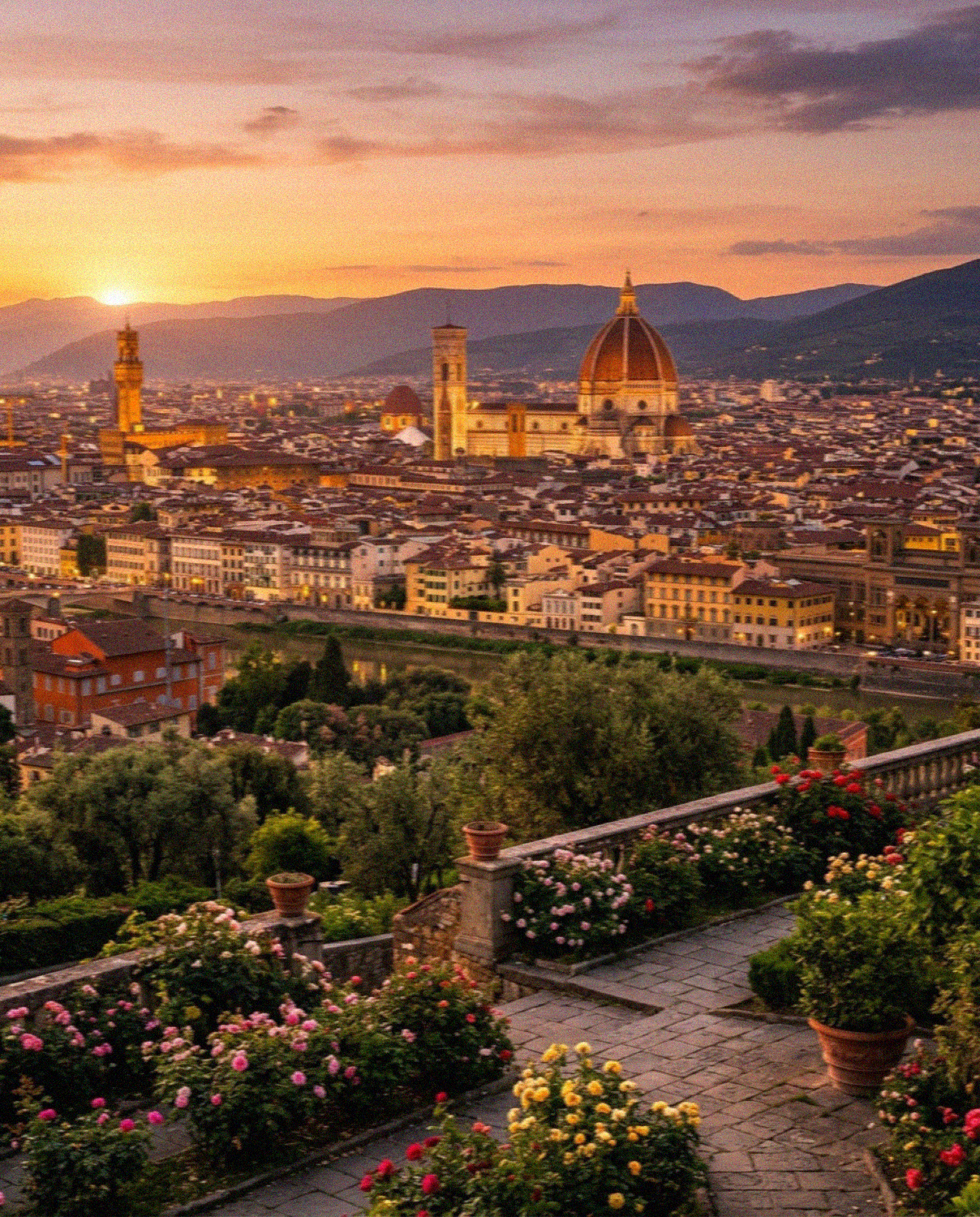
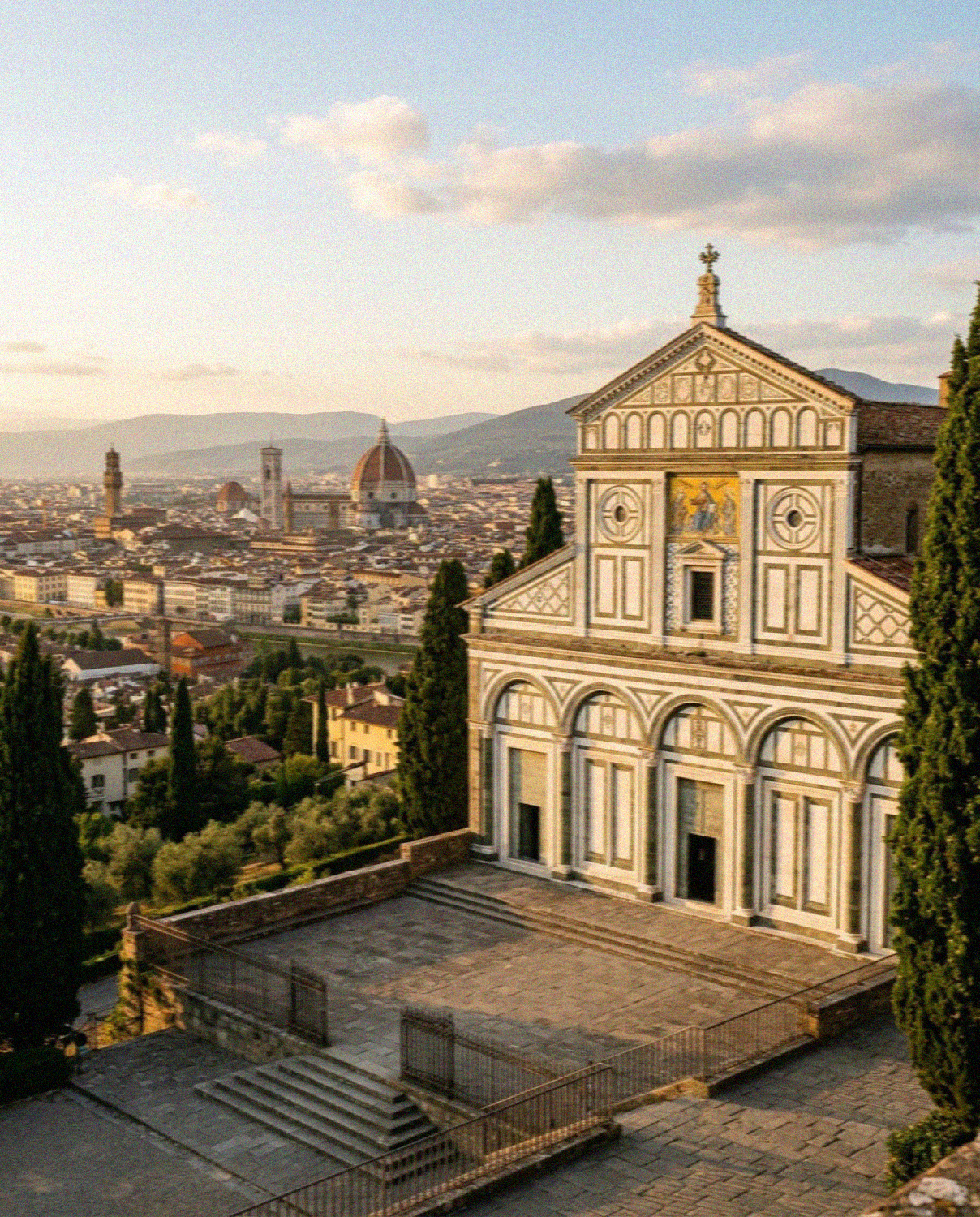
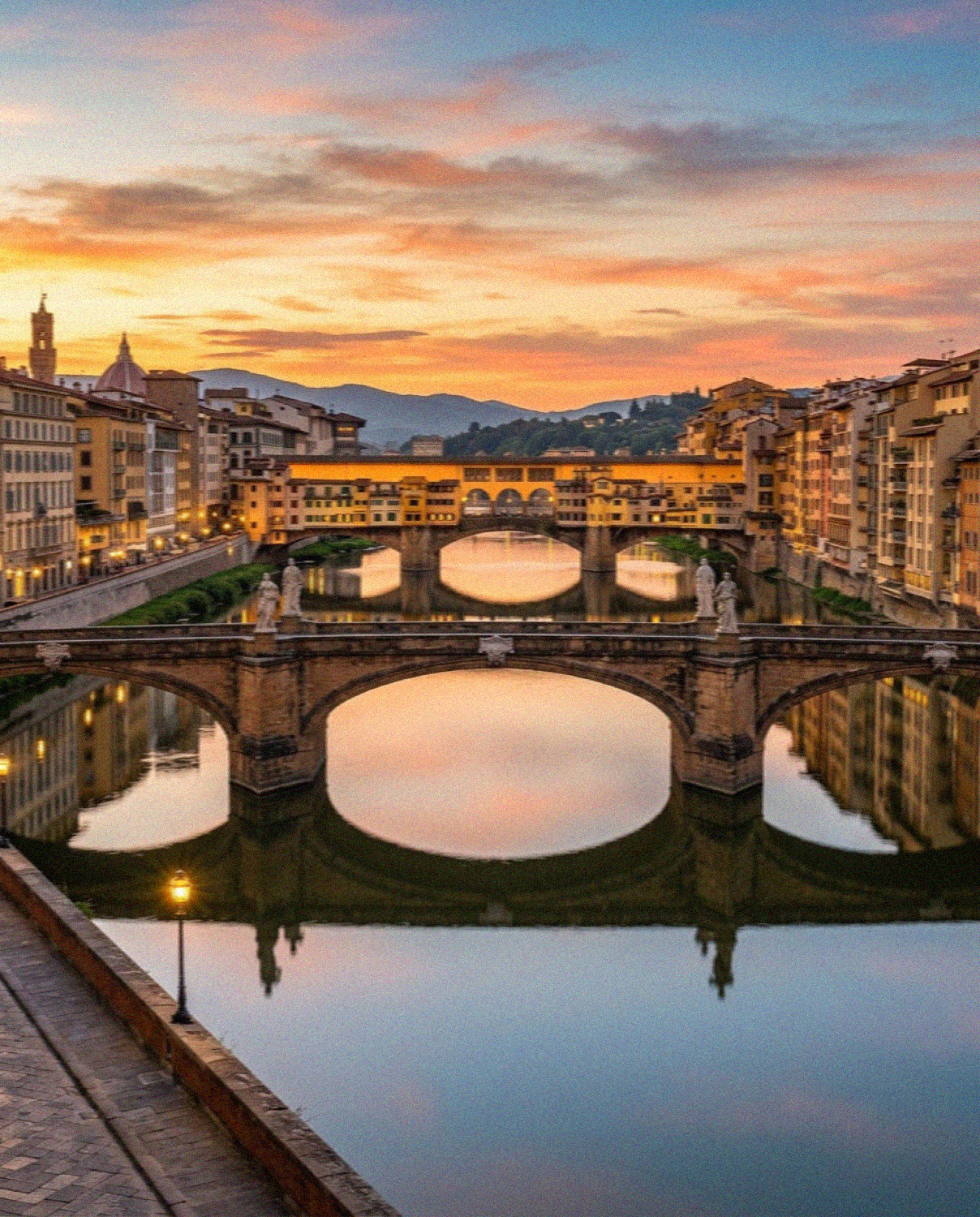
As I have learned to do, I saved the very end of the day for the light. I went back and changed, because a last evening asks for it, then crossed the river again and climbed higher than I had all week, up to San Miniato al Monte, the striped church that watches over the city like a quiet blessing. The sun settled over Florence, the Duomo, Giotto’s tower and the long silver ribbon of the Arno turning first to gold, then to the softest rose as evening arrived. Somewhere below, the bells began to ring. I was not the only person standing there, but as the right sunsets often do, this one somehow felt personal. I thought of my first evening in the hills, of driving the long roads through Tuscany for no reason other than they were there, and of the slow shape this summer had taken. I was so full of it that I could hardly breathe.
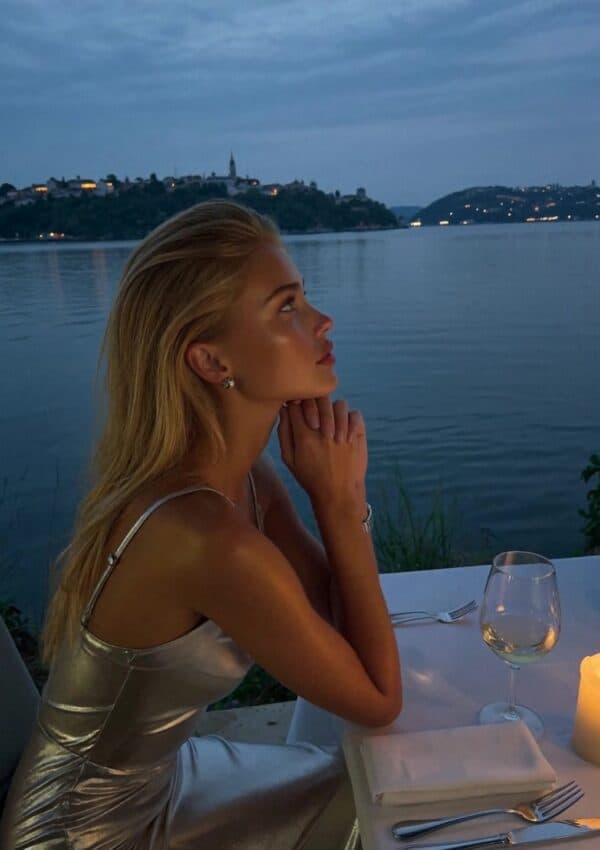
I ate my last dinner late and well, at a small candlelit table where the waiter never hurried me and the wine carried the same warm colour as the sunset I had just watched. Afterwards I walked home the long way, along the river in the blue hour with my shoes in my hand by the end of it, passing shuttered shops and the golden windows of restaurants beginning to empty, saying a private goodbye to a city that never knew my name and had nevertheless felt, for these few weeks, entirely mine.
Then, because it was the last night, and because some things wait exactly as long as they need to, I finally did the thing I had carried unopened through three cities. Out on the villa terrace, with the hills dark beneath the stars, I took my father’s folded note from my bag, the little cream square tucked inside the sheet music my aunt had slipped to me on my first evening and would never explain. This time I unfolded it.
All this time I had thought I was waiting to be brave enough. Sitting there in the lamplight, I understood I had only been waiting to be ready, and those are not the same thing.
It was only a single line.
Written in my father’s careful, slanting hand, it was the sort of sentence someone leaves behind because they already know they will not be there to say it aloud. I read it twice, then sat with it for a long while beneath the stars. I will keep to myself what it said. Only this: that he had known me better than I had ever allowed myself to believe, and that he had trusted me to find the right night to read it.
I leave in the morning. My aunt will stand in the doorway in her ivory linen and watch me go just as she watched me arrive, as though she had known the exact moment all along. Tomorrow I follow the coast north, to the little painted villages of the Cinque Terre stacked above the sea, but I will carry Florence with me: the marble, the wisteria, the little bottle of roses, and the single line in my father’s hand that I waited a whole summer to be ready for.
Some things are given to us long before we are able to hold them.
We carry them with us, often without even knowing it, through other people’s cities and ordinary evenings, until one quiet night we discover we have become exactly the person they were waiting for.
V.
For Victoria’s Complete Guide to Florence, click here.
Read also: The House Above Florence and The City to Myself.
More images from Florence