No city on earth has more unmissable sights crammed into a walkable centre than Rome. That is a blessing and a small danger, because it is easy to spend your visit sprinting from one monument to the next and never really feeling the place. This is my list of the things genuinely worth your time, roughly in the order I would prioritise them, with a note on how to do each one well. Pick the ones that call to you, book the few that need booking, and leave space between them for the wandering that is really the point of Rome.
Walk Through Ancient Rome
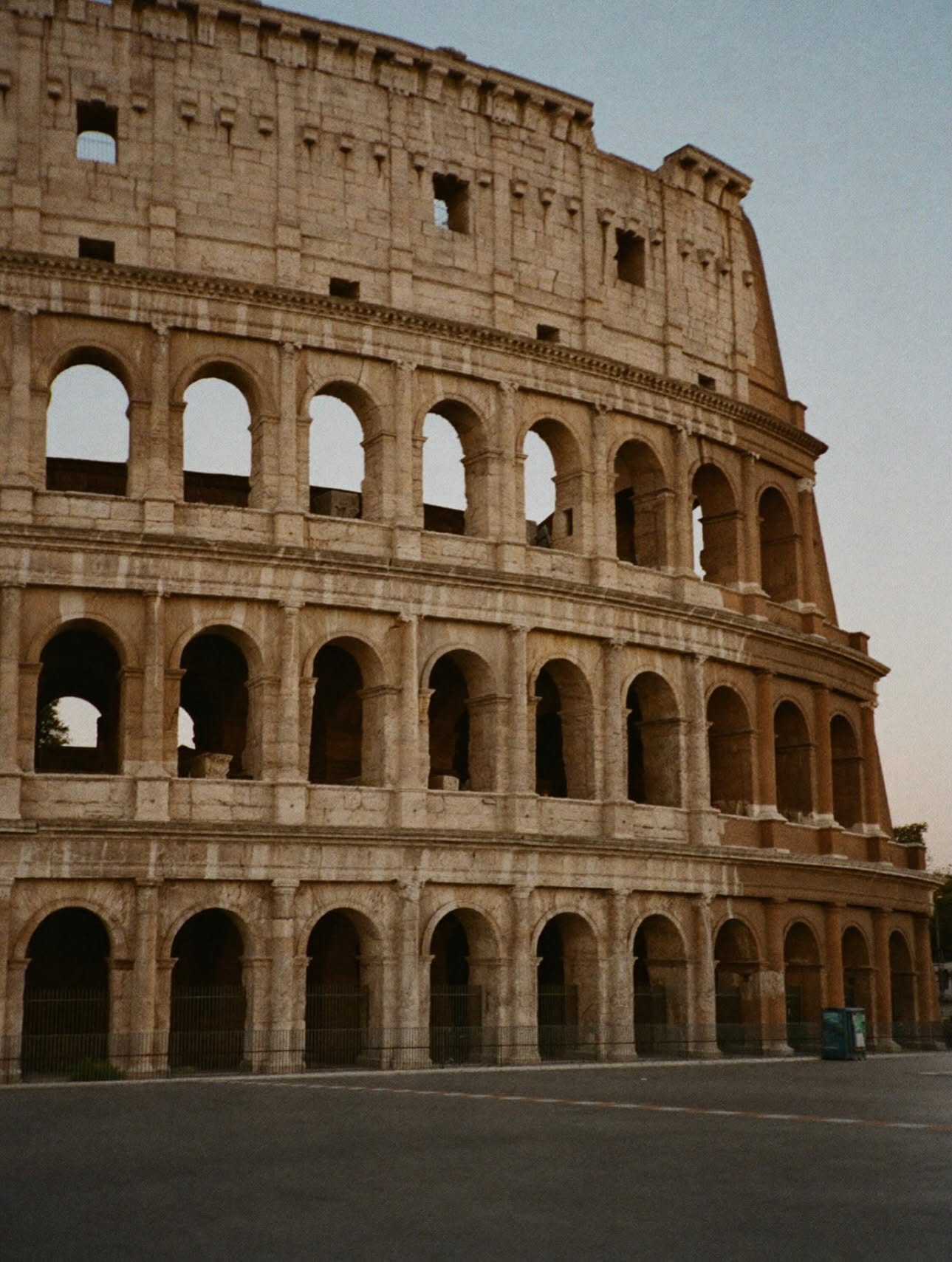
The Colosseum, the Roman Forum and the Palatine Hill sit side by side and share a single timed ticket, and together they are the closest you will ever come to walking through the ancient world. Start early, give it a full three hours, and walk the Colosseum first while your legs are fresh before crossing into the Forum along the old main road. If you want to stand on the arena floor or descend into the underground where the gladiators and animals waited, book the Full Experience ticket, but be quick, because those slots are limited and sell out first.
See the Vatican
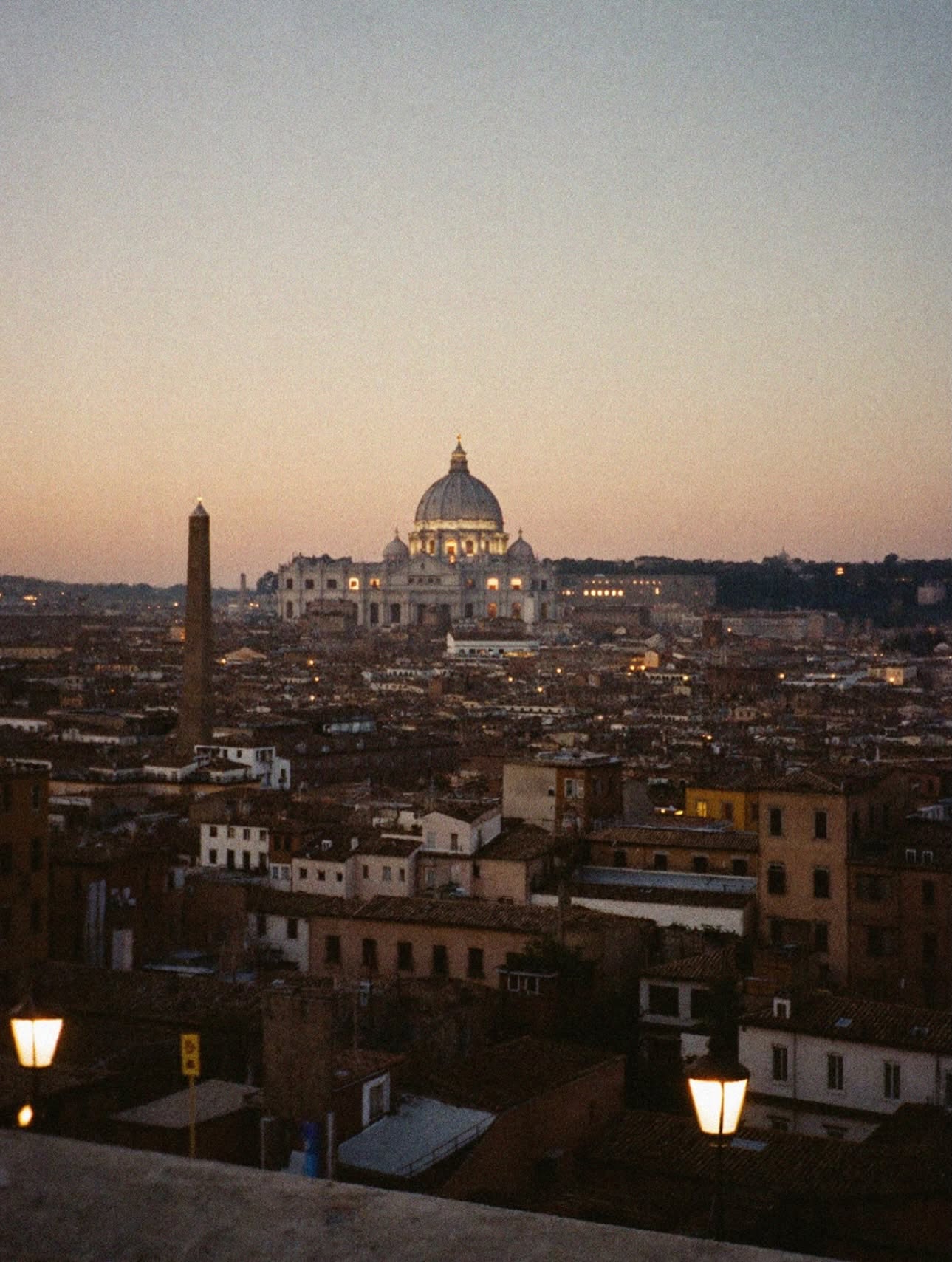
The Vatican is really two great sights in one. The Vatican Museums lead you through miles of art to Michelangelo’s ceiling in the Sistine Chapel, and next door the vast basilica of St Peter’s is free to enter and worth the climb up its dome for the view. Book the very first entry slot of the day to see the Sistine Chapel before the crush, and remember that the museums close on Sundays, except the free and extremely crowded last Sunday of the month. Cover your shoulders and knees, because the dress code here is strictly enforced.
Stand Inside the Pantheon
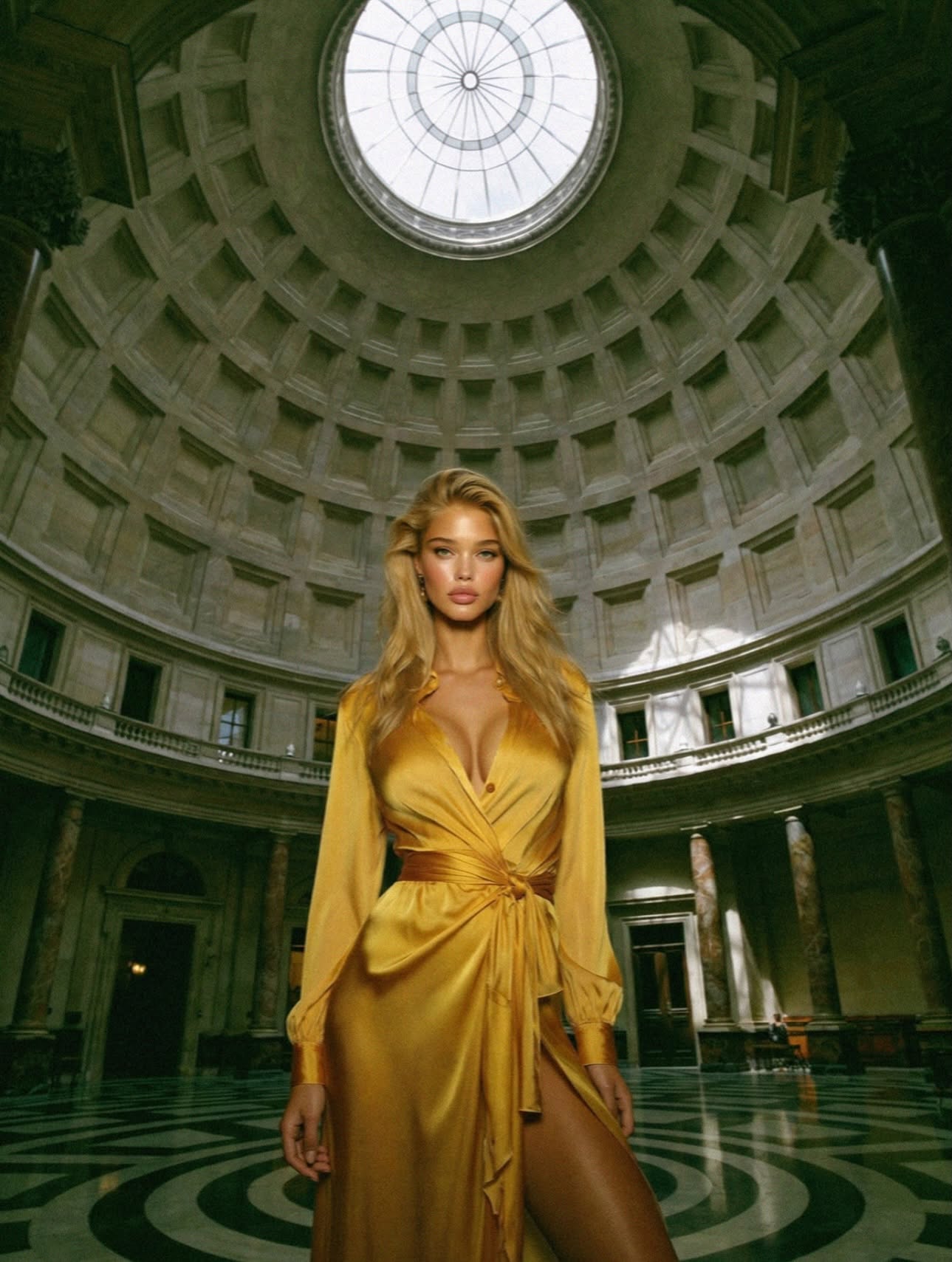
The Pantheon is the best preserved building of ancient Rome and, to my mind, the single most astonishing room in the city. Its dome has stood whole for nearly nineteen hundred years, and the great round opening at its centre, the oculus, drops a moving column of light onto the marble floor. There is now a small entry fee of around five euros, and it is worth going early in the morning when the crowds are thin and the light comes straight down. If it rains while you are inside, stay, because watching the rain fall through the oculus is one of Rome’s quiet marvels.
Throw a Coin in the Trevi Fountain
The Trevi is baroque theatre at its most exuberant, a wall of marble gods and horses spilling into a bright blue basin. Tradition says a coin thrown over your shoulder guarantees your return to Rome, and it would feel wrong not to. Since February 2026 there is a small two euro charge for non residents to step right down to the basin between nine in the morning and nine at night, but you can still admire and photograph it for free from the steps above, and it is completely free and far more romantic late at night, after ten, when the crowds have thinned.
Wander the Great Piazzas
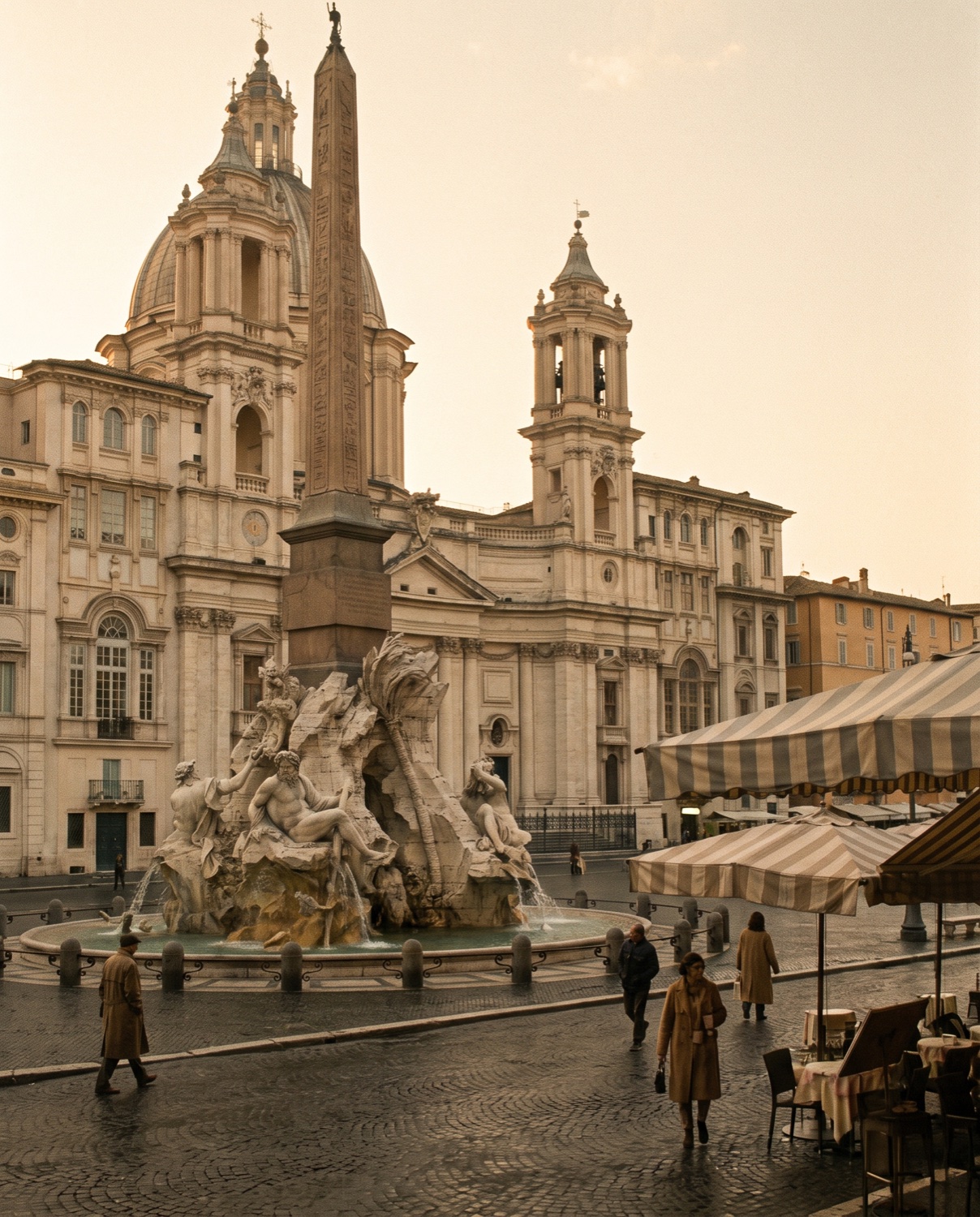
Rome’s squares are its open air living rooms, and simply sitting in one with a coffee is one of the finest free things to do in the city. Piazza Navona is the showpiece, a long baroque oval built over an ancient stadium and centred on Bernini’s Fountain of the Four Rivers. The Spanish Steps sweep up from Piazza di Spagna toward a church and a view, and Piazza del Popolo opens grand and round at the northern edge of the old centre, with the Pincio terrace rising just above it for sunset.
Visit the Galleria Borghese
If you see one museum in Rome beyond the Vatican, make it the Galleria Borghese. It is small enough to enjoy in a single two hour visit and holds the finest concentration of beauty in the city, Bernini’s marble sculptures that seem impossibly alive and a whole room of Caravaggio paintings. Entry is by timed slot with strictly capped numbers, so you must reserve well in advance, but that same rule means it never feels crowded once you are inside. The surrounding Villa Borghese park is a lovely place to walk off the art afterwards.
Get Lost in Trastevere
Across the river, Trastevere is the Rome of everyone’s imagination, a maze of ivy hung lanes, ochre walls and little squares that fill up in the evening. There is no single monument to tick off here; the neighbourhood itself is the attraction. Come as the light softens, get thoroughly lost, find the mosaics glowing in the church of Santa Maria in Trastevere, and settle in for a long dinner at a table on the cobbles. It is the best way to end a day of harder sightseeing.
Climb for the View
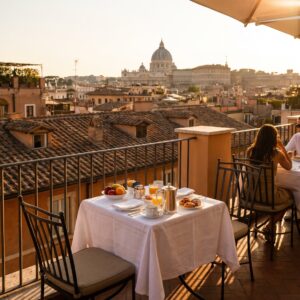
Rome is a city of hills and terraces, and its viewpoints are all free. The Janiculum, the Gianicolo, gives you the whole city laid out gold at sunset. The Pincio looks down over Piazza del Popolo toward St Peter’s. And on the Aventine Hill, the keyhole of the Knights of Malta frames the distant dome of St Peter’s perfectly down an avenue of hedge, with the peaceful Orange Garden and its rooftop view just next door. These quiet high places are where the city stops being a checklist and becomes simply beautiful.
Find the Free Art in the Churches
Rome’s churches are free to enter and hold some of the greatest art ever made. In San Luigi dei Francesi, three Caravaggio masterpieces glow in a side chapel for the price of a coin in the light box. In San Pietro in Vincoli stands Michelangelo’s fearsome Moses, and Santa Maria del Popolo holds still more Caravaggio. Wandering into these churches, cool and dim and often nearly empty, is one of the great pleasures of the city and costs you nothing but respectful, covered shoulders.
How to Plan Your Sightseeing
Three sights need advance booking, the Colosseum, the Vatican Museums and the Galleria Borghese, so reserve those the moment your dates are fixed. Group your days by geography to keep your walking sensible, ancient Rome together, the Vatican and Trastevere together, the centre and the gardens together, and always start early, because the first hour anywhere is the calmest. If you will use transport and see a couple of paid sites, the Roma Pass can save both money and queueing. Above all, do not try to see it all in one visit. Rome is worth returning to.
Frequently Asked Questions
What is the number one thing to do in Rome?
If you do only one thing, walk through ancient Rome, the Colosseum, Roman Forum and Palatine Hill on a single ticket. It is the sight that most defines the city and the one people travel across the world to see.
How many days do you need to see the main sights?
Three full days covers the essential sights without rushing: one for ancient Rome, one for the Vatican and the centre, and one for the Galleria Borghese and the neighbourhoods. Four or five days lets you add viewpoints, churches and a day trip at a gentler pace.
What are the best free things to do in Rome?
Wandering the piazzas, admiring the Trevi Fountain from the steps, climbing to the Gianicolo or Aventine viewpoints, and seeing Caravaggio and Michelangelo in the free churches are all wonderful and cost nothing. St Peter’s Basilica is also free to enter.
That is the essential Rome. To weave these into a day by day plan, see my three day Rome itinerary or decide where to stay, find the best photo spots in Rome, and for the full picture of when to visit and how to get around, read my complete guide to Rome.