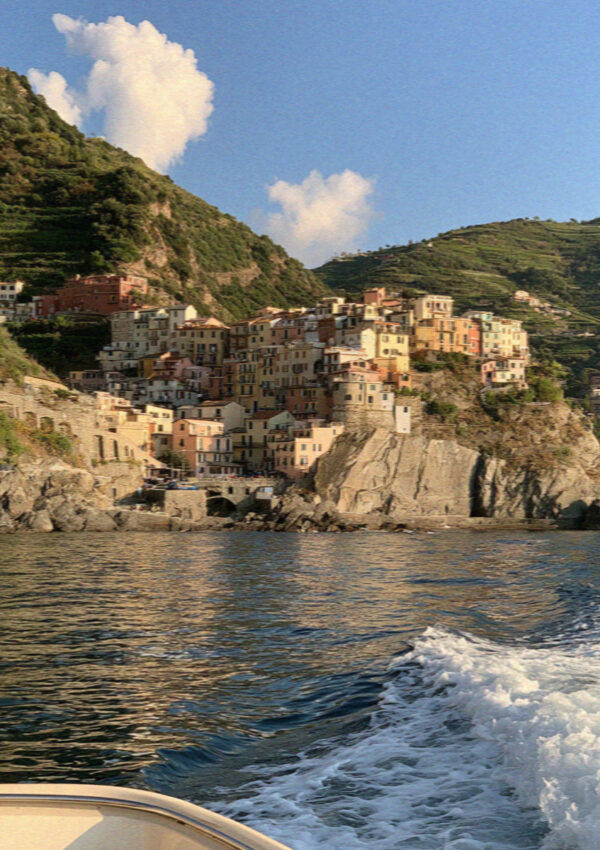
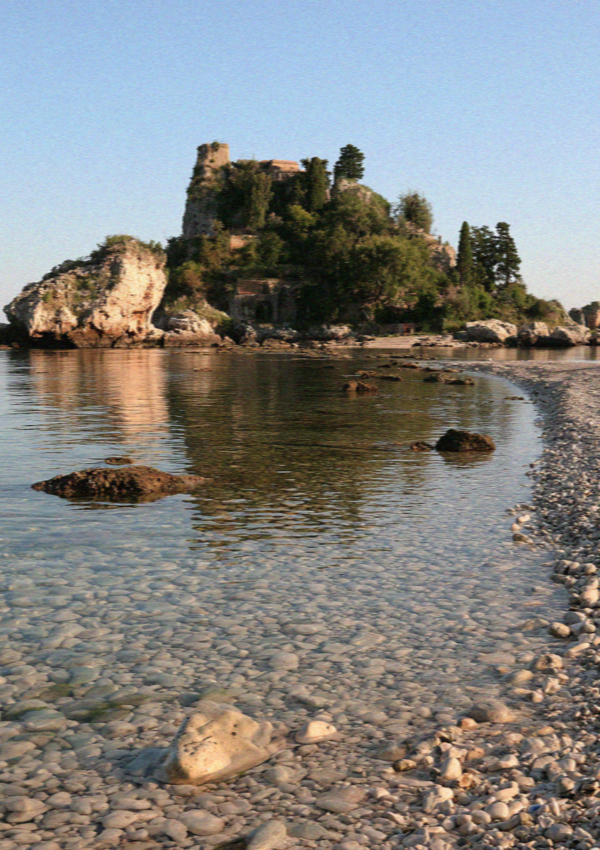
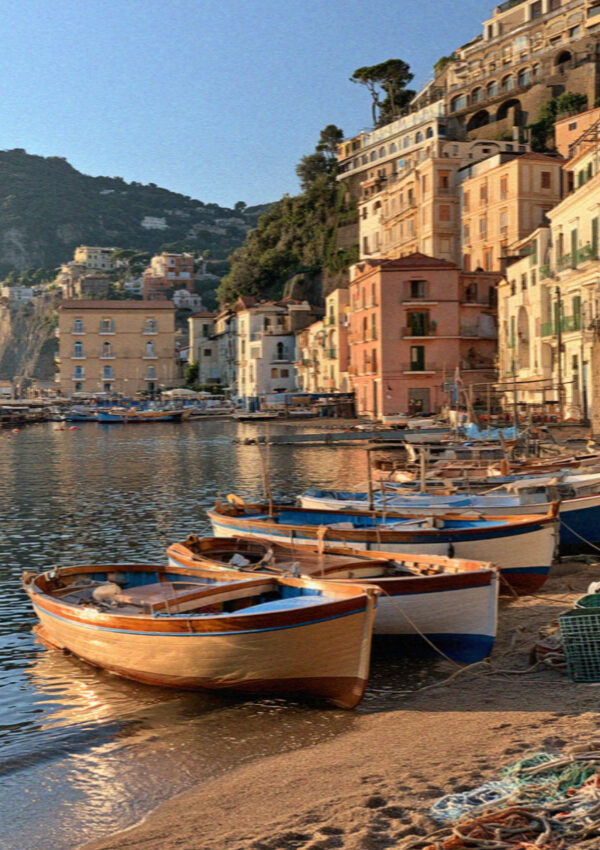
Positano rewards slowness, so the perfect itinerary here is less a checklist than a rhythm: a beach day, a boat day, a walking day, and long evenings that start with a spritz and end with pasta. Two full days is enough to fall in love; three lets you add the coast’s greatest walk and a boat trip without rushing; four gives you room for a day trip to Capri or Amalfi. Here is how I would spend each day, in an order that works with the light, the crowds and the hills.
How Long to Stay in Positano
Give Positano at least two nights, and ideally three. It is a small village, but the pleasure of it is in not hurrying: a morning swim, a two-hour lunch, an afternoon on the water, a sunset drink. Day-trippers see the postcard; people who stay a few nights see the place wake and settle, and get the early mornings and late evenings when the lanes are quiet and the light is best. If you can spare four nights, a day trip fits in beautifully without ever feeling rushed.
Plan Your Visit to Positano
A few things I booked and loved. These help support the blog, at no cost to you.
- Where I stayed: search Positano hotels
- Amalfi Coast boat tours and tickets
- Stay connected: get a travel eSIM
This section contains affiliate links. If you book through them I may earn a small commission, at no extra cost to you.
Day One: Arrive, Settle, and the Main Beach
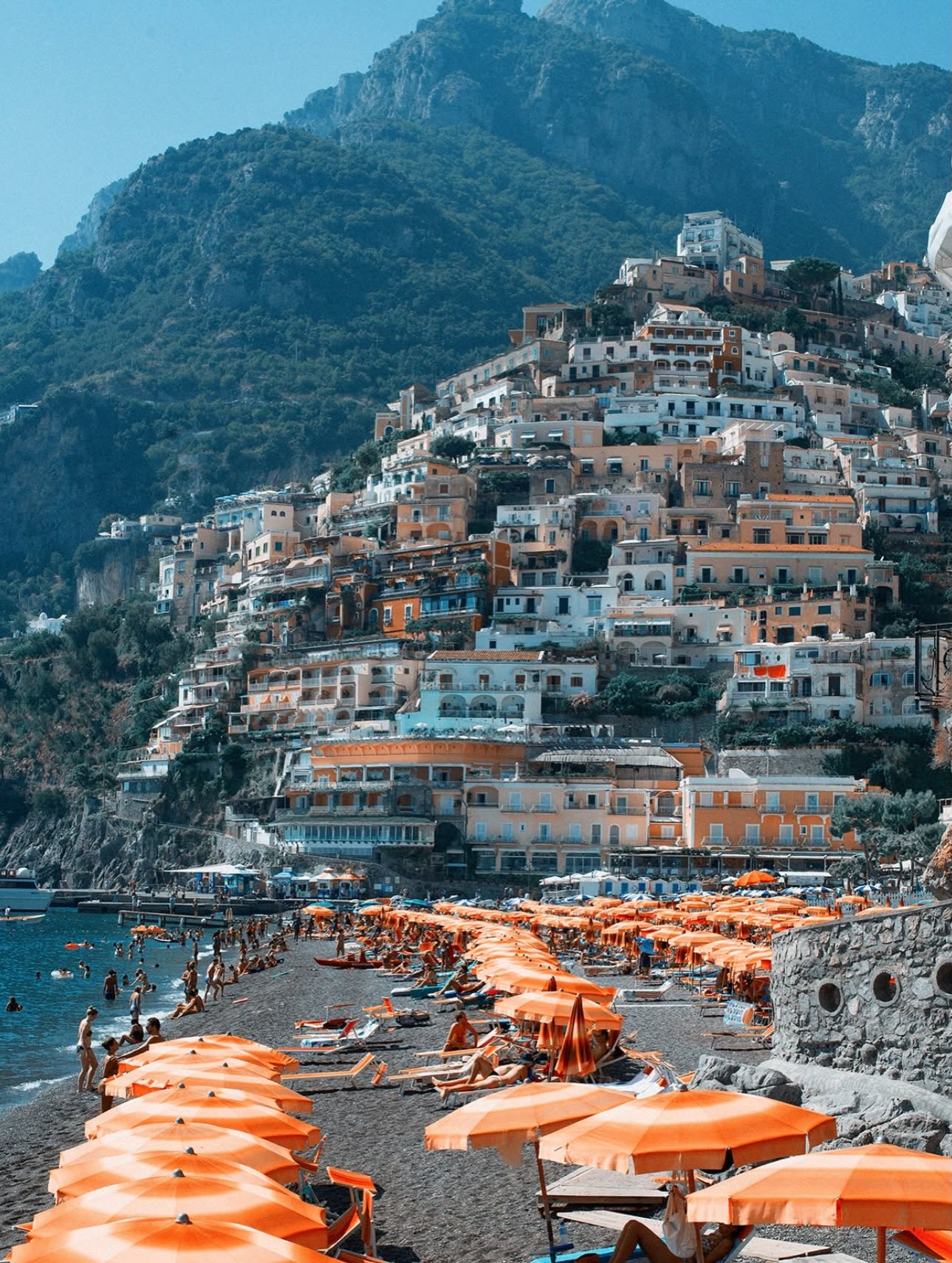
Arrive by ferry if you can, so your first sight of Positano is from the water. Check in, drop the bags, and resist the urge to do anything ambitious; the first day is for finding your feet on the hill. Wander down through the lanes to Spiaggia Grande, take a swim and an hour under an umbrella, and have a relaxed lunch by the sea at Chez Black. In the afternoon, browse the boutiques and ceramic shops on the way back up, then claim a terrace for aperitivo as the sun drops behind the Li Galli islands, an Aperol spritz and the whole village turning gold. For dinner, book the classic trattoria Da Vincenzo and ease into the pace of the place.
Day Two: A Day on the Water
Give your second day to the sea, because the coast is at its most beautiful from a boat. Hire a small gozzo for a half or full day, with a skipper if you would rather just swim and look, and set off to circle the Li Galli islands, dip into hidden coves, and nose along to the grottoes toward Capri. Time it so you pull in at Laurito for a long, barefoot lunch at Da Adolfo, mozzarella grilled on lemon leaves and a swim between courses. Back in town, rest, then make the evening a special one: a candlelit dinner at La Sponda if you are marking an occasion, or a lively feast up the hill at La Tagliata in Montepertuso, shuttle arranged in advance.
Day Three: The Path of the Gods and a Quiet Beach
Start early and walk the Path of the Gods, the Sentiero degli Dei, the high cliff trail from Bomerano to Nocelle with the whole coast beneath you. Take the morning bus up via Amalfi to the trailhead, walk the two to three hours facing the sea, and either descend the steps into Positano or take the little bus down. Reward your legs with an afternoon at quieter Fornillo beach, a ten-minute stroll from the centre along the seafront path, then a gentle evening: a spritz, a wander, and dinner at Next2 for something modern and well-priced.
Day Four (Optional): A Day Trip
With a fourth day, take the ferry out for a day. Capri is the glamorous choice, an easy boat ride to the piazzetta, the gardens and a swim beneath the Faraglioni rocks. Amalfi and Ravello are the cultural one, the great cathedral in Amalfi and the garden terraces of Villa Rufolo and Villa Cimbrone high in Ravello. Either makes a wonderful contrast to Positano, and you are back in time for one last dinner on your own terrace.
Practical Tips for Your Positano Days
A few things that make the days flow. Do the hill early and late, and rest in the heat of the afternoon; the midday sun on the steps is fierce. Book restaurants and the Da Adolfo boat ahead in season. Carry water, wear real shoes for the stairs, and use the little internal bus for the climb back up when your legs are done. And build in nothing for at least one afternoon: the best hour in Positano is often the one you leave empty on a terrace, doing precisely nothing.
Short on Time: The Two-Day Version
If you only have two nights, do not try to squeeze in everything. Spend the first day exactly as above, settling in, the main beach, sunset aperitivo and a trattoria dinner. Then give the whole of your one full second day to the water, a boat trip around the Li Galli islands with a long lunch at Da Adolfo, because that single day is the one people remember most. Save the Path of the Gods and the day trips for a return visit; Positano is a place most people come back to.
The Best Time for This Itinerary
This itinerary works best from late spring to early autumn, when the ferries and the Da Adolfo boat are running and the sea is warm enough to swim. May, June, September and early October give you the whole plan with softer light, thinner crowds and lower prices than the July and August peak. In the shoulder months, pack a light layer for cooler evenings and keep an eye on the ferry timetable, which starts to thin out from October.
Frequently Asked Questions
How many days do you need in Positano?
Two full days is enough to enjoy the beaches, the town and the evenings. Three lets you add the Path of the Gods and a boat trip without rushing, and four leaves room for a day trip to Capri or Amalfi. Positano rewards staying longer and slowing down.
What is the best thing to do in Positano?
Take a boat. A half or full day on the water, circling the Li Galli islands and stopping to swim and to lunch at Da Adolfo, is the single most memorable day most people have here. The Path of the Gods hike is a close second.
Is Positano worth visiting for just one day?
It is beautiful even for a day, but a single visit only shows you the crowded postcard. Staying at least two nights gives you the quiet early mornings and long evenings that are the real magic, so stay over if you possibly can.
What day trips can you do from Positano?
Capri, for the piazzetta, gardens and swimming beneath the Faraglioni, is an easy ferry away. Amalfi and Ravello, for the cathedral and the garden villas, are the other classic day out. Both are best reached by boat from the main pier.
To build the rest of your trip, see my where to stay in Positano guide, the best beaches in Positano, the Positano restaurants guide, and my complete guide to Positano for everything else.