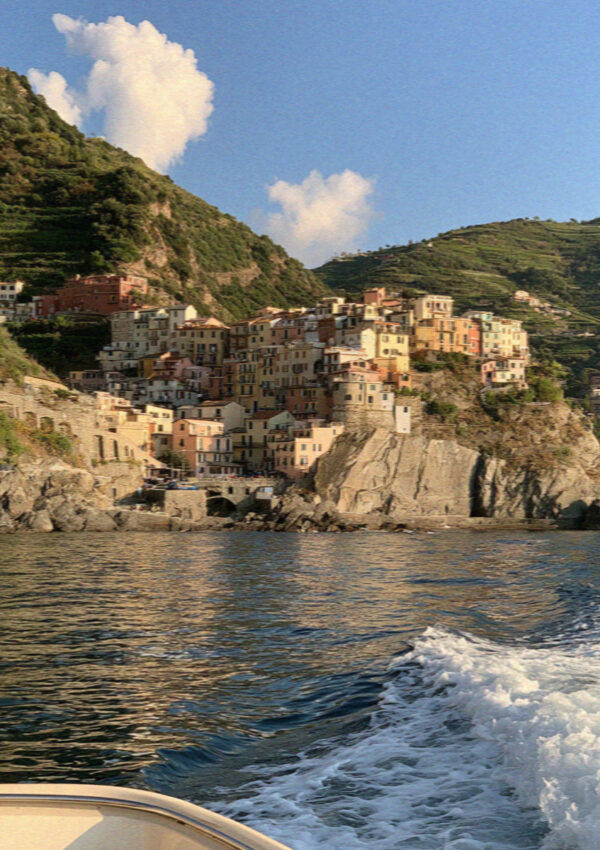
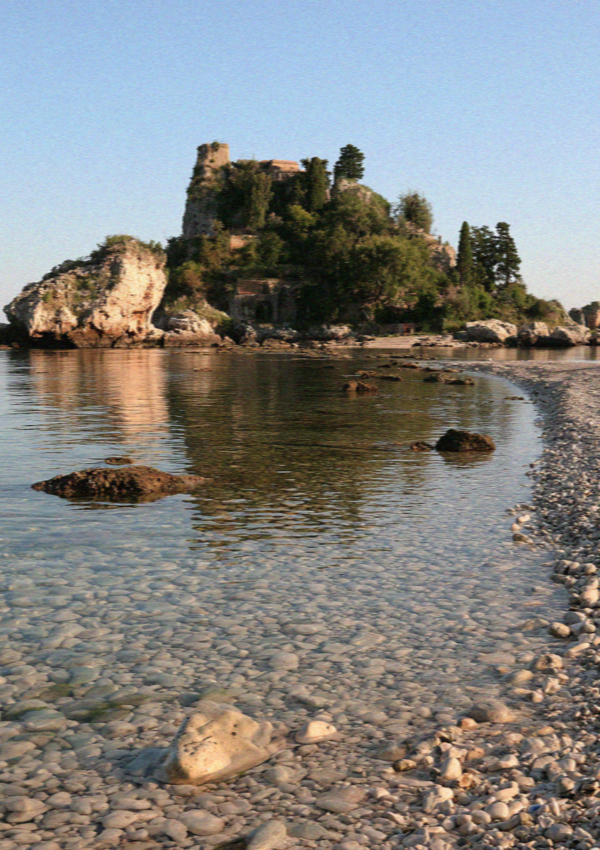
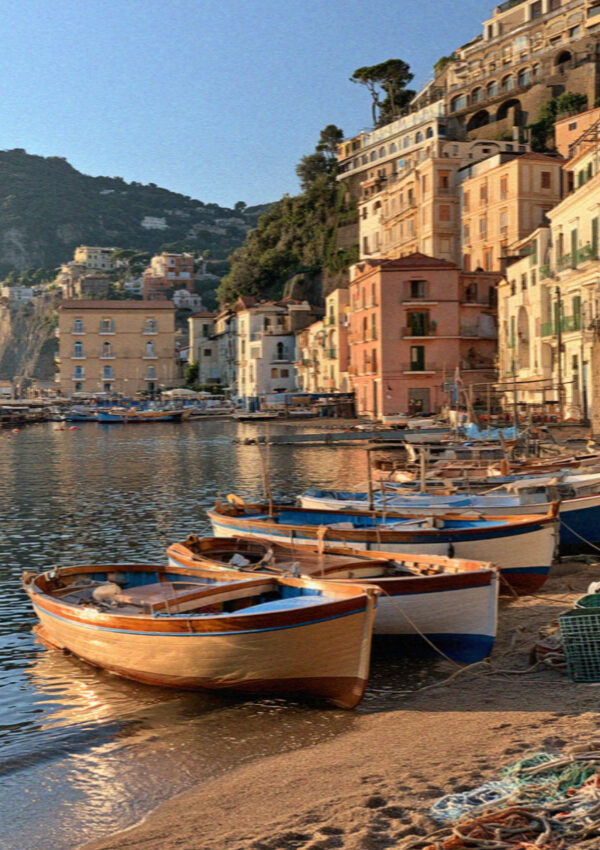
Positano has four beaches, and knowing the difference between them is the difference between spending your day shoulder to shoulder under a rented umbrella and finding a quiet cove with the sun on your back until evening. All four are pebble rather than sand, all four have water the colour of sea glass, and each has its own character and its own way in. Here is how they actually compare, how to reach them, what they cost, and which one I would send you to depending on the day you want.

Spiaggia Grande: The Famous One
Spiaggia Grande is the beach in every photograph of Positano, the wide curve of grey pebbles directly below the majolica dome of Santa Maria Assunta, with the pastel houses climbing the cliff behind and the ferries and fishing boats coming and going from the pier at its edge. It is the heart of the village and, inevitably, the busiest beach on this stretch of coast. You simply walk downhill through the lanes to reach it, which is its great advantage: the boats, the restaurants and the shops are all right there.
The beach is split between free public sections and private beach clubs with their famous rows of orange and yellow umbrellas. A sunbed and umbrella in one of the clubs runs roughly 25 to 40 euro per person for the day in high season, and more at the smartest addresses; the free stretches cost nothing but fill early, so arrive before ten if you want a decent spot without paying. Come for the atmosphere, the people-watching and the sheer convenience, order a spritz from a beach bar, and do not expect solitude.
Plan Your Visit to Positano
A few things I booked and loved. These help support the blog, at no cost to you.
- Where I stayed: search Positano hotels
- Amalfi Coast boat tours and tickets
- Stay connected: get a travel eSIM
This section contains affiliate links. If you book through them I may earn a small commission, at no extra cost to you.
Fornillo: The Quieter Second Beach
A ten to fifteen minute walk west of the centre, along the lovely cliffside Via Positanesi d’America path that hugs the water and passes two old Saracen watchtowers, brings you to Fornillo. It is Positano’s second beach and its calmer soul: smaller, more local, ringed by a handful of easygoing beach clubs and simple trattorias, with the same clear water and a fraction of the crowd. Prices for a lounger here are gentler than on the main beach, the mood is unhurried, and the walk to reach it, with Positano glittering behind you, is half the pleasure. If you want the magic without the crush, this is the easy answer.
Arienzo: The Beach of a Hundred Steps
Arienzo sits east of town, out of comfortable walking range, and is known as the beach of a hundred steps for the long staircase that drops to it from the coast road. The easiest way there is the free shuttle boat run by the Arienzo Beach Club, which leaves the La Banchina pier in the centre every thirty minutes from 10am to 1pm, with returns from about 3:45pm. Because Arienzo faces southwest, it holds the sun far longer into the afternoon than any other Positano beach, which makes it the one to choose for a long, lazy, late day by the water. It is a private club, so a day here means paying for a bed, but you get calm, sun and a sense of having escaped the throng.
Laurito and Da Adolfo: A Boat, a Red Fish, and Lunch
Further east toward Praiano lies Laurito, a small cove you reach either by boat or by descending a steep staircase of around 450 steps from the state road. Most people come for one reason: Da Adolfo, the cult beachfront restaurant that has been grilling the day’s catch here for decades. From the pier at Spiaggia Grande, little wooden boats marked with a red fish flag shuttle guests over roughly every half hour; you climb aboard, potter along the coast for ten minutes, and step off at a rickety jetty into one of the most gloriously unpolished lunches in Italy, mozzarella grilled on lemon leaves, cold white wine and swimming between courses. Book a table ahead in summer, and treat the boat, the swim and the long lunch as the whole afternoon.
Beaches Near Positano Worth the Boat
If you have a day to wander, the coastline either side of Positano hides more. Just east, Marina di Praia is a dramatic sliver of beach wedged in a rocky fjord below Praiano, and the nearby Fiordo di Furore is a tiny cove under a soaring bridge that looks like nowhere else on the coast. West, tucked below the town, La Porta is a quiet local swimming spot near an old cave. None of these needs to be a whole day; they are the kind of places you drift to on a boat and leave when the light changes.
Beyond the Beaches: Take a Boat
The truth locals know is that the best of this coastline is seen from the water. Hiring a small gozzo boat for a half or full day, with or without a skipper, opens up the Li Galli islands just offshore, the mythical home of the sirens, once owned by the dancer Rudolf Nureyev, along with a string of hidden swimming coves and the sea-caves and grottoes between here and Capri. It is the single most memorable thing you can do in Positano, and splitting a boat between a few people makes it far more affordable than it first sounds. Agree the price and the route before you set off, and take a picnic.
Practical Tips for Positano’s Beaches
A few things worth knowing. Every beach here is pebble, not sand, so pack water shoes if your feet are tender and a mat, because pebbles are hard going on a towel alone. Mornings are calmest and coolest; by midday the main beach is full and loud. Bring cash for the smaller clubs and the boat shuttles, as not all take cards. And remember that the sea stays swimmable well into October, when the crowds have thinned and the water is at its warmest, which is arguably the loveliest time of all to be on a Positano beach.
Which Beach Is Best for You
For the classic, convenient, buzzy Positano day, stay on Spiaggia Grande. For the same beauty with more calm and a beautiful walk to reach it, go to Fornillo. For the longest afternoon sun and an easy free boat over, choose Arienzo. For a long, unforgettable seafood lunch with your toes near the water, take the red-fish boat to Da Adolfo at Laurito. And for the best day of your whole trip, hire a boat and find your own cove.
Frequently Asked Questions
Are Positano’s beaches sandy?
No. All of Positano’s beaches are pebble and grey volcanic shingle rather than sand. Bring water shoes if your feet are sensitive and a mat for comfort. The water itself is clear and beautiful.
Is Spiaggia Grande free?
Partly. Spiaggia Grande has free public sections as well as private beach clubs. The free areas cost nothing but fill up early, so arrive before mid-morning; a sunbed and umbrella in a club runs roughly 25 to 40 euro per person per day in season.
What is the quietest beach in Positano?
Fornillo, a ten to fifteen minute walk west of the centre, is the calmest of the town beaches. Arienzo and Laurito, both reached by boat, are quieter still and hold the afternoon sun for longer.
How do you get to Da Adolfo?
Take the boat shuttle marked with a red fish flag from the pier at Spiaggia Grande; it runs roughly every half hour in season and drops you at Laurito beach beside the restaurant. Book a table ahead in summer.
When is the best time to go to the beach in Positano?
Mornings are calmest, and the shoulder months of May, June, September and early October give you warm water and thinner crowds. The sea stays swimmable into October, often the nicest time of all.
Once you have your beach days planned, see where to base yourself with my where to stay in Positano guide, plan where to eat with the Positano restaurants guide, and read my complete guide to Positano for everything else.