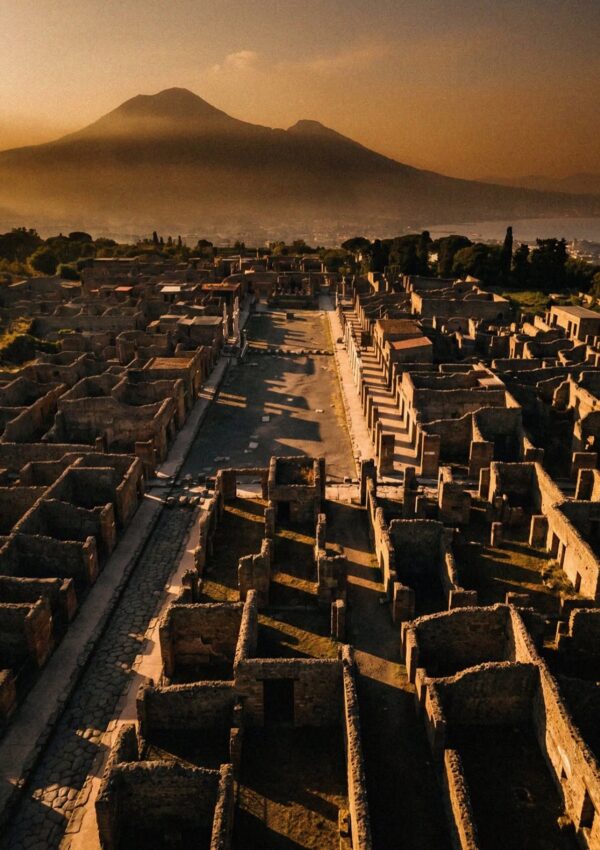
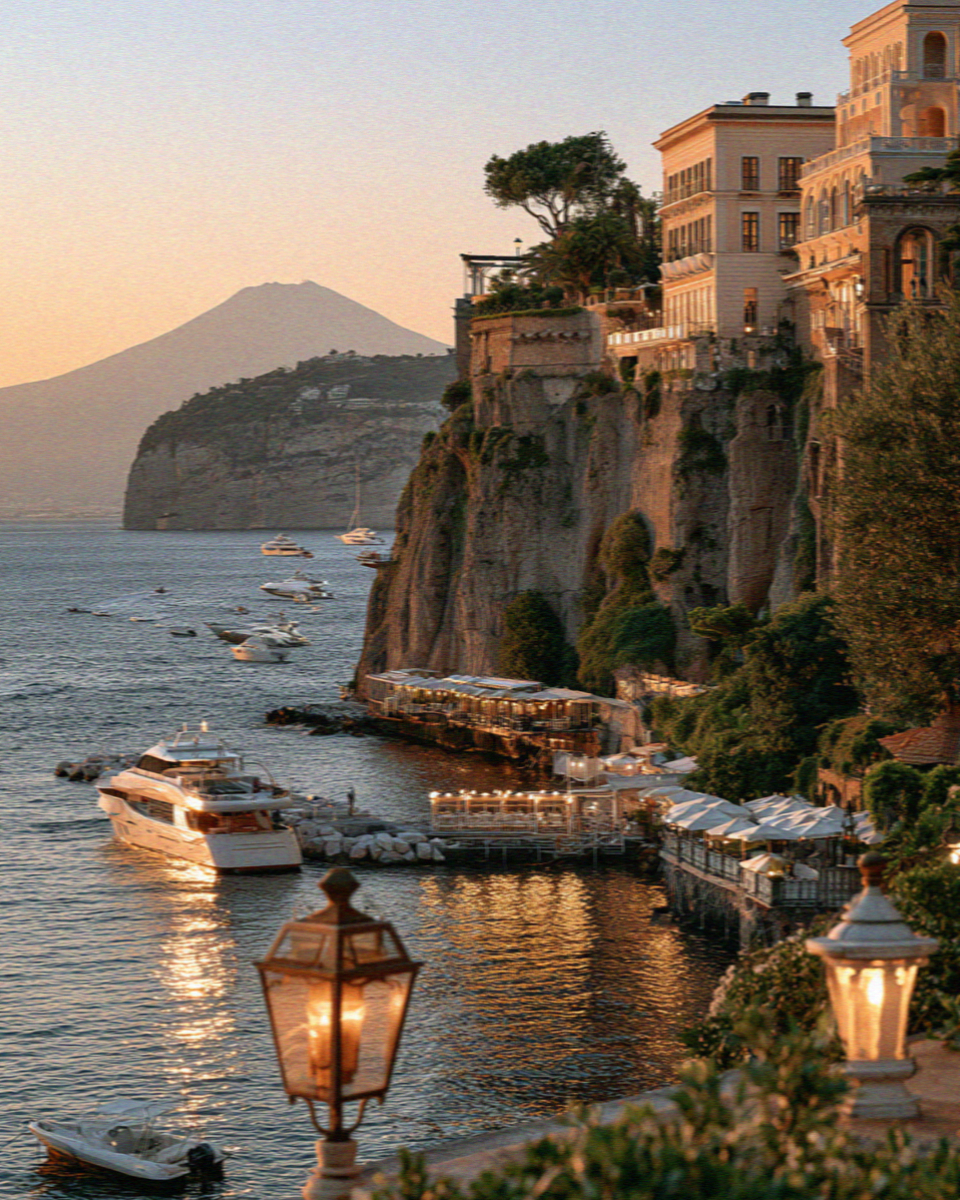
Sorrento is the town that taught me a place can be busy and serene at the same time. It sits on a shelf of tufa cliff above the Bay of Naples, looking straight across the water at Vesuvius, with lemon groves behind it and the whole of the coast laid out at its feet. People treat it as a base, and it is a wonderful one, but Sorrento is also worth loving in its own right: for the passeggiata through the old town at dusk, the scent of orange blossom in spring, the boats coming into Marina Grande, and a glass of limoncello that actually tastes of the lemons growing over the wall. This is my complete guide to Sorrento, everything I have learned about when to come, what to see, where to sleep, what to eat, and how to use the town as the perfect doorway to Capri, the Amalfi Coast, and Pompeii.
What makes Sorrento so easy is that it gives you the south of Italy without the vertigo. The Amalfi Coast is spectacular but exhausting, all hairpins and steps; Sorrento is largely flat on top, walkable end to end, and connected to everywhere by train and ferry. You can spend a morning doing nothing but drinking coffee on Piazza Tasso, be on a boat to Capri by lunchtime, and be back on a cliffside terrace for the sunset over the bay. What follows is the whole picture, section by section, with links down to the deeper guides I have written for each part.
What to book before you come
Almost everything in Sorrento itself is free. What you book here are the days you spend somewhere else, because this town is the best base on the bay and a fairly ordinary destination in its own right.
- Capri by boat. The crossing plus the coast of the island, which the ferry does not show you.
- Positano and Amalfi by boat. Better than the bus by a long way, and it removes the coast road entirely.
- Pompeii and Vesuvius. Both in a day, twenty minutes down the Circumvesuviana.
- A lemon grove and limoncello. Small, cheap, and the one thing that is genuinely of Sorrento rather than of the bay.
The Marina Grande, the cliff walk, the Villa Comunale terrace at sunset and the whole of the old town cost nothing.
Why Visit Sorrento
People come to Sorrento for the view and stay for the rhythm. The town has been a resort since the Romans, and it wears that long habit of hospitality lightly. The historic centre is a warren of narrow lanes, the vicoli, lined with workshops selling the inlaid wood, the intarsio, that Sorrento has made for centuries, alongside ceramics, sandals and more lemon products than you knew existed. Above it all runs Corso Italia, the main street, which empties of traffic in the evening and fills with families walking arm in arm.
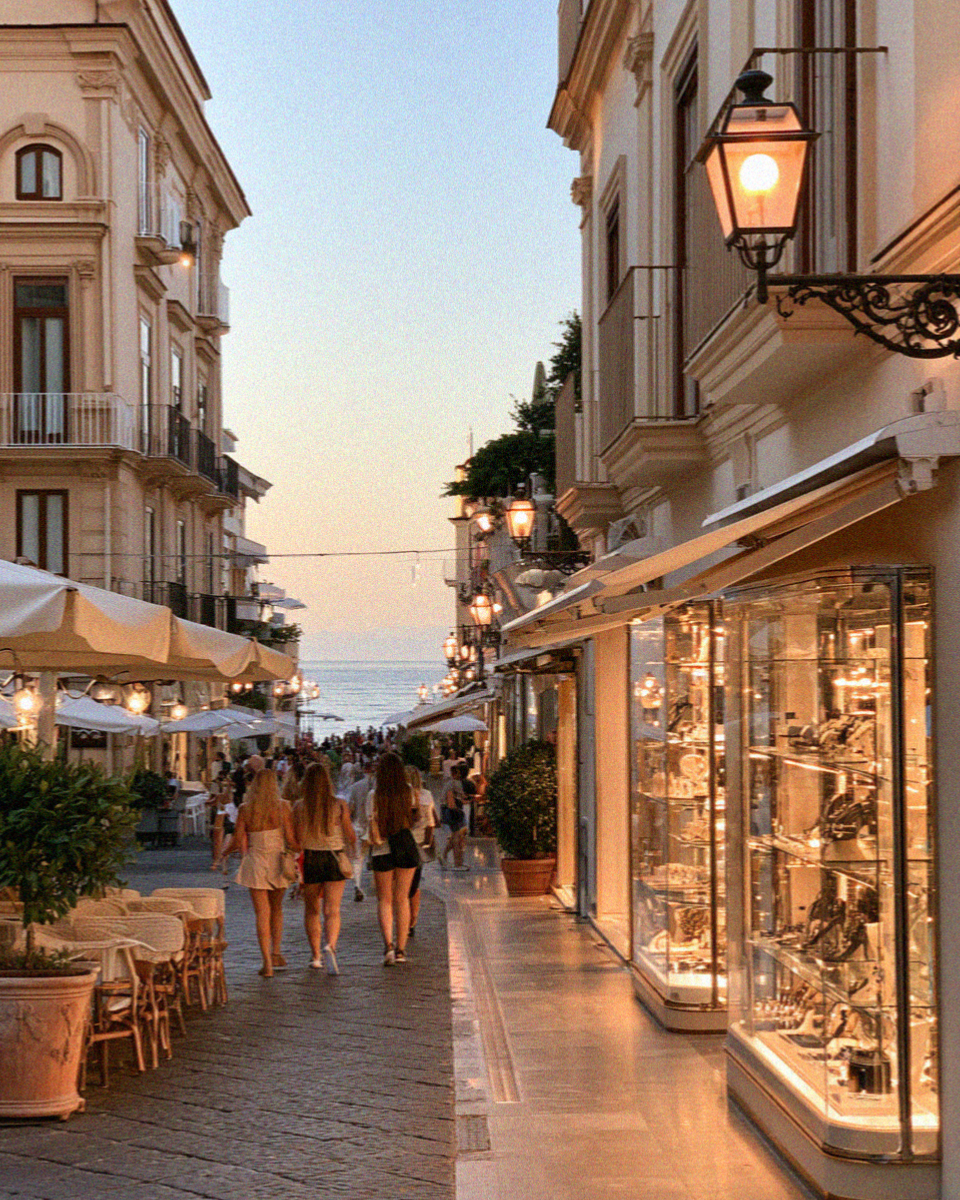
What sets Sorrento apart from the coast proper is that it is a real, year-round town rather than a string of beautiful balconies. It has its own cathedral, its own patron saint in Sant’Antonino, a working fishing marina, and a genuine local life that carries on beneath the tourism. It is also gentle on the legs and the nerves in a way the Amalfi Coast is not, which is why it suits families, older travellers and anyone who wants the beauty of the region without spending the whole holiday on a bus above a cliff.
There is more history here than a first glance suggests. The Sedile Dominova, a fifteenth-century open loggia with a frescoed dome, still stands on a corner of the old town where the nobility once met; the Basilica di Sant’Antonino holds the tomb of the town’s patron and a pair of whale bones by the door; and the Museo Correale di Terranova, set in a patrician villa with a garden running to the cliff edge, keeps Neapolitan paintings, porcelain and the famous inlaid furniture. That craft, the intarsio, has its own museum too, the Museobottega della Tarsialignea, which is the best place to understand the marquetry you will see in every shop window. None of these takes long, and together they give the town a depth beyond the view.
Plan Your Visit to Sorrento
A few things I booked and loved. These help support the blog, at no cost to you.
- Where I stayed: search Sorrento hotels
- Tickets and day trips from Sorrento
- Stay connected: get a travel eSIM
This section contains affiliate links. If you book through them I may earn a small commission, at no extra cost to you.
Best Time to Visit
If you can choose freely, come in late April to early June or in September to early October. Those shoulder windows are the sweet spot: warm days in the low-to-mid twenties, a sea that is swimmable from June onwards and still warm into October, and gentler prices and crowds than the July and August peak. Spring is my favourite, when the citrus is in blossom and the whole town smells of orange flowers. Early autumn holds soft warm light and the first of the year’s real quiet.
Summer, July and August, is hot, busy and expensive, with the ferries and day-trip sites at their most crowded; it is glorious for swimming, but you will share it with everyone. Winter is mild, cheap and quiet, though many hotels and some restaurants close from November to around March and the ferry network shrinks to the year-round Capri and Naples routes. The town’s big date is the feast of Sant’Antonino on 14 February, its patron saint. For the full month-by-month picture, including what the sea and the crowds are doing and when the ferries run, read my guide to the best time to visit Sorrento.
Top Things to Do
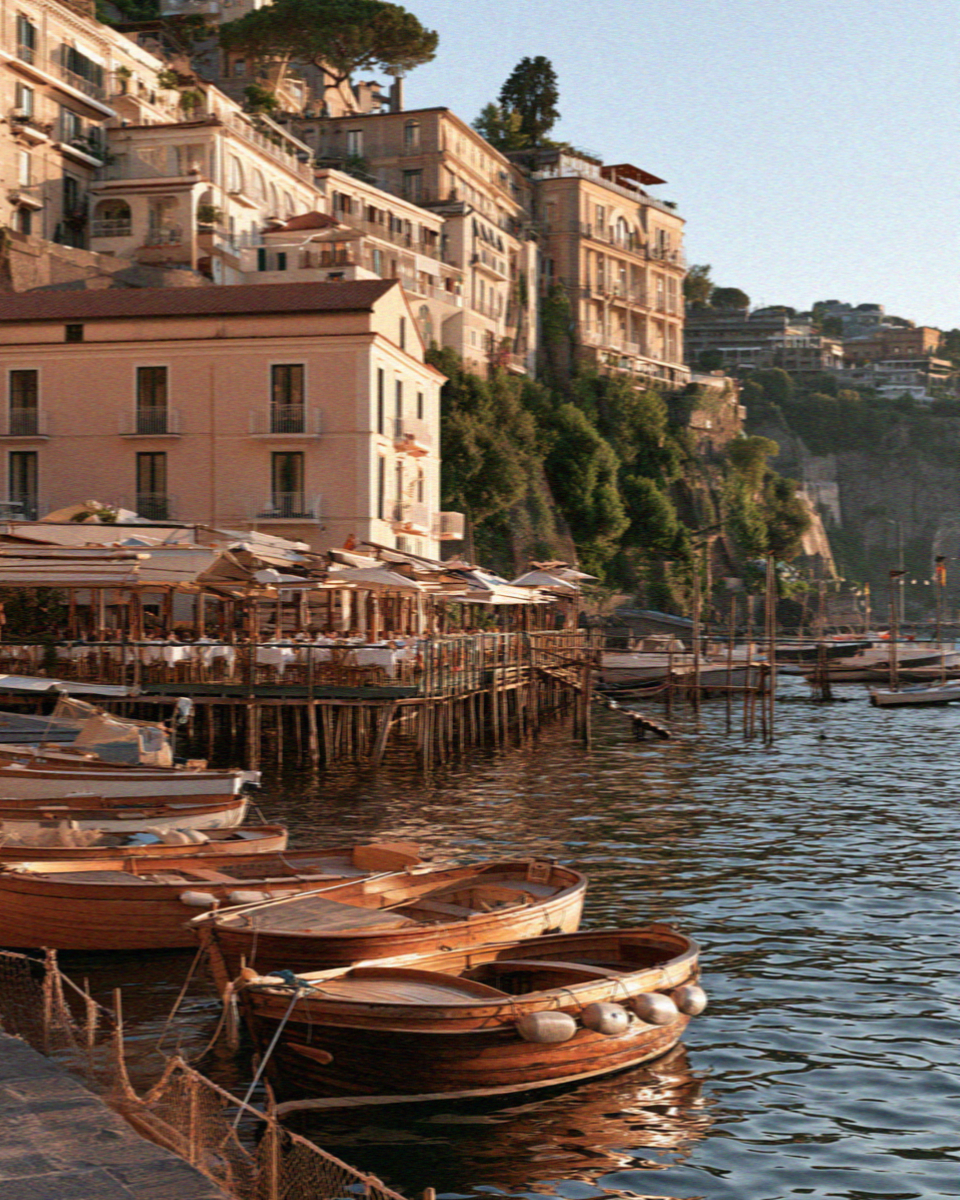
Start with Piazza Tasso, the town’s living room, laid over the old ravine and ringed with cafe terraces; it is where the passeggiata begins and where the town gathers at night. From there, wander down through the old town to Marina Grande, the original fishing village, where painted houses lean over the water and the seafood trattorie are built out on decks above the sea. Walk the Villa Comunale gardens for the classic Sorrento view, straight across the bay to Vesuvius, and slip into the tiled Cloister of San Francesco, the Chiostro di San Francesco, one of the loveliest quiet corners in town.
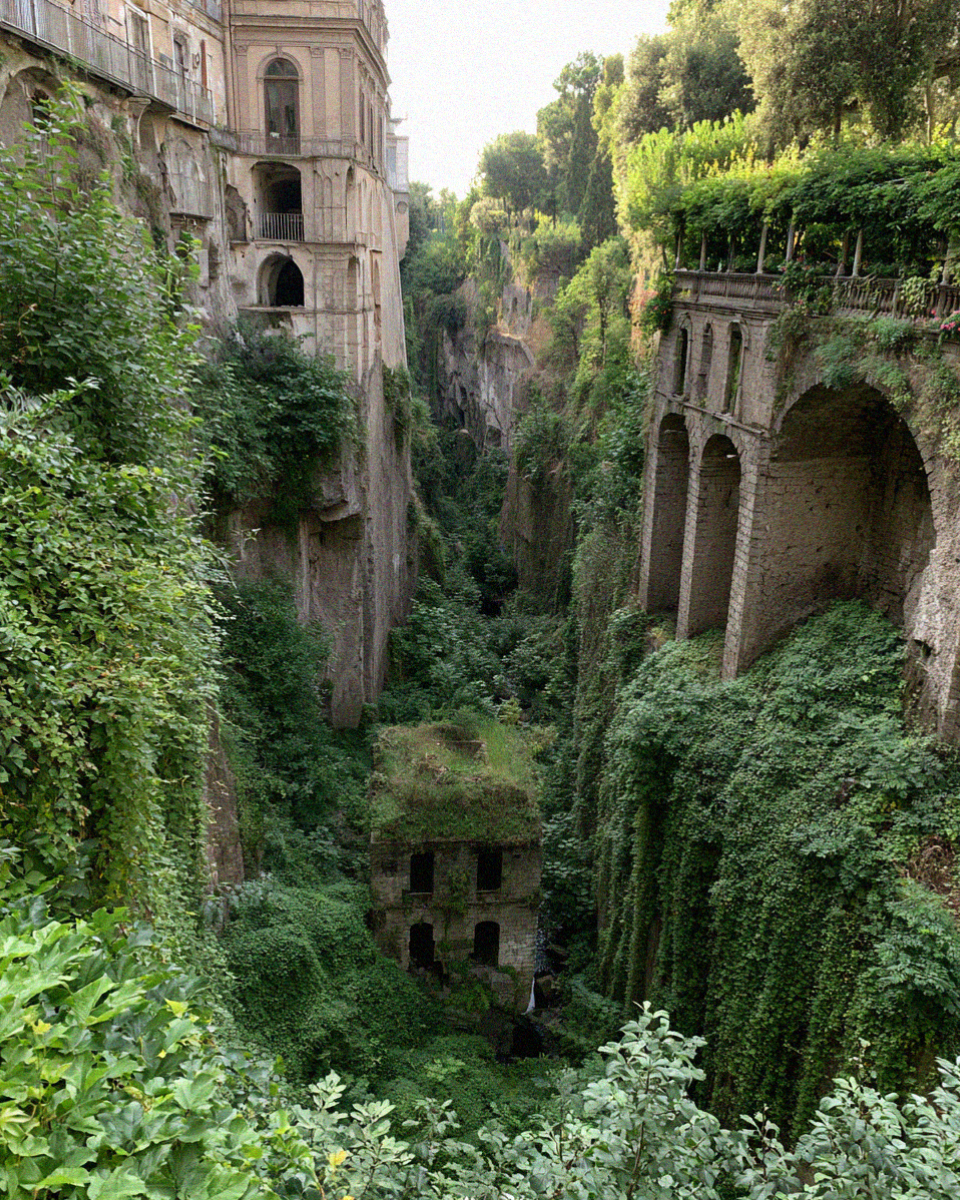
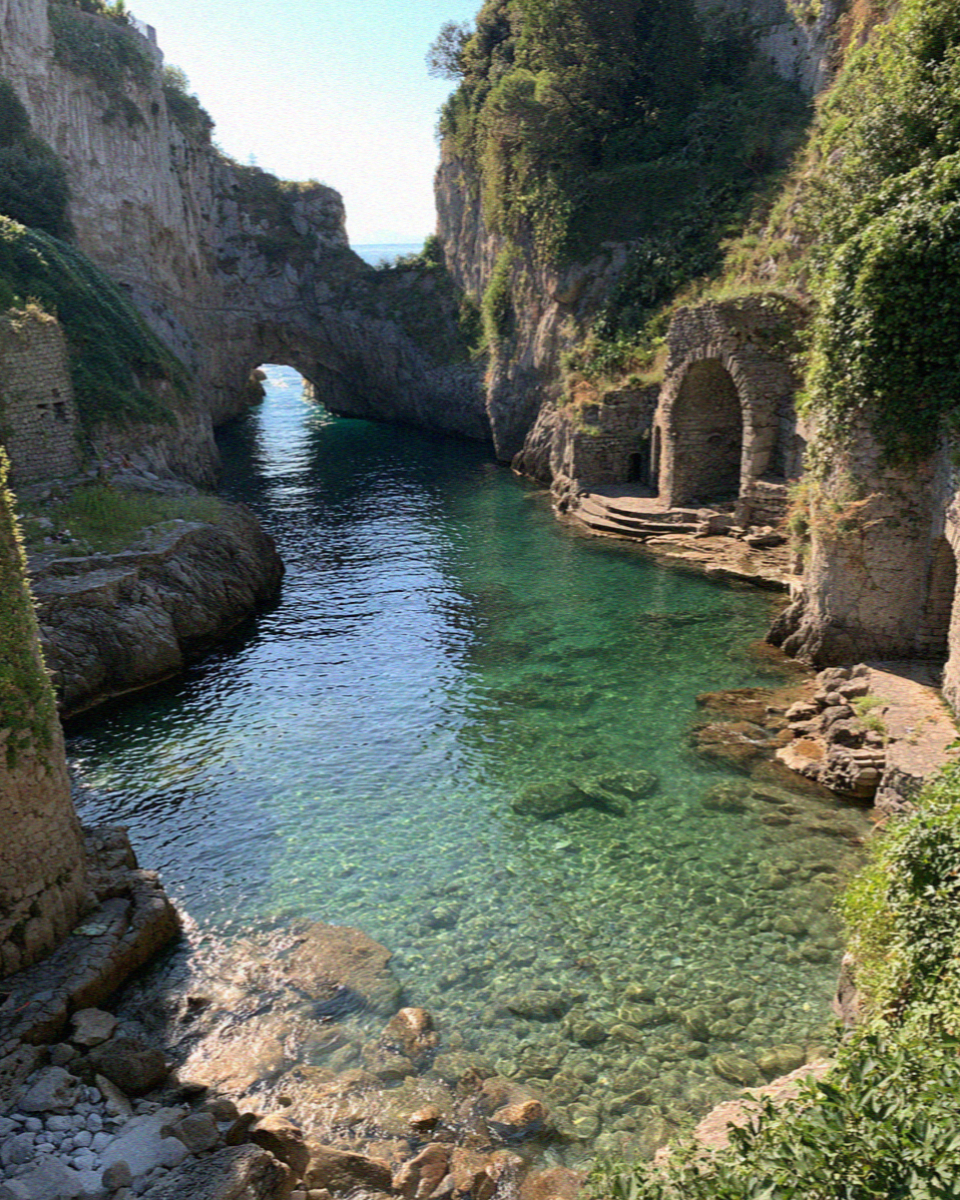
Two natural sights are unmissable. The Vallone dei Mulini, the Valley of the Mills, is a deep green ravine in the middle of town where an abandoned flour mill sits swallowed by ferns, viewed from the road above; and the Bagni della Regina Giovanna, the Baths of Queen Giovanna, a turquoise natural pool ringed by cliffs and Roman ruins out at Capo di Sorrento, reached on foot. Add a lemon-grove visit to see where the limoncello comes from, and you have the essentials. There is far more, and I have gathered it all, in order, in my guide to the best things to do in Sorrento.
Boat Trips to Capri and the Coast
Sorrento is not a beach town and it is the best place on this bay to keep a boat waiting for you. Capri is forty minutes across the water, the Amalfi Coast starts twenty minutes round the headland, and the coastal drive to Positano is sixteen kilometres that can take ninety minutes on a bus.
West of the town, below Nerano, the Bay of Ieranto has no road to it and the clearest swimming on this peninsula.
I have put the operators I would actually book, what each costs and which ones get into the caves, in my guide to boat trips from Sorrento.
Where to Stay
Where you sleep shapes the whole trip, and in Sorrento the first choice is your view. The clifftop centre, around Piazza Tasso and Via Correale, puts you steps from everything with the bay below; Marina Piccola and the cliffs west of the centre hold the grand cliffside hotels; and quieter Sant’Agnello, just east, trades a little walking for calm and value. For a splurge, the Grand Hotel Excelsior Vittoria is a Sorrento institution, a five-star set in a five-acre clifftop estate of citrus and olive trees with a pool in an orange grove and a private lift down to the water, while the Bellevue Syrene perches on the cliffs above Marina Piccola with its own beach below.
Between those two there is a whole tier of memorable places. The Maison La Minervetta is a design-lover’s favourite, a bold blue-and-white bolthole perched over Marina Grande; the Parco dei Principi, out in Sant’Agnello, is a piece of mid-century history, the Gio Ponti hotel whose blue-and-white tiled interiors and cliff garden feel like nowhere else; and the historic Hotel Cocumella nearby is a former Jesuit college turned quiet grande dame. You do not need five stars to sleep well, either: there are elegant mid-range hotels with rooftop pools and sea-view terraces such as the Antiche Mura in the centre, family-run B&Bs in the old town, and simple convent and monastery guesthouses for those who want peace and value. My advice is to prioritise a terrace and a short walk to Piazza Tasso over square footage; the view is the thing you came for. For the full comparison of neighbourhoods and my pick at every price, read my guide to where to stay in Sorrento.
Where to Eat and Drink
Sorrento’s cooking is Campanian and generous, built on the sea and the citrus. The dish to seek out is gnocchi alla sorrentina, potato gnocchi baked in a clay pot with tomato, fior di latte mozzarella and basil, served still bubbling; you will find it on nearly every menu, and the good versions are unforgettable. Order it, then the day’s fish, simply grilled with oil and lemon, and finish with limoncello made from the huge, thick-skinned Sorrento lemons that grow all over the peninsula.
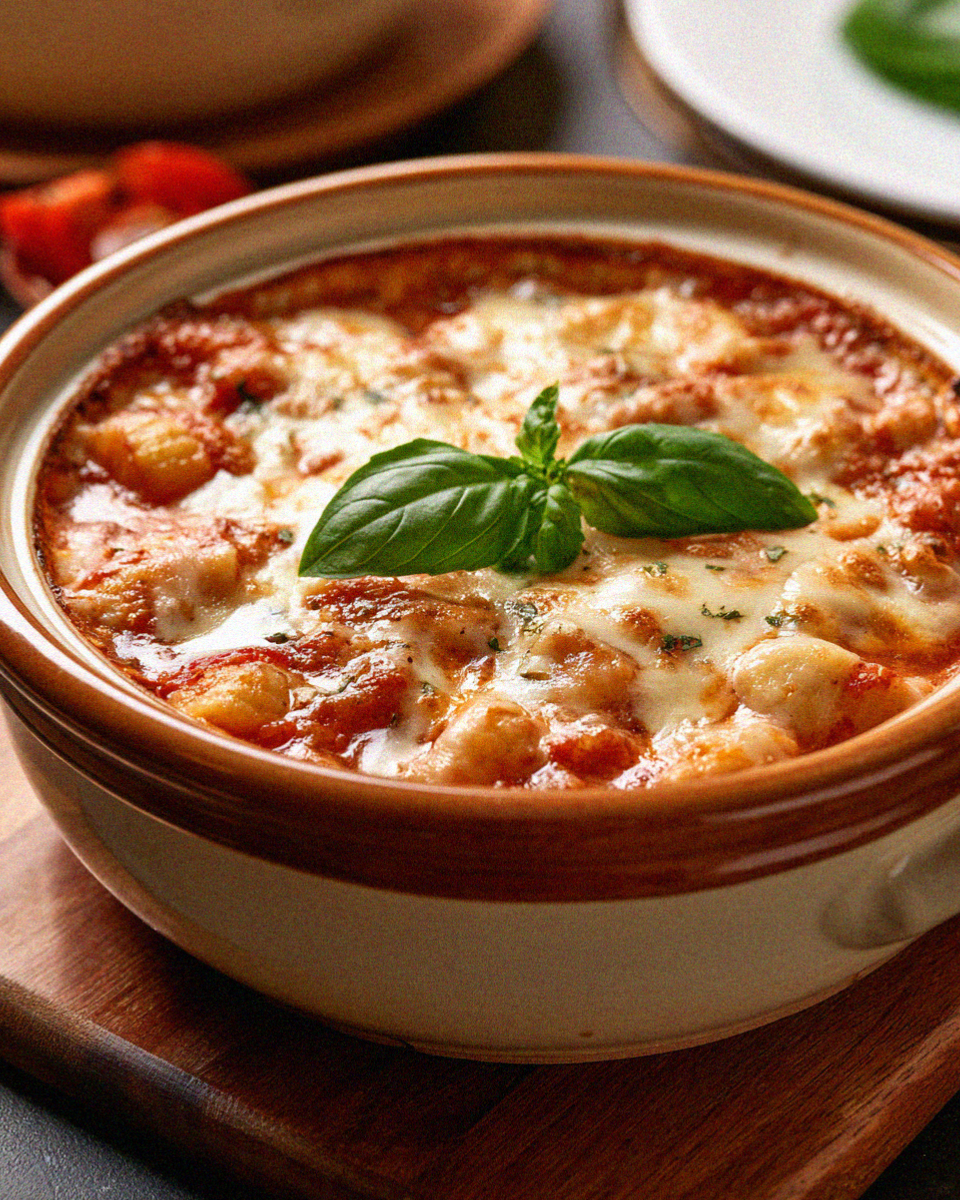
For where to actually sit, my rule is to eat with a view for at least one meal and eat with the locals for the rest. Down at Marina Grande, Trattoria da Emilia has been serving honest food on a deck over the sea since 1954, and its Gnocchi della Mamma are a Sorrento classic; in the old town, places like Ristorante Il Pozzo, L’Antica Trattoria and Da Filippo do the baked gnocchi beautifully, while Inn Bufalito is the spot for buffalo mozzarella. If you want to mark the trip with a great meal, Sorrento has a serious side too: Il Buco holds a Michelin star in a former monks’ wine cellar off Piazza Sant’Antonino, and the Terrazza Bosquet at the Grand Hotel Excelsior Vittoria is a starred, jacket-and-view sort of evening. Expect a premium around Piazza Tasso and the marinas where the view is part of the bill, and far better value on the quieter streets like Via degli Aranci and out in Sant’Agnello. For all my picks, dish by dish and place by place, see my guide to where to eat and drink in Sorrento.
Hidden Gems
The places that stayed with me longest are the quiet ones. Parco Ibsen, a small garden just west of the busy Villa Comunale, gives you the same sunset over the bay with a fraction of the crowd. The Bagni della Regina Giovanna rewards the short walk out to Capo di Sorrento with a swim in a turquoise Roman pool ringed by cliffs. And the sea village of Marina Grande, a few minutes down from the centre, still feels like a working fishing hamlet at lunchtime rather than a set. Give Sorrento a second and third day, and it opens up in exactly this way, off the main axis, in the lanes and the gardens and the small marinas.
It helps to know the town’s two marinas apart, because people muddle them. Marina Grande is the old fishing village, all painted houses and seafood decks, the pretty one you go to for lunch and photographs. Marina Piccola is the working ferry port below the Villa Comunale, less charming but the one you actually leave from for Capri and the coast, with beach clubs strung along its platforms. Keep the difference straight, and you will never turn up at the wrong harbour for a boat. And save one evening for nothing but the passeggiata: when Corso Italia closes to traffic and the whole town comes out to walk, you understand Sorrento better than any sight can teach you.
Photography Locations
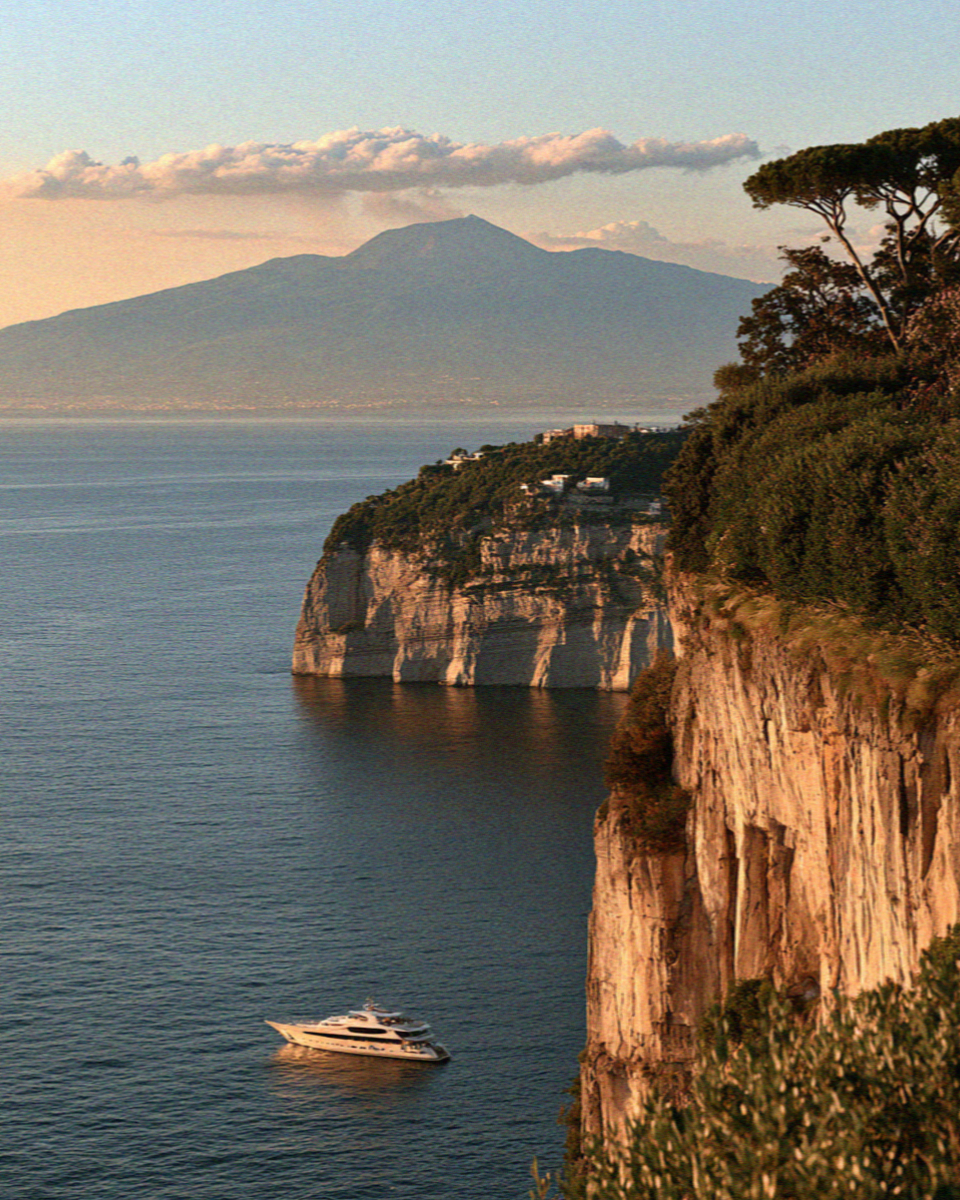
Sorrento is a photographer’s town, and its best pictures are about the bay and the light. The Villa Comunale terrace gives you the classic shot, the whole sweep of the Bay of Naples with Vesuvius behind and Marina Piccola below, and it is loveliest at sunset when the sky colours. Marina Grande, with its painted houses and moored boats, is best in the soft light of early morning or late afternoon. The Vallone dei Mulini, seen from the railing above, is a study in green and ruin, while the cloister of San Francesco frames a quiet, romantic shot in any light. For the full map of viewpoints and the right time of day for each, read my guide to the best photo spots in Sorrento.
A Suggested Itinerary
If you have two or three days, the shape I would give them is simple: one day for Sorrento itself, one for an island or the coast, and one for Pompeii or a slower return to the town’s own corners. Spend the first morning in the old town and on Piazza Tasso, the afternoon at Marina Grande and the Villa Comunale for sunset. Give the second day to Capri or Positano by ferry. On the third, take the short train to Pompeii in the morning and keep the afternoon for the lemon groves, the Bagni della Regina Giovanna, or simply a long lunch. For detailed two- and three-day plans with timings and walking routes, see my full Sorrento itinerary.
Getting There and Around
Getting to Sorrento is easy, with one small catch: the nearest airport is Naples, and the Circumvesuviana train does not stop there. From Naples airport you take the Alibus to Napoli Garibaldi station, roughly fifteen minutes, then the Circumvesuviana train to Sorrento, about seventy-five minutes to the end of the line, for a few euros. The same train is your route to Pompeii and Herculaneum, which sit right on it. In summer the fast, direct Curreri bus also runs from the airport to Sorrento, and private transfers are plentiful if you would rather not carry bags on a busy train.
Around the town itself you will not need transport; Sorrento is flat on top and walkable end to end in twenty minutes. For the coast and the islands, Marina Piccola is your ferry port, with fast boats to Capri all year and to Positano, Amalfi and beyond from April to October. For train times, the airport options, and the full ferry picture, read my guide to getting to Sorrento and getting around.
Day Trips from Sorrento
This is where Sorrento earns its keep. From Marina Piccola, Capri is twenty to twenty-five minutes by ferry, or fifteen by hydrofoil, with boats every half hour or so in season; it is the easiest and most rewarding day out. Positano is around thirty minutes by sea and Amalfi about an hour, both far pleasanter by boat than by the winding coast road. Pompeii is thirty minutes by train, with the ruins fifty metres from the station, and Herculaneum and Vesuvius are on the same line. Naples itself is under an hour and worth a day for its museums, its pizza and its churches.
Do not overlook the quieter half of the peninsula on Sorrento’s own doorstep. A short bus ride brings you to Massa Lubrense and Sant’Agata sui Due Golfi, which looks over both the Bay of Naples and the Bay of Salerno, and on to the tiny cove of Marina del Cantone below Nerano, where the beach restaurants serve the famous spaghetti alla Nerano with fried courgettes and provolone del Monaco cheese. The nature reserve at Punta Campanella, the very tip of the peninsula facing Capri, is a beautiful, largely undeveloped walk. To plan all of these, with the ferries, the fares and the timings, read my guide to the best day trips from Sorrento.
Budget or Luxury
Sorrento stretches to fit almost any budget, and the good news is that its best pleasures are cheap or free. The old town, the Villa Comunale sunset, the Vallone dei Mulini, the cloister and a swim at the Bagni della Regina Giovanna cost nothing; a plate of gnocchi with house wine off a back street is a few euros; and the Circumvesuviana carries you to Pompeii or Naples for the price of a coffee. Where the money goes is the view: sea-facing hotel rooms, clifftop terrace dinners and beach-club loungers all carry a premium. You can do Sorrento grandly, from a suite at the Excelsior Vittoria to a starred dinner and a private boat to Capri, or you can do it simply, from a convent room and market picnics to a lounger on a public platform, and both are lovely. The trick is to splurge on the one or two things that matter to you, a room with a terrace, one great meal, one boat day, and keep the rest easy.
Who Sorrento Is For
Sorrento suits almost everyone, which is part of its appeal. It is wonderful for families and for older travellers, because it is flat, walkable and well connected, without the relentless steps of the Amalfi Coast. It is lovely for couples, with its sunset terraces and long dinners over the sea. It works beautifully for first-timers who want one comfortable base from which to see Capri, the coast and Pompeii without repacking. If you are after wild nightlife or a remote, undiscovered corner, Sorrento is not that; it is a polished, sociable, easy town. But if you want the beauty of the Bay of Naples with the least friction, it was made for you.
What to Wear and Pack
Pack for a town of cobbles, sun and the occasional church. Bring comfortable flats or sandals you can walk all day in, because the old-town lanes are stone and a little uneven. Light linen and cotton in summer, with a shawl or light layer for cooler evenings on a terrace and for covering shoulders in churches. A swimsuit is essential from late spring to autumn, whether for a hotel pool, the beach clubs at Marina Piccola, or the Bagni della Regina Giovanna. Add sun protection, a refillable water bottle, and a good camera, and dress with a little care as Italians do, but always choose comfort and cover first.
More images from Sorrento







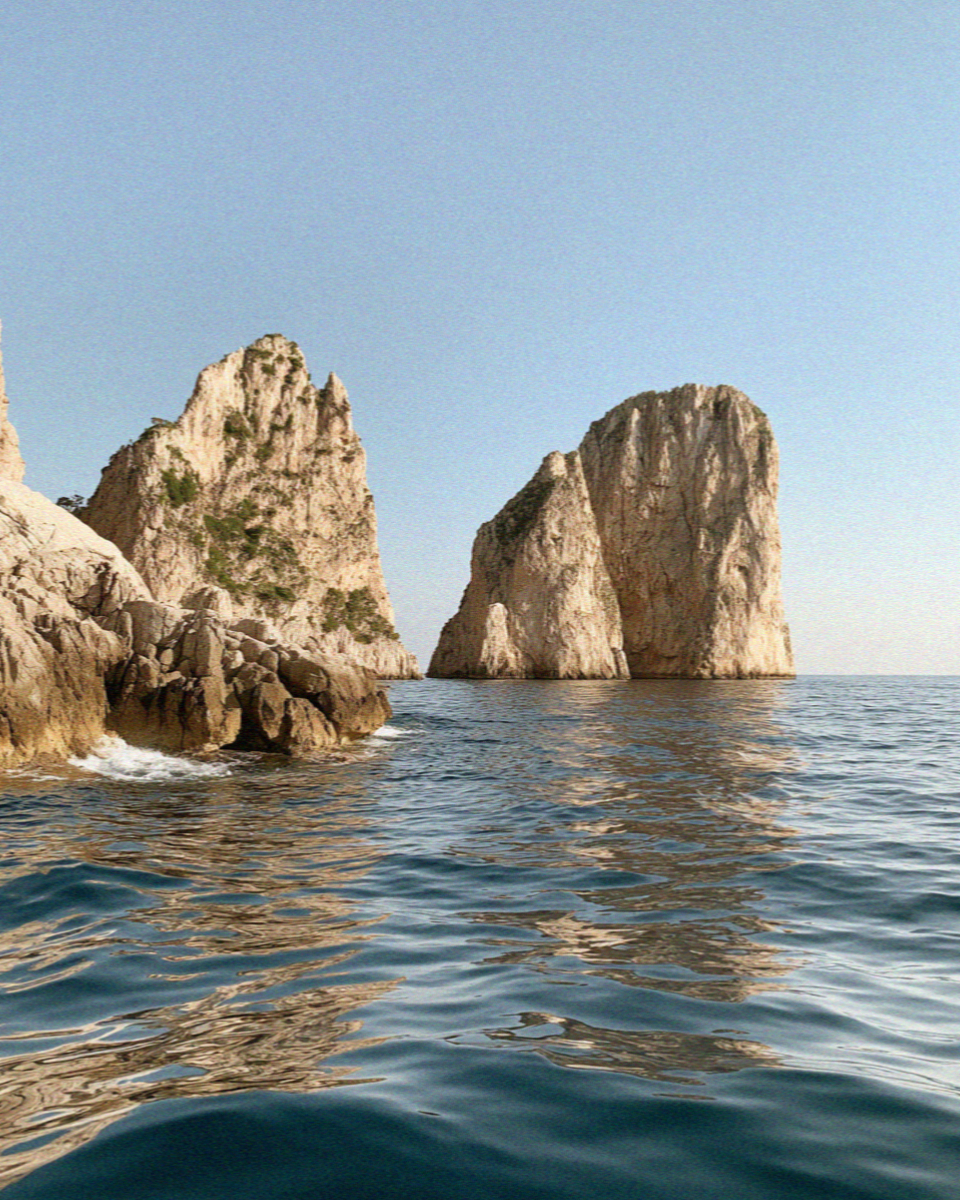

Your Sorrento Guides
I have written a full guide for each part of a trip to Sorrento, so you can go as deep as you like on whatever matters most to you.
- Sorrento itinerary: 2 to 3 days
- Best things to do in Sorrento
- Where to stay in Sorrento
- Where to eat and drink in Sorrento
- Best time to visit Sorrento
- Best photo spots in Sorrento
- Day trips from Sorrento
- Getting to Sorrento and getting around
- My Sorrento journal
- The Best Sorrento Boat Tours: Capri, the Coast and the Bay of Ieranto
Sorrento Travel Diaries
And the days themselves, as they happened.
Frequently Asked Questions
How many days do you need in Sorrento?
Two to three days is the sweet spot. One day covers Sorrento itself, the old town, Piazza Tasso, Marina Grande, and the Villa Comunale sunset. A second is for Capri or Positano by ferry, and a third for Pompeii and a slower return to the town’s lemon groves and quieter corners. If Sorrento is your base for the whole region, four or five nights lets you add the Amalfi Coast and Naples without rushing.
Is Sorrento a good base for the Amalfi Coast and Capri?
It is the best base in the region for most travellers. Sorrento is flat, walkable and connected to everywhere by train and ferry, so you avoid the steps and the winding roads of the Amalfi Coast towns while still reaching Capri in about twenty-five minutes, Positano in thirty and Amalfi in an hour by boat, and Pompeii in thirty minutes by train.
Does Sorrento have a beach?
Sorrento sits on a cliff, so it has small beaches and beach clubs reached by lift or steps rather than long sandy shores. Marina Piccola and Marina Grande have swimming platforms and lidos, and the Bagni della Regina Giovanna out at Capo di Sorrento is a beautiful natural sea pool. For proper sand, you would take a day trip along the coast, but the swimming from the town’s platforms and clubs is lovely in season.
How do you get from Naples airport to Sorrento?
Take the Alibus from Naples airport to Napoli Garibaldi station, about fifteen minutes, then the Circumvesuviana train to Sorrento, roughly seventy-five minutes to the end of the line. In summer, the direct Curreri bus runs from the airport to Sorrento, and private transfers are available year-round. The train is the cheapest and most frequent option and also serves Pompeii and Herculaneum along the way.
What is Sorrento famous for?
Sorrento is famous for its clifftop views over the Bay of Naples to Vesuvius, its lemons and the limoncello made from them, its inlaid woodwork, and its role as the easiest gateway to Capri, the Amalfi Coast and Pompeii. Its signature dish is gnocchi alla sorrentina, baked with tomato, mozzarella and basil.
If you would rather read the town as a story than a checklist, I have kept a more personal account of my days here in my Sorrento journal, where the light, the lemons and the long evenings get the space they deserve.