Pisa and Lucca sit less than twenty miles apart in the flat green plain of the Serchio valley, and yet the two of them could hardly feel more different. One is a river city that most people arrive at in a hurry, photograph in a rush and leave before lunch. The other is a walled town people mean to visit for an afternoon and end up circling for two days, half in love, wondering why nobody warned them. I have done both cities badly and I have done both cities well, and this guide is my attempt to save you the badly.
I first came to Pisa the way almost everyone does, straight off a cheap flight with a train ticket in my hand and a mental picture of one very famous tower. I gave the city about ninety minutes and felt rather smug about it. Then a friend who lives near Florence told me, gently, that I had missed the whole point, and sent me back with instructions to sleep in Lucca and take the little regional train across in the morning. She was right, of course. Together the two make one of the easiest and most rewarding short trips in Tuscany, and this article is the hub that ties all of my more detailed guides together.
Think of this page as the map of the whole cluster. Below I walk through why you should give both cities your time, when to come, what to actually do in each, the truth about climbing the tower, where I like to sleep and eat, the corners I return to with a camera, and how to string it all into an unhurried itinerary. Each section is a short introduction, and where I have written a longer, nerdier guide I have linked straight through to it. Read the lot in order, or skip to the part you need.
What to book before you come
These two towns want opposite things from you. Pisa is timed tickets booked weeks ahead or you do not go up the tower. Lucca is a bicycle and no plan at all.
- The Leaning Tower and Cathedral. 4.5 from more than fourteen thousand people. Take the earliest slot you can bear; the tower at nine is a different building from the tower at two.
- The whole Square of Miracles. Adds the Baptistery, the Camposanto and the museum. The Camposanto is the one nobody expects and the one I would not skip.
- The two hour walk through Lucca. 4.7 from nearly two thousand people. Lucca hides its history behind plain frontages; the Roman amphitheatre is a residential square now and you can walk through it without noticing.
- The Lucca food walk. Rated 4.9. A full meal spread across the town, so come hungry and do not book dinner.
Standing on the grass at Pisa looking at the tower is free, and so is cycling the walls at Lucca, which is the best thing in either town.
Why visit Pisa and Lucca
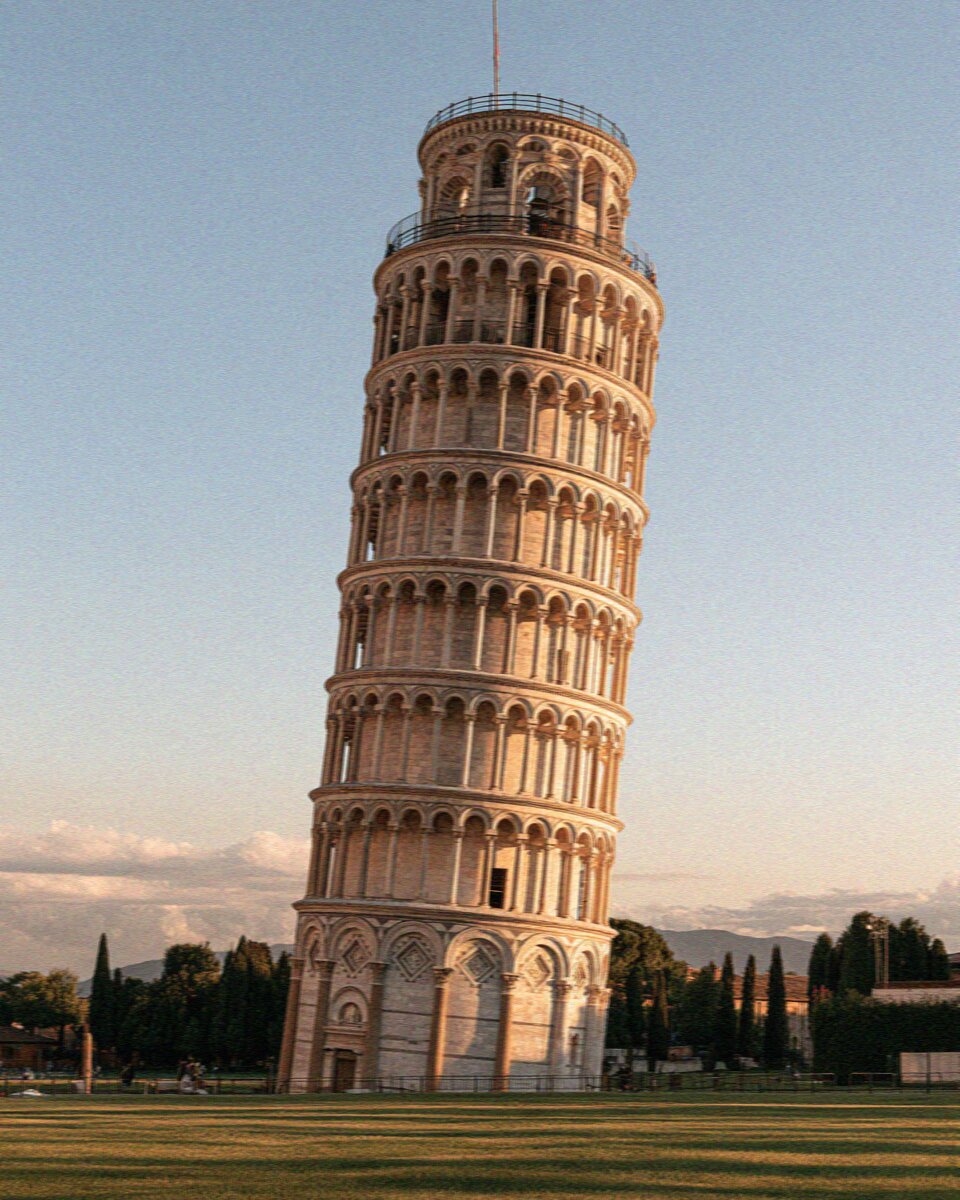
Here is the honest case for pairing them. Pisa gives you a piece of ground that ranks among the most photographed anywhere, the Piazza dei Miracoli, and it is genuinely worth the fuss. Four white marble buildings, the cathedral, the baptistery, the camposanto and that famously tilted bell tower, stand together on a lawn so green it looks retouched. Seen early, before the coach parks fill, it is properly moving. Seen at midday in August it is a scrum. The trick is knowing which version you want, and I will come back to that.
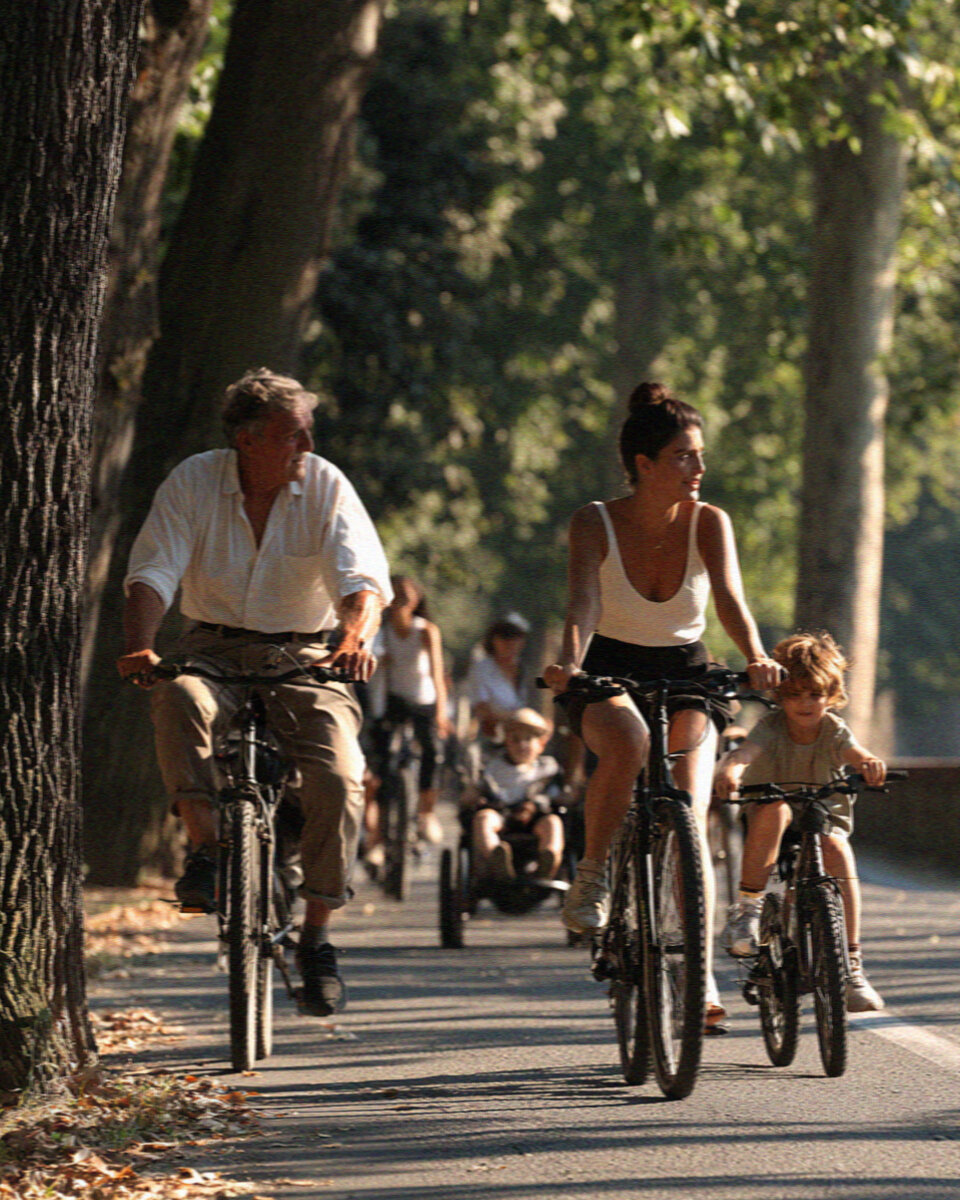
Lucca is the reward for staying. It is a complete walled town, its Renaissance ramparts still whole and unbroken, wide enough on top to be a tree-lined park where locals jog and cycle and push prams above the rooftops. Inside the walls there is no single knockout monument, and that is precisely the charm. You wander from a Roman oval square to a church with a Roman forum under its feet to a tower with oak trees growing out of the top, and none of it is trying to sell you anything. Puccini was born here, and the town still hums with his music on summer evenings.
What makes them a pair rather than two separate trips is the geography. The regional train between them takes roughly half an hour and runs many times a day, so you can base yourself in one and treat the other as a morning out. My strong preference is to sleep in Lucca and visit Pisa early, which flips the usual crowd pattern neatly on its head. Do that and you get the tower to yourself and the walls in the evening light, which is about as good as a short Tuscan break gets.
Plan Your Visit to Pisa and Lucca
A few things I booked and loved. These help support the blog, at no cost to you.
- Where I stayed: search Pisa hotels
- Leaning Tower and Cathedral tickets
- Rent a car to explore the area
- Stay connected: get a travel eSIM
This section contains affiliate links. If you book through them I may earn a small commission, at no extra cost to you.
Best time to visit

If I could only send you once, I would send you in the second half of May or in late September and early October. The light is long and gold, the marble in Pisa glows rather than glares, and Lucca’s walls are warm enough for an evening stroll without the flattening heat of high summer. Prices are gentler than in the peak weeks, and you can usually get a tower climb slot without booking months out. Spring brings blossom to the ramparts, autumn brings a softer, amber quality to the Arno that I find hard to leave.
Summer is not off the table, but be clear-eyed about it. July and August are hot and busy, and the Piazza dei Miracoli in the middle of the day is a test of patience. The saving grace of summer is the calendar. Lucca’s music festival brings big names to the piazzas through July, and if your dates are flexible there is one night worth building a whole trip around: the sixteenth of June, when Pisa lights tens of thousands of candles along the Arno for the Luminara di San Ranieri and the river turns to a ribbon of flame. It is one of the loveliest things I have seen in Italy.
Winter is quiet, sometimes damp, and rather wonderful if you do not mind shorter days. You will share the tower lawn with almost no one, and Lucca inside its walls feels like a secret. The one date to note for the other reason is the very end of October, when Lucca Comics and Games takes over the entire town and beds vanish for miles. In 2026 the festival runs from the twenty-eighth of October to the first of November and marks its sixtieth year, so expect record crowds and book absurdly far ahead if that is your thing. Come then only if you are coming for that, and give the town a wide berth if it is not. For the full month-by-month breakdown, including what closes and what the weather really does, see my guide to the best time to visit Pisa and Lucca.
Best things to do in Pisa
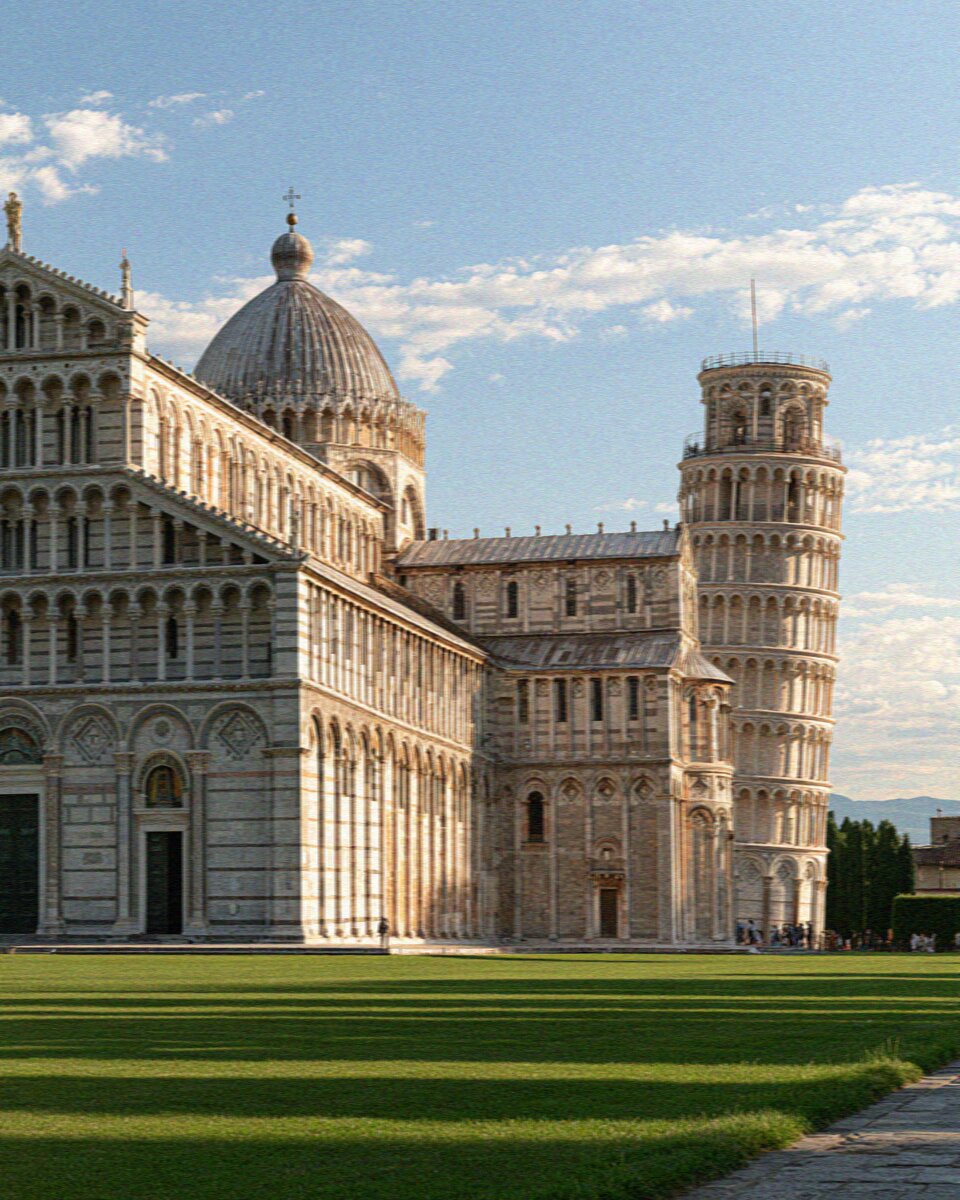
Everyone comes for the Piazza dei Miracoli, and rightly so, but the piazza is more than the tower. The cathedral is the real masterpiece, a vast striped Romanesque nave with a golden coffered ceiling and Galileo’s lamp swinging somewhere in its history. Entry to the cathedral is free but timed, so you still need to collect a ticket. The baptistery next door is a near-perfect round drum famous for its acoustics, and if you are lucky an attendant will sing a few notes into the dome and let them bloom. Behind the wall lies the camposanto, the monumental cemetery, with soil said to have been shipped from the Holy Land and frescoes that survived a wartime fire by the skin of their teeth.
The ticketing is worth understanding before you arrive. A single combined ticket covering all the monuments including the tower climb runs to around twenty-seven euros, while a ticket for everything except the tower is far cheaper, in the region of eleven euros, and individual monuments are about eight euros each. The tower climb on its own, bundled with the cathedral, sits at roughly twenty euros. Prices do shift, so treat these as a guide and book the tower slot ahead in season.
What most day trippers miss is the rest of Pisa. Walk south to the Arno and its handsome quays, cross to the tiny jewel-box church of Santa Maria della Spina on the water’s edge, and lose an hour in the arcaded student streets and the daily market on Piazza delle Vettovaglie. This is a university city with a real life beyond the lawn. My full run-through of what to see, in what order, and how long each takes, is in the best things to do in Pisa guide.
Best things to do in Lucca
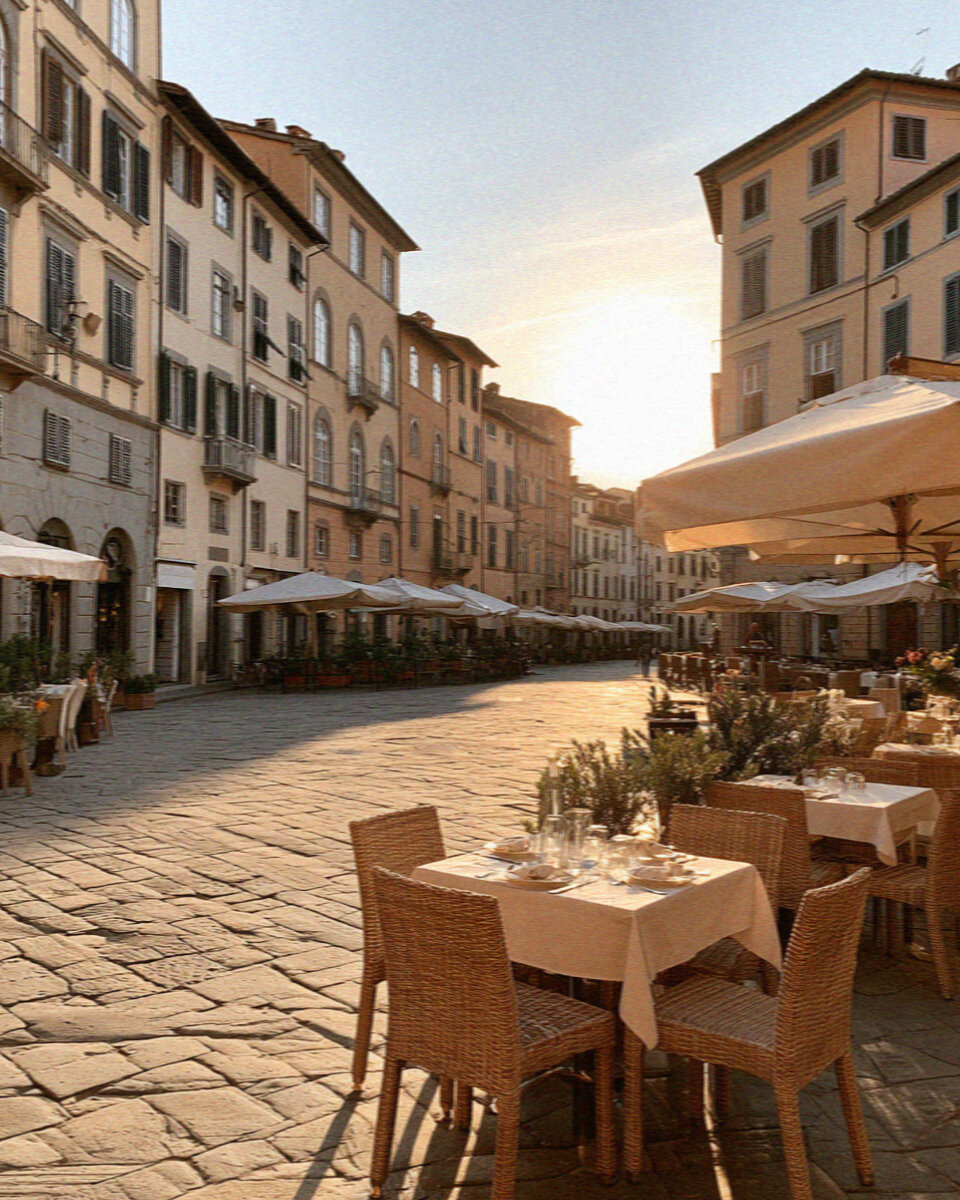
Start on the walls. Lucca’s ramparts run roughly four kilometres around the whole town, entirely intact, planted with plane and chestnut trees and turned long ago into a raised promenade. Hire a bike or simply walk a loop and you will understand the shape of the place in a way no map can teach you, with the mountains on one side and the tiled roofs on the other. It is the single best thing to do here and it costs nothing.
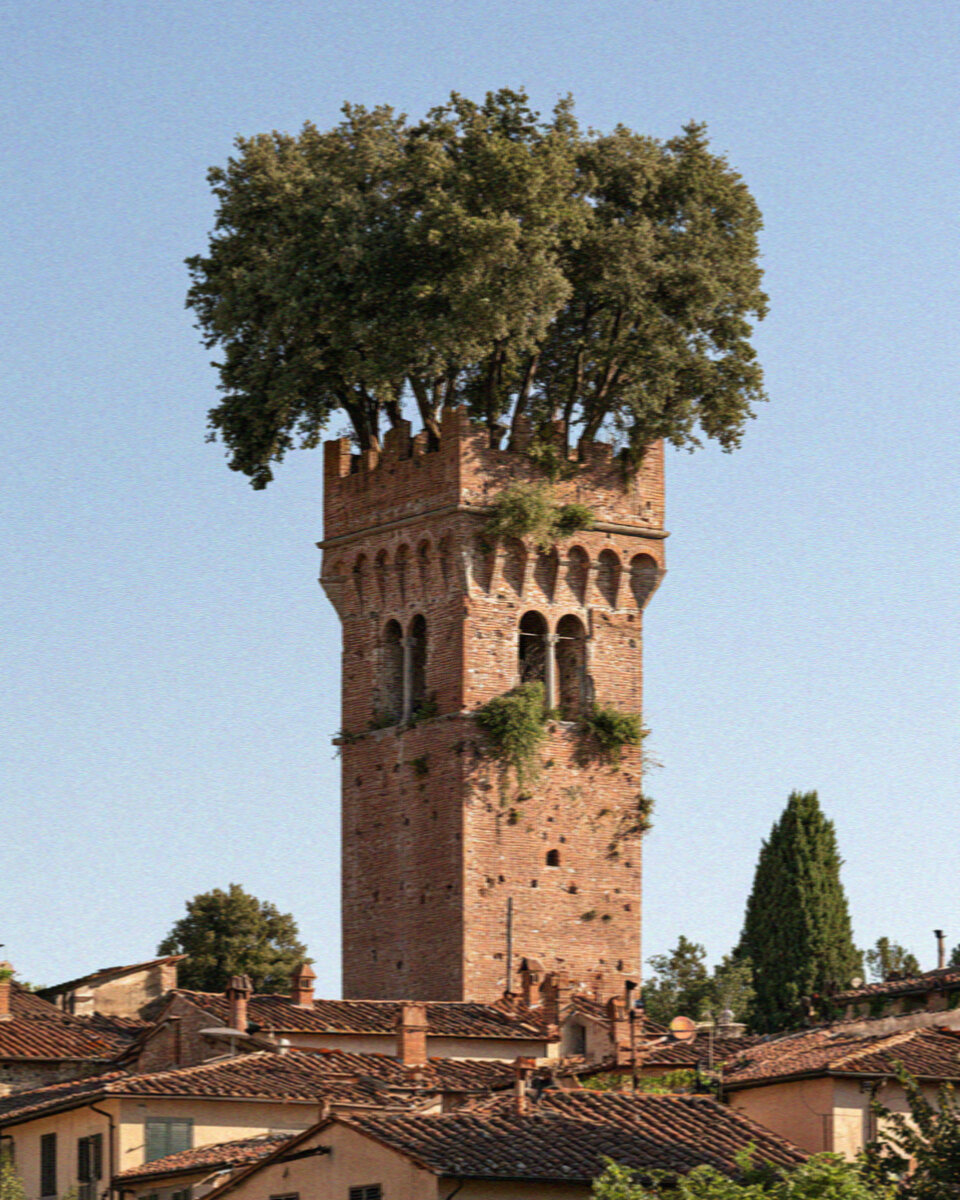
Inside, the set pieces are quiet but memorable. The Piazza dell’Anfiteatro is an oval of ochre houses built directly on the footprint of the Roman amphitheatre, so you enter through low archways and step into a perfect ring of cafes. San Michele in Foro rises from the old Roman forum with a fantastically layered facade and a statue of the archangel poised to take flight above it. And then there is the Torre Guinigi, a medieval brick tower forty-five metres high with a little grove of holm oaks growing from a garden on its roof. It is about two hundred and thirty steps up, and the view of the town spread out below the oaks is worth every one.
Lucca is also Puccini’s town. He was born a few steps from San Michele, the house is now a museum, and on many evenings you can hear his arias performed in the churches, an intimate and rather magical way to end a day. Add the cathedral of San Martino with its Volto Santo crucifix, and you have more than enough for a full and gentle day. The complete list, with opening hours and my own favourite loop, is in the best things to do in Lucca guide.
The Leaning Tower
The tower deserves its own guide, and it has one, so here I will keep it brief and useful. Yes, you can climb it, and yes, you should. It is a hollow marble cylinder of open galleries, and the climb is a genuinely strange sensation because the tilt pulls you gently to one side and then the other as you spiral up the worn steps. From the top you look straight down onto the cathedral roof and out across the plain toward the hills. Around three hundred steps, no lift, and it is over faster than you expect.
A few things to know before you book. Slots are timed and numbers are strictly limited, so in the busy months you should reserve well ahead rather than turn up hopeful. The climb ticket, bundled with cathedral entry, sits at around twenty euros at the time of writing. Children under eight are not allowed up at all, and under-eighteens must be accompanied by an adult. You cannot carry bags up, but there is a free left-luggage desk nearby. For everything else, timings, how far ahead to book, which slot gives the best light, and whether it is worth it for you, read my dedicated Leaning Tower of Pisa guide.
Where to stay
My advice, if you take only one thing from this page, is to sleep in Lucca. It is the more atmospheric town by a wide margin, the sort of place you want to be in after the day trippers have gone and the lamps come on. Staying inside the walls means you can be on the ramparts at first light and lingering over dinner in a hidden piazza at night, with Pisa reduced to an easy morning excursion by train. There is a good range of small hotels and rooms within the old town, from converted palazzo apartments to family-run guesthouses on quiet lanes.
That said, there are good reasons to base yourself in Pisa instead. If you are flying in and out of Pisa’s airport, or you want to be steps from the Piazza dei Miracoli for that dawn photograph, a night in Pisa makes sense. The area right by the tower is convenient but touristy, while the streets nearer the Arno and the university feel more like the real city and put you within a short walk of the best restaurants. Prices in Pisa tend to be a little softer than in Lucca, too.
Whichever you choose, book early for late spring, high summer and especially the very end of October, when Lucca fills completely. For my actual recommendations, neighbourhood by neighbourhood, with the specific places I have stayed and liked and a few I would avoid, see the full where to stay in Pisa and Lucca guide.
Where to eat and drink
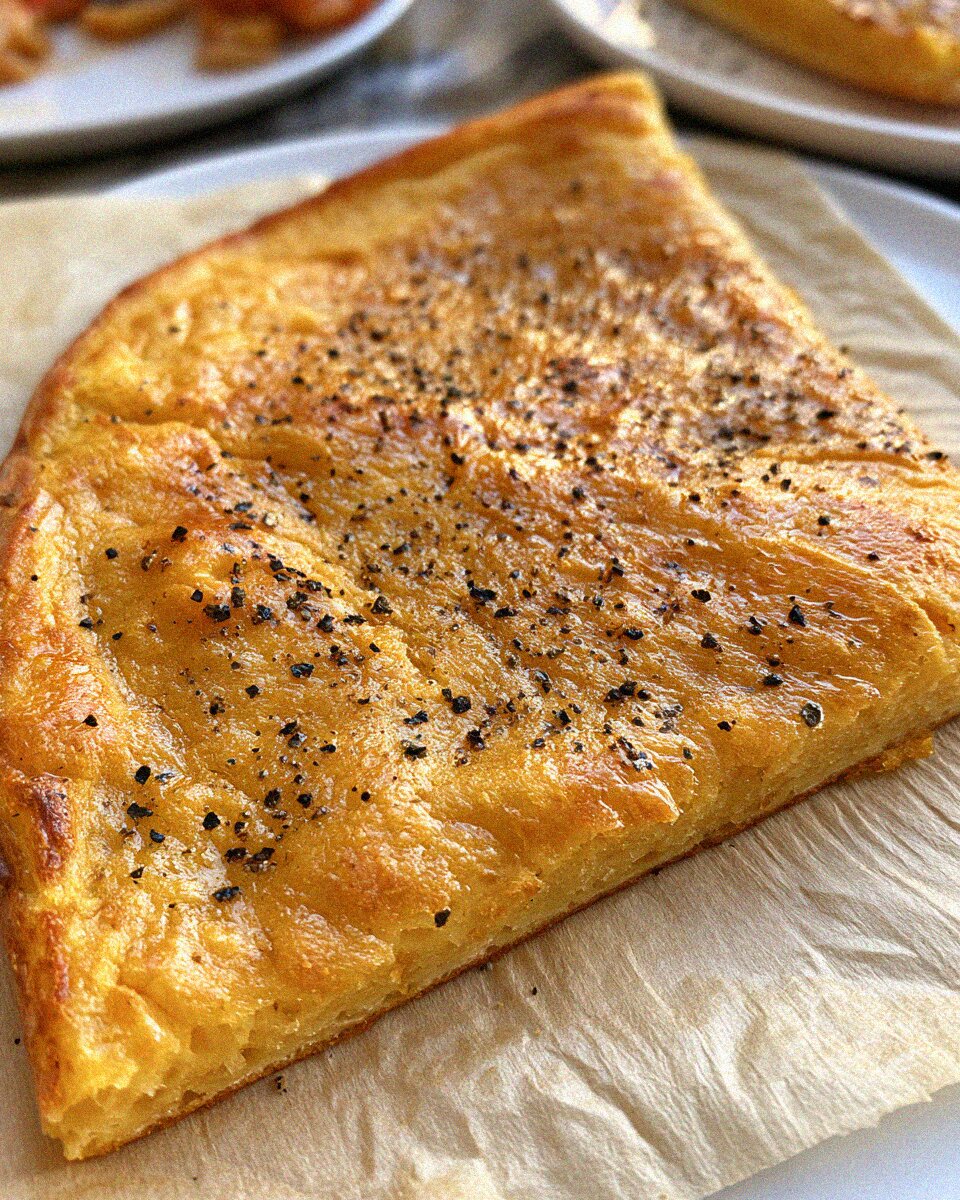
The food here is honest Tuscan cooking, and both towns reward anyone who walks a few streets away from the main sights. In Pisa, avoid the terraces ringing the Piazza dei Miracoli, which trade on the view rather than the kitchen, and head instead for the market square of the Vettovaglie and the lanes around it, where students and locals eat cheaply and well. Look out for cecina, the warm chickpea flatbread sold by the slice, and for the local take on wild boar and hearty ribollita in the cooler months.
Lucca eats beautifully. The town has its own dishes worth seeking out, chief among them tordelli lucchesi, plump pasta parcels of meat served in a rich ragu, and buccellato, a sweet aniseed-and-raisin ring bread that locals give as a gift and slice for breakfast. Sit in the Piazza dell’Anfiteatro for a spritz once, for the setting, then eat properly on the smaller streets nearby where the prices and the cooking both improve. The wine to drink is a red from the nearby hills of Montecarlo or the Colline Lucchesi.
Coffee, gelato and an evening aperitivo are as much a part of the day here as any monument, and I would not rush any of them. The rhythm of a Tuscan day is worth surrendering to: a stand-up espresso and a pastry taken at the bar in the morning, a long lunch that spills past two o’clock, then the ritual of the aperitivo as the light goes soft, a glass and a few nibbles that hold you happily until a late dinner. Eat when the locals eat rather than when the guidebooks suggest, and you will find the kitchens at their sharpest and the prices at their most honest. I have gathered my tried-and-tested tables, the trattorie I go back to, the gelaterie worth crossing town for and the market stalls I raid for a picnic on the walls, in the where to eat in Pisa and Lucca guide.
Photography locations
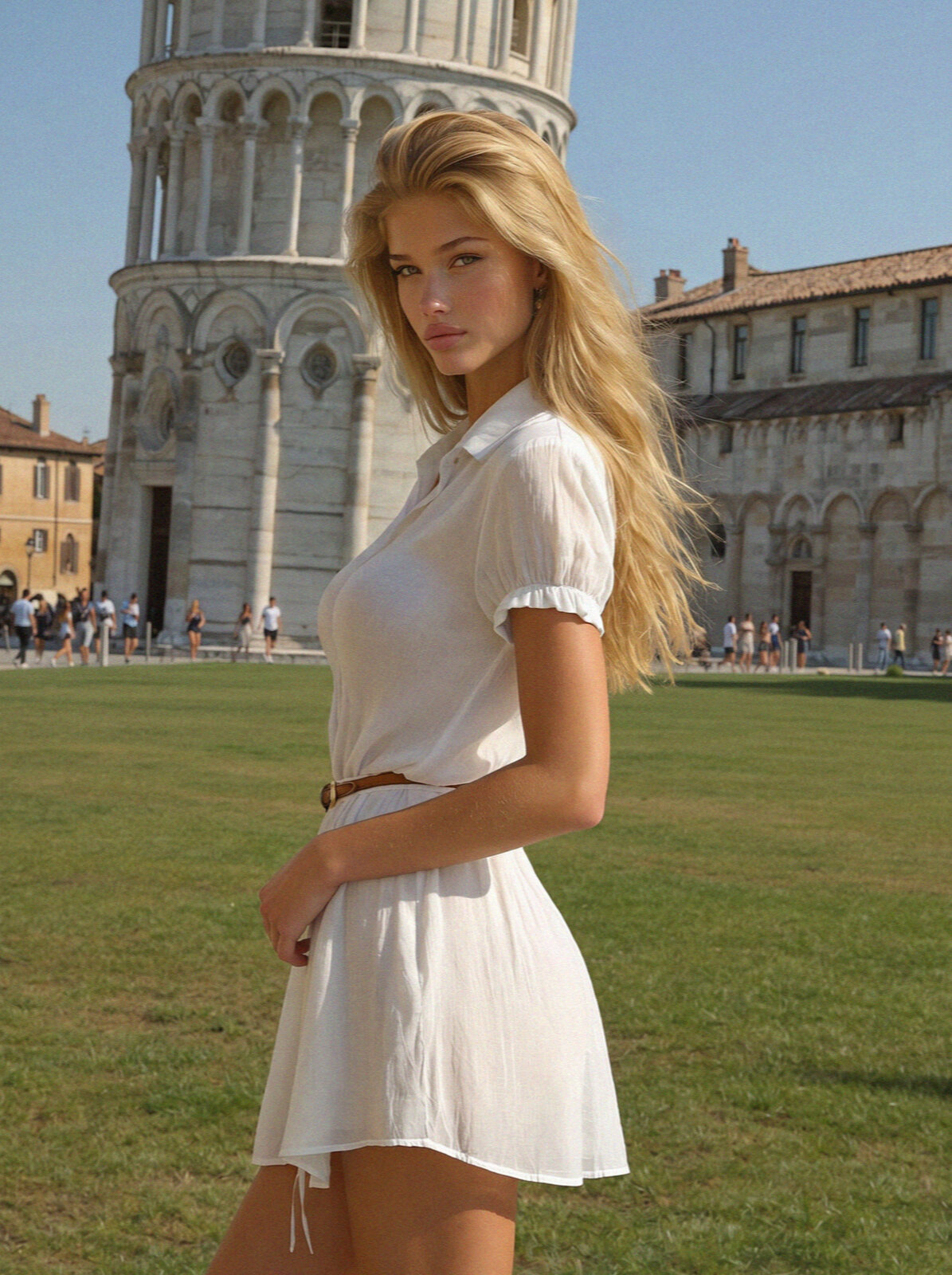
Both towns are a gift to a camera if you get your timing right. In Pisa, the Piazza dei Miracoli is all about the hour. Arrive at opening, when the coach parties are still at breakfast, and the marble takes a soft pink cast against an empty sky. The classic pushing-the-tower shot needs distance and a low angle, but the picture I keep is the cathedral apse and tower framed together from the northern corner of the lawn. Then walk to the Arno at the end of the day, where the river doubles the honey-coloured light and the little spire of Santa Maria della Spina catches the last of it.
Lucca is a town of vantage points. The top of the Torre Guinigi, with the oaks in the foreground and the terracotta roofs falling away below, is the signature frame and worth the climb for the picture alone. The walls give you a slow, changing panorama the whole way round, best in the low sun of early evening. Down at street level, the oval sweep of the Piazza dell’Anfiteatro and the tiered facade of San Michele both reward patience and a wide lens.
Carry a light layer for early starts, respect the no-photography rules inside the churches and the camposanto, and do not forget to put the camera down now and then and simply look. For exact spots, the best times of day for each, and where to stand, I have mapped it all in the best photo spots in Pisa and Lucca guide.
Suggested itinerary
Two days is the sweet spot, and here is the shape I would give them. Sleep in Lucca both nights. On the first morning take an early regional train to Pisa, be at the Piazza dei Miracoli as it opens, climb the tower on a pre-booked slot, and give the cathedral and baptistery their due before the lawn fills. Have lunch near the market, walk the Arno, then take an afternoon train back to Lucca in time for the walls at golden hour and dinner in the old town.
Give the whole of the second day to Lucca itself. Start with a loop of the ramparts on foot or by bike, then work inward: the Piazza dell’Anfiteatro, San Michele in Foro, the Torre Guinigi for the view, and the cathedral of San Martino. Fit in the Puccini house if you are a music lover, keep an eye out for an evening concert, and leave plenty of unstructured time to sit in a piazza doing nothing in particular, which is the correct way to spend an afternoon in Lucca.
If you have only a single day, do the reverse and treat Pisa as the anchor, giving it the morning and Lucca the afternoon, but know that you will feel the rush. If you have three days, add a slower pace and a day trip. Either way, my step-by-step version, with train times, booking notes and where to eat between stops, is laid out in the two days in Pisa and Lucca itinerary.
Getting around and day trips
Getting between the two could not be simpler. Regional trains link Pisa Centrale and Lucca in around half an hour, running roughly every hour or better across the day, and the fare is only a few euros bought at the station on the morning. There is no need to book these in advance or pay for anything faster. Remember to validate a paper ticket before boarding, or hold a valid digital one, as the regional network still checks. Pisa airport is joined to Pisa Centrale by a short automated shuttle, so arriving and leaving is painless.
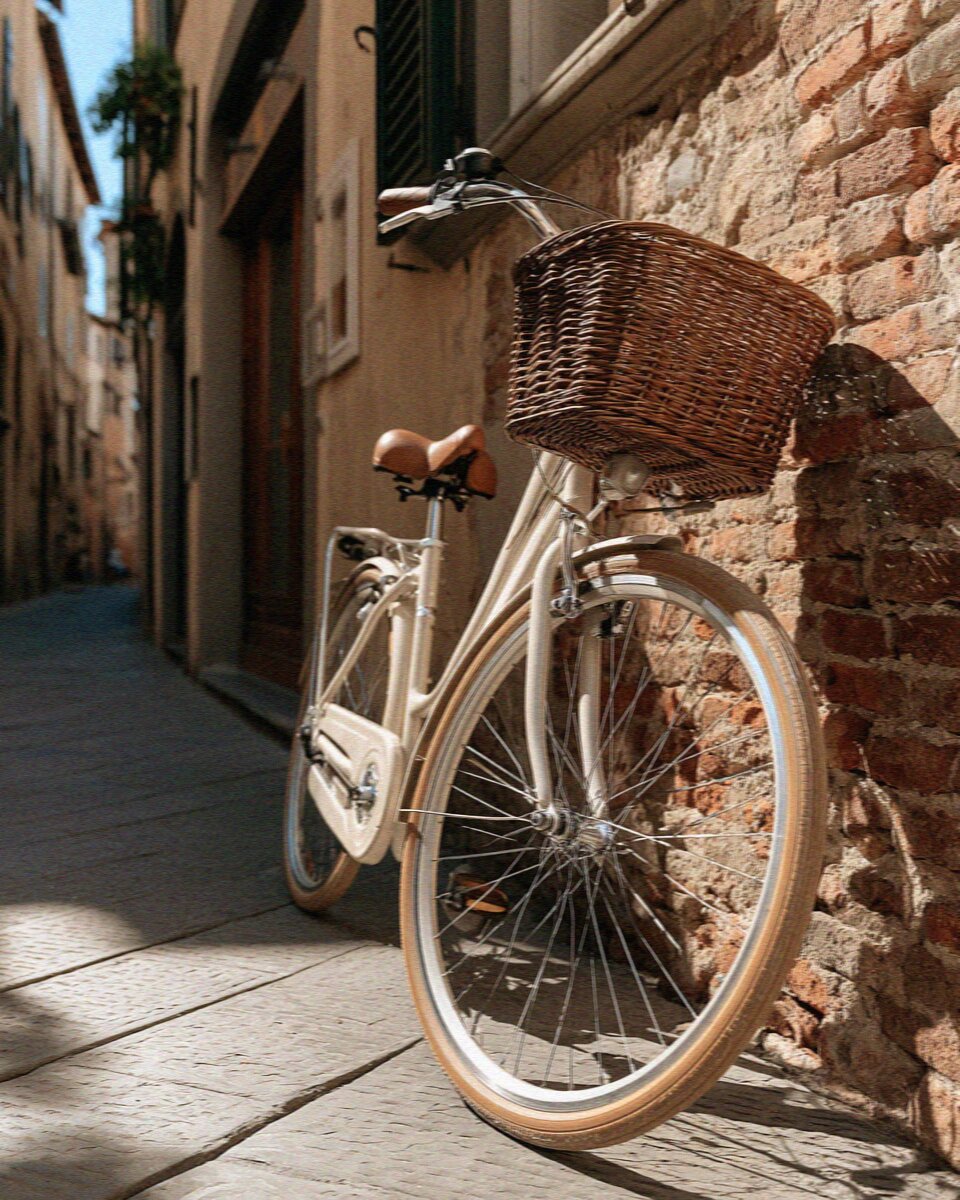
Within each town you will not need a car, and in Lucca you actively do not want one, since the historic centre is largely closed to traffic and the walls are the nicest way to move around anyway. Bicycles are the local currency in Lucca and easy to hire by the hour near the main gates. In Pisa everything of interest sits within a comfortable walk of the river.
As a base, the pair opens up a good deal more of Tuscany. Florence is a straightforward train ride away for a day in the city, the coast and the marble mountains of Carrara lie to the north, and the villages of the Cinque Terre are within reach for the determined early riser. Closer to hand, the spa town of Montecatini Terme and the hill villages of the Serchio valley make gentler half-day escapes, and the long sandy beaches around Viareggio are barely twenty minutes from Lucca by train when the heat builds and you want the sea. For the full picture, including the beaches, the hill towns and how to plan each hop, see the getting around and day trips from Pisa and Lucca guide.
More images from Pisa and Lucca


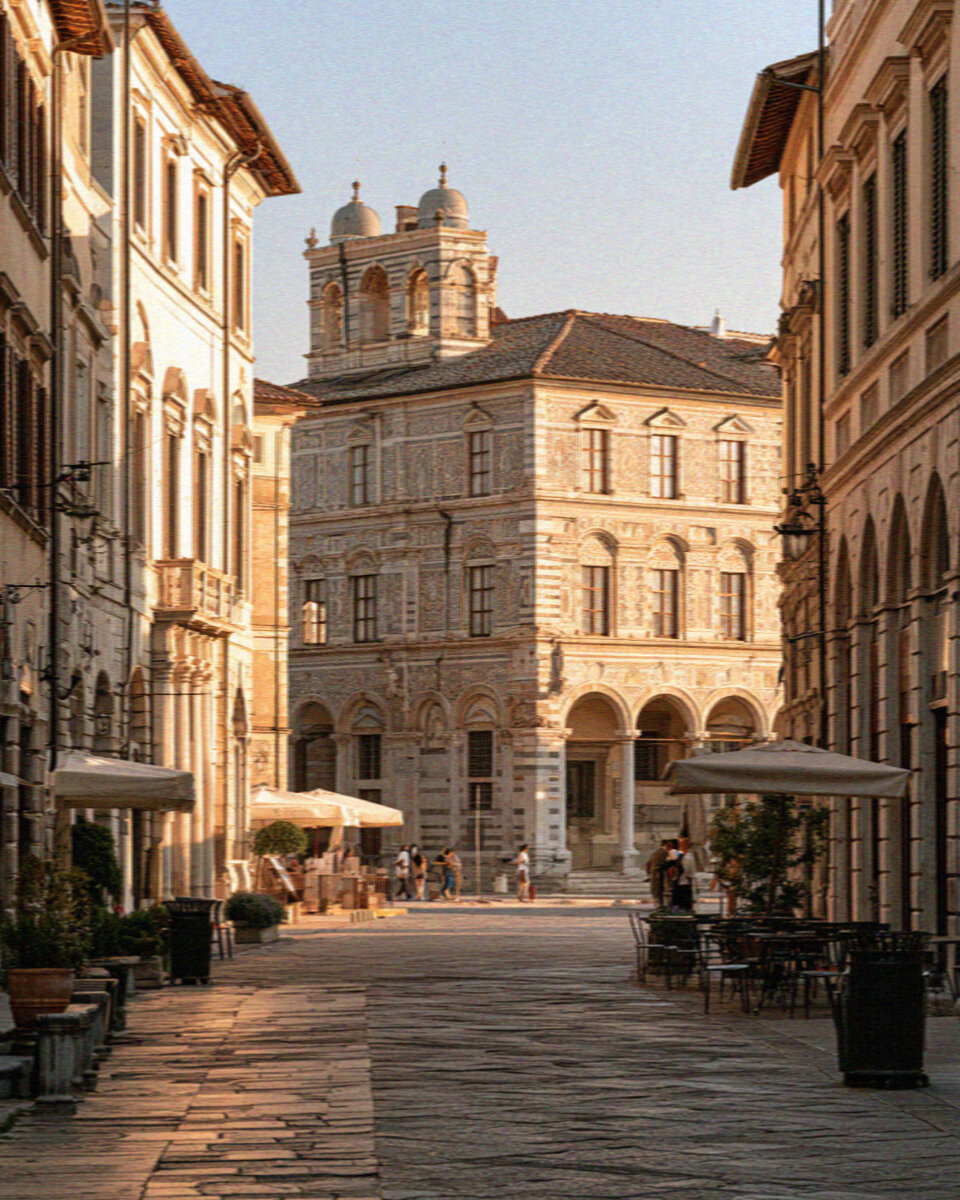
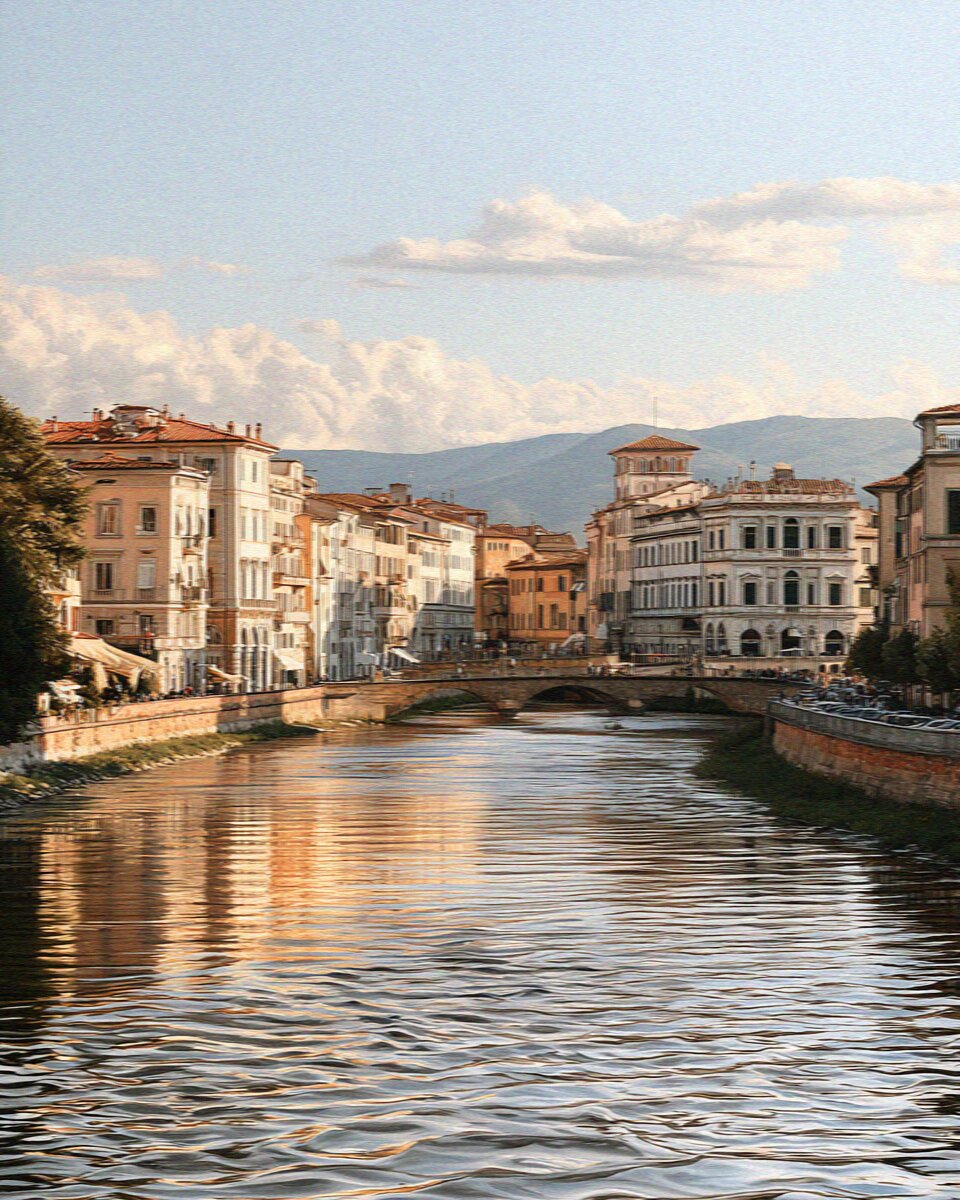




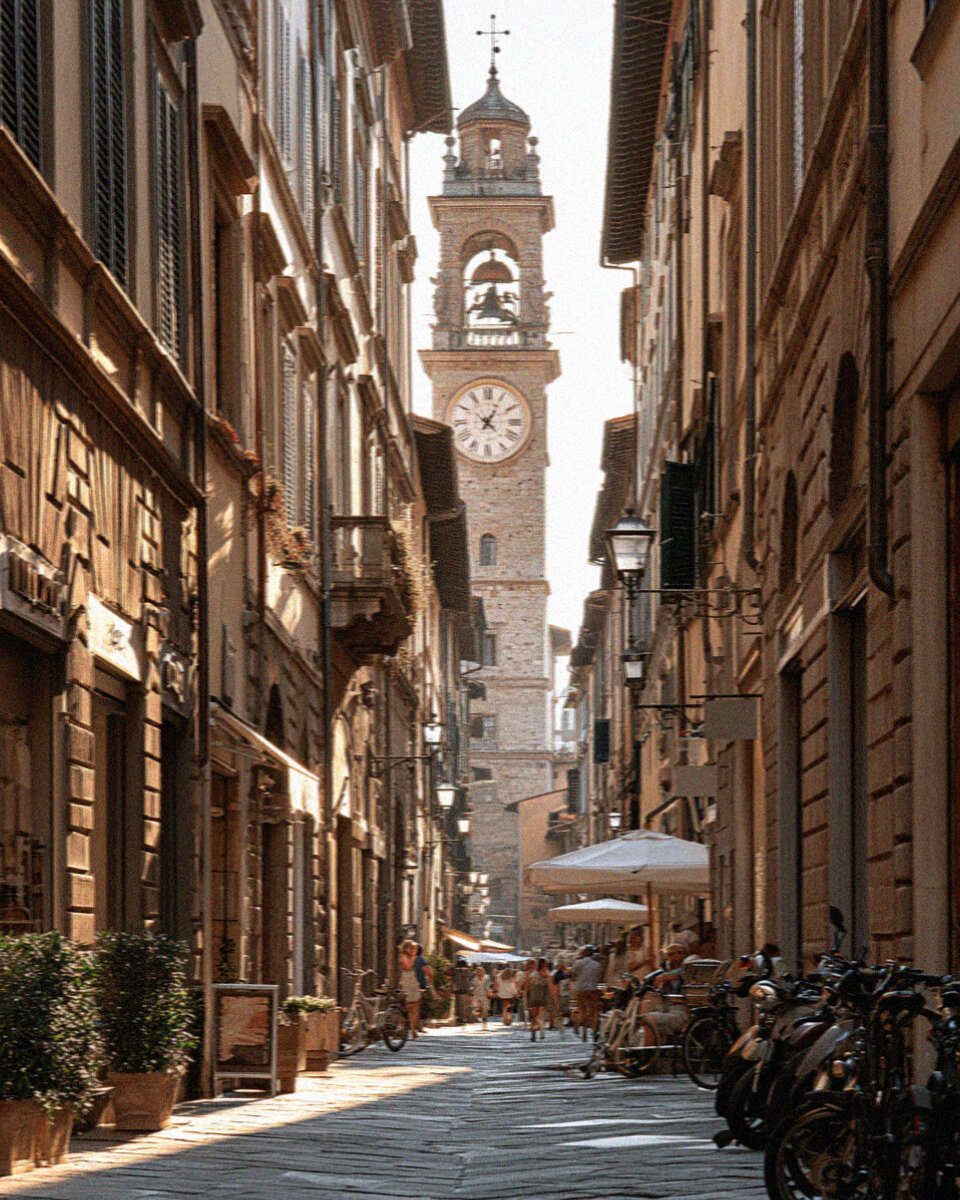
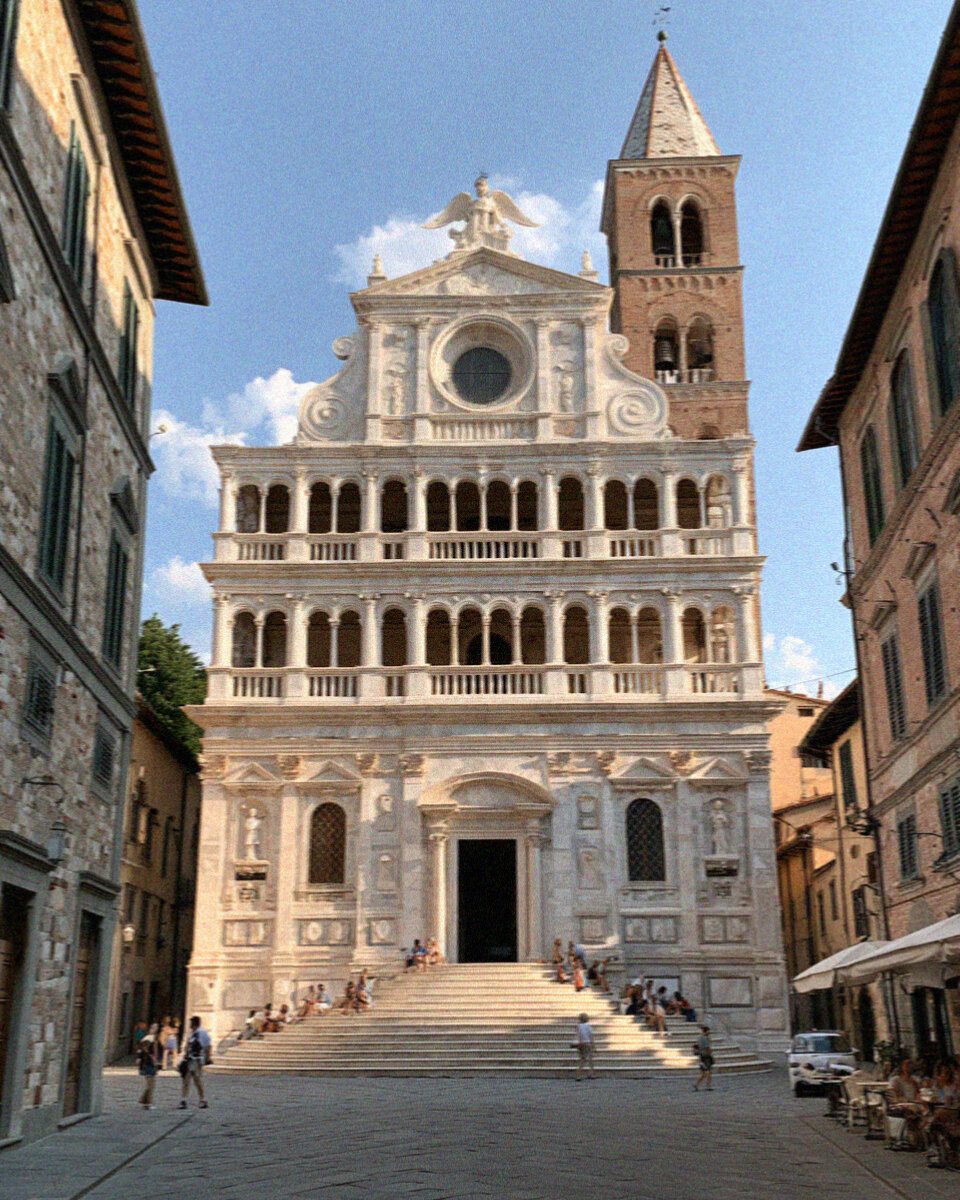
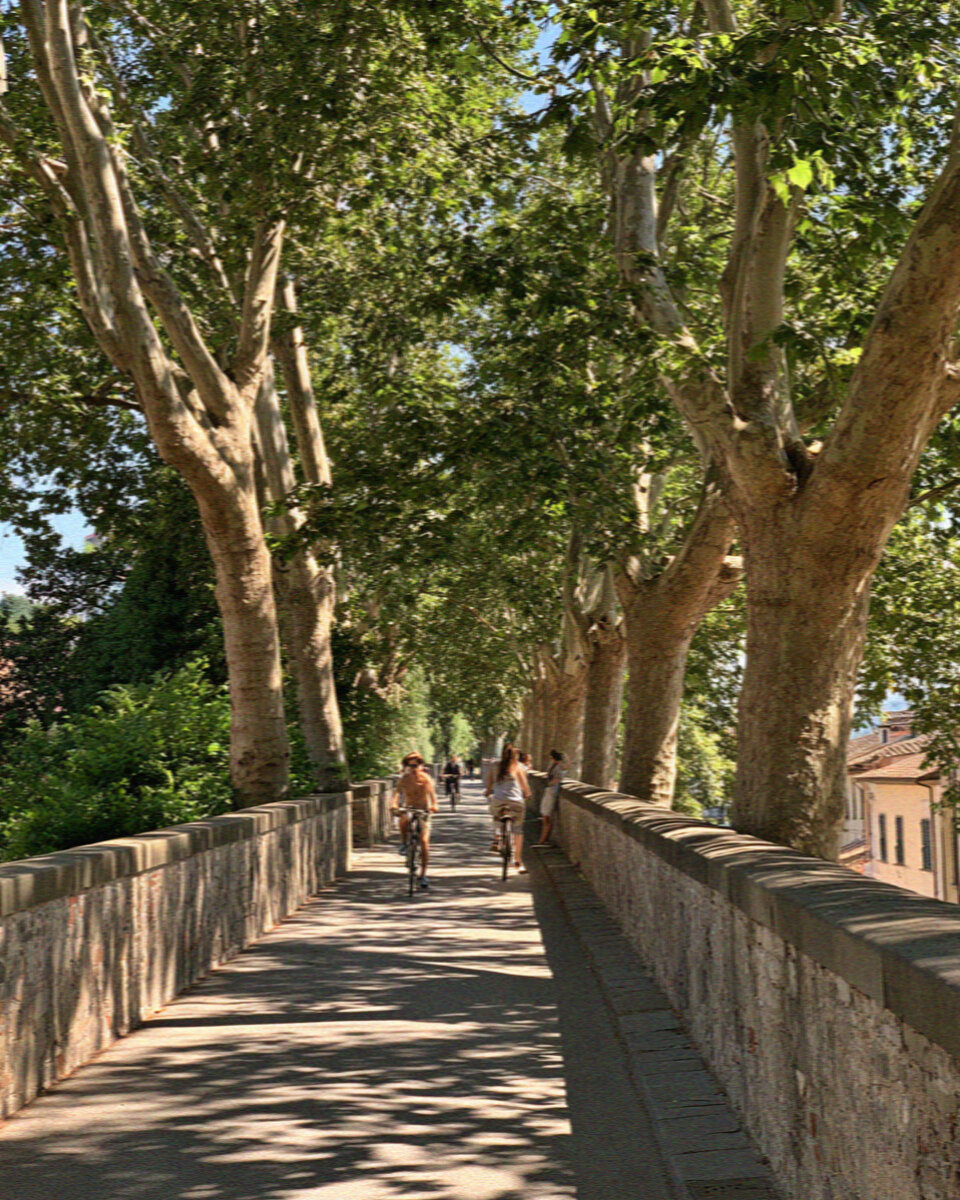
Your Pisa and Lucca Guides
Everything I have written about these two towns lives in the guides below, each one a deeper dive into a piece of what you have just read.
- Two Days in Pisa and Lucca: The Perfect Itinerary
- Best Things to Do in Pisa
- Best Things to Do in Lucca
- The Leaning Tower of Pisa: Tickets, Climbing and Tips
- Where to Stay in Pisa and Lucca
- Where to Eat in Pisa and Lucca
- Best Time to Visit Pisa and Lucca
- Best Photo Spots in Pisa and Lucca
- Getting Around and Day Trips from Pisa and Lucca
Pisa and Lucca Travel Diaries
And if you would rather read the trip as it happened, unpolished and in order, my journal is here.
Frequently Asked Questions
How many days do you need for Pisa and Lucca?
Two days is ideal. Give Pisa a well-timed morning, built around an early tower slot and the Piazza dei Miracoli before the crowds, and give the whole of a second day to Lucca, its walls and its quiet squares. You can squeeze both into one long day if you must, but you will feel rushed and miss the best of Lucca, which only really unfolds when you slow down.
How do you get from Pisa to Lucca?
By regional train, which is the easy answer. The journey takes about half an hour, trains run frequently through the day, and the fare is only a few euros bought on the morning at the station. No advance booking is needed. Just validate a paper ticket before you board, or travel on a valid digital one, and you are set.
Is it worth climbing the Leaning Tower of Pisa?
I think so, yes. The tilt makes the climb genuinely odd and rather thrilling, and the view over the cathedral and the plain is lovely. The climb ticket, with cathedral entry included, sits at around twenty euros, slots are timed and limited so book ahead in season, and children under eight are not permitted up. If stairs or heights are not for you, the piazza is glorious enough from the lawn.