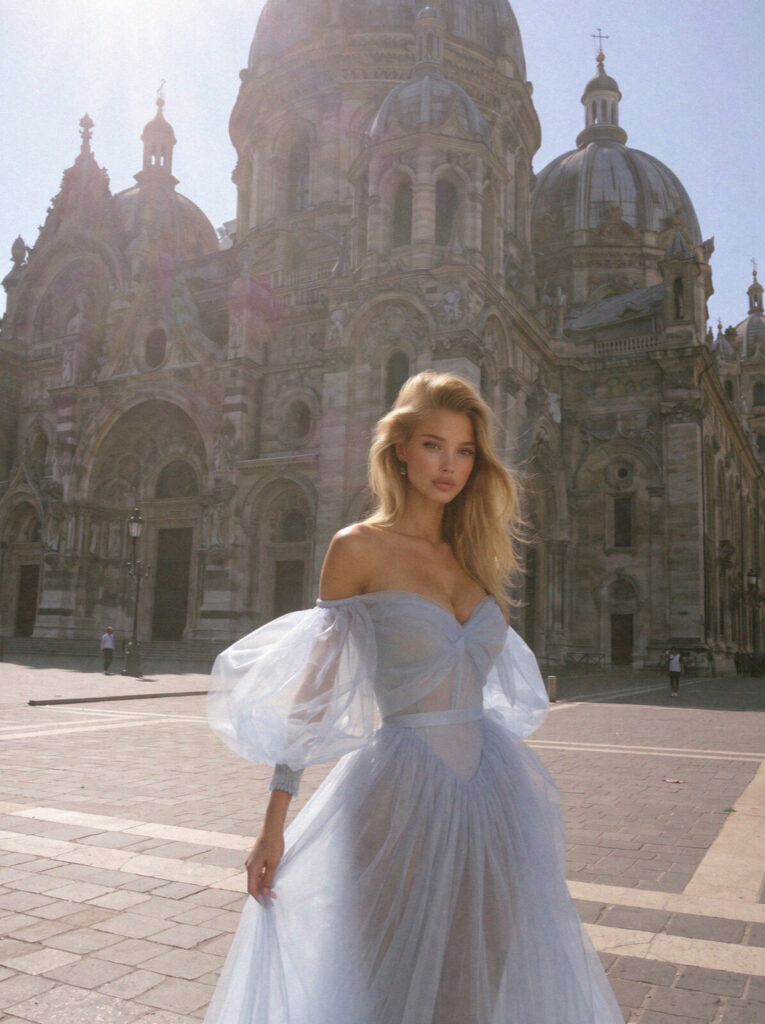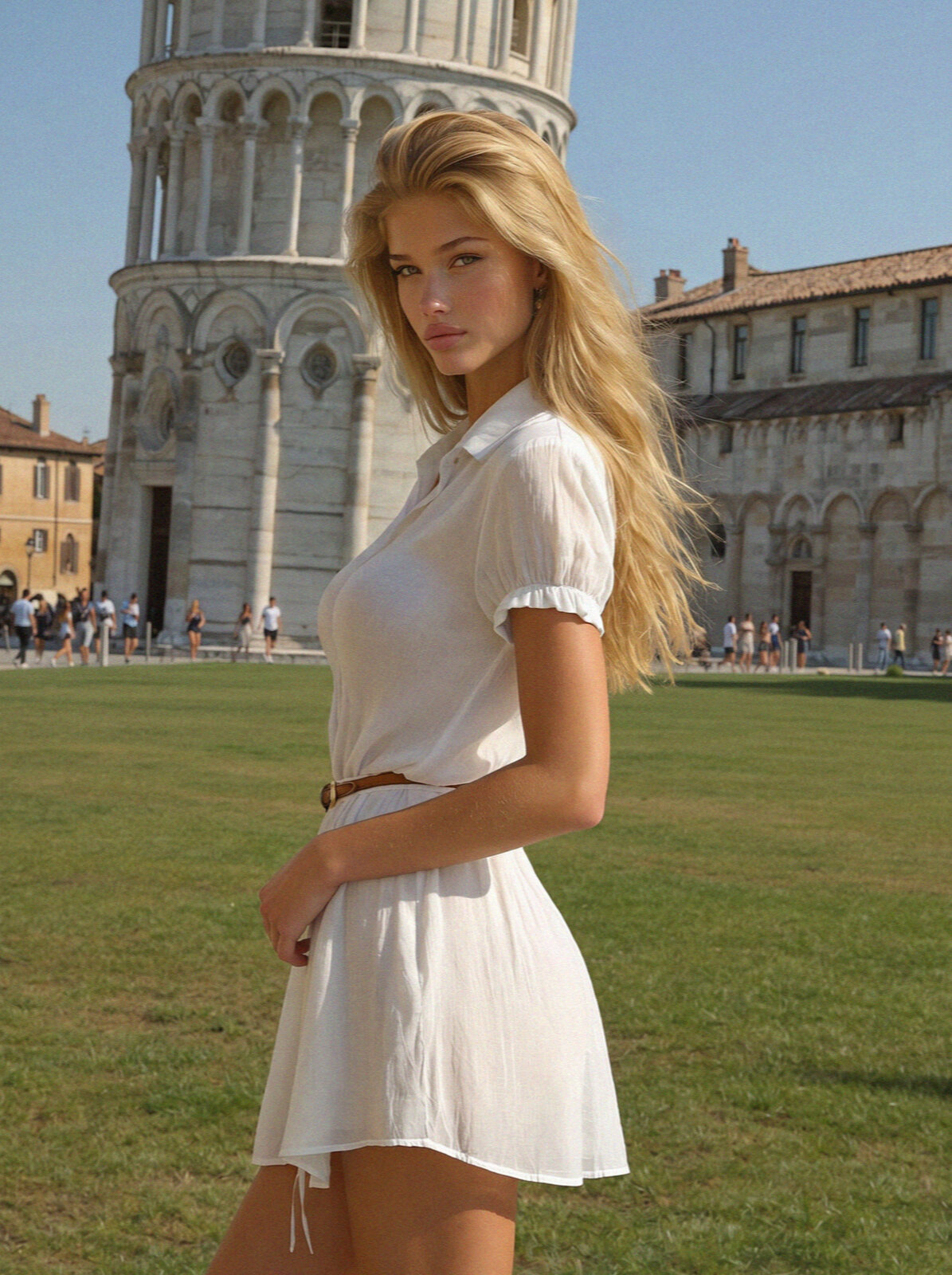
The best things to do in Pisa reach a good deal further than the one photograph everyone arrives for. Yes, the tower leans, and yes, you should go and stand under it. But Pisa is a proper city with a university older than most nations, a river the colour of pale jade, a square of marble that made medieval Europe gasp, and a corner where Keith Haring left thirty dancing figures on a church wall. I have come back more than once, and each time the place I remembered as a quick stop turned out to hold a full unhurried day. Here is how I would spend it.
What to book before you come
Pisa is the one city on this site where booking ahead is not a preference, it is the whole difference between climbing the tower and photographing it from the grass. Entry to the Leaning Tower is by timed slot and a fixed number of people at a time, and in summer the good hours go weeks out.
- Leaning Tower and Cathedral entry. The one to book, and the most booked thing in the city by a distance: 4.5 from more than fourteen thousand people. Take the earliest slot you can bear. The tower at nine in the morning is a different building from the tower at two in the afternoon.
- The whole Square of Miracles, tower included. Adds the Baptistery, the Camposanto and the museum. The Camposanto is the one nobody expects and the one I would not skip.
- The guided version, with the Baptistery. Rated 4.8. Worth it for the Baptistery acoustics alone, which a guide will demonstrate and which you will not get on your own.
Standing on the grass looking at the tower is free, as are the Arno embankments, the Borgo Stretto and the market in Piazza delle Vettovaglie.
Piazza dei Miracoli and its four monuments
Everyone calls it the Piazza dei Miracoli, the field of miracles, though its official name is the Piazza del Duomo. You come through a gate in the old walls and the whole ensemble is simply there on its lawn: the cathedral, the round Baptistery, the long walled cemetery of the Camposanto, and the tower tilting behind them. There is no gradual approach, no reveal. It arrives all at once, and the white marble against green grass does something to your eyes that a screen never prepares you for.
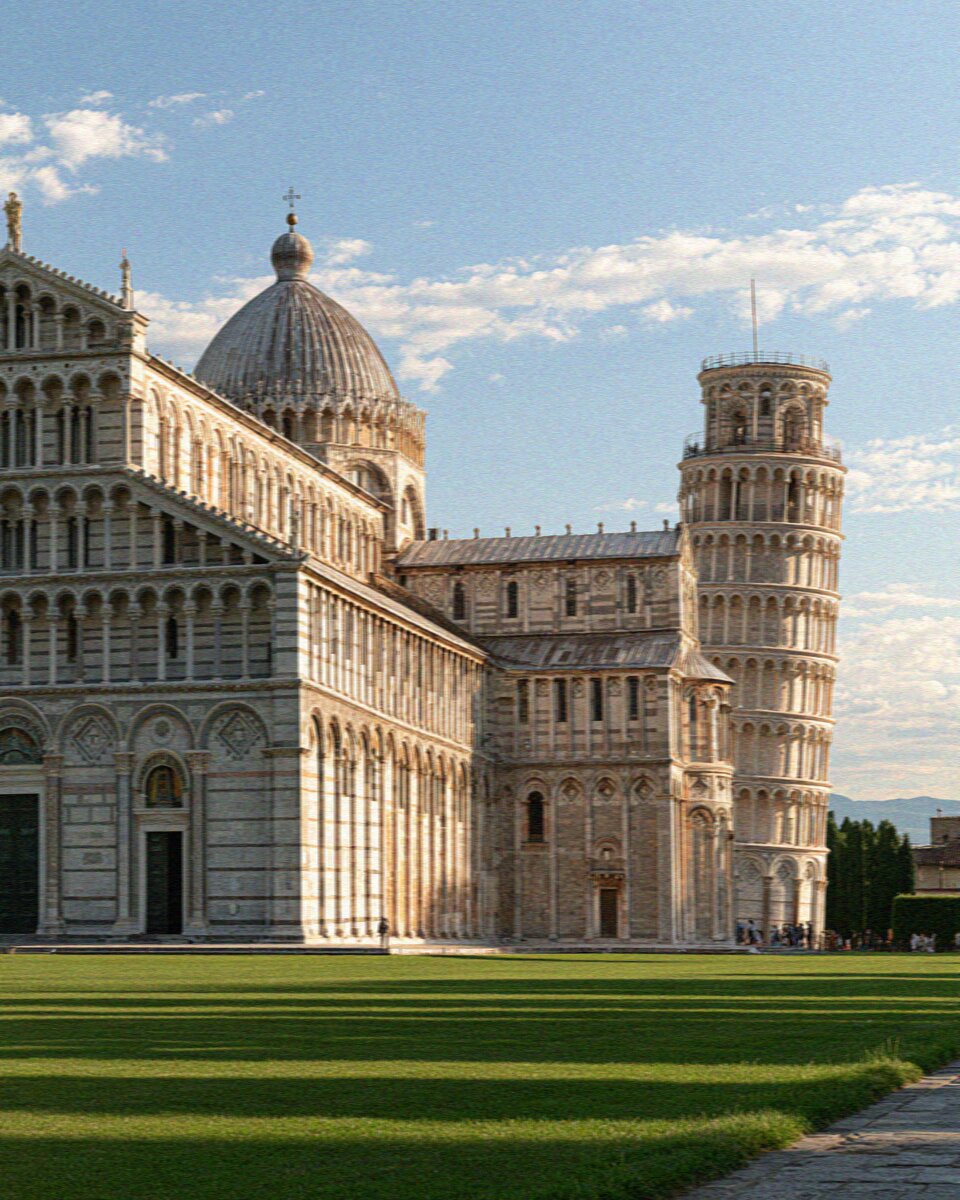
Start with the Duomo. Entry to the cathedral itself is free, though you still need to collect a timed ticket from the ticket office to keep the crowds moving, so factor that small errand in rather than walking straight up to the door. Inside, look up at the coffered gilded ceiling and find Giovanni Pisano’s carved pulpit, one of the great pieces of medieval sculpture. The Baptistery next to it is the largest in Italy, and its real trick is acoustic: a custodian sings a few notes into the round space every half hour or so and the sound hangs in the dome for seconds, overlapping with itself. It is worth timing your visit to catch it.
The Camposanto, the monumental cemetery along the northern edge, is the one most people skip and the one I would tell you not to. Its cloister was built, so the story goes, around earth said to have been carried home from Jerusalem, and its walls carry vast frescoes including a fearsome Triumph of Death. The individual monuments each run around €5 to €7, and a combined Piazza dei Miracoli pass covering the tower, Baptistery, Camposanto and the Sinopie museum was priced at roughly €27 in 2026, which saves a little over buying each separately. Prices and hours do shift with the seasons, so treat those figures as a guide and check the official Opera della Primaziale site before you go.
On opening times: in high summer the monuments stay open remarkably late, with the tower running to around 10 in the evening in August, while from September the square settles back to roughly 9 to 8, the cathedral opening a little later at 10. An evening visit, when the coach parties have gone and the marble turns warm and gold, is one of the quiet luxuries of Pisa.
Plan Your Visit to Pisa and Lucca
A few things I booked and loved. These help support the blog, at no cost to you.
- Where I stayed: search Pisa hotels
- Leaning Tower and Cathedral tickets
- Rent a car to explore the area
- Stay connected: get a travel eSIM
This section contains affiliate links. If you book through them I may earn a small commission, at no extra cost to you.
The Leaning Tower
The tower is, of course, a bell tower that began to lean while it was still being built in the twelfth century, its foundations sinking into the soft ground. What surprises people is how small and how tactile it is up close, all that intricate marble arcading you never notice in photographs. You can climb it: tickets are timed, limited in number, and were priced at around €20 in 2026, with a minimum age for children and no bags allowed on the way up. The climb is a spiral of worn, sloping steps that tilt underfoot as you circle, which is a stranger sensation than you expect.
Because the tower deserves its own proper treatment, from booking to the best time of day to whether the climb is worth it, I have written it all up separately. Have a look at the Leaning Tower guide before you commit to a slot.
Piazza dei Cavalieri
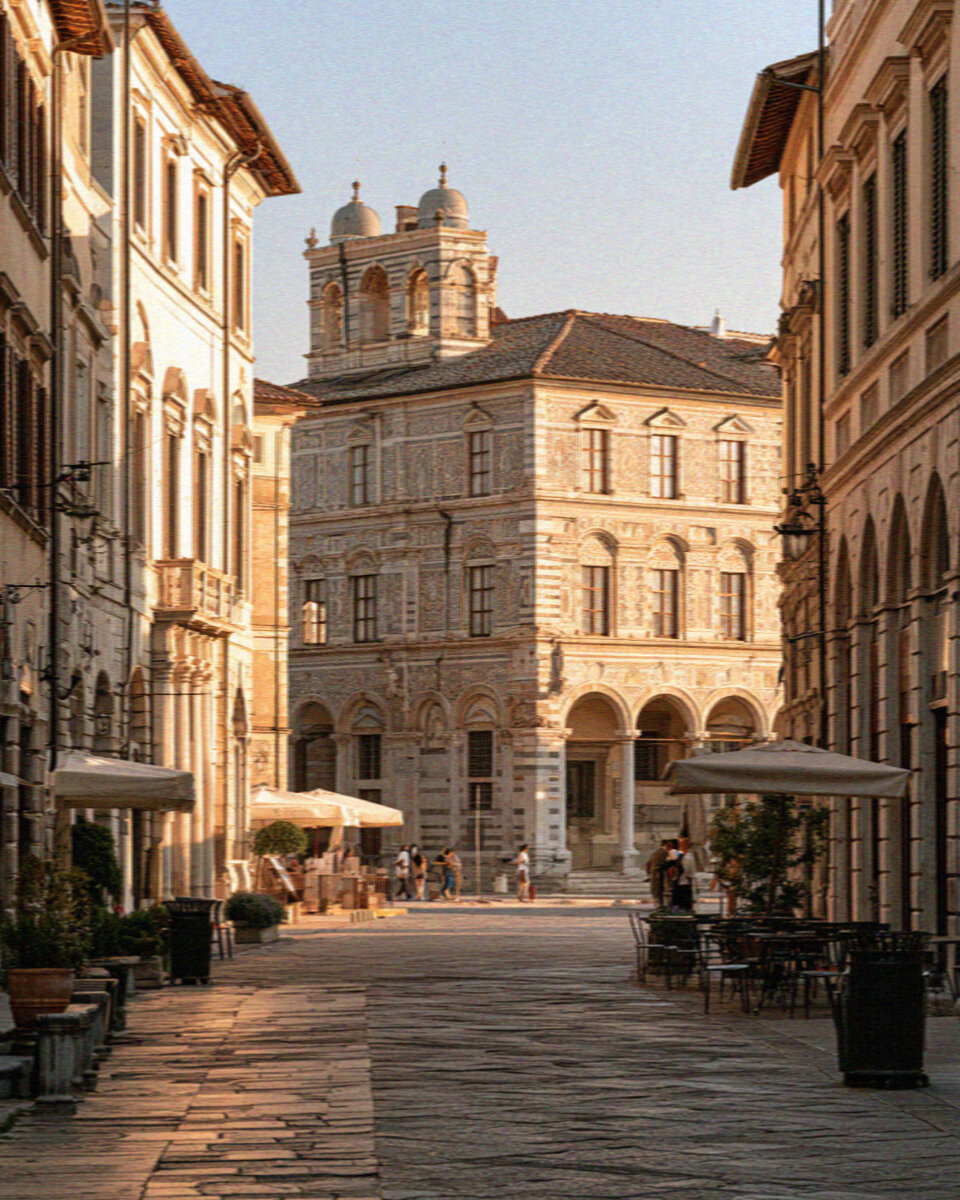
A few minutes’ walk from the marble crowds is the square I send people to when they think Pisa is only the tower. The Piazza dei Cavalieri, the knights’ square, was the civic heart of medieval Pisa before Giorgio Vasari redesigned it in the sixteenth century for Cosimo I de’ Medici. Its centrepiece is the Palazzo della Carovana, its façade covered in swirling grey-and-white sgraffito decoration and topped with busts of Tuscan grand dukes. Today it houses the Scuola Normale Superiore, one of Italy’s most selective universities, so the square hums with students rather than tour groups. Sit on the steps, look at that extraordinary façade, and you have the other Pisa, the working one, for the price of nothing at all.
Borgo Stretto and the arcades
Borgo Stretto is the elegant arcaded spine of the old town, a street of columns and vaulted walkways lined with cafés, bookshops and the odd handsome pastry counter. This is where Pisans do their evening passeggiata, and it is where I would base a slow morning coffee. Somewhere along here, tradition holds, Galileo Galilei was born, and the university he later taught at is never far away. Walk the length of it, duck into the side lanes towards the market square of Piazza delle Vettovaglie, and you get a sense of the city’s daily rhythm that the monuments cannot give you.
The Arno and the Lungarni
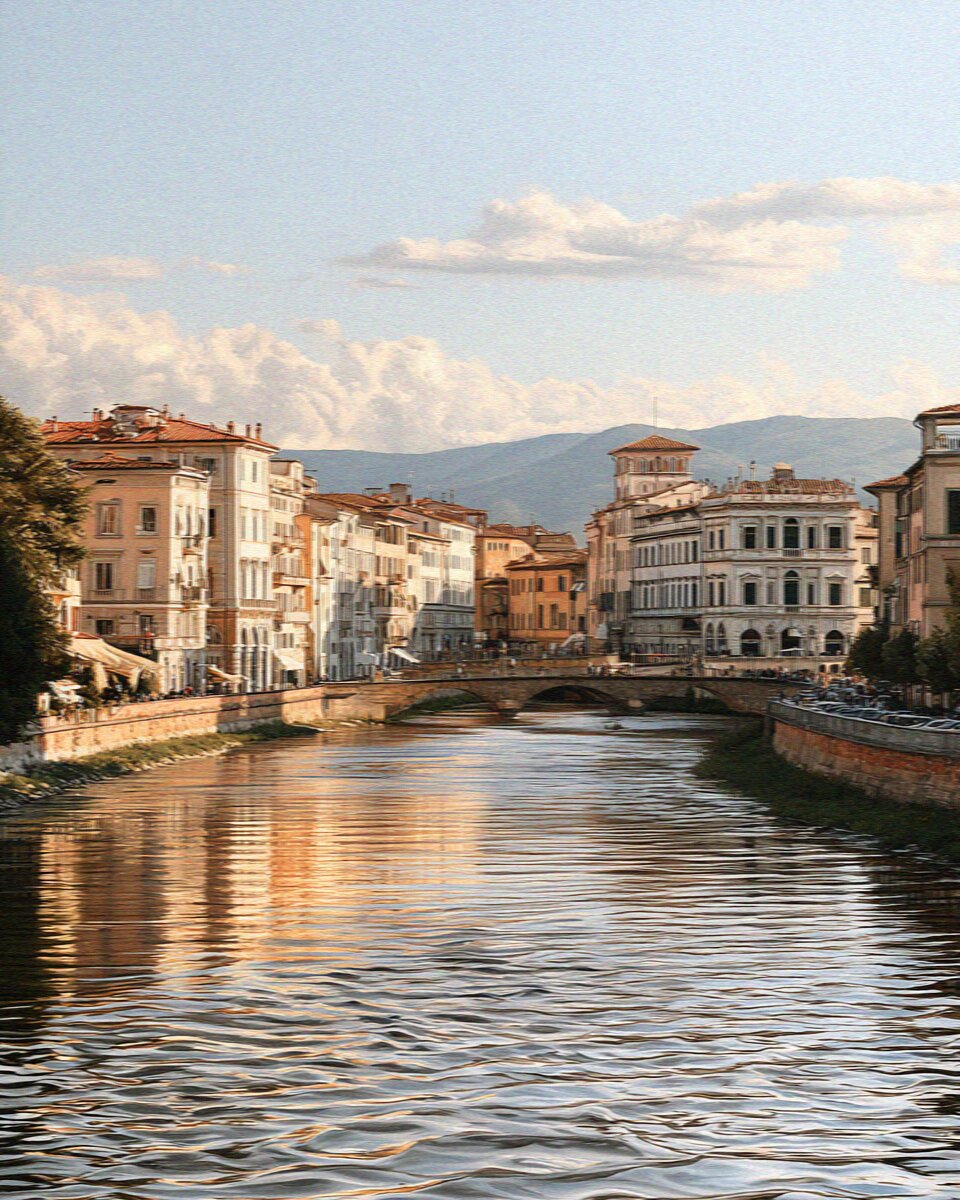
The Arno runs through Pisa as it does through Florence, and the streets that line it, the Lungarni, are where the city looks its most composed: rows of ochre, cream and dusty-pink palazzi reflected in the water. Cross a bridge at the right hour and the whole embankment glows. Tucked among the riverside buildings is Santa Maria della Spina, a tiny Gothic church bristling with spires and pinnacles like a reliquary set down on the bank. It is often closed, but even from outside it is one of the most rewarding things to look at in Pisa.
While you are on this side of the water, walk a little upstream to the church of San Nicola, whose leaning octagonal bell tower is quietly one of the city’s best-kept curiosities, with a celebrated spiral staircase inside that is said to have influenced later architects. Pisa, it turns out, has more than one tower that does not stand up straight.
Palazzo Blu and Tuttomondo
Right on the Lungarno stands Palazzo Blu, a striking dusty-blue palazzo that has become the city’s main venue for art exhibitions, alongside a permanent collection and rooms of period interiors. It has hosted major shows over the years, including a well-loved Keith Haring retrospective, so it is always worth checking what is on before you visit. Entry to the permanent collection is often free, with a charge for the temporary exhibitions.
Haring is the thread that pulls you a little way out from the centre, to the southern wall of the church of Sant’Antonio Abate, near the station. There, in June 1989, he painted Tuttomondo, a mural of thirty interlocking figures across 180 square metres of wall, one of the last public works he completed before his death. It is bright, joyful and completely unexpected against the sober Tuscan stone, and it is free to stand in front of for as long as you like. Of everything in Pisa, it is the piece that most surprises people.
What to eat: cecina and gelato
Pisa’s great street food is cecina, a thin golden pancake made from chickpea flour, olive oil and pepper, baked in a wood oven until the edges crisp and the middle stays soft. You buy it by the slice, sometimes tucked into bread as a cecina in mezzo, and you eat it standing up, warm and a little oily and completely satisfying. It costs a couple of euros and it is the honest counterpart to all that marble. Follow it with a proper gelato and eat it walking along the Lungarno, and you have the measure of the place: grand and unpretentious in the same afternoon.
Frequently Asked Questions
How long do you need in Pisa?
You can see the Piazza dei Miracoli in a couple of hours, but to take in the square, climb the tower, wander Borgo Stretto, walk the Arno and find Tuttomondo, give yourself a full day. Many people pair Pisa with nearby Lucca, and if you are doing that, my Pisa and Lucca itinerary lays out how to split the time.
Do you need to book tickets in advance?
For the tower, yes: the climb is timed and numbers are limited, so a slot can sell out on busy days, and booking ahead saves you queuing twice. The cathedral needs only a free timed ticket, and the other monuments rarely sell out, though a combined pass saves both money and time. Prices and hours change with the season, so always confirm on the official site close to your visit.
Is Pisa worth more than a photo stop?
It is, and that is rather the point of this piece. The tower is the reason most people come, but the knights’ square, the arcades of Borgo Stretto, the riverside palazzi and Haring’s mural give you a real Tuscan city rather than a single monument. Stay past the coach-party hours and it opens up.
For more on the individual sights, read the Leaning Tower guide and my round-up of the Best Photo Spots, plan your days with the itinerary, and see how it all fits together in my complete guide to Pisa and Lucca.