Bologna is the city I keep coming back to, the one I recommend to friends who tell me they have “done” Italy and are quietly tired of queuing more than they get to look. Bologna will not make you queue. It hides under its porticoes, feeds you like family, and lets the students carry the noise. The old nicknames still fit: la Dotta for the thousand-year-old university, la Grassa for a kitchen that gave the world tagliatelle al ragù and tortellini in brodo, la Rossa for the terracotta rooftops and ochre walls that turn to warm rust at the end of an afternoon. This is my complete guide to the city, gathered over more days here than I can properly count, and it links out to every deeper guide I have written on each subject.
What to book before you come
Bologna is a city you eat and a city you walk, and both are cheap. These are the four I would put in the diary before arriving.
- A pasta class, with ragu. 4.9 from over twelve hundred people, and the thing I would book first. Tortellini are folded here in about four seconds a piece and it takes about four years to learn.
- The food valley day: Parmesan, balsamic and Modena. A dairy at six in the morning, a balsamic loft, and lunch. The day trip that explains the region rather than just feeding you in it.
- The city centre walking tour. 4.5 from nearly four thousand people. Thirty eight kilometres of portico and a university older than most countries, none of it labelled.
- The tower view and the Archiginnasio. The anatomy theatre is the strangest room in the city and most visitors walk past the door.
The porticoes, Piazza Maggiore, the Quadrilatero market and the walk up to San Luca are all free.
Why Visit Bologna
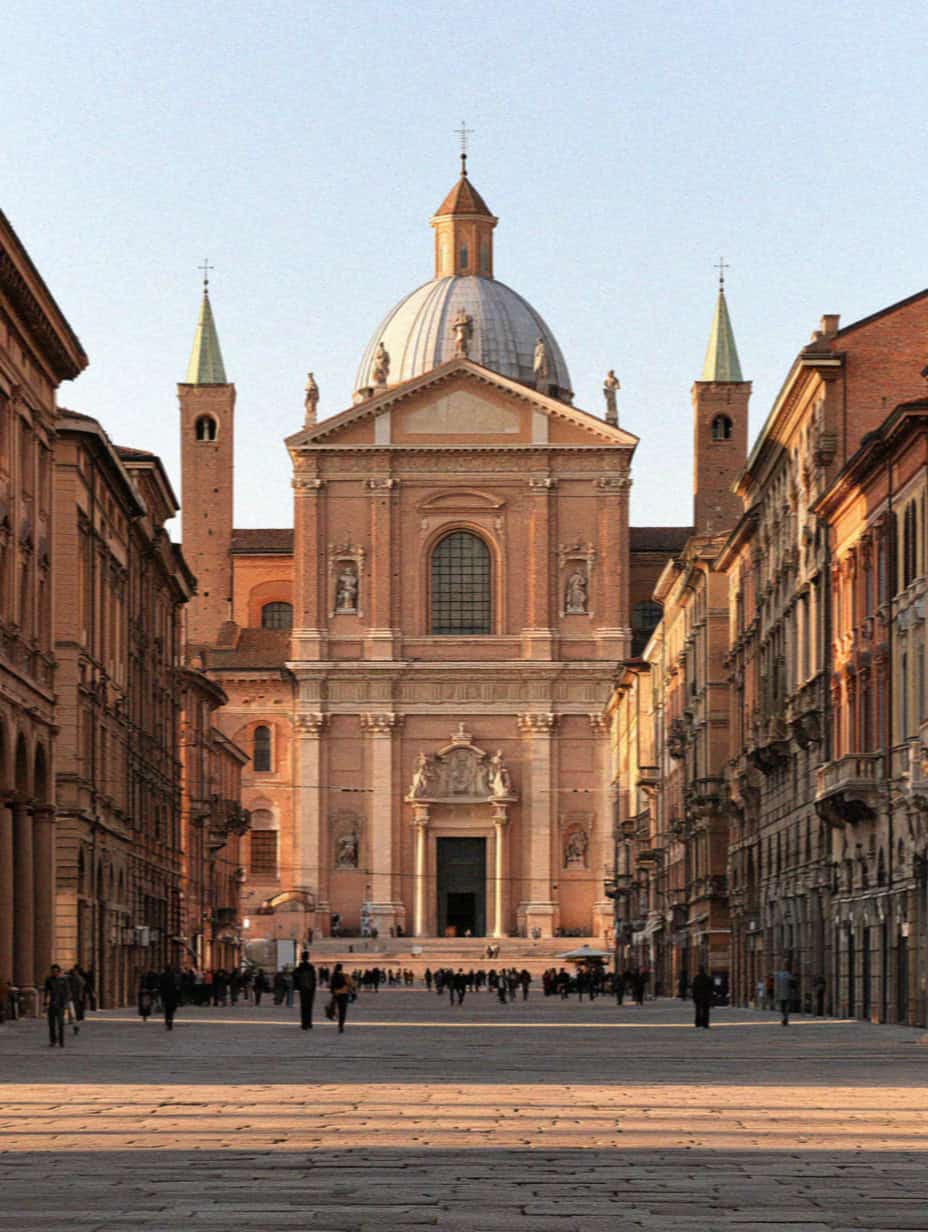
People ask me why Bologna and not Florence or Venice, and my honest answer is that Bologna is a city that is still lived in rather than looked at. It has the beauty without the theme-park feeling. You walk into Piazza Maggiore, and there is the Basilica di San Petronio with its famously unfinished brick facade, half dressed in marble, half left raw for six hundred years, and somehow that half-finished honesty tells you everything about the place. It is a working city of arcades and bicycles and market lanes, a place where a professor and a fishmonger drink the same espresso standing at the same bar.
The three nicknames are a good compass. La Dotta means the porticoes are full of students all through term time, and the city has a young, unpretentious pulse from October to May. La Grassa means you will eat some of the best food of your life for very little money. La Rossa is the colour that photographers fall for and, if you look closely, a political history too. Bologna rewards slowness. Give it two full days, and it will give you a city you did not expect to love.
What I love most is how much of the city is free to simply walk into. San Petronio costs nothing to enter. Santo Stefano, San Domenico with its Michelangelo-touched tomb, the courtyard of the Archiginnasio, the Roman ruins under the glass floor of the Salaborsa library, all free. Bologna does not nickel and dime you at every door, which leaves you to spend your money where it counts, on the table. Come with an appetite, a pair of comfortable shoes, and no fixed plan, and let the arcades pull you along.
Plan Your Visit to Bologna
A few things I booked and loved. These help support the blog, at no cost to you.
- Where I stayed: search Bologna hotels
- Tickets and things to do in Bologna
- Stay connected: get a travel eSIM
This section contains affiliate links. If you book through them I may earn a small commission, at no extra cost to you.
Best Time to Visit
If you can choose your dates, come in spring or early autumn. April to June and September to October are the sweet spots, mild and bright, roughly 10 to 22 degrees, the light long and forgiving and the porticoes striped with shadow. These are the months I photograph best and walk furthest. They are also, fairly, the busier and pricier months, so book a room early.
Summer is a different animal. July and August turn hot and humid, and the thing nobody warns you about is Ferragosto in mid-August, when a good number of restaurants and shops close for one to three weeks and the city empties out as the Bolognesi go to the coast. It can be peaceful, but you will find shuttered trattorias where you hoped to eat. Winter is cold, damp and often foggy, yet I have a soft spot for it, because a bowl of tortellini in brodo makes complete sense in the fog, the crowds thin out, and the Christmas markets glow. Remember that this is a university town, home to the oldest university in Europe, so term time from October to May is when the city truly hums, while August falls quiet. There is a festival for most seasons too, from Arte Fiera and ART CITY in early February to Il Cinema Ritrovato in late June, when free films screen in the open air on Piazza Maggiore, one of the loveliest evenings the city offers. For the full month-by-month breakdown, including festivals like Il Cinema Ritrovato and the Christmas markets, read my guide to the best time to visit Bologna.
Top Things to Do
Start where the city starts, in Piazza Maggiore. San Petronio is free to enter, usually open from around ten in the morning until six, and inside it holds one of my favourite quiet marvels: the Cassini meridian line laid into the floor in 1655, a 66.8 metre brass sundial that is one of the largest in the world. A few steps away, Giambologna’s bronze Neptune presides over his fountain, and yes, there is the famous optical illusion if you find the right angle. Do not miss the whispering arch under the Voltone del Podestà, where a word murmured into one diagonal corner carries clean across to the other.
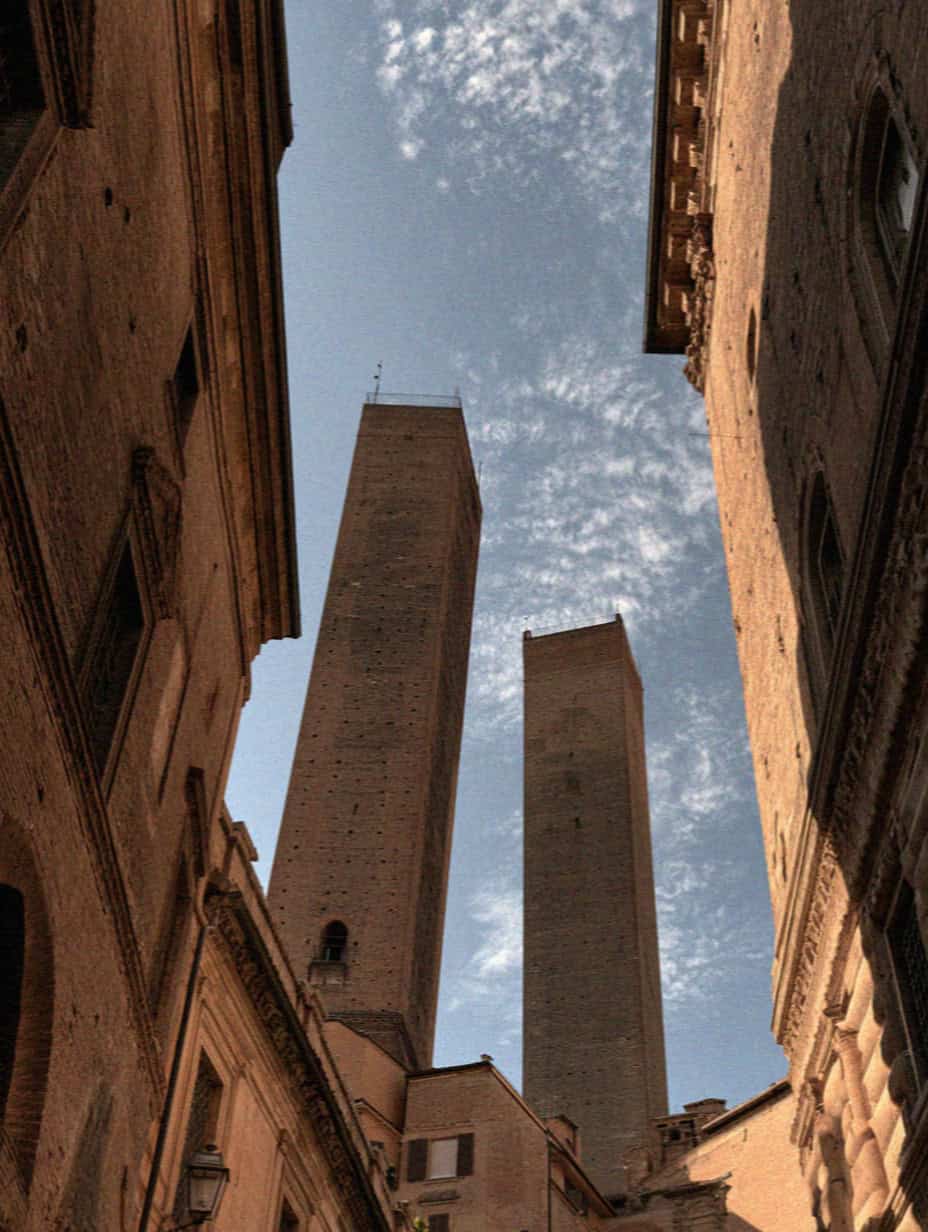
Then there are the Two Towers, Bologna’s leaning medieval landmarks at Piazza di Porta Ravegnana. I have to be straight with you here: both are currently closed. The Torre degli Asinelli, 97 metres and 498 steps, has been shut since October 2023 with no reopening date, and the dramatic leaning Garisenda is cordoned off under a long stabilisation project, wrapped in scaffolding. You can admire and photograph them from the piazza, but you cannot climb them. For a high view instead, the Torre dell’Orologio, the Clock Tower on Piazza Maggiore, is climbable for 10 euro, and the private Torre Prendiparte offers a Sky Experience by booking.
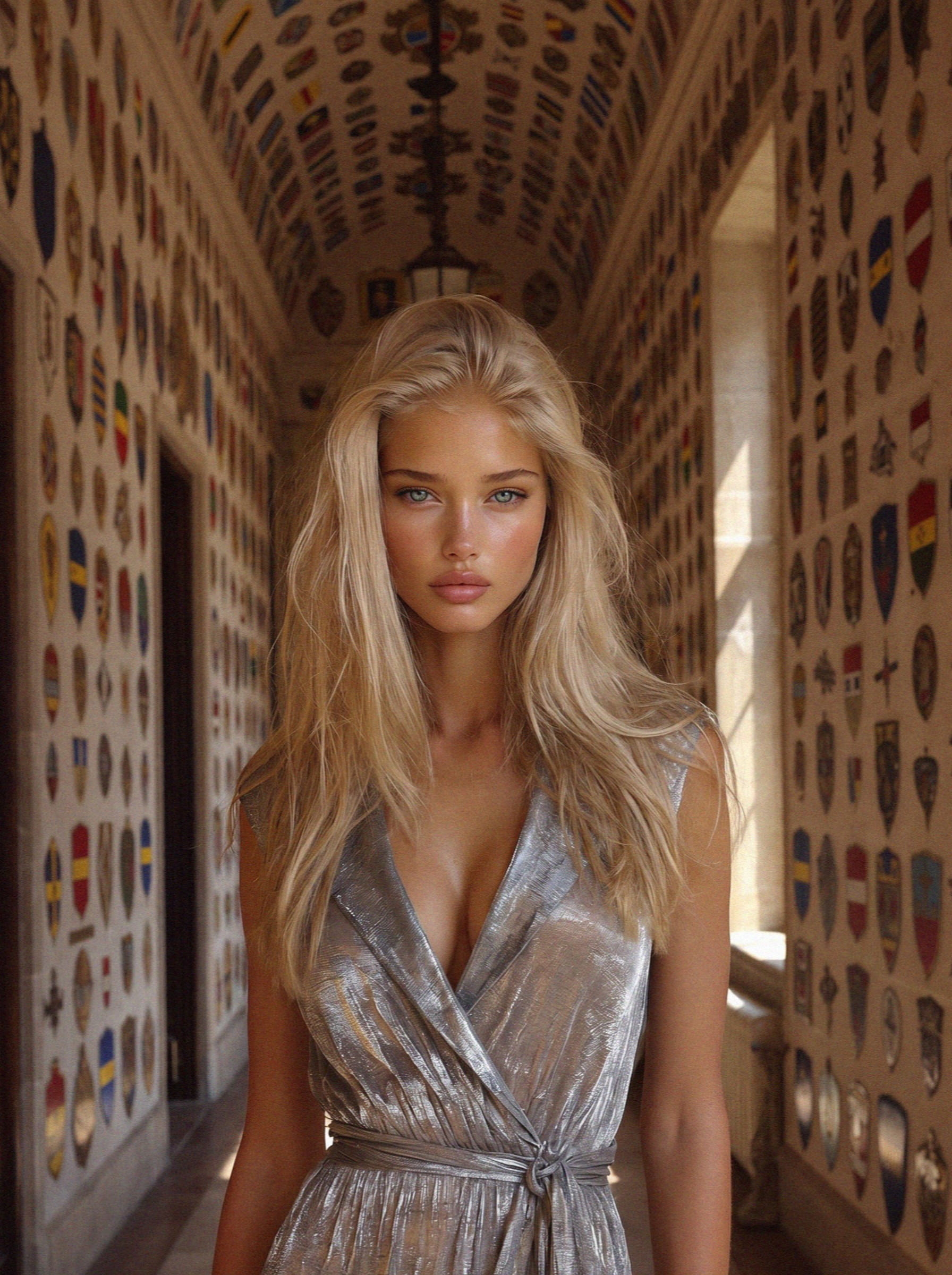
The Archiginnasio, the old seat of the university on Piazza Galvani, is another essential. A combined ticket is 10 euro, and the treasure inside is the seventeenth-century Teatro Anatomico, a jewel box of carved wood where the walls hold the two “spellati”, the skinless figures, and roughly six thousand student crests climb the corridors. Add the Basilica di Santo Stefano, the “Sette Chiese” or Seven Churches, a wonderful maze of interconnected chapels and courtyards on its triangular piazza, and the Basilica di San Domenico, where a young Michelangelo carved three small figures for the Arca di San Domenico around 1494. For everything worth your time and how to string it together, see my guide to the best things to do in Bologna.
The Porticoes and Hidden Corners
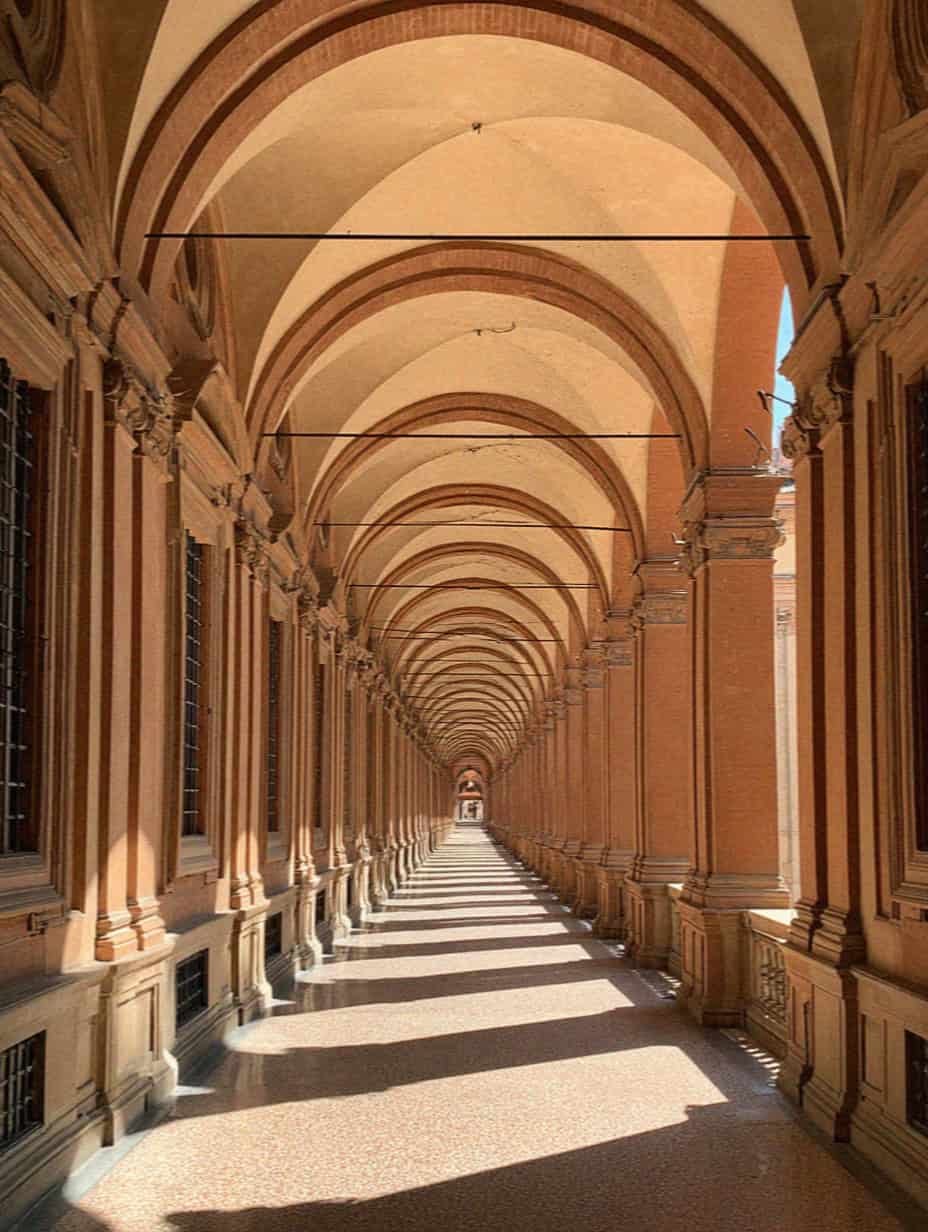
The porticoes are the soul of Bologna and, since 2021, a UNESCO World Heritage site. There are around 62 kilometres of them across the city, roughly 40 in the historic centre alone, and they mean you can cross half of Bologna without the weather ever getting much of a say in your day. Once you have walked under them for a day you start to resent every other city that leaves you exposed to the weather. They were built partly to add space to the houses above and partly as a civic kindness, and the effect, centuries on, is a city stitched together by shelter, where a sudden downpour becomes an excuse to keep walking rather than a reason to stop.
The grandest of them all is the Portico di San Luca, the longest covered walkway in the world, 666 arches climbing roughly 3.8 kilometres from Porta Saragozza up to the Santuario della Madonna di San Luca on its hill. Walking it is a small pilgrimage, and the hilltop view over the city and the plain is free and worth every step. If your legs are not willing, the San Luca Express road-train runs from Piazza Maggiore, about an hour, 15 euro adult and 8 reduced. Beyond the porticoes, Bologna keeps a set of quiet secrets: the little shuttered window on Via Piella that opens onto a hidden canal, the three arrows lodged in the wooden ceiling at Corte Isolani, the medieval “Canabis Protectio” inscription. I have gathered the ones worth seeking in my guide to the hidden gems in Bologna.
Where to Stay
For a first visit, I almost always tell people to stay in the Centro Storico, the historic core around Piazza Maggiore. Everything is walkable, the streets stay lively into the evening, and you wake up inside the city rather than commuting into it. The trade-off is a little noise and some ongoing tram construction on certain streets, so ask your hotel about the specific block. The grande dame here is the Grand Hotel Majestic già Baglioni, and I have a soft spot for the Hotel Corona d’Oro 1890, set in a restored thirteenth-century palazzo a few steps from the main square.
If you want elegant and quiet, the Santo Stefano neighbourhood is prettier and calmer, though you pay for it. Younger travellers and night owls gravitate to the university quarter around Via Zamboni and the bohemian bar strip of Via del Pratello, which is cheaper and noisier. If day trips are your priority, staying near Bologna Centrale station is practical if less atmospheric. For something with a view, the Hotel Metropolitan and the Art Hotel Commercianti beside San Petronio have rooftop terraces, and I Portici, set in a converted nineteenth-century theatre, carries a Michelin-starred restaurant. Budget and design travellers are well served too, from the small boutique rooms of Casa Bertagni to The Social Hub near the station. As a rough guide, a mid-range double runs around 100 to 160 euro in shoulder season and climbs to 180 to 280 or more in the peak months and during trade-fair weeks, when rooms vanish fast, so the single best thing you can do is book early. For my full breakdown of each neighbourhood and the hotels I trust, read my guide to where to stay in Bologna.
Where to Eat and Drink
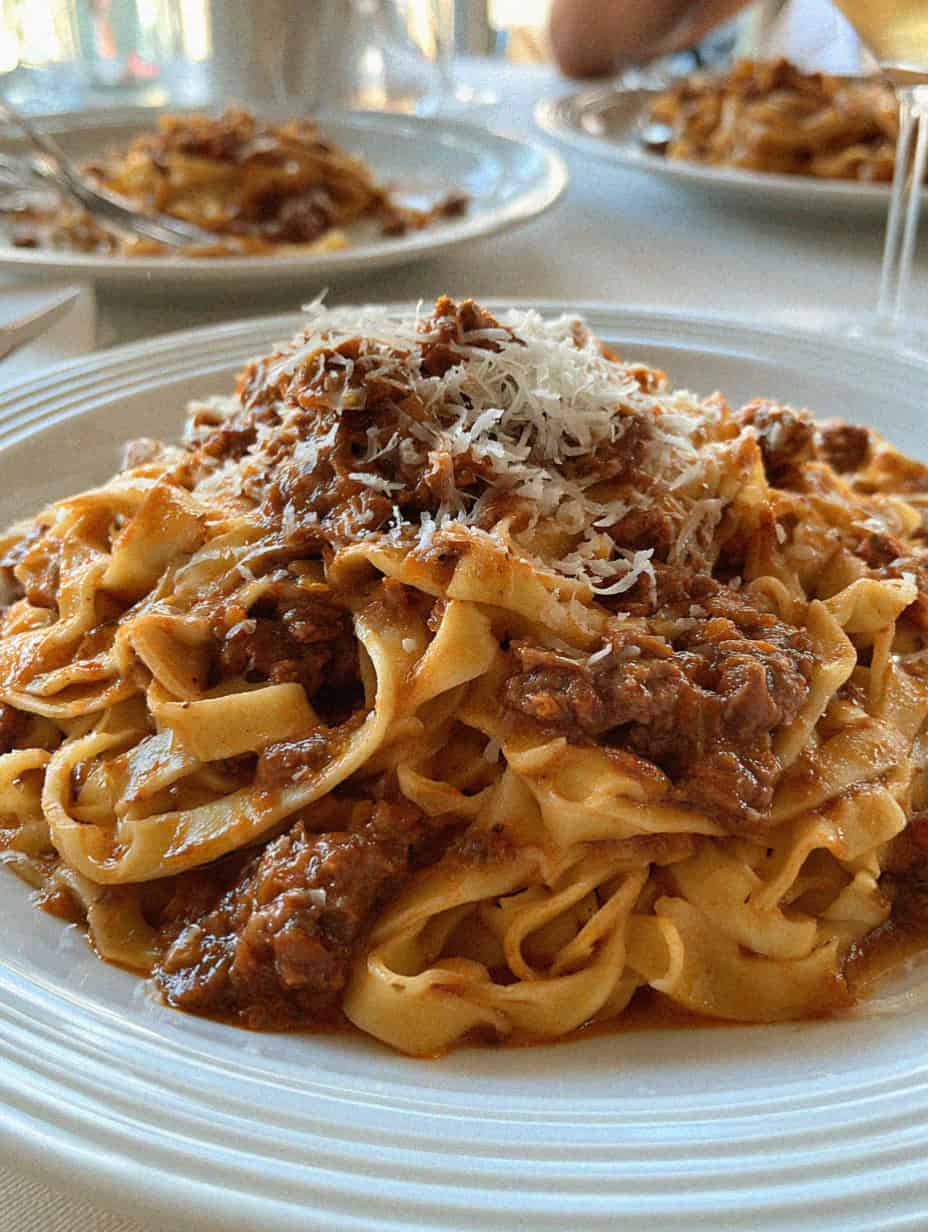
This is what draws many people to Bologna, and what quietly keeps them an extra night. Bologna’s true bolognese is tagliatelle al ragù, flat ribbons of egg pasta under a slow meat sauce, never spaghetti, and once you have eaten it here you will never order it the wrong way again. The other classics to seek out are tortellini in brodo, little hand-folded parcels served in a clear capon broth, and lasagne verdi alla bolognese, layered with green spinach pasta and besciamella. Add a plate of pink mortadella, and you have understood la Grassa.
The heart of the food scene is the Quadrilatero, the tangle of medieval market lanes just southeast of Piazza Maggiore, streets like Via Pescherie Vecchie and Via Drapperie, where Tamburini and the century-old Paolo Atti & Figli have been trading forever. For sitting down, I love watching the sfoglina roll pasta at Sfoglia Rina, queueing with the students at cheap and cheerful Osteria dell’Orsa, and booking weeks ahead for the Bib Gourmand tagliatelle at Trattoria di Via Serra. There is refined dining too, from the tortellini in brodo and carrello del bollito at Ristorante Diana, open since 1909 on Via dell’Indipendenza, to the truffle and fresh pasta at Drogheria della Rosa, set in a former fifteenth-century pharmacy. Aperitivo hour, around six to eight, brings a spritz for six or seven euro, whether in the Quadrilatero, along Via Zamboni in the university quarter, or on the bohemian osteria strip of Via del Pratello. The oldest wine bar of all, Osteria del Sole, founded in 1465, still pours wine only and lets you bring your own food to its communal tables. And save room for gelato, from Gelateria Gianni near Piazza Maggiore to La Sorbetteria Castiglione. Expect a full trattoria dinner with wine at roughly 30 to 45 euro a head, more at the top places. For all my tables and market stops, see my guide to where to eat in Bologna.
Photography Spots
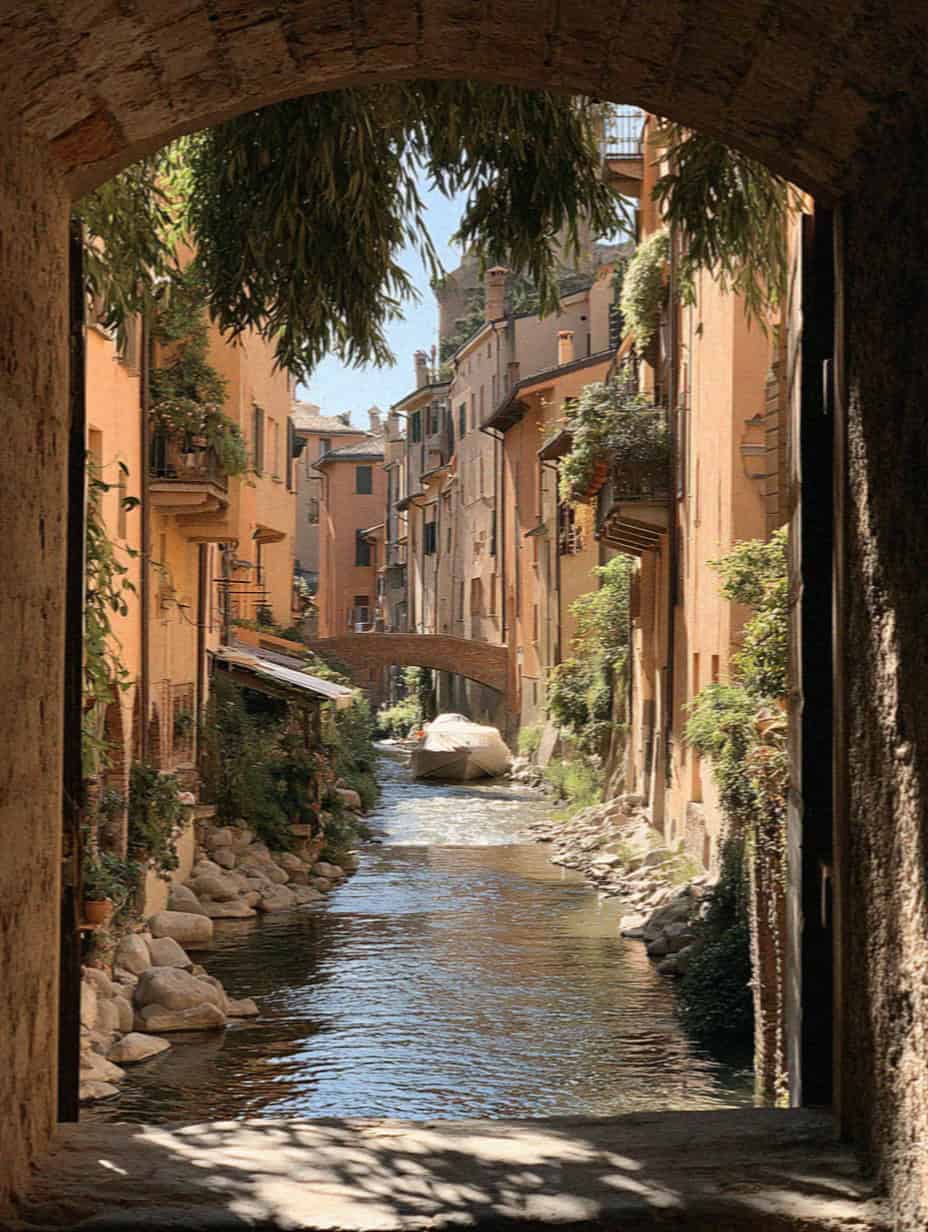
Bologna is a gift to a photographer precisely because it is not obvious. The single most photographed corner is La Finestrella di Via Piella, a small shuttered window on Via Piella that opens onto the Canale delle Moline, the sliver of water people call Bologna’s Little Venice. Get there early before the queue forms, and you will have the frame to yourself. The canals also reveal themselves from Via Oberdan if you know to look, a surprising sliver of water in a city most people never associate with canals at all.
Light matters here more than in most cities, because the porticoes trade in shadow and the walls throw back that warm terracotta glow late in the day. I plan the red arcades for the last hour before sunset, when the columns turn to amber and the perspective seems to go on forever, and I keep the middle of the day for the shaded courtyards and the market lanes, where the awnings and the piled produce do the work for you.
Beyond that, I keep returning to the triangular Piazza Santo Stefano at golden hour, the tiers of painted student crests in the courtyard of the Archiginnasio, and the receding arches of the red porticoes on streets like Via Farini and Via Santa Caterina, which give you those endless leading lines. For a rooftop view over the terracotta, climb the Torre dell’Orologio for 10 euros, and for the wide panorama, walk or ride up to San Luca and wait for sunset. A note worth repeating: the San Petronio panoramic terrace is permanently closed, so do not plan a rooftop shot from there. All my angles, times of day and exact spots live in my guide to the best photo spots in Bologna.
Suggested Itinerary
The good news is that Bologna’s centre is compact and almost everything sits within about fifteen minutes on foot, so an itinerary here is really about pacing rather than logistics. Two full days cover the city comfortably. I would give the first day to the core: Piazza Maggiore and San Petronio, Neptune, the Two Towers viewed from the piazza, a wander and a snack through the Quadrilatero, and the Archiginnasio. Keep the afternoon loose enough to sit down when the pasta calls.
The second day I would spend on Santo Stefano and its Seven Churches, then San Domenico to see the tomb that a very young Michelangelo helped carve, then the university quarter with the Pinacoteca or MAMbo, ending at the Finestrella di Via Piella and an unhurried aperitivo. If you have a third day, that is when I would radiate out to the Food Valley, Modena or Parma, both an easy train away. A fourth or fifth day adds Ferrara or Ravenna. The trick is to base yourself in Bologna the whole time and let the cheap regional trains do the work. One optional flourish I love is to walk the Portico di San Luca early on a spare morning, before the heat, arriving at the sanctuary with the city laid out below you and the day still yours. For the hour-by-hour version I actually follow, read my full Bologna itinerary.
Getting There and Around
Bologna is one of the easiest cities in Italy to reach because it sits at the crossroads of the national rail network. From Bologna Centrale, the fast trains put Florence about 37 minutes away, Milan around an hour and five minutes, Venice roughly an hour and a quarter, and Rome about two hours and twenty. Book those Frecciarossa and Italo fares in advance, and they are remarkably cheap. If you fly into Marconi airport, the Marconi Express monorail whisks you to Bologna Centrale in about seven minutes for 12.80 euro one-way, or a taxi runs around 20 to 25.
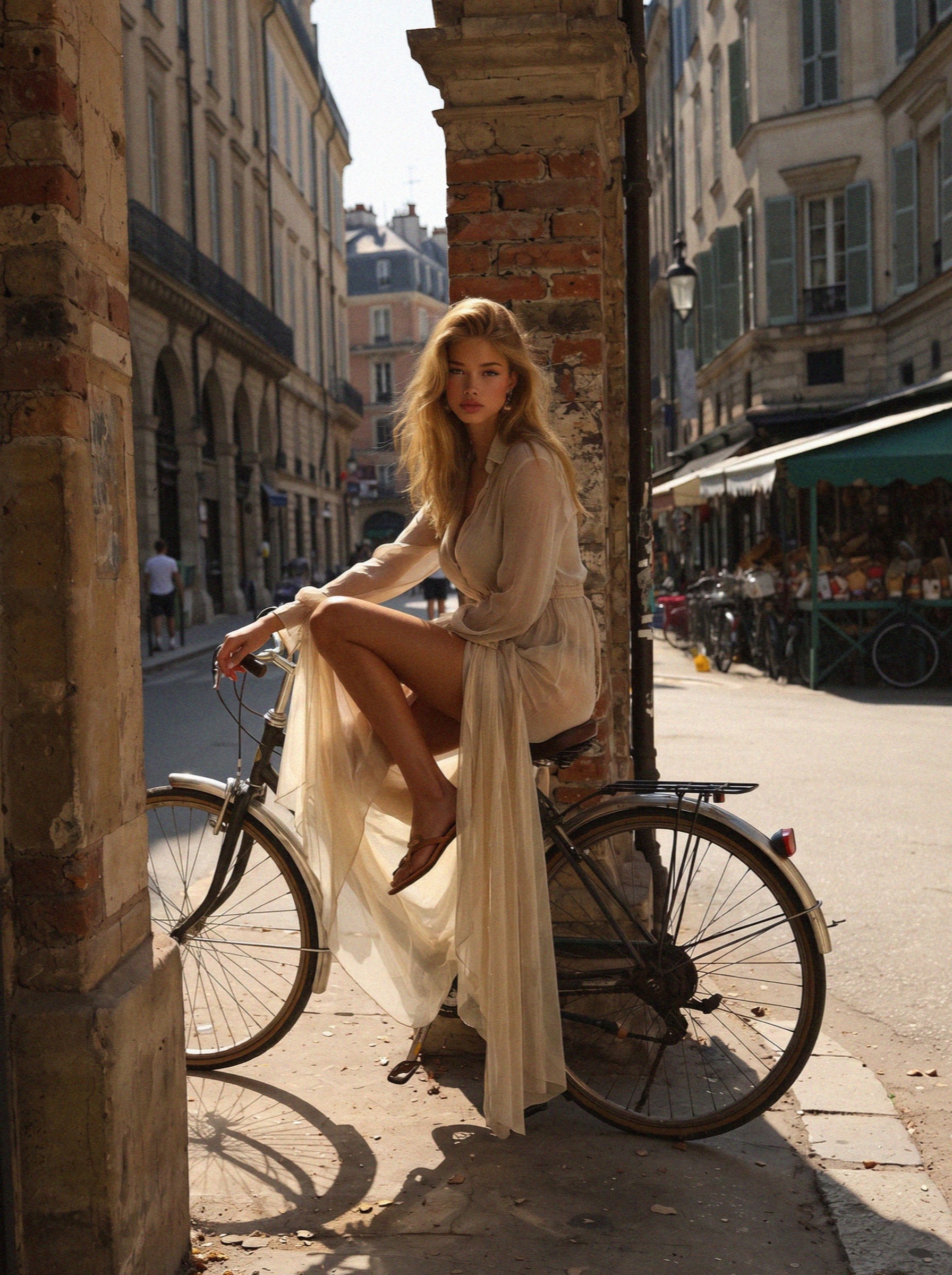
Once you are here, the honest advice is to walk. The centre is small, flat and sheltered by those porticoes, and there is no metro. TPER buses fill any gaps; a single ticket is 2.30 euros for 75 minutes, and a ten-ride City Pass is 19. If you would rather cycle, the city is flat and bike-friendly, with the RideMovi bike-share dotted about. One firm warning: do not drive into the historic centre. It is a camera-enforced ZTL restricted zone with fines from around 80 euros, and the whole core is now a “Città 30” 30 kilometre an hour zone, so a car is a liability rather than a help, and you will spend more time hunting for legal parking than seeing the city. Taxis, run by companies like CAT and COTABO, are taken from ranks or by phone, not hailed on the street. I have set out every route and ticket in my guide to how to get to Bologna.
Day Trips: The Food Valley
One of the quiet luxuries of basing yourself in Bologna is that you are sitting in the middle of Italy’s Food Valley, with a string of extraordinary towns a short train ride away. My first choice is almost always Modena, only 20 to 25 minutes and from around 5 euros, where Piazza Grande and the Ghirlandina tower are UNESCO-listed, the Mercato Albinelli is a beautiful covered food market, and you can book a traditional balsamic acetaia tasting. Modena is also the home of Massimo Bottura’s Osteria Francescana, three Michelin stars and a near-impossible booking, though his more accessible Franceschetta 58 sits right by the market. Petrolheads should add the Enzo Ferrari and Maranello museums, with a combined ticket around 30 to 37 euros.
Parma, about 50 to 60 minutes, is the home of Parmigiano Reggiano and prosciutto, with a glorious Correggio dome in its Duomo and the wooden theatre of the Teatro Farnese. Ferrara, 20 to 35 minutes, is a moated Renaissance city of bicycles where you can cycle the nine kilometres of intact walls, and Ravenna, a little over an hour, holds the shimmering early-Christian and Byzantine mosaics of San Vitale and Galla Placidia, plus Dante’s tomb. If you have only one spare day, take Modena. If you have several, work down the list. Everything, with times and tickets, is in my guide to day trips from Bologna.
Who Bologna Is For
Bologna suits more travellers than it lets on. For couples it is quietly romantic, all candlelit osterie and long porticoed walks and a hilltop sanctuary made for sunset, without the crush that can make Venice feel like a performance. For food lovers it is close to a pilgrimage, a city where the market lanes, the pasta counters and the wine bars are the main event and you plan your day around your next plate rather than the other way round.
For solo travellers, and I have done Bologna alone more than once, it is warm and easy and safe-feeling, with cheap lively spots like Osteria dell’Orsa where eating at the bar never feels lonely, and a student energy that keeps the evenings sociable. Families do well here too: the centre is walkable and stroller-friendly under cover, the food is unfussy and beloved by children, and there is the theatre of a market to keep small eyes busy. The one group I would gently redirect is anyone whose heart is set on climbing a famous tower, because the Two Towers are closed for now, and anyone who wants pure beach relaxation, which is not what this city is for. Everyone else, come. Bologna is generous with whoever shows up curious and hungry, and it asks very little in return beyond your attention.
If you want the feeling of the place rather than the practicalities, the light and the students and San Luca at dusk, I have written it all down in a diary I keep of my time here. You can read it as My Days in Bologna.
One practical note before the guides: prices and opening hours in Bologna drift with the seasons, so treat the figures here as a guide rather than gospel, and check the official site before you go.
More images from Bologna

Your Bologna Guides
Here is every detailed guide in this series, each one a deeper dive into a single part of the city.
- The best things to do in Bologna
- My complete Bologna itinerary
- Where to stay in Bologna, by neighbourhood
- Where to eat in Bologna
- The best time to visit Bologna
- The best photo spots in Bologna
- How to get to Bologna and around
- The best day trips from Bologna
- Hidden gems in Bologna
Bologna Travel Diaries
Frequently Asked Questions
Is Bologna worth visiting?
Yes, and in my view it is one of the most underrated cities in Italy. It gives you the porticoes, the medieval piazzas and the art without the crowds and the theme-park feeling of Venice or Florence, and it happens to be the finest place in the country to eat. It is also a superb base for day trips across the Food Valley. If you like your travel lived-in and delicious rather than merely photographed, Bologna is very much worth it.
How many days do you need in Bologna?
Two full days cover the city itself comfortably, because the centre is compact and most sights are within about fifteen minutes on foot. I would add a third day for a Food Valley day trip such as Modena or Parma, and a fourth or fifth if you want to reach Ferrara or Ravenna. Sleep in Bologna throughout and let the frequent regional services carry you out and back.
Can you climb the Two Towers in Bologna?
Not at the moment. Both are closed: the Torre degli Asinelli has been shut since October 2023 with no reopening date announced, and the leaning Torre Garisenda is cordoned off under a multi-year stabilisation project. You can still view and photograph them from Piazza di Porta Ravegnana. For a high view instead, climb the Torre dell’Orologio on Piazza Maggiore for 10 euro, or walk up to the free hilltop panorama at San Luca.