Working out where to eat in Bologna is the happiest homework a traveller can be set, because this is the city Italians themselves call la Grassa, the Fat One, and it earns the nickname at every table. Emilia-Romagna is the larder of the country, and Bologna sits at its centre with a nine-hundred-year-old university keeping the streets young and hungry. I have eaten my way through it slowly, in tiled salumerie at eleven in the morning and at candlelit trattoria tables at ten at night, and what follows is where I actually go. Come with an appetite and a little patience for the booking rules, because the best rooms are small and everybody wants in.
What to Eat in Bologna
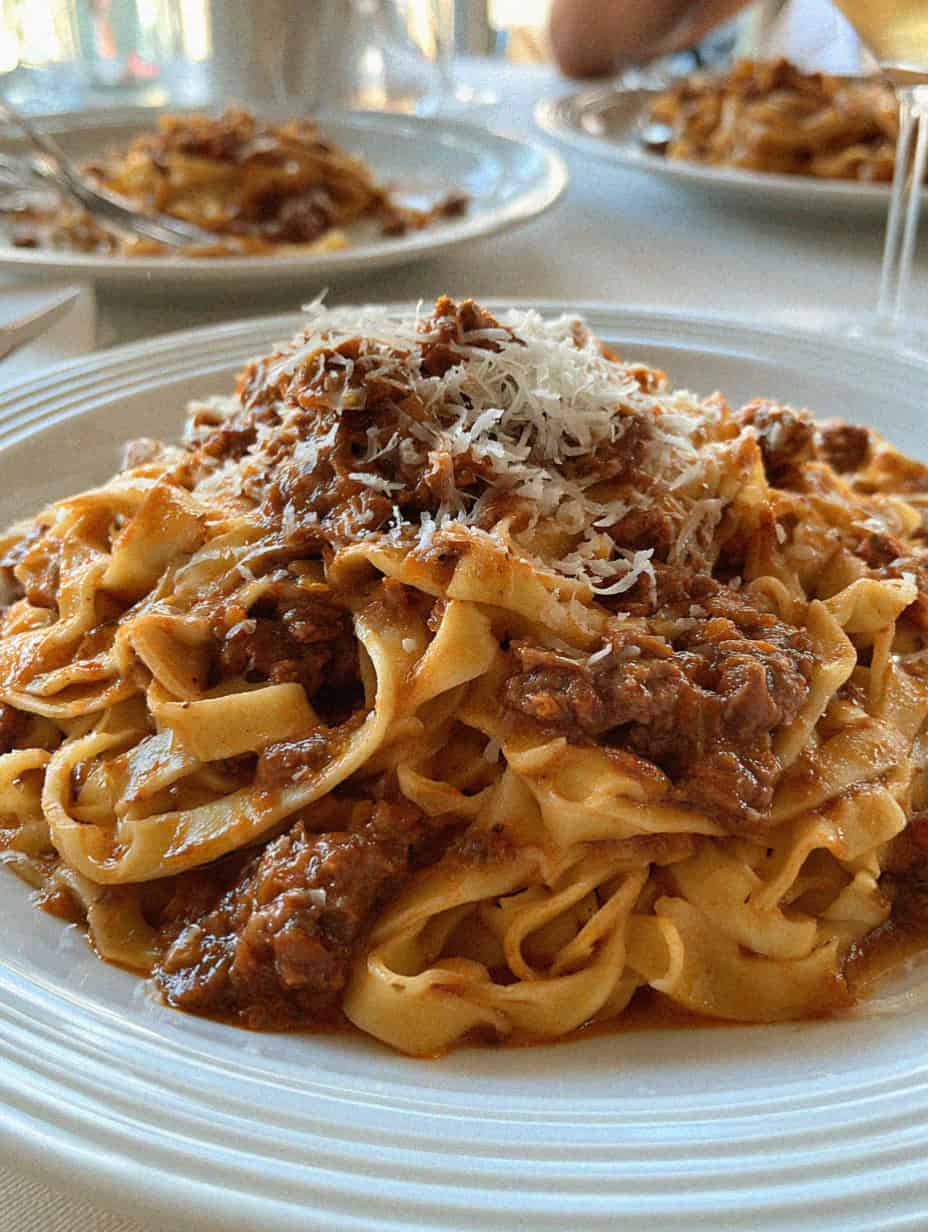
Start by unlearning one thing: there is no spaghetti bolognese here, and ordering it will only mark you out. The dish the rest of the world mangled is tagliatelle al ragù, flat ribbons of egg pasta cut to catch a slow-cooked meat sauce that has nothing to prove and everything to give. The ragù clings to the ribbons in a way it never could to round spaghetti, which is rather the whole point. Have it once in a humble place and once somewhere refined, and you will understand the city better than any monument could teach you.
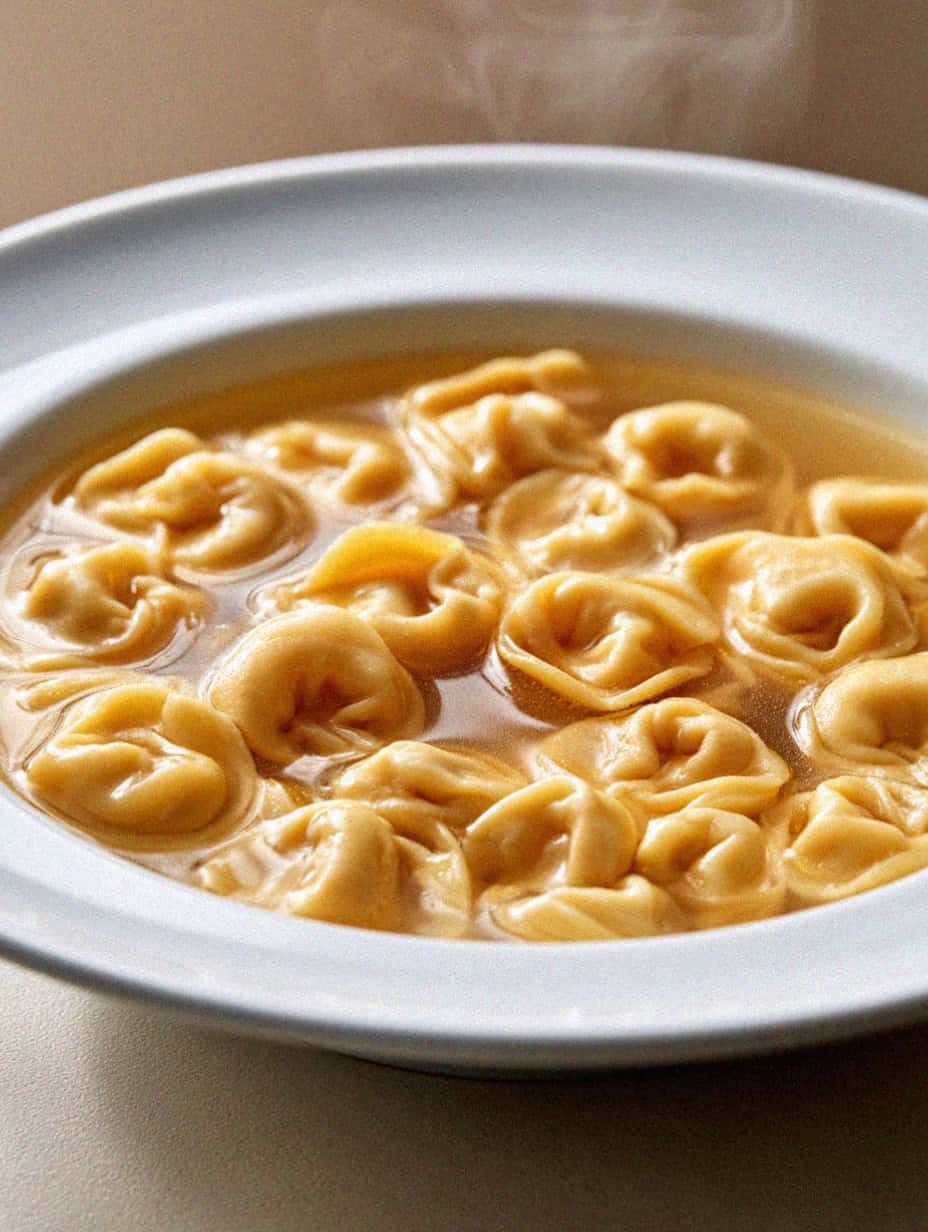
Then there is tortellini in brodo, the dish Bolognese families reserve for Sundays and Christmas: tiny hand-folded parcels of pork loin, mortadella and parmigiano floating in a clear capon broth. It looks modest and tastes like devotion. Alongside it, order lasagne verdi alla bolognese, built from green spinach pasta layered with ragù and besciamella, richer and quieter than any lasagne you have met before.
Beyond the pasta, keep room for the rest. Mortadella, the city’s silky pink pork sausage with its IGP badge, is nothing like the sad supermarket imitation and deserves to be eaten in thin folds with a glass of something cold. Tigelle, also called crescentine, are little griddled flatbreads you split and fill with cured meats and soft cheese, the sort of thing that turns a snack into an hour. And passatelli, noodles pushed from a paste of breadcrumb and parmigiano and served in broth, are the deep-winter comfort dish worth chasing when the fog rolls in.
Plan Your Visit to Bologna
A few things I booked and loved. These help support the blog, at no cost to you.
- Where I stayed: search Bologna hotels
- Tickets and things to do in Bologna
- Stay connected: get a travel eSIM
This section contains affiliate links. If you book through them I may earn a small commission, at no extra cost to you.
The Trattorias and Osterie I’d Book
Bologna rewards the person who plans ahead. The rooms I love most are small, and the good ones fill days or weeks out, so treat booking as part of the trip rather than an afterthought. Here is my shortlist, with what to order and roughly what to spend.
- Trattoria di Via Serra, out in the Bolognina quarter north of the station, holds a Michelin Bib Gourmand and cooks tagliatelle al ragù that regulars argue is the city’s finest. Book weeks ahead, and expect around €€.
- Trattoria Anna Maria, in the university quarter at Via delle Belle Arti 17A, has been turning out tortellini in brodo since the 1980s under photographs of opera singers. Warm, old-school, around €€.
- All’Osteria Bottega, in Saragozza, is the special-occasion room, with tagliatelle around €25 and Culatello worth the splurge. Booking is essential, and it sits at €€€.
- Sfoglia Rina, at Via Castiglione 5b, lets you watch the sfoglina rolling pasta at the window and eat a plate of it for around €12. No booking, just turn up, and it is gently €.
- Osteria dell’Orsa, in the university quarter at Via Mentana 1, is cheap, loud and beloved by students. No booking, so expect a queue, and count on €.
- Trattoria del Rosso, at Via Augusto Righi 30, calls itself the oldest trattoria in Bologna and keeps prices friendly at €.
- Ristorante Diana, at Via dell’Indipendenza 24, is the refined grande dame, open since 1909, where you come for tortellini in brodo and the theatrical carrello del bollito wheeled to the table. Around €€€.
- Drogheria della Rosa, at Via Cartoleria 10, occupies a former 1400s pharmacy and serves fresh pasta and truffle in a room full of old apothecary bottles. Booking is essential, at €€€.
If you want a fuller sense of how these tables fit into a day of walking and looking, my guide to the best things to do in Bologna maps the neighbourhoods around them.
The Quadrilatero
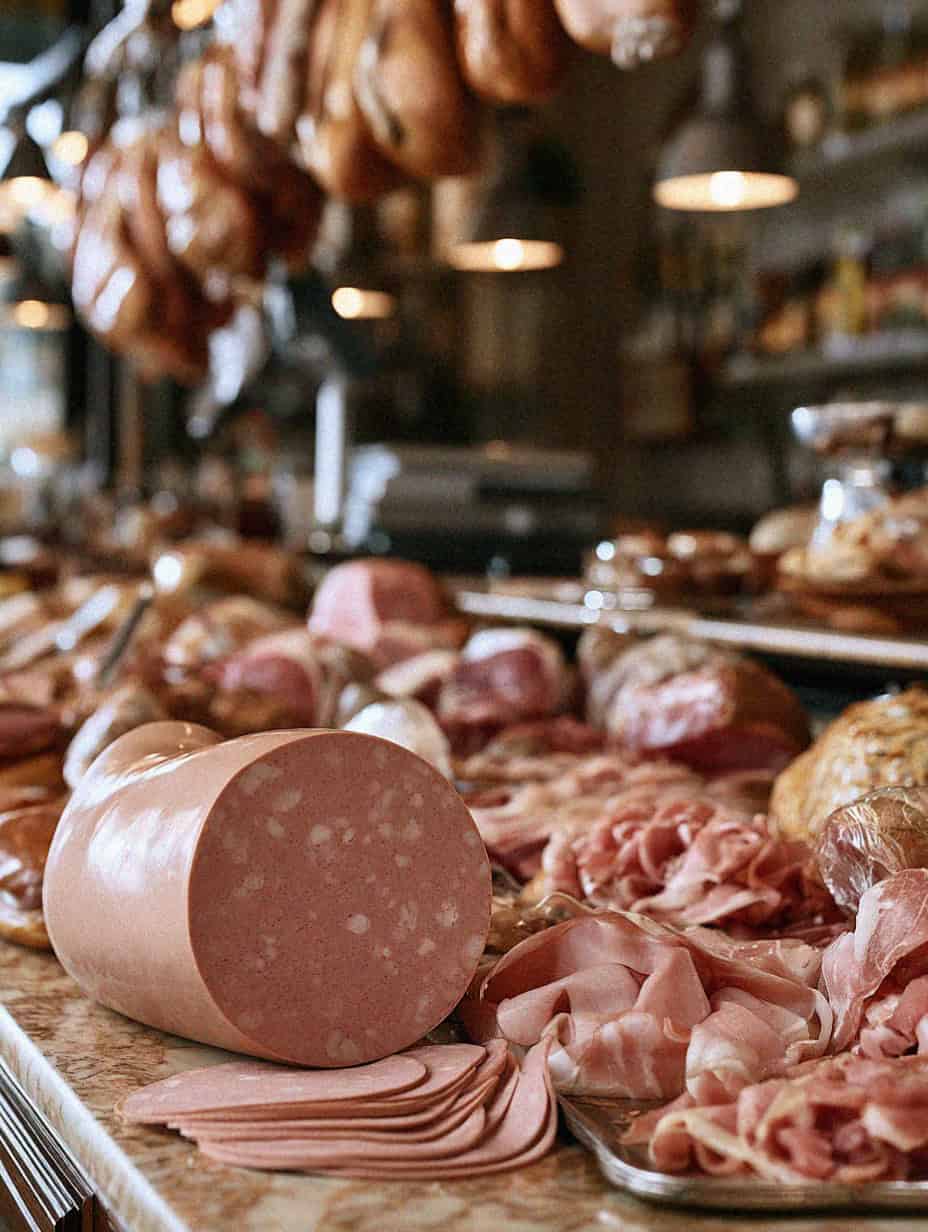
Just south-east of Piazza Maggiore, a knot of medieval lanes called the Quadrilatero is where Bologna does its food shopping and always has. The key streets, Via Pescherie Vecchie, Via Drapperie, Via Caprarie and Via Clavature, are narrow, loud and hung with legs of prosciutto and baskets of produce. Mornings are for buying, late afternoon and evening for standing about with a glass in hand.
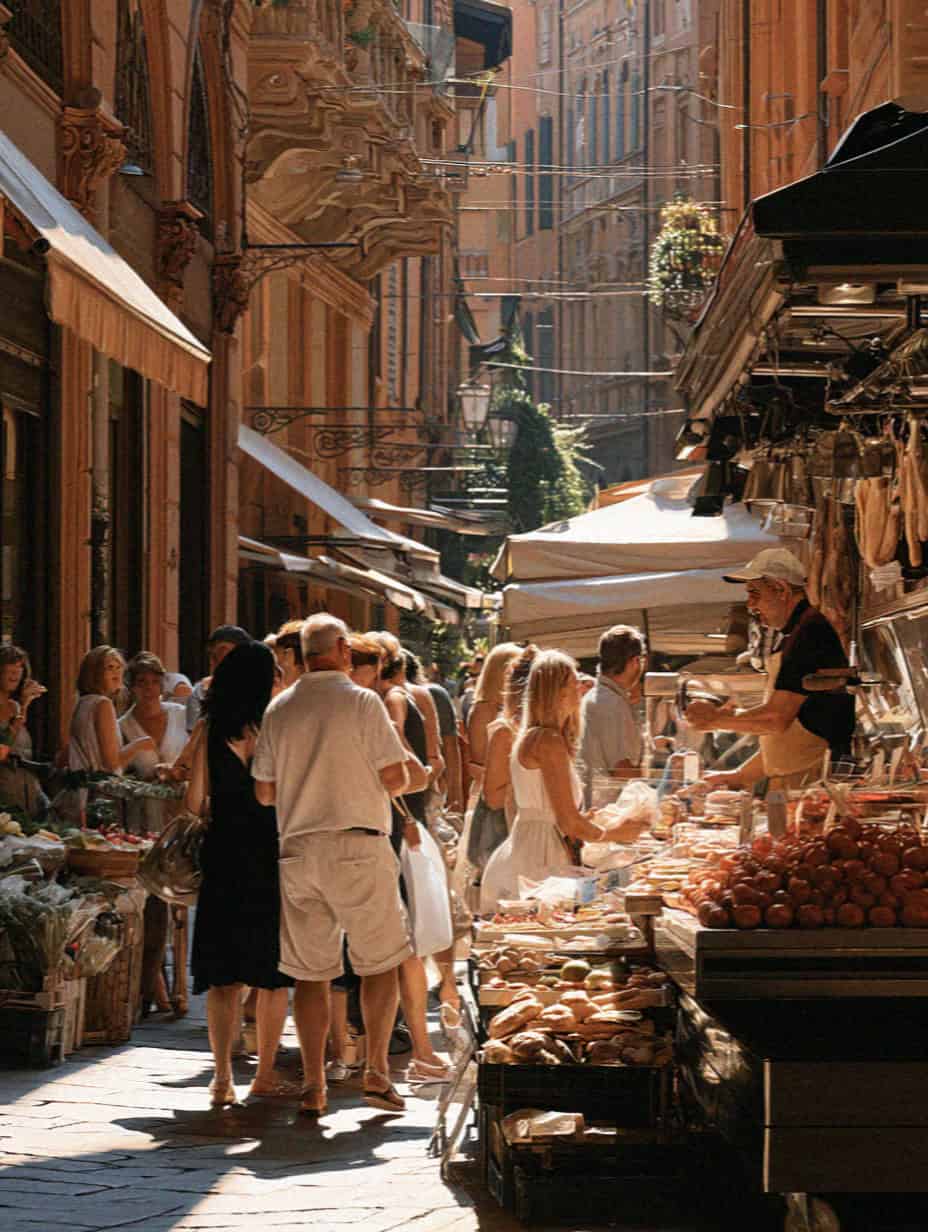
Three shops anchor it. Tamburini, at Via Caprarie 1, is the great salumeria and tavola calda, the place to gaze at the mortadella counter and eat a plate of it standing up. Paolo Atti & Figli, at Via Drapperie 6, has been baking bread and rolling fresh pasta since 1880, and is where I buy tortellini to take home. Salumeria Simoni, at Via Drapperie 5A, is the cured-meat specialist, and their boards are a lesson in what mortadella and culatello can be. Buy a little from each and you have a picnic worthy of the city.
Aperitivo
Between roughly six and eight, Bologna pours itself a spritz, and joining in is the easiest way to feel like a resident. A spritz runs about €6 to €7, and the ritual matters as much as the drink. The Quadrilatero around Via Pescherie Vecchie fills with a young crowd, and the university strip along Via Zamboni does too, but my favourite for atmosphere is Via del Pratello, a bohemian ribbon of osterie and bars where the evening unspools slowly.
For something singular, find Osteria del Sole in Vicolo Ranocchi, founded in 1465 and the oldest wine bar in the city. The rule here is gloriously strange: they pour wine and only wine, so you bring your own food, sit at a communal table, and pay cash. Pick up a board of salumi in the Quadrilatero a few steps away and carry it in. It is one of the most convivial hours a traveller can stumble into.
Coffee and Gelato
Coffee here is a quick, upright pleasure. Take your espresso standing at the bar, where it costs around €1.20 to €1.60, drink it in two swallows and move on, the way the city does. Sitting down at a table usually costs more, and nobody lingers over a morning coffee anyway.
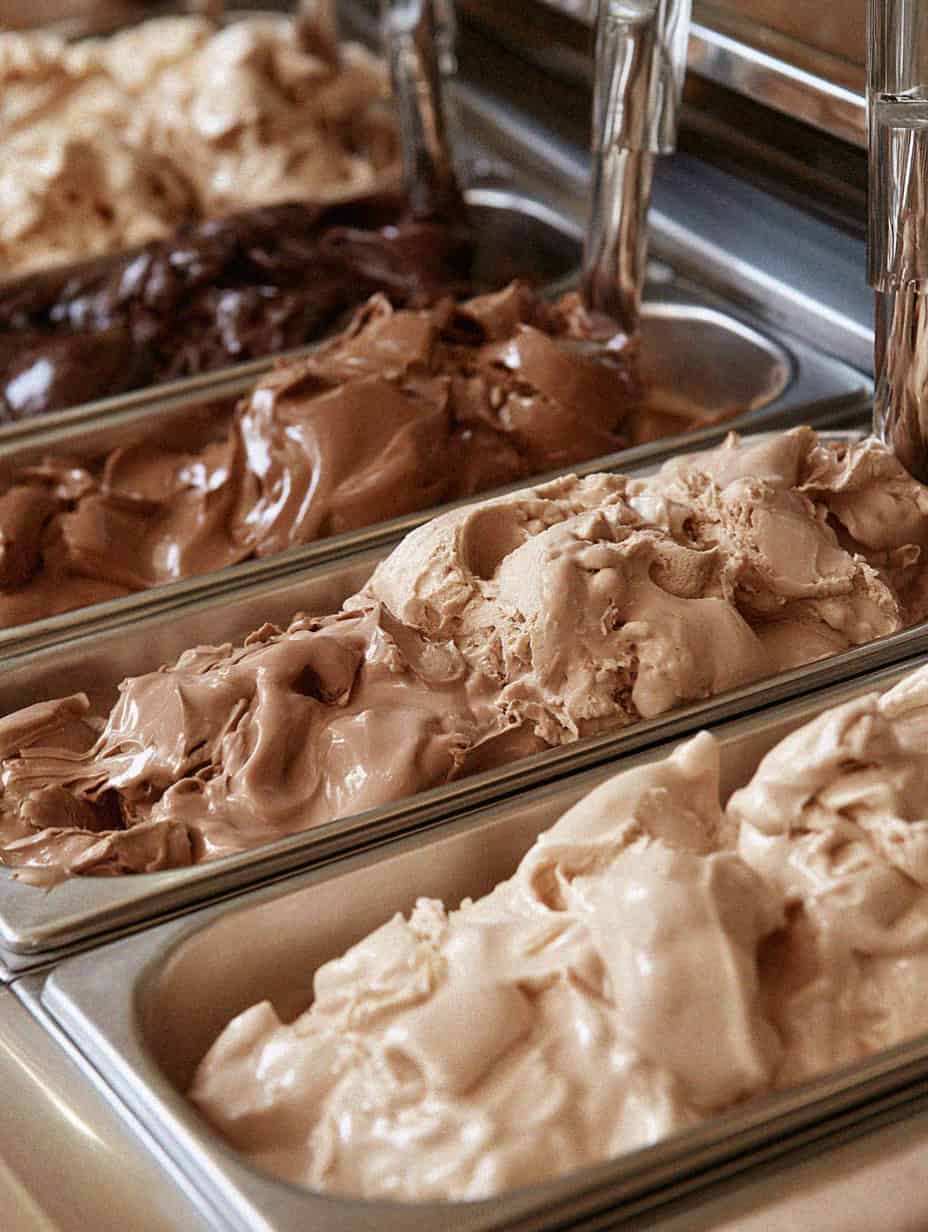
Gelato is the slower ritual. Gelateria Gianni, near Piazza Maggiore and open since 1980, is famous for its Bacio di Gianni and is the classic central stop. La Sorbetteria Castiglione, on Via Castiglione and going since 1985, is worth the short walk for the quality of the fruit flavours. And Cremeria Funivia, near the Two Towers, is my reliable choice when I want something excellent without a queue. Any of the three will spoil you.
Food Experiences
If you want to understand Bolognese cooking with your hands, book a pasta-making class with a sfoglina, one of the women who roll sheets of egg pasta thin enough to read a newspaper through. You will fold tortellini badly, laugh, and never look at a plate of pasta the same way again. It is the single food experience I recommend most.
Bologna is also the gateway to Italy’s Food Valley, with Parmigiano Reggiano, Modena balsamic and Parma prosciutto all a short train ride away, so a day given over to producers is easily arranged. Closer to town, the old FICO Eataly World site reopened in September 2024 as Grand Tour Italia, out at Via Paolo Canali in the north-east of the city, a large food park with free admission and parking. It is a curated, family-friendly introduction rather than the real Quadrilatero, but pleasant for a rainy afternoon.
Frequently Asked Questions
Where do locals actually eat in Bologna?
Locals fill the small trattorias and osterie rather than the places on the main square. Rooms like Trattoria di Via Serra, Osteria dell’Orsa and Sfoglia Rina draw genuine Bolognese crowds, and the Quadrilatero shops feed people every day. Book the sit-down spots ahead, since the good ones are tiny and fill quickly.
How much does dinner cost in Bologna?
A plate of tagliatelle al ragù runs about €10 to €14 in a casual place and up to around €25 at a top osteria. A full trattoria dinner with wine lands around €30 to €45 per person, rising to €60 to €95 at the higher end. An aperitivo spritz is about €6 to €7, and an espresso standing at the bar around €1.20 to €1.60.
Is it really wrong to order spaghetti bolognese?
It is not so much wrong as simply not a Bolognese dish. The local pairing is tagliatelle al ragù, flat egg ribbons made to hold the meat sauce, and you will not find spaghetti bolognese on a proper menu here. Order the tagliatelle and you will taste why the city cut the pasta this way.
Eating is only one thread of the city, and I have pulled the rest together in my complete guide to Bologna, which ties every practical detail into one place. From here you might wander sideways into the best things to do in Bologna to plan the hours between meals, or slip down a quieter lane with my guide to the hidden gems in Bologna. However you plot it, come hungry; la Grassa keeps its promises.