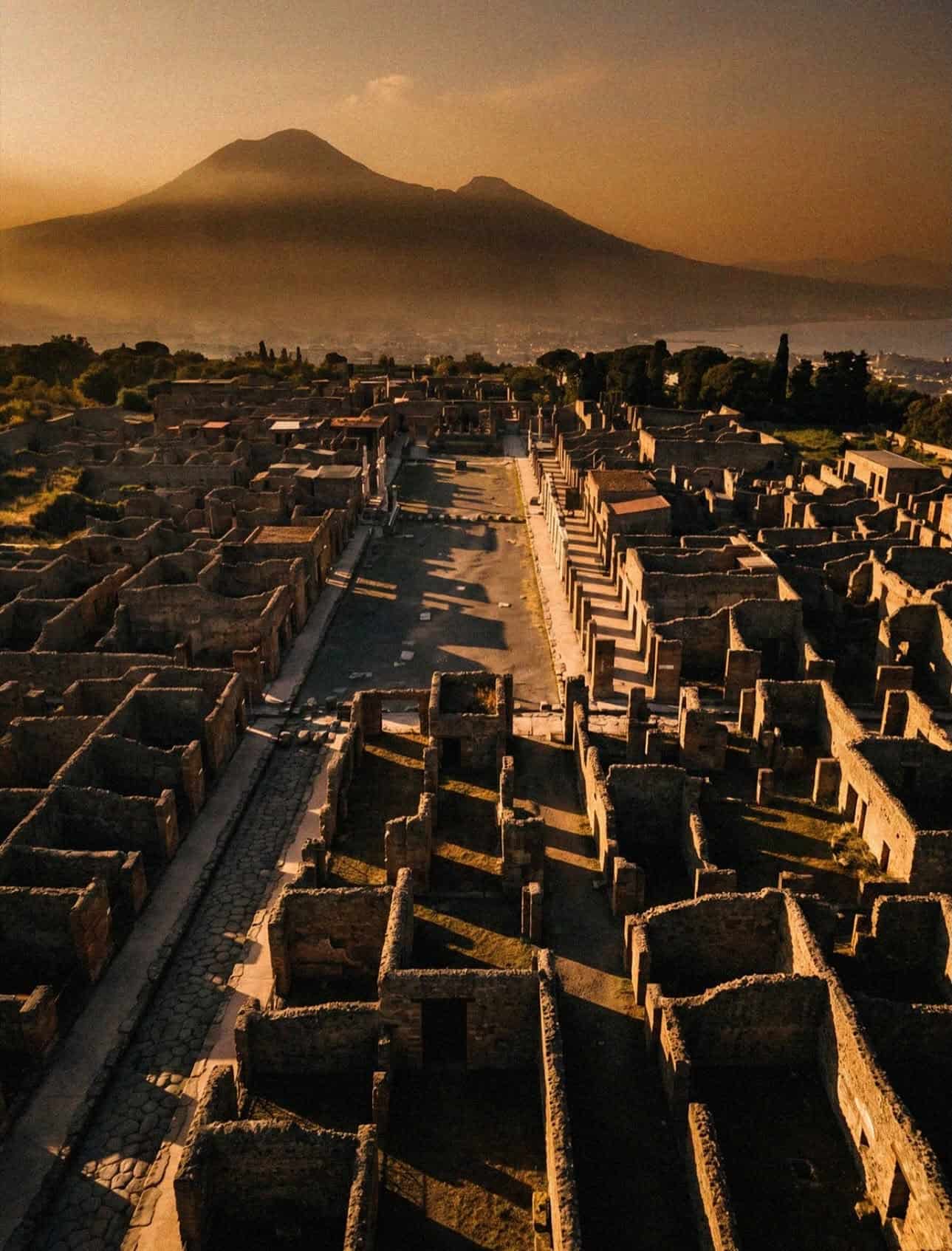
A guide by Victoria Van Der Berg
The first thing you notice is not the ruins. It is the heat. And then the quiet.
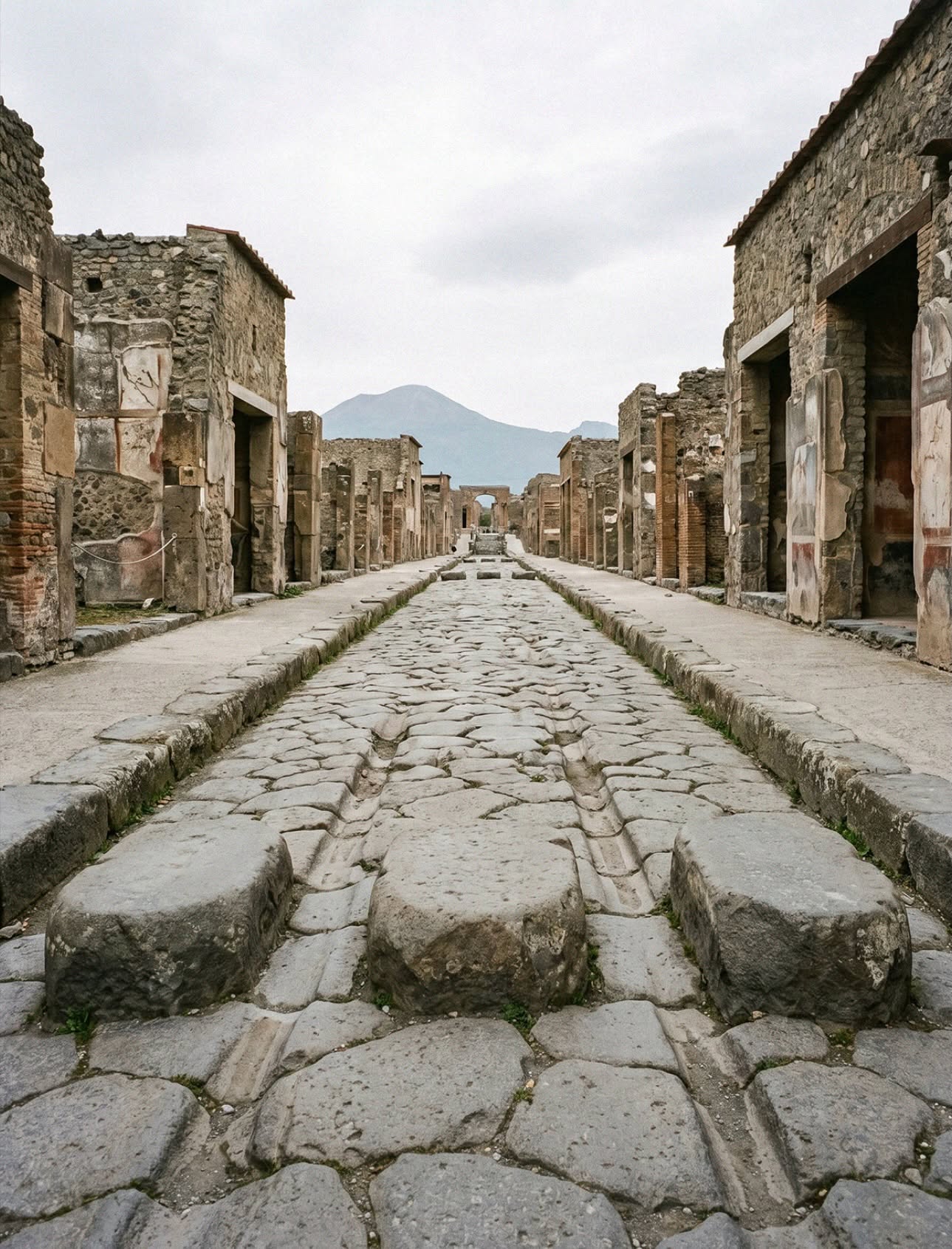
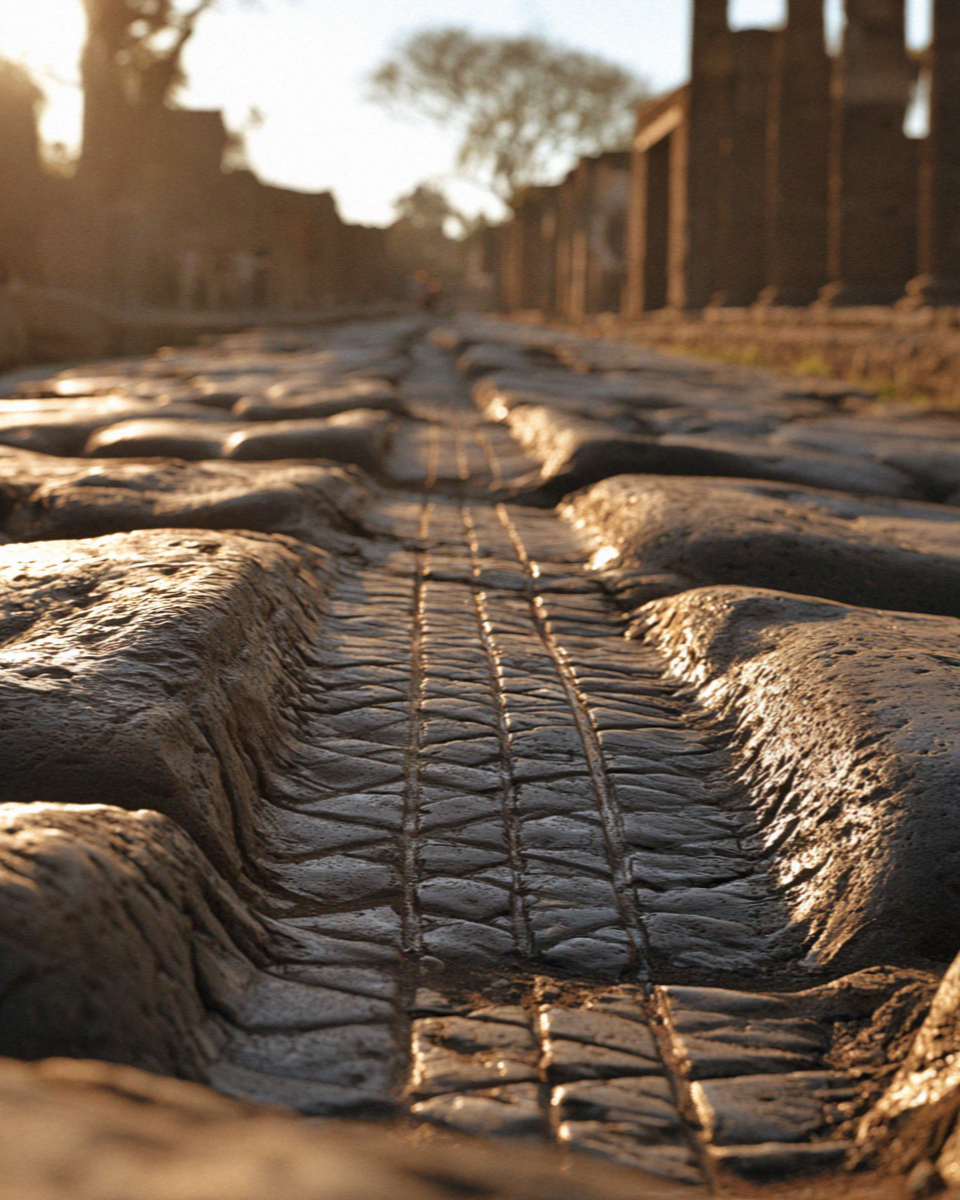
For a place that receives millions of visitors each year, Pompeii maintains, in its deeper streets, a silence that the modern world does not often allow. You can find it in the side alleys, away from the tour groups, where the light falls directly onto basalt paving stones that have not changed since the first century. Where wheel ruts, cut deep into the rock by carts that no longer exist, still describe their ancient trajectories from one end of a block to another.
I came to Pompeii from the Amalfi Coast, an hour by road up and around the peninsula. I had been meaning to go for years. The kind of intention that accumulates quietly, and then one morning, without quite deciding, you find yourself on the road north with your jacket on the seat beside you and the sea turning inland behind you.
It was already warm by nine. The mountains above Salerno were pale with haze.
What Pompeii Is
Pompeii was a prosperous Roman city of about eleven thousand people, situated near the mouth of the Sarno river with views toward the bay of Naples. It had a Forum, baths, a brothel, a theatre, taverns, and at least thirty-five bakeries. There was a market, a temple to Apollo, a temple to Jupiter, and an amphitheatre that held twenty thousand.
On the morning of 24 August, 79 AD, Vesuvius erupted. It had given some warning. There had been tremors for days, and many residents had already left. But several thousand remained, and the pyroclastic flows reached the city within hours. What the eruption buried, it also preserved. The city that emerged from excavations beginning in 1748 was not a ruin in the conventional sense. It was a city held in suspension.
Food still sat in some of the storage jars. The inscriptions were still legible on the walls. A dog, cast in volcanic ash where it had been chained, arched its back in what the eye reads as anguish.
Pompeii is different from other ancient sites. There is a quality to it that I have not encountered elsewhere. It does not feel like history. It feels like something that has not finished happening.
Plan Your Visit to Naples
A few things I booked and loved. These help support the blog, at no cost to you.
- Where I stayed: search Naples hotels
- Pompeii, museums and Naples tickets
- Stay connected: get a travel eSIM
This section contains affiliate links. If you book through them I may earn a small commission, at no extra cost to you.
Planning Your Visit
When to go. Pompeii is open year-round, but the experience changes considerably by season. June through August brings crowds and temperatures that make the unshaded interior streets uncomfortable by midday. The light in spring and early autumn is better for photography, and the heat is manageable. I arrived in June at nine when the gates opened. By eleven, the main areas were beginning to fill. By one, it was very full.
November through February is quieter. The ruins are atmospheric in grey light, though the shorter opening hours limit how much ground you can cover.
I have broken the day down properly, two hours against four against six and what each one actually buys you, in how long you need in Pompeii. The short version follows.
How long you need. Three to four hours covers the main sites without rush. Five to six hours allows you to go slower, to detour, to sit somewhere for a while without feeling you have missed something. A full day if you want to walk every street, visit the Villa of the Mysteries, and look at Vesuvius before you leave.
Where you come from changes the day completely, and Naples, Sorrento, the Amalfi Coast and Rome each have their own timings and traps. I have compared all four in the Pompeii day trip.
Getting there. The most direct route from Naples is the Circumvesuviana railway from Napoli Centrale station, direction Sorrento, to the Pompei Scavi stop. The journey takes about forty minutes, and the station deposits you directly at the main entrance at Porta Marina.
From the Amalfi Coast, the drive via the SS18 along the coast and up through Salerno takes approximately an hour, depending on traffic. There is parking near the site.
From Sorrento, the same Circumvesuviana line runs in the opposite direction and takes about thirty minutes.
Tickets. There are two, and the difference matters more than the five euros between them. Pompeii Express, around twenty euros, covers the ancient city and nothing else. Pompeii Plus, around twenty-five, adds the suburban villas, which is how you reach the Villa of the Mysteries, along with Villa Regina at Boscoreale and the shuttle between them. Plus is capped far lower than Express and goes first, so book it early if the frieze is a reason you are coming. Tickets now carry the visitor’s name and the site is capped at twenty thousand a day. Every option, both entrances and the mistakes people make at the gate are in how to visit Pompeii.
The site opens at nine all year. From mid-March to mid-October it closes at seven in the evening with last entry at half past five; from mid-October to mid-March it closes at five with last entry at half past three. That winter last entry is what catches people out. Check pompeiisites.org before you go, as individual buildings rotate their access schedules.
Heat is the thing that ruins this visit, and it ruins it faster if there are children with you. What actually works, hour by hour, is in Pompeii with kids and in the heat.
What to bring. Water, more than you think. The site has limited shade, and the stone reflects heat efficiently. Comfortable shoes. The basalt paving is uneven and authentically ancient, meaning it was not designed for modern footwear. A hat. Sunscreen. A notebook, if you are the kind of person who keeps one, because there is a great deal to write down.
Inside the Ancient City
Very little in here is explained on the ground, which is why the question of whether to take a guide matters more at Pompeii than at almost anywhere else. I have argued both sides, and named the cheap option the park sells that almost nobody books, in a guide or on your own.
The Porta Marina and the First Street
Most visitors enter through the Porta Marina gate, which opens onto a street that climbs slightly toward the Forum. The gate itself is worth pausing at. There are two arched openings: a smaller one for pedestrians and a wider one for animals and carts. Above the smaller arch, a relief of a sea creature. Below your feet, the stones are worn smooth by two thousand years of feet before yours.
The walk toward the Forum passes former shops and residences, their doorways open, their interiors exposed to the sky where roofs once were. Some still have painted walls, the plaster cracked in places, but the pigments are holding. Pompeian red, a particular shade of iron-oxide vermilion, appears again and again. It is one of the defining colours of the site.
The Forum
The Forum opens suddenly. After the enclosed streets, the scale of it is unexpected.
It was the city’s centre: the place where politics, commerce, and religion intersected. Around its open piazza stood the Temple of Jupiter, the Basilica law court, the covered market, and the offices of the city’s magistrates. Vesuvius sits directly at the end of the Forum’s central axis, visible from almost anywhere within it. Whether this alignment was intentional is a question that the city’s urban planners took with them.
The base of the Temple of Jupiter remains, with two columns standing. The Basilica’s skeleton of columns lines one side of the piazza. What is missing can be reconstructed in the imagination from what remains.
I spent twenty minutes in the Forum doing nothing in particular. Walking the perimeter. Reading the orientation signs. Looking at Vesuvius, which was utterly serene.
Via dell’Abbondanza
The main street of ancient Pompeii runs east from the Forum for several hundred metres, past shops and taverns and the facades of private houses. The name it has been given, the Street of Abundance, refers to a relief that decorated a fountain near one end.
What makes Via dell’Abbondanza so legible is the detail. The stepping stones that cross it at intervals were placed to allow pedestrians to cross without descending into the street during rain, when water and waste would run along the channel. The gaps between the stones were sized to allow cart wheels to pass. Look down: the wheel ruts are still there, cut deep into the basalt by centuries of traffic that had its own routine and its own urgency.
The walls along the street carry traces of electoral notices. Romans painted endorsements in red and black on any available surface. I ask you to elect Gaius Julius Polybius as aedile. He provides good bread. That sort of thing. Some are still partially legible.
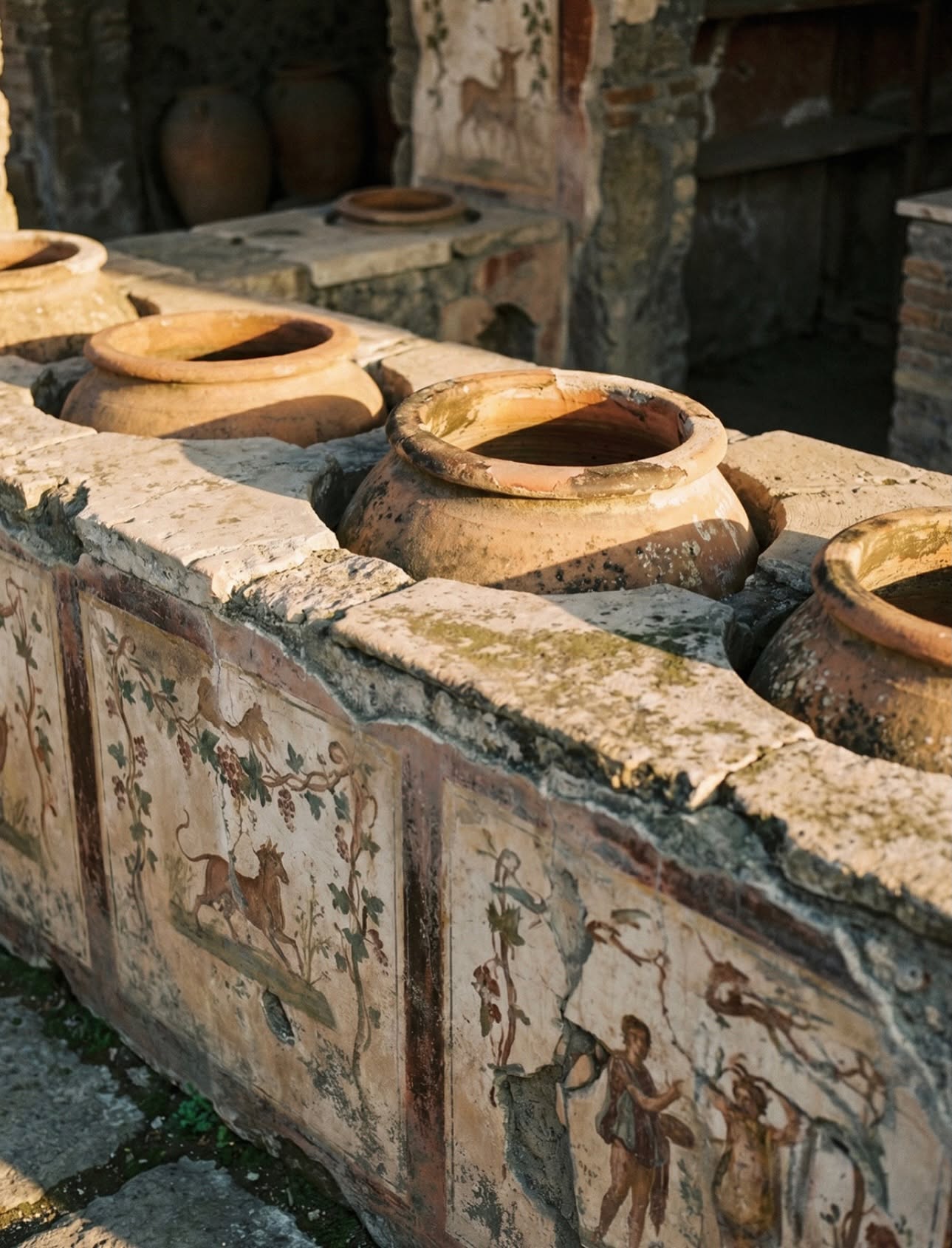
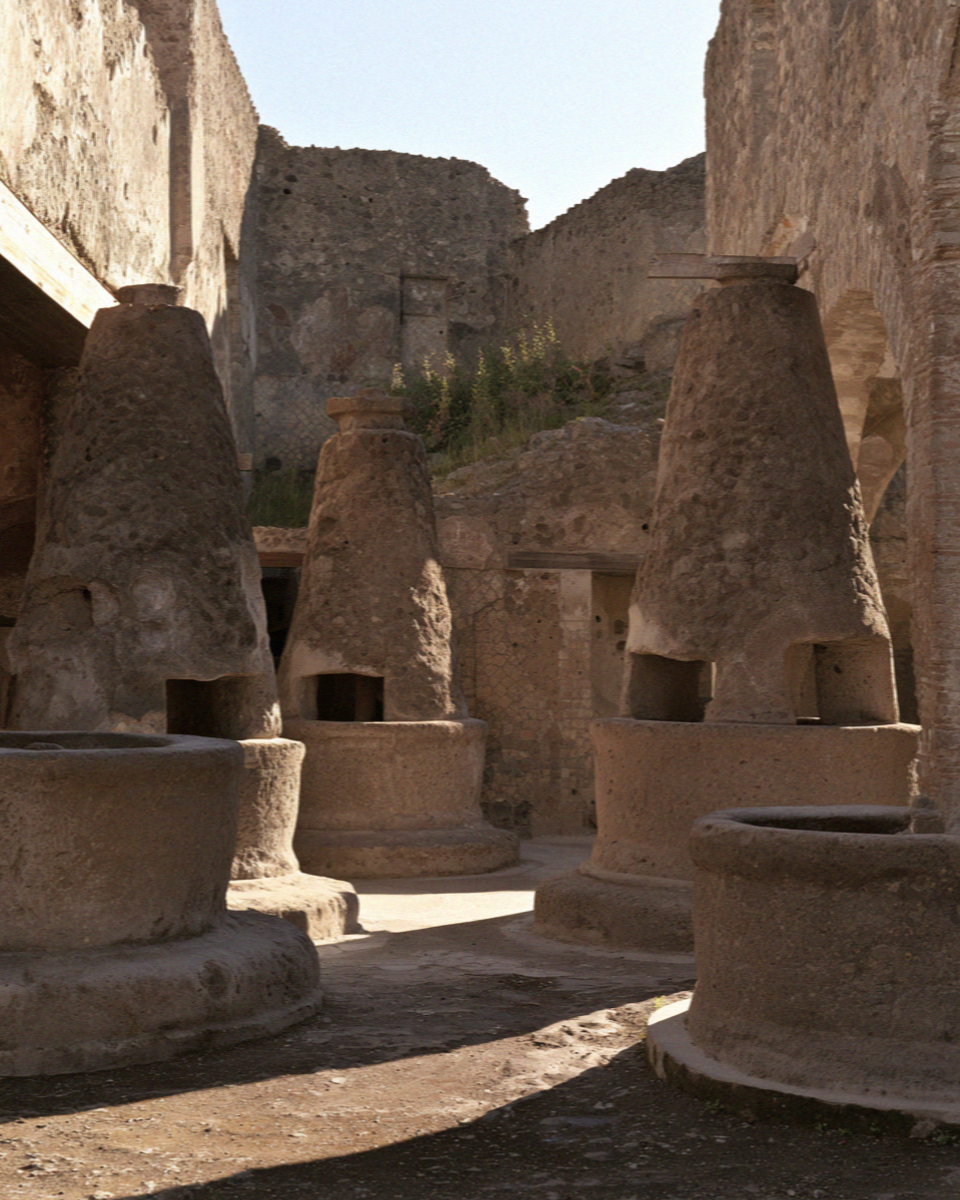
The thermopolia, the fast-food counters built into the street facade, have large terracotta jars set into stone counters. Hot food was kept in them. Some have painted panels on the counter front depicting what was on offer. They look less different from a modern café counter than one might expect.
The House of the Faun
The largest private house in Pompeii occupies an entire city block. It takes its name from a small bronze statue of a dancing faun found in the impluvium, the central pool designed to catch rainwater from the open roof above. The original is now in the National Archaeological Museum in Naples; a reproduction stands in the house.
What distinguishes the House of the Faun is scale and proportion. Two atria. Two gardens. A peristyle court of Doric columns enclosing a garden space. The floors include some of the finest mosaic work in the Roman world, though the most extraordinary of these, a depiction of Alexander the Great’s victory over the Persians at Issus, is also now in Naples.
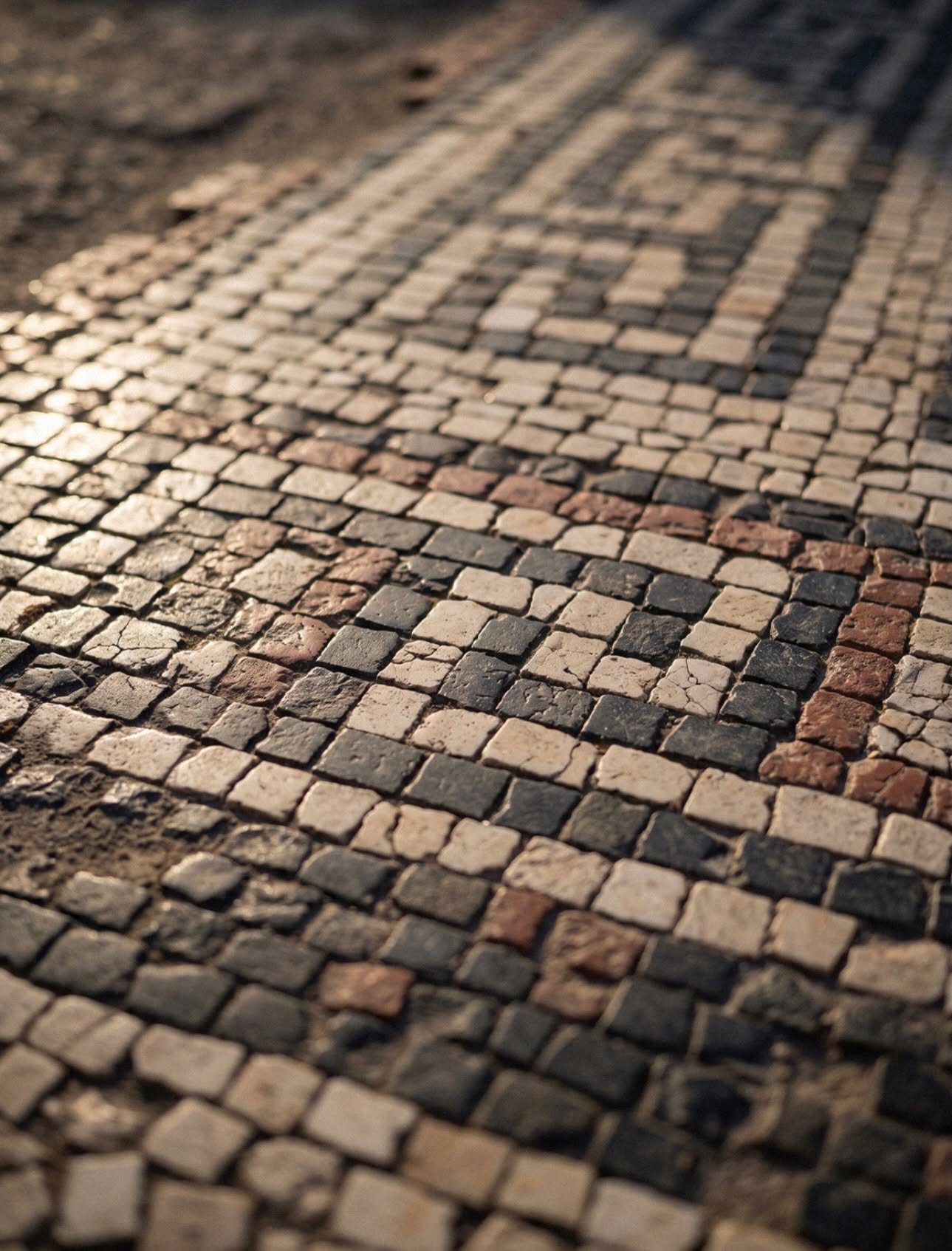
What remains is considerable. The floor mosaics still in situ include geometric borders and threshold designs of considerable quality. The domestic arrangement of rooms around the atrium conveys something of how a wealthy Roman family organized its private life.
The House of the Vettii
The House of the Vettii belonged to two brothers who had made their money in trade, freedmen who became wealthy enough to build one of the best-decorated houses in the city. It is known for its frescoes, which are among the most complete surviving examples of the Fourth Pompeian Style: elaborate painted architecture, mythological panels, and friezes of cupids engaged in various trades.
There is a cupid frieze in which small winged figures conduct a goldsmith’s workshop, race chariots, press grapes, and carry out what appears to be a chemistry experiment. They are painted with a detail and specificity that suggests the painter was working from something observed rather than invented. I stood in front of them for a long time.
The House of the Tragic Poet
Smaller than the great houses, and famous for a single threshold mosaic: a dog on a chain, with the words Cave Canem beneath it. Beware of the dog. It is one of the most reproduced images to come out of Pompeii.
The house takes its name from a mosaic, now in Naples, depicting a theatrical rehearsal. The threshold dog is a reproduction; the original is also in Naples. But the effect of standing at the entrance of a house and reading that warning, in a city where dogs still existed and chains were practical rather than decorative, is not diminished by knowing this.
The Baths
Pompeii had three major bath complexes. The Forum Baths, near the Forum, are the most ornate and the best preserved.
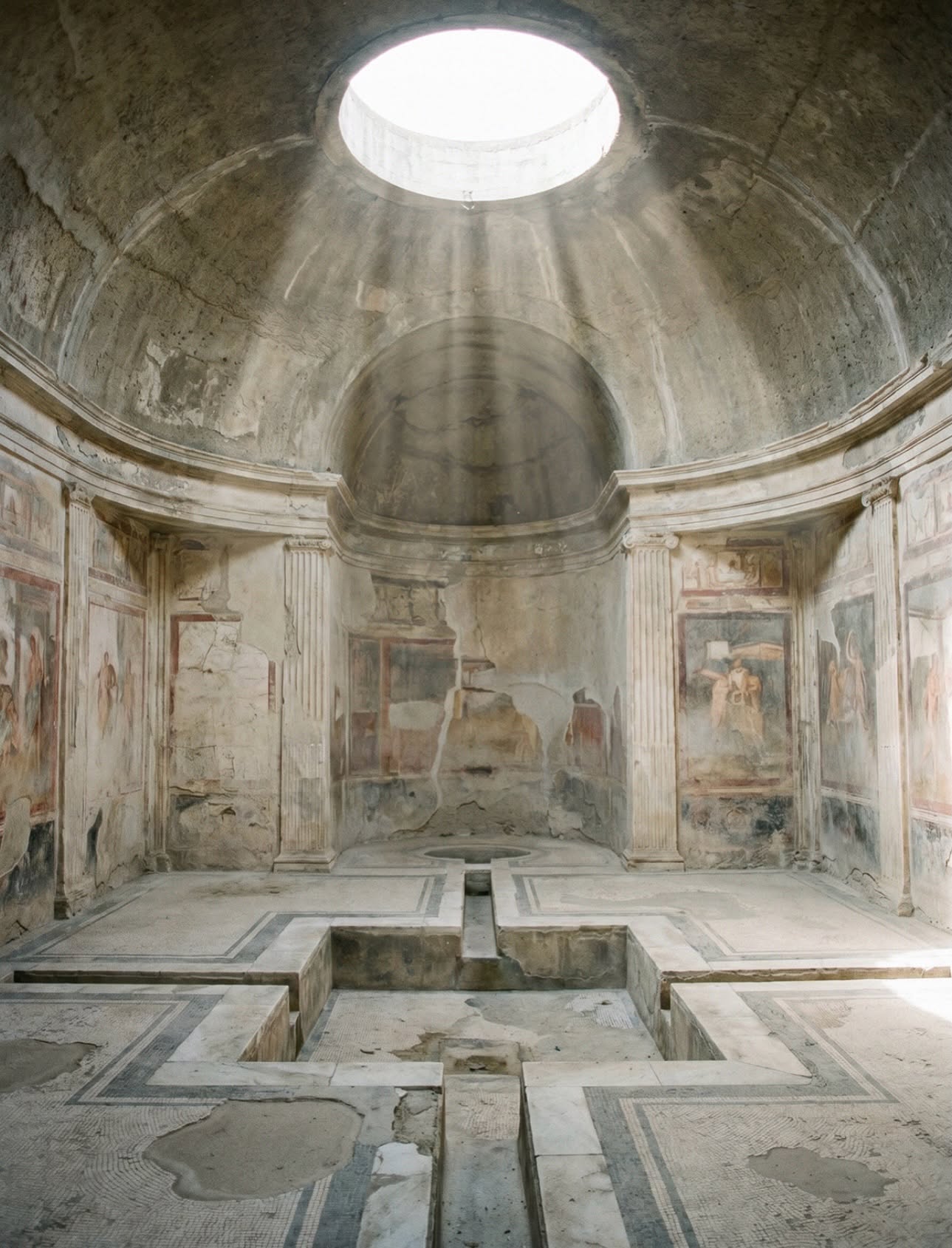
The rooms progress through temperatures: frigidarium, tepidarium, calidarium. Cold, warm, hot. The vaulted ceilings carry stucco relief work of considerable refinement. In the tepidarium, terracotta figures support a shelf that runs around the room at shoulder height.
The light in the baths comes from high windows and creates a quality of interior shadow that no photograph I have seen has entirely captured. Golden, diffused, the kind that makes you want to be still. I stood in the tepidarium for a while doing nothing. This is allowed.
The Amphitheatre
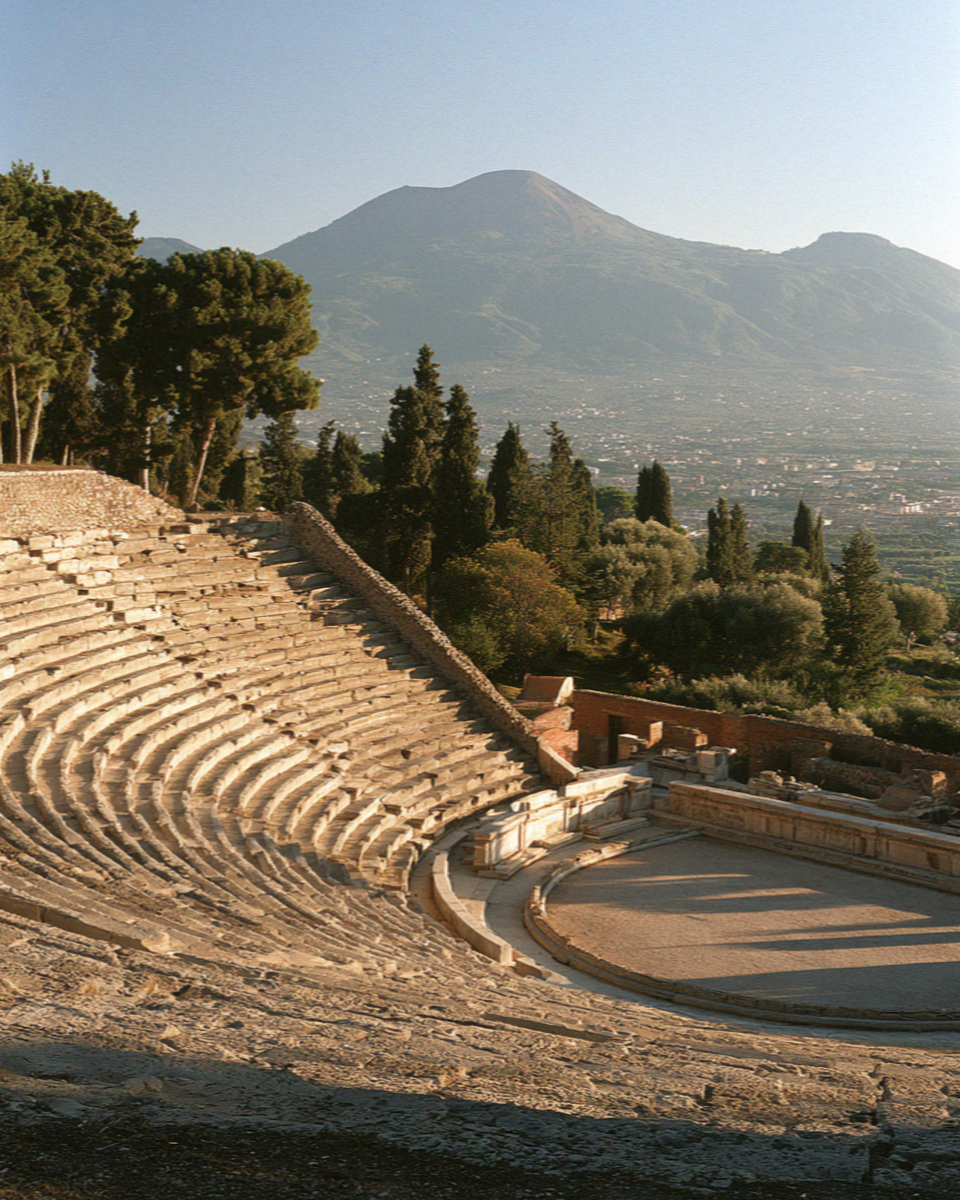
Built around 70 BCE, the amphitheatre at Pompeii is one of the oldest surviving stone amphitheatres in the Roman world. It held up to twenty thousand spectators, a number that may have exceeded the city’s own population, since games drew visitors from surrounding towns.
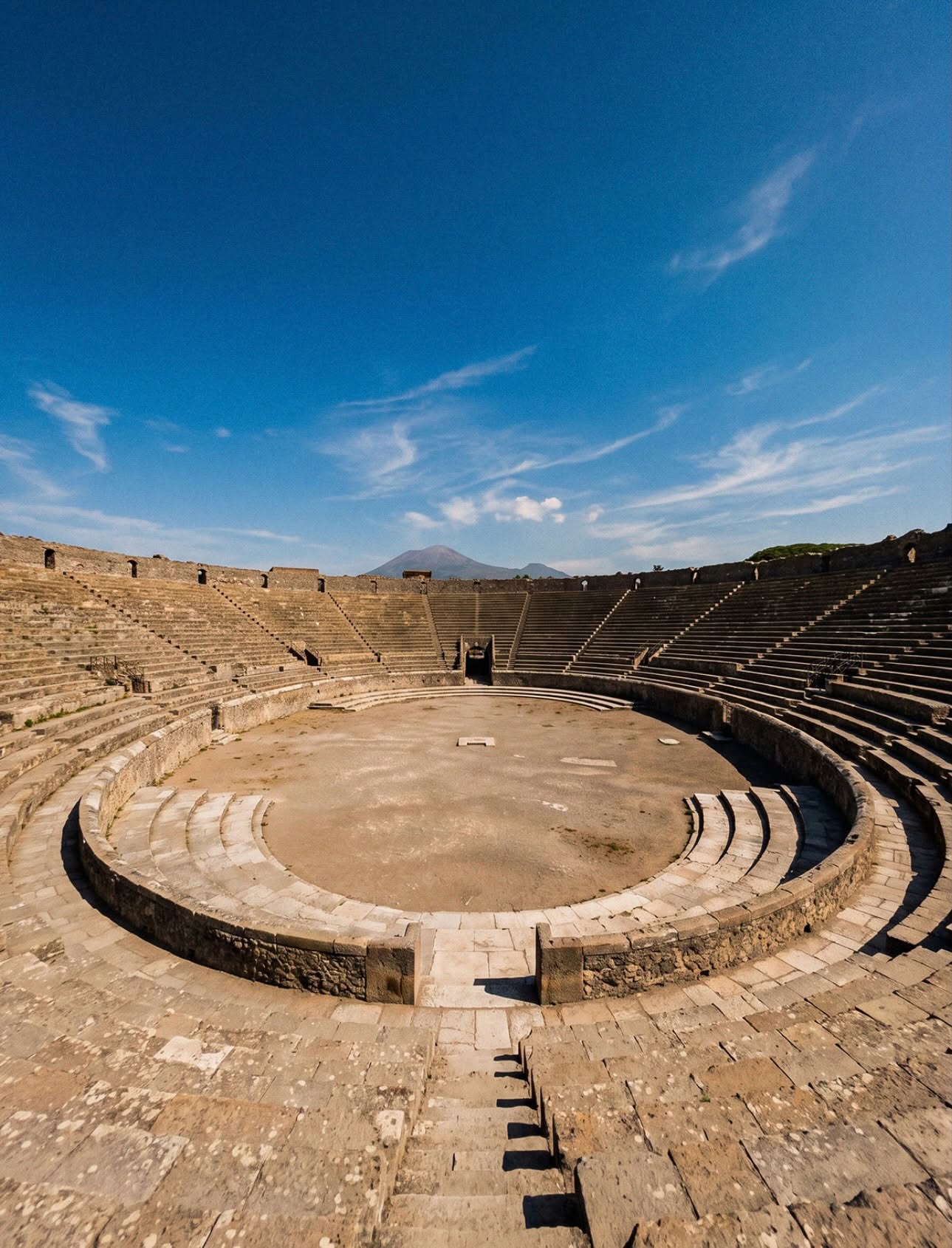
The arena floor is earth and grass. The stone seating tiers are largely intact. Standing on the floor of it, looking up at the rim against the sky, produces a specific quality of silence. The size of the thing. The permanence of it. The knowledge that twenty thousand people once filled those seats and made a noise you can no longer hear.
Pink Floyd played a concert here in 1971, to an empty house. This is the kind of fact that arrives in the mind and does not leave.
The Garden of the Fugitives
Near the Nocera Gate, toward the southeastern edge of the site, is the Garden of the Fugitives.
In 1961, excavators found hollow cavities in the volcanic material. They had found these before: plaster, poured in, revealed the forms of the people who had been there. In this vineyard, thirteen of them. Adults, children. They had been above the layer of pumice that had already accumulated, which meant they had survived the initial eruption. They were killed by the pyroclastic flow.
The casts are still here, in situ, in a vineyard where the vines have grown back. Some are curled. Some have their hands near their faces. One rises up on his hands.
There is a temptation, standing here, to reach for meaning. I did not find any that seemed adequate. I stood there for a while and then I walked away, which is the only thing one can do.
You may feel something here that the rest of the site does not prepare you for. The Forum is grand and the houses are beautiful and the baths are instructive and well-labelled. The Garden of the Fugitives is something else.
The Villa of the Mysteries
A short shuttle ride from the main entrance brings you to the Villa of the Mysteries, which sits outside the ancient city walls on the road toward Herculaneum. It requires the Pompeii Plus ticket. It is worth the separate trip.
The villa is known for a single room: a large chamber whose walls are covered, on three sides, by a painted frieze running the full height of the room. The scene depicted is a ritual. A woman appears to be undergoing initiation into one of the mystery cults of the ancient world, possibly the cult of Dionysus. The figures are life-size. They move through a sequence of scenes: preparation, ritual, fear, revelation, celebration.
The Pompeian red of the background is so saturated it seems to vibrate. The figures against it are painted with a naturalism that is unexpected, even shocking, given their age. The woman who covers her face with her robe. The older woman who watches. The winged figure who raises her hand.
The frieze has been interpreted many ways and definitively understood by no one. This is part of what makes it worth standing in front of for a long time.
Vesuvius
Vesuvius is visible from almost everywhere in Pompeii. You will find yourself returning to it all day, as if checking to see whether it has changed.
You cannot buy a crater ticket at the crater. Access to the rim is by pre-booked timed slot only, sold online in advance, and there is no ticket office on the mountain. People drive up on a whim in July and get as far as the car park. The booking, the walk and how to fold it into a Pompeii day are in climbing Vesuvius.
It last erupted in 1944. It is classified as a dormant volcano. The current scientific assessment is that it will erupt again, though the timing is unknown. Approximately three million people live within its zone of influence.
There is a national park on the slopes and a marked trail to the crater rim. The walk from the car park takes about thirty minutes. The view from the rim encompasses the bay, Naples, Sorrento, and, on a clear day, the Amalfi Coast to the south. The crater itself is a grey bowl of sulphurous rock.

If you visit Pompeii, the mountain will be present throughout. It does not require a separate excursion. But if you have never stood on the rim of a volcano and looked down into it, the drive up is worth the hour.
Where to Eat
There is not much to recommend immediately adjacent to the archaeological site. The town that has grown up around it is more interesting than it looks though, and it is where the food improves once you walk five minutes inland, which I have written about in the town outside the gates.
Options improve considerably if you drive. From the Amalfi side, the coast road back south offers restaurants in Vietri sul Mare and Cetara that are worth stopping for. In Sorrento, thirty minutes north by train, the seafood is good, and the views of the bay are reliable.
If your day includes Naples, the pizza requires no further argument. L’Antica Pizzeria da Michele on Via Cesare Sersale has been making two kinds of pizza, margherita and marinara, since 1870. The queue is part of the experience. The pizza is worth the queue.
Photographing Pompeii
The light is best in the early morning and late afternoon. At midday, the sun is directly overhead, and the ruins lose their shadow and therefore their depth. Arriving when the gates open at nine gives you a quality of raking light that moves across the stone and makes the wheel ruts in the basalt visible in a way they are not at noon.
The Forum photographs well from the far end, looking back toward Vesuvius with the columns on either side. The thermopolium counter reads as a still life. The Forum Baths interior, shot toward the high windows, captures the particular golden quality of the light inside. The side streets in the quieter western part of the site offer unexpected compositions: a doorway framing nothing but sky, a wall covered in Pompeian red catching the afternoon sun.
The Garden of the Fugitives is difficult to photograph in any way that does justice to the experience of being there. I am not sure this is a problem the camera can solve.
What to Wear
Comfortable shoes, without exception. The basalt paving is beautiful and utterly indifferent to the soles of your feet. I wore sandals on my first visit and regretted it by noon.
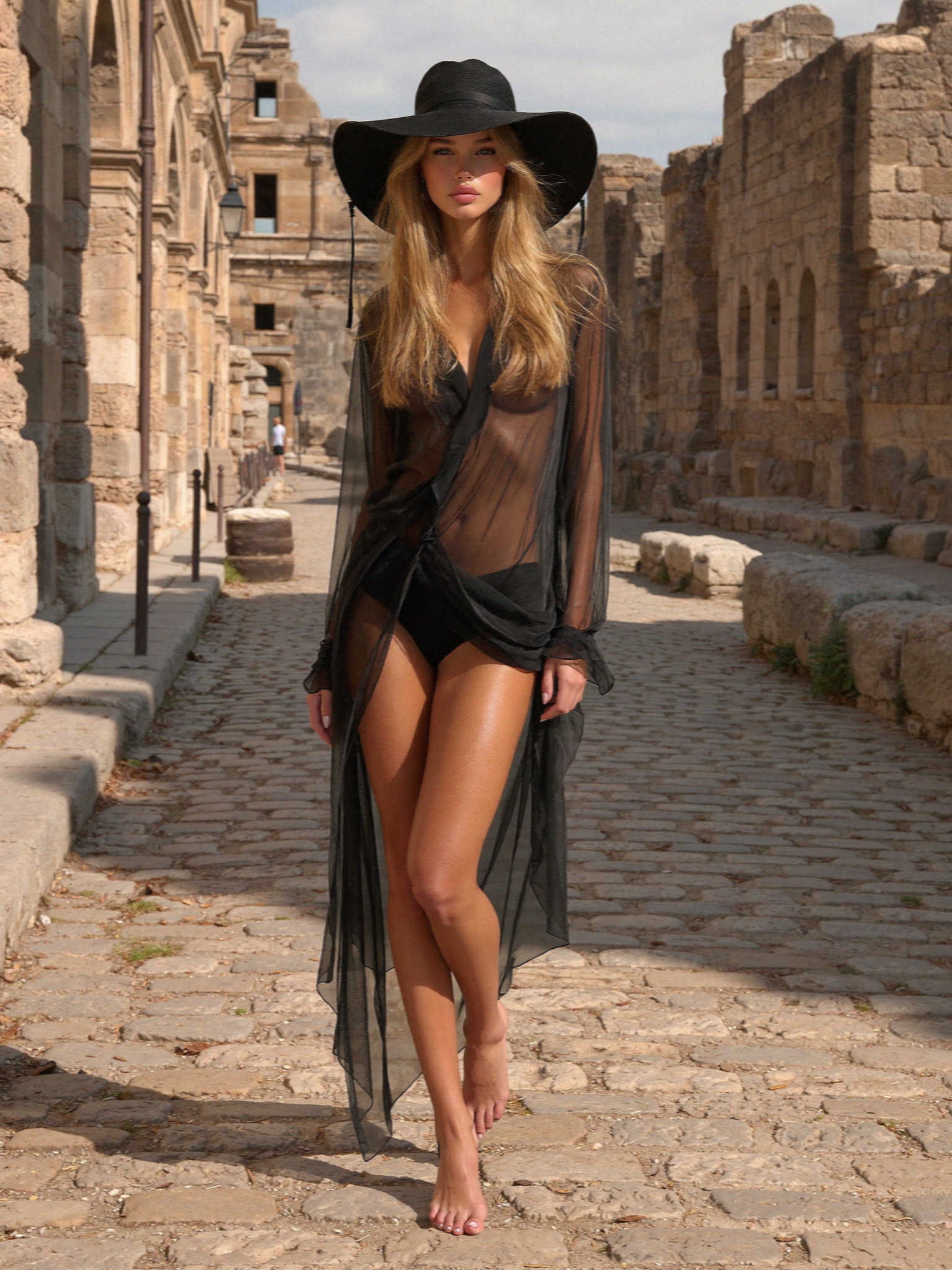
The site is almost entirely unshaded. A hat is not optional in summer. Linen, cotton, anything that breathes. The kind of clothes you would wear for a long walk in warm weather, which happen to look well in photographs. In spring or autumn, bring a light layer for the morning.
Where to Stay
Pompeii itself has hotels near the site, functional rather than inspiring. They serve the purpose if you want to arrive at opening time without a journey.
Sorrento is a more considered base, thirty minutes by train, with good hotels at various levels and a clifftop position above the bay. Grand Hotel Excelsior Vittoria is the historic choice, with gardens and bay views that have been described in print since Caruso stayed there in the early years of the last century.
Naples is the other option, forty minutes by rail, and a city worth staying in for its own reasons. The centro storico at night, the noise of it, the food, the particular quality of disorder that Italian cities of a certain size maintain: it rewards an overnight.
The Amalfi Coast works well as a base if your itinerary includes both the ruins and the southern coast. The drive from Ravello or Positano takes about an hour and a quarter; from Amalfi itself, slightly less. I made the trip from the coast and found it a natural combination. The contrast between the two, the serene blue of the Tyrrhenian in the morning and the strange suspended quiet of the ruins by afternoon, was not something I had anticipated.
Suggested Itineraries
A half day (three to four hours). Enter at Porta Marina. Walk to the Forum and take your time with it. Continue east on Via dell’Abbondanza, stopping at the thermopolium, the House of the Vettii, and the Lupanar. Continue to the Amphitheatre. Return via the Forum Baths. Leave by midday or by one, before the heat becomes a constraint.
A full day (six to seven hours). Begin as above. After the Amphitheatre, continue to the Garden of the Fugitives. Walk back via the Stabian Baths and the House of the Faun, which deserves more time than most people give it. Take the shuttle to the Villa of the Mysteries in the afternoon, when the crowds in the main site have thinned. Finish with a slow walk back through the Forum in the late afternoon light, when Vesuvius turns gold.
Two days in Naples. Spend day one at Pompeii as above. Take the Circumvesuviana to Naples in the evening. Spend the following morning at the National Archaeological Museum, which holds the finest objects removed from the site: the Alexander mosaic, the bronze statues from the Villa of the Papyri at Herculaneum, and the secret cabinet with the material that was considered too explicit for general display until 2000. Eat pizza before you leave.
The Other Town
Fifteen minutes back up the same railway line there is a second Roman town, and it is the one almost nobody gets to. Pompeii was crushed under what fell on it. Herculaneum was sealed by something hotter and faster that carbonised wood instead of burning it, so it kept its roof beams, its wooden shop shelving and its upper floors. It is smaller, quieter and stranger, sunk twenty metres below an ordinary modern street.
If you are deciding between the two, or fitting both into the same trip, I have set them side by side in Pompeii or Herculaneum. Everything about visiting the smaller one is in the complete guide to Herculaneum.
A Last Thought
I have been to many ancient places. Greece, Turkey, and the south of France. They have their quality of age, their atmosphere of duration. But Pompeii is different in a way I have found difficult to explain to people who have not been there.
The other sites are ruins in the proper sense. They are what remains after centuries of exposure, change, and deliberate removal of stone for other buildings. Pompeii is not that. Pompeii was buried and uncovered, and now it continues. The city did not decay. It was interrupted.
There is a street in the quieter western part of the site that was empty in the afternoon when I walked it. No tour groups, no voices. The light came from the west at a low angle. The stones of the road cast shadows into the wheel ruts. A house on the left had a room with painted walls, the plaster cracked in places but the colours still present.
I stood there for a while. Not photographing anything. Just standing.
Later, I would finish a journal entry about this place to remind me of what I learned.
The afternoon light, the silence, the particular quality of being in a place that has refused to become past. It resists the grammar of the past tense. Even now, writing this, I find myself reaching for the present.
Somewhere you are reading this and deciding whether to go. Go.
It will change the scale of things.
V.
More images of Pompeii here:
More images from Pompeii

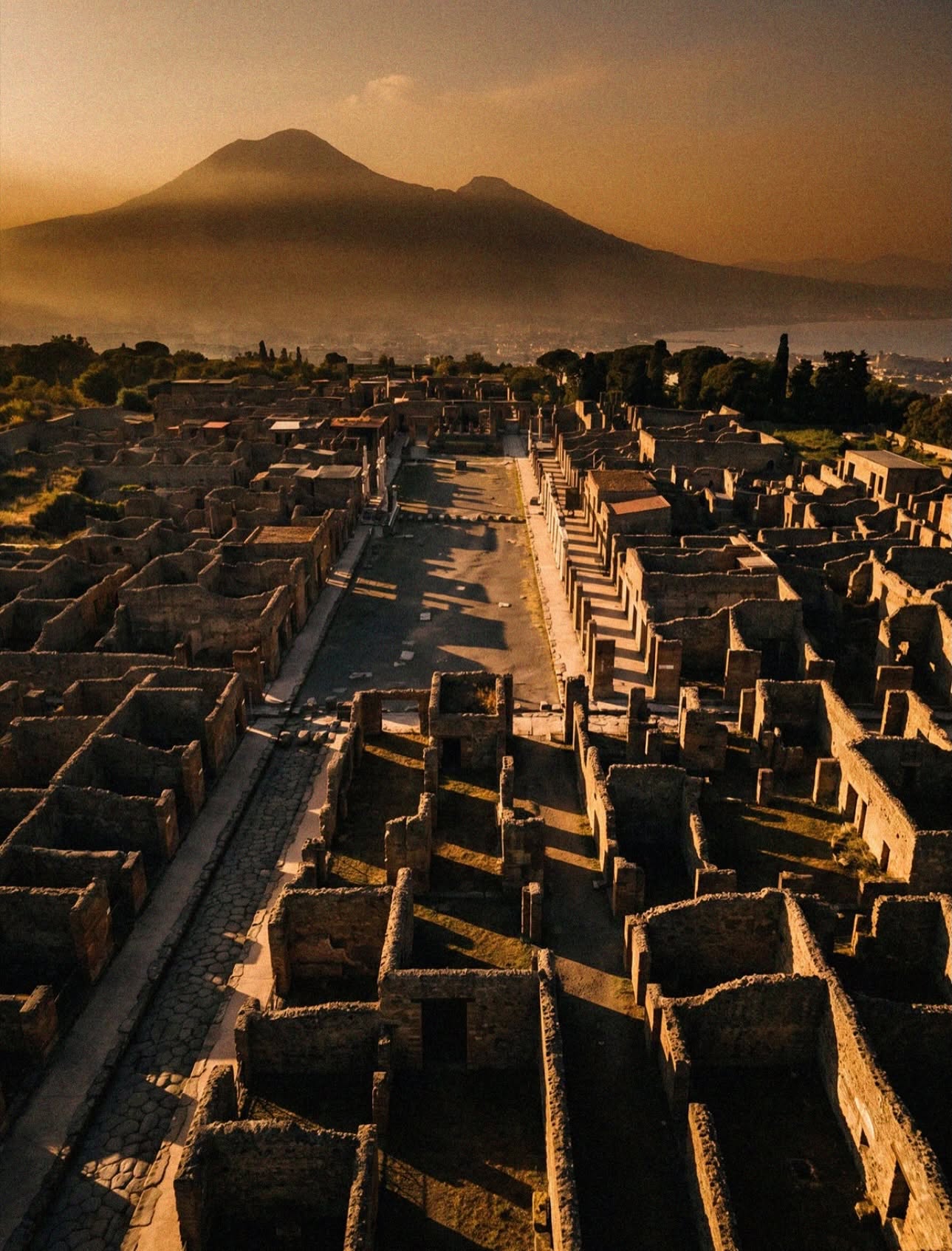






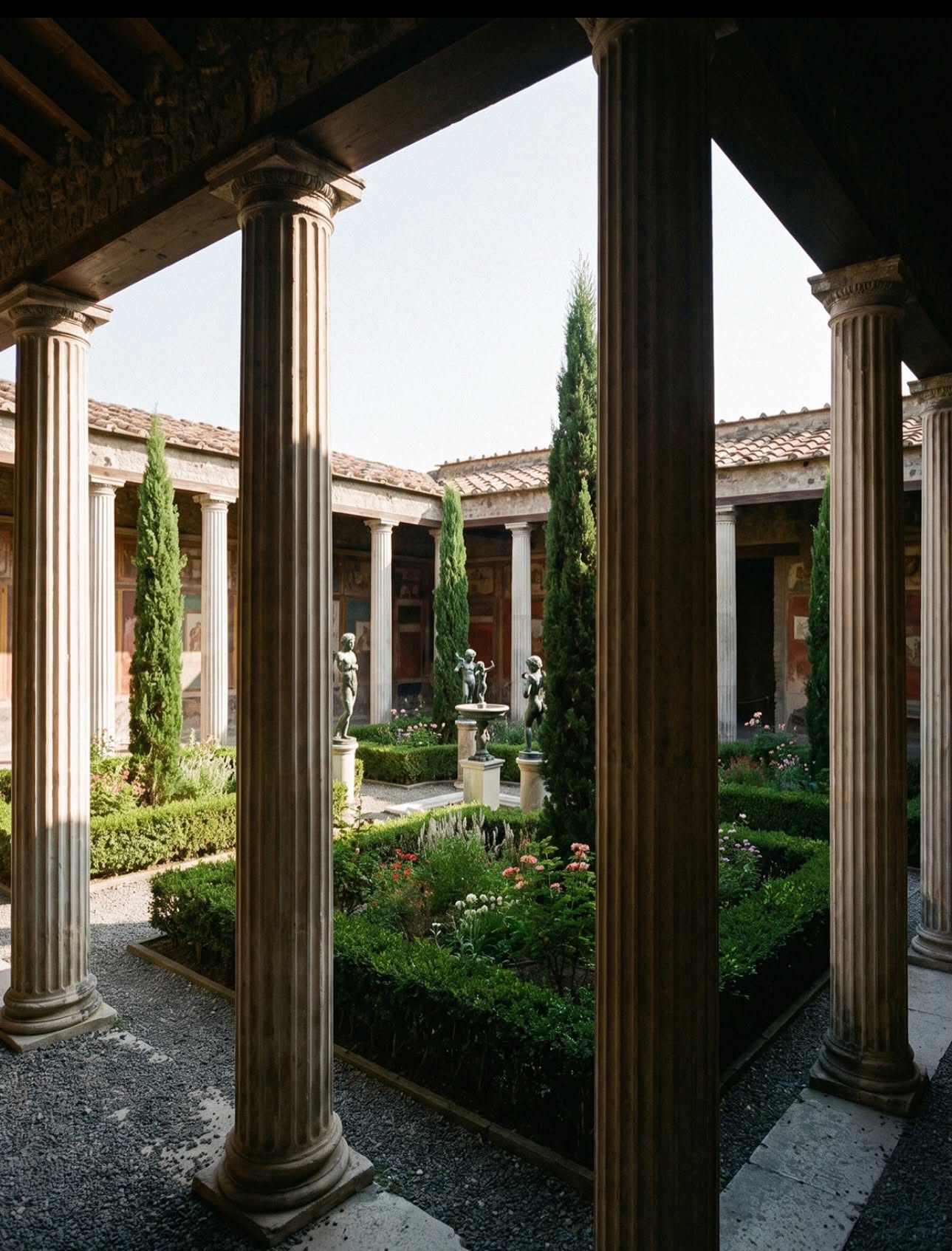

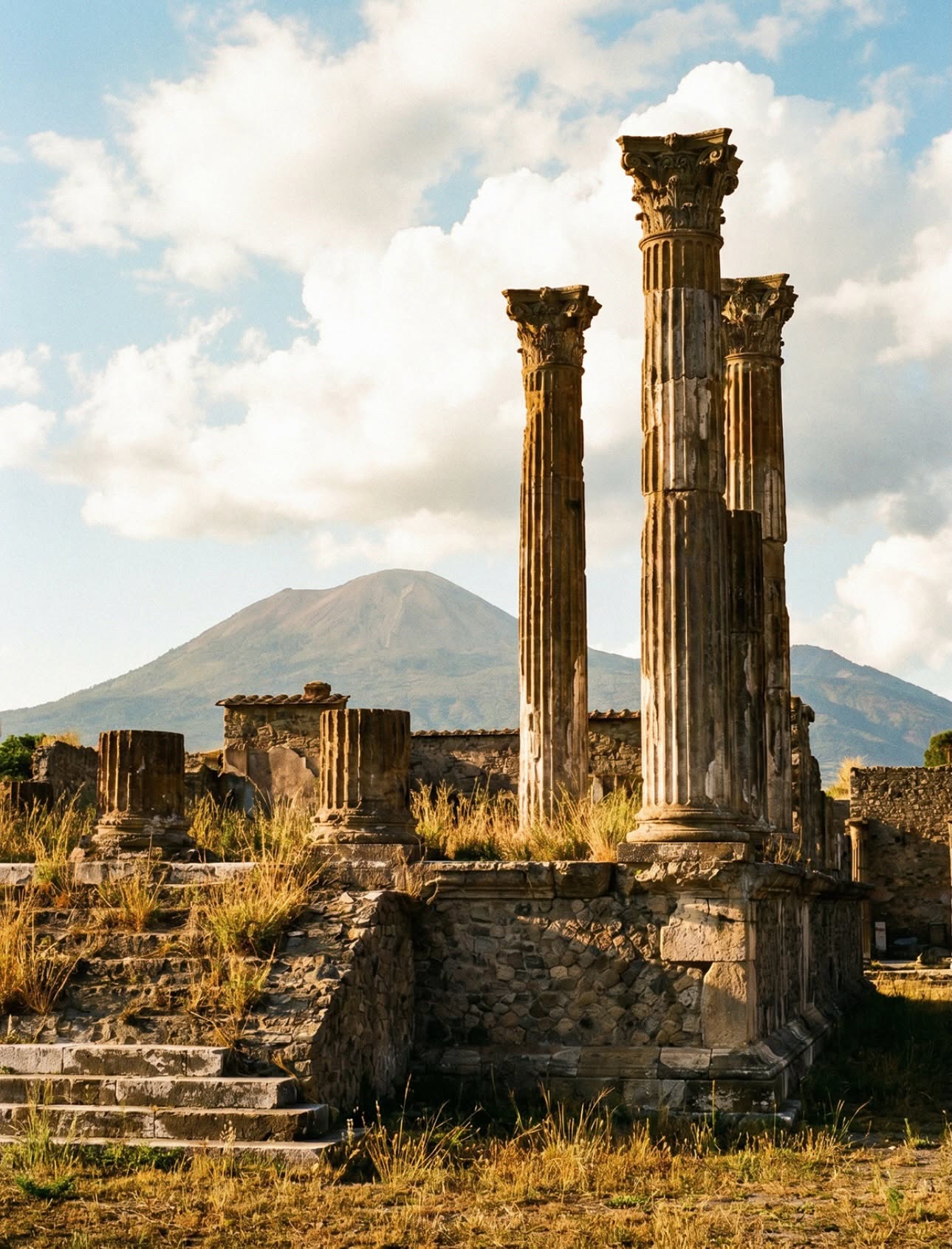

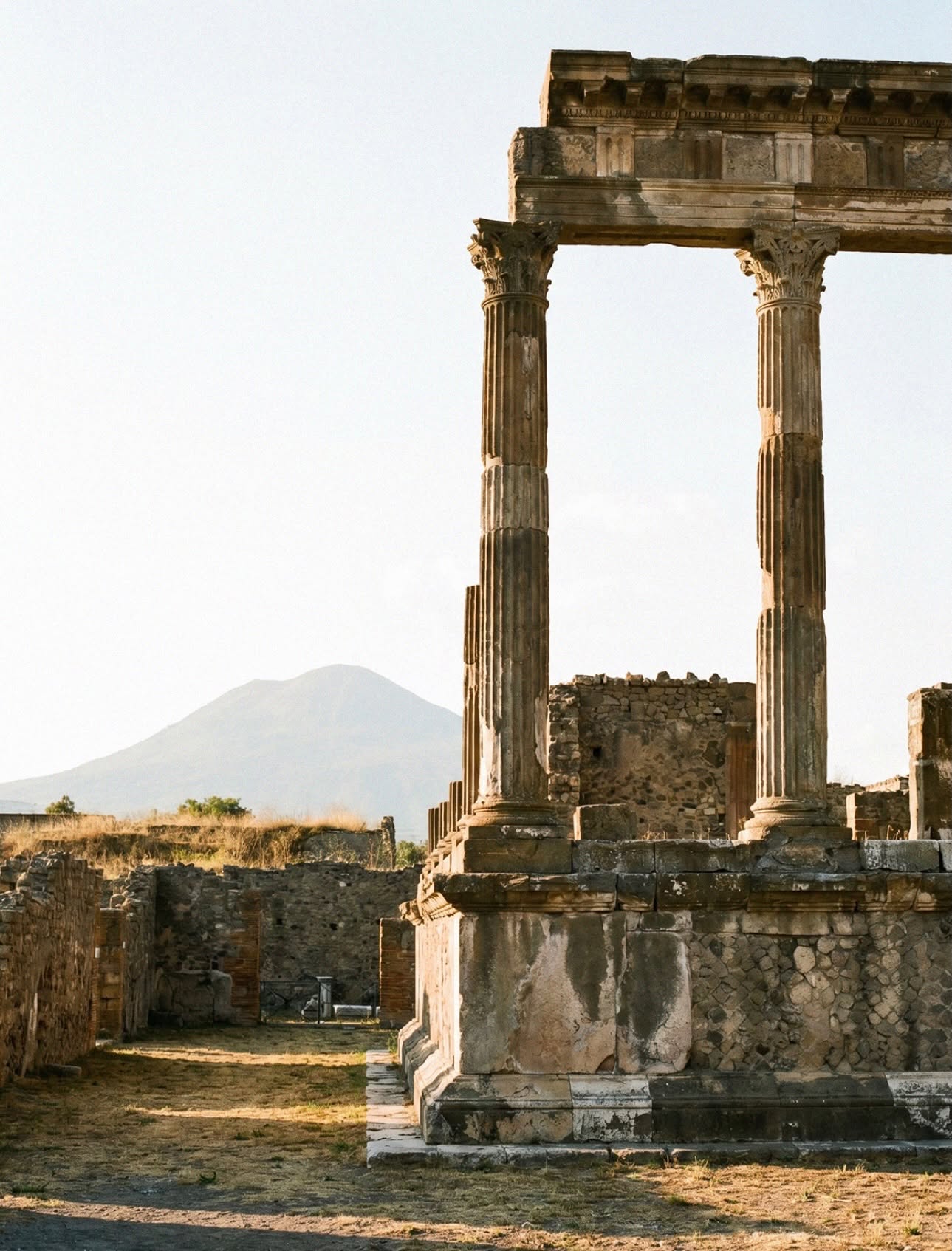



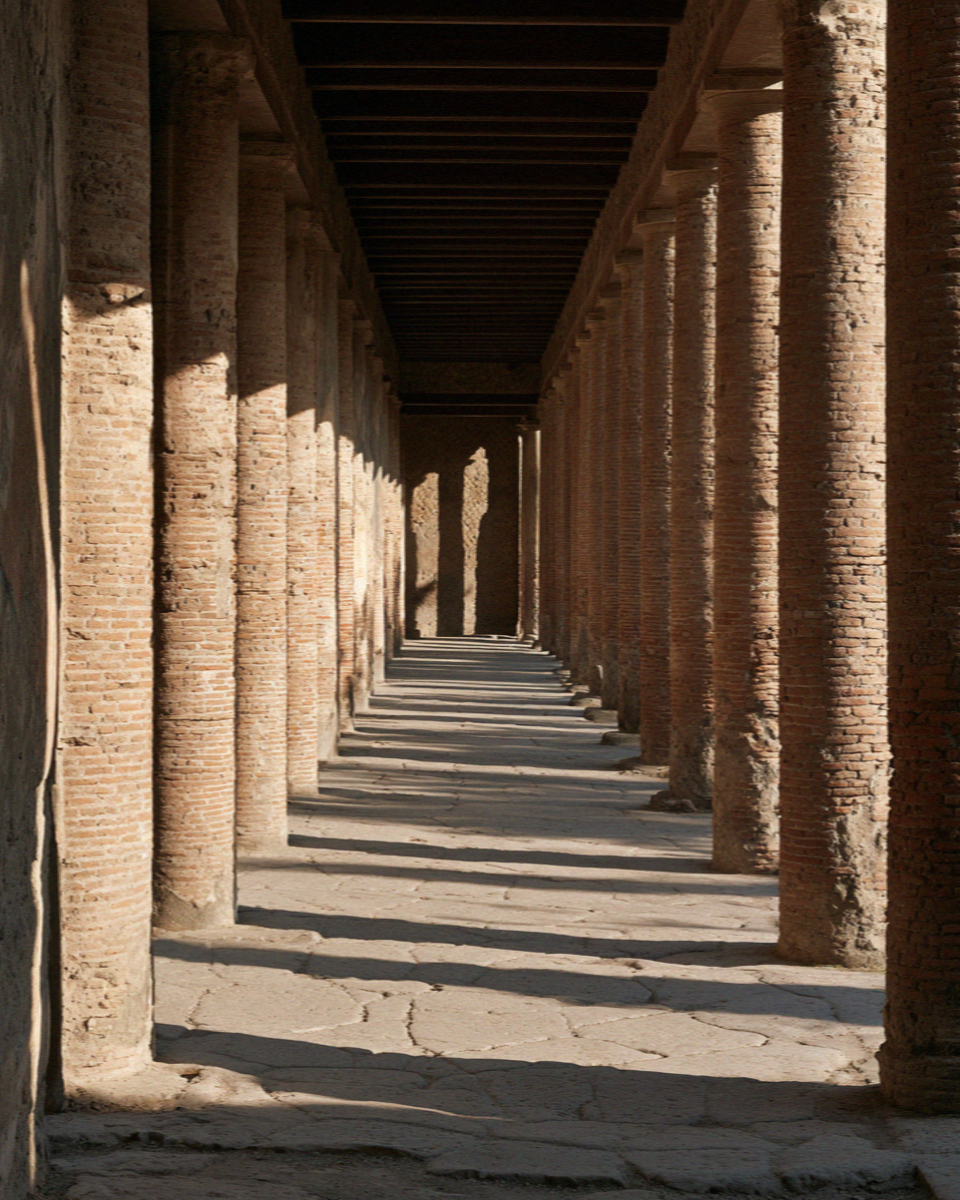

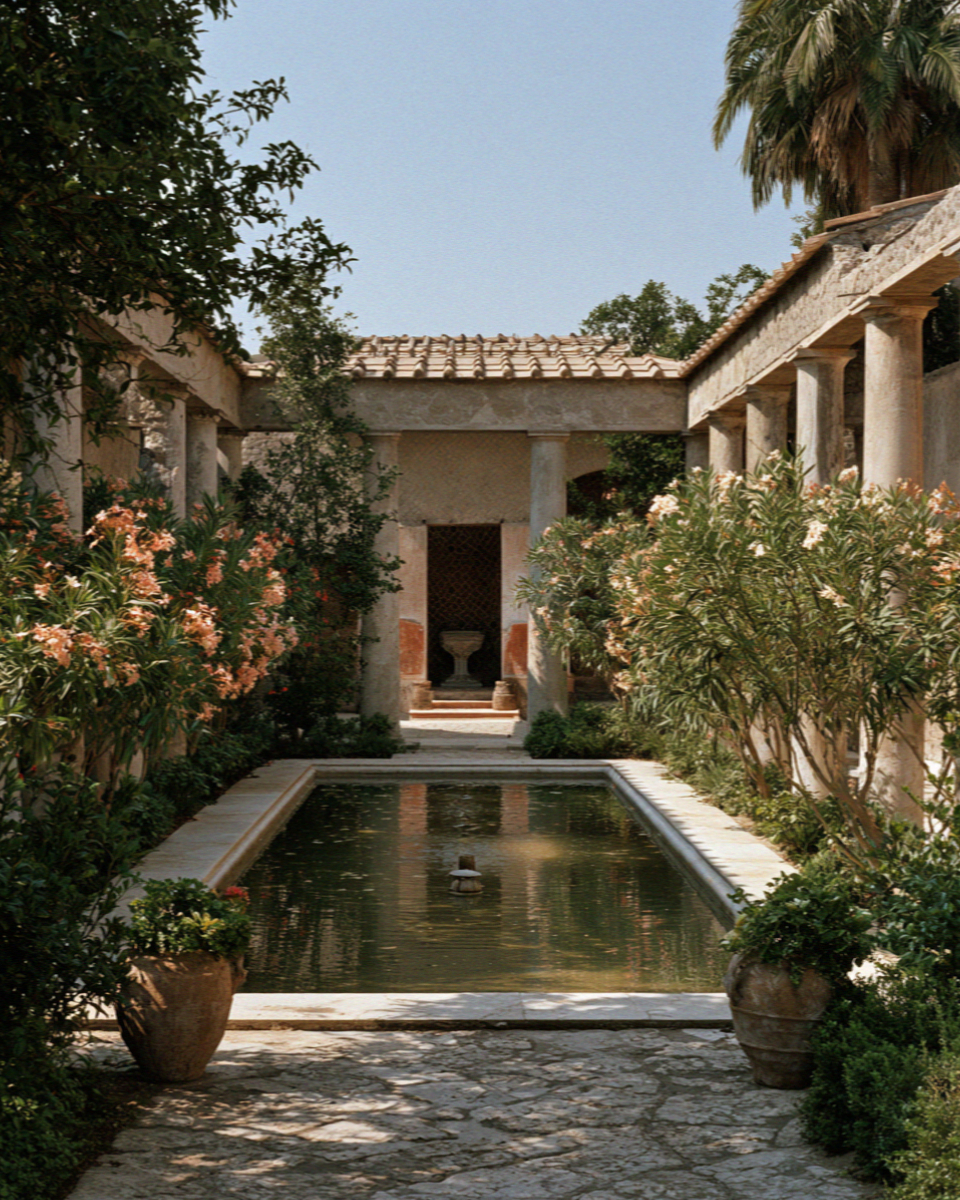

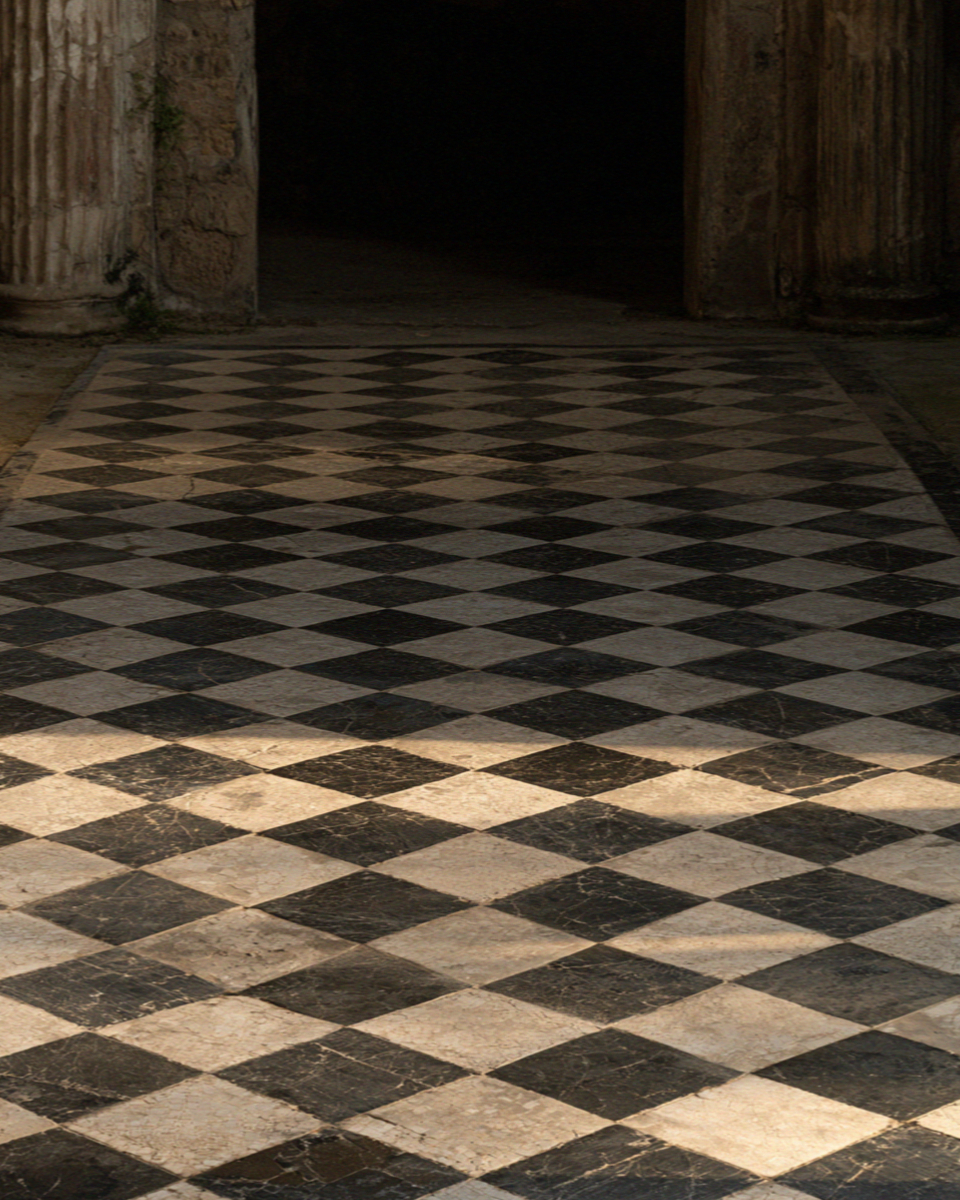

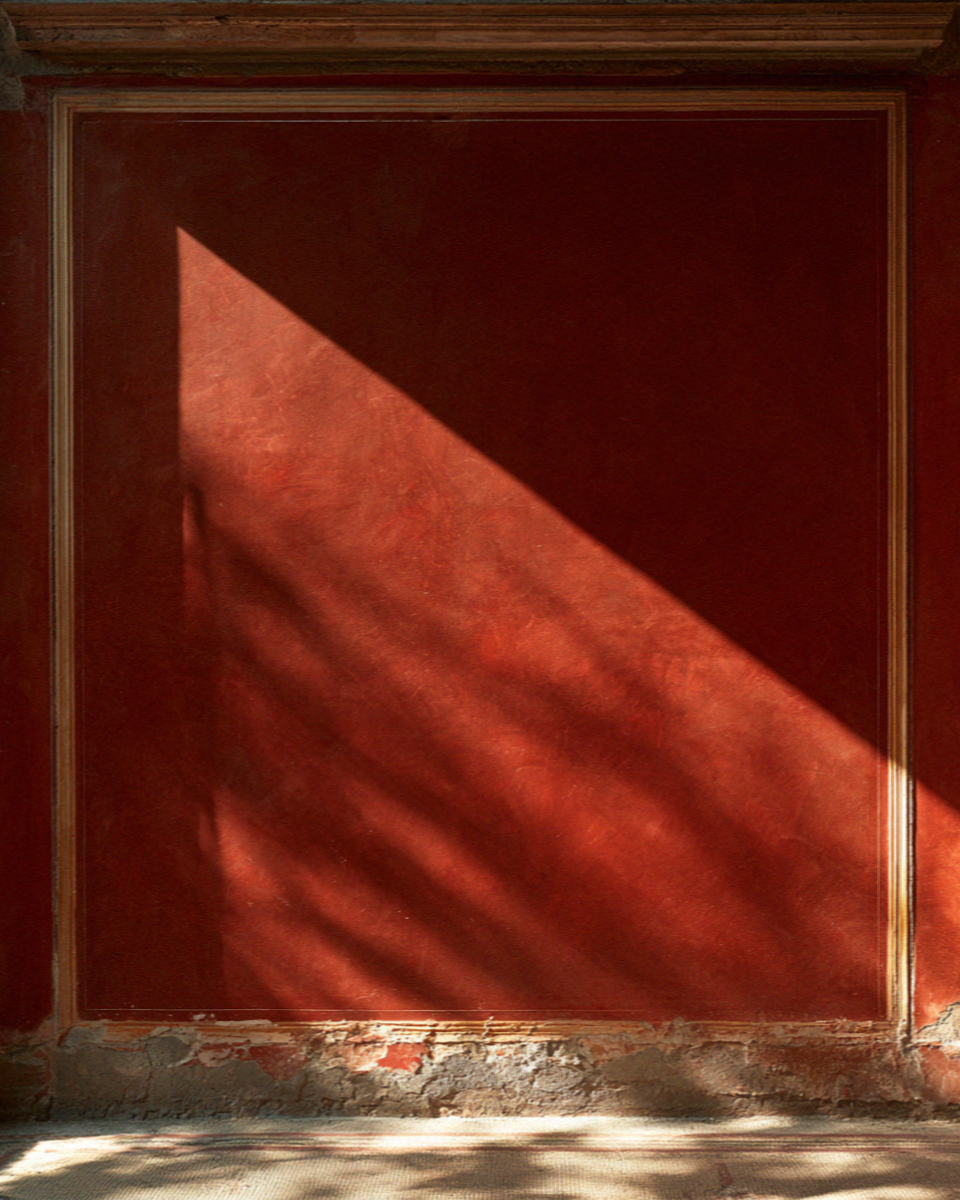



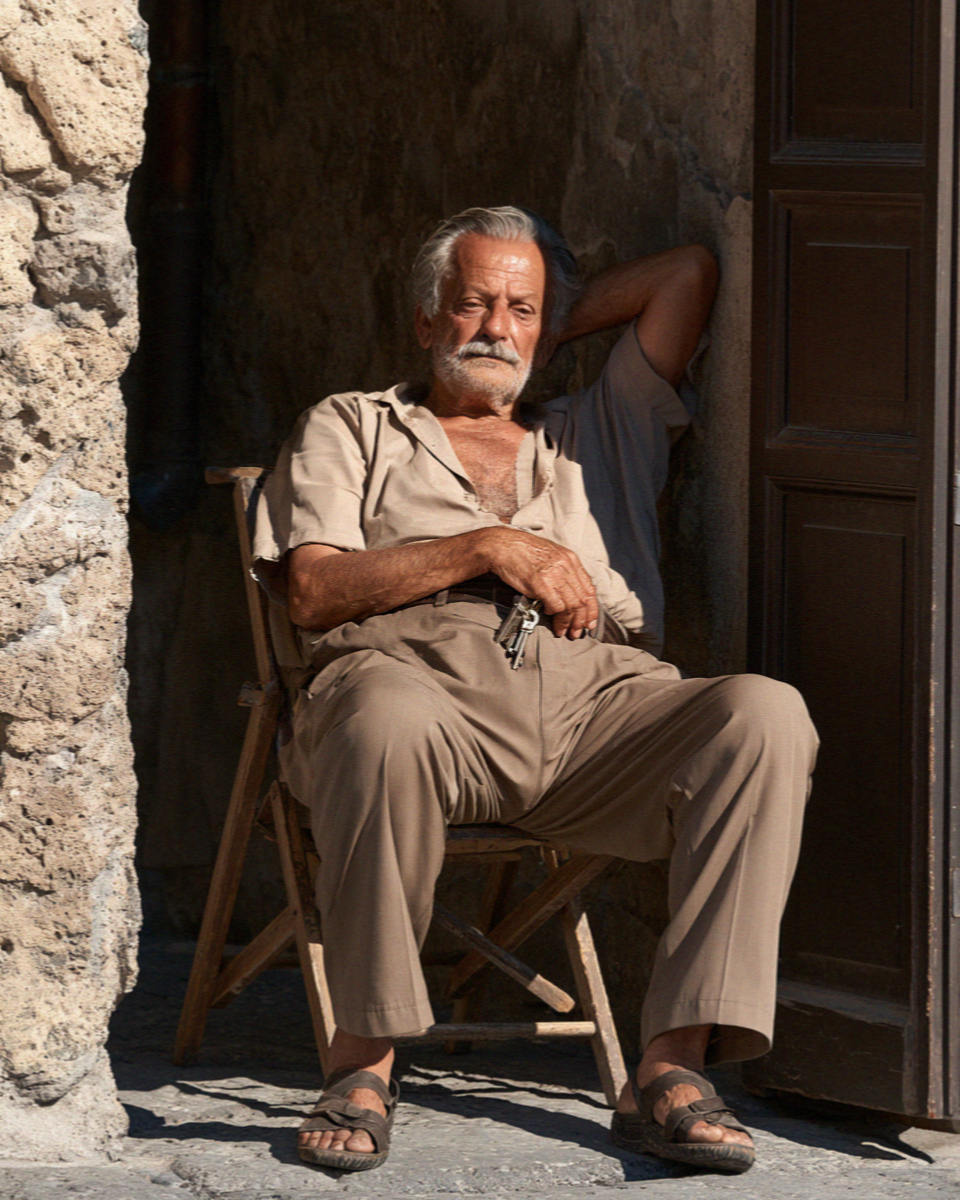
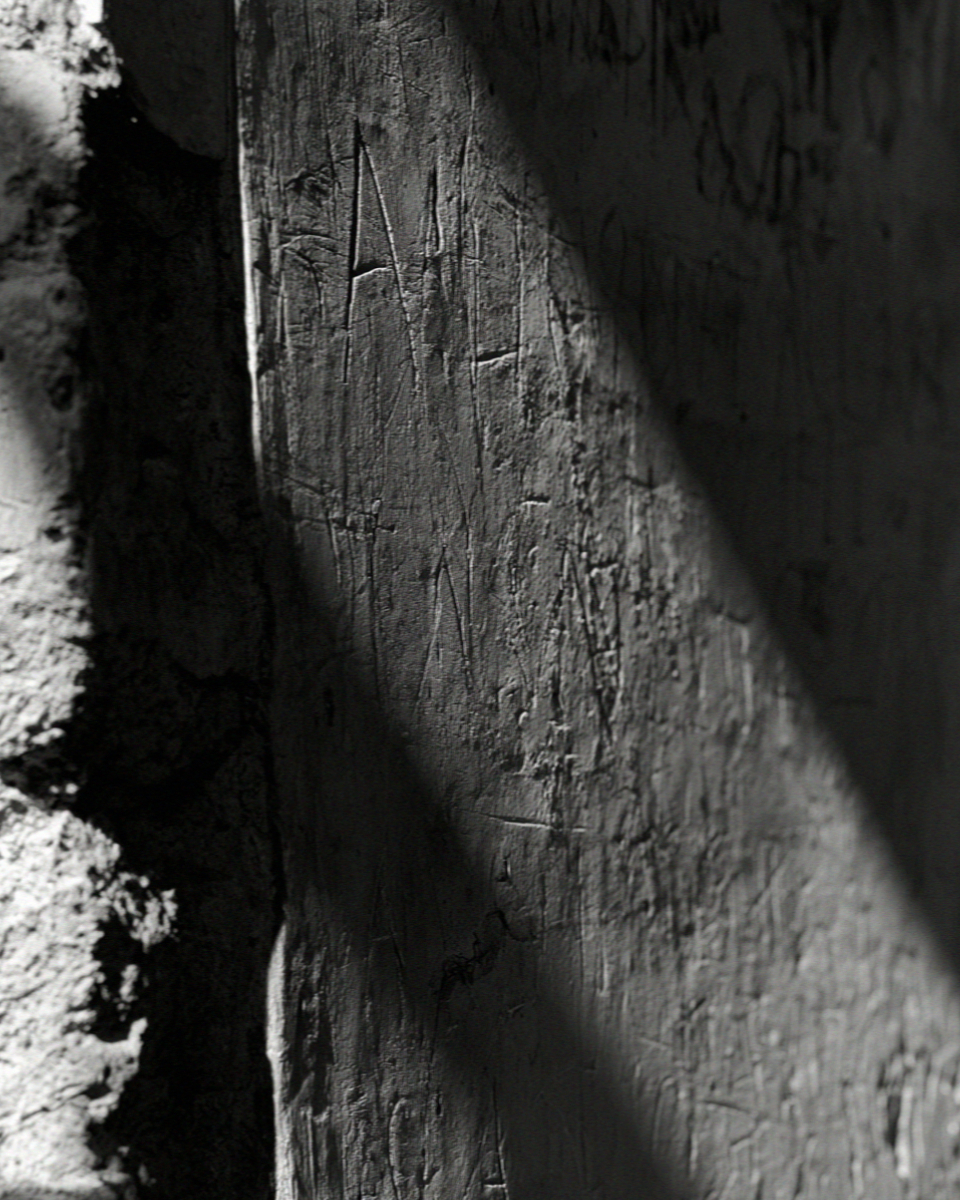
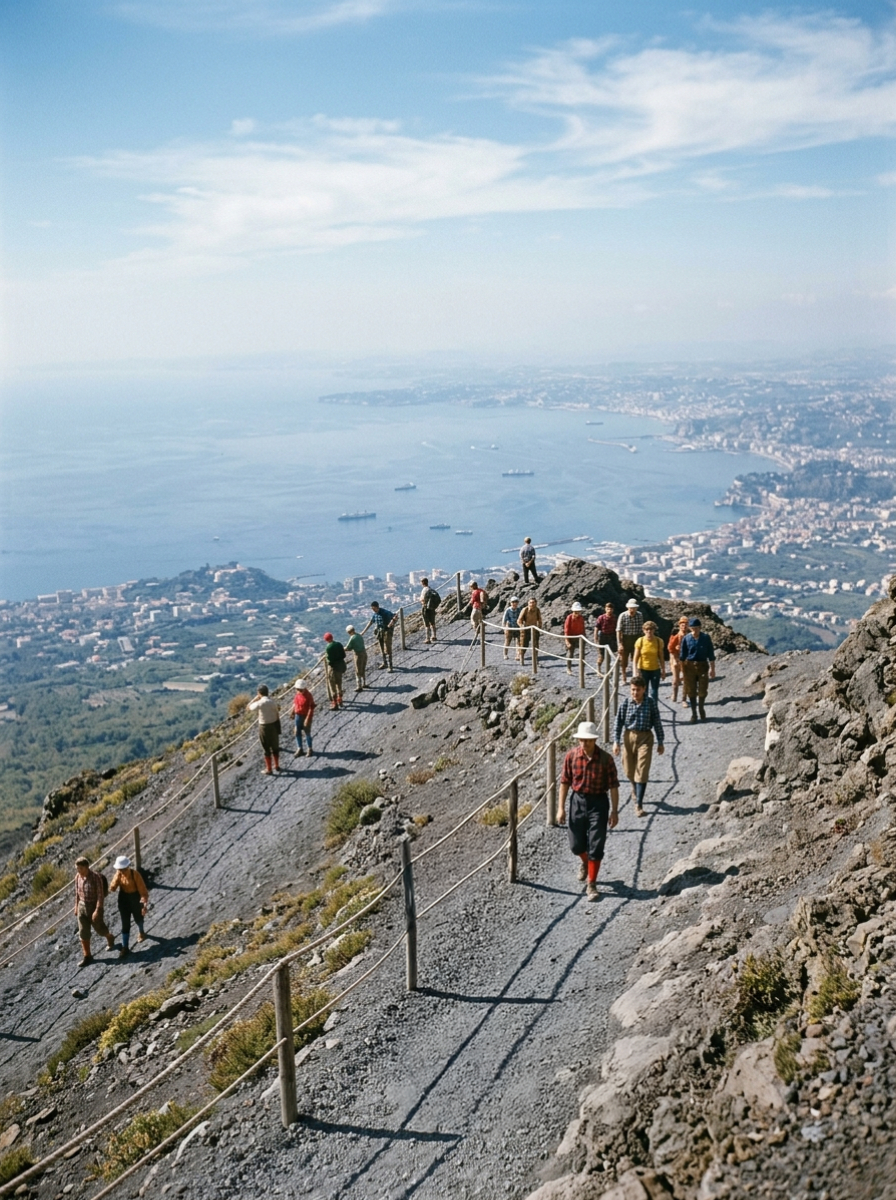
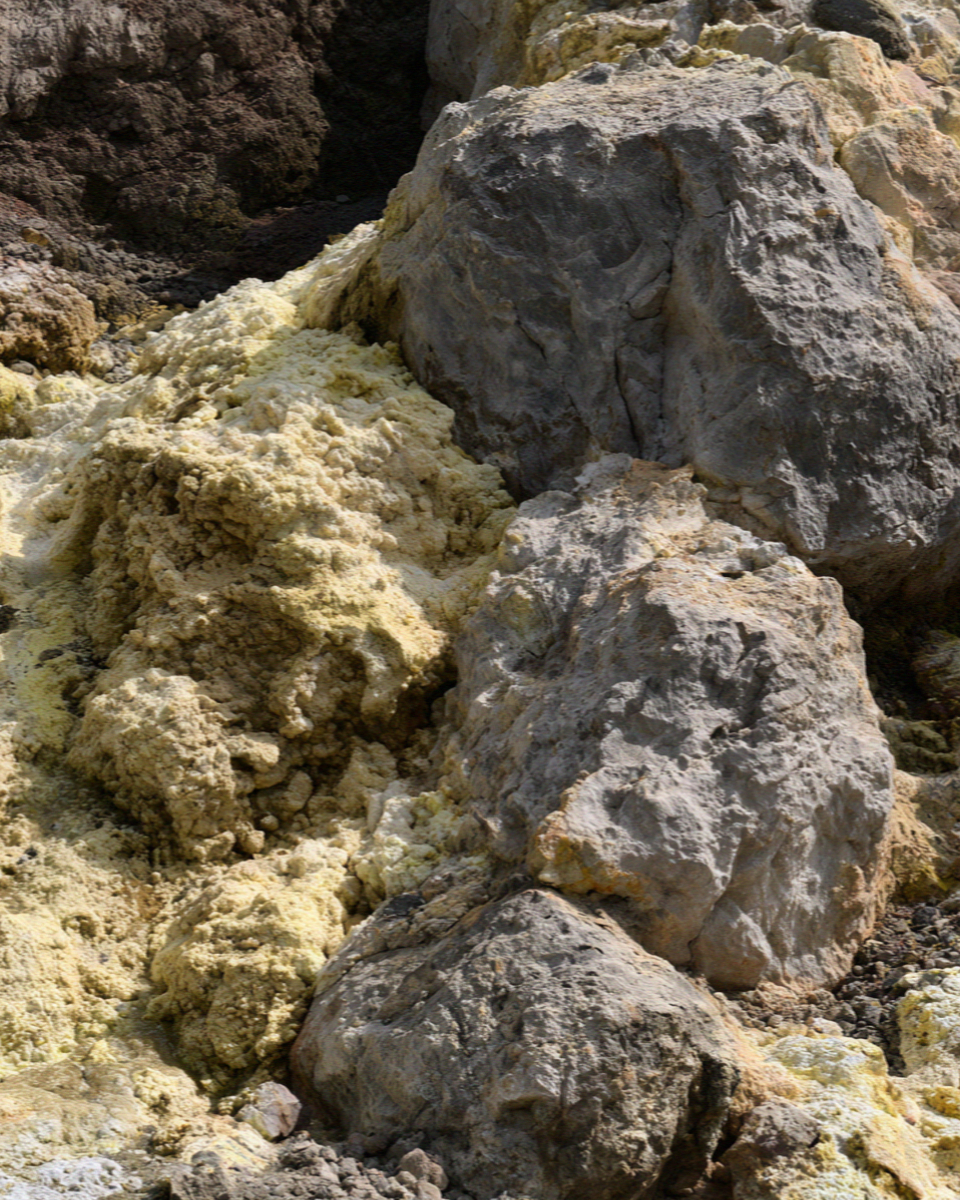
Pompeii is located in the province of Naples, Campania, approximately 23 kilometres southeast of the city. The Parco Archeologico di Pompei is open year-round; visit pompeiisites.org for current hours, ticket pricing, and information on which buildings are accessible during your visit. Book tickets in advance in the summer. The Circumvesuviana railway connects Naples Centrale and Sorrento to the Pompei Scavi station at the main entrance.
Your Pompeii Guides
Everything here in detail, guide by guide.
- How to Visit Pompeii: Tickets, Entrances and Skipping the Queue
- How Long Do You Need in Pompeii?
- The Pompeii Day Trip: From Naples, Sorrento, Rome and the Amalfi Coast
- Pompeii With a Guide or On Your Own?
- Pompeii With Kids, and Pompeii in the Heat
- Pompeii or Herculaneum: Which Should You Visit?
- Herculaneum: The Complete Guide
- Climbing Vesuvius, and How to Combine It With Pompeii
- Modern Pompei: The Town Outside the Gates
Pompeii Diaries
Frequently Asked Questions
How long do you need at Pompeii?
Three to four hours covers the main sites without rushing. Five to six lets you go slower, detour, and sit somewhere for a while without the feeling that you have missed something. Give it a full day if you want to walk every street, see the Villa of the Mysteries and look properly at Vesuvius before you leave.
When is the best time of year to visit Pompeii?
Spring and early autumn. The light is better for photographs and the heat is manageable. June through August brings crowds and temperatures that make the unshaded interior streets genuinely uncomfortable by the middle of the day. November through February is much quieter and the ruins are atmospheric in grey light, though the shorter opening hours limit how much ground you can cover.
How do you get to Pompeii from Naples, Sorrento or the Amalfi Coast?
The Circumvesuviana railway is the simplest route from either city. From Napoli Centrale, in the direction of Sorrento, it takes about forty minutes. From Sorrento in the opposite direction it takes about thirty. Either way the Pompei Scavi stop puts you at the main entrance at Porta Marina. From the Amalfi Coast the drive up through Salerno takes roughly an hour depending on traffic, and there is parking near the site.
Do you need to book Pompeii tickets in advance, and which ticket do you need?
Book in advance, particularly in summer, when the queues at the gate are long and the day is hot. The standard ticket covers the archaeological park. The Pompeii Plus ticket extends to the suburban villas, including the Villa of the Mysteries, with a shuttle connecting them to the main site. Check pompeiisites.org for current pricing before you go.
What are the opening hours at Pompeii?
From April to October the site opens at nine in the morning and closes at seven thirty in the evening. In the winter months it closes at five. It is open year round, but the hours change, so confirm on pompeiisites.org before travelling. Arriving at opening is the single best decision you can make.
What should you wear to Pompeii, and how bad is the heat?
Comfortable closed shoes, without exception. The basalt paving is beautiful and utterly indifferent to the soles of your feet. The site is almost entirely unshaded, so a hat is not optional in summer, and linen or cotton, anything that breathes.
Where is the best base for visiting Pompeii?
Sorrento is the most considered choice, thirty minutes by train, with a clifftop position above the bay and good hotels at various levels. Naples is forty minutes by rail and a city worth staying in for its own reasons. The Amalfi Coast works well if your itinerary covers both the ruins and the southern coast, about an hour and a quarter from Ravello or Positano. Pompeii’s own town has hotels near the gates, functional rather than inspiring, but useful if you want to be there when it opens.
Can you visit Vesuvius on the same day as Pompeii?
You can. There is a national park on the slopes and a marked trail to the crater rim, and the walk up from the car park takes about thirty minutes. The view takes in the bay, Naples, Sorrento and, on a clear day, the Amalfi Coast to the south. It is worth saying that the mountain is visible from almost everywhere inside Pompeii, so it does not require a separate excursion. But if you have never stood on the rim of a volcano and looked down into it, the drive up earns its hour.
Did Vesuvius really bury Pompeii on 24 August?
That is the traditional date and it comes from Pliny the Younger, who watched the eruption from across the bay and wrote about it afterwards. A charcoal inscription uncovered in 2018 was dated to the middle of October and prompted a serious argument that the eruption came two months later than anyone had assumed. The archaeological park’s own researchers have since pushed back, showing that charcoal inscriptions of this kind can stay legible for months, so the writing may well predate the eruption. The August date stands, but the question is genuinely open.