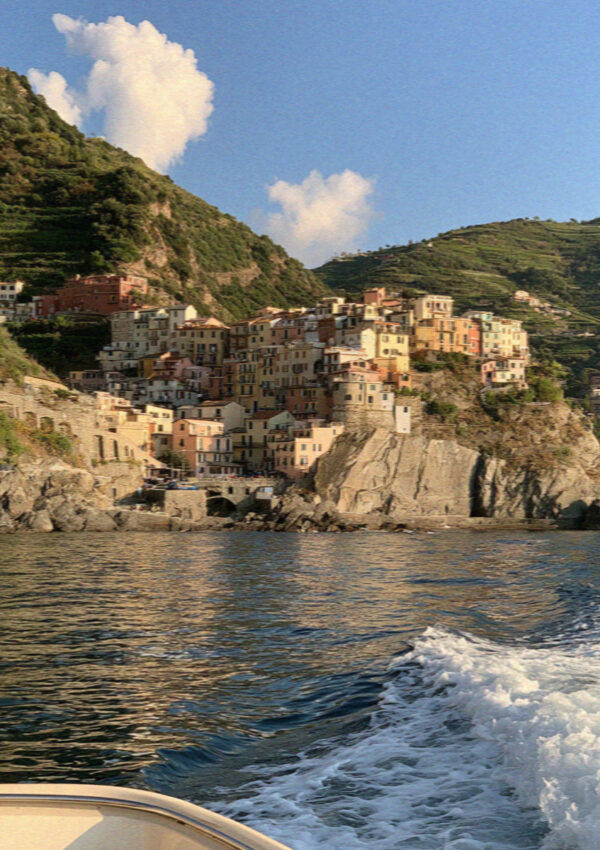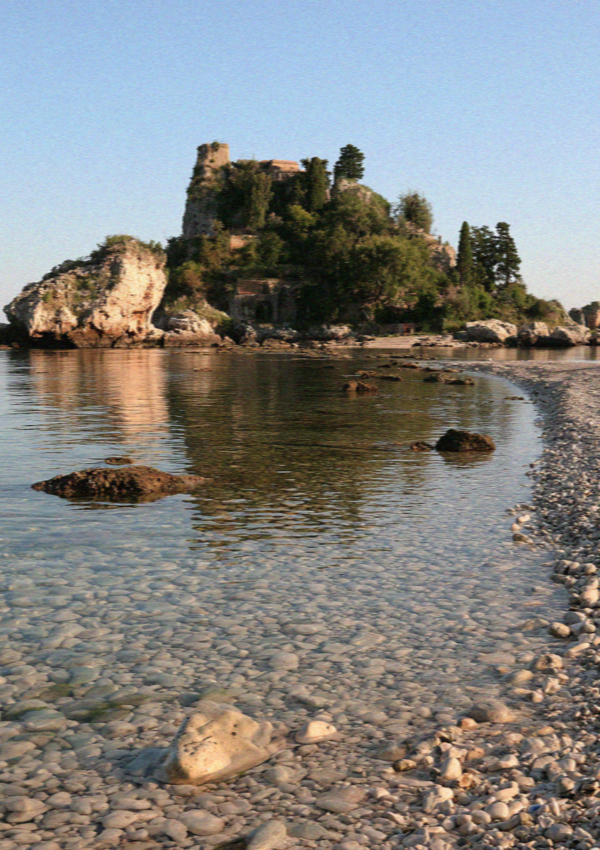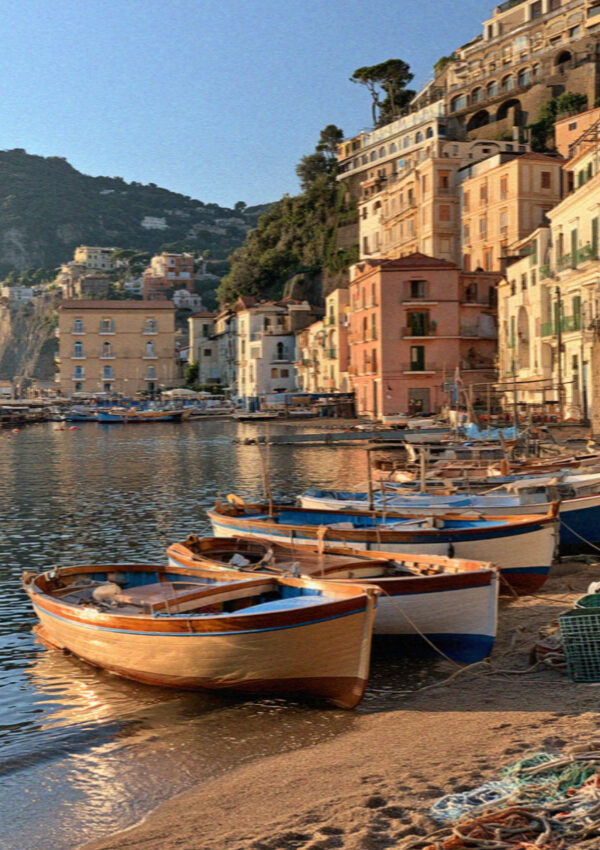
Sorrento is small enough to see in a day and rich enough to reward a week, and the trick is knowing which things genuinely repay your time. It is not a town of blockbuster museums; its pleasures are a square at dusk, a fishing marina, a ravine full of ferns, a swim in a Roman pool. This is my working list of the best things to do in Sorrento, in the order I would actually do them, from the heart of the old town out to the sea. For the wider context of a trip here, start with my complete guide to Sorrento; this page is about what to see and do once you have arrived.
What to book before you come
Almost everything below is free, and that is rather the character of the place. Sorrento is a town for sitting in. What you book here are the days you spend somewhere else, because Sorrento is the best-placed base on this coast and the boats leave from the bottom of the cliff.
- Capri by boat, with the Blue Grotto if the sea allows. The one to book first. Going to Capri by public ferry means arriving with everybody else at the same hour; a small boat means the sea caves and the swimming stops on the way. The grotto is weather dependent and no operator can promise it, so treat it as a bonus rather than the plan. Rated 4.8 across five thousand people.
- Positano and Amalfi by boat, with transfer. The Amalfi Drive is famous and, in August, largely a queue. Seeing the same coast from the water is the better version of the day and removes the parking problem entirely. Eight hours, 4.9 across four and a half thousand reviews.
- Pompeii and Vesuvius in one day, with lunch. Both are close, both are hot, and doing them independently in summer is more work than people expect. A guided day solves the transport and gets you into Pompeii with someone who can tell you what you are standing in.
- A lemon grove and a limoncello tasting. Forty-five minutes, in the town itself, and the one genuinely Sorrentine thing on this list. The lemons here are the size of your hand and the reason the whole coast smells the way it does.
The rest of what follows costs nothing but the walk.
Sit on Piazza Tasso
Everything in Sorrento begins on Piazza Tasso, the café-lined square laid across the old ravine that splits the town. It is the stage for the evening passeggiata, when families and visitors circle slowly under the lights, and the natural place to start or end a day with a coffee or an aperitivo. The statue at its centre honours the poet Torquato Tasso, Sorrento’s most famous son, and the streets that run off it lead to almost everything else worth seeing. Come once in the morning for a quiet cappuccino and again after dark, when the square is at its liveliest.
Plan Your Visit to Sorrento
A few things I booked and loved. These help support the blog, at no cost to you.
- Where I stayed: search Sorrento hotels
- Tickets and day trips from Sorrento
- Stay connected: get a travel eSIM
This section contains affiliate links. If you book through them I may earn a small commission, at no extra cost to you.
Wander the Old Town and Corso Italia
The historic centre is a grid of narrow lanes, the vicoli, that has been trading since Roman times. Wander with no plan and you will pass workshops selling Sorrento’s famous inlaid wood, the intarsio, alongside ceramics, leather sandals stitched to order, and shop after shop of lemon everything. Walk Corso Italia, the main street, which closes to traffic in the evening and fills with strollers, and step into the Duomo, Sorrento’s cathedral, and the small church of San Francesco. Give the old town an unhurried hour or two; it is where the real texture of the town lives.
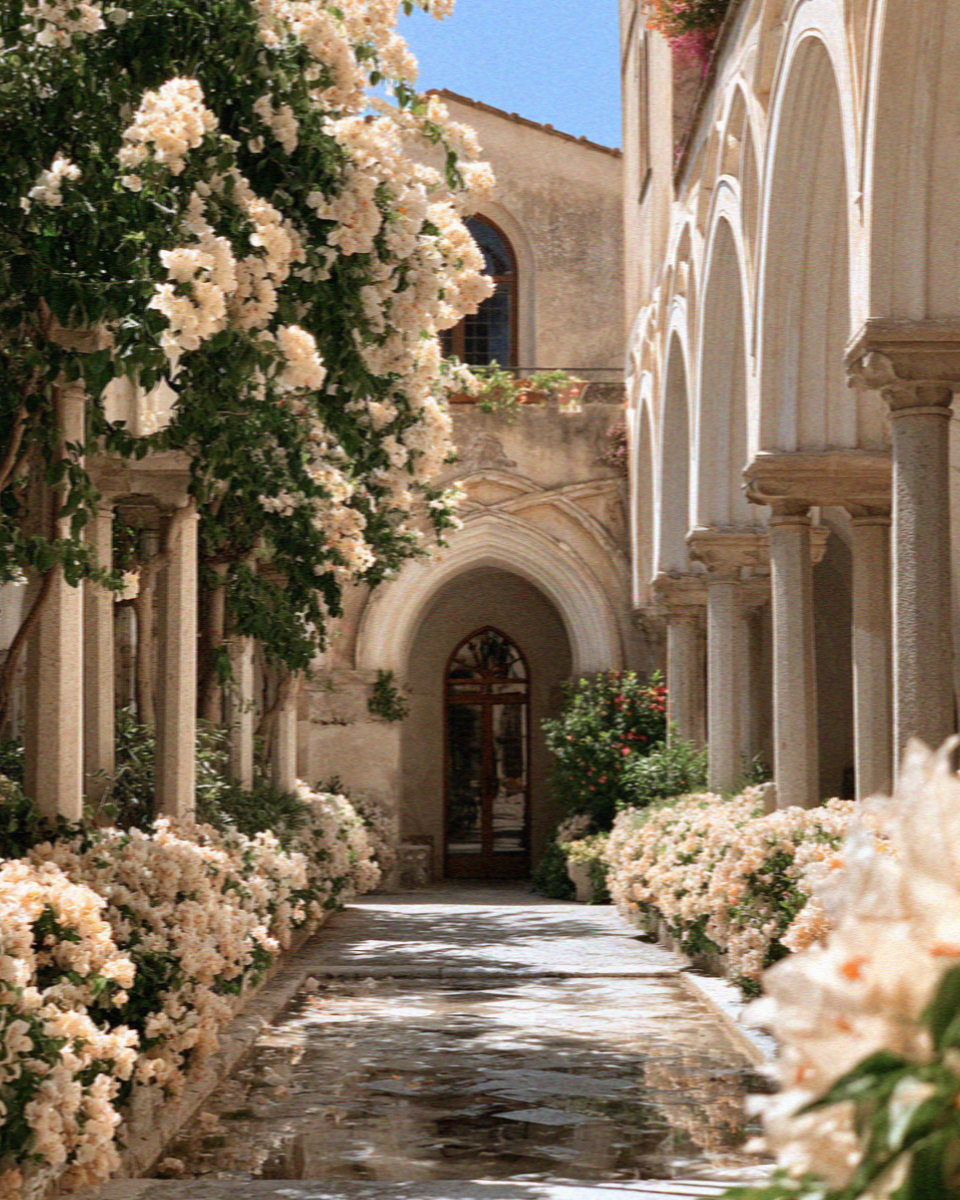
Do not miss the Cloister of San Francesco, the Chiostro di San Francesco, beside the church of the same name. Its fourteenth-century arches, a mix of pointed and rounded, wrap a small courtyard hung with bougainvillea, and it is one of the most peaceful and photogenic corners in Sorrento, free to enter and often used for weddings and summer concerts. It takes five minutes and stays with you.
Look Down into the Vallone dei Mulini
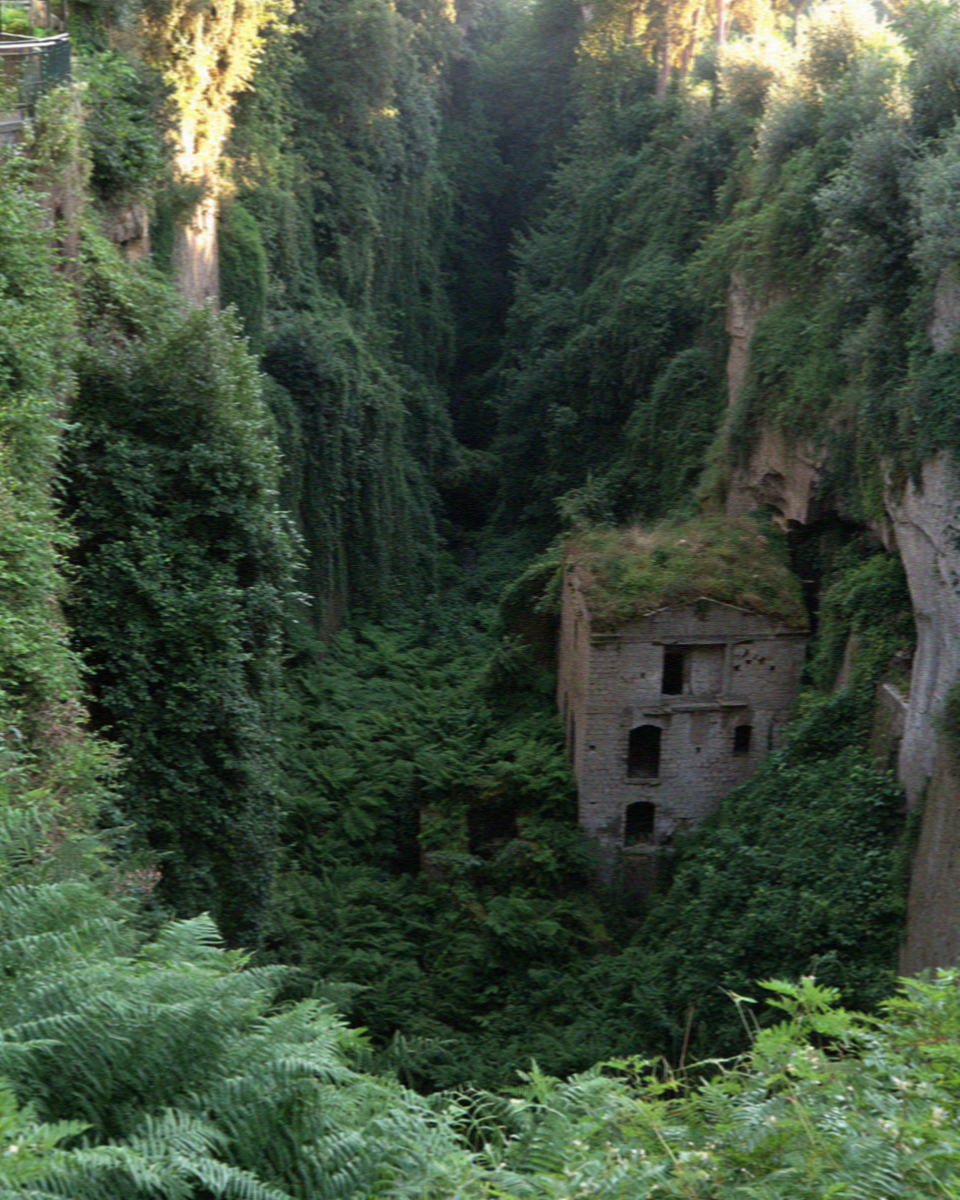
In the middle of town, a deep green ravine opens beneath the streets: the Vallone dei Mulini, the Valley of the Mills. At its bottom sits an abandoned stone flour mill, working until the early twentieth century and now wrapped in ferns and greenery in the humid air of the gorge. You view it from the railing on the road above, near Piazza Tasso, and the sight of a whole building being quietly reclaimed by nature is unexpectedly moving. It costs nothing and takes only a few minutes, but it is one of the images of Sorrento you will remember.
Walk the Villa Comunale Gardens at Sunset
The Villa Comunale is a small public garden on the cliff edge, and its terrace holds the classic Sorrento view: the whole Bay of Naples, Vesuvius across the water, and Marina Piccola directly below. It is the town’s gathering spot for sunset, when the sky colours behind the volcano, so arrive a little early for a place at the railing. From here a lift and a stepped path drop down to the marina, so you can watch the sunset and be at dinner by the water minutes later.
Go Down to Marina Grande
A short walk down from the centre brings you to Marina Grande, Sorrento’s original fishing village and a different world from the town above. Painted houses lean over the water, nets and small boats line the front, and the seafood trattorie are built out on wooden decks above the sea. It is at its best around lunch, when the fishing catch becomes the menu; come for grilled fish or the local gnocchi and a glass of white wine with your feet almost over the water. It is also a lovely spot in the late-afternoon light for photographs.
Swim at the Bagni della Regina Giovanna
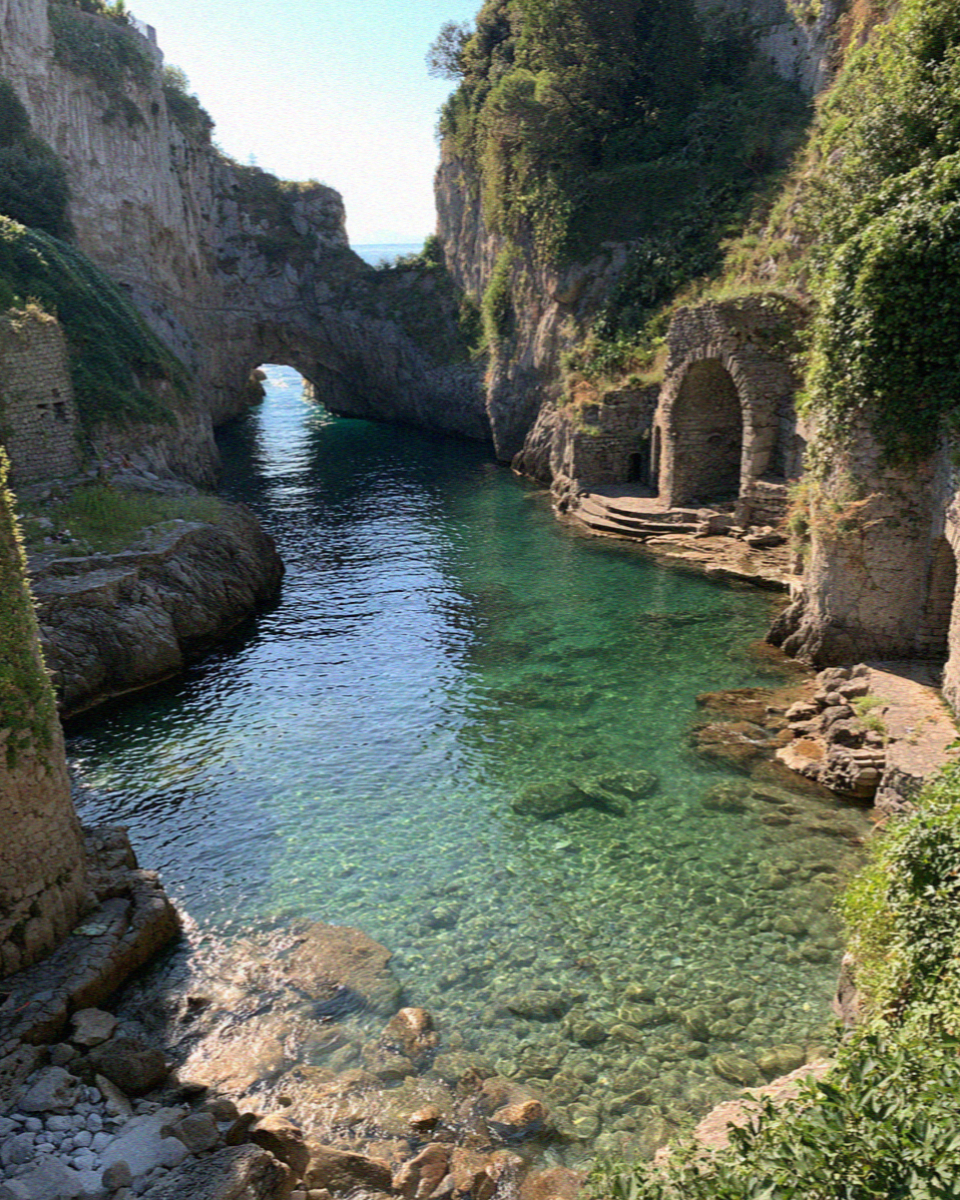
For the loveliest swim near the town, walk out to the Bagni della Regina Giovanna, the Baths of Queen Giovanna, at Capo di Sorrento, about half an hour on foot west of the centre or a short bus and walk. Here a natural sea pool, ringed by cliffs and reached through a stone arch, sits beside the ruins of a Roman villa, the Villa di Pollio Felice. There are no facilities, so bring water, shoes for the rocks and a picnic, and go in the morning before it fills. The water is clear and deep turquoise, and swimming through the arch into the open sea is unforgettable.
Visit a Lemon Grove and Taste Limoncello
Sorrento’s lemons are enormous, thick-skinned and protected, and the limoncello made from them is the taste of the town. Several working groves in and around the centre, such as the historic gardens near Corso Italia, open for a wander among the trees and a tasting of the liqueur and lemon sweets. It is a gentle, shady half hour, especially welcome in the heat, and it explains the smell that hangs over the whole peninsula in spring. Buy a bottle from the grove rather than the tourist shops and you will taste the difference.
See the Town’s History and Craft
Sorrento rewards an hour given to its past. The Museo Correale di Terranova, in a patrician villa with a garden running to the cliff, holds Neapolitan paintings, porcelain and the fine inlaid furniture the town is known for; the Museobottega della Tarsialignea is the place to understand that marquetry, the intarsio, before you buy a piece in a shop. Stand under the frescoed dome of the fifteenth-century Sedile Dominova, the old nobles’ loggia on a corner of the centre, and step into the Basilica di Sant’Antonino, resting place of the town’s patron saint, with a pair of whale bones by the door. None of these needs long, and together they give the town a depth beyond the view.
Take a Boat, or Just Swim
Sorrento is a sea town, so spend some of your time on or in the water. From Marina Piccola you can hire a small boat or join a group tour around the peninsula to swim in coves you cannot reach on foot, and the same port sends fast ferries to Capri and the coast if the day tempts you further. Closer to home, the bathing platforms and beach clubs below the cliffs, at Marina Piccola and Marina Grande, let you claim a lounger and a ladder into the sea for the afternoon, and the natural pool at the Bagni della Regina Giovanna is the wild, free alternative. Half a day given to the water is half a day well spent.
Frequently Asked Questions
What is the number one thing to do in Sorrento?
Watch the sunset from the Villa Comunale gardens over the Bay of Naples and Vesuvius, then walk down to Marina Grande for dinner over the sea. It combines the town’s two signature experiences, the view and the fishing village, in one evening.
Is one day enough for Sorrento?
One day is enough to see the highlights, the old town, Piazza Tasso, the Vallone dei Mulini, the Villa Comunale and Marina Grande, all of which sit close together. But two or three days let you add a swim at the Bagni della Regina Giovanna, a lemon-grove visit, and day trips to Capri, the coast and Pompeii.
Are the things to do in Sorrento free?
Most of the best are. The old town, Piazza Tasso, the Vallone dei Mulini viewpoint, the Villa Comunale gardens, the Cloister of San Francesco and Marina Grande cost nothing to visit, and the Bagni della Regina Giovanna is a free natural swimming spot. You pay only for tastings, beach clubs and meals.
Can you swim in Sorrento?
Yes, from late spring to autumn. The town sits on a cliff, so swimming is from platforms and beach clubs at Marina Piccola and Marina Grande, reached by lift or steps, and from the beautiful natural sea pool at the Bagni della Regina Giovanna. For long sandy beaches you would take a day trip along the coast.
Read also: The best photo spots in Sorrento | A Sorrento itinerary: 2 to 3 days | The Complete Guide to Sorrento