You see Ostuni long before you arrive at it. That is the whole point of the place, and it is worth arranging your arrival so that it happens properly.
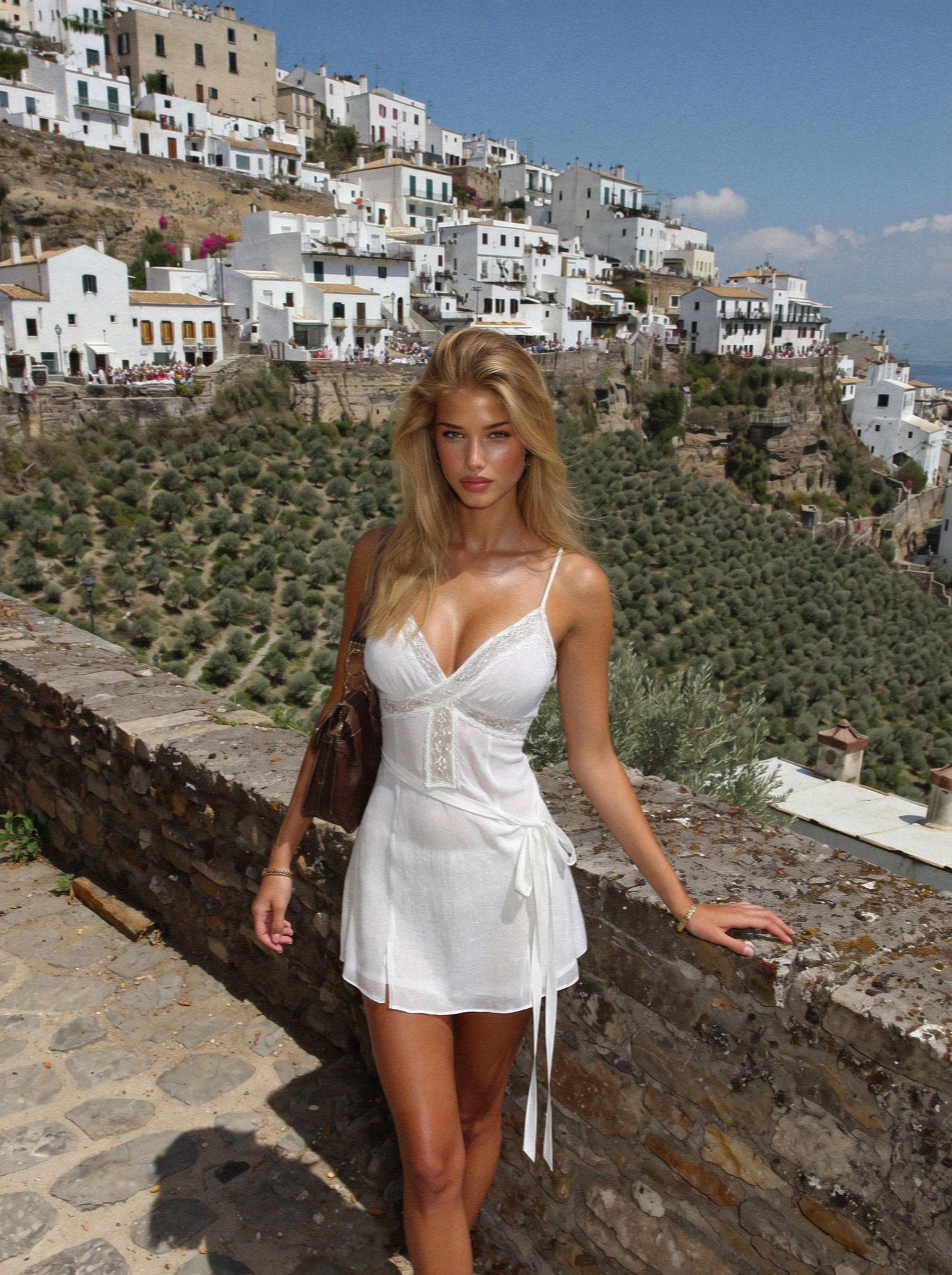
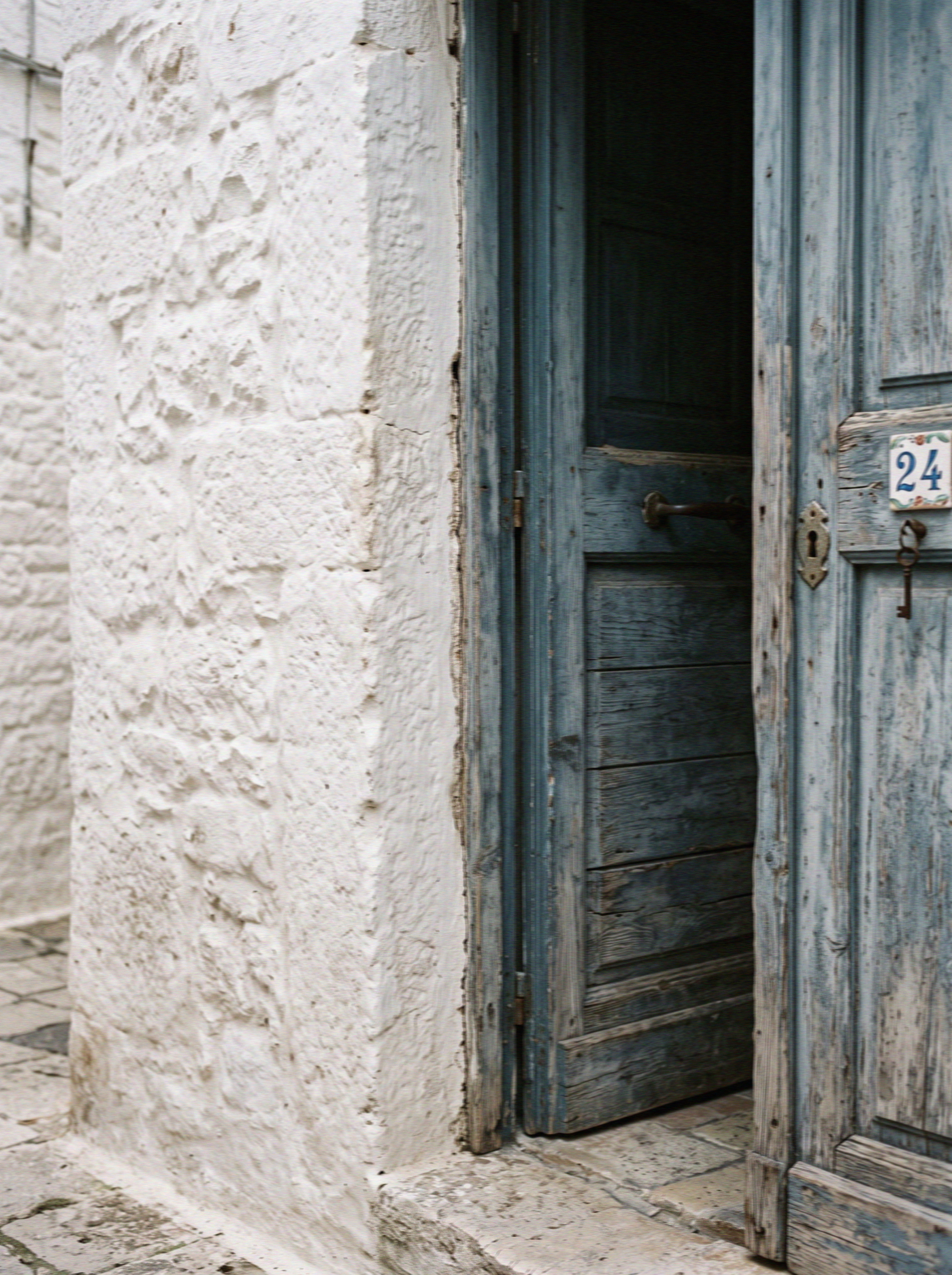
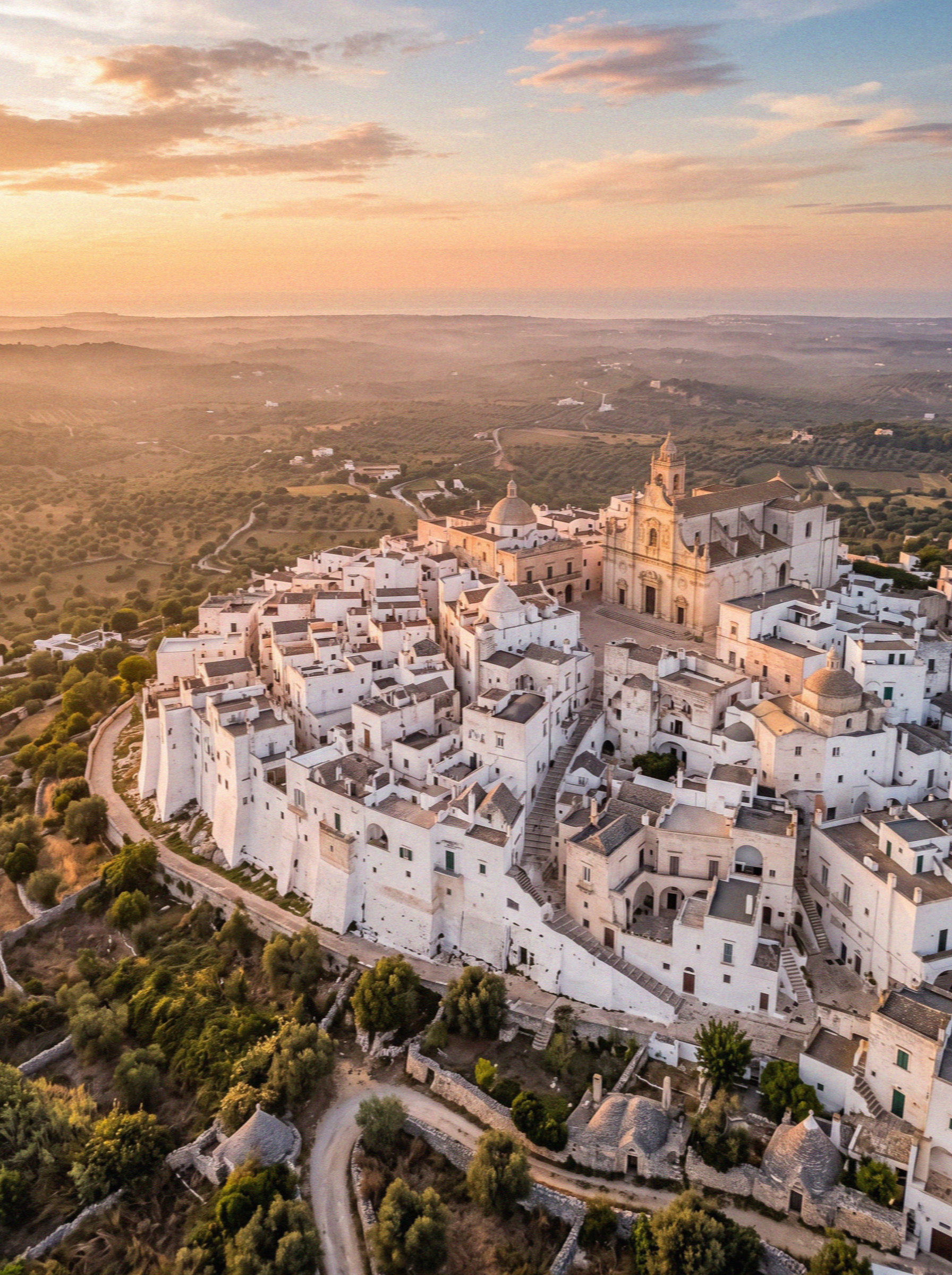
The town sits on a hill above a plain of olive groves, about eight kilometres back from the Adriatic, and the entire old town is lime-washed white. Not cream, not the sun-bleached ochre of most of southern Italy. White. From the coast road it reads as a single pale mass on a green hill, and from the plain below it looks less like a town than like something spilled down the hillside and left to set. They call it La Citta Bianca, the white city, and for once the nickname is doing straightforward descriptive work rather than tourist-board flattery.
What follows is everything I learned in it: how to get up the hill, what to look at once you are there, where the sea actually is, what a masseria is and whether it is worth the money, and the one thing about the train station that catches almost everybody out.
What to book before you come
Ostuni is a white town on a hill and the town itself is free, all of it. What is worth booking is the plain underneath it, where the olives are and where almost nobody who comes here actually goes.
- An olive oil tasting on the plain. An hour, and it changes how you read the landscape for the rest of your stay. These are among the oldest cultivated trees in Europe and they are in slow trouble.
- Alberobello and Locorotondo in a day. Rated 4.9. The Valle d Itria is the reason to base yourself here rather than on the coast.
- An organic wine tasting. Two hours, in the evening, when the town is too hot to walk anyway.
The whitewashed lanes, the cathedral, the walls and the view over the olives to the sea cost nothing at all.
Why come at all
Because it is beautiful in a way that photographs badly and works in person, which is the opposite of most famous Italian towns.
The white is the reason. A whitewashed hill town is not unusual in the Mediterranean, but Ostuni does it at a scale that changes the experience of walking around. The lanes are narrow and the walls are thick and every surface throws light back at you, so the old town is bright even in shade and almost painful at midday. The shadows are hard-edged and blue. Whitewash is a practical thing, lime slaked and painted on to disinfect and to reflect heat, but the accumulated effect of centuries of it is a town that feels scrubbed and calm and slightly unreal.
The second reason is the position. Because the town is up on its hill and the land falls away to the sea, almost every gap between buildings is a view. You are walking a lane between white walls, and then the wall on your left simply stops, and there is the whole olive plain and a strip of Adriatic beyond it. It happens constantly and it never quite stops being a surprise.
And the third reason, honestly, is that Ostuni is a good base. The Valle d’Itria is on its doorstep, the coast is ten minutes down the hill, and the town itself is small enough to know in two days. You can do a great deal of Puglia from here without repacking.
Plan Your Visit to Ostuni
A few things I booked and loved. These help support the blog, at no cost to you.
This section contains affiliate links. If you book through them I may earn a small commission, at no extra cost to you.
The old town
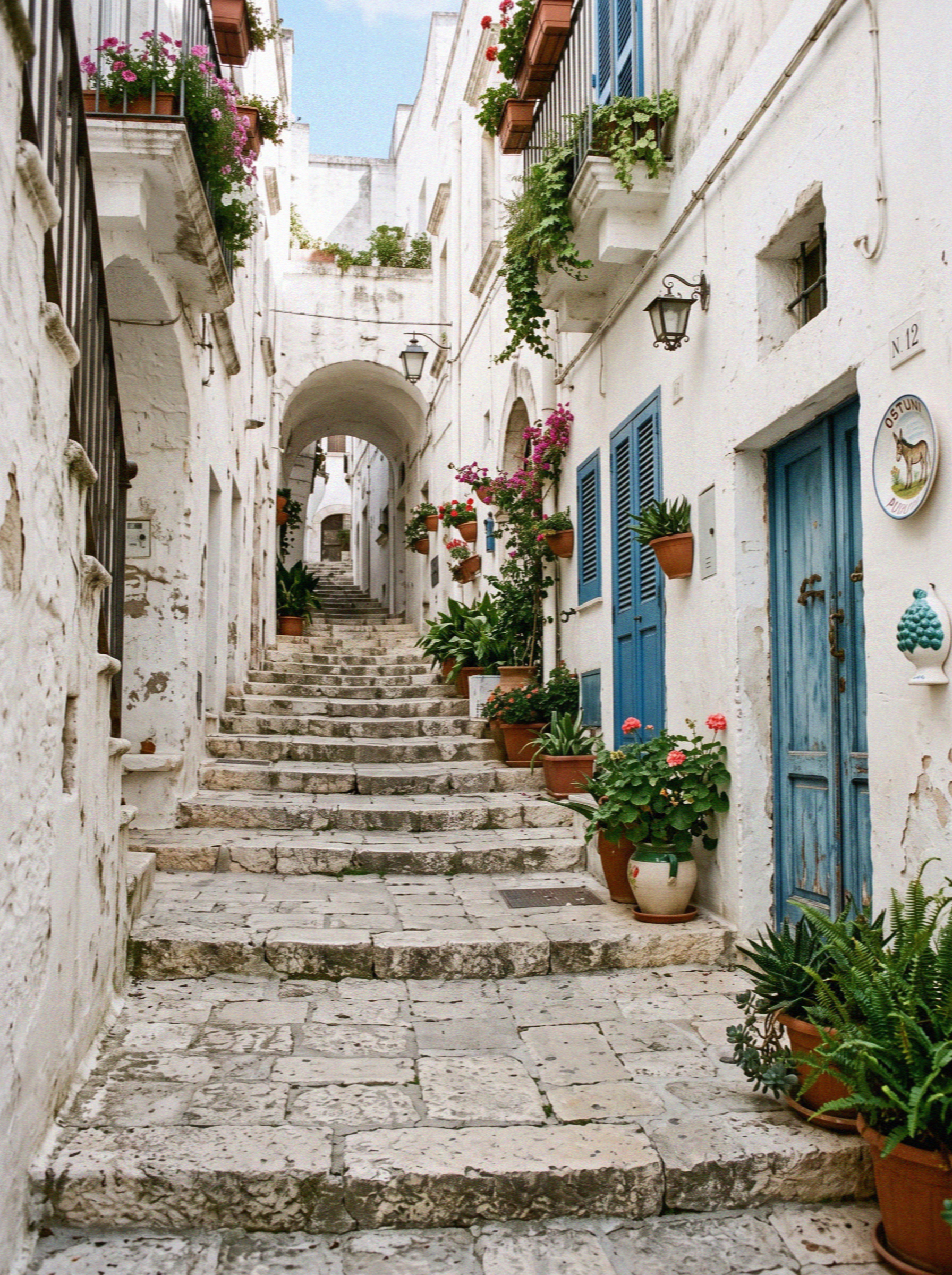
The historic centre is small, steep and deliberately confusing, and the correct way to see it is to give up on the map.
It is built as a defensive spiral: lanes that curl around the hill, staircases that cut between them, arches thrown across the gaps where two houses lean into each other. There are no long straight streets because there was never any point in having one. What this means for a visitor is that you cannot really navigate it, only wander it, and that wandering it for an hour is more rewarding than any specific route I could give you.
The old town is a ZTL, a limited traffic zone, and you should not attempt to drive into it. Fines in Puglia run in the region of 80 to 100 euros and the signs are unambiguous. Park below and walk up. More on that further down.
Practical notes that actually matter up here: the lanes are stone and worn smooth, so bring shoes with some grip. Much of the centre is stepped, so a wheeled suitcase is a genuine problem if you are staying inside the walls. And the whole place tips downhill, which you will not notice on the way in and will notice very much on the way back.
What to see
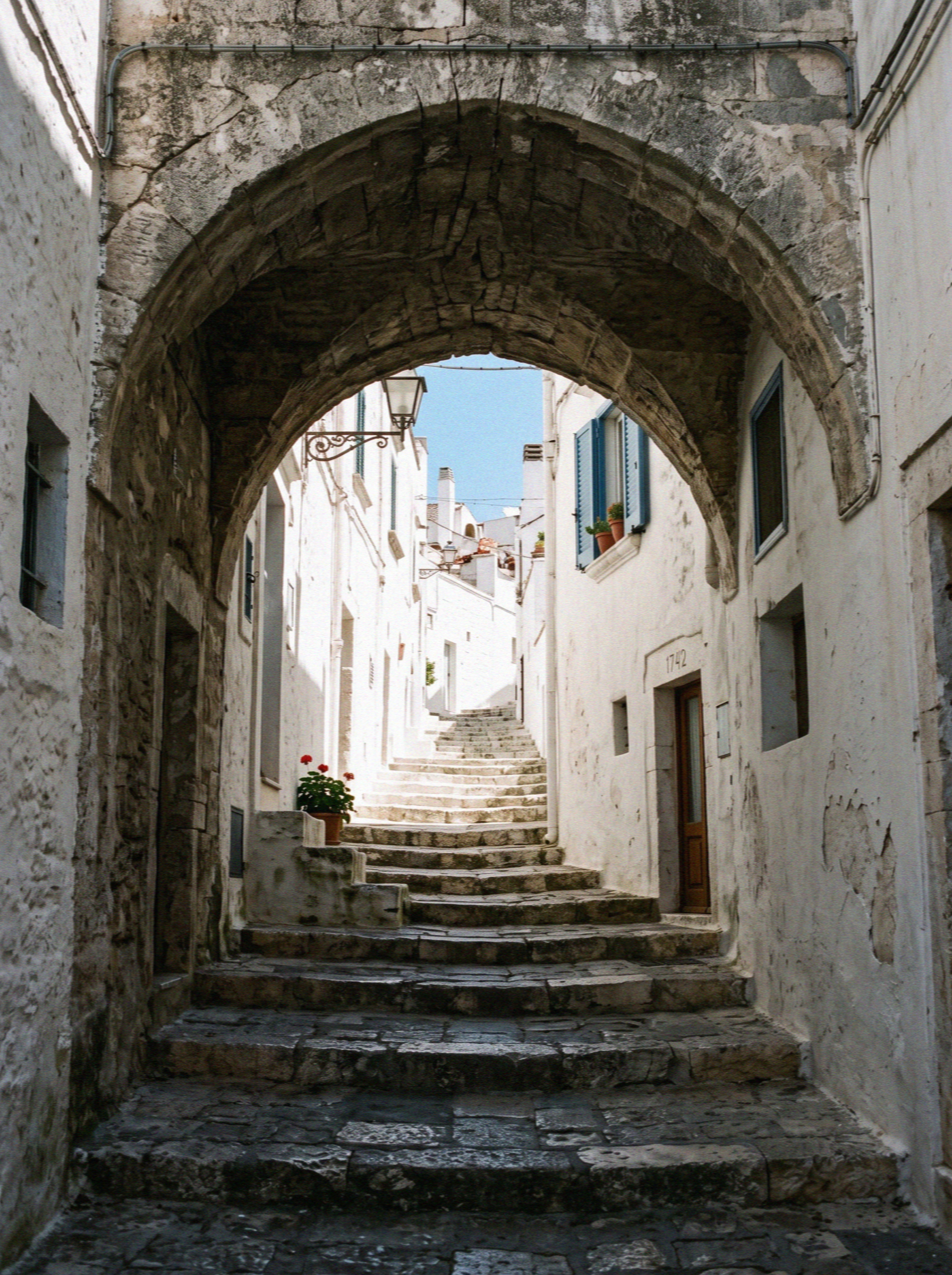
There is not a great deal of formal sightseeing in Ostuni, and I mean that as a recommendation rather than a complaint. Three things are worth going out of your way for.
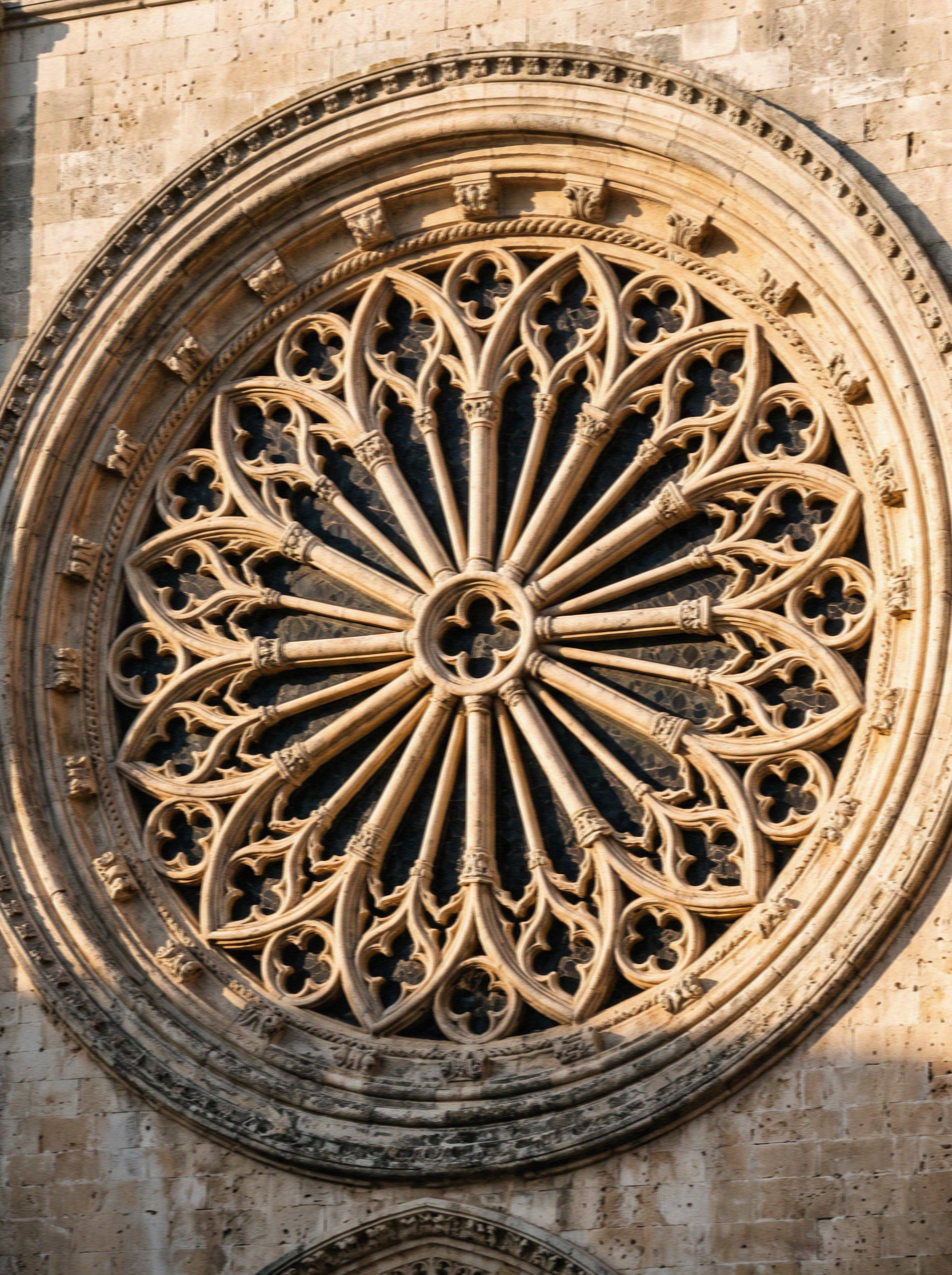
The cathedral. The Concattedrale di Santa Maria Assunta was rebuilt in Gothic style between 1469 and 1495, and the facade is an odd, wonderful hybrid: Gothic bones with Romanesque and Byzantine detailing, all in pale weathered limestone that stands out against the whitewash around it. What you are really there for is the rose window, which is one of the largest in Italy and has twenty-four finely carved rays radiating from the centre. Stand back far enough to take it in properly. Visitors report that admission is free, but I could not confirm current opening hours, so check locally rather than planning your day around it.
The column. On the square below the old town stands the Colonna di Sant’Oronzo, about twenty metres of carved stone. Sant’Oronzo is credited with carrying the town through the plague in the eighteenth century, and the column is the thanks. It is also, usefully, the thing you can navigate by when you have lost your bearings.
The gates and the walls. Ostuni kept its Aragonese walls and two of its gates, Porta Nova and Porta San Demetrio. Passing through one of them is the same small pleasure it is in every walled town, the noise dropping away as you go under the stone.
Beyond that: the Palazzo Vescovile houses the Diocesan Museum with fourteenth century frescoes, and there are small churches all over the centre that are cool and dim and empty in the middle of a hot afternoon, which in August is a service rather than an attraction.
I have gone through all of it, in the order I would actually walk it, in the best things to do in Ostuni.
The olive country
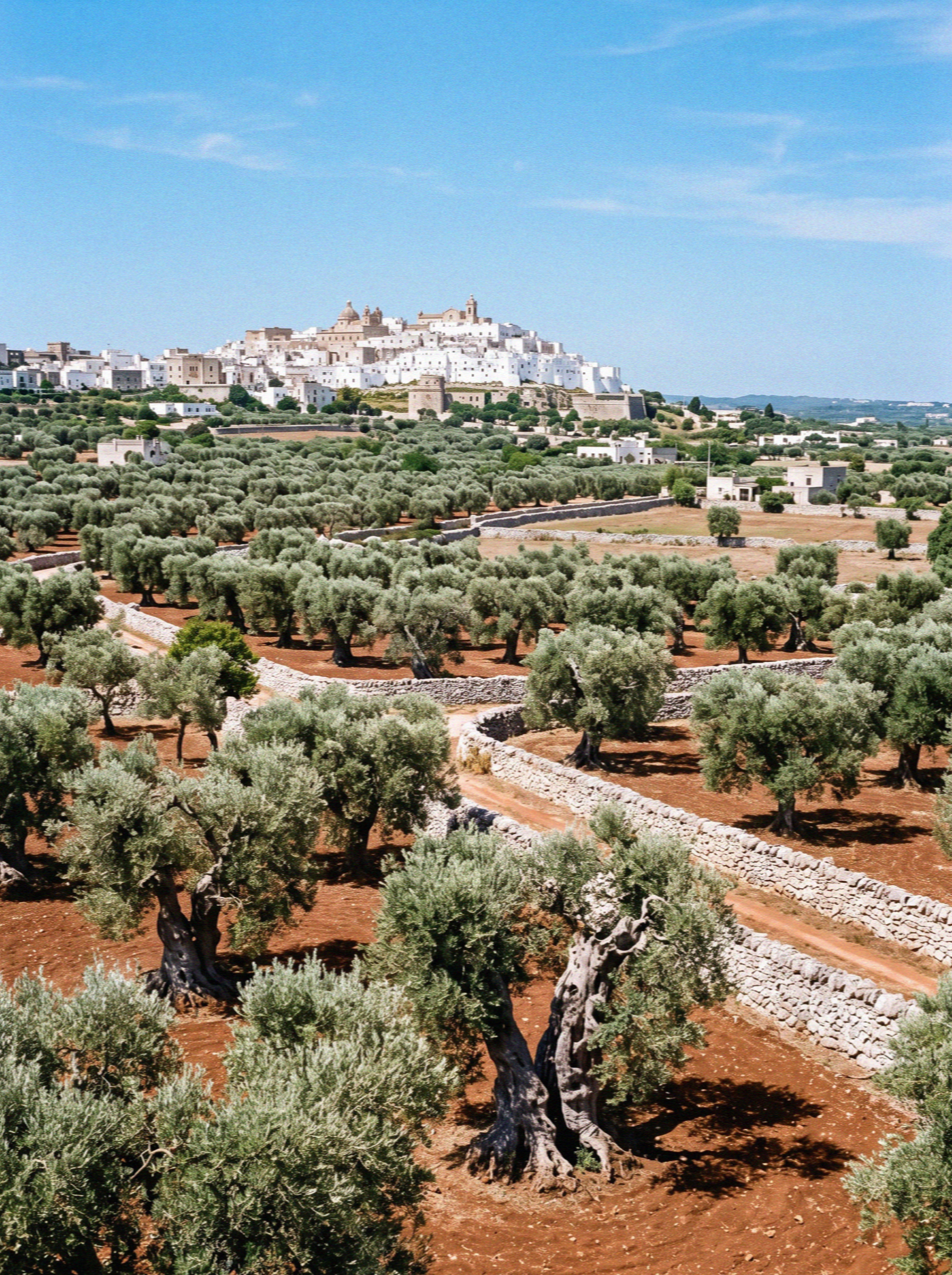
The plain below the town is one of the great olive landscapes of Europe and you should not treat it as scenery you drive through on the way to the beach.
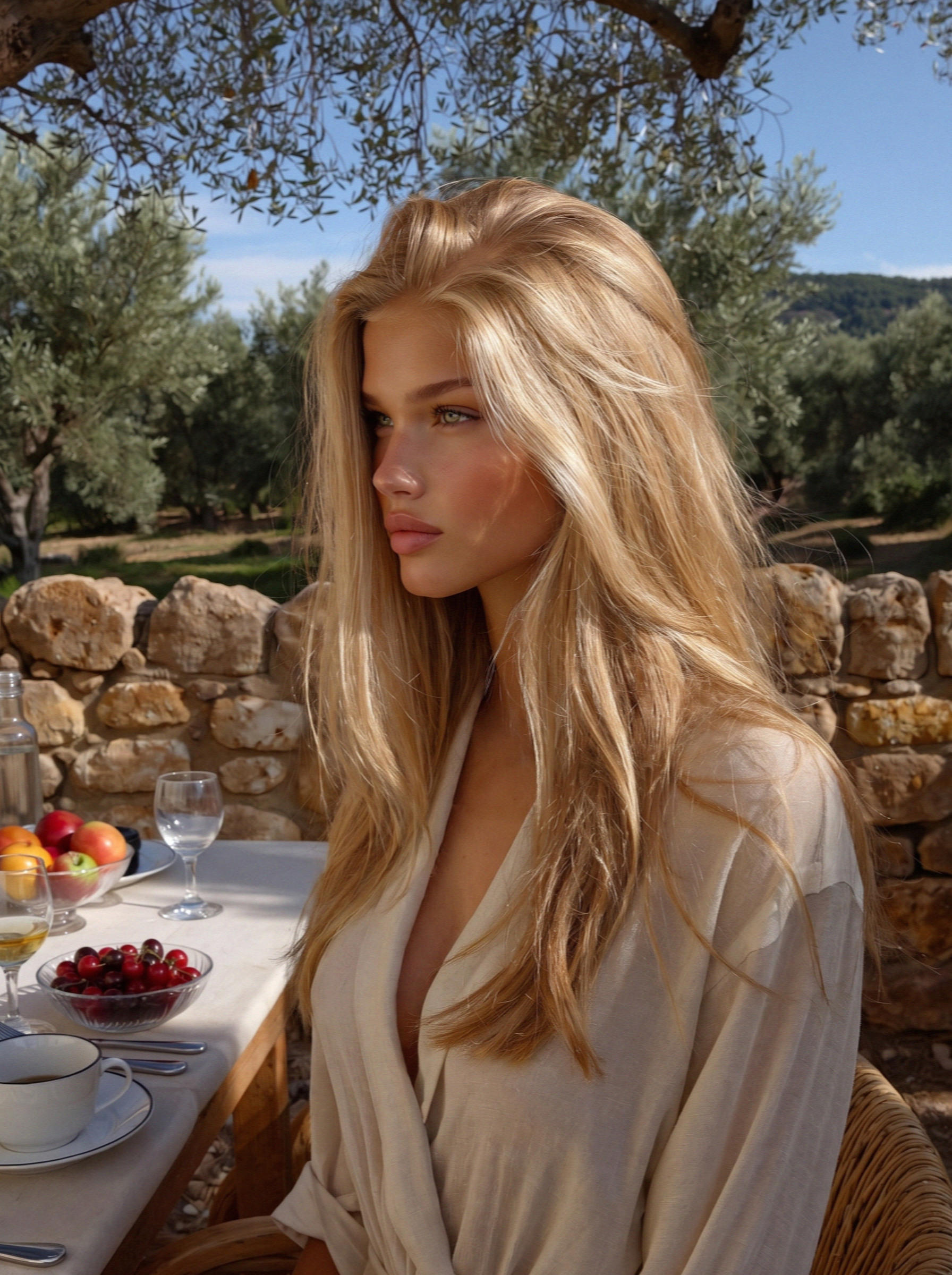
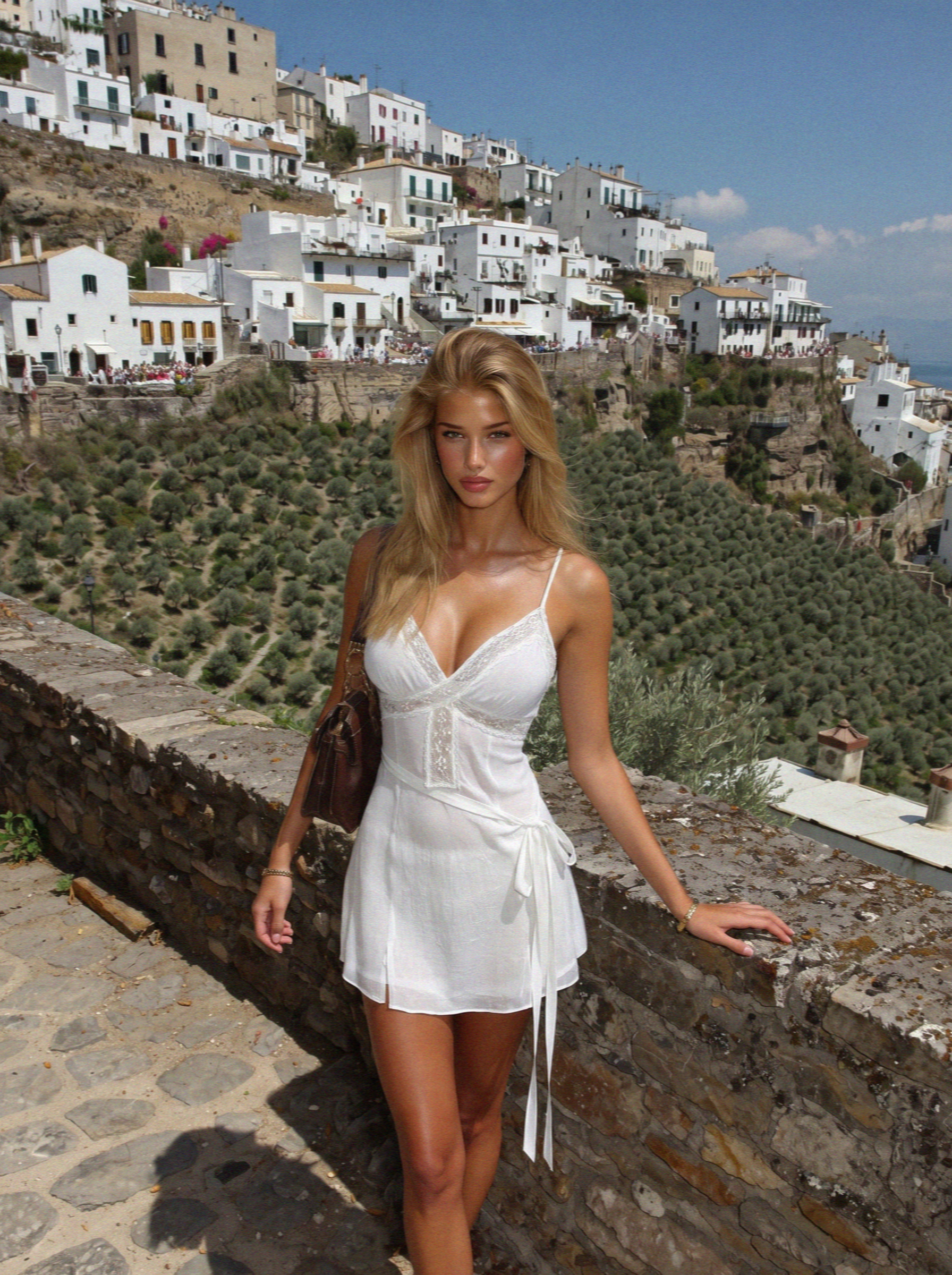
The trees are old. Not old in the sense of a few decades, old in the sense that many of them were producing oil before anyone in your family tree could write their name. They are enormous and gnarled and hollow, split and rewelded, propped and pruned into shapes that look more like sculpture than agriculture, and they run in silver-green rows across red earth between dry stone walls all the way from the foot of the hill to the coast.
This landscape is also the reason Ostuni has the kind of accommodation it does. The estates that farmed these groves were masserie, fortified farm complexes built white and thick-walled and defensible, and a great many of them have been converted into places to stay. That is a genuinely distinctive thing about this corner of Puglia and it gets its own guide below.
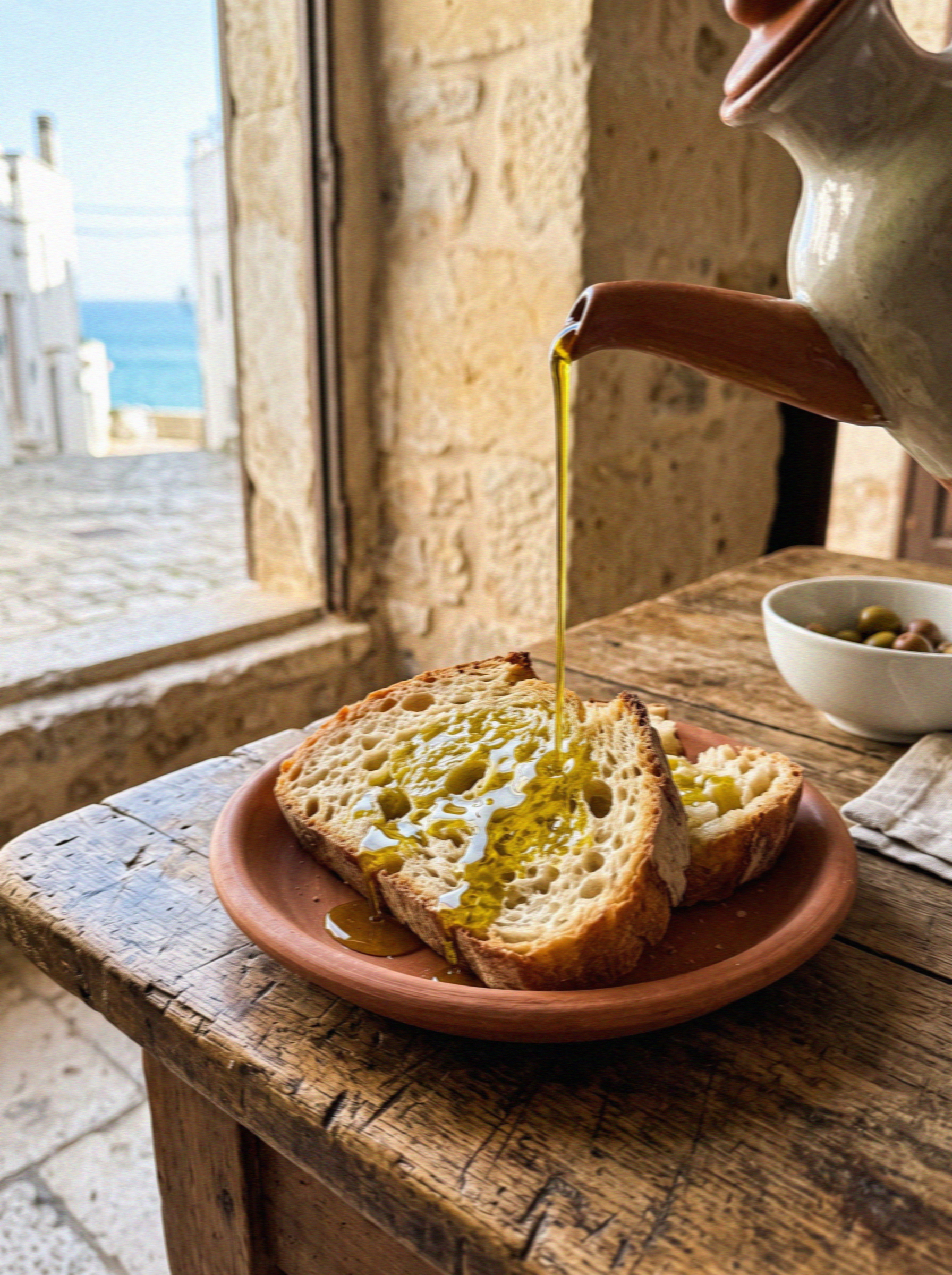
Buy oil while you are here. Not from a souvenir shop in the centre with a ribbon around the neck of the bottle, but from an estate or a proper alimentari. It tastes green and peppery and slightly bitter at the back of the throat, and it will ruin supermarket oil for you permanently.
Where to stay
You have two genuinely different options here and they produce two different holidays.
In the old town. Small hotels and converted houses inside the walls, often with vaulted stone ceilings and deep-set windows and a roof terrace with a view over the plain. You wake up in the white, you can walk to dinner, and the town at seven in the morning and eleven at night belongs to you. The trade-off is the stairs, the lack of parking, and the fact that you are further from the sea.
In a masseria on the plain. A converted farm estate among the olives, usually with a pool, usually with its own restaurant, often with the working farm still working. You get quiet, space and a very particular kind of Puglian luxury. The trade-off is that you need a car for absolutely everything, including dinner.
If it is your first time and you have two nights, stay in town. If you have four or more, or you are travelling as a couple and want the holiday to be about the place rather than the sightseeing, take the masseria.
Both are covered properly in where to stay in Ostuni, and the masseria question, which is really a question about money, gets its own guide in staying in a masseria near Ostuni.
Where to eat and drink
Puglian food is peasant food that happens to be fashionable, and Ostuni does it well without much fuss.
The things to eat here are orecchiette, the little ear-shaped pasta, usually with turnip tops and breadcrumbs; burrata, which comes from this region and bears no resemblance to what is sold under that name elsewhere; fava e cicoria, a purée of broad beans with bitter chicory that sounds like nothing and is extraordinary; and whatever the fish was that morning. Everything gets olive oil poured over it, and rightly.
The one I would book is Osteria Piazzetta Cattedrale, tucked beside the cathedral, which does imaginative Apulian cooking with local wine and holds a Bib Gourmand in the MICHELIN Guide Italia, the award for good cooking at good value. Taverna della Gelosia is the one for seafood and the catch of the day. Ristorante Porta Nova sits out by the old gate and is as much about the view over the plain as the plate.
I have not put prices on any of these because I could not verify current ones and I would rather tell you nothing than tell you something out of date. Book ahead in summer regardless; the good tables in a small town go quickly.
Two habits worth adopting while you are here. The first is to eat later than feels natural. Nothing serious happens in a Puglian dining room before half past eight, and a restaurant that is busy at seven is a restaurant that is busy with visitors. The second is to order the vegetable dishes rather than treating them as an afterthought. This is a region that got very good at cooking without much meat, and the contorni are frequently the best thing on the table: chicory, wild greens, roasted peppers, a plate of grilled aubergine with oil and mint. Order two of them and one pasta and you will eat better than the table beside you working through three courses.
A note on wine. The reds here are big and warm and cheap, primitivo and negroamaro, and they are pleasant with the food but heavy in August heat. Ask for the local white or rosato instead, order it by the carafe, and pay attention to how little it costs.
The full list, and what to order at each, is in where to eat and drink in Ostuni.
The beaches
Here is the thing nobody tells you before you book: Ostuni is not on the sea.
The town is up on its hill, roughly seven or eight kilometres inland. The coast belonging to Ostuni is a strip of the Adriatic below it, and it is excellent, but you are driving or bussing to it. If you have booked Ostuni imagining you will walk out of your hotel and onto sand, adjust now.
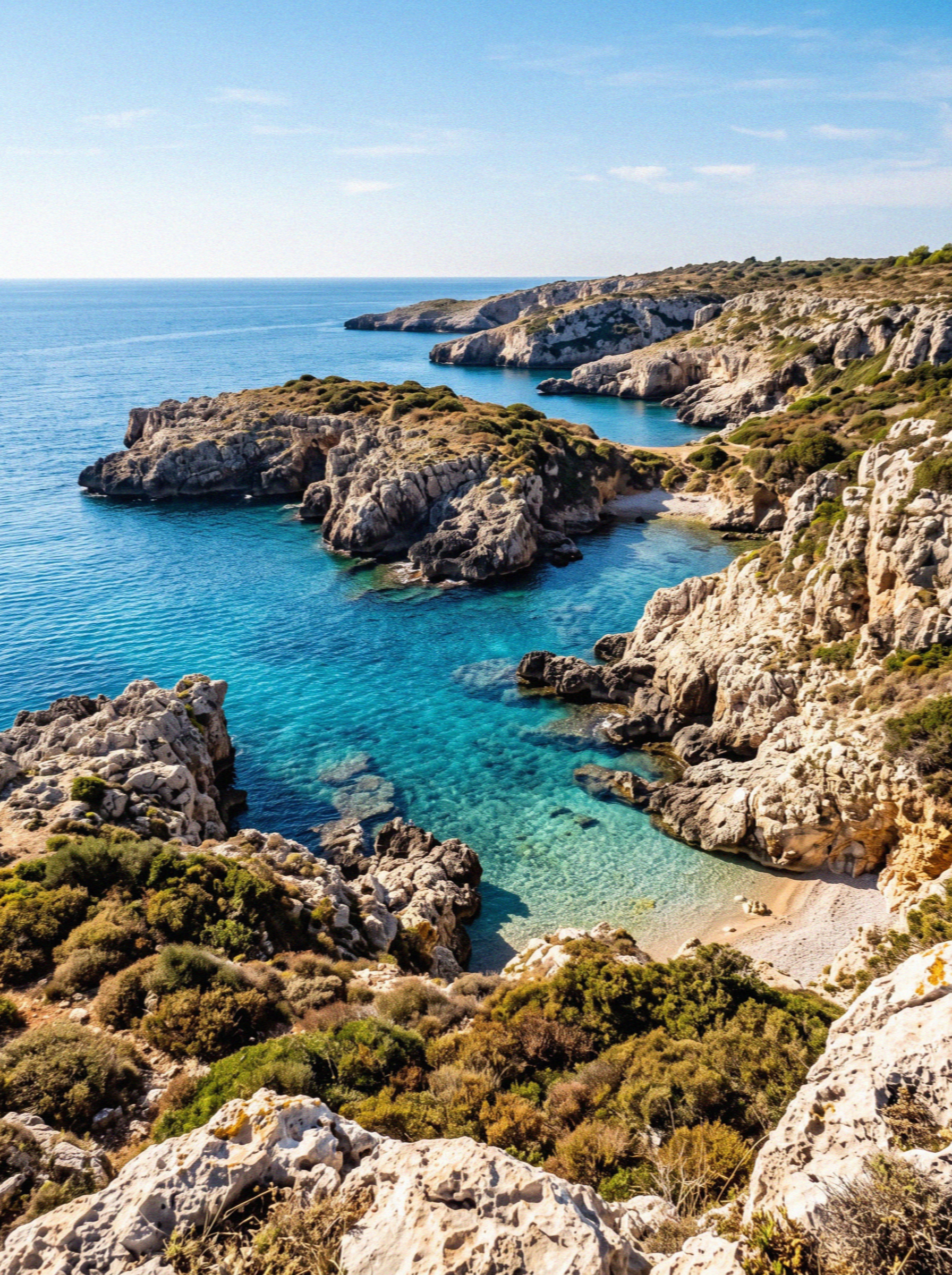
What you get in exchange is variety. Pilone, about six kilometres away, is the dune beach: pale sand, low vegetated dunes, Mediterranean scrub, shallow clear water. Rosa Marina sits nearby, about fifteen minutes from town. Costa Merlata is the rocky one, roughly eight to ten kilometres out depending on which source you believe, a jagged indented coast of small coves and clear deep water, and the name means exactly what the coastline looks like. And Torre Guaceto is the wild one, a protected marine reserve about twenty minutes up the coast, undeveloped, dune-backed, with an old watchtower and none of the beach clubs.
Sources disagree on the exact distance to Torre Guaceto, some saying twelve kilometres and some over twenty, so treat it as a twenty minute drive and do not plan tightly around it.
All four, and which to pick for what, are in the best beaches near Ostuni.
Best time to visit
May to mid June, or September into mid October. That is the answer and it is not close.
The sea is comfortable from July through September, sitting between about 24C and 26C, and peaks around 26C in August. August is also the hottest month on land, averaging highs of around 30.6C with a heat index that pushes past 33C, and it is when the town is fullest, the restaurants hardest to book and the beaches most crowded. July is much the same.
The shoulder months give you warm water without the crush. September in particular is the sweet spot: the sea is still holding summer heat, the light has softened, and the town starts to feel like it belongs to the people who live in it again. Spring is the other good window, thinner crowds and the whitewash at its freshest, though the sea will be too cold for most people until late May.
Winter is beautiful and very quiet, daytime temperatures around 13C, with much of the seasonal town shut. Come for the stone and the light, not for a beach holiday.
Month by month, with sea temperatures, is in the best time to visit Ostuni.
Getting here and getting around
By train from Bari Centrale it is about fifty minutes to an hour, with roughly thirty trains a day on the Adriatic line. Brindisi is about twenty minutes further down the same line and is the closer airport, though Bari has more flights.
And now the thing that catches people out, which I am putting in bold because it caught me: Ostuni station is not in Ostuni. It sits a few kilometres away, down on the plain below the hill. You cannot walk it with luggage in August.
There is an STP shuttle bus from the station up to the centre, running from early morning to late evening. Buy the ticket in the tabacchi inside the station, about 1.50 euros, and the bus generally waits outside when a train comes in. Going back down is less dependable. The buses do not always follow the posted schedule, so leave yourself slack before a train, or take a taxi down and stop worrying about it.
If you drive, do not drive into the centre. It is a ZTL, camera enforced, with fines in the 80 to 100 euro band. Parcheggio Ex Foro Boario is the lot to aim for: usually has space even in high season, around four euros for the whole day, and seven to ten minutes on foot from the historic centre. Parcheggio Via Tenente Specchia is smaller and about five minutes out.
Day trips
Ostuni is a very good base, which is half its appeal.
The Valle d’Itria is the obvious loop and the towns are close together, rarely more than twenty or thirty minutes apart, so two or three in a day is comfortable. Alberobello and its trulli, the conical dry-stone roofed houses, is about forty-three kilometres and roughly forty-five minutes by car. From there Locorotondo is nine kilometres, and Martina Franca, which is the baroque one, is another six. Cisternino closes the circuit, and the run from Martina Franca back through Cisternino to Ostuni is around thirty-two kilometres and forty minutes.
The other one I would make time for is Polignano a Mare up the coast, a cliff town built over sea caves with a pebble cove in a ravine at its centre. It is a completely different proposition to Ostuni and the two make a good pair. I have written it up in full in the complete guide to Polignano a Mare.
Routes, times and which to combine are in getting to Ostuni and the best day trips.
Evenings
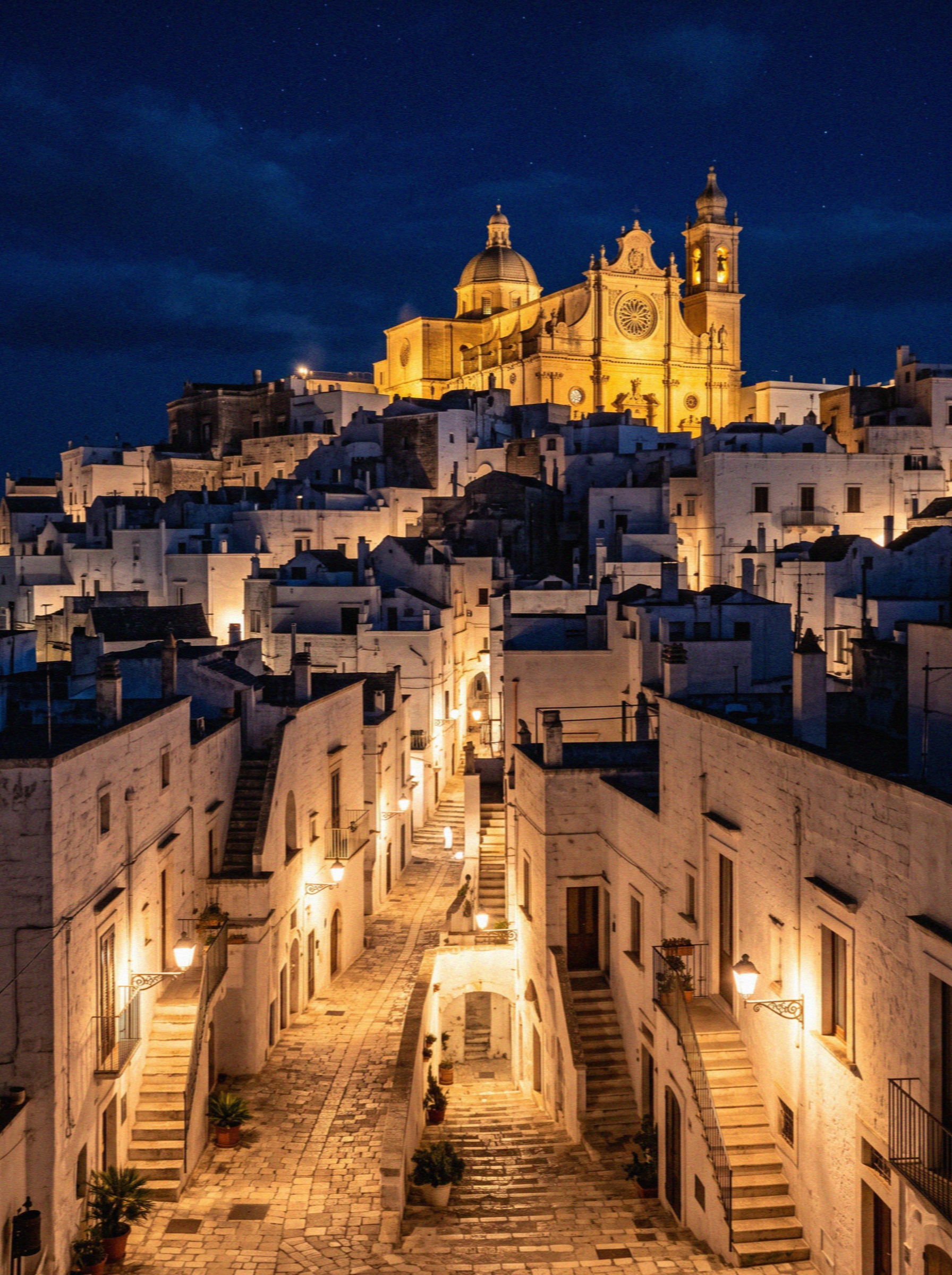
The evening is when Ostuni is at its best, and it is a different town after about seven.
The day visitors leave. The coach parties go back down the hill. The light goes long and gold across the plain and the white walls take it and turn faintly pink, and then blue, and then the lamps come on in the lanes and the whole thing becomes warm and small and intimate in a way it simply is not at two in the afternoon.
People come out. Not for anything in particular, just out, in the way southern Italian towns do. The squares fill up, the tables on the terraces fill up, children run about far later than you would expect, and the old men who were sitting in the shade at eleven in the morning are sitting in more or less the same place having a more or less identical conversation.
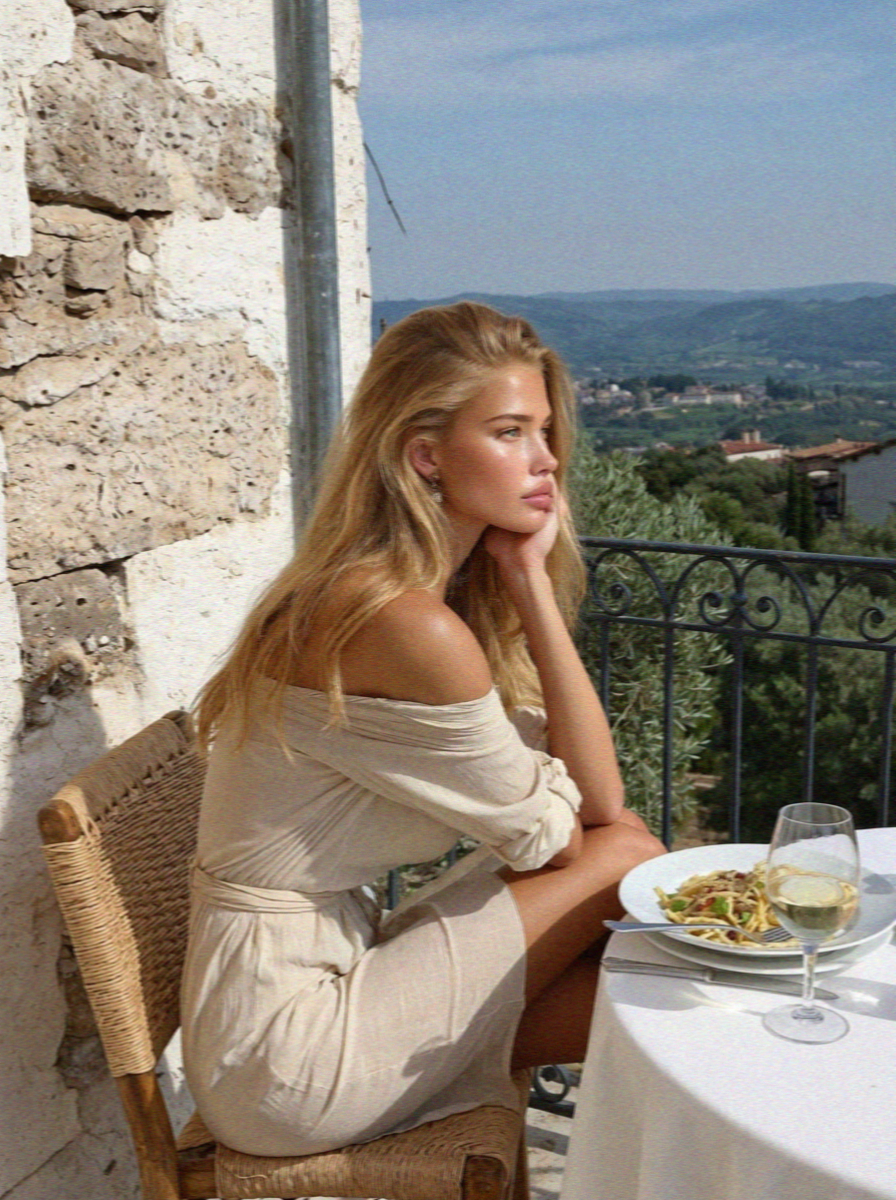
Find a table on a terrace at the edge of the old town, where the ground drops away and the plain goes dark and you can see the lights of the coast strung out along the bottom of it. Order something local and cold. This is the part of Ostuni I would come back for, and it costs nothing.
More images from Ostuni









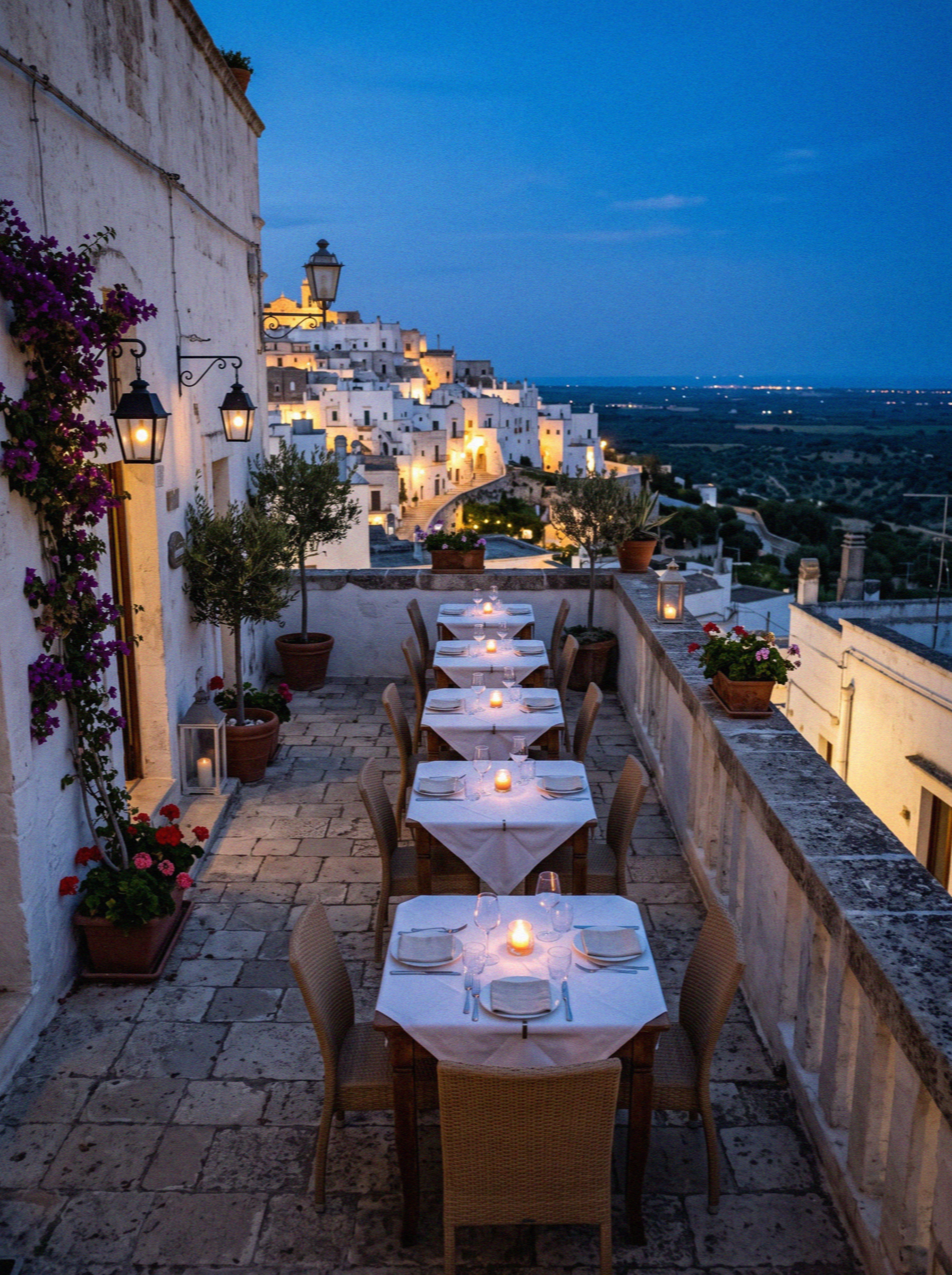
Your Ostuni Guides
Everything here in detail, guide by guide.
- An Ostuni Itinerary: 1 to 2 Days
- The Best Things to Do in Ostuni
- Where to Stay in Ostuni
- Staying in a Masseria near Ostuni
- The Best Beaches near Ostuni
- Where to Eat and Drink in Ostuni
- The Best Time to Visit Ostuni
- The Best Photo Spots in Ostuni
- Getting to Ostuni and the Best Day Trips
Ostuni Travel Diaries
- Ostuni, and the Colour of the Walls
- Ostuni, and the Sea It Does Not Touch
- Ostuni, and the Trees That Were Here First
More of southern Italy, and everywhere else I have been, sits in the Italy archive.
Frequently Asked Questions
Is Ostuni worth visiting?
Yes, and it holds up better than a lot of famous Italian towns because the thing it is known for, the whitewashed old town on its hill, is genuinely the experience of being there rather than a single view you photograph and leave. Give it two nights rather than a day trip. The town in the early morning and after seven in the evening is a different and much better place than the town at two in the afternoon.
Is Ostuni on the beach?
No, and this is the single most common misunderstanding about it. The town sits on a hill roughly seven to eight kilometres inland. The coast is a short drive or bus ride away and the beaches are excellent, but you cannot walk to the sea from your hotel. If a beach on the doorstep is what you want, book on the coast and visit Ostuni for the day.
How do you get from Ostuni station to the town?
The station is a few kilometres below the town on the plain, not in it. An STP shuttle bus runs from early morning to late evening and generally waits outside when trains arrive; buy the ticket in the station tabacchi for around 1.50 euros. Be aware that the return service is less reliable and may not follow the posted timetable, so allow extra time before a train or take a taxi down.
How long do you need in Ostuni?
Two nights is the sweet spot. One full day covers the old town, the cathedral and a proper long dinner. A second day gets you to the coast or out into the Valle d’Itria. If you are using Ostuni as a base for Puglia rather than as a destination in itself, three or four nights is comfortable and you will not run out of things within an hour’s drive.
Can you drive into the old town of Ostuni?
No. The historic centre is a limited traffic zone and it is enforced, with fines in Puglia running in the 80 to 100 euro range. Park outside and walk in. The Ex Foro Boario lot is the practical choice at around four euros a day and seven to ten minutes on foot from the centre.
What is a masseria and is it worth staying in one?
A masseria is a fortified farm estate, historically the working heart of an olive holding, built thick-walled and whitewashed. Many around Ostuni have been converted into hotels, usually with a pool and a restaurant among the olive groves. It is worth it if you want space, quiet and a slower holiday, and if you have a car. It is the wrong choice if you want to walk to dinner or you are only staying two nights.
When is the best time to visit Ostuni?
May to mid June, or September into mid October. The sea is warmest in August at around 26C but the town is at its most crowded and hottest then, with average highs around 30.6C. The shoulder months keep the warm water and lose the crush. Winter is quiet and beautiful with daytime temperatures around 13C, but much of the seasonal town is closed.
What can you visit from Ostuni on a day trip?
The Valle d’Itria towns are the obvious loop: Alberobello and its trulli about forty-five minutes away, then Locorotondo, Martina Franca and Cisternino, all within twenty to thirty minutes of each other. Polignano a Mare up the coast is the other strong option and makes a good contrast, since it is a cliff town over the sea rather than a white town over olives.