The first thing to say, because a surprising number of people book Ostuni without knowing it: the town is not on the sea.
Ostuni sits on a hill roughly seven to eight kilometres inland, looking down over an olive plain toward the Adriatic. The coast belonging to it is a strip of very good beach below, but you are driving, taxiing or bussing to every one of them. If you pictured walking out of your hotel onto sand, that is not this town.
What you get in exchange is genuine variety within a short drive: dunes, rock, and one properly wild protected reserve. Here is what each one is actually like.
The dune beaches
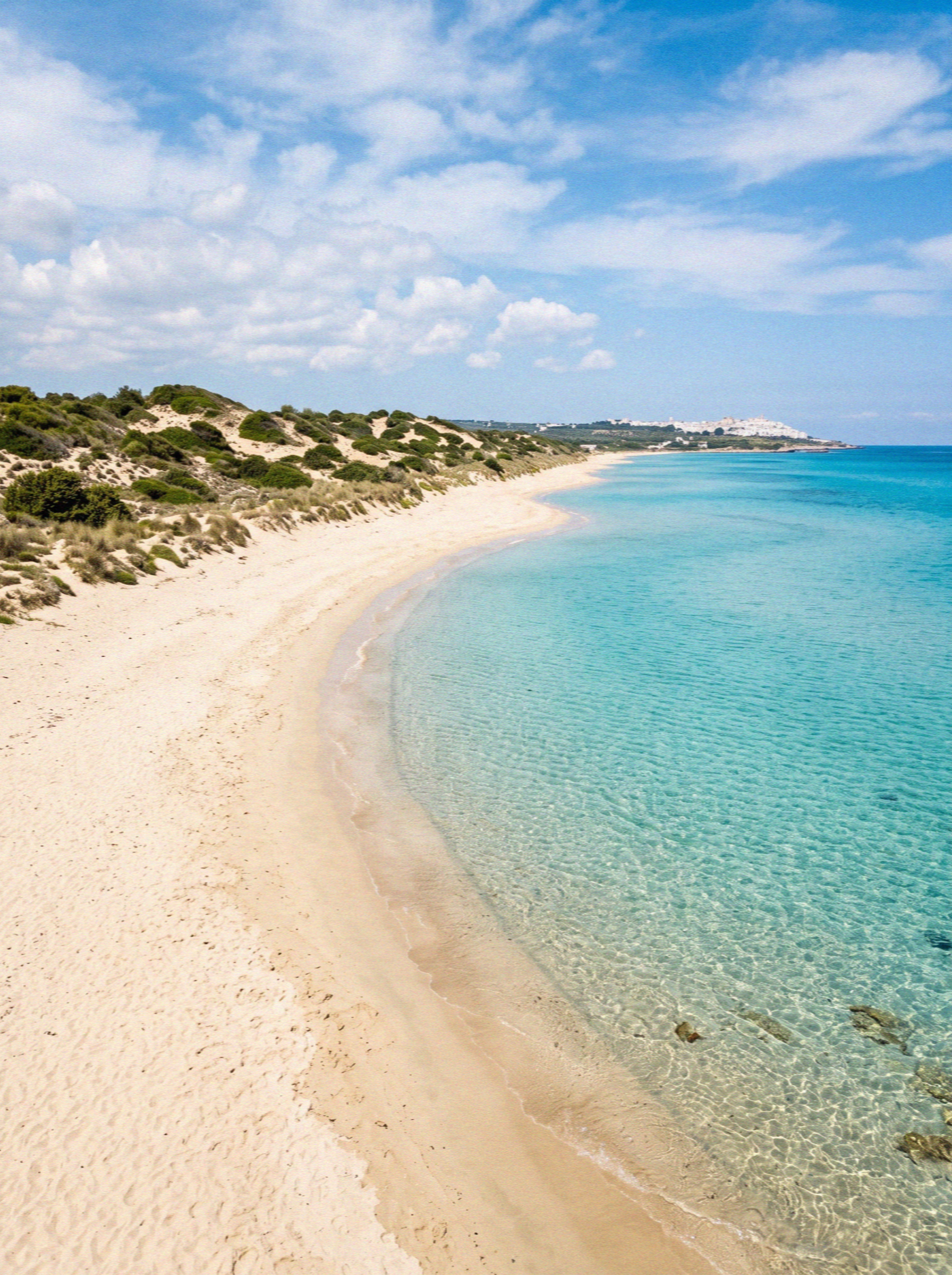
This is the classic Ostuni coast and the reason the area has the reputation it does.
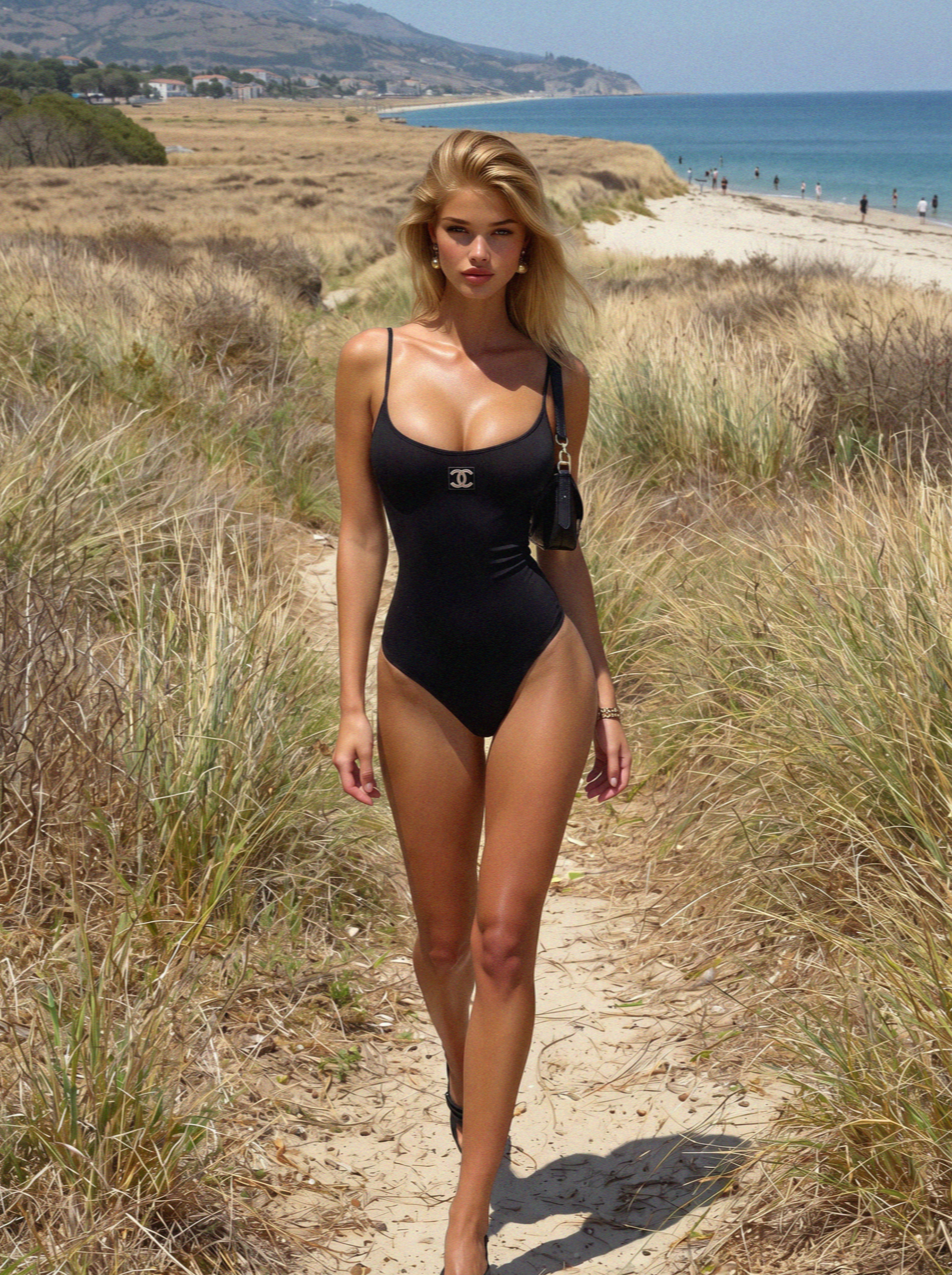
Pilone is the one to start with, about six kilometres from town. It is backed by low vegetated dunes and Mediterranean scrub, the sand is pale, and the water comes in shallow and very clear. Because the dunes sit behind the beach rather than a wall of concrete, it looks like coastline rather than resort, which is not true of everywhere on this stretch.
Rosa Marina is nearby, roughly fifteen minutes from Ostuni, and works on the same principle.
These are the beaches to pick if you have children, if you want to swim rather than clamber, or if you simply want to lie on sand. There are lidos with loungers and umbrellas for hire along parts of this coast, and free stretches between them. In July and August the free sections fill early, so if you want one, be there in the morning.
The rocky coves
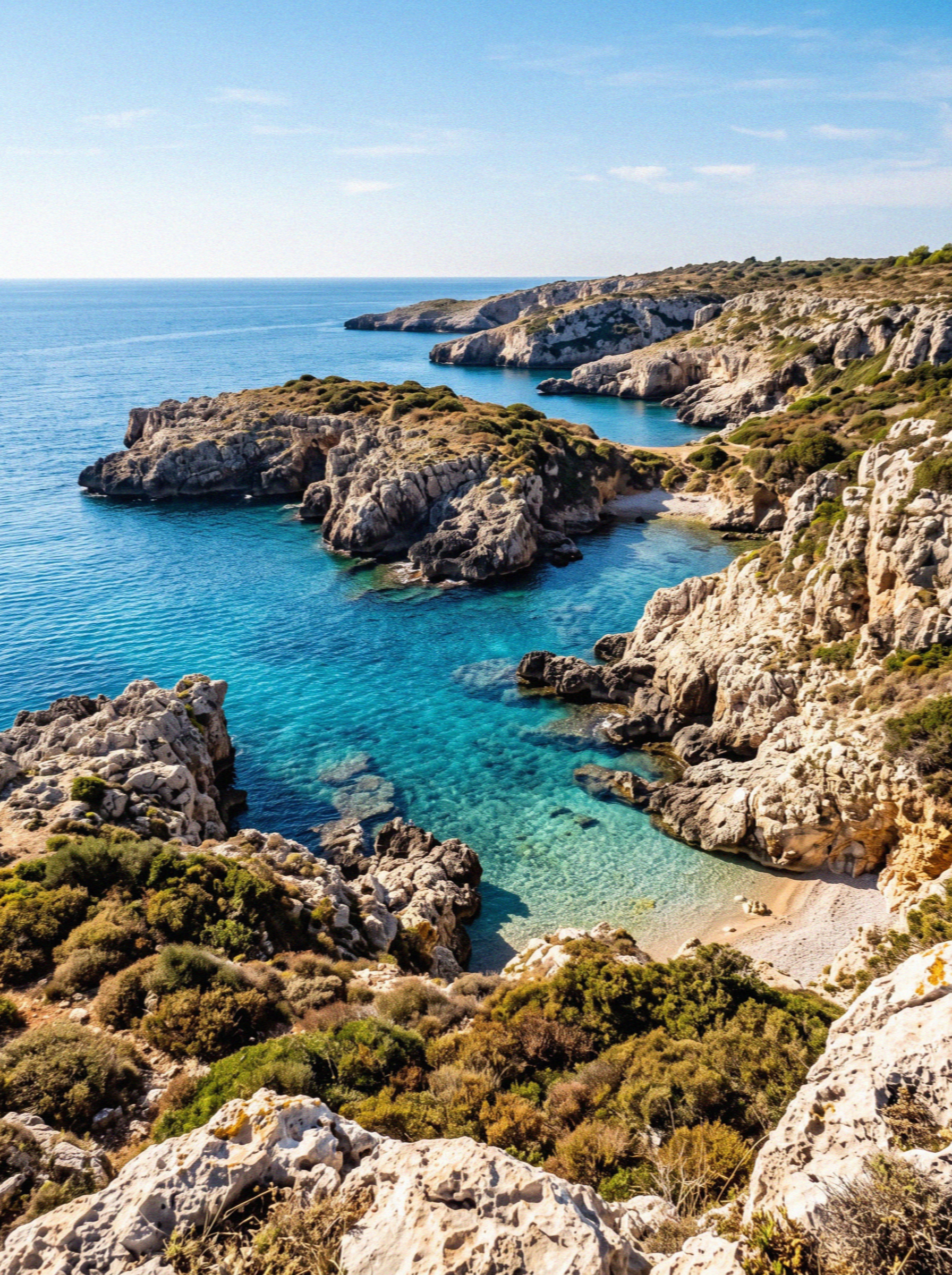
Costa Merlata is the other character of this coast entirely, and its name tells you what to expect. Merlata means crenellated, and the coastline here is deeply indented, a run of small rocky inlets and coves cut into low limestone, with clear deep water in each one.
Sources put it somewhere between seven and ten kilometres from Ostuni, so call it a ten minute drive and do not plan to the minute.
The swimming is better here than on the sand, if you like getting into deep clear water off rock. It is also less comfortable: bring something to sit on, because limestone is unforgiving, and water shoes are genuinely useful for getting in and out without hurting yourself. The coves are small, which means each one holds a handful of people and feels private, and also means that when one is full it is full.
The protected reserve
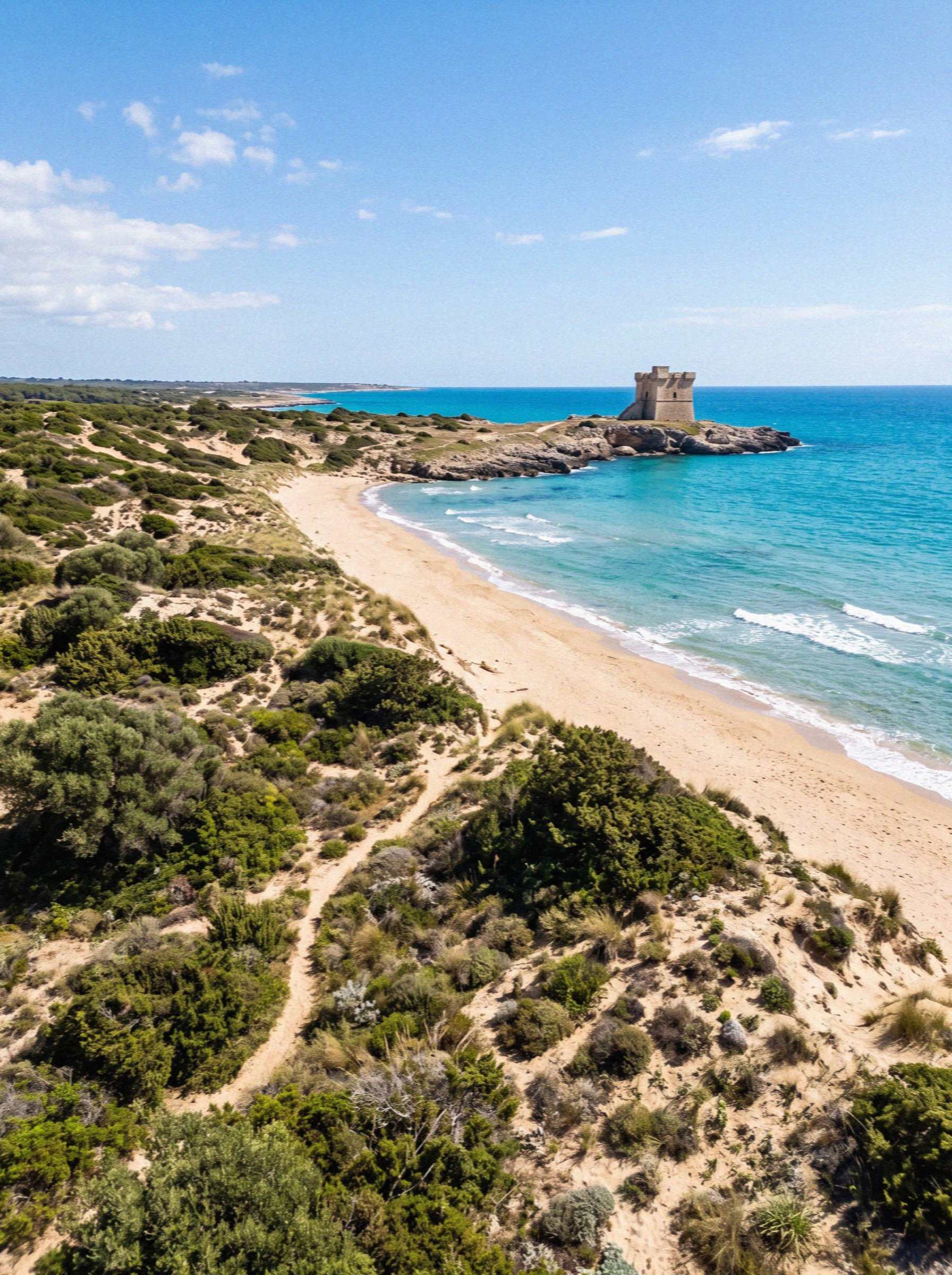
Torre Guaceto is the best of them and the one worth making an effort for.
It is a protected marine reserve, which is the whole point. No beach clubs, no rows of loungers, no bar thumping music across the sand. What you get instead is a long stretch of dune and Mediterranean scrub running down to open beach, an old stone watchtower standing out on the point, and water that is noticeably clearer for being in a reserve.
Getting there takes about twenty minutes up the coast. I want to be honest that sources disagree on the distance, some giving twelve kilometres and others over twenty, so treat it as a twenty minute drive rather than a precise number and give yourself margin.
Because it is protected, access is more managed than at an ordinary beach and facilities are deliberately limited. Take water, take shade, and take your rubbish out with you.
Getting in

A few practical things about swimming on this coast.
The water is warm enough for most people from July through September, sitting between about 24C and 26C, and peaks around 26C in August. June is swimmable if you are not precious about it. By February the sea is down around 13C and swimming is for the committed only.
Bring water shoes. Not for the sand beaches, where they are unnecessary, but for Costa Merlata and any of the rocky entries, where they turn a scramble into a non-event.
Go early or go late. The middle of a July afternoon on this coast is very hot and very full. Mornings before about ten are quiet everywhere, and the hours after five are the nicest of the day, when the light softens and the day trippers start packing up.
And take a hat and proper shade. There is not much natural cover on a dune beach and the Puglian sun in August is not a gentle thing.
Lidos and free beaches
Italian beaches divide into two kinds and it is worth knowing which you are walking onto.
A lido is a private concession: rows of loungers and umbrellas, a bar, showers, someone to take your money, and usually a cleaner and better-organised stretch of sand. You pay for the day, typically more for a front row. Along the Ostuni coast the lidos cluster on the sandier stretches.
The spiaggia libera, the free beach, is the public sections between them. No facilities, no loungers, no shade unless you bring it. Free, and in July and August full by mid morning.
Neither is better. If you are here with children and staying all day, a lido is worth the money for the shade and the toilets alone. If you are coming for two hours in the morning, walk to the free stretch and save it.
Getting to the beaches without a car
Most visitors drive, and it is the simplest option: the coast is ten minutes down the hill and the beaches have parking, though it fills early in August and paid lots near the popular stretches are normal in summer.
If you arrived by train and have no car, you are not stuck. There are summer bus services from Ostuni down to the coast. Apply the same caution I would apply to the station shuttle: check the return times before you commit to a beach day, because the timetable and reality do not always agree, and being stranded seven kilometres below your hotel in the heat is an unhappy end to an afternoon.
Taxis exist but are neither plentiful nor cheap, so agree the return before you are dropped off.
Which one should you pick
If you have one afternoon and children, go to Pilone. If you have one afternoon and no children and you like swimming properly, go to Costa Merlata. If you have a whole day and a car and you want to remember it, go to Torre Guaceto.
Frequently Asked Questions
Does Ostuni have a beach?
Not in the town itself. Ostuni sits on a hill about seven to eight kilometres inland. The beaches belonging to it are on the Adriatic coast below, a short drive or bus ride away, and include dune beaches at Pilone and Rosa Marina, rocky coves at Costa Merlata and the protected reserve at Torre Guaceto.
How far is the beach from Ostuni?
The closest are around six kilometres, which is roughly ten minutes by car. Pilone is about six kilometres, Costa Merlata somewhere between seven and ten depending on the source, and Torre Guaceto around twenty minutes up the coast.
What is the best beach near Ostuni?
For sand and easy swimming, Pilone. For clear deep water off rock, Costa Merlata. For the wildest and least developed, Torre Guaceto, which is a protected marine reserve with dunes, scrub and an old watchtower instead of beach clubs.
When is the sea warm enough to swim near Ostuni?
July through September, when the sea sits between about 24C and 26C. August is warmest at around 26C. June is borderline but fine for most people. Winter sea temperatures drop to about 13C in February.
Do you need water shoes at the beaches near Ostuni?
At the rocky coves like Costa Merlata, yes, they make getting in and out much easier. At the dune beaches such as Pilone and Rosa Marina the sand is soft and you will not need them.
Read also: the best time to visit Ostuni, an Ostuni itinerary, and the complete guide to Ostuni.