There are events you attend and events you absorb. The Monaco Grand Prix is not something you watch in the ordinary sense. It enters you through the soles of your feet before you hear it, and by the time it is over, something has changed about how you understand the relationship between speed and beauty and a city built for both.
I have been to Monaco during race week more than once. I have watched the Grand Prix from a hotel terrace and from the deck of a yacht in Port Hercule, and I can tell you they are not the same experience. I have walked the harbor front at midnight after the Amber Lounge and stood at the circuit barrier on Saturday afternoon during qualifying and sat in a helicopter over the principality watching the boats fill the port like a grammar no one taught, and everyone somehow reads. I know what this weekend is. I know how to prepare for it and what it costs and how quickly it sells out and how little any of that matters once you are inside it.
This is what I know.
What the Monaco Grand Prix Is
The Formula 1 Grand Prix de Monaco has been run on the streets of Monte-Carlo since 1929. It is the oldest and most celebrated race on the Formula 1 calendar, part of what motorsport calls the Triple Crown alongside the Indianapolis 500 and the 24 Hours of Le Mans. No other event in the sport carries the same accumulated weight of history, glamour, and technical difficulty.
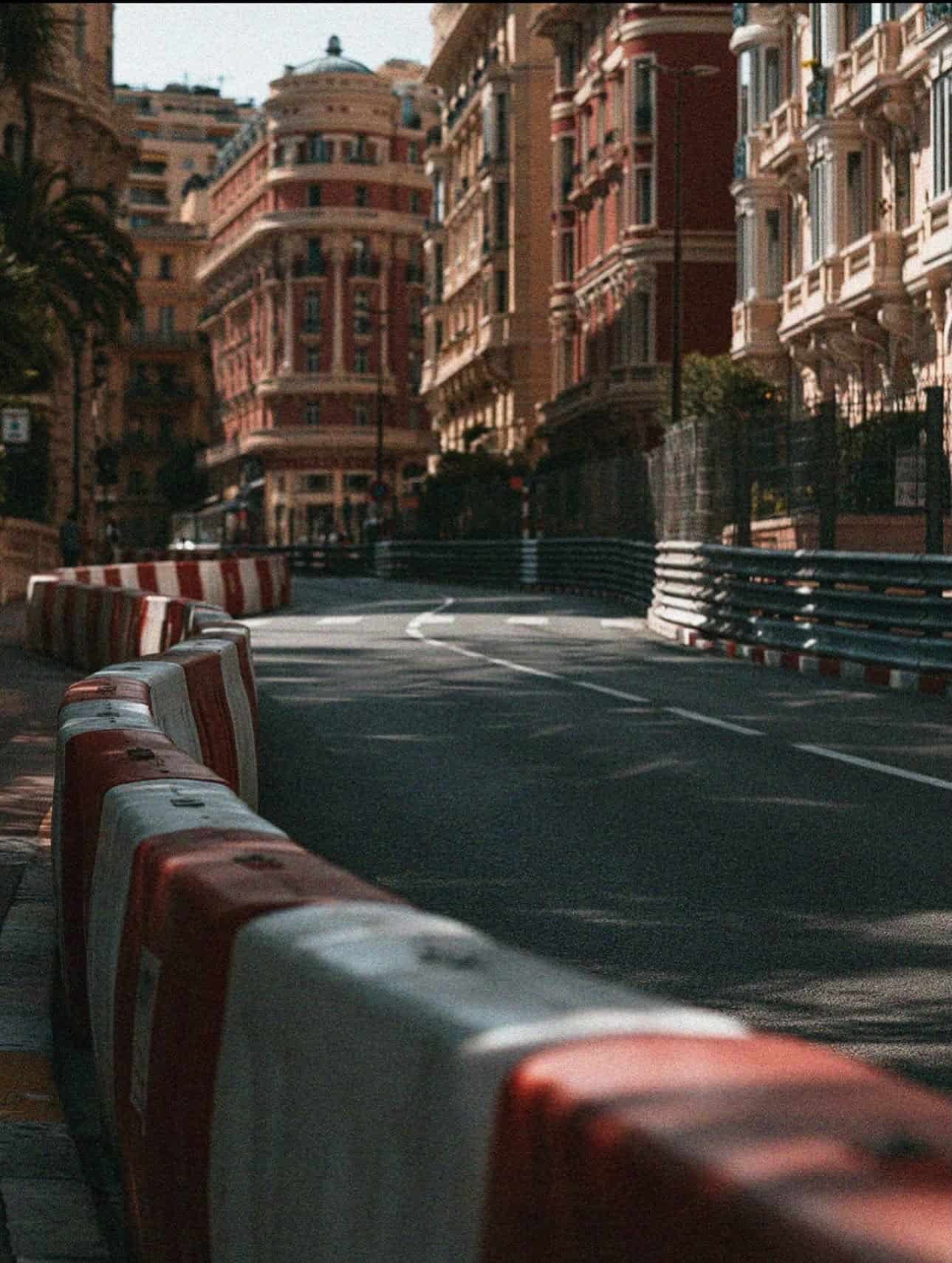
The circuit is 3.337 kilometres of unforgiving street architecture: nineteen corners, concrete barriers inches from the car at speed, a tunnel, a harbour-front straight, a swimming pool section, a hairpin taken in second gear at 50 kilometres per hour. It is the slowest circuit on the calendar. It is also the most demanding. The drivers who are fastest here are not always the drivers who are fastest everywhere else. Monaco asks for something different: surgical precision, an ability to hold the car at the absolute outer edge of the possible without crossing it, lap after lap for nearly two hours.
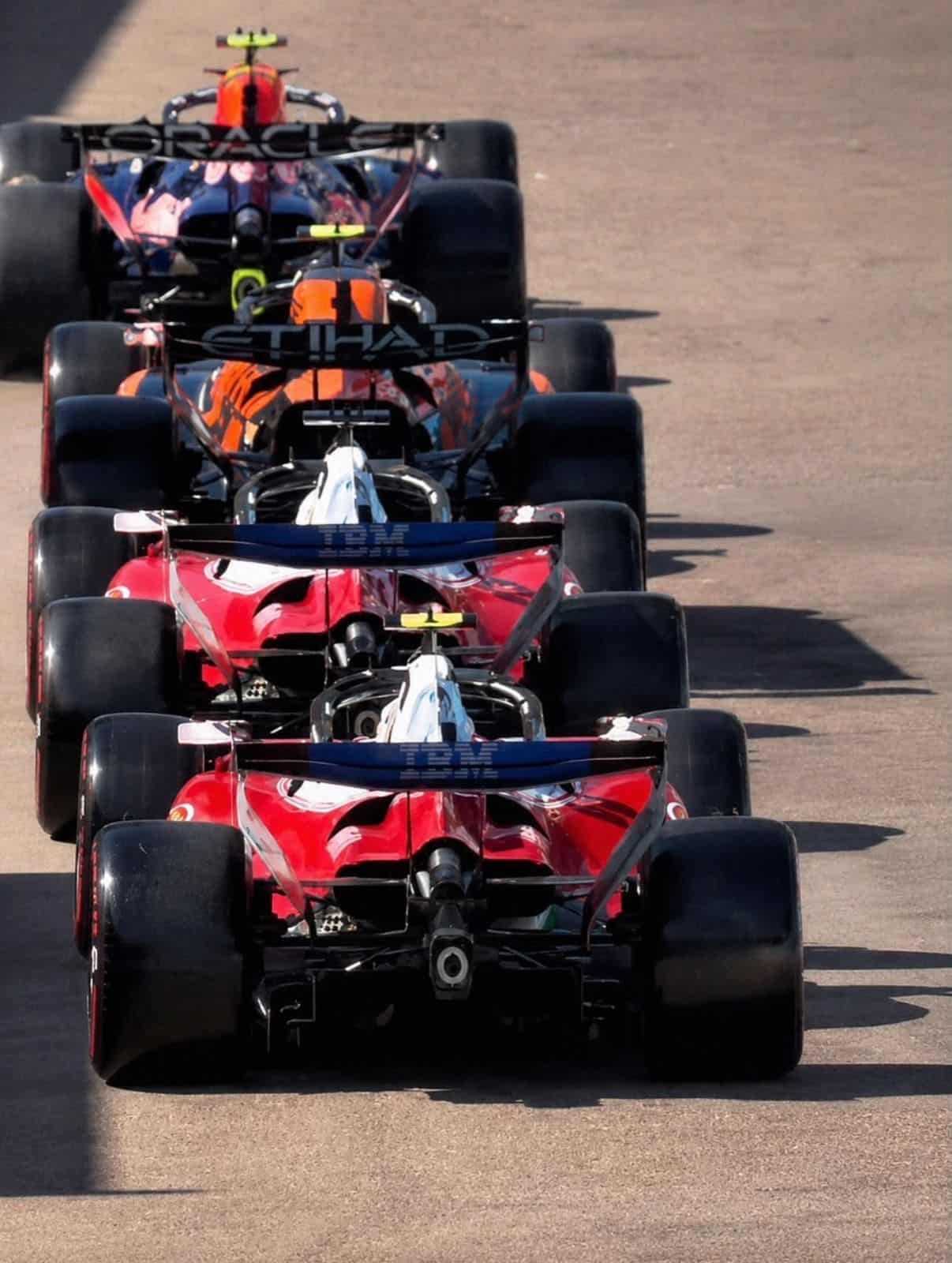
Overtaking is nearly impossible. This is the point everyone mentions first, usually as a criticism. They are wrong to treat it as one. It means that qualifying on Saturday determines the race. It means the tension builds across the whole weekend rather than releasing cleanly on Sunday. It means that what you are watching on race day is not so much a competition as a sustained act of concentration carried out at 200 kilometres per hour inches from walls that do not forgive contact. You begin to understand why drivers who have won here carry it differently.
The principality itself is eight-tenths of a square mile. During race week, it contains more concentrated wealth, ambition, speed, and noise than anything else I have encountered at that scale anywhere in the world. It also contains moments of real quiet, real beauty, and a quality of light that has nothing to do with any of it.
Both things are true. That is Monaco.
Plan Your Visit to Monaco
A few things I booked and loved. These help support the blog, at no cost to you.
This section contains affiliate links. If you book through them I may earn a small commission, at no extra cost to you.
Understanding the Weekend
The Monaco Grand Prix runs Thursday through Sunday. Understanding the arc of the weekend is the first thing a serious attendee needs.
Thursday is fan day and the most underestimated day of the four. Entry to most grandstands costs around €30. The Formula 2 and Formula 3 support series run their practice sessions, and the F1 cars are not yet on track, but the circuit is open, the atmosphere is beginning to build, and you can walk to positions you will not be able to reach once Sunday arrives. If you have never attended before, Thursday is the day to orient yourself: learn the circuit, find the corners, understand the sightlines. The crowds are manageable. The experience is already extraordinary.
Friday brings the first F1 practice sessions. Free Practice 1 runs at 13:30 CEST and Free Practice 2 at 17:00, and with them comes the first real sound of the season at Monaco: the cars through the tunnel, audible across the harbor, a frequency that arrives before you are ready for it. Friday grandstand tickets run approximately €170 and represent good value for the experience.
Saturday is when Monaco becomes something else. Qualifying at 16:00 CEST is broadly considered the most exciting session of the Formula 1 calendar. Drivers pushing for pole position on a circuit with no margin for error, hundredths of seconds separating positions, the full consequences of a mistake being a wall that stops everything. I watch qualifying every time I am here. It is better than most races. Saturday grandstand tickets run €300 to €550.
Sunday is the Grand Prix: 78 laps, race start at 15:00 CEST, the whole principality at full voltage. Sunday race-day tickets in the premium grandstands run €700 to €1,050. They sell out early. January is not too early to begin looking.
The Circuit: What You Are Watching
The Circuit de Monaco is worth understanding before you arrive. These are the corners that matter.
I walk the whole lap, corner by corner, in my guide to the Circuit de Monaco.
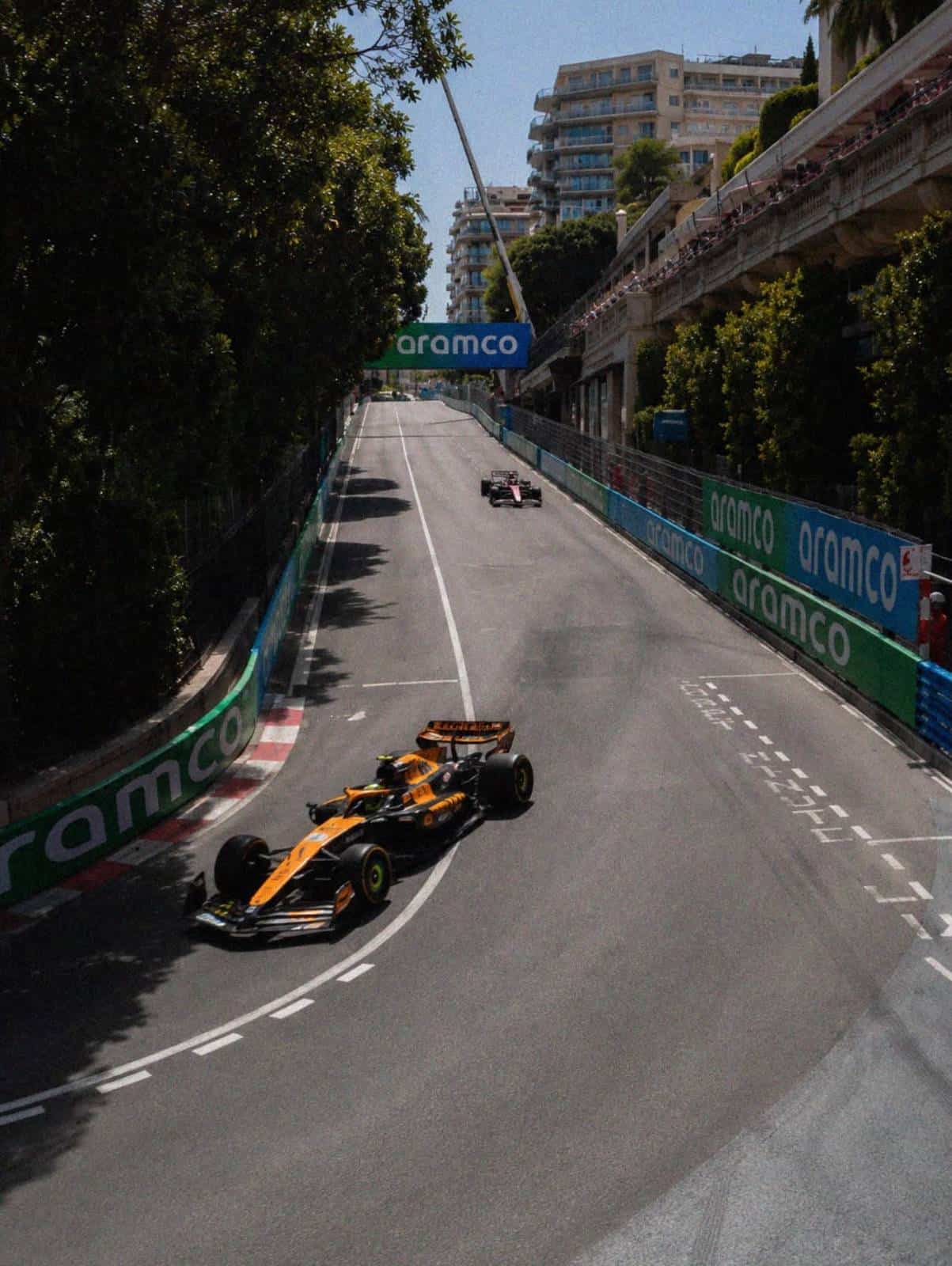
Sainte-Dévote is the first corner, a right-hander at the end of the start-finish straight where the race often begins its first drama. Cars dive inside here on lap one. It is where optimistic overtaking attempts begin their short lives.
Casino Square is what most people imagine when they think of Monaco. Cars arrive from the tunnel of trees on Boulevard d’Ostende, brake hard, negotiate a blind crest, and thread through the square in front of the Casino de Monte-Carlo. Grandstand B sits here. It is one of the most famous single corners in motorsport.
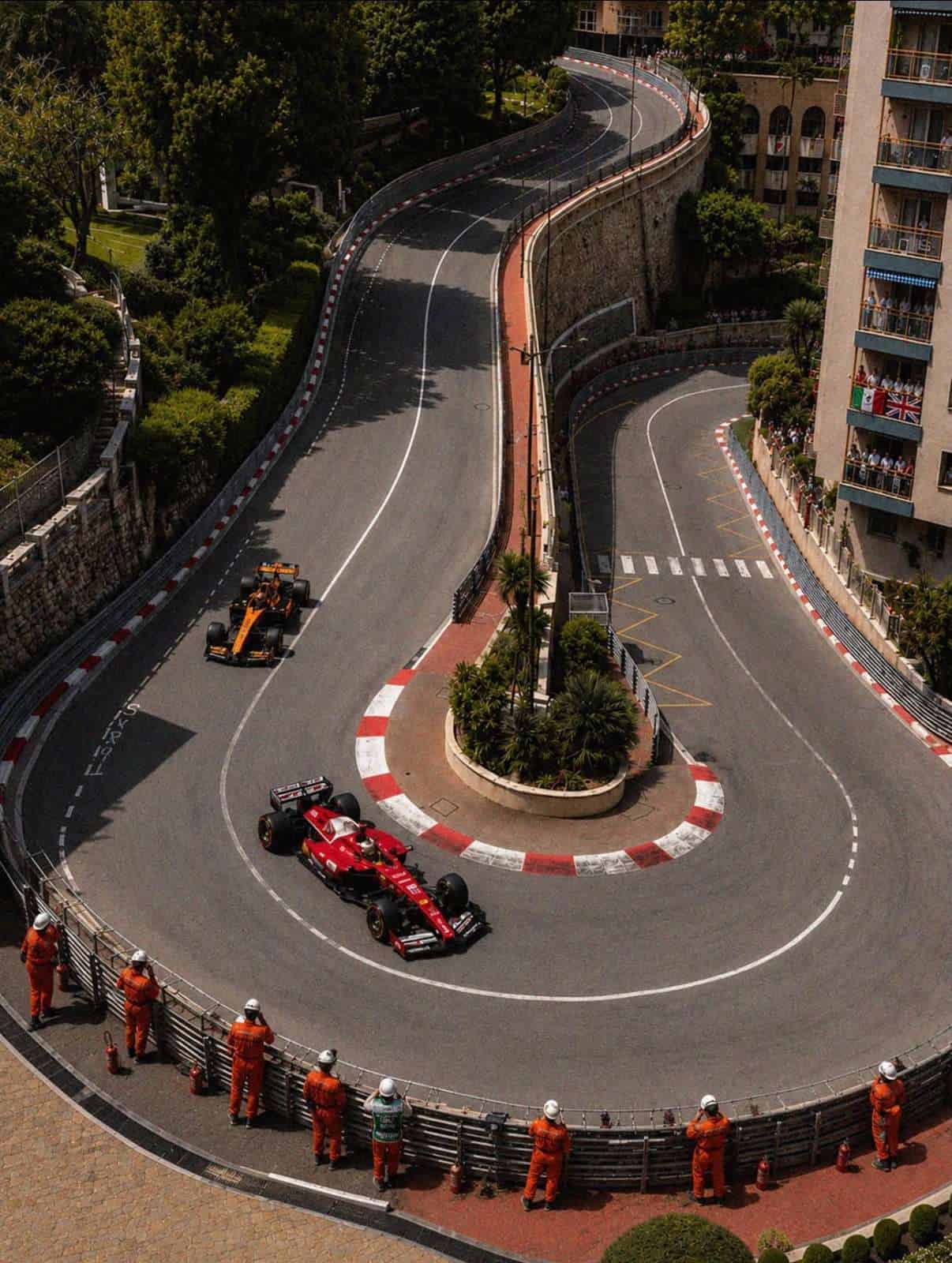
The Grand Hotel Hairpin, sometimes called Loews or the Fairmont Hairpin, is the slowest corner in Formula 1, taken in second gear at approximately 50 kilometres per hour. This is the corner where cars are closest to walking pace and where the driver’s technique is most exposed. There is nowhere to hide here.
The Tunnel is the only covered section on the Formula 1 calendar. Cars go from full sunlight into darkness and then back into light while traveling at around 280 kilometres per hour. The acoustic effect inside the tunnel is a separate experience from anything else at the circuit.
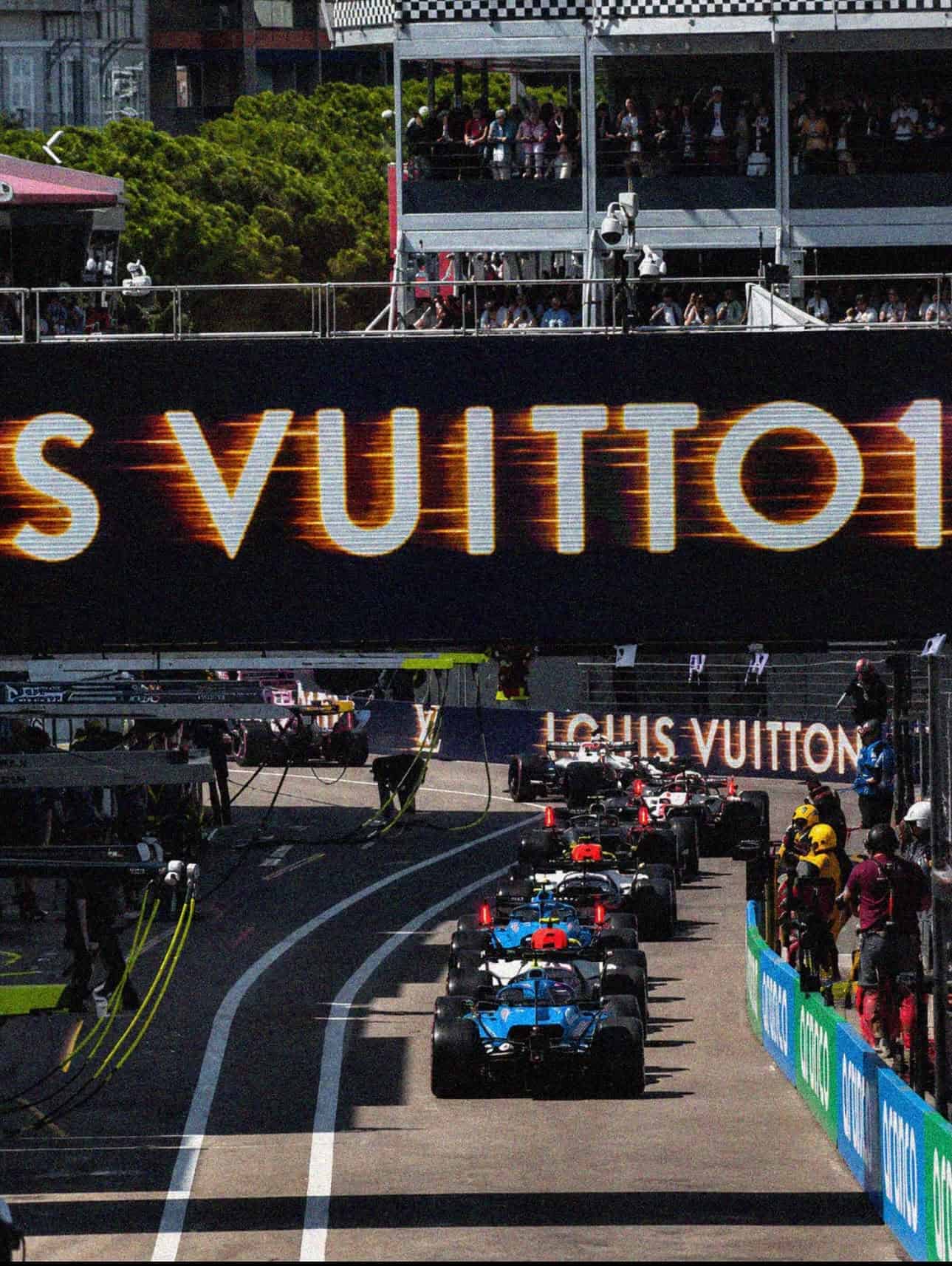
The Nouvelle Chicane and Tabac follow the tunnel exit and bring the cars to the harbor front, where the yachts in Port Hercule sit close enough to the barriers that you can see the faces of people watching from the upper decks.
The Swimming Pool section – named for the public pool complex it runs alongside – is one of the fastest and most technical sequences on the calendar. Two chicanes in rapid succession, where any mistake sends the car straight into the barrier. The photography from this section is extraordinary.
La Rascasse is the final corner before Anthony Noghès, slow and watched closely from Grandstand T, where the pit lane entry is also visible. Anthony Noghès – the final corner, named for the race’s founder – delivers cars back to the start-finish straight.
How to Watch: The Grandstand Question
There is no bad seat at Monaco. There are better seats, and there are the best seats.
I ranked every grandstand, with the rows to aim for and the prices, in my guide to the best grandstands at the Monaco Grand Prix.
Grandstand K is where you want to be. It is consistently rated the finest overall viewing position on the Formula 1 calendar, not only at Monaco. The grandstand sits along the harbor front from Tabac to the Swimming Pool chicane, and from the upper rows of K1 and K2, you can see Tabac corner, the full Swimming Pool section, the New Chicane, and the backdrop of Port Hercule filled with the superyachts of people who chose a different method of watching. Aim for Gold seats in the upper rows. The view explains why people return to these seats year after year and book them before the season has finished. Sunday tickets run €700 to €1,050. They sell out first.
Grandstand T sits at La Rascasse and overlooks the pit lane entry, the territory of strategy, of drivers who have pitted, and the mechanics waiting. Upper rows give an unobstructed view of the Swimming Pool exit, all the way to the start-finish line. For anyone interested in the mechanics of the race rather than just the spectacle, this is where you want to be. Sunday: €600 to €900.
Grandstand V – Anthony Noghès – is the final corner before the line. In a race where drama tends to be compressed and accumulated rather than dispersed throughout, the final corner on the final laps produces moments that exist nowhere else on the calendar. Sunday: €700 to €950.
Grandstands O, N, and P sit on the pier facing the Swimming Pool chicane, with the Monte-Carlo skyline behind the cars. These are the photographer’s positions. The light in the afternoon against that backdrop, with the cars at speed through the chicane, is one of the most photographed sequences in the sport. If you are there with a camera, begin here. Sunday: €650 to €900.
Grandstand B at Casino Square stands apart from the harbor action in physical terms, but offers a perspective no other position does: the cars arriving fast, braking hard, disappearing around the blind crest in front of one of the most recognizable buildings in Europe. A different kind of viewing. Sunday: €550 to €800.
Tickets are sold exclusively through the Automobile Club de Monaco and its official partners: monaco-grandprix.com, tickets.formula1.com, and F1 Experiences for hospitality packages.
The Yacht: Port Hercule
The other way to watch is from the water.
I wrote up what it is really like, and what it costs, in my guide to watching the Monaco Grand Prix from a yacht.
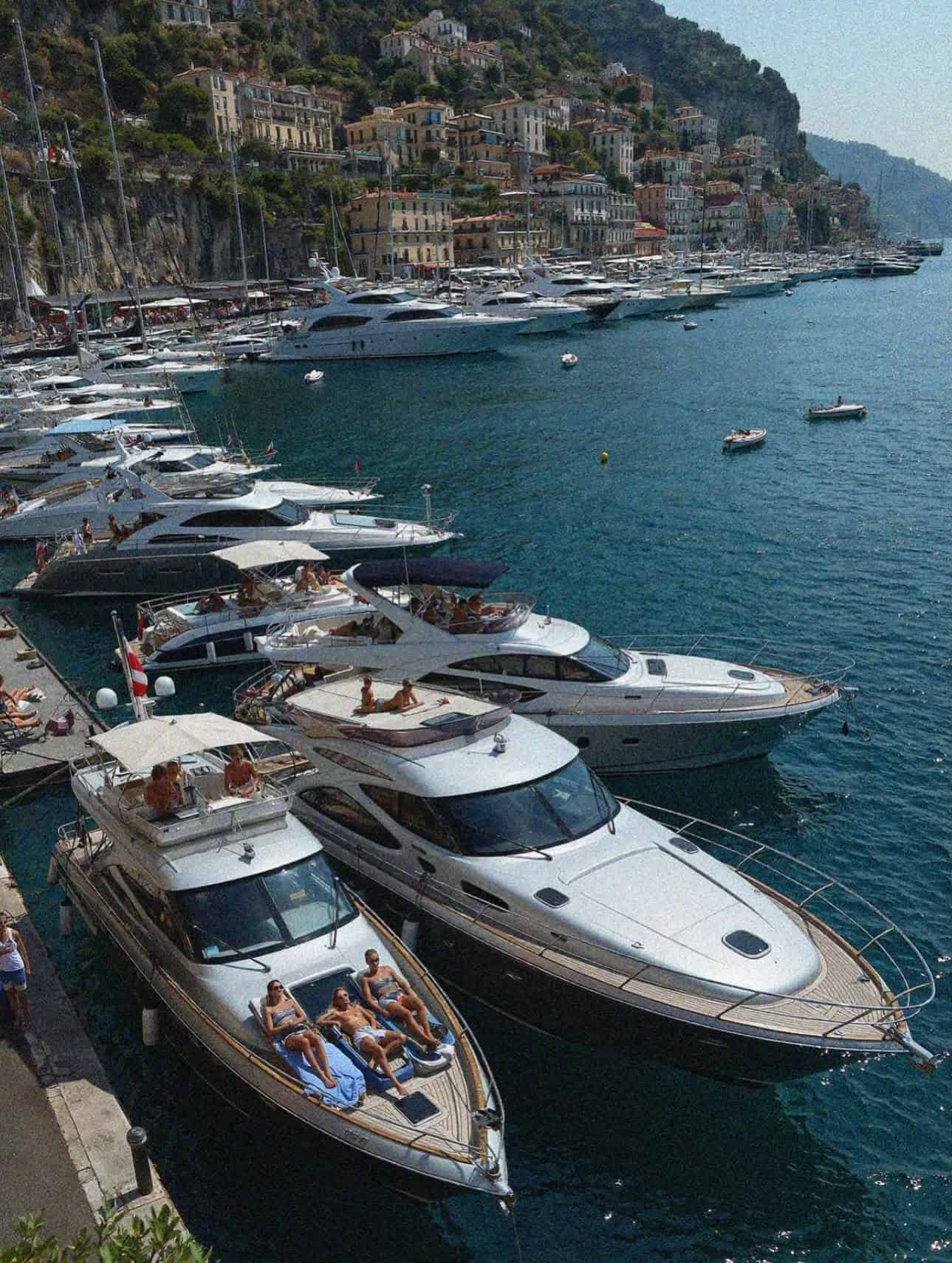
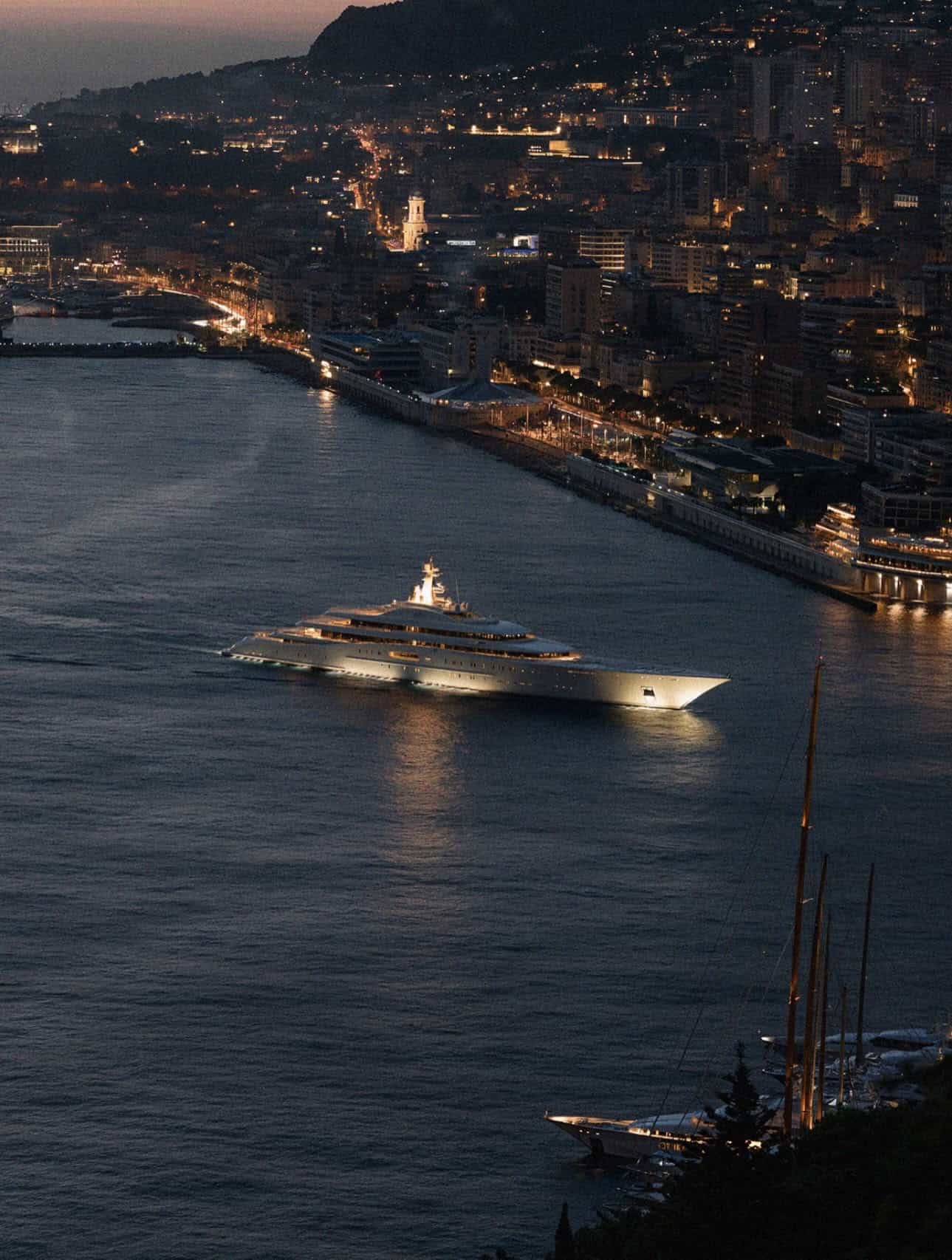
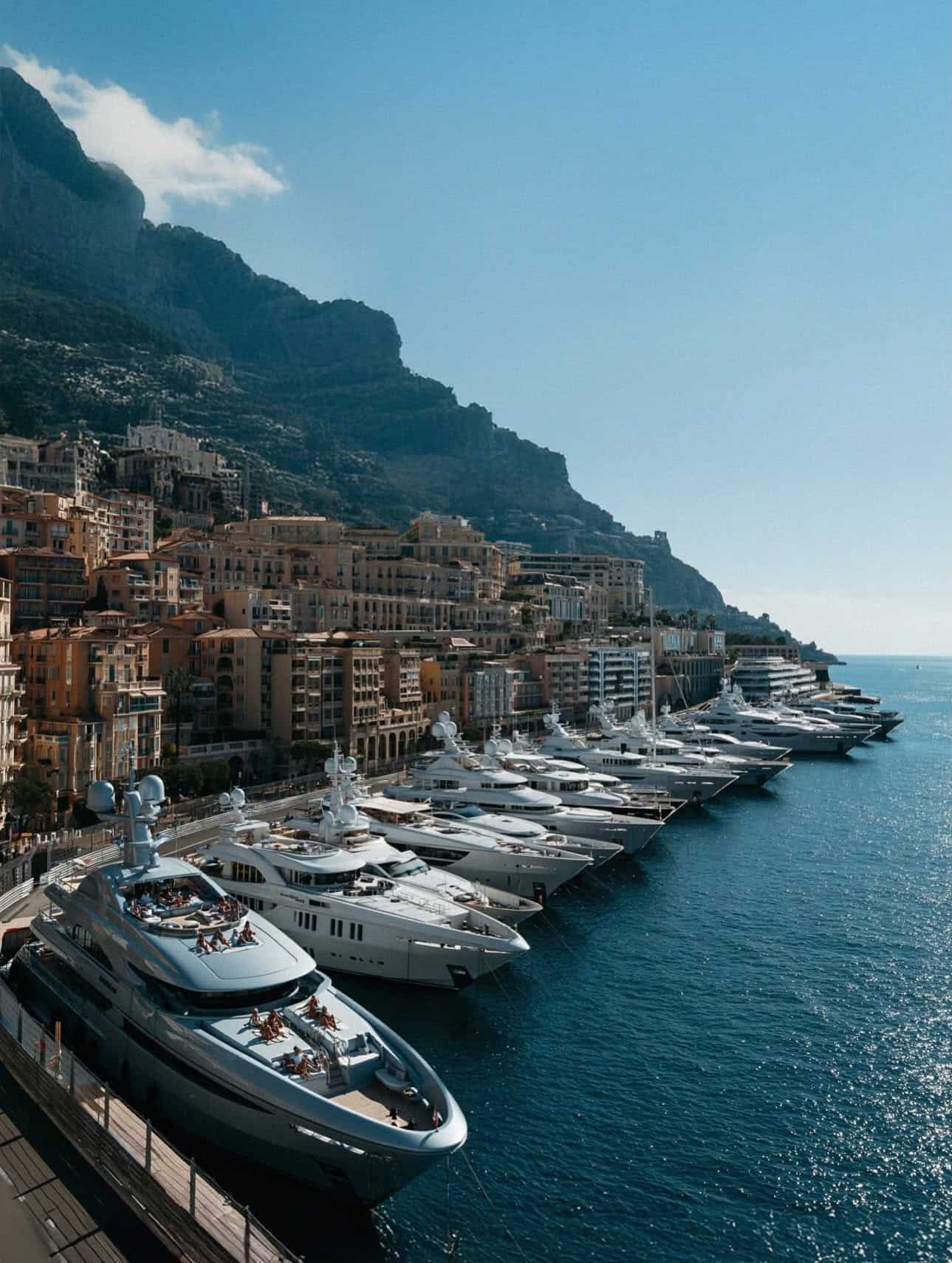
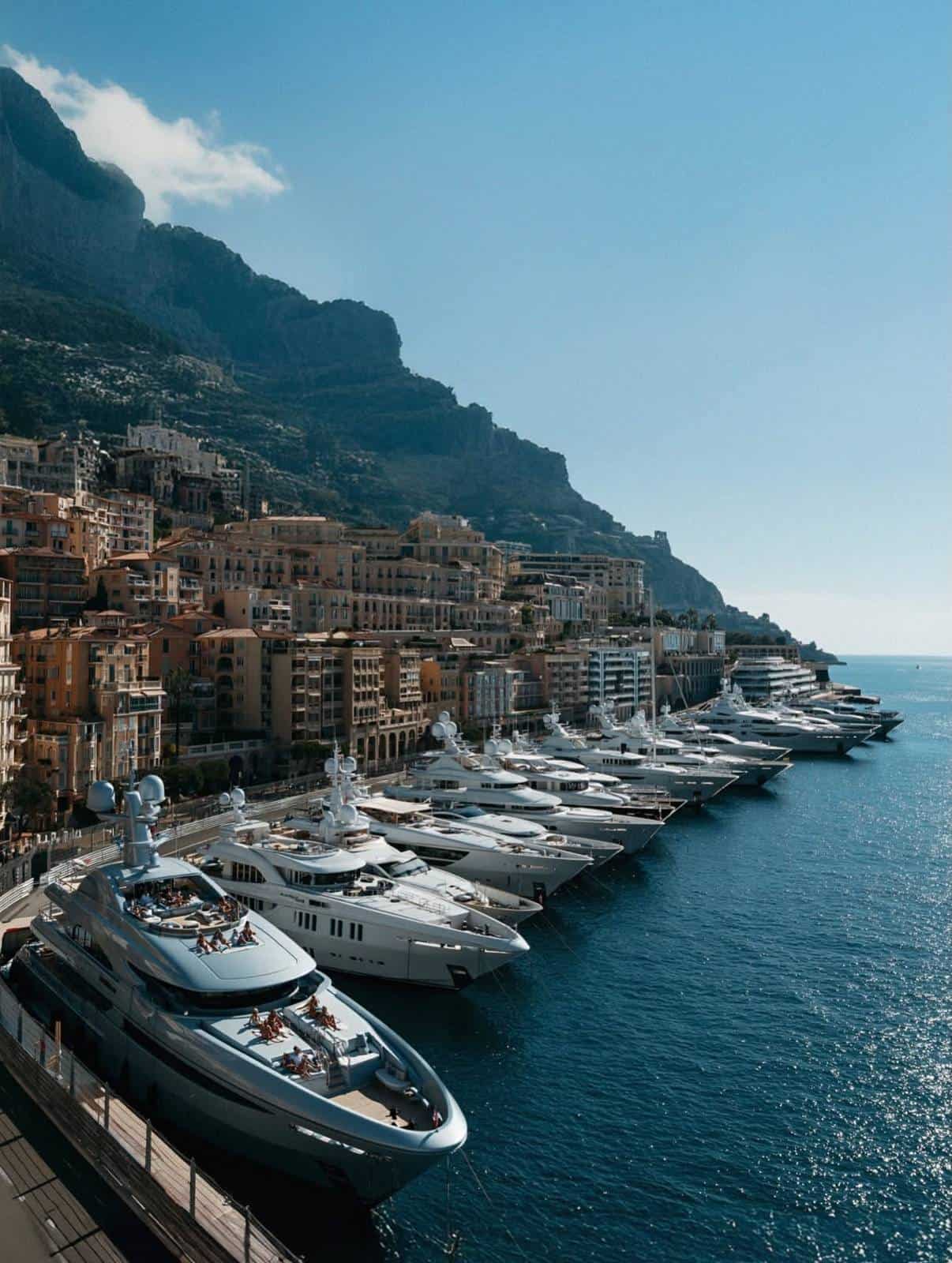
Port Hercule fills during race week with some of the largest private yachts in the world. The positioning is deliberate: the boats with harbor-front berths look directly across to the circuit, and from the upper decks of a well-positioned vessel, the view of the Swimming Pool chicane, Tabac, and the Nouvelle Chicane is unobstructed and multi-level in a way no grandstand can replicate. You watch from above. The cars appear and disappear through the circuit below you. The harbor is itself in the frame. It is a different kind of relationship with the race, more panoramic, less close, more complete.
I have watched from both. The grandstand gives you the sound in your chest, the sensation of proximity, and the technical clarity of being near a specific corner. The yacht gives you the race as architecture: the whole harbour, the whole scene, the principality spread against the hillside with the cars threading through it. They are not competing experiences. They answer different questions about what watching a race can be.
A private charter in Port Hercule for race week is a significant commitment. Charter rates run from approximately €5,000 to €50,000 and above per day, depending on size and berth position. The established brokers are Burgess, Fraser, and 212 Yachts, among others. For those who want the yacht experience without the full charter, yacht hospitality packages are available per day through F1 Experiences and ACM Official Hospitality. These packages are all-inclusive and give access to multiple decks.
One timing note worth knowing: Sunday yacht hospitality sells out before most other things. Often by January. If this is the route you intend, the booking happens at the same moment you decide you are going.
Getting There
Monaco during race week is one of the most congested places in Europe. This is not an exaggeration. Roads into the principality close progressively from Thursday, and by Sunday morning, driving directly into Monte-Carlo is effectively not possible. Knowing this in advance means you plan around it rather than into it.
I set out every route into the principality, with the timings and the fares, in my guide on how to get to the Monaco Grand Prix.
By helicopter is the way I have arrived. Approximately seven minutes from Nice Côte d’Azur Airport to the Monaco Heliport at Fontvieille. The operators are Monacair, Héli Sécurité, and Azur Hélicoptère, among others. Prices run approximately €160 to €200 per person one-way and rise as the weekend approaches. Book at the same time you book the race tickets. From above, arriving over the harbor and watching the boats fill the port below while the circuit is already visible in the streets, you begin to understand what you are about to enter before you have entered it. I recommend this approach, entirely apart from its practicality, for this reason.
By train is the most underrated option for those not arriving from the airport. The SNCF TER service from Nice-Ville to Monaco-Monte-Carlo takes approximately 25 minutes and costs under €5. This is not a compromise. The station at Monaco opens directly above Grandstand K, which means you step off the train and into the circuit without any intervening complexity. For Friday and Saturday, particularly, this is simply the most efficient way to arrive. Trains are frequent. The return, after the race, requires patience and nothing else.
By car, from inside Monaco is not recommended from Friday afternoon onward and effectively impossible on Sunday morning. If driving, base yourself outside the principality (Cap-d’Ail, just beyond the Monaco border, is eight minutes from the circuit) and travel in from there.
Where to Stay
Monaco’s hotels fill for race week months in advance. Knowing what you want and when to book it are related pieces of knowledge.
I go through every address, and when each one books out, in my guide to where to stay for the Monaco Grand Prix.
The Hôtel de Paris Monte-Carlo on the Place du Casino is where the race week lives. Built in 1864, it sits at the center of everything: the Casino, the circuit, the converging world of Formula 1, and the principality at full voltage. The hotel has a trackside garden terrace offering race views directly onto Casino Square, and the Garnier Suite is considered among the finest race-viewing positions in Monaco. Guests staying at the hotel have access to the terrace across the full race weekend. If you want to be at the absolute center of what this weekend is, this is the address. It books at the same pace as race tickets. They are the same decision, made at the same time.
The Hôtel Hermitage sits nearby, quieter in character, a Belle Époque building with harbor views and a slightly removed relationship to the intensity of the Place du Casino. For those who prefer to participate in the weekend on their own terms and return to somewhere composed at the end of a day, this is worth knowing.
The Fairmont Monte Carlo straddles the circuit at the Grand Hotel Hairpin. From certain rooms and terraces, you can see and hear the cars in the corner below. The hotel is also home to Lilly’s Club and is the venue for Amber Lounge, which is a consideration that goes beyond accommodation.
For those basing outside Monaco, Nice is 20 kilometers along the coast and offers every level of accommodation with train access to the circuit. Menton, near the Italian border, takes 15 minutes by train. Cap-d’Ail, immediately adjacent to Monaco, is the closest base outside the principality and the most practical choice for those arriving by car.
Yachts also have accommodations. Some guests charter for the week and sleep on board. This resolves the access question entirely: you are already at the circuit before the circuit has opened. You watch from your own deck. The harbor becomes your address for four days.
What to Wear
Monaco Grand Prix has no formal dress code in the sense that Royal Ascot does. But it has something more demanding: the accumulated aesthetic expectations of the most stylish race weekend in the world, unwritten but completely understood.
I laid out exactly what I pack for each part of the weekend in my guide to what to wear to the Monaco Grand Prix.
In the grandstands, the practical consideration is real: full sun, warm temperatures, shoes that make sense for access and walking. But practical and beautiful are not in conflict here. This is not the occasion for concession to comfort at the expense of elegance. The women I have noticed at Monaco who look most right are those who have thought about the weekend as a whole rather than a single day: a certain quality of fabric, a certain restraint of color, an ease that reads as effortless because the decisions were made in advance.
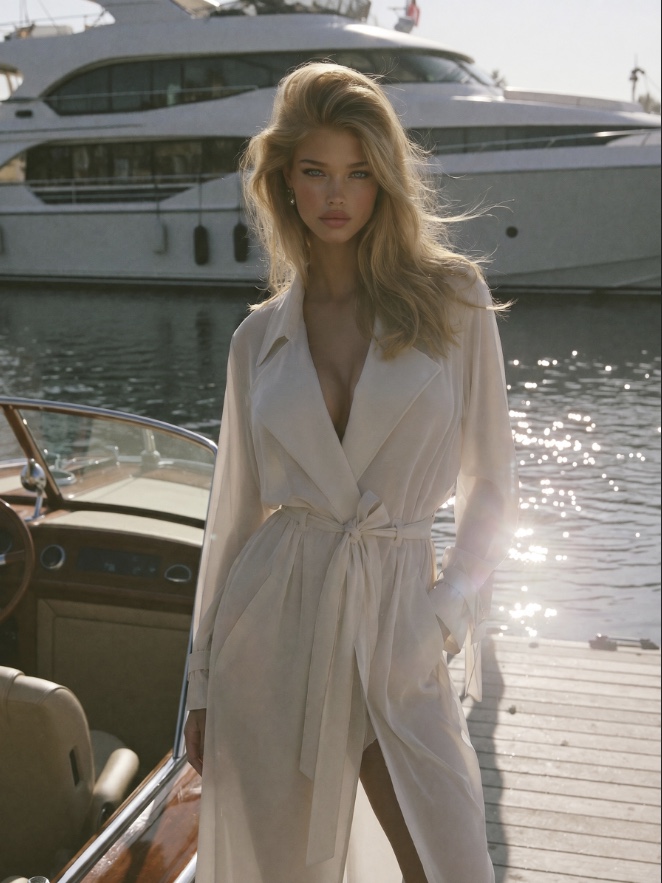
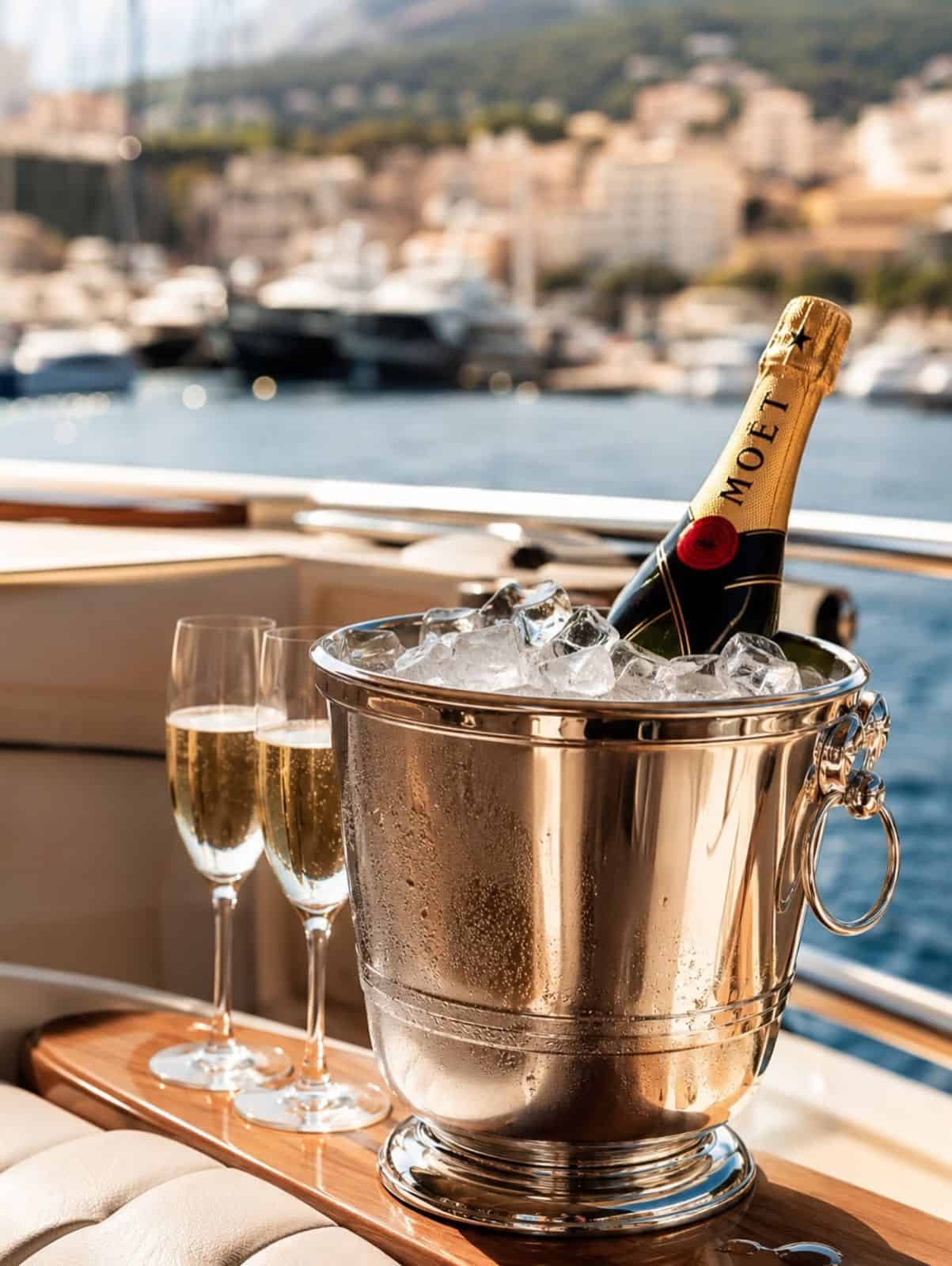
The yacht is its own context. Anything from elegant resort wear to quiet fashion-week minimalism reads correctly on a deck above the harbor during qualifying. White works here, perhaps better than anywhere else in the world, against the blue of the water and the white hulls below.
For the evenings, Monaco nightlife at race week is formal without announcement. The clubs are not casual. Amber Lounge is its own category: the atmosphere is charged, the room is full of people who have been in the paddock all day, and the dress reflects both the intensity of the racing world and the specific glamour of the Mediterranean at night.
I usually err toward something that could move between a grandstand at noon and a yacht deck at sunset and a club after midnight without requiring a full change. This is the discipline Monaco imposes. It is a useful one.
The Table: Dining in Monaco
Monaco has three Michelin-starred restaurants of the highest level. The one that requires the most planning and delivers the most complete experience is Le Louis XV by Alain Ducasse at the Hôtel de Paris. Ducasse opened here in 1987 with a commitment to source exclusively from the markets and producers of Provence and Liguria, and what he built over the subsequent decades has become a permanent argument for what a luxury restaurant can be when the philosophy is internally consistent. The dining room overlooks the Place du Casino. Book months in advance. Race week is not the moment to attempt a walk-in.
I have the full list of where I would book, and when, in my guide to where to eat in Monaco during race week.
Joël Robuchon Monte-Carlo at the Hôtel Metropole is the other essential address. Robuchon’s approach was always the opposite of theatrical: perfect technique, ingredient-forward cooking, a kind of restrained excellence that makes other restaurants feel effortful by comparison.
For something less formal and directly connected to the atmosphere of the harbor, Twiga Monte Carlo in Port Hercule moves from restaurant to club as the evening progresses and has the correct view for race week: water, yachts, the principality. It books out for the weekend early.
Amazónico Monte-Carlo at One Monte-Carlo brings something different to a principality that can tend toward uniformity of atmosphere: a lush, theatrical interior, a bar program that takes itself seriously, and a quality of energy that is genuinely distinct from everything around it.
Race week dining in Monaco has one non-negotiable rule: book everything before you arrive. The restaurants that do not require booking are not the restaurants you want.
The Nights
The Monaco Grand Prix has one of the most concentrated nightlife programmes of the European summer. This too requires planning.
I go deeper on Amber Lounge and the rest of the parties in my guide to Monaco Grand Prix nightlife.
Amber Lounge is the race’s legendary after-party and the most sought-after ticket of the weekend for anyone in or adjacent to the paddock. It is held at the Fairmont Monte Carlo and has been part of the race’s social architecture for long enough that drivers, team principals, and the broader Formula 1 world treat it as a fixture rather than an option. The Thursday iteration runs as a yacht experience in the harbor – I was there in 2026, and the particular quality of that afternoon, with the racing audible in the distance and the harbor around us and something that had stopped being a party and started being a natural condition, is not something I have easy language for. You either know what Amber Lounge is or you arrive not knowing and leave understanding why people build their weekends around it.
Jimmy’z Monte-Carlo at Sporting Monte-Carlo runs the headline club programme across the full race weekend, with international headliners confirmed well in advance. Book the table before you arrive. The sets run late. Monaco does not acknowledge reasonable hours.
Sunset Monaco at Le Méridien Beach Plaza is the counterprogram: a beachfront event running noon to midnight across the race weekend, designed for those who want the festival energy without the intensity of the clubs. It is the most popular daytime venue of the race weekend for a reason.
Lilly’s Club at the Fairmont has direct views of the racetrack. For those who want dancing with a front-row address, this is the specific combination Monaco makes possible, and nowhere else does.
Table bookings at all venues are mandatory and should be arranged weeks in advance. Everything worth being at during race week is fully booked by April. This is the rhythm of Monaco: the planning window is long, the experience is short, and the people who are most at ease during the weekend are those who did the administrative work in January and spent the four days thinking about nothing but being there.
Practical Notes
Tickets are sold through monaco-grandprix.com, tickets.formula1.com, and F1 Experiences for hospitality packages. Official ACM partners are the only reliable source. There is no reputable secondary market in Monaco.
When to book is not a nuanced question. Race day grandstands and Sunday yacht hospitality sell out first, often by January. Premium hotel rooms follow shortly after. The booking window for the Monaco Grand Prix begins immediately after the season calendar is published, which typically happens in late autumn. Waiting until spring is waiting too long.
Photography is exceptional at the Swimming Pool grandstands and from yachts during the harbor-front sections. The light in the afternoon golden hour over the harbor and circuit is the best photographic light the race weekend offers.
The Thursday fan day is underused by people who have not been before. At €30 for grandstand access, it is the cheapest and most navigable day of the four, and it gives you an orientation to the circuit and the principality that makes the rest of the weekend make more sense.
The train from Nice is genuinely the most practical transport solution for anyone not arriving by helicopter. Cheap, frequent, and deposits you directly above Grandstand K.
Sound. Nothing prepares you for the sound of the cars at Monaco. The barriers are close, the streets are enclosed, and what would disperse across a wide circuit concentrates here. The first time you stand near the circuit during a session, the sensation in your chest is not something you will have experienced before. Hearing protection is available at the venue. I always have some and rarely wear it, which is probably the wrong choice and also the only choice I seem to be able to make.
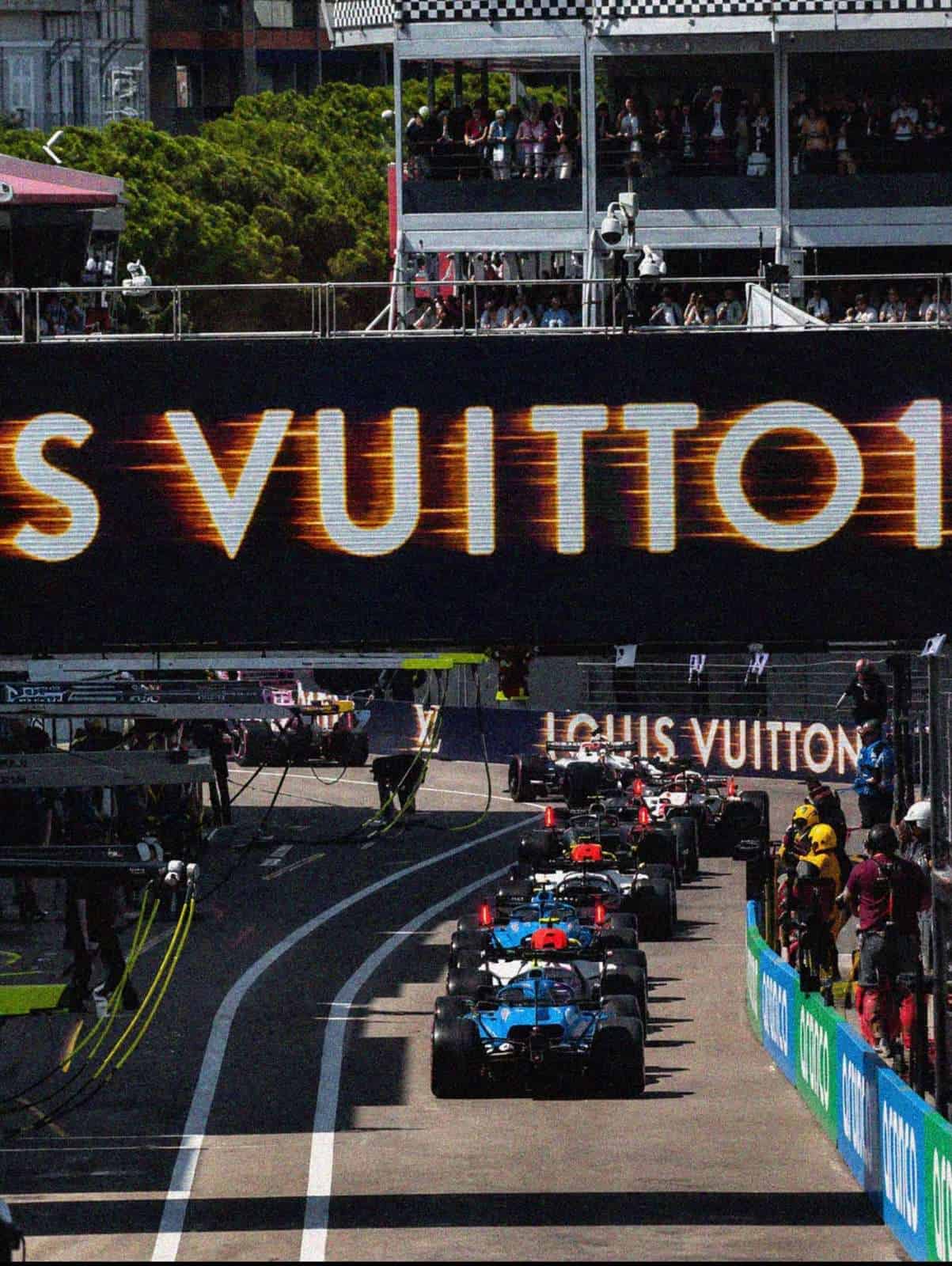
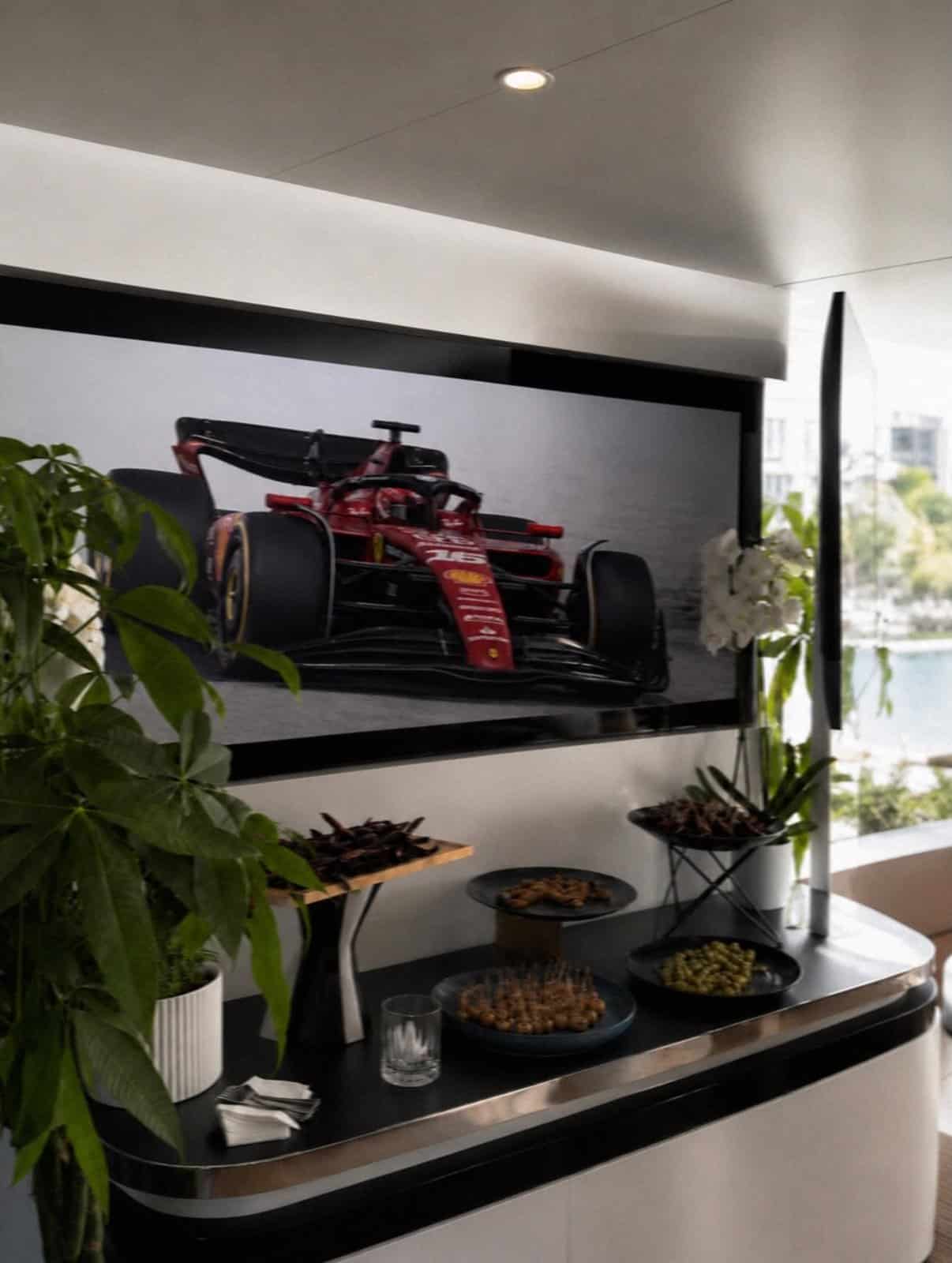
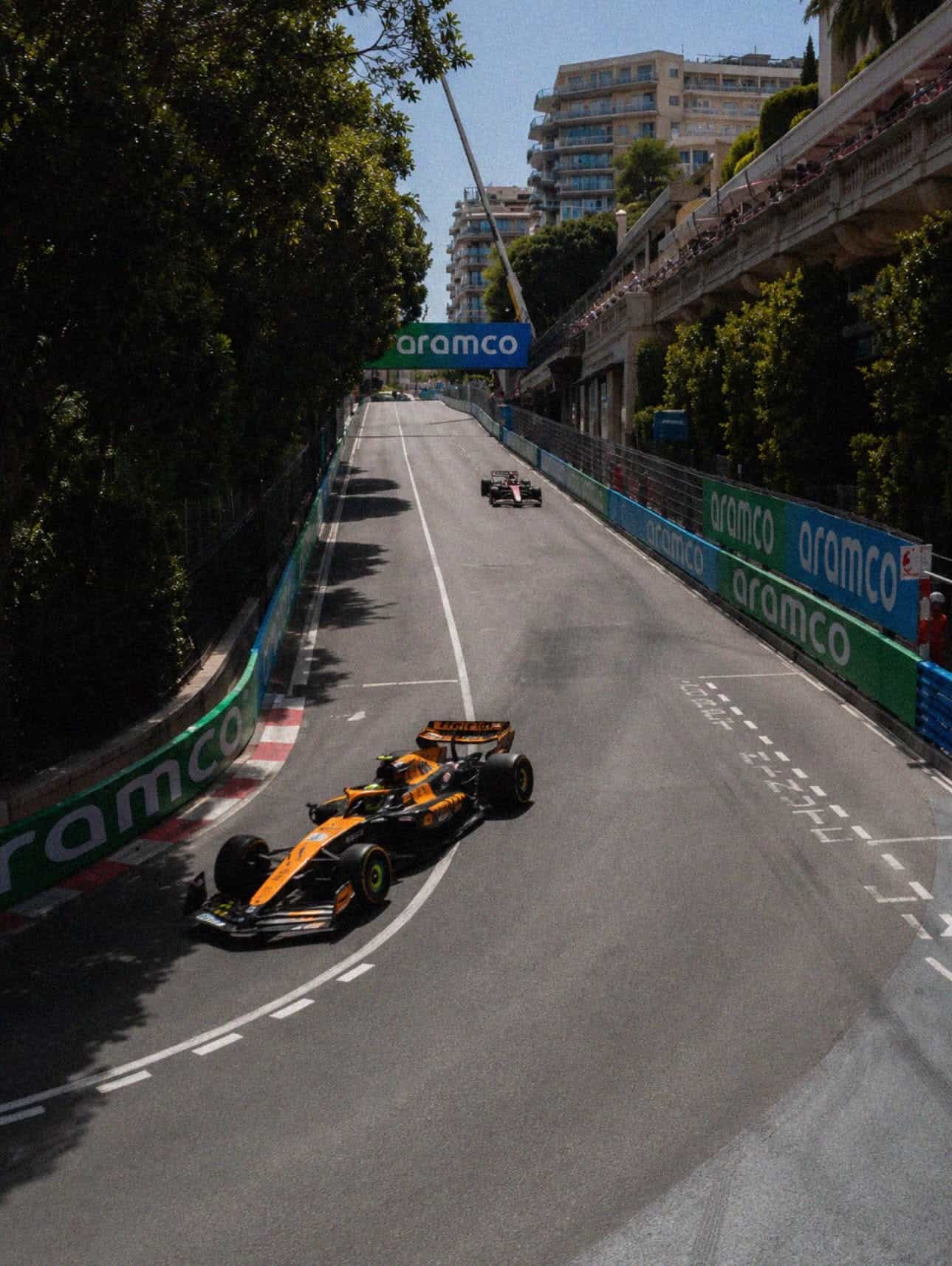
More images from Monaco



Frequently Asked Questions
When is the Monaco Grand Prix held and how is the weekend structured?
The Grand Prix runs Thursday through Sunday. Thursday is fan day, Friday brings the first Formula 1 practice sessions, Saturday is qualifying at 16:00 CEST, and Sunday is the race itself: 78 laps with a start time of 15:00 CEST. Saturday qualifying is widely considered the most exciting session of the entire Formula 1 calendar, because at Monaco qualifying effectively decides the race.
How much do tickets cost?
It depends entirely on the day. Thursday fan day grandstand access costs around €30 and is the cheapest, most navigable way to experience the circuit. Sunday race-day seats in the premium grandstands run roughly €700 to €1,050 and sell out first. Tickets are sold only through the Automobile Club de Monaco and its official partners, monaco-grandprix.com and tickets.formula1.com.
Which grandstand is the best?
Grandstand K is consistently rated the finest overall viewing position on the Formula 1 calendar, not only at Monaco. It sits along the harbour front with the cars, the water, and the Monte-Carlo skyline all in one frame. Grandstand T overlooks the pit-lane entry for those who care about strategy, and Grandstands O, N, and P on the pier are the photographer’s positions.
How do I get to Monaco during race week?
Roads into the principality close progressively from Thursday, so driving in is not recommended and is effectively impossible by Sunday morning. The train is the most practical option for most people: the SNCF service from Nice-Ville to Monaco-Monte-Carlo takes about 25 minutes and deposits you directly above Grandstand K. By helicopter it is roughly seven minutes from Nice Côte d’Azur Airport to the heliport at Fontvieille.
Can you watch the race from a yacht, and what does it cost?
Yes, and for many it is the definitive way to experience the weekend. Port Hercule fills with some of the largest private yachts in the world, and boats with harbour-front berths look directly across to the circuit. A private charter for race week runs from approximately €5,000 to €50,000 and above per day, depending on the size of the vessel and the position of the berth. Sunday yacht hospitality sells out before almost anything else, often by January.
When should I book?
Sooner than feels reasonable. Race-day grandstands and Sunday yacht hospitality sell out first, often by January, with premium hotel rooms following shortly after. Restaurant tables and nightlife tables should be arranged weeks ahead, and everything worth attending during race week is fully booked by April. At Monaco, the planning is part of the event.
What should I wear?
There is no formal dress code in the way Royal Ascot has one, but Monaco asks for something more demanding: polish that still works across a full day. In the grandstands, plan for full sun, warm temperatures, and shoes that make walking and access easy. On a yacht deck, elegant resort wear or quiet minimalism reads correctly, and white works well here. The evenings are formal without announcement, so the clubs are never casual.
Is the Thursday fan day worth it?
Very much so, and it is the most underestimated day of the four. At around €30 for grandstand access, it is the cheapest and least crowded day, the Formula 2 and Formula 3 support series are running, and it gives you an orientation to the circuit before the intensity of the weekend fully arrives. If you have never been to Monaco during race week, Thursday is the smartest way to begin.
A Closing Thought
I kept a notebook at the race. I do this in places I know I will not remember correctly: write something down while it is still moving, before the impression sets. The words I wrote do not capture what the passes sounded like, but they give me something to return to. Evidence that I was there.
Monaco during race week moves faster than your understanding of it. The harbor fills before you have finished understanding the view. The qualifying session ends before you have adjusted to the pitch of it. The race itself happens in a compression of time that memory afterward cannot reconstruct accurately, which is, I think, why people return. They need to verify it was real.
It is real. It is also the most precisely assembled unreality I have ever stood inside. Eight-tenths of a square mile of principality, a three-kilometre street circuit laid inside it, the fastest drivers in the world and the most concentrated wealth in yachts and the most beautiful light on the Mediterranean and the sound of something engineered to the absolute edge of what materials can do, all of it present at once, for four days in June.
You cannot remember it accurately. You have to go back.
V.
I was at the 2026 Monaco Grand Prix. You can read that diary entry here: Monaco Grand Prix – 2026
Monaco Diaries
Monaco Grand Prix Guides
- The Circuit de Monaco, Corner by Corner
- The Best Grandstands at the Monaco Grand Prix
- Watching the Monaco Grand Prix from a Yacht
- How to Get to the Monaco Grand Prix
- Where to Stay for the Monaco Grand Prix
- What to Wear to the Monaco Grand Prix
- Where to Eat in Monaco During Race Week
- Monaco Grand Prix Nightlife