Venice diary, entry 3 of 5
I practised the violin again before the city was properly awake, this time on a small wooden altana above the rooftops, one of those improbable platforms the Venetians built centuries ago so their women could sit in the sun without leaving the house. From up there Venice looks less like a collection of streets than a field of terracotta and lead, chimney pots and pale domes rising out of a faint morning haze, and the water is only a rumour you catch between the buildings. I played until the first bells began somewhere across the roofs, and then I did the thing I had promised myself I would do at least once this week, which is leave. Not leave Venice, exactly, but leave the crowd of it, the part that has learned to perform itself for visitors, and go out instead to the quieter islands scattered across the lagoon like pieces the city set down long ago and never quite came back for.
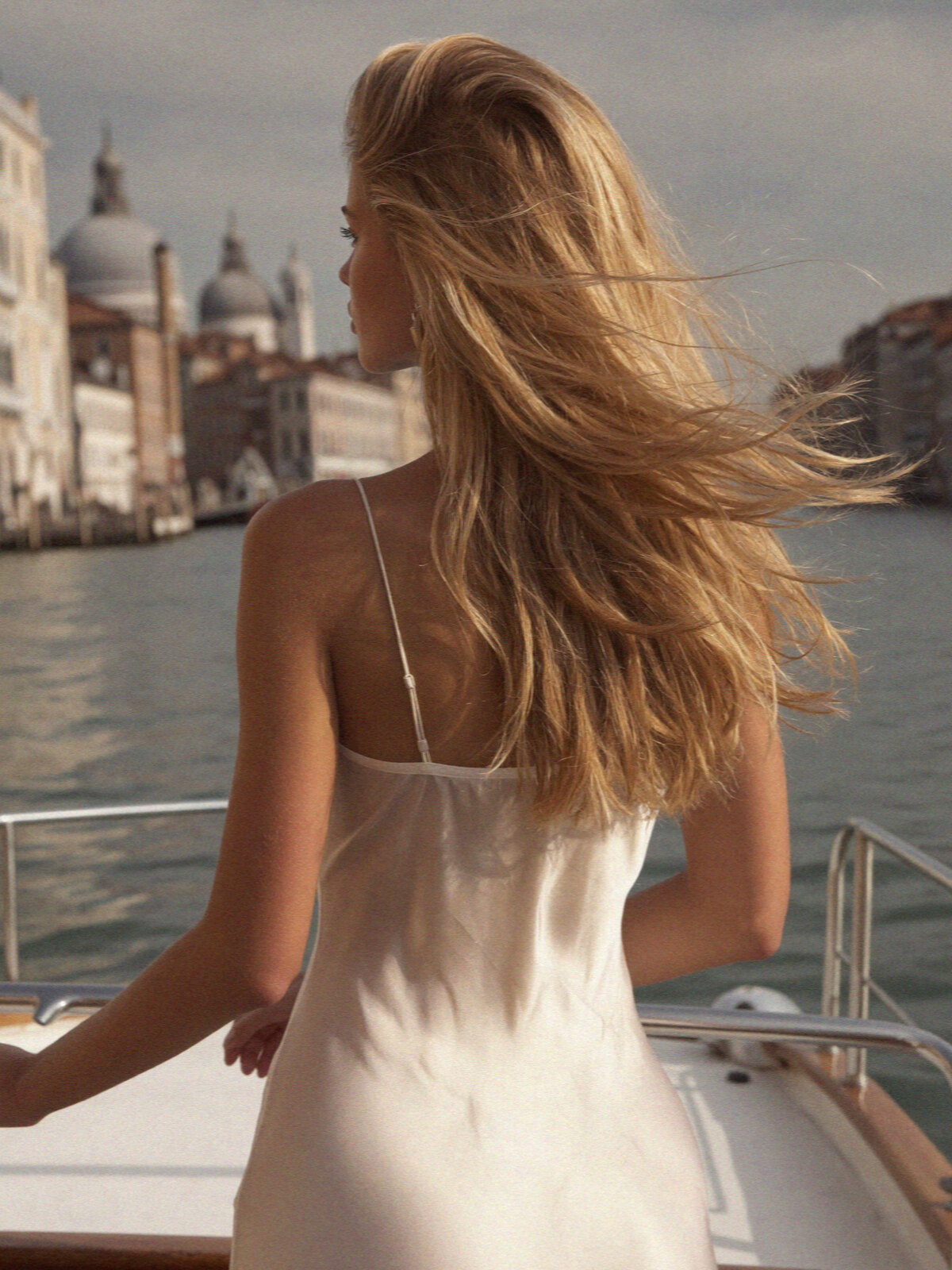
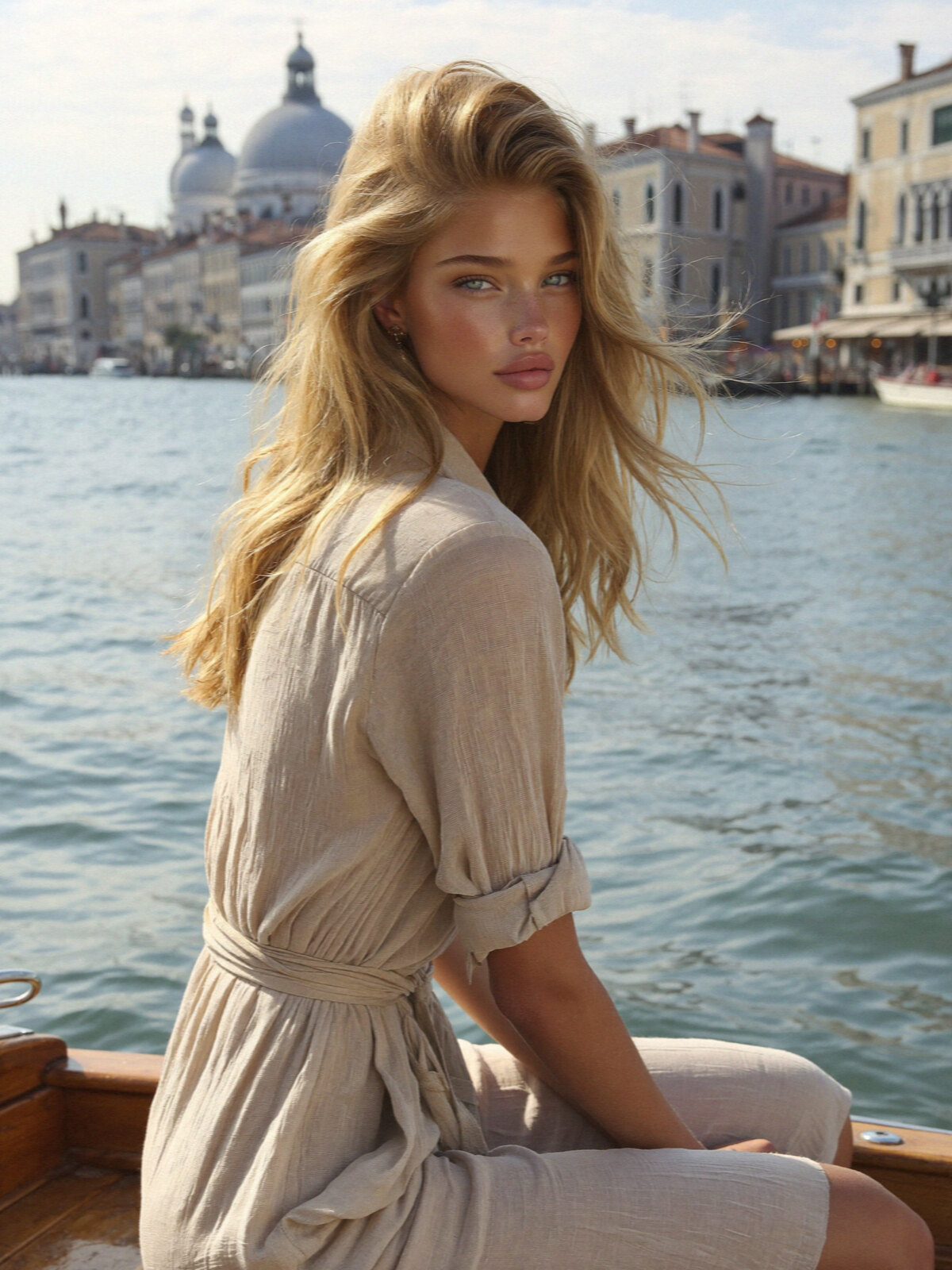
You catch the boats from the Fondamente Nove, on the northern edge of the city where the paving ends and the lagoon opens flat and silver towards the mainland. There is something clarifying about that quay. The narrow streets release you all at once, the horizon returns, and the water stops being a series of canals and becomes a sea again, shallow and secretive, threaded with wooden poles that mark the deep channels a boat must follow or run aground. We pulled away and the whole density of Venice fell behind into a single low silhouette, and I understood for the first time that the city I had been walking through is really only the brightest island in a much larger, emptier place.
The first thing you pass is San Michele, the island of the dead, walled in red brick with dark cypresses standing above it like a held breath. The Venetians have buried their dead out there on the water for two hundred years, ferried across in black boats, and there is a rightness to it that the living city seems to understand. Even here, even at the end, you arrive by water. I watched the wall slide past and thought that a place that makes you cross the lagoon to reach the departed is a place that has never pretended death is anything other than another journey.
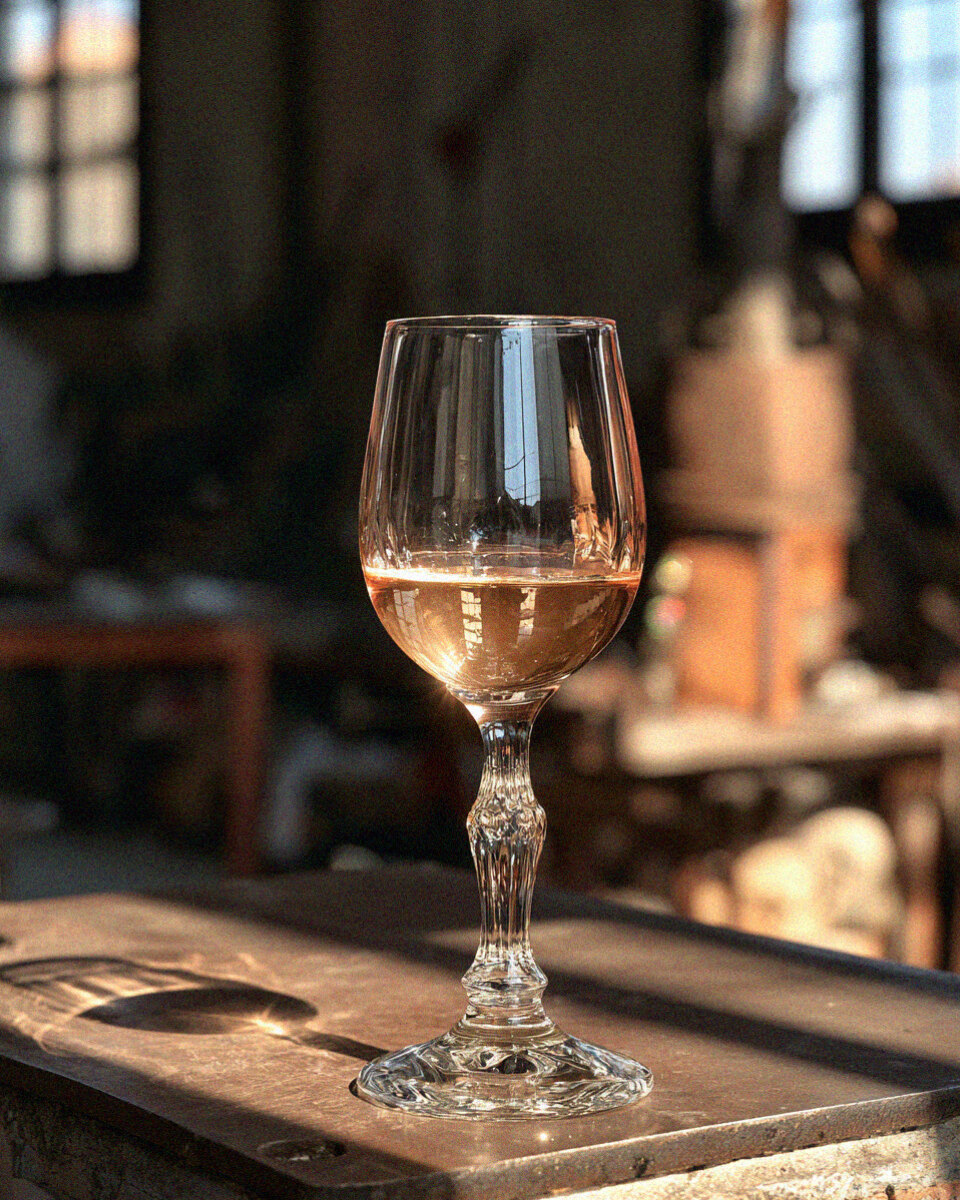
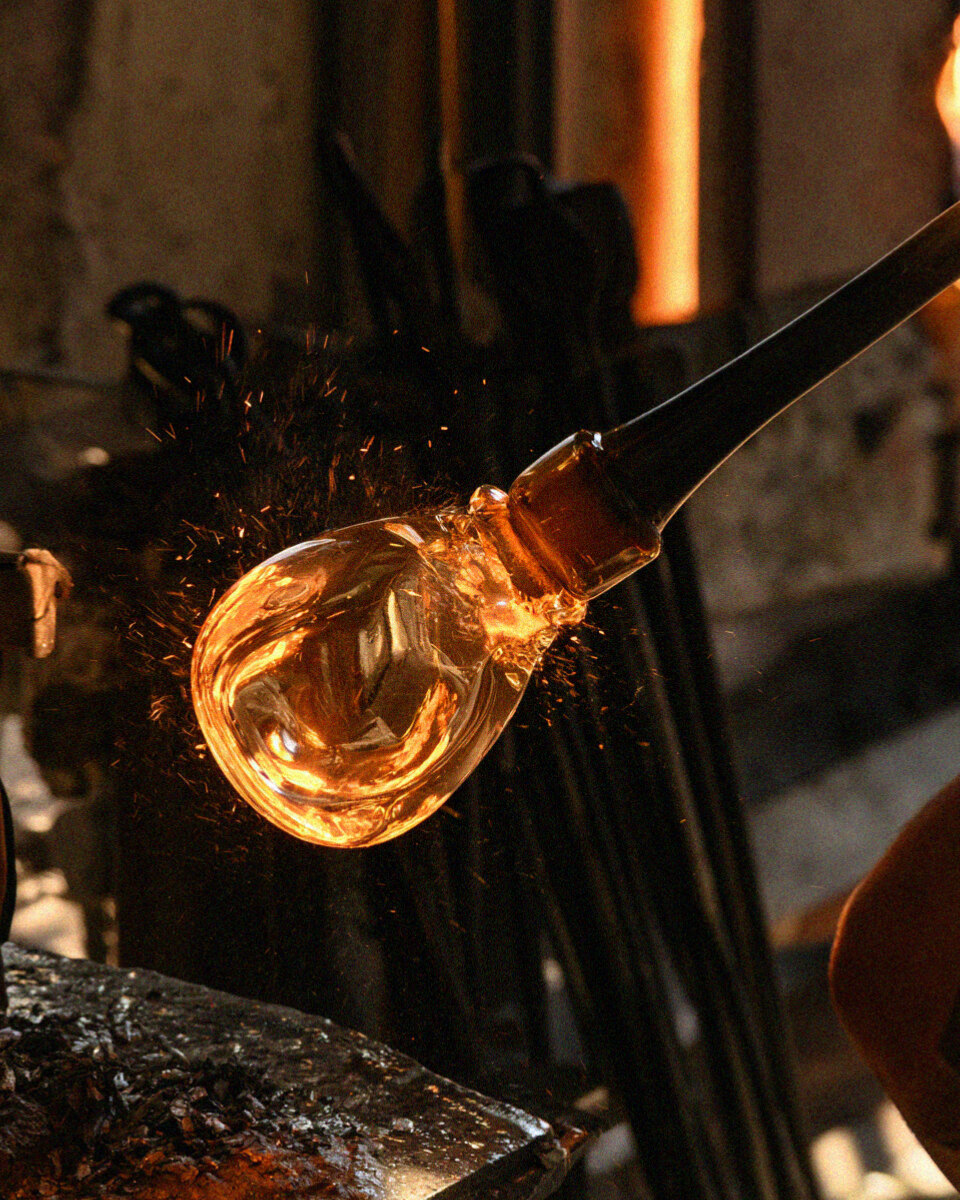
Murano came next, low and working and smelling faintly of fire. This is where Venice sent its glassmakers seven hundred years ago, partly to protect the secrets of the craft and partly, more practically, because their furnaces kept setting the wooden city alight. I stepped into a workshop where a man was making something I could not yet identify, and stayed far longer than I meant to, because there are few things as close to magic as watching molten glass obey a human being. He gathered a glowing knot of it on the end of a pipe, orange and alive and apparently furious, and then he breathed into it, turned it, steadied it, breathed again, and the fury became a shape, and the shape became a stem, and the stem became a glass so thin the light went straight through it. He had done it, I would guess, ten thousand times. There was no ceremony in it at all. It was the same quiet mastery I had thought about the day before outside the church of the orphaned musicians, the kind that hides itself inside the finished thing so completely that we forget a person was ever there. We keep the goblet and lose the man who breathed it into being.
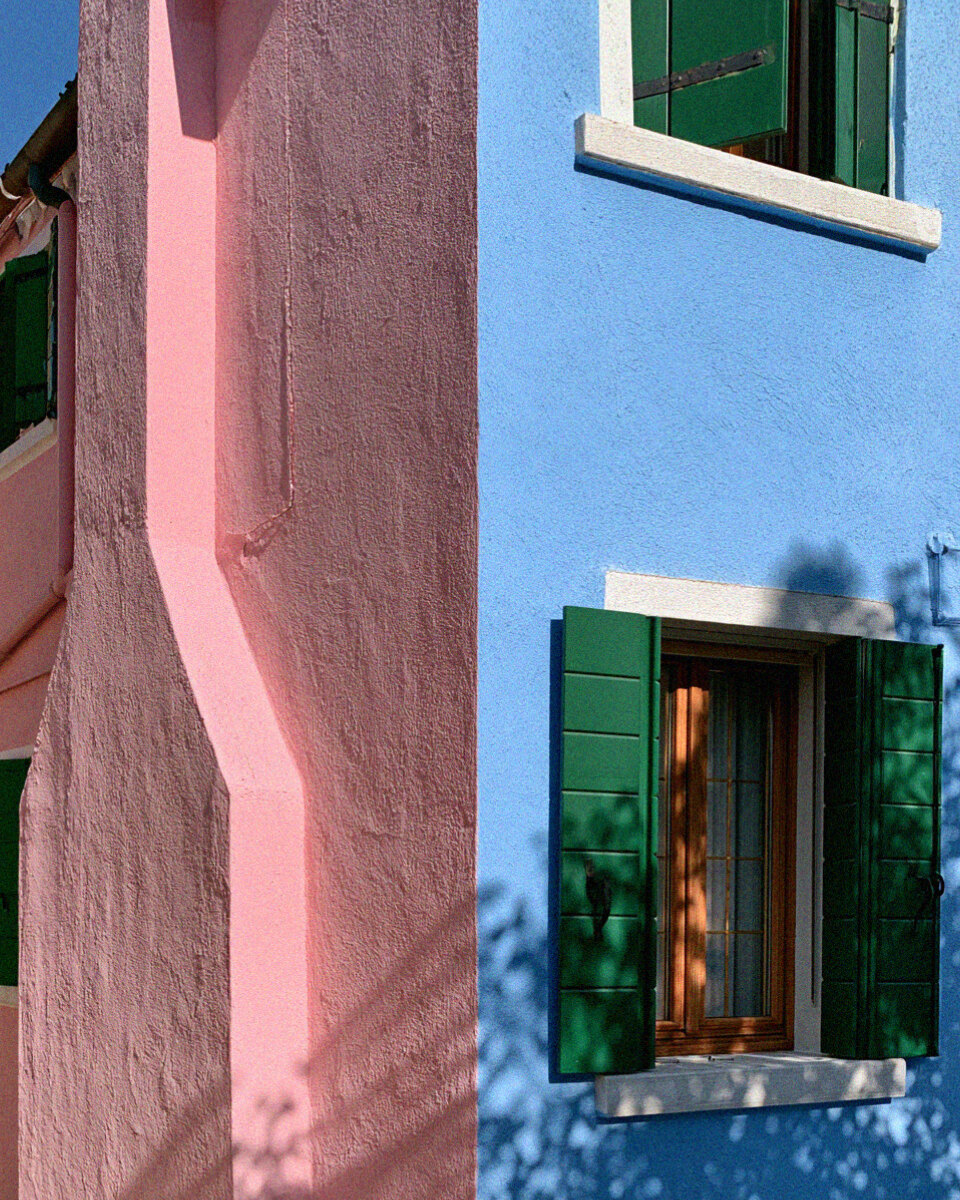
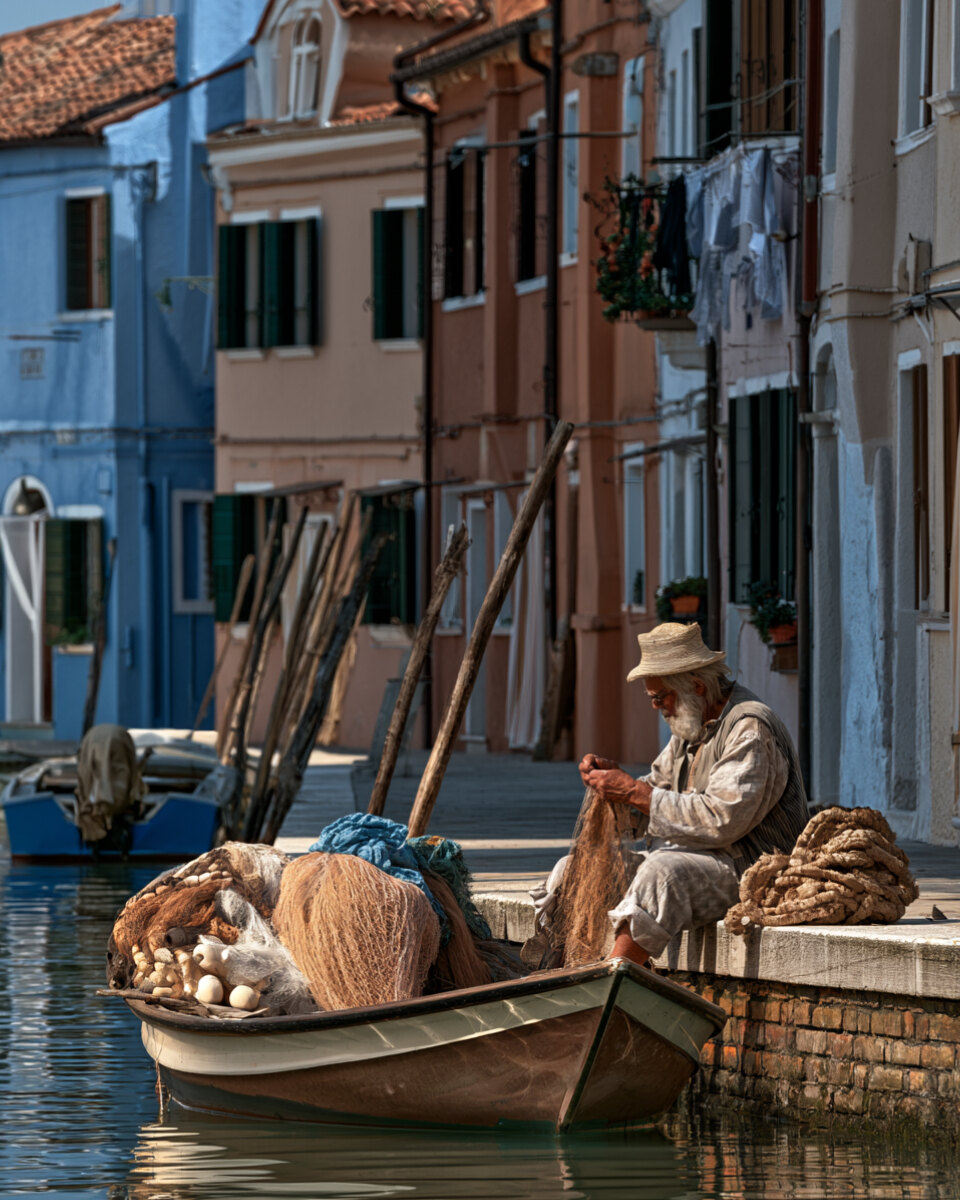
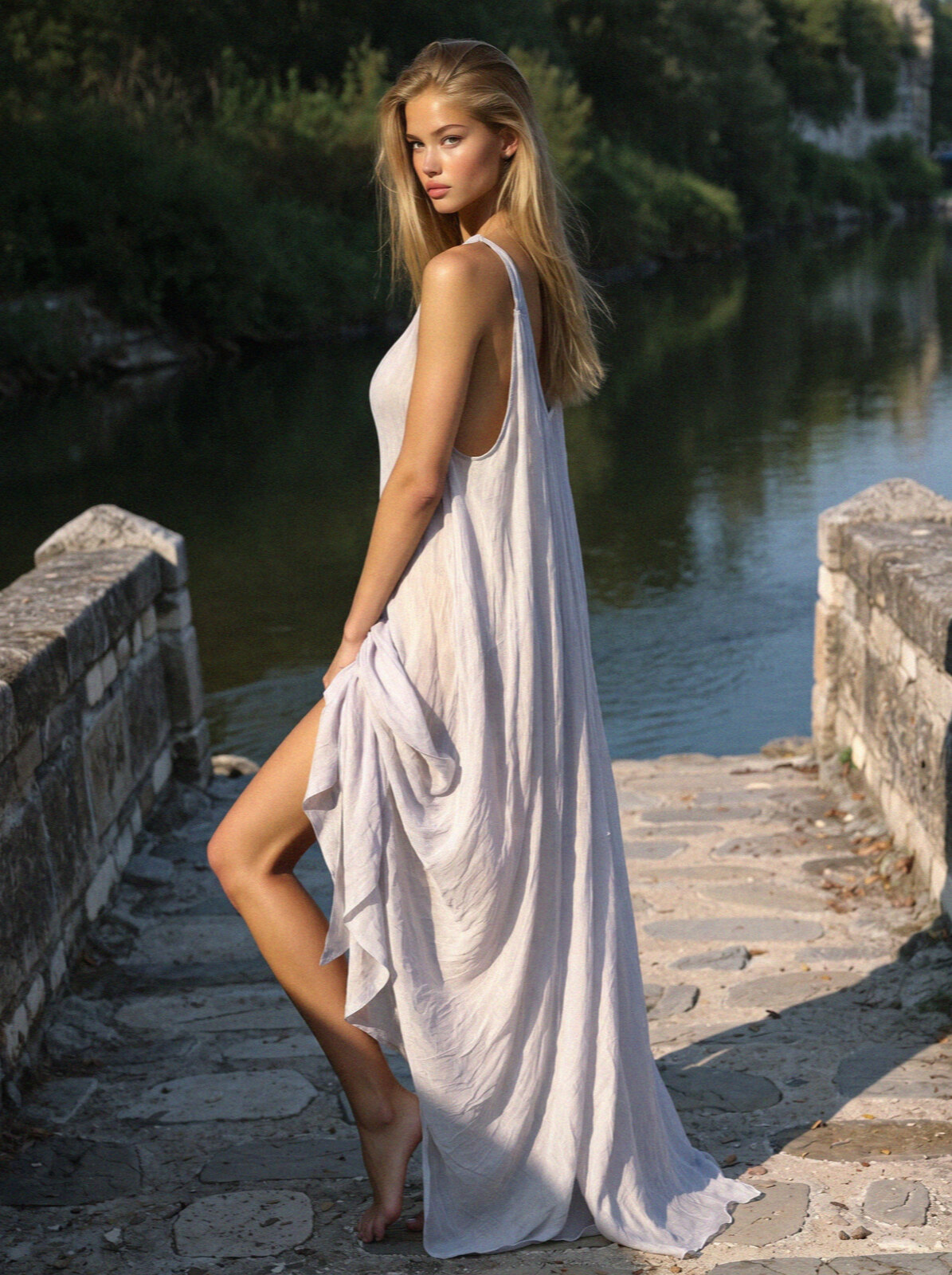
Burano is only a short crossing further, and it announces itself long before you arrive, because you see the colour first. The houses are painted every shade a person could want and several they might not, cobalt and rose and pistachio and a yellow so confident it seems to generate its own weather, each one pressed against the next along canals barely wider than a room. The story is that the fishermen painted them this way so they could find their own doorway through the fog coming home across the lagoon, and whether or not that is strictly true, it is the kind of explanation Venice deserves, practical and romantic in the same breath. I walked slowly, wearing a yellow that for once did not stand out, and let the reflections do most of the looking for me, whole houses hanging upside down in the still green water and trembling whenever a boat passed.
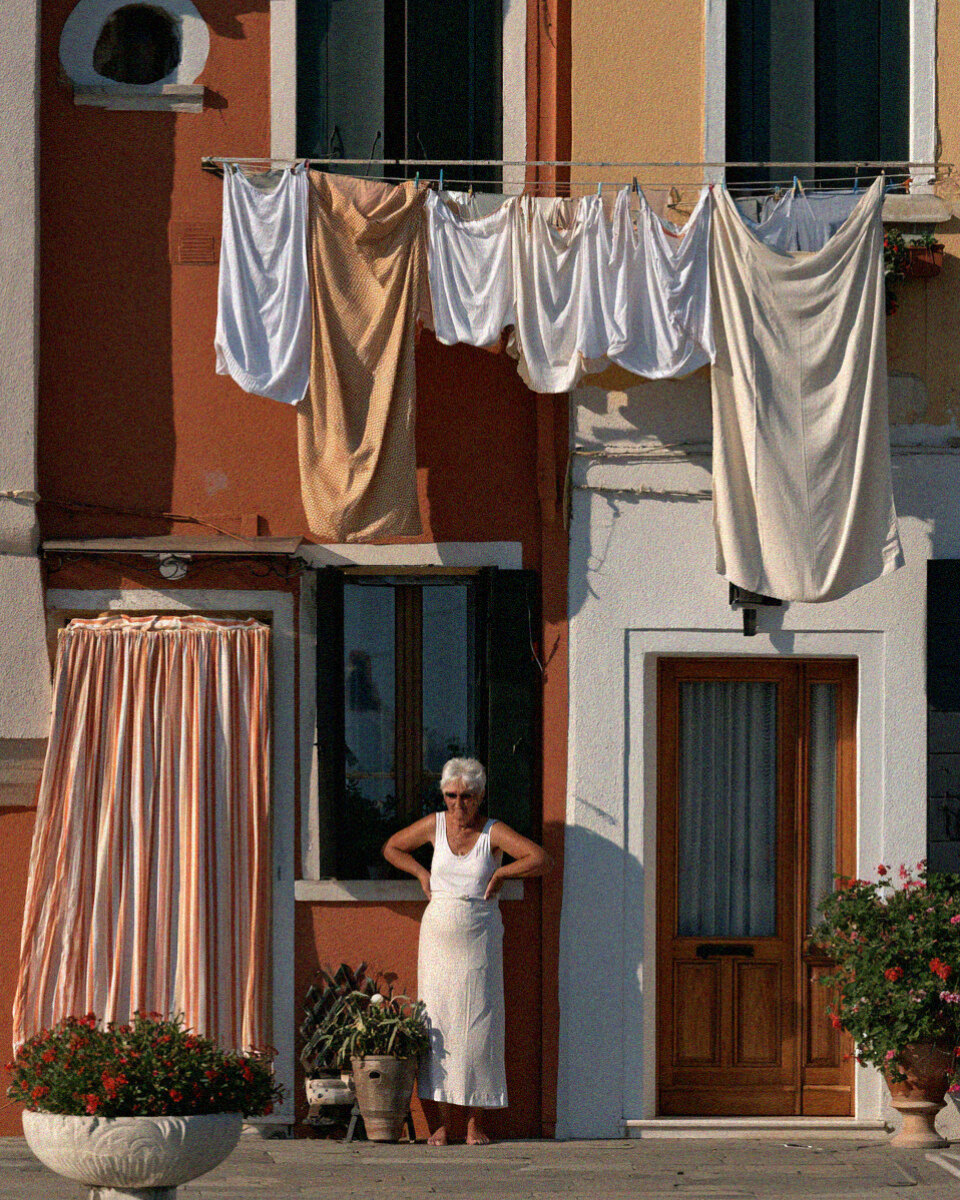
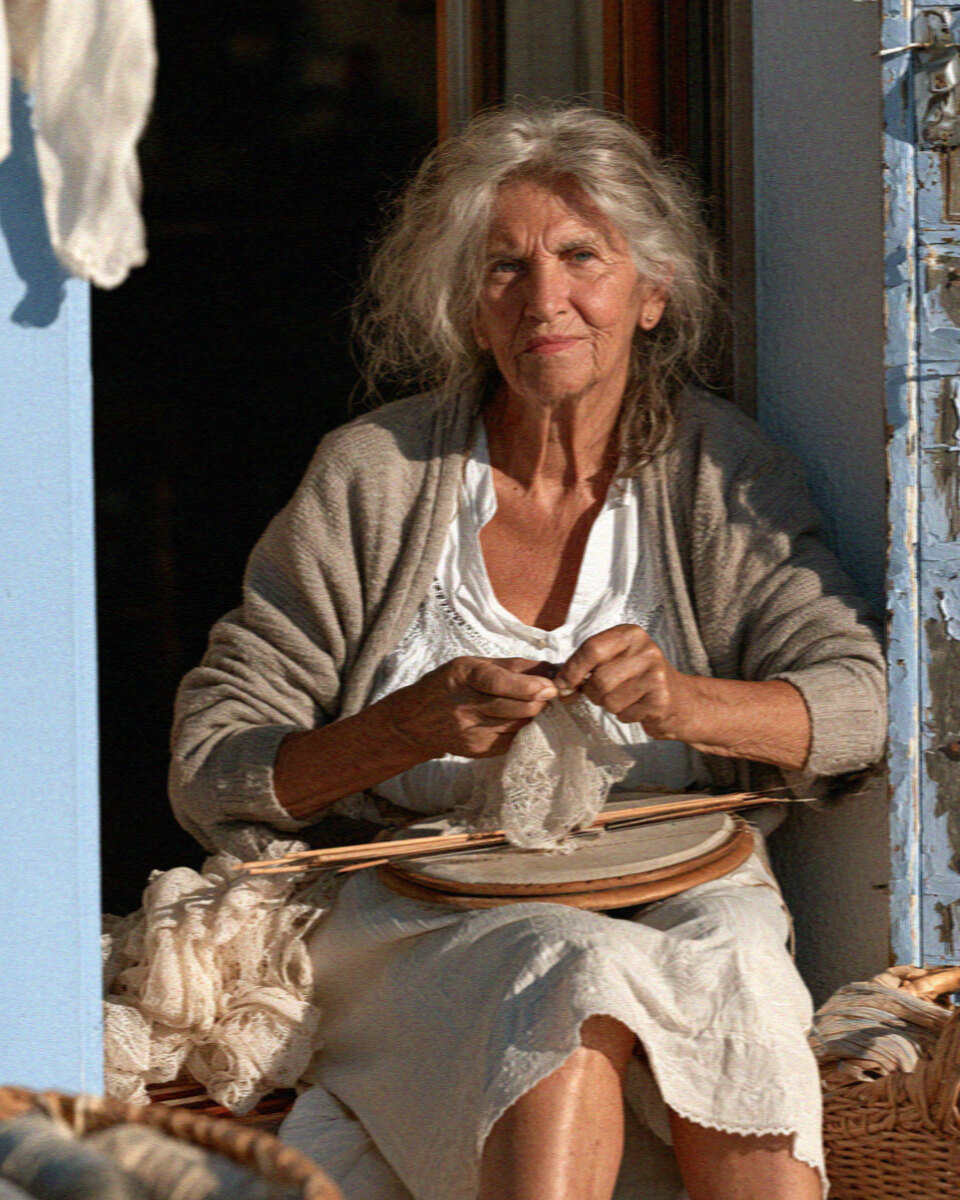
It is the women of Burano who made the island famous, though, and they did it with thread. For centuries they sat in these doorways making lace by hand, needle point so fine it was worn by queens and popes and took so long that a single collar might cost a season of a woman’s eyesight. I watched an older woman working a cushion stuck with pins, her bobbins moving faster than I could follow, making almost nothing I could see and yet unmistakably making it, and I thought again of how much of what Venice is admired for was made by people it never bothered to name. The glassblowers breathing behind their furnaces. The orphaned girls playing behind their screens. The lace women going blind in the sun of these bright doorways. The city collects beautiful objects and forgets the hands, and perhaps that is simply what cities do, but out here on the islands the hands are still visible, still working, and it felt important to sit and watch them for a while.
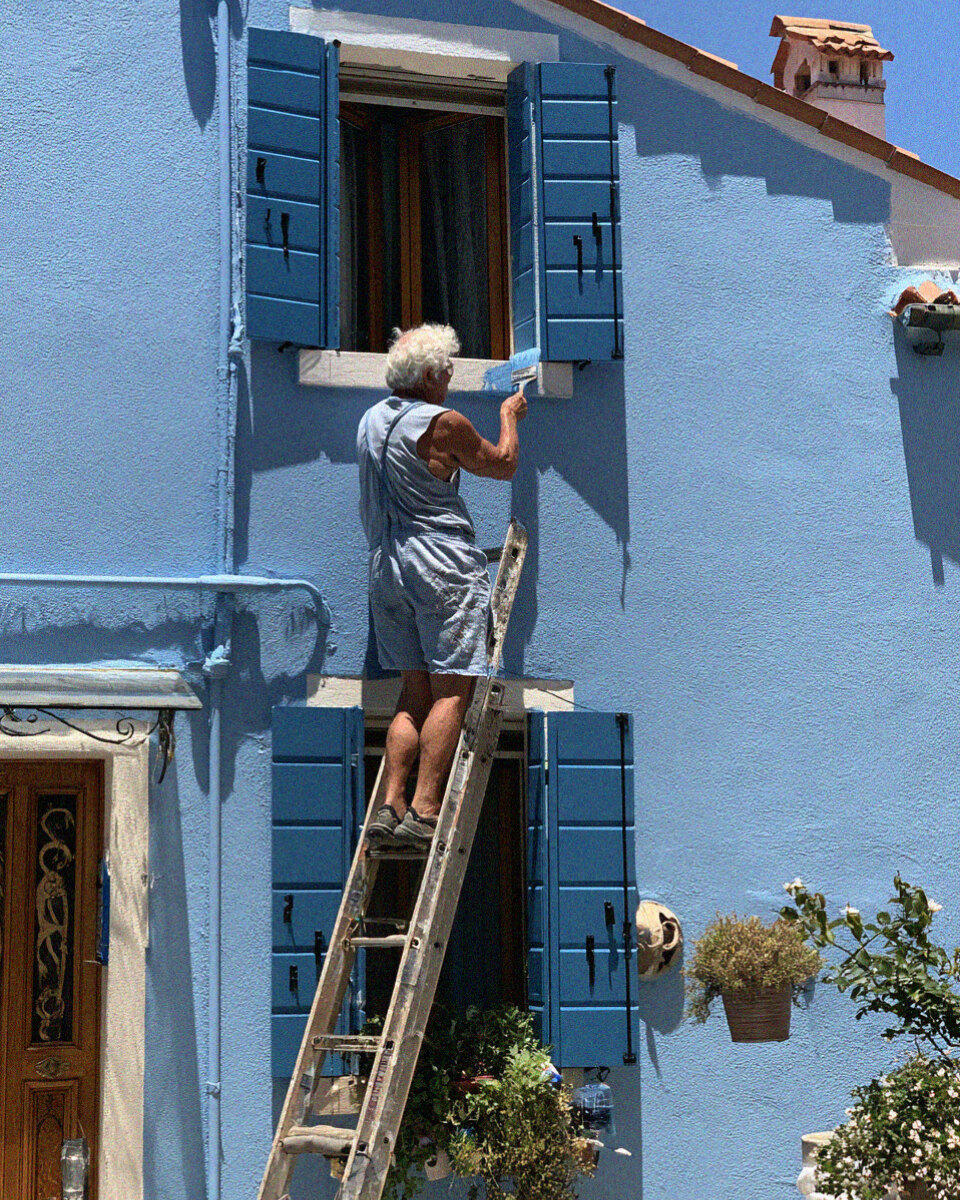
I ate late and slowly at a table on a quiet fondamenta, a plate of small fried fish and a risotto the colour of the lagoon itself, made from a little goby fish that lives nowhere else, and I drank one glass of cold white wine and no more, because the afternoon was already soft enough. Two cats conducted a long negotiation over a step. A man came out and repainted a single shutter the exact green it had presumably always been, unhurried, as though the island renewed itself one brushstroke at a time. Nobody hurried anyone. Burano does not seem to know that it has become a photograph. It goes on being a fishing village that happens to be the colour of a paint box, and I loved it for the way it wore its own beauty without appearing to have noticed it.
There was time, just, for Torcello, which is the strangest of all of them and the one I liked most, though I could not entirely say why. It is nearly empty now, a scatter of green fields and reeds and a single grassy path, but this is where Venice actually began. Before the Rialto, before the palaces, the first refugees from the mainland settled out here on the mud and built a cathedral, and the cathedral is still standing, plain brick on the outside and, within, a wall of gold. There is a mosaic of the Madonna high in the apse, alone against a field of gold with a single tear on her cheek, and below her, covering the whole opposite wall, a vast and frankly terrifying Last Judgement, all the saved and the damned sorted with medieval confidence. I stood in the cool of it for a while, in a church a thousand years old on an island almost no one lives on any more, and felt the particular vertigo of a place that was once a city of twenty thousand souls and is now mostly birdsong. Venice built itself grander and moved on, and left its own beginning out here on the water to go quietly back to grass.
I crossed the little bridge they call the Devil’s Bridge, which has no parapets and no railing and no explanation anyone agrees on, and caught the last useful boat back as the light began to turn. That return is its own reward. You come in low across the lagoon towards the end of the day with the water going gold and then rose, the wooden poles throwing long reflections, the outer islands sinking behind you, and slowly, ahead, the campanili and domes of Venice lift themselves back out of the water one by one until the whole improbable city has reassembled itself against the sky. I had left it that morning almost with relief. I came back to it in the evening the way you return to someone you had needed a few hours away from and were now, a little sheepishly, glad to see.
By the time I stepped back onto the fondamenta the lamps were coming on and the canals were full of broken light again, and the small squares were filling with white tables and quiet talk. I had brought nothing back that would survive being described. A goblet I watched being born and did not buy. A scrap of lace I could not have afforded and would never have worn. A yellow house upside down in a canal. A tear made of gold in a church on an island of grass. But that is the honest arithmetic of a day out on the lagoon. You go looking for the famous colour and you come home carrying the quieter thing underneath it, which is all the invisible, patient, unthanked skill that made the beauty in the first place.
Venice keeps its treasures in the centre, under glass and behind ropes. But it left its heart out here on the water, in the fire and the thread and the grass, and I think it knew what it was doing.
V.
This is the third of five entries from my August week in Venice. The full practical guide lives in Victoria’s complete guide to Venice.