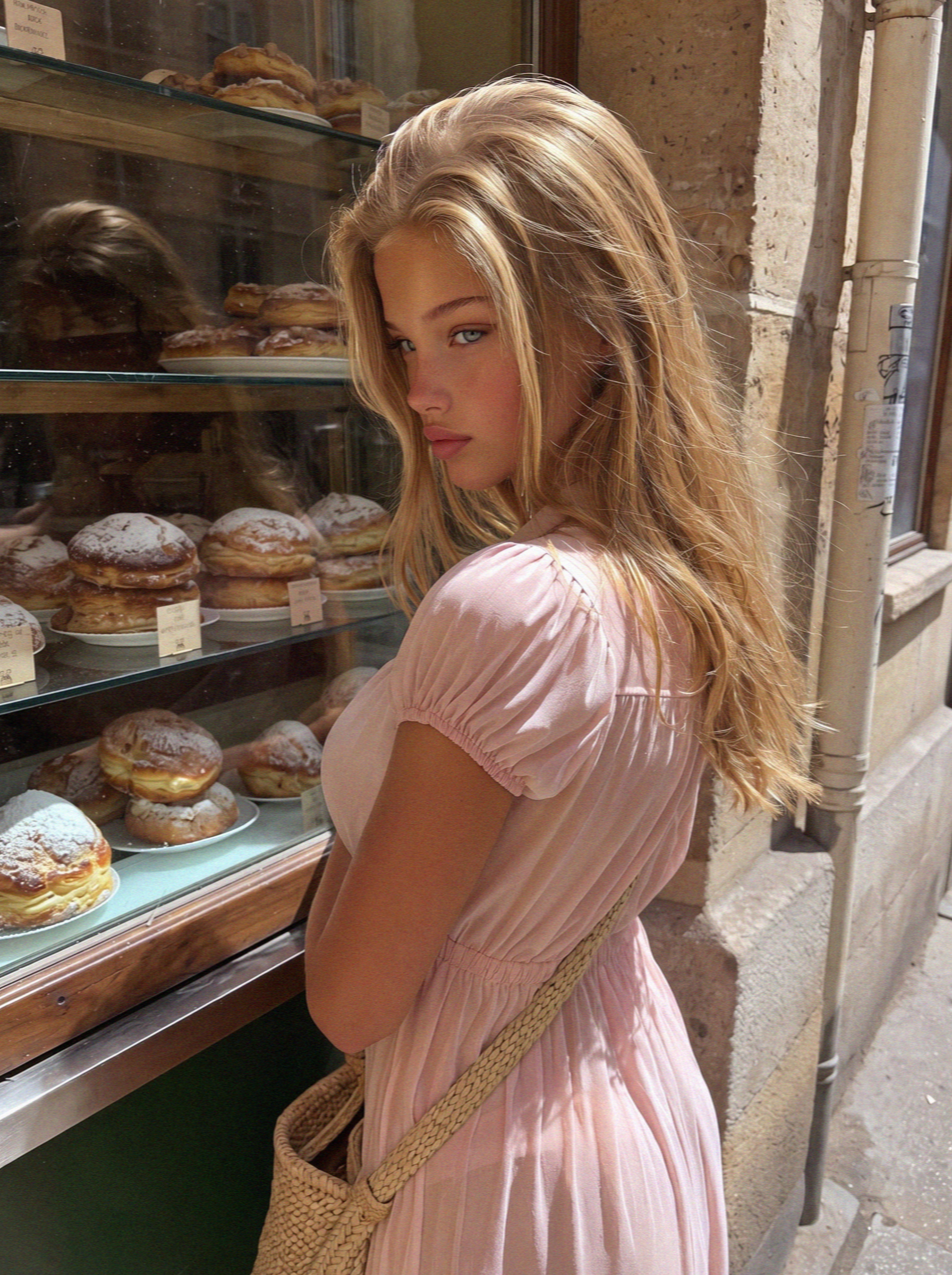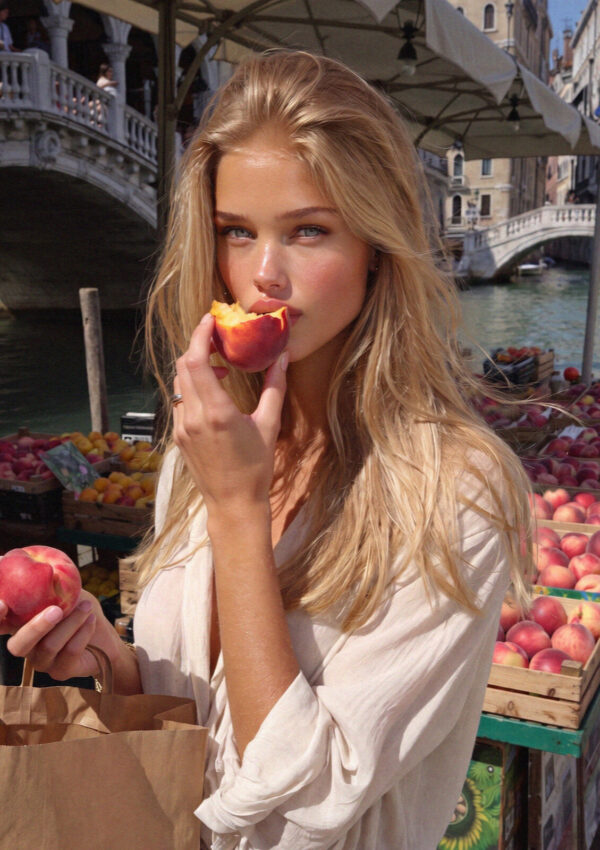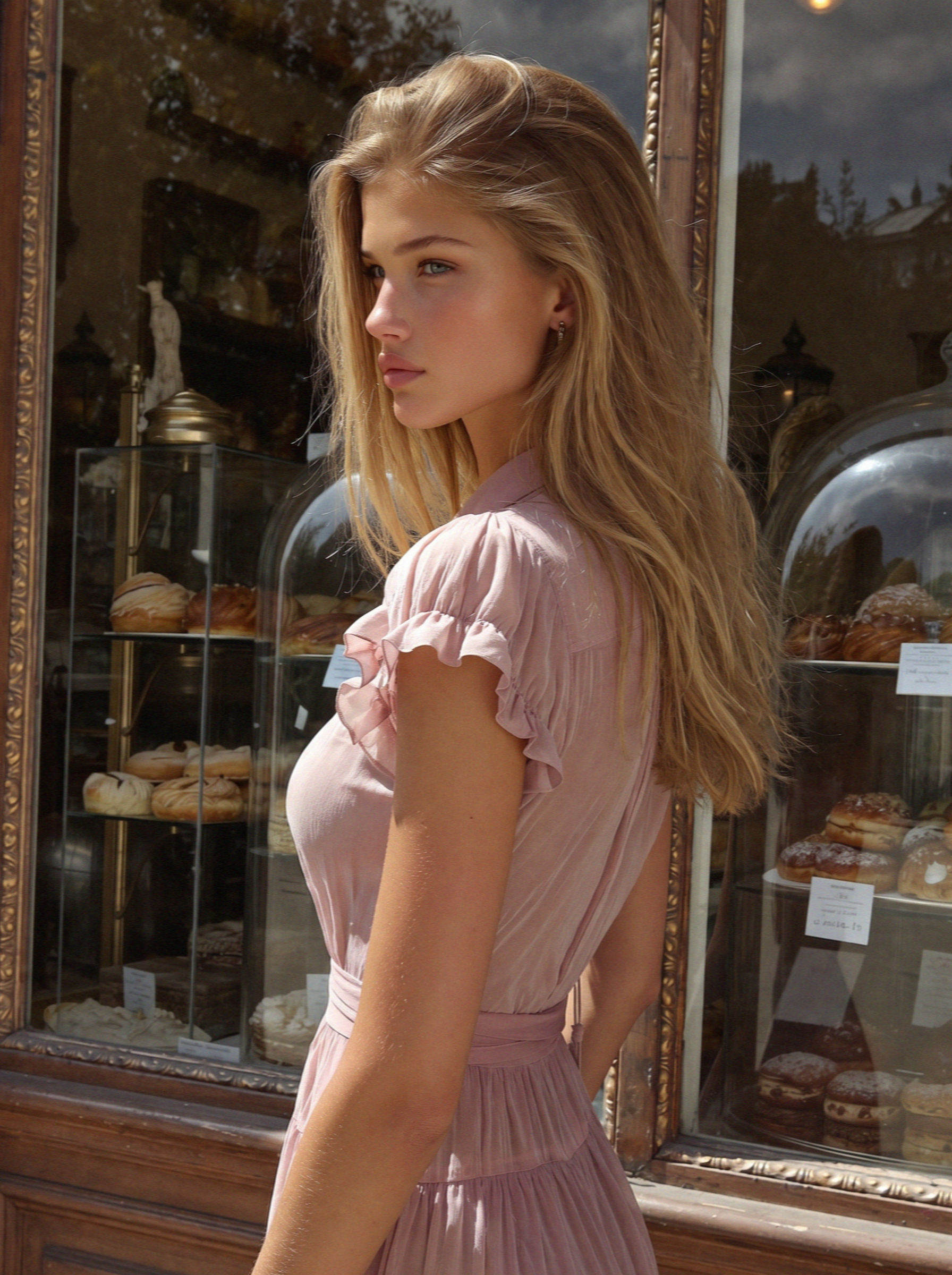
My photographer caught me at it again this morning, and this time he had the decency to take the picture. I was standing at the window of a pasticceria in the upper town with my nose more or less against the glass, looking at a tray of little cakes the way other people look at jewellery, and I did not hear him come up behind me.
“You know,” he said, “I have photographed you in front of the Bay of Naples, on the deck of a boat off Capri, under the Tre Cime, and I have never once seen that expression. It took a lemon tart.”
I told him to mind his business and photograph the tart, since it was clearly the more compelling subject, and then I bought two.
So. A confession is owed, and Bergamo, of all the places to make it, is the correct one.
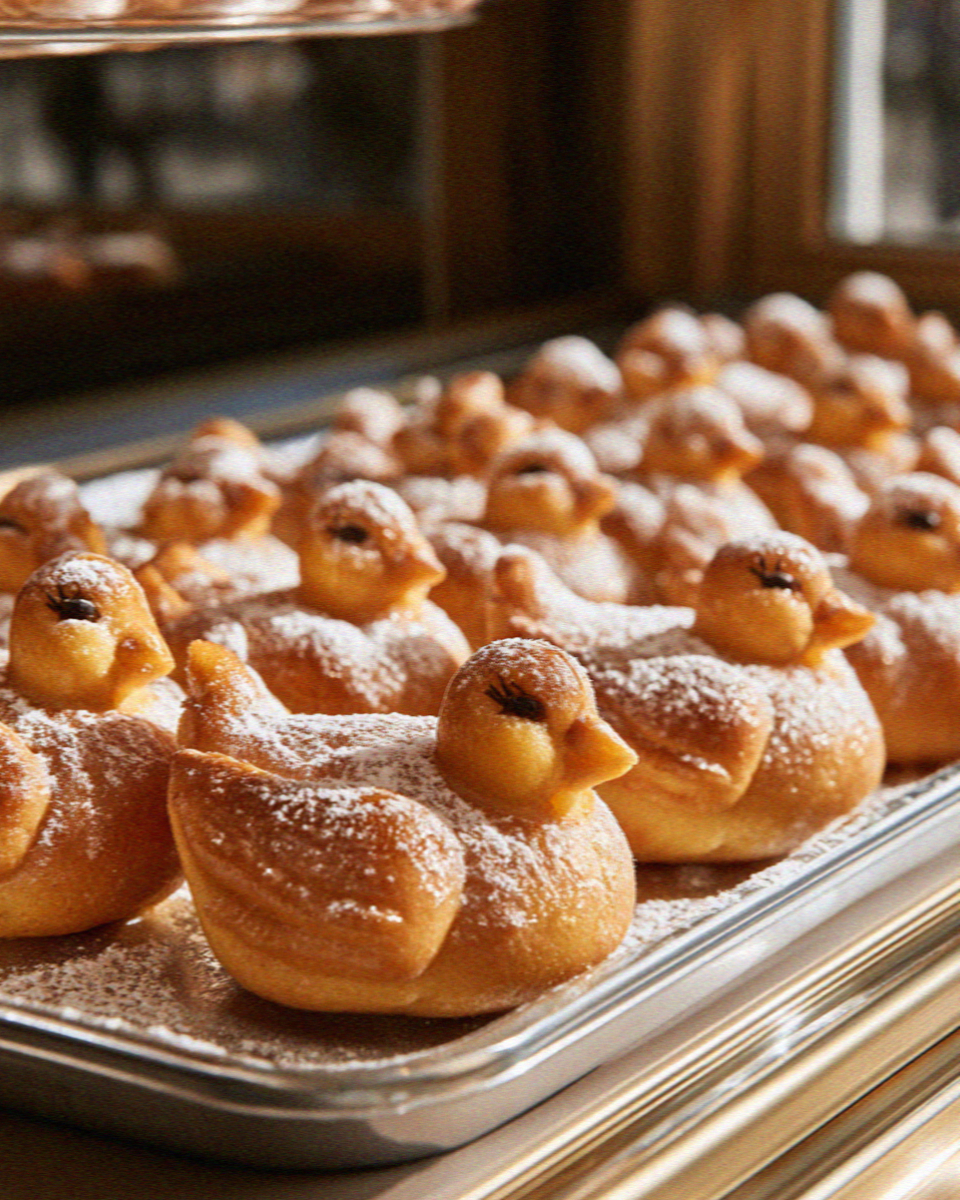
I love sweets. Not politely, not occasionally, not in the way people say they love a thing they intend to have twice a year. I love them with my whole attention. Gelato most of all, but really the entire category. The pastries and the tarts and the small ridiculous cakes shaped like birds. I have loved them since I was a child, small enough to be lifted up to see into a case like this one, and I have never seen the slightest reason to grow out of it.
And here is the thing I did not know until I came here. Bergamo invented my favourite of them all.
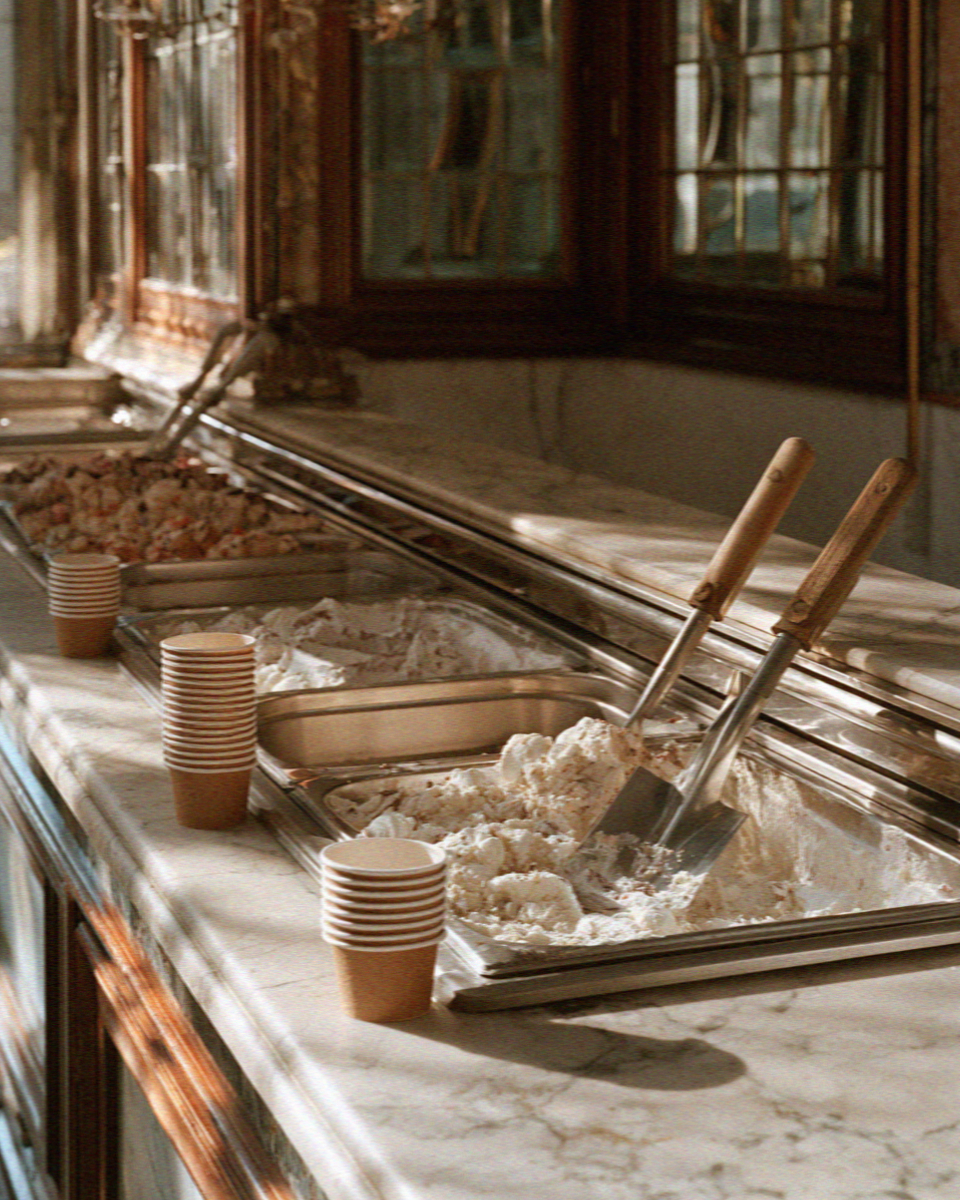
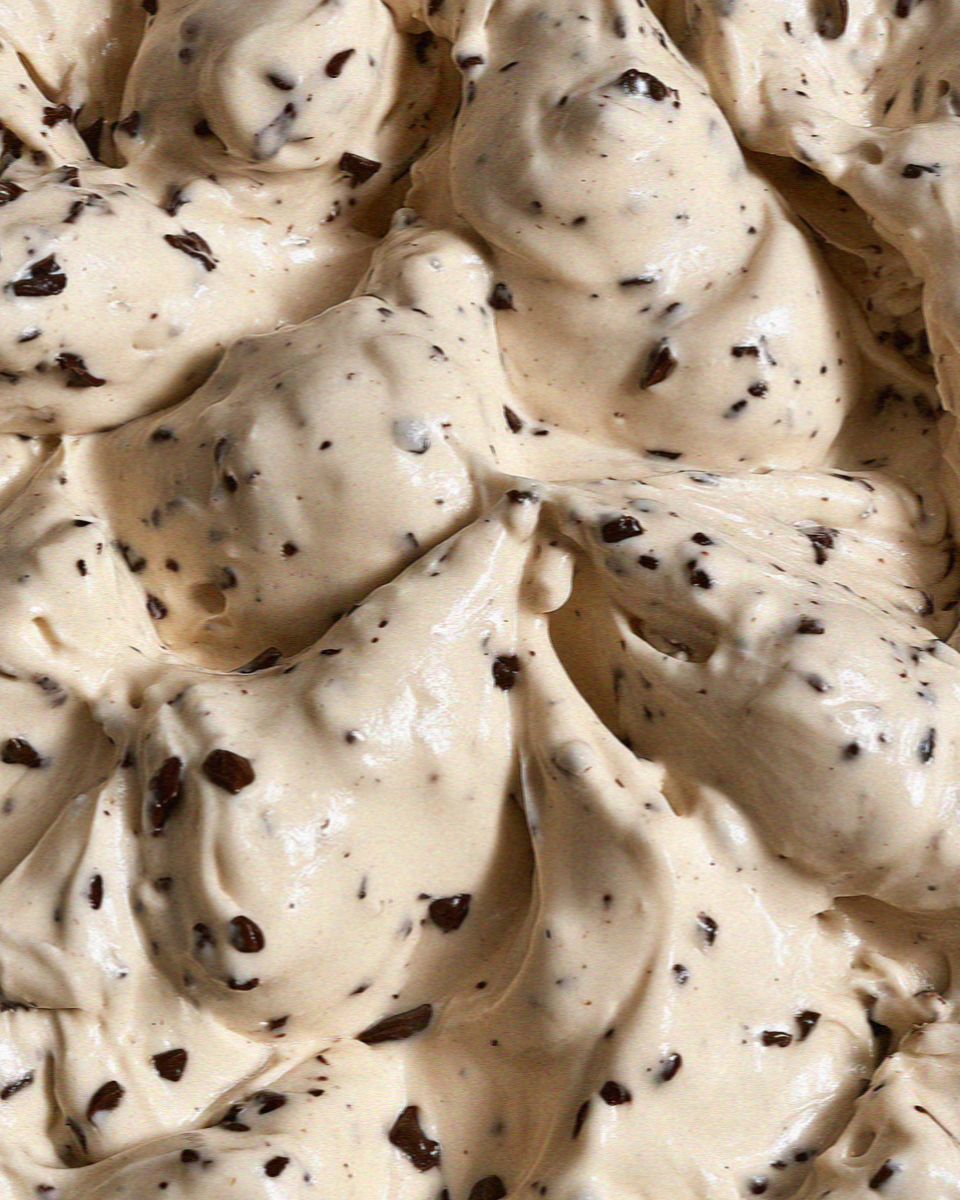
Stracciatella, the one with the little shards of chocolate running all through it, was born in this town, in a gelateria up at Colle Aperto, in 1961. A man there had been making stracciatella alla romana, the soup in which egg is drizzled into hot broth and breaks into little shreds, and one day, in what I can only call a stroke of genius, he carried the idea across to gelato. Warm chocolate went into the cold cream and hardened as it met it, breaking into those thin, irregular pieces that somehow make every spoonful slightly different.
It is still made there. Naturally, I had to go.
I did not walk up to Colle Aperto. I processed up to Colle Aperto, the way one approaches a shrine, and I had stracciatella from the place where stracciatella began, and I will not pretend it was anything less than a religious experience.
Now, the part people always want to ask about and are too polite to, so I will answer it before it is asked.
Yes, I eat like this, and no, I do not feel guilty, and that, I think, is the whole trick of it.
I do not believe in the little arithmetic some people run in their heads, the sums where a gelato has to be paid back, subtracted, apologised for. That is no way to eat and, frankly, no way to live. My father used to say that freedom is not carelessness, which I understood better standing in that gelateria than I ever did as a child. I am not careless about it. I simply refuse to be ashamed of a pleasure that costs no one anything and can make an ordinary Tuesday feel like a small holiday.
What I am, instead, is a person who happens to love the other things too. I love walking, and I do a great deal of it, miles of these hill towns under my own steam, not to cancel anything out but because a place only really gives itself to you on foot. I love swimming in cold lakes until my fingers go numb. I love a morning that starts before anyone else is up, when the streets still belong to delivery vans and old women opening shutters and people sweeping yesterday from their doorsteps.
None of it is penance.
It is simply that I was built to want the walk and the gelato in more or less equal measure, and I have stopped trying to make one of them the villain. You can be a woman who orders the tart and also the one who climbed the hill to get to it. Those things are not in a fight. They never were.

So I spent the rest of the day exactly as I wanted to.
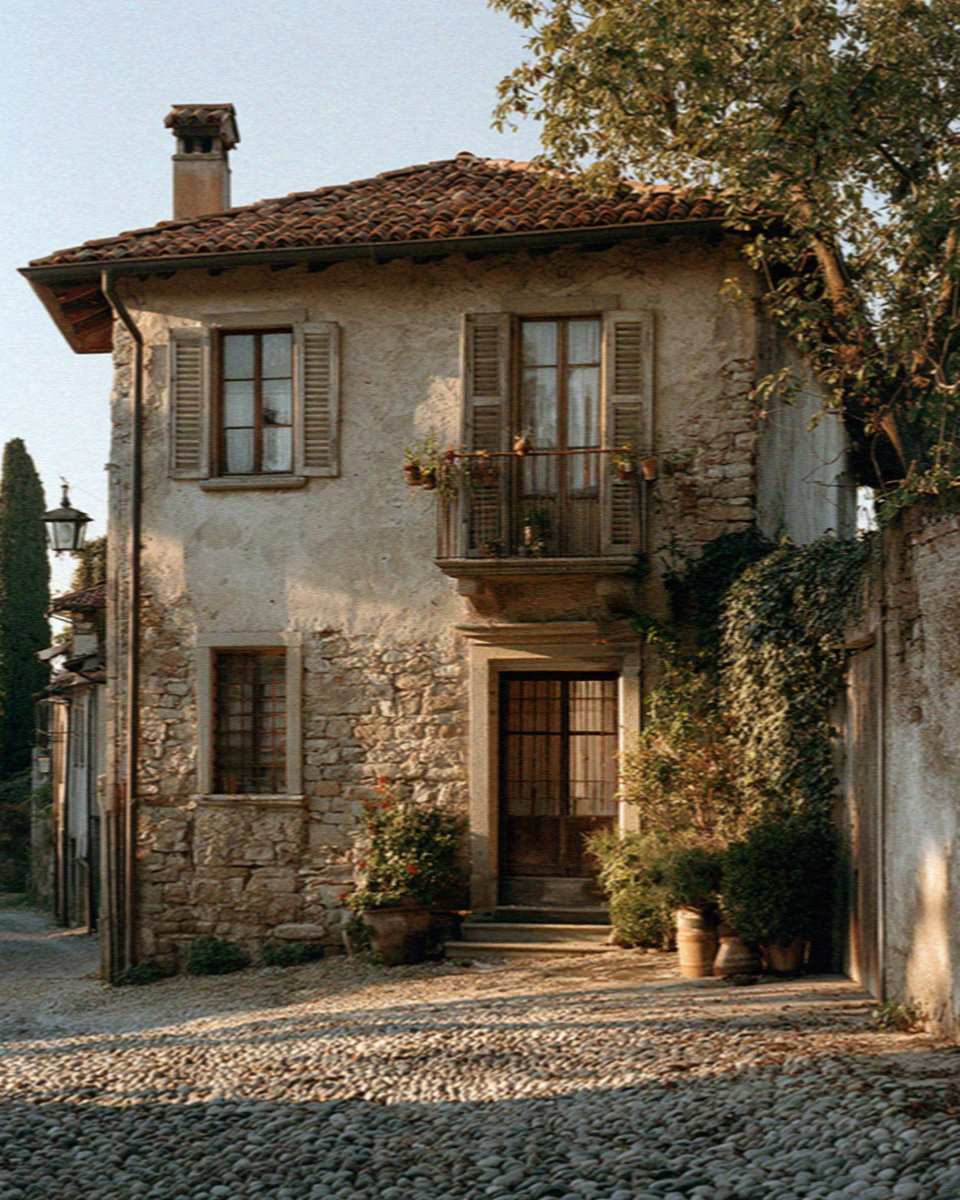
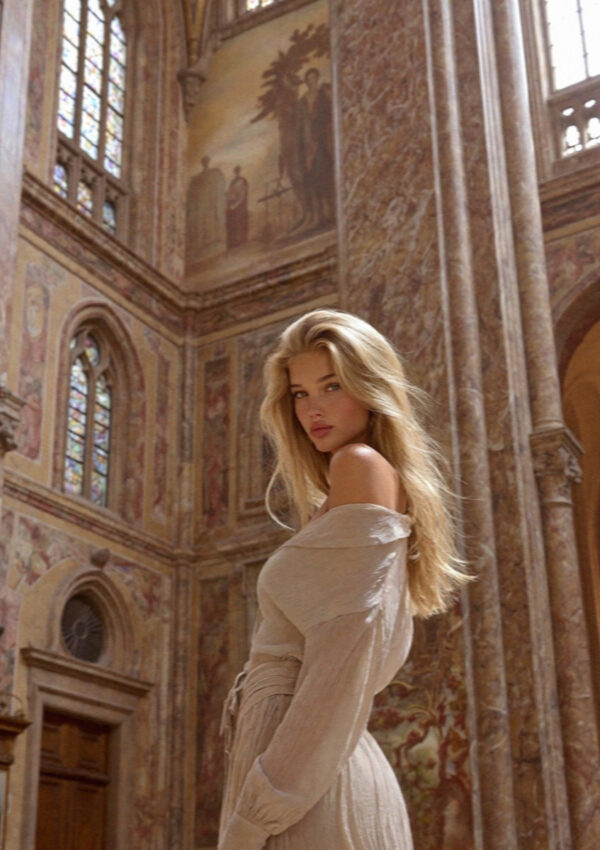
I went down to Borgo Canale in the end, as I had promised myself I would, to the plain little house where Donizetti was born. There is something particularly moving about seeing the modest rooms from which a person who gave the world so much beauty first emerged. Genius looks inevitable afterwards. The house reminds you that it never is. He began here, in these small rooms above Bergamo, without any guarantee that the world would ever know his name, and I stood there longer than I expected to.
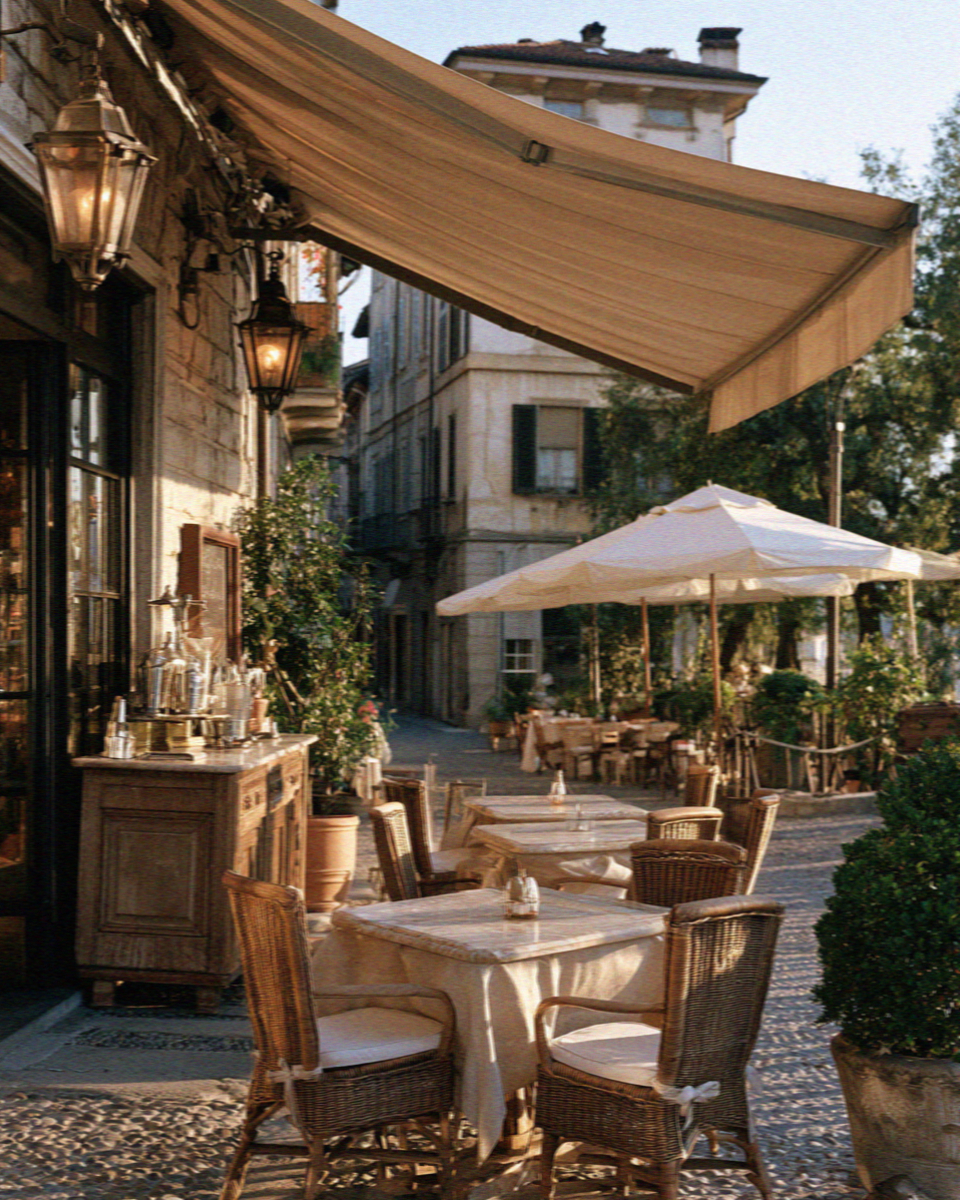
Then a long lunch, casoncelli and a glass of something from just down the valley, and yes, afterwards, another gelato, because the first had been in the morning and this was the afternoon and those are, as any serious person knows, two entirely different occasions.
By evening I was back on the walls.
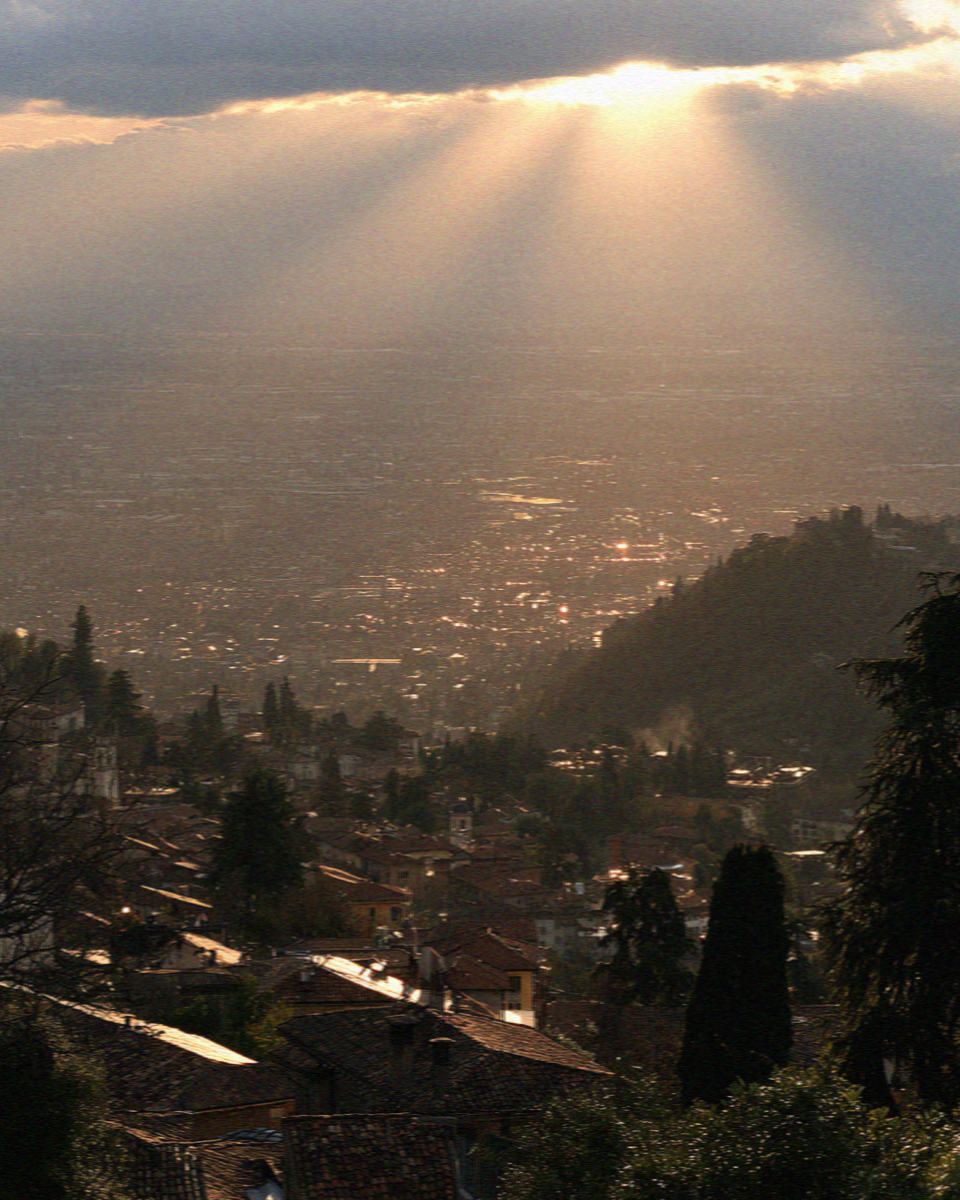
I walked them one last time as the light went, with the plain turning gold below and the roofs of the lower city catching the last of the sun. Somewhere behind me the bells began, one church answering another across the old town, and I could still taste those little threads of chocolate somewhere in the back of my day.
I thought that if a town had to be the one to hear my confession, I could not have chosen better than the one that had, quietly and without any fuss, invented the very thing I was confessing to.
That may be what I like most about Bergamo. It keeps its treasures without making a performance of them. A square nobody remembers to send you to. A composer born in an ordinary house down a quiet street. A gelato the whole world eats without knowing where it came from. You arrive thinking you have somehow overlooked the town, and leave wondering how everyone else has managed to overlook it too.
I am leaving fond of it beyond all reason, a little sticky, and entirely unrepentant.
V.
Read also: The Complete Guide to Bergamo | Bergamo, the Most Beautiful Square in Europe
More from Bergamo