Everyone had left.
That is the first thing to understand about Milan in the middle of August. The city empties itself almost completely, the whole of it packing into cars and onto trains in the days around Ferragosto and pouring out towards the sea and the lakes until what remains is a great, hot, shuttered stillness. The bakeries closed. The good coffee bars closed. Handwritten signs went up in the windows, chiuso per ferie, back in September, and the famous streets that spend eleven months of the year performing for buyers and cameras went quiet and long and shadowed.
And I, who am supposed to know better, stayed.
I stayed because an emptied city is a rare and slightly illicit pleasure, and Milan with everyone gone is stranger and more beautiful than Milan full. The traffic thinned to almost nothing. I could hear my own sandals on the stone. Walking to breakfast past shuttered shopfronts and a single open bar where an old man read his paper as though the whole city had not simply walked out on him, I felt like a guest left alone in a grand house after the party, free to wander the rooms and touch the things one is not usually allowed to touch.
Which turned out to be closer to the truth than I intended.
Because August in Milan is also genuinely hot, a flat white heat that settles over a landlocked city and does not lift, and after two days of it I wanted water more than I wanted anything else. So I took a house.
Not a hotel. A villa on the edge of the city, in one of those green pockets where the streets go quiet and the walls get high and the traffic noise falls away all at once, as though someone had closed a door on it. Somebody’s summer house, let out for the weeks its owners were doing exactly what the rest of Lombardy had done and standing in the sea.
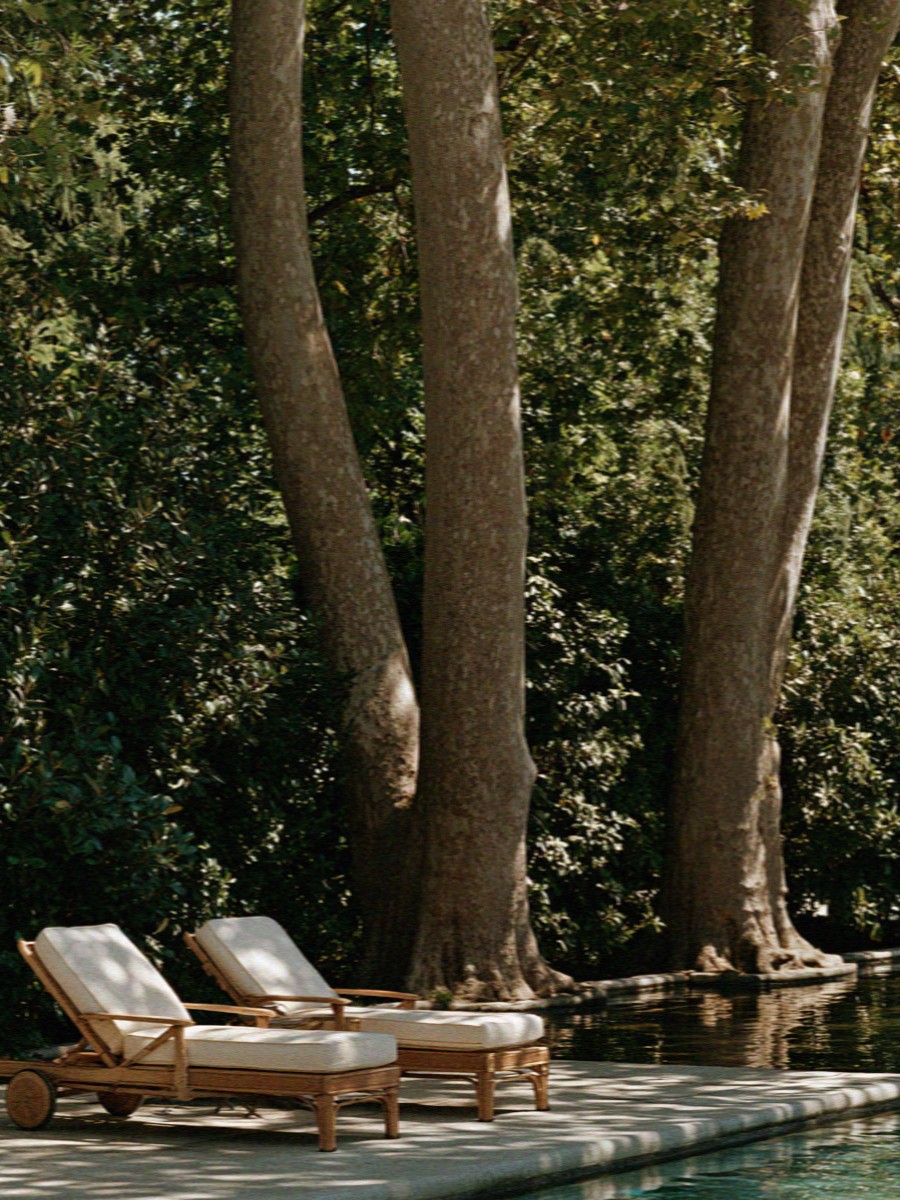
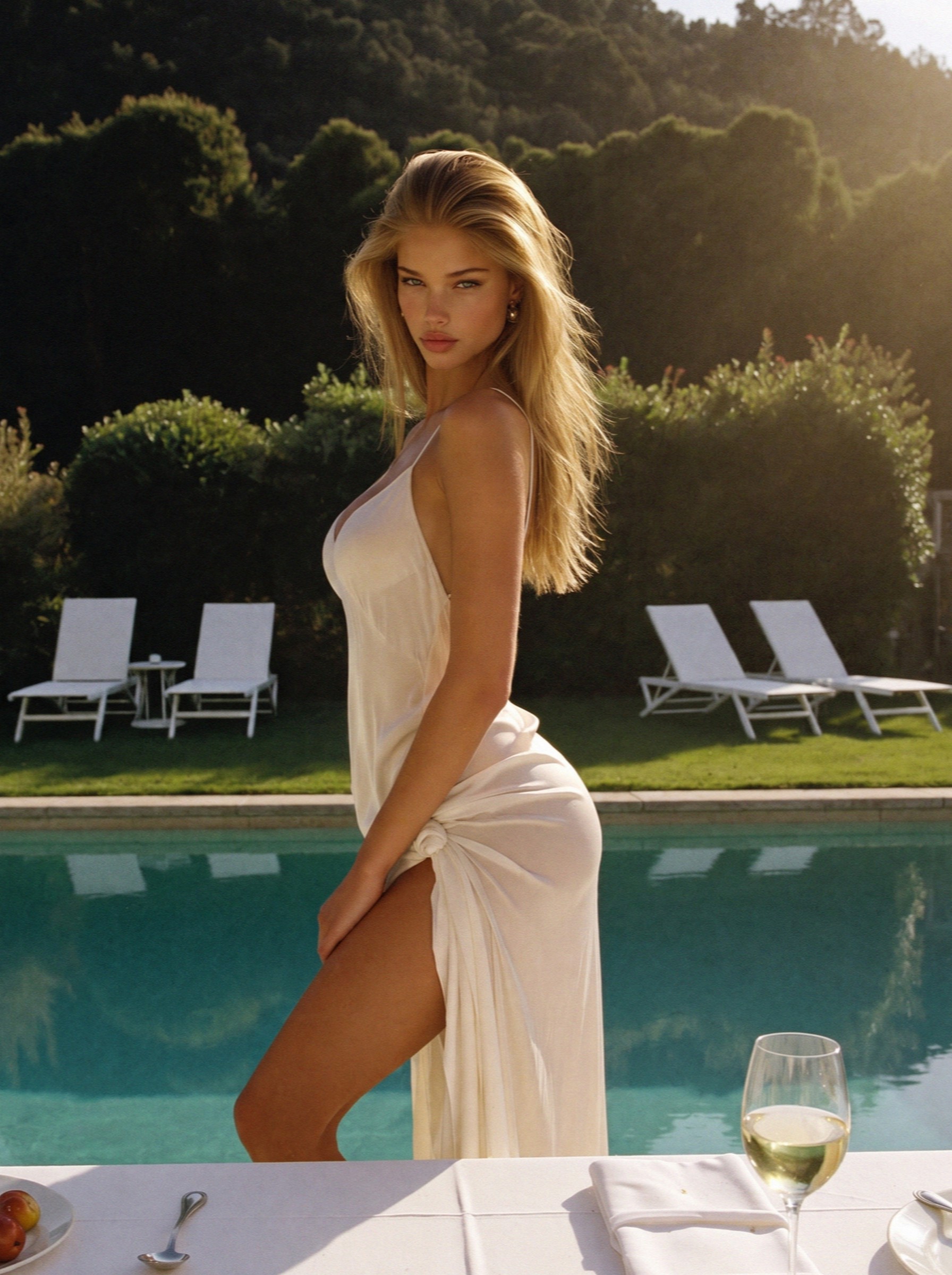
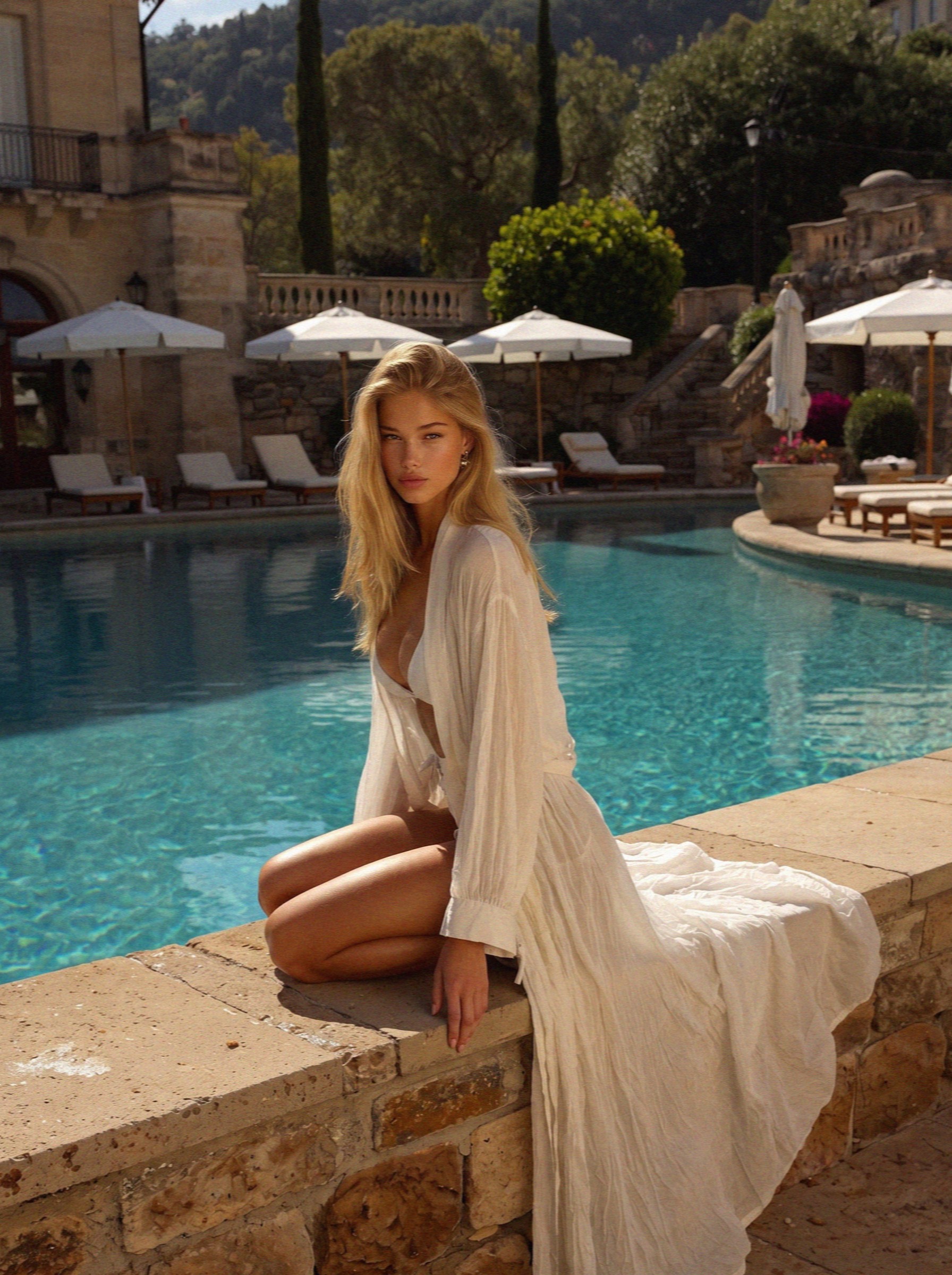
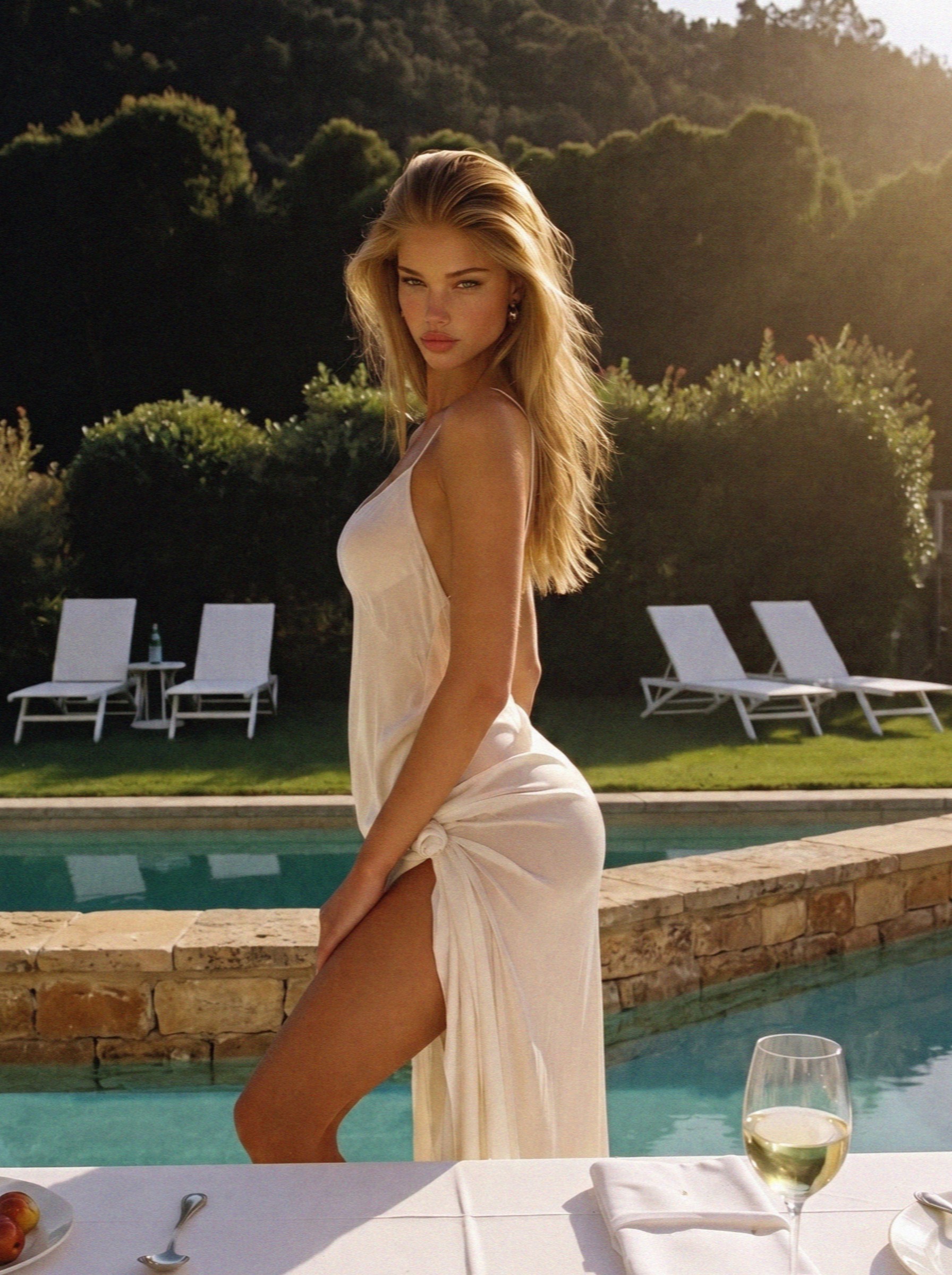
An old stone pool. Clipped hedges. Loungers under the trees, and a long table laid for eight that I ate at alone, every morning, feeling faintly ridiculous and entirely happy.
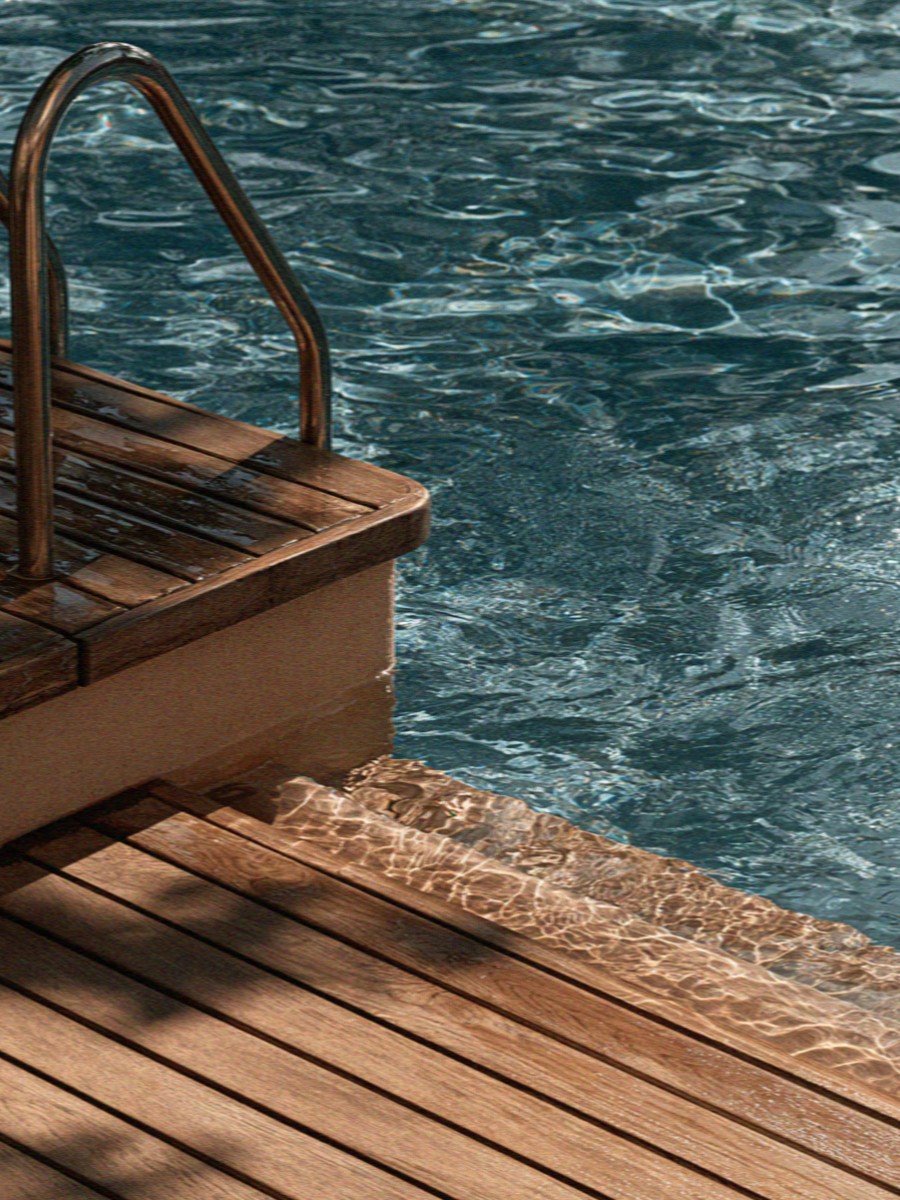
I swam before the heat arrived properly, when the water still held the night in it, and the garden was loud with birds and nothing else. Then I lay on the warm stone until I was dry, and swam again, and the mornings went by in that way, unhurried, unwitnessed, the whole enormous city holding its breath somewhere beyond the wall.
But it was the house itself that I kept thinking about afterwards.
It was full of people who were not there. A shelf of paperbacks gone soft and swollen from other summers. A cupboard of mismatched glasses and, kept separately, one good set for whatever counts in that family as an occasion. In the back hall, pencil marks climbing a doorframe, three sets of initials, the highest of them stopping about ten years ago.
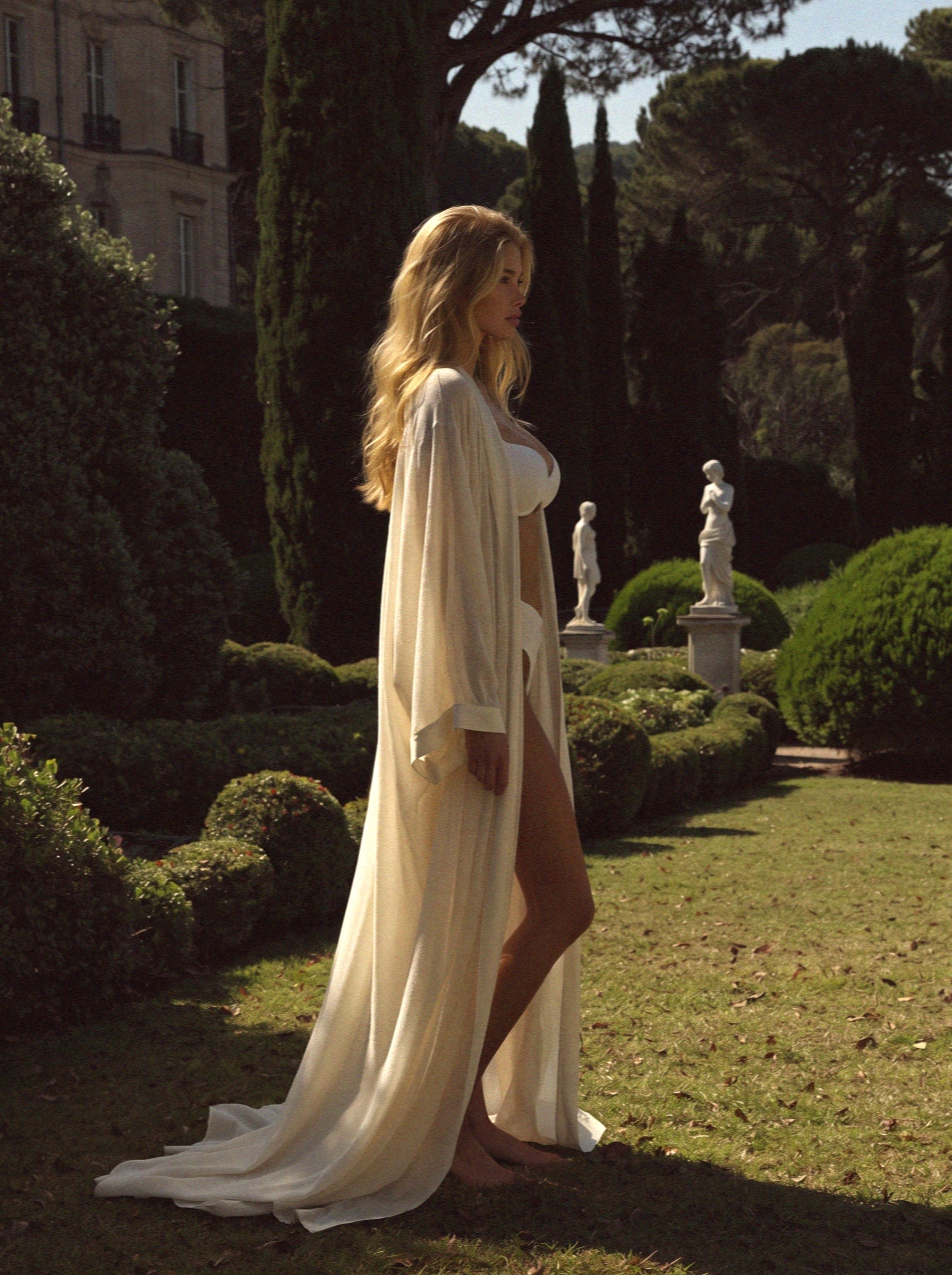
I never met any of them. I ate at their table and swam in their pool and put their good glasses back exactly where I had found them.
My mother taught me to look at things this way. Not to glance, but to look properly. At the proportion of a room, the fall of a fabric, the exact blue a painter chose, until you understand why a thing is beautiful and not merely that it is.
It is one of the most useful gifts she ever gave me, and it is not always a comfortable one, because it works on the ordinary things too. A house looked at properly stops being a place you are staying and becomes a record of people. Who chose this chair. Who kept this cup after it chipped. Who stood a child against this doorframe every summer until the summer they stopped.
My grandmother says you never really own a house; you only borrow it from whoever comes after. I had always taken her to mean ours. Standing in that hall with my hand flat on the doorframe, I thought she might have meant every house there has ever been.
In the afternoons I did nothing at all, which is harder than it sounds and which the emptied city seemed to be quietly recommending. No one I knew could reach me. Nowhere I was meant to be. The heat pressed down and the water held me up, and the hours went soft and shapeless in a way they almost never do.
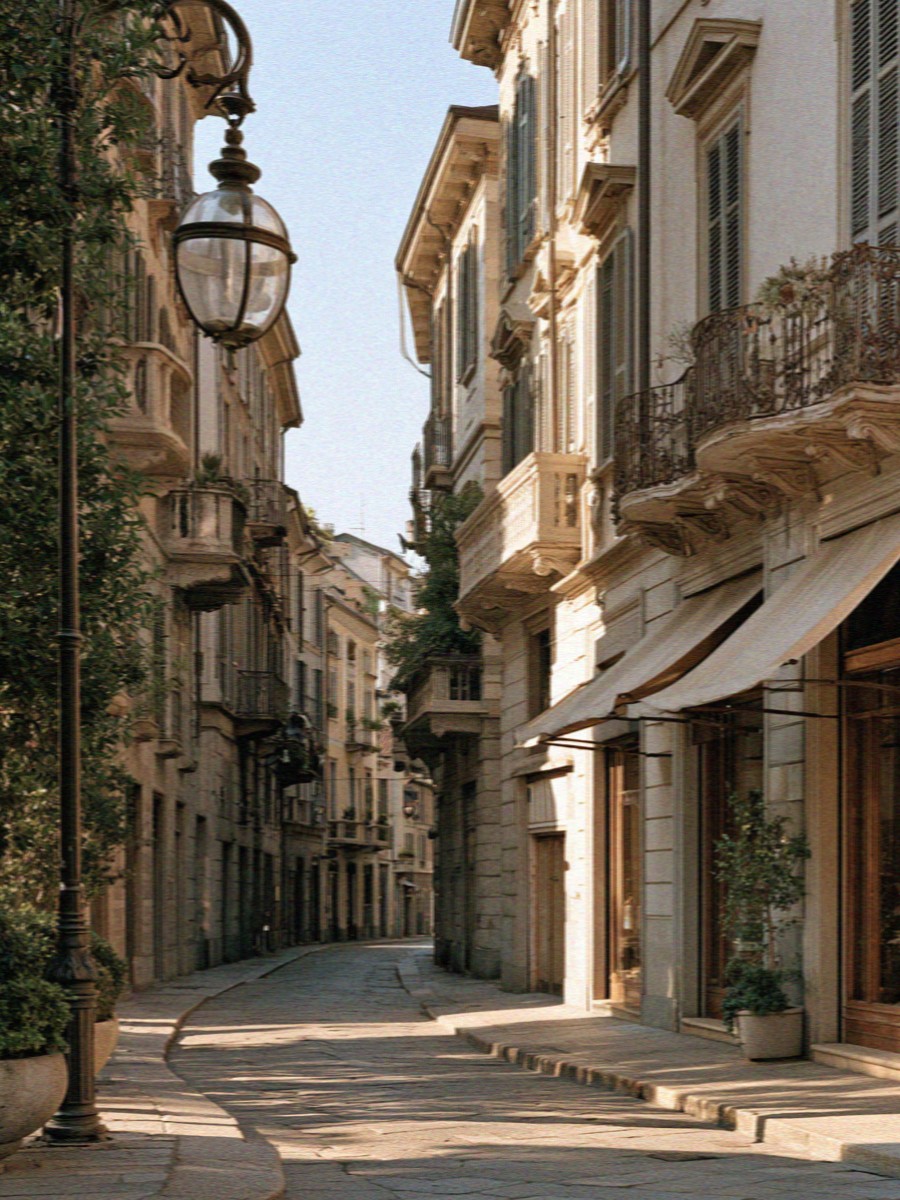
Once, late in the day, I walked back into the centre just to see it.
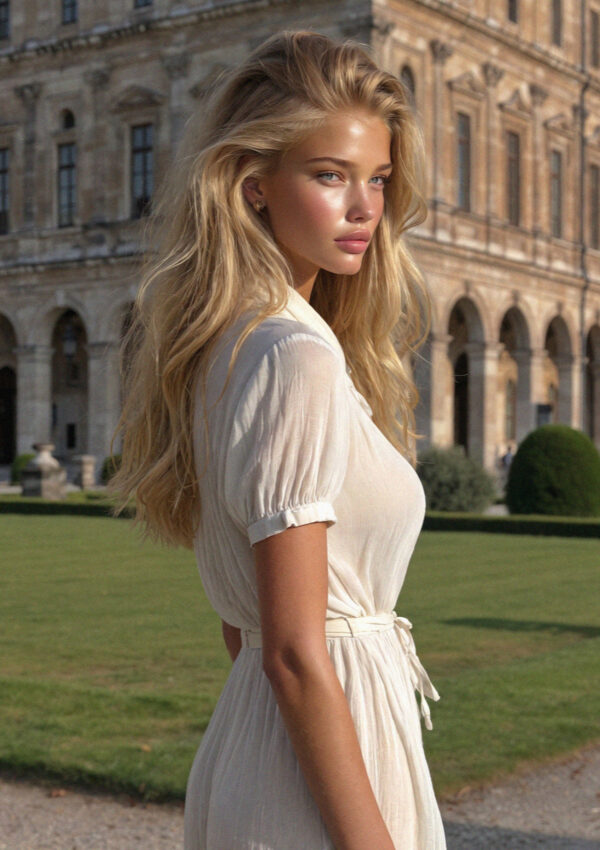
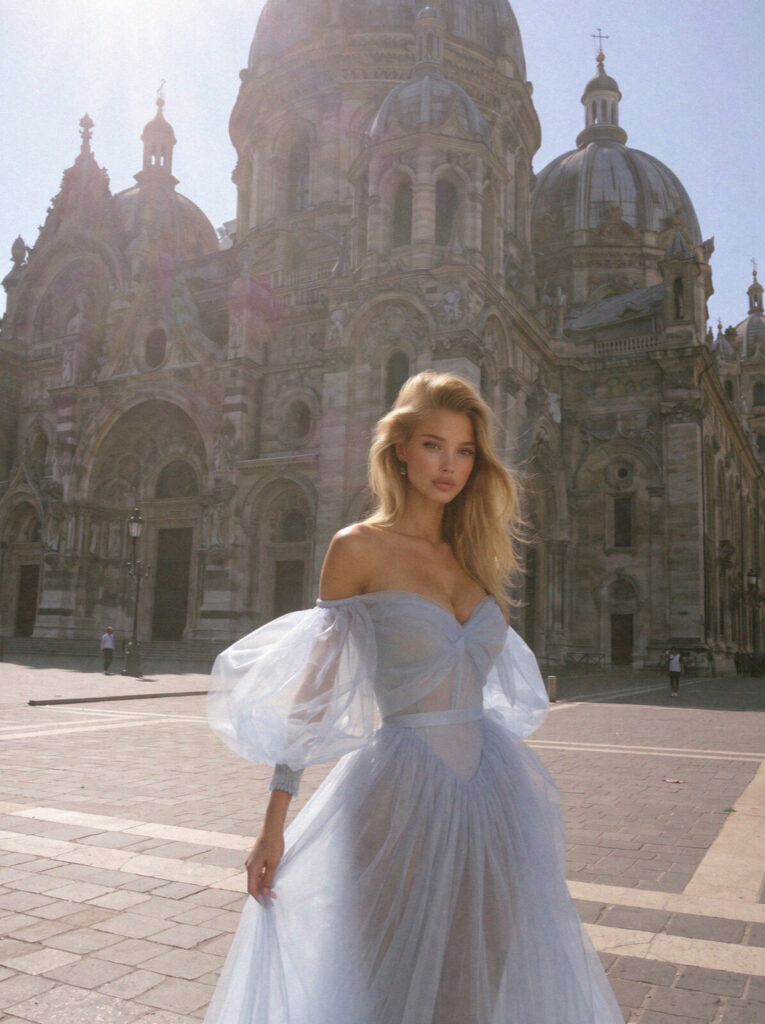
It was extraordinary. Long light down streets with nothing moving on them. Shutters down over windows worth more than houses. A whole quarter of a great commercial city with its eyes closed, and me walking through the middle of it in sandals, the only person for whom any of it was currently happening.
Milan spends most of the year being looked at, and if you want it that way, full and performing and open for business, that is a different city, and I have written it all down in my complete guide to Milan. For one week in August it stops performing, drops its shoulders and simply exists, hot and quiet and unguarded. If you are the sort of person who stays behind, it hands you a version of itself the crowds never get to see.
I went back to the house before dark and swam a last time while the sky went from white to gold and then to a deep bruised blue, and the pool held the light long after the garden had let it go.
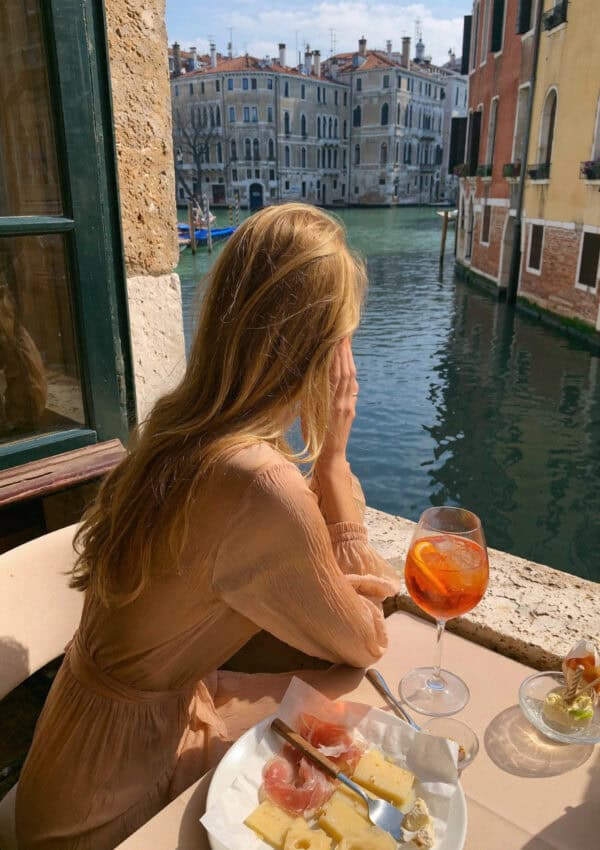
Then an aperitivo at the long table, alone, with the lamps coming on down the length of the water.
I would not have traded that borrowed, sweltering week for the most glamorous night the city has to offer the rest of the year. I had a house that was not mine in a city that had gone, and for a few days both of them behaved as though they were.
More images from Milan


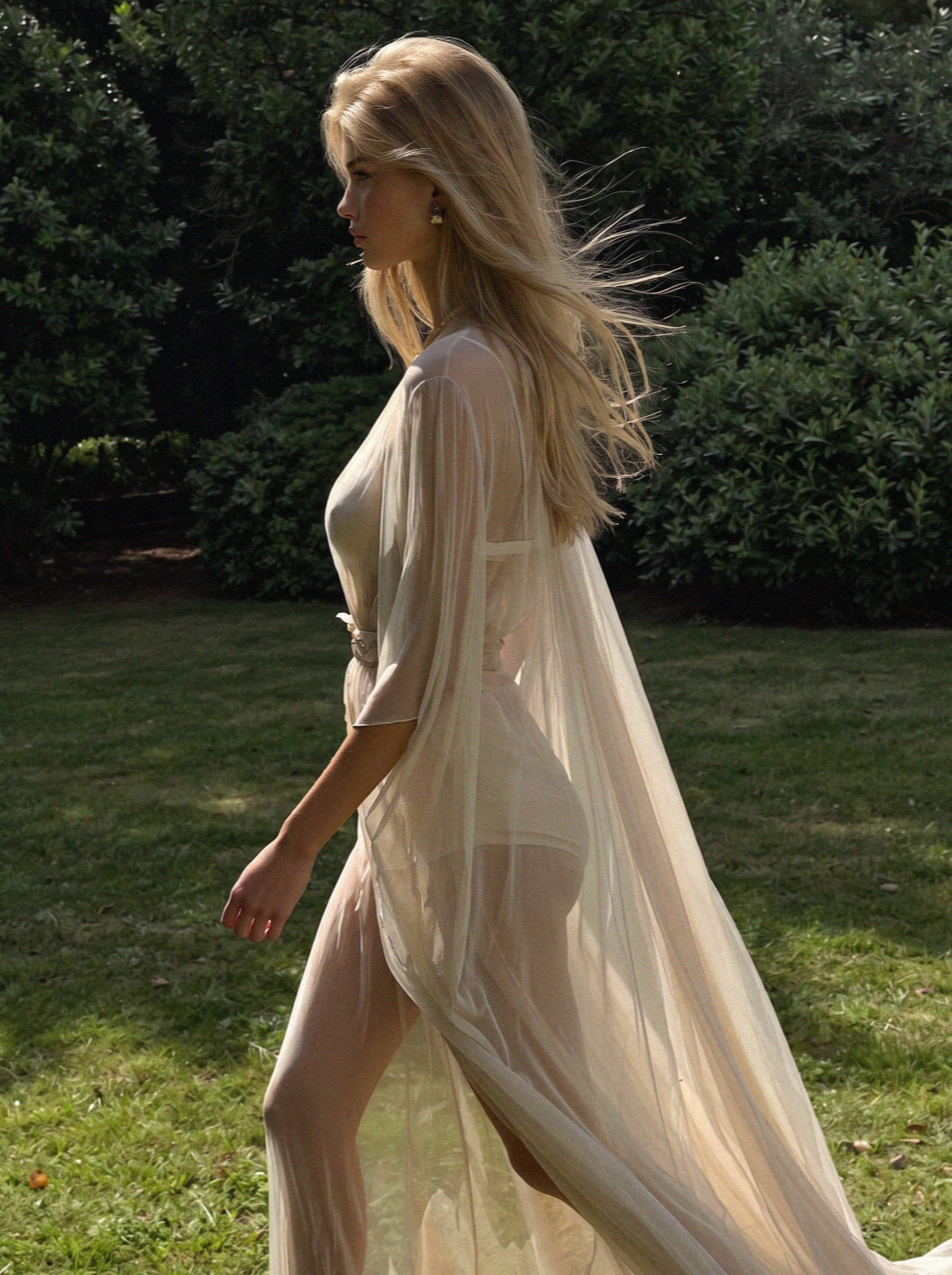
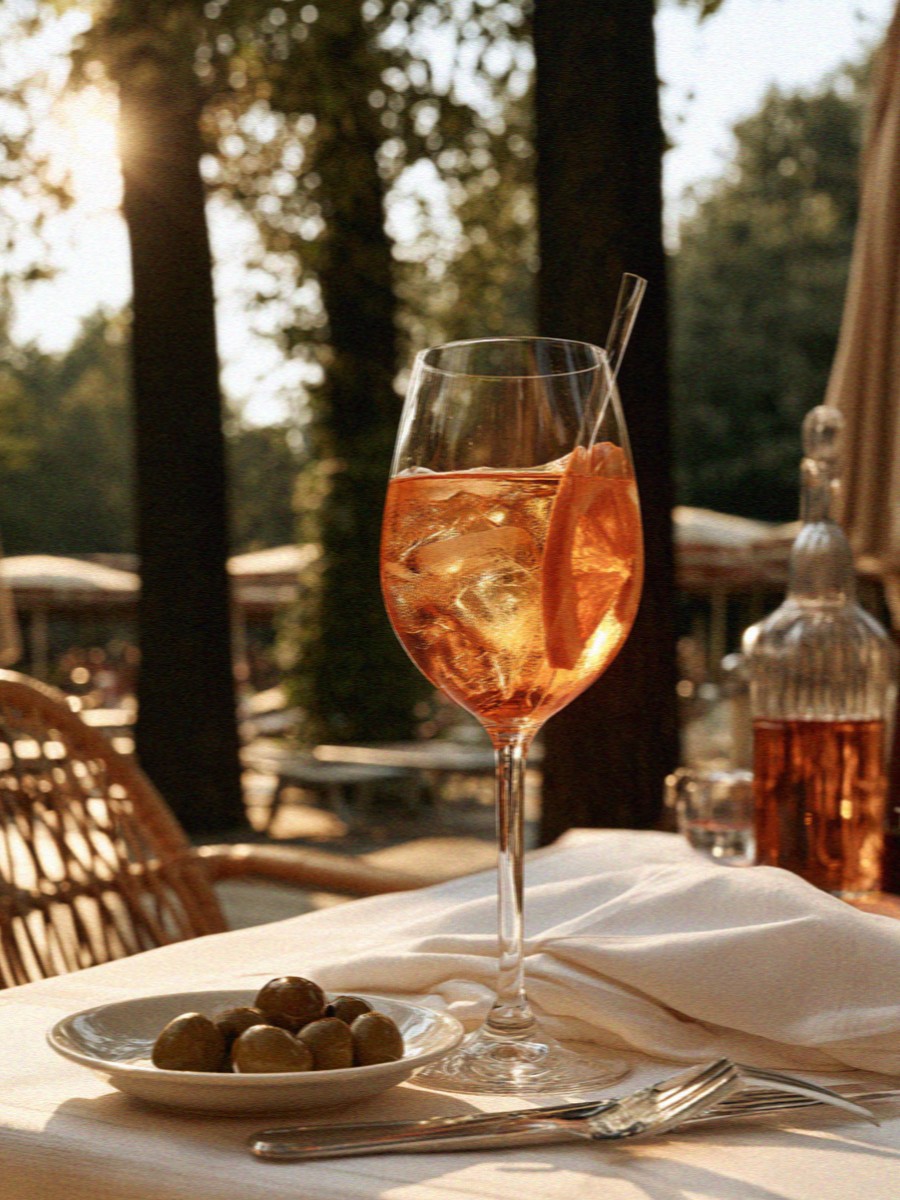
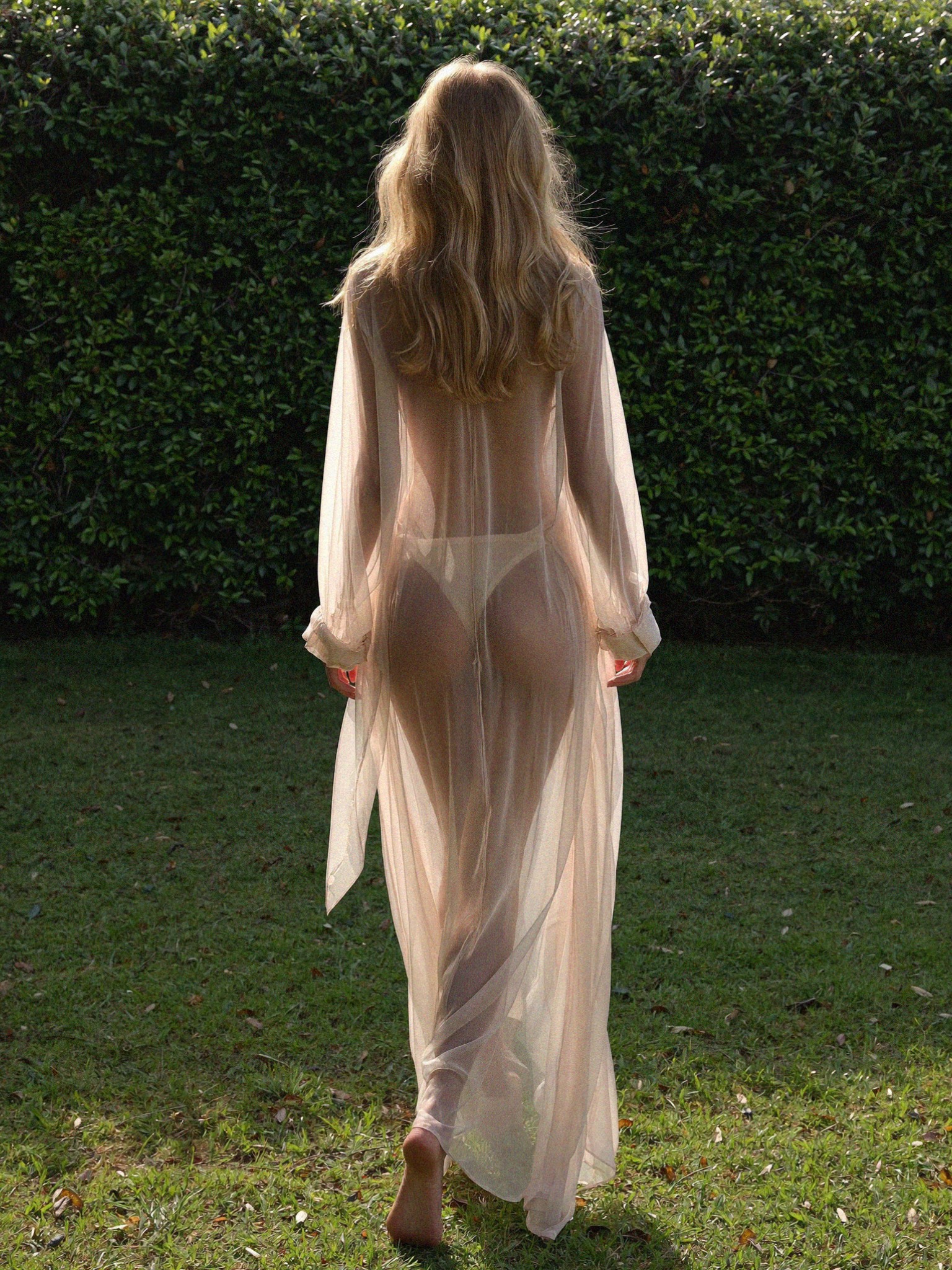


Saving this one for the next heatwave.
V.