There are seven of them and they are not versions of each other.
That is the thing to understand before anything else, and it is the thing almost every account of the Aeolian Islands gets wrong. They are written up as a set, a little archipelago of white houses and blue water off the north coast of Sicily, interchangeable, pick any. They are not interchangeable. One of them has eight thousand people and a hospital and a ferry every hour. One of them has no roads at all and the shopping goes up the hill on a mule. One of them erupts, on a schedule, all night, and has done for two and a half thousand years.
Choosing wrongly between those is not a small mistake. It is the difference between a holiday and a slightly stressful week of watching timetables.
So this guide is arranged around the only question that actually matters, which is where you sleep.
What to book before you come
These are seven volcanic islands with hydrofoils between them, and the hydrofoils are cheap. What you book is the one thing the timetable cannot give you: Stromboli in the dark, when the eruptions actually show.
- Lipari, Panarea and Stromboli by night. The reason people come. Stromboli erupts every twenty minutes or so, all day, and you can only see it once the light has gone. The boats hold offshore and wait.
- From Lipari, the full day to Panarea and Stromboli. The same run from a base on the islands rather than from the mainland, which is the better way to do it.
- A small group boat from Lipari. 4.6. Fewer people, and it gets into the coves on Panarea that the big boats pass.
- From Milazzo, the day trip. If you are based in Sicily rather than on the islands, this is the crossing solved.
The pumice beaches on Lipari, the fumaroles and the mud at Vulcano, and the walk up to the castle above Lipari town cost nothing or nearly nothing.
What the Aeolians actually are
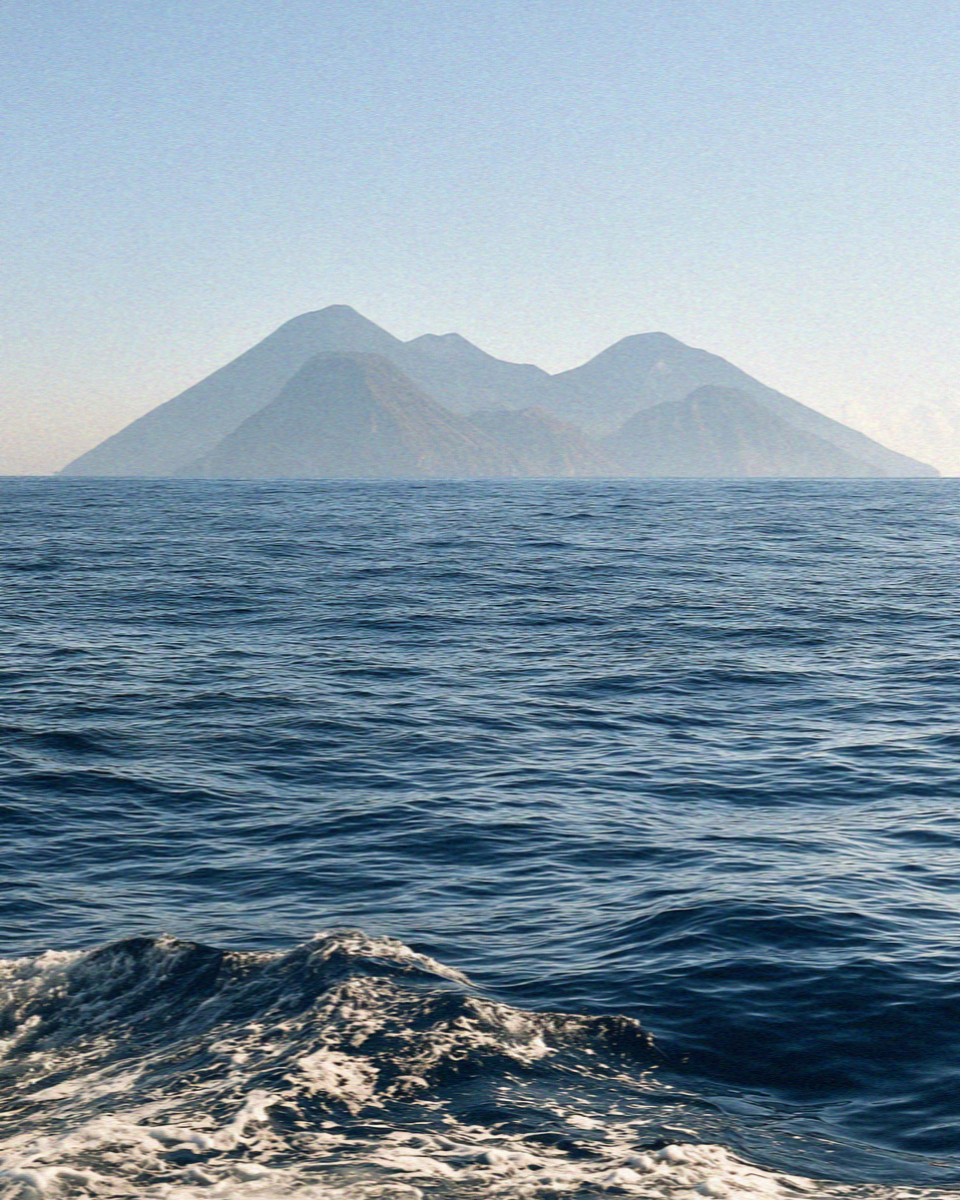
A volcanic arc, north of Sicily, in the southern Tyrrhenian. Seven inhabited islands and a scatter of rocks, all of them the tops of volcanoes, most of them extinct, two of them very much not.
They are UNESCO listed, which in this case is not decoration. The islands gave their name to two words used by volcanologists everywhere: strombolian, for the rhythmic low-level explosive eruption that Stromboli has been doing continuously since antiquity, and vulcanian, for the more violent, ash-heavy kind. The type sites for two categories of eruption are within sight of each other. That is genuinely unusual and it is the reason the archipelago looks the way it does.
What it means on the ground is that the geology is not background. It is the beach you lie on, which is black or grey and not gold. It is the water, which goes clear in a way sandy coasts never manage because there is very little sand to stir up. It is the terraces cut into old ash on Salina where the vines grow. It is the fact that Lipari is partly made of pumice and the sea below the quarries turns milk-turquoise from the dust.
And it is why nobody built an airport. There is no runway on any of the seven. Everything arrives by boat.
Plan Your Visit to the Aeolian Islands
A few things I booked and loved. These help support the blog, at no cost to you.
- Where I stayed: search Aeolian Islands hotels
- Island boats and Aeolian day trips
- Stay connected: get a travel eSIM
This section contains affiliate links. If you book through them I may earn a small commission, at no extra cost to you.
The seven, in one line each
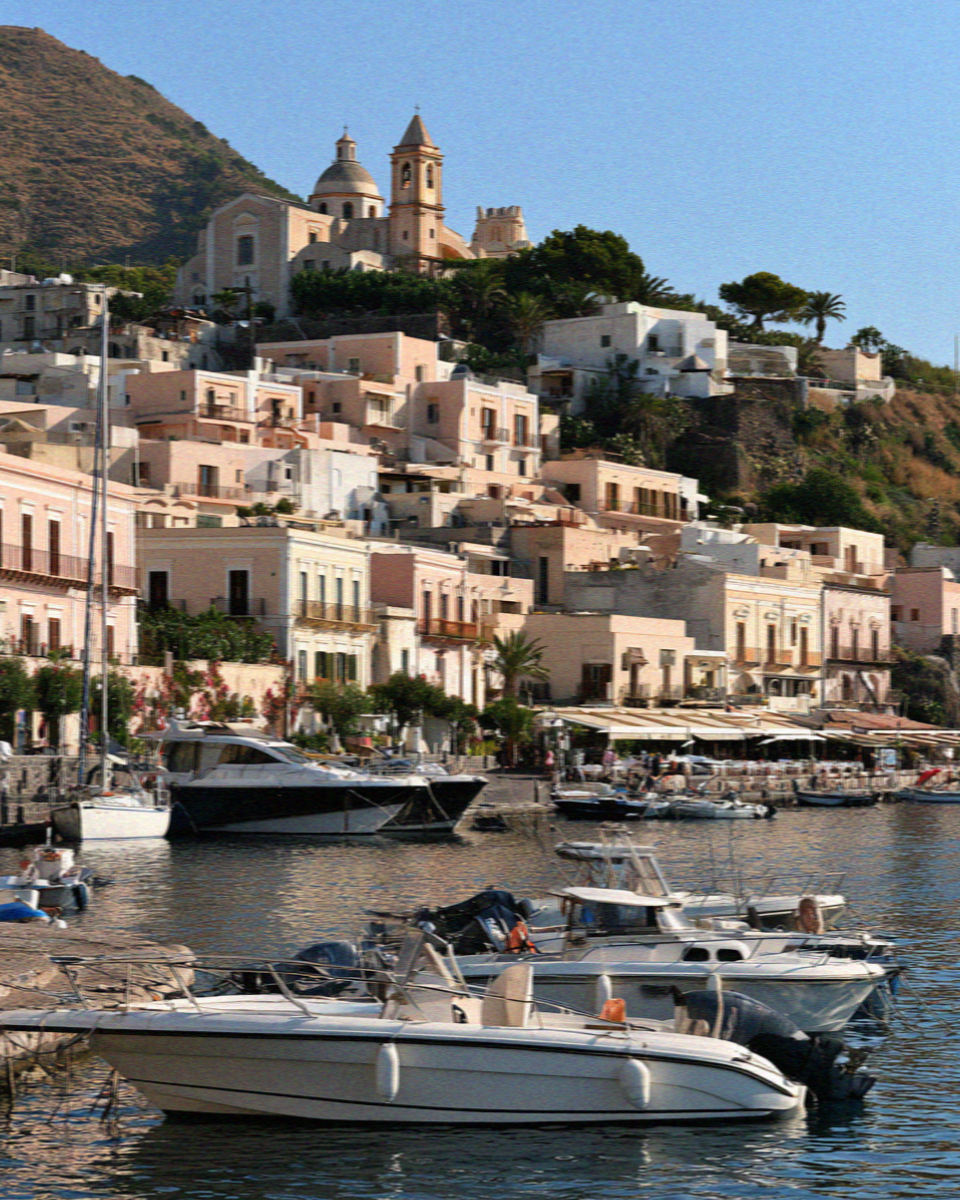
Lipari is the capital and the biggest. Beds, restaurants, a hospital, a bus, ferries all day. Also a genuinely good archaeological museum and a citadel on a rock. This is where most people should stay.
Salina is the green one, two extinct cones with a saddle between them, vineyards and capers and a slower pace. Better food than anywhere else in the archipelago. The one I would go back to.
Vulcano is closest to the mainland, smells faintly of sulphur, has a crater you can walk up and a shore where the sea itself is warm. Most visited on a day trip.
Stromboli is the active one. A black cone with a white village on its flank, and a summit you are no longer allowed to reach.
Panarea is the smallest and the most expensive, whitewashed and cars-free and full of yachts in August. Beautiful and not cheap.
Filicudi is quiet, rocky, has a good rock arch and a handful of places to eat.
Alicudi is the far one. No roads. No cars. Stone steps and mules. Electricity arrived within living memory.
How long you need

The honest minimum is four nights, and a week is much better.
The reason is not that there is more to see than that. It is that every movement between islands costs you a half day, and the boats do not care about your plans. A trip of three nights across three islands is three travel days with a swim in the middle of each. You will have been to the Aeolians without having been anywhere.
Four nights, one base, day trips out. This works well and it is what I would recommend to most people.
A week, two bases. Split it: four nights on Lipari or Salina, three on Stromboli or Panarea depending on what you want the second half to be.
Ten days or more and you can add Filicudi and Alicudi properly, which means staying, because a day trip to Alicudi is a boat, a climb, a sandwich and a boat back.
What I would not do is attempt all seven. People try. It produces a slideshow rather than a memory, and the wind will break the plan anyway.
I have set out the choice properly in which Aeolian island to stay on, because it is the decision the whole trip hangs on.
Getting there, and the mistake people make
There is no airport. You fly to Catania or Palermo and then you go to a port.
The port you want is Milazzo. It is the closest to the islands, it has by far the most departures, and in season there are up to seventeen crossings a day to Lipari. The crossing takes about an hour by hydrofoil and costs somewhere in the region of fifteen to twenty-five euros as a foot passenger. Liberty Lines run the hydrofoils, which are fast and carry people only. Siremar run the car ferries, which are slower, cheaper and take vehicles.
There are seasonal services from Palermo, Naples and Messina too, and they are useful in specific cases, but Milazzo is the default and the rest are exceptions.
The mistake, and I want to be blunt about it because it ruins the end of people’s holidays: do not book a flight for the same day as your last crossing. The hydrofoils are fast and light and they are the first thing cancelled when the wind gets up. The mistral can shut the Milazzo routes for a day. Ferries are more robust than hydrofoils but not immune. Come off the islands the day before you fly, sleep on the mainland, and treat the extra night as insurance rather than a wasted evening.
The full mechanics are in how to get to the Aeolian Islands and the between-islands network is in ferries and island hopping.
Do not hire a car
You do not need one and on most of the islands you cannot use one.
Panarea is car-free. Alicudi has no roads. Filicudi barely does. Lipari and Salina have buses that work, and the islands are small enough that a scooter covers everything a car would. Bringing a vehicle over on the ferry costs a great deal more than leaving it in a Milazzo car park, and then you own a car you cannot park.
Leave it on the mainland.
Stromboli, and what you can actually do now
This is the single most out-of-date thing on the internet about these islands, and people arrive having booked on bad information.
You cannot climb to the summit. Access to the summit area has been prohibited since the paroxysmal eruptions of 2019. With a certified volcanological guide you can go up to 400 metres above sea level. On your own you can go to 290 metres. Beyond those limits you risk a fine of around 500 euros, and more to the point you are in the zone where material lands.
Operators still advertise “climb Stromboli”. What they are selling is a guided walk to an observation point at 400 metres. It is a good walk and the view is real, but it is not the summit and it is not the old trek, and you should book knowing that.
The alternative is better than people expect. The night boat goes out and sits on the black water below the northwest flank, where the lava scree runs from the crater down into the sea, and you watch the explosions from there. No climb, no permit, no fitness required, and the volcano is doing exactly the same thing whether you are at 400 metres or on the water.
The detail, including who to book with and what it costs, is in Stromboli and the volcano climb.
Vulcano, and the mud baths that are not open
The second thing everyone arrives with bad information about.
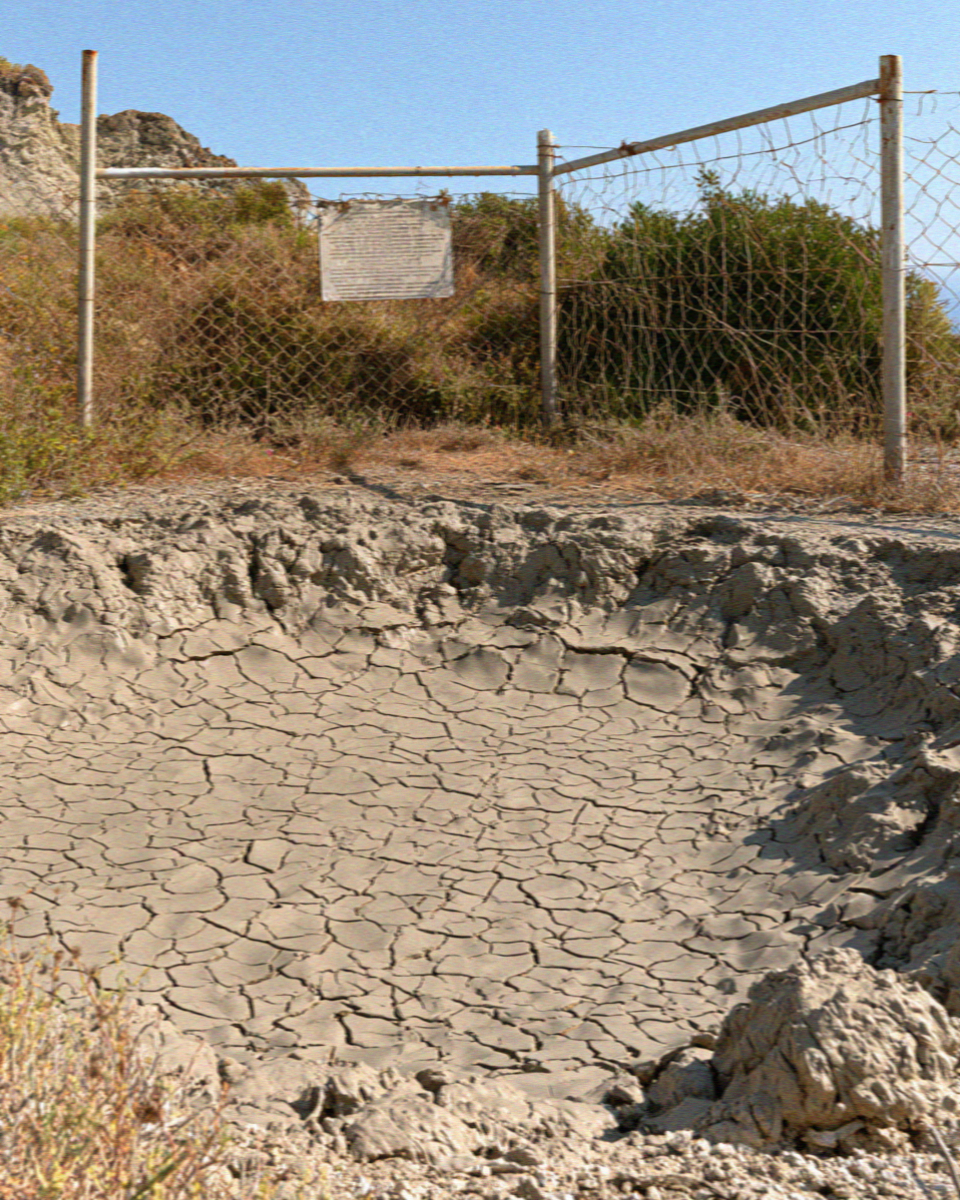
Vulcano’s famous sulphur mud pool has been closed since 2021. It briefly reopened in May 2025 and was shut again within weeks. As I write it is closed, and its status has changed more than once, so it must be checked rather than assumed. Guides written five years ago still describe wallowing in it as the thing to do on the island. If the mud is your reason for going, verify before you get on the boat.
What is unaffected: the fumaroles on the crater, and the stretch of shore where hot springs come up through the seabed and the sea itself is warm and faintly fizzing. That last one is genuinely strange and worth the trip.
The crater walk has hours. From April to October the trail closes during the hottest part of the day, roughly ten until four, and access is regulated by a light system that responds to gas conditions. So it is a morning walk or it does not happen. Full detail in Vulcano.
The green one

Salina is the odd one out and the one I liked most.
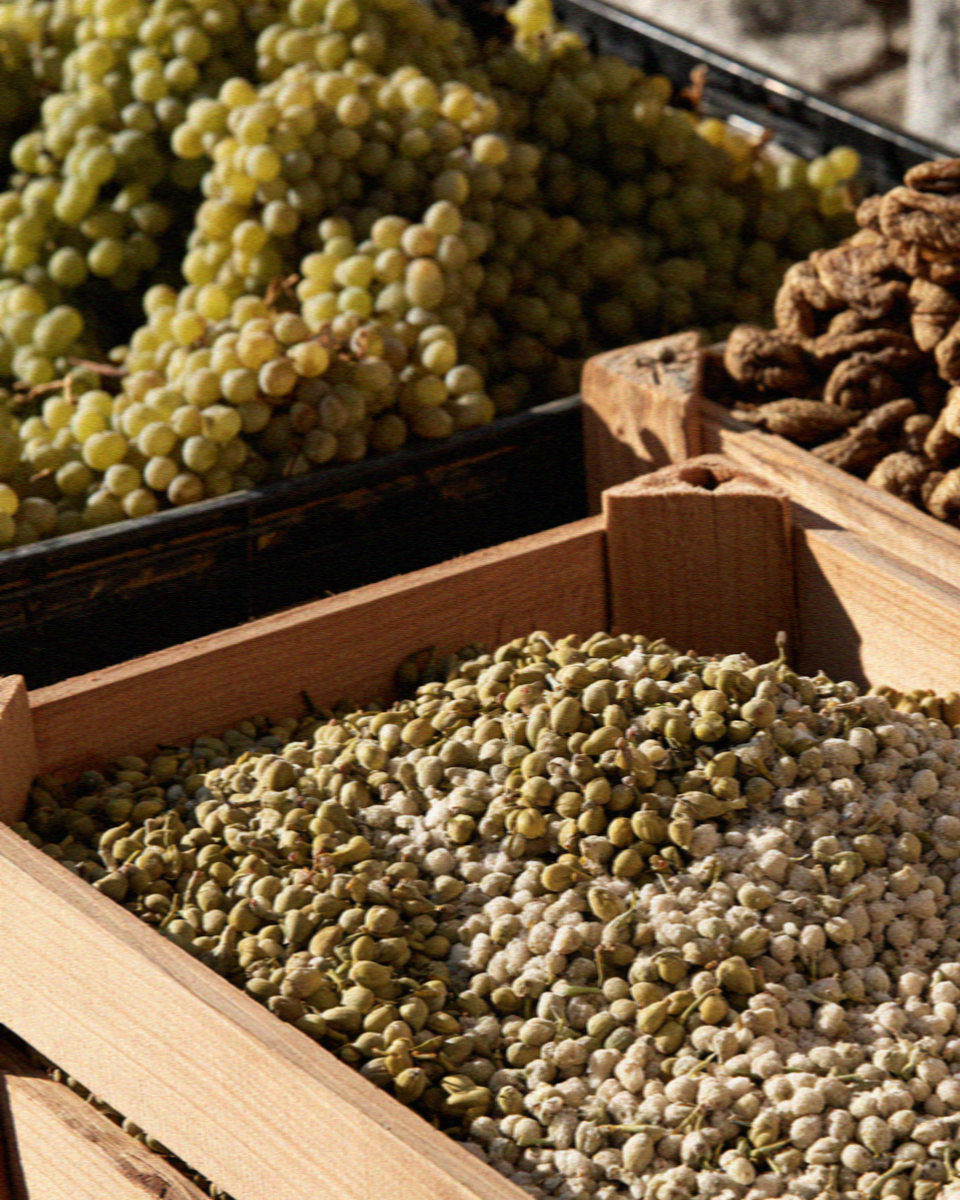
Two extinct volcanoes with a low saddle between them, and unlike its neighbours it has water, which means it is green. Terraced vines on black soil, caper bushes in the walls, chestnut and fern up on the high ground. It produces a sweet amber Malvasia that is worth carrying home, and capers that are worth more than the ones you can buy anywhere else.
It is also where the food is best in the archipelago, by a distance, and where the evening is quietest. If your idea of an island week involves a long lunch and not much else, go here rather than Lipari. The whole island is in Salina.
A very short history, because it explains the shape of the place
People have been here a very long time, and the reason is obsidian.
Lipari has volcanic glass, and in the neolithic that was the sharpest cutting edge available anywhere. Blades made from Lipari obsidian have been found across the western Mediterranean. A small island with no metal and not much water became rich because it had the best stone, and it stayed rich through the Bronze Age on the back of it.
Then everyone came through in turn. Greeks, who built the walls you can still see in the citadel. Romans. Arabs. Normans. In 1544 the corsair Barbarossa sacked Lipari and took most of the population away as slaves, which is why the fortifications above the harbour look the way they do: what stands there now is largely a Spanish rebuild of the 1550s, put up by people who had just learned what happens without one.
Later the islands became a place to send people. Political prisoners were confined here under Fascism, on Lipari in particular, which is a strange fact to hold alongside the yachts at Panarea.
None of this is decoration. It is why the biggest island has a citadel and a serious museum, why the villages sit where they sit, and why the terraces are cut into slopes that look impossible to farm.
The museum nobody mentions
The archaeological museum inside the citadel on Lipari is genuinely good, and almost nobody plans for it.
It holds the excavated sequence of the islands laid out floor by floor, and its extraordinary holding is the collection of theatrical masks and figurines recovered from Greek-era tombs: small terracotta faces of tragedy and comedy, hundreds of them, more than anywhere else in the world. Beside them, amphorae raised from wrecks on the sea floor around the archipelago.
Give it two hours. It is air conditioned, which in July matters, and it will change what you see when you walk back out into the town.
The evening

The islands run on a different clock from the mainland and the difference is worth planning around.
Nothing happens in the middle of the day. From about one until five, in summer, the lanes empty, the shutters come across, and anyone with sense is either in the sea or asleep. It looks like the place has closed. It has.
Then at about seven it reassembles. People come out onto the harbour fronts, the boats come back in, the light goes long and orange across the water, and dinner starts late and finishes later.
Build the day around that. Sights and walking before eleven, water and shade in the middle, the town in the evening. Fighting it is the single commonest way to have a hot, disappointing time here.
A worked week
If you want it as a block rather than as principles, this is what I would actually do with seven nights in September.
Day one. Fly to Catania, transfer to Milazzo, afternoon hydrofoil to Lipari. Do nothing else. Eat on the harbour.
Day two. Lipari. Citadel and museum in the morning while it is cool, the pumice coast in the afternoon, back for the evening.
Day three. Day trip to Vulcano. Crater walk early, before the trail shuts for the middle of the day, then the warm shallows, then back.
Day four. Move to Salina. Settle in, eat well, do very little.
Day five. Salina properly. Vines and capers in the morning, the cliff bay in the late afternoon for the light everyone comes for.
Day six. Boat day. Panarea and the cove, or Filicudi and the arch, depending on which way the sea is behaving.
Day seven. Stromboli. Go across in the afternoon, take the night boat, sleep on the island or come back late.
Day eight. Back to Milazzo in the morning, sleep on the mainland, fly the following day.
Note what that plan does not do. It does not visit all seven. It changes bed once. And it leaves the last day loose, because that is the day the wind takes if it is going to take one.
With children
Better than the volcano makes it sound, with two caveats.
Lipari is the right base: flat ground along the front, short crossings, a beach reachable by bus, food children will eat, and a hospital on the island. The boat trips are an event rather than a chore, and the geology is the kind of thing that lands well at eight years old, because the beach is black and the stones float.
The caveats are the crater walk on Vulcano, which is exposed, hot and gassy and not a children’s outing, and the night boat at Stromboli, which is late, dark and long. Neither is a reason to stay away, but neither is a family activity.
What to pack that you would not otherwise
Water shoes. Not optional. Most of the swimming here is off rock or coarse shingle and they turn a scramble into a non-event.
Cash. Alicudi has no ATM. Filicudi is nearly cashless in the wrong direction.
Proper shoes, if you intend to walk on Stromboli or up the crater on Vulcano. The ground is loose volcanic scree and sandals are miserable on it.
A hat and more water than you think. There is almost no natural shade on any of these islands. The vegetation is low and the ground is dark and holds heat.
A light layer for the boats. It can be thirty degrees at four and cool on an open deck at ten.
Money, and what things cost
The Aeolians are not cheap, and the range across them is enormous.
Panarea in August is the most expensive place in the archipelago by a wide margin, and one of the more expensive in Italy. Rooms in the high hundreds, a drink priced accordingly, and a scene that arrives on boats.
Lipari is the reasonable one. It has the most rooms, therefore the most competition, therefore the most range, from simple guesthouses to comfortable hotels.
Salina sits in the middle and is worth it.
Filicudi and Alicudi are cheap because there is almost nothing to spend money on, though the little there is has to come by boat and is priced that way.
Bring cash. Alicudi has no ATM. Filicudi’s facilities amount to a post office. On Lipari and Salina cards are fine.
What to eat
Capers, which grow wild in the walls here and are salted rather than pickled, and are a different thing from the jarred ones. Pane cunzato, a slab of bread dressed with tomato, anchovy, capers, oregano and oil, which sounds like nothing and is the best thing on most menus. Swordfish. Squid. Malvasia at the end, cold, with almond biscuits.
And granita for breakfast, which in Sicily is not a dessert but the correct way to start a hot morning, with a brioche to dip.
Which islands suit whom
A first trip, one week, no strong preference. Lipari as a base, Salina for two or three nights, day trips to Vulcano and Panarea, the Stromboli night boat.
You want to swim more than anything. Salina and Filicudi, and get on a boat. The best water here is reached from a boat and not from a beach.
You want the volcano. Stromboli, staying at least two nights, because one night gives you one shot at good conditions.
You want to be looked at. Panarea, in August, and take money.
You want to disappear. Alicudi. I mean it. Take a book and enough cash.
You have children. Lipari, which has the flattest ground, the most to eat, the shortest ferry hops and a hospital.
Is it worth it
Yes, with a caveat I would rather say than leave out.
Getting here is genuinely a faff. A flight, a transfer, a port, a boat, and then a boat every time you want to move. Nothing is quick. The wind gets a vote. Compared with a Sicilian coastal town where you land, drive an hour and arrive, the Aeolians ask for more.
What you get for the trouble is a set of islands that never got an airport, never got a coastal motorway, and therefore never got the thing that happens to places that do. It is the difference between somewhere that adapted to visitors and somewhere visitors adapt to. There are not many of those left in Italy in September.
The one thing people get wrong about the Aeolians
They plan a route instead of choosing a base.
The archipelago looks, on a map, like it wants to be toured: seven islands in a loose ring, boats between them, hop hop hop. So people build an itinerary with a different bed every night and then spend the week packing.
But the boats run out of one hub, not around a circle. Movements are radial. Almost anything is a day trip from Lipari or Salina and you sleep in the same bed either way. Pick a base, unpack, and let the archipelago come to you.
That is the whole trick, and it is why the first spoke of this guide is about where to sleep rather than what to see.
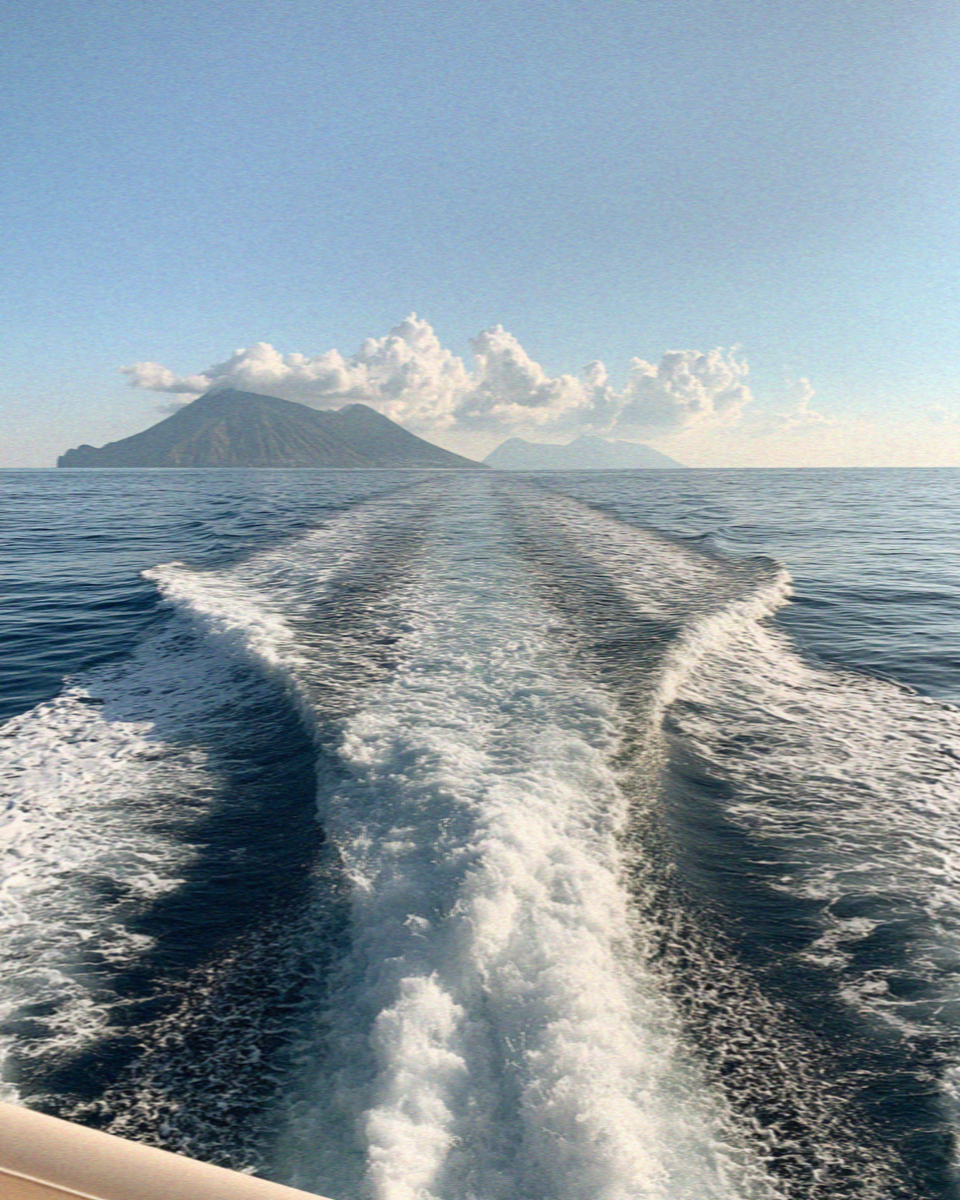
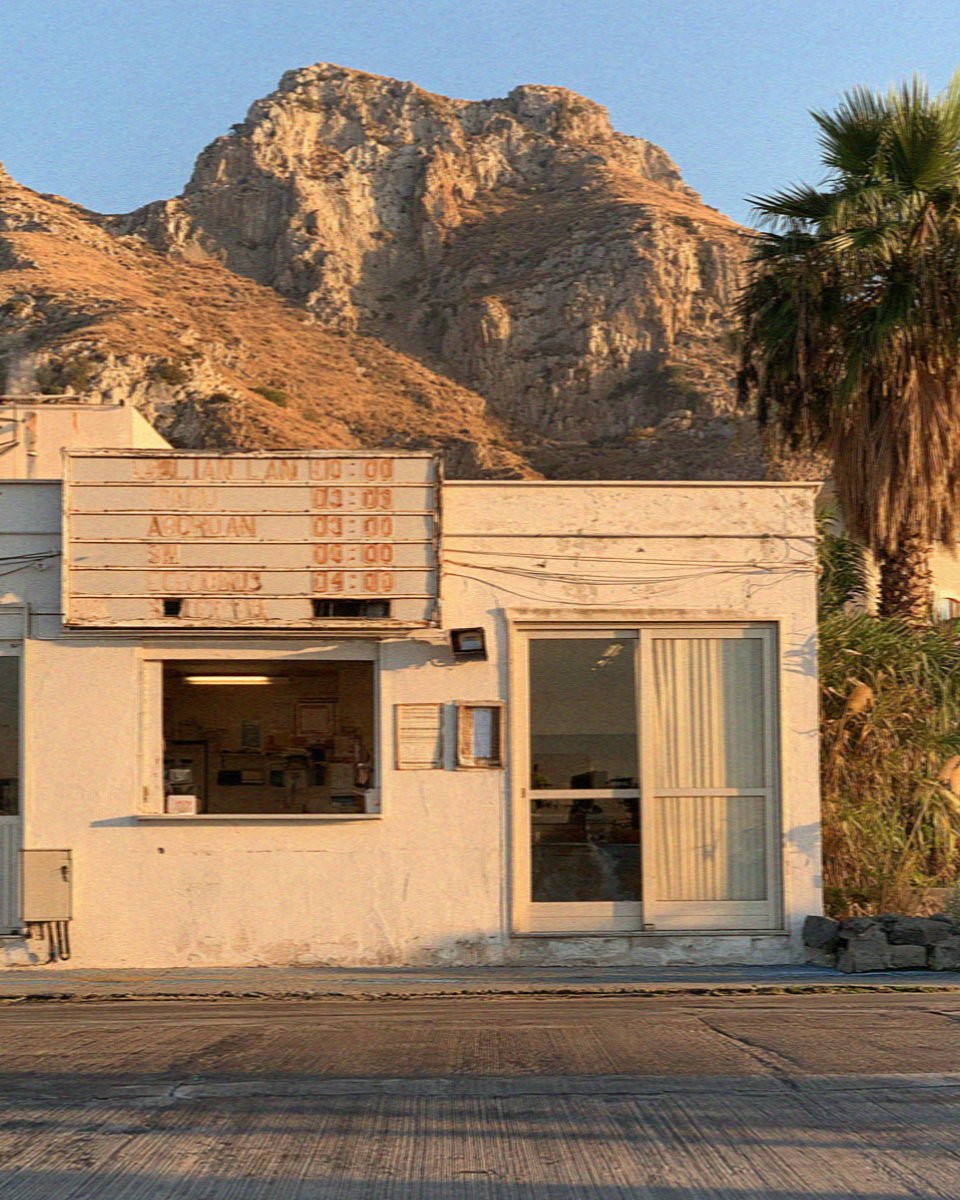
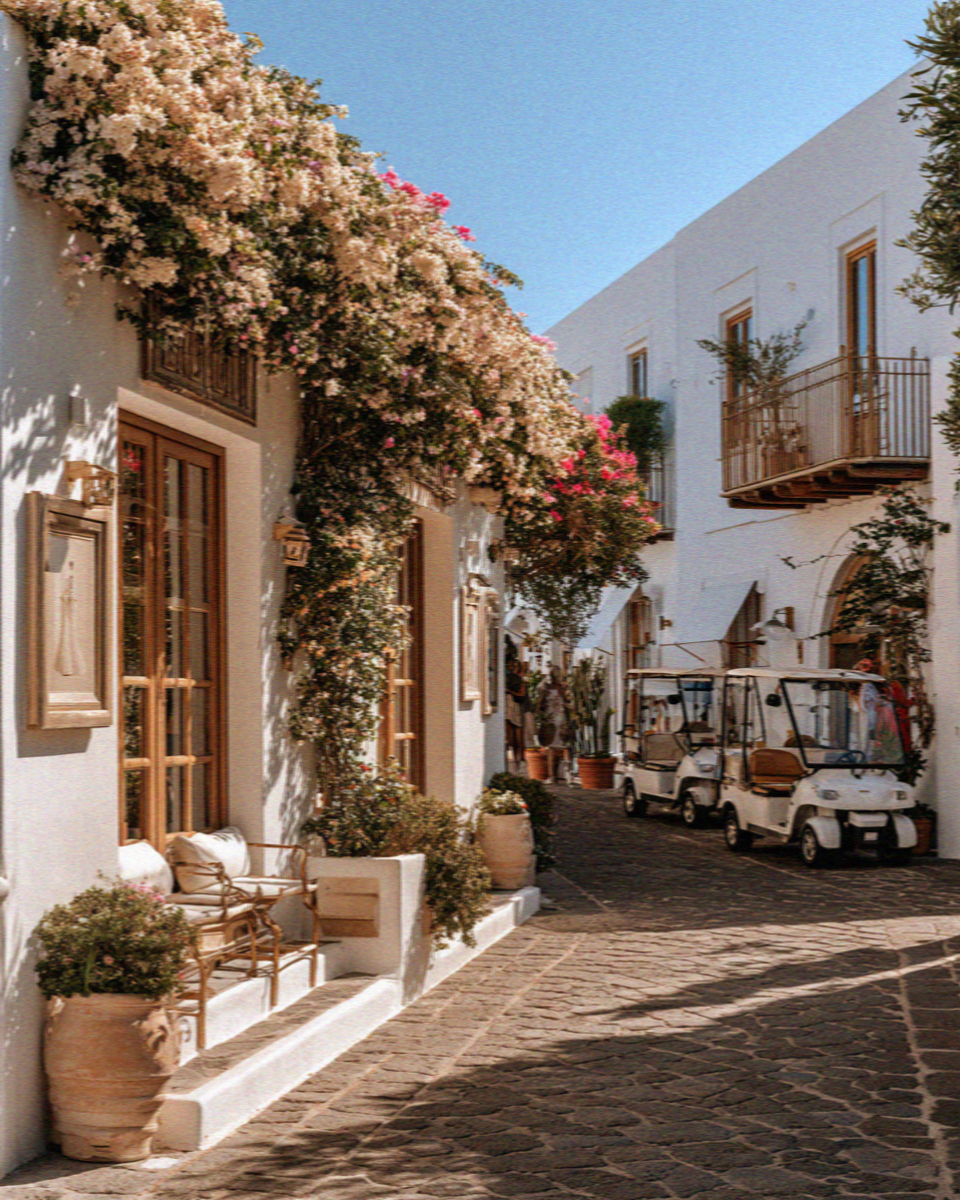
More images from the Aeolian Islands
More images from the Aeolian Islands











Your Aeolian Islands Guides
Everything here in detail, guide by guide.
- Which Aeolian Island Should You Stay On
- How to Get to the Aeolian Islands
- Aeolian Islands Ferries and Island Hopping
- Lipari: The Practical Heart of the Aeolians
- Salina: Capers, Malvasia and the Green Island
- Stromboli and the Volcano Climb: What You Can Actually Do
- Vulcano: The Crater, the Mud Baths and the Warm Sea
- Panarea: The Expensive One, and Whether It Is Worth It
- Filicudi and Alicudi: The Islands Almost Nobody Visits
- The Best Beaches in the Aeolian Islands
- The Best Time to Visit the Aeolian Islands
Aeolian Islands Travel Diaries
- Stromboli, and the Boats That Wait in the Dark
- Filicudi, and the Green Light in the Cave
- Salina, and a Day With Nothing In It
Frequently Asked Questions
Which Aeolian island is the best to stay on?
Lipari for most people, because it has the most beds, the most restaurants and the most ferry connections, so day trips work in every direction. Salina is the better choice if you want green, quiet and the best food in the archipelago. Panarea suits a short expensive stay and Stromboli only if the volcano is the point.
How do you get to the Aeolian Islands?
Fly to Catania or Palermo, then take a hydrofoil or ferry from Milazzo, which is the closest port and has the most departures. The crossing to Lipari takes about an hour and costs roughly fifteen to twenty-five euros. There is no airport on any of the seven islands.
Can you still climb Stromboli?
Not to the summit. Access above the permitted zone has been prohibited since the 2019 eruptions. A certified guide can take you to 400 metres above sea level, and you may walk to 290 metres alone. Going higher risks a fine of around 500 euros. The night boat below the lava slope is the alternative most people end up preferring.
Are the Vulcano mud baths open?
They have been closed since 2021, with a brief reopening in May 2025 that ended within weeks. The status has changed more than once, so check before travelling if the mud is your reason for going. The fumaroles and the naturally warm sea along the shore are unaffected and still accessible.
How many days do you need in the Aeolian Islands?
Four nights is the honest minimum and a week is much better, because every island move costs half a day. One base with day trips beats a different bed every night. Ten days lets you add Filicudi and Alicudi properly rather than as a rushed day trip.
Do you need a car in the Aeolian Islands?
No, and on several islands you cannot use one. Panarea is car-free, Alicudi has no roads at all, and Lipari and Salina have buses and scooters. Bringing a vehicle across on the ferry costs far more than leaving it in a Milazzo car park.
When is the best time to visit the Aeolian Islands?
June and September are the sweet spot: the sea is warm, the ferries are running a full timetable, and the crowds are thinner than in August. Spring and autumn bring wind that cancels hydrofoils, and in winter most of the smaller islands largely close.
V.