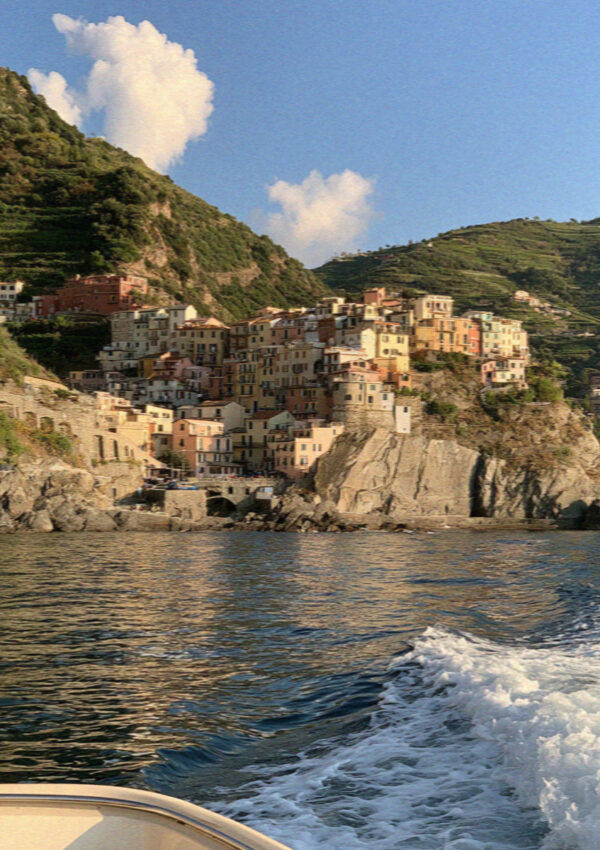
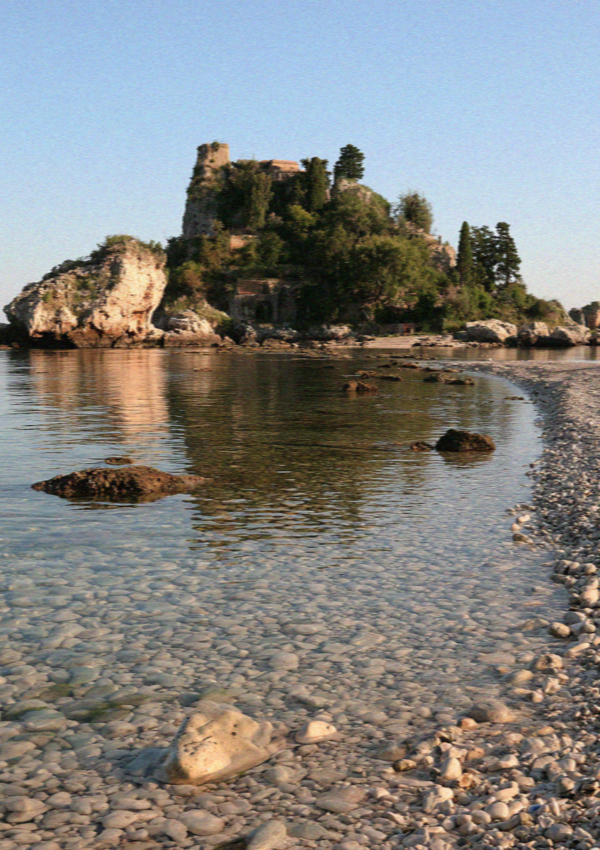
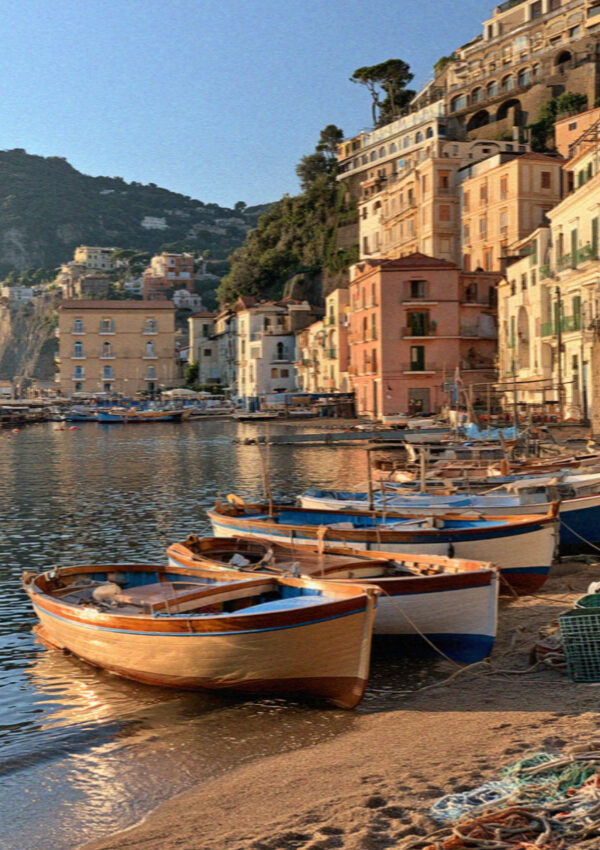
Salina is the one people wish they had booked.
It is the second largest of the Aeolians and the only one that is properly green, and the reason is water. Salina has springs, which none of its neighbours really do, and the difference is visible from the boat: while Lipari and Vulcano are grey and scrubby and dry, Salina comes up out of the sea with vines on it.
That single geological accident produced the wine, the capers, the food and the pace, and it is why this is the island I would go back to. The wider planning is in my complete guide to the Aeolian Islands.
The shape of the island
Two extinct volcanic cones with a saddle between them, which is where the name comes from in shape if not in fact: the Greeks called it Didyme, the twin.
Three main settlements, and they are genuinely different.
Santa Marina Salina on the east coast is the main port and the busiest, with the ferry dock, a shopping street and most of the practical services.
Malfa on the north is where much of the wine is, and where a good deal of the better accommodation has ended up.
Lingua in the south is small, quiet, sits beside a salt lagoon, and is where you go for granita.
Pollara on the west is not really a village any more, but it is the reason many people come.
A bus runs between them over the saddle and is cheap and reliable enough. A scooter is better.
The cliff bay

The west side of the island falls away into a vast half-crater, the remains of a collapsed volcanic cone, with enormous curved cliffs dropping to a small shore.
Old fishermen’s boat houses are cut back into the rock face at the bottom. The beach itself is shingle and the access down is steep, and parts of the cliff have been subject to rockfall closures over the years, so read the signs rather than assuming.
Go for the end of the day. The cliffs face west and take the last hour of light straight on, and they turn a colour that is the reason every photograph of Salina looks like that. It is genuinely one of the better sunsets in Italy, and unlike most such claims it is easy to reach.
This is also the bay used in Il Postino, which is why some visitors arrive with a specific mental image. The film was made in 1994 and the boat houses have weathered since.
Malvasia, and the capers
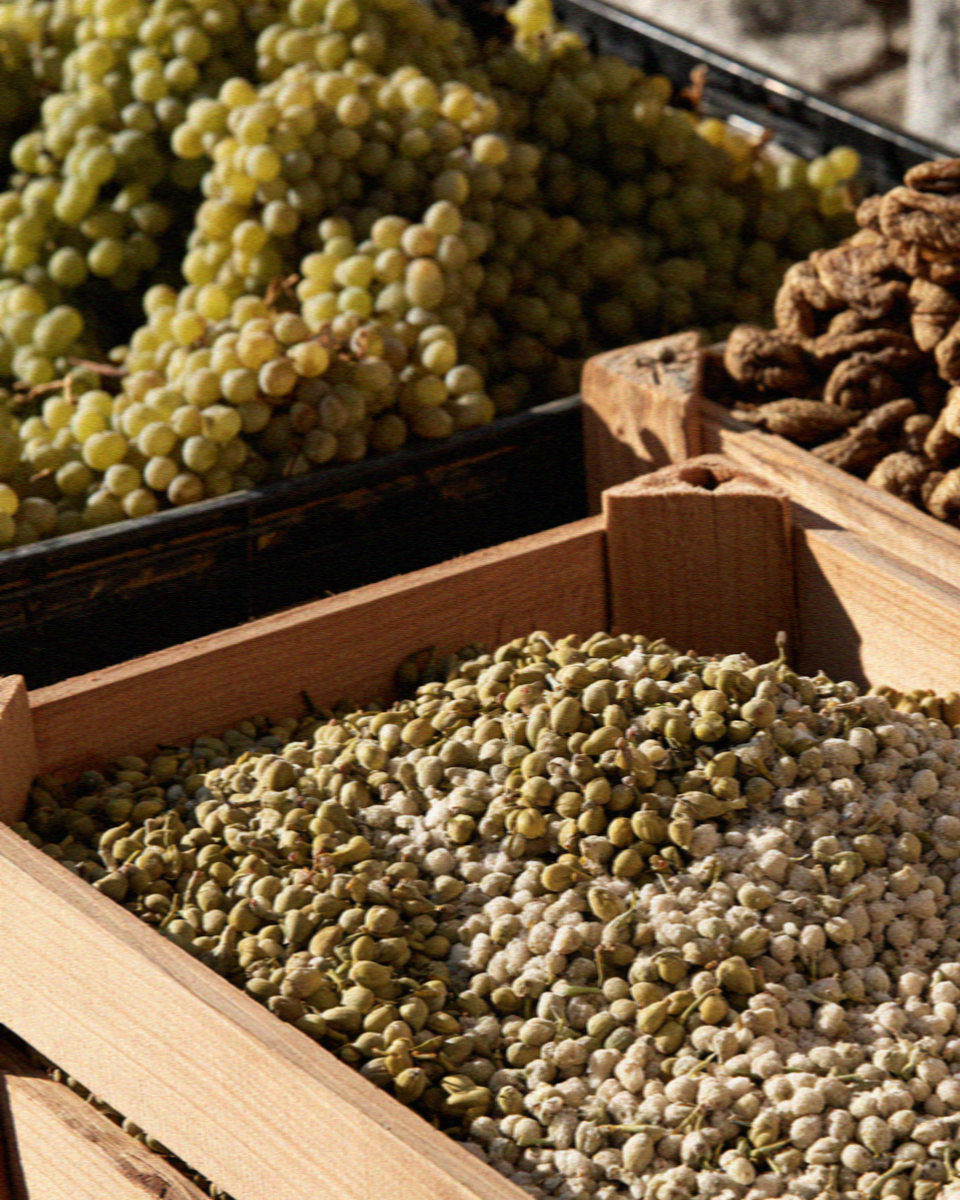
Two products, both worth taking seriously.
Malvasia delle Lipari is a sweet amber wine made from grapes left to dry after picking, which concentrates the sugar. It is drunk cold at the end of a meal, often with hard almond biscuits, and the good ones taste of apricot and honey without being cloying. It is produced in small quantities on the island and is one of the few things worth the weight in your luggage.
Capers here are the flower bud of a bush that grows wild out of walls and terraces all over the island. Crucially they are preserved in salt, not vinegar, which is a completely different product from the jarred ones most people know. Rinse and use. They arrive in everything on Salina, and correctly so.
You can visit small producers of both, and it is worth arranging in advance rather than turning up, because these are working farms and cellars rather than visitor attractions.
The people who make it

The cellars are cool, which after a morning on the terraces is most of the appeal.
What comes across, if you spend any time with the producers here, is how marginal the farming is. The terraces are cut into old volcanic ash on steep ground, everything is done by hand because no machine can work a slope like that, and the yields are small. The wine is expensive for a reason that is not marketing.
That context makes the tasting better. You are drinking something that took a great deal of walking uphill.
Where to eat, and why it is better here
Salina has the best food in the archipelago and it is not close.
Part of that is the produce: capers, wine, vegetables that grow because there is water, and fish landed the same morning. Part of it is that the island has attracted cooks who wanted to be somewhere quiet with good ingredients rather than somewhere busy.
Look for pane cunzato, capers in everything, fish cooked simply, and granita at Lingua, which has a long-standing reputation for it and deserves the reputation. Eat granita for breakfast with a brioche, which is the correct Sicilian way and not a dessert.
Book dinner in season. The good places are small and the island is not.
Where to stay
Malfa for the widest choice of nicer places, views and a short walk to eat.
Santa Marina for practicality, the ferry and shops.
Lingua for quiet, the lagoon and the granita, if you do not mind being away from things.
Pollara for the drama, if you can find something, and accepting that you will drive or ride to everything else.
Walking
Salina is the one island in the group where walking is a real activity rather than a hot chore.
The high ground is a nature reserve and it is wooded, with paths up Monte Fossa delle Felci, the highest point in the archipelago at just under a thousand metres. It is a genuine climb and there is shade for parts of it, which on these islands is remarkable. From the top, on a clear day, you can see the whole group.
Start early, take water, and do not attempt it in the middle of a July afternoon.
How long to stay
Three nights minimum, and it rewards more.
Salina does not have a list of sights to work through. It has a lagoon, a cliff, some vines, three villages and very good lunches. The pleasure of it accumulates rather than arriving, and two nights is not enough for that to happen.
If you are splitting a week between two islands, this is the better second half: do the busy practical one first and come here to slow down.
Read also: which Aeolian island to stay on, the best beaches in the Aeolian Islands, and my complete guide to the Aeolian Islands.
Frequently Asked Questions
What is Salina known for?
Being the green Aeolian island, because it has springs where the others do not. That water produces its two famous products: sweet Malvasia dessert wine made from dried grapes, and capers preserved in salt rather than vinegar. It also has the best food in the archipelago.
Is Salina worth visiting?
Yes, and many visitors end up wishing they had based there rather than day-tripping. It is greener, quieter and better fed than its neighbours, with a dramatic cliff bay on the west coast and real walking on the high ground. It suits a slow stay rather than a busy one.
How do you get around Salina?
A bus runs between Santa Marina, Malfa, Lingua and the west coast over the saddle between the two extinct cones, and it is cheap and reliable enough for most purposes. A hired scooter gives more freedom, particularly for reaching the cliff bay at the right hour.
What is Malvasia delle Lipari?
A sweet amber wine made on Salina from grapes dried after picking to concentrate their sugar. It is served cold at the end of a meal, usually with almond biscuits, and tastes of apricot and honey. Production is small scale and hand worked, which is why it is not cheap.
How many days do you need on Salina?
Three nights at minimum. The island has no checklist of sights, and its appeal accumulates through long lunches, the walk on the high ground and the cliff bay at sunset. Two nights leaves you arriving and departing without ever settling into the pace.
V.