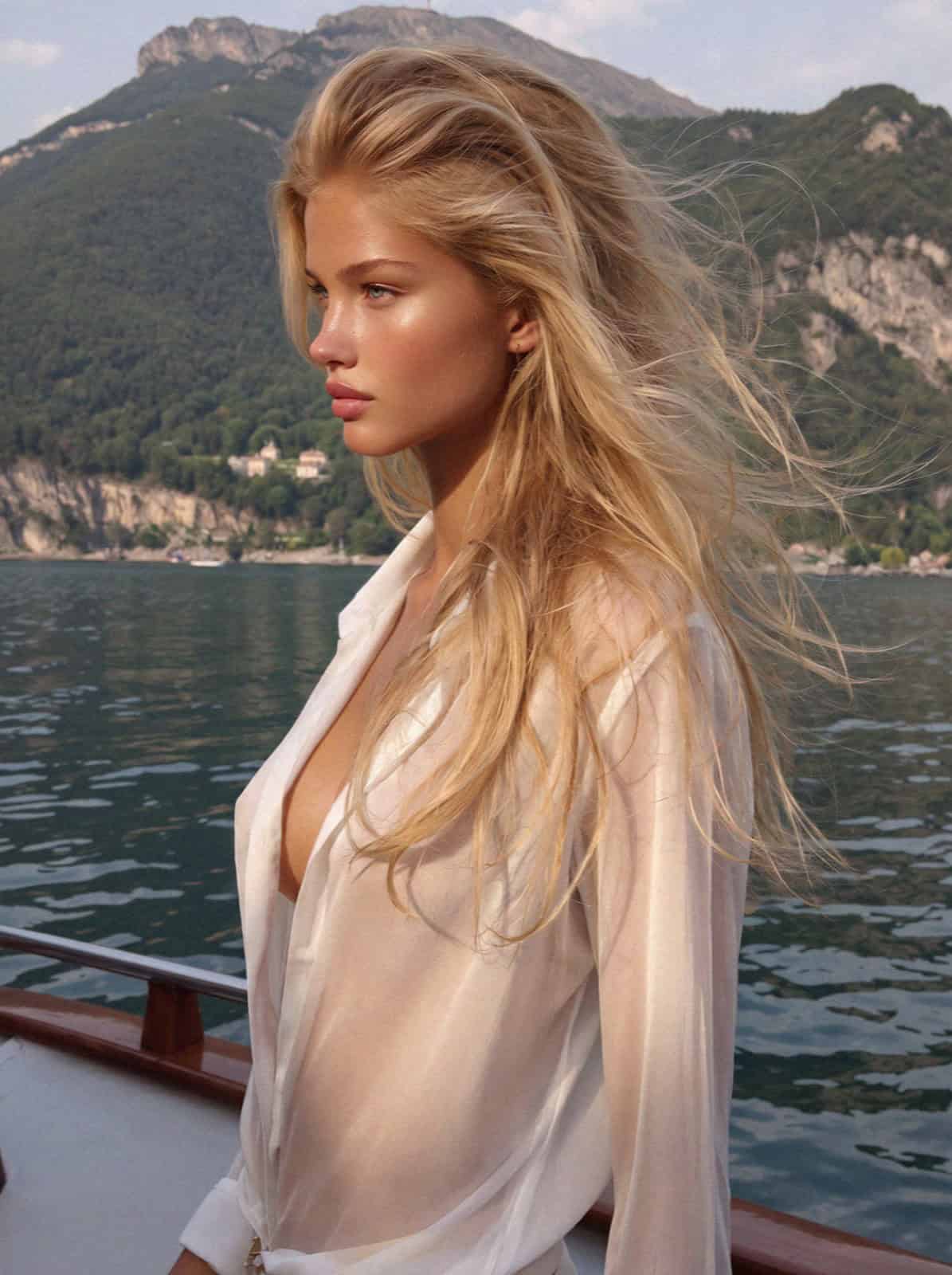
I have lost count of the times I have promised myself a quiet week on Lake Garda and ended up rearranging my whole itinerary by the second morning, simply because Garda refuses to be one thing. Italy’s largest lake stretches nearly fifty kilometres from the soft, sun-warmed plains of Lombardy in the south up into the sheer, wind-carved throat of the Trentino mountains in the north, and along the way it changes character so completely that you would be forgiven for thinking you had crossed a border. In a sense, you have. The south is all vineyards and Roman ruins and thermal water. The west shore keeps the belle-epoque grand hotels where poets and princes once wintered. The north is fjord-like and dramatic, a place of windsurfers and cliffs and cold, clear light. And the east, over in the Veneto, gives you medieval castles reflected in the water and lemon terraces clinging to the rock.
This is the piece I wish someone had handed me on my first visit: the map of Garda’s personality, the towns worth your days, the sights I would never skip, and the honest logistics of getting there and moving around. Think of it as my front door to the lake. From here I will send you off to my more detailed guides, each one a deeper wander into a single question, so that by the time you book you know exactly which shore, which town and which season fits the trip you are dreaming of.
What to book before you come
Garda is much bigger than people expect, and its towns are far apart by road and close together by water. Almost everything worth booking is a way onto the lake rather than around it.
- A Fiat 500 boat, no licence needed. Rated 4.9, and the most fun thing on this lake. You drive it yourself along the Sirmione peninsula at a speed that suits an afternoon.
- The four hour cruise with a stop at Sirmione. It lands you in the town everyone wants to see without the parking problem that defines it.
- The Scaligero castle at Sirmione. A moated castle standing in the water at the entrance to the town. The tower is the view everyone photographs the peninsula from.
- A Lugana tasting. The white grown in the flat land behind Sirmione, drunk all around the lake and almost nowhere else.
The lakefronts at Malcesine, Limone and Riva are free, and the car ferries between the shores are cheap enough to count as a boat trip.
The three shores, and why they feel like different countries
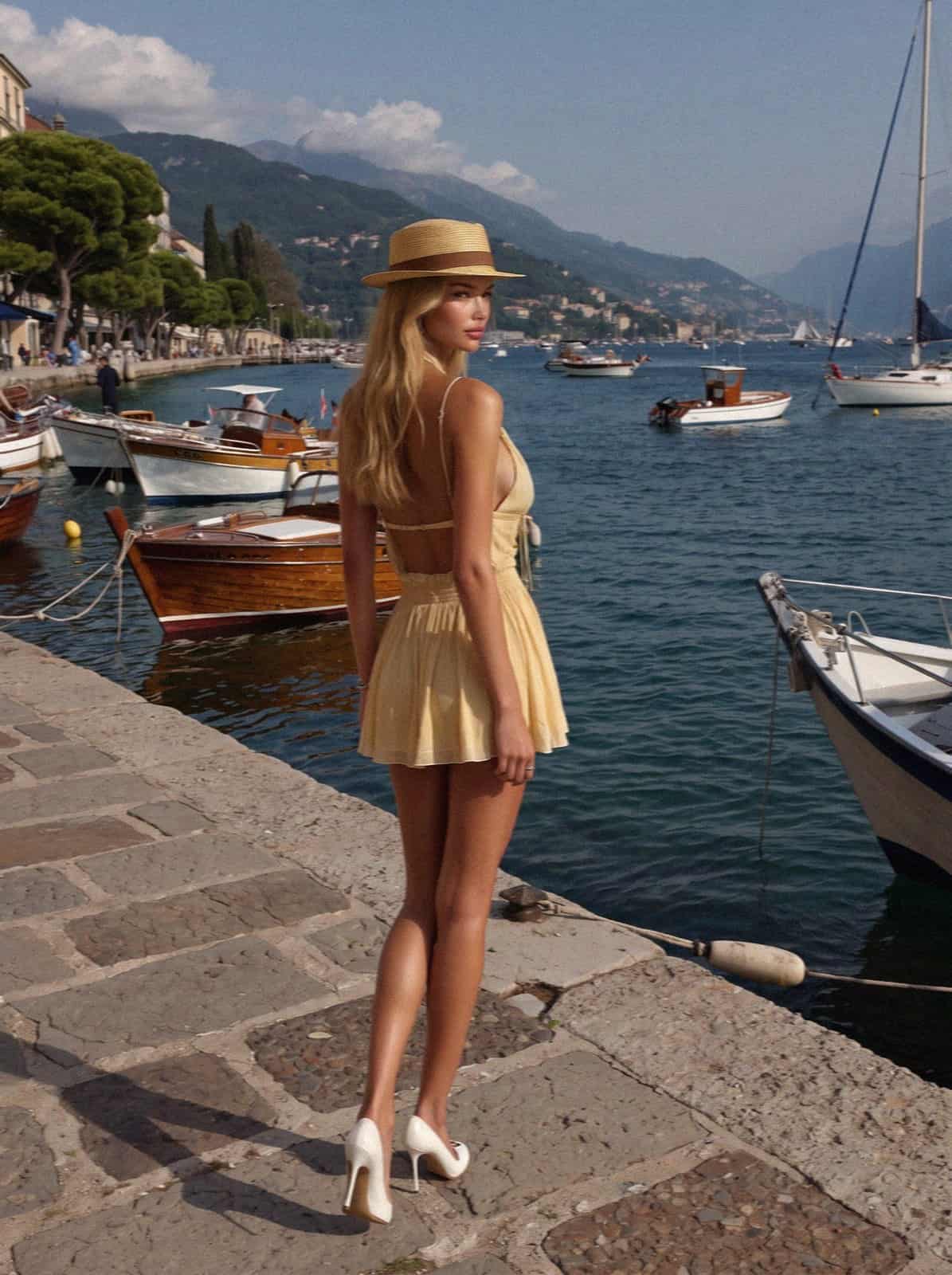
The first thing to understand about Garda is its shape, because the shape explains everything else. Down south the lake spreads wide and shallow, the mountains fall away, and the land flattens into the Lombard plain. This is the warm shore, the vineyard-and-castle shore, where the water is gentlest, and the sun sits longest. It is where you find Sirmione on its slender peninsula, the Lugana vineyards rolling out behind Desenzano, and the great Venetian fortresses at Peschiera and Lazise. If you want ease, warmth and the shortest transfer from the airport, you want the south.
Follow the western edge northward and the land begins to rise, the road narrows, and you enter the shore of faded grandeur. This is belle-epoque Garda, the stretch that drew wealthy northern Europeans a century ago to convalesce in the mild microclimate. Gardone Riviera and Salo still carry that air of dignified leisure, with palm-lined promenades and grand hotels that have watched the water for well over a hundred years. The pace here is slower and more refined, and I find it the most romantic part of the lake for a certain kind of traveller, the sort who likes a long lunch and a longer view.
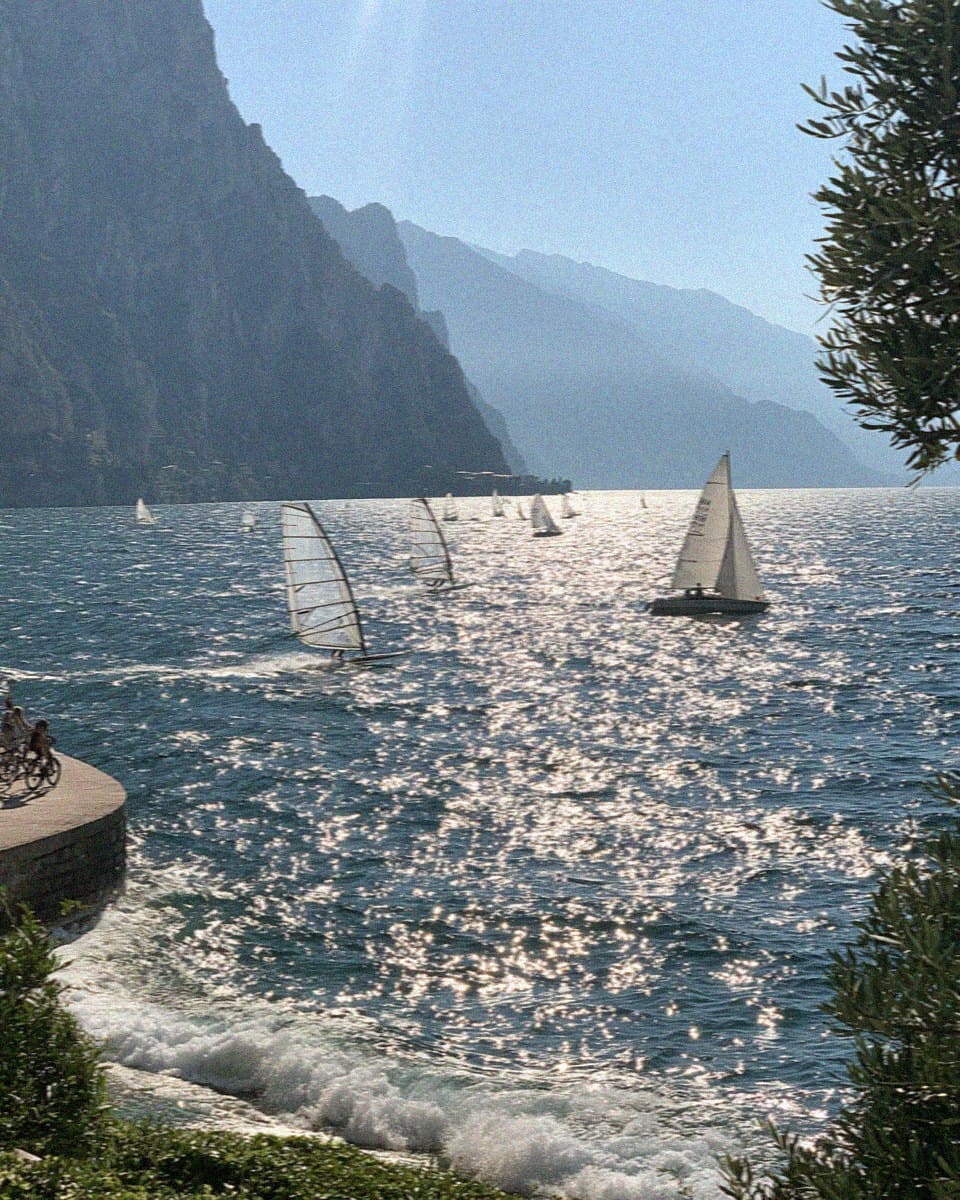
Keep going and the mountains close in until the lake becomes a fjord. The northern tip belongs to Trentino, not Lombardy, and it feels it. Riva del Garda and Torbole sit beneath vertical grey cliffs, the wind funnels down the valley with such reliability that windsurfers plan their lives around it, and there is a crisp, alpine edge to everything, including the architecture, which carries a distinct Austrian tint from the years this was Habsburg territory. This is the shore for drama and for sport.
And then the eastern shore, the Veneto side, threads the two extremes together. Malcesine, Garda town and Bardolino line up along the water beneath Monte Baldo, each one a postcard, each one within an easy ferry hop of the next.
Plan Your Visit to Lake Garda
A few things I booked and loved. These help support the blog, at no cost to you.
- Where I stayed: search Lake Garda hotels
- Gardaland and Lake Garda activity tickets
- Rent a car to explore the area
- Stay connected: get a travel eSIM
This section contains affiliate links. If you book through them I may earn a small commission, at no extra cost to you.
The essential towns, at a glance
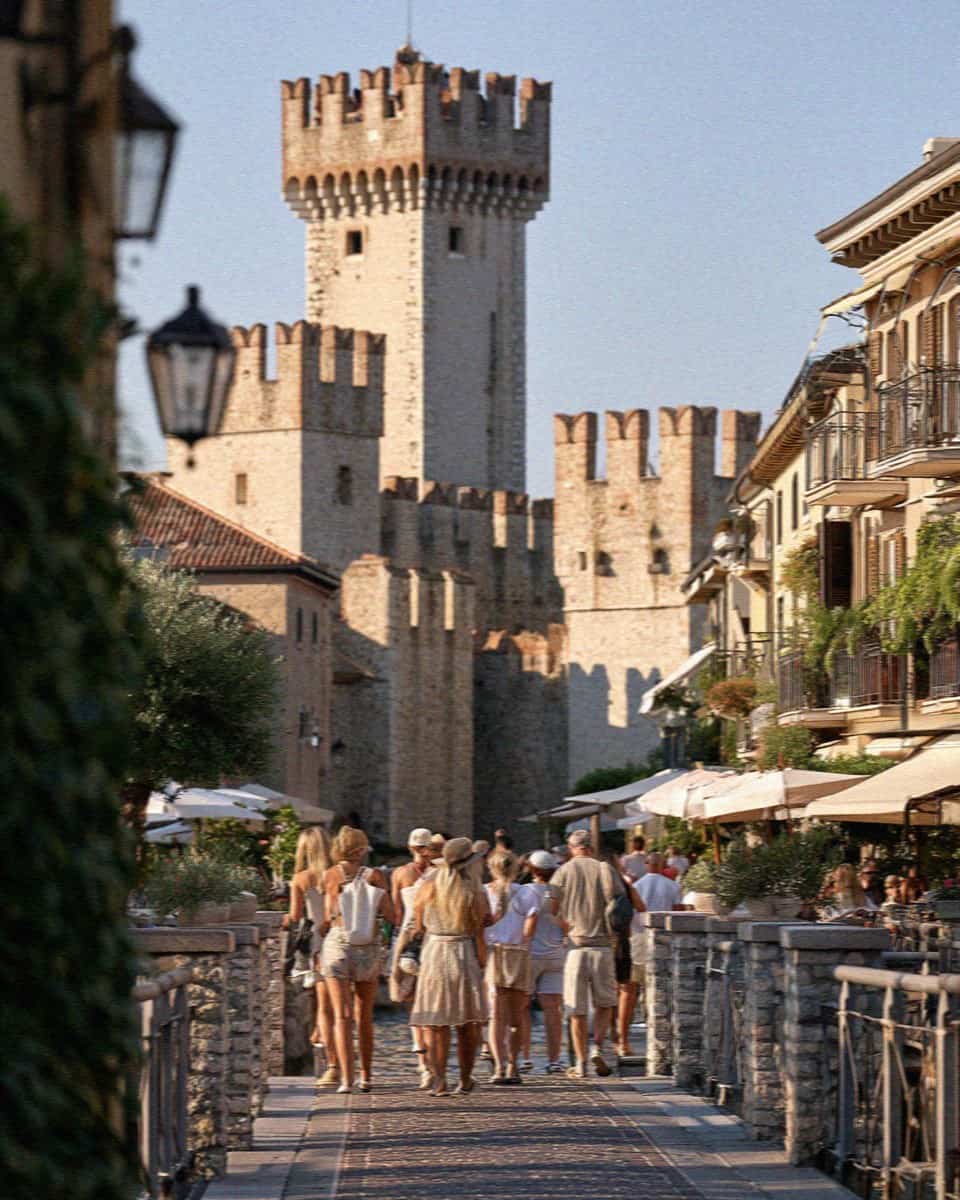
If I had to introduce Garda’s towns the way I would introduce friends at a dinner party, I would start with Sirmione, because everyone wants to meet her. She sits at the tip of a narrow peninsula in the south, guarded by a moated Scaligero castle whose drawbridge you cross on foot, with the Roman ruins of the Grotte di Catullo at the far end and thermal spas bubbling beneath. She is genuinely romantic and genuinely busy, so I love her early in the morning and late in the evening, and I keep my distance at midday in July.
Nearby Desenzano is the lake’s largest town and its main railway hub, with a lively marina and the closest thing Garda has to nightlife, which makes it a practical, well-connected base even if it lacks fairy-tale looks. Peschiera del Garda, a little to the east, hides a genuine UNESCO-listed Venetian fortress and has arguably the best train links on the whole lake, plus it sits within reach of Gardaland for anyone travelling with children. Lazise, just up the eastern shore, wraps a pretty Venetian harbour inside its old walls and makes an easy, gentle family base, while Bardolino next door is the wine capital, the source of the light Bardolino reds and the pale Chiaretto rose.
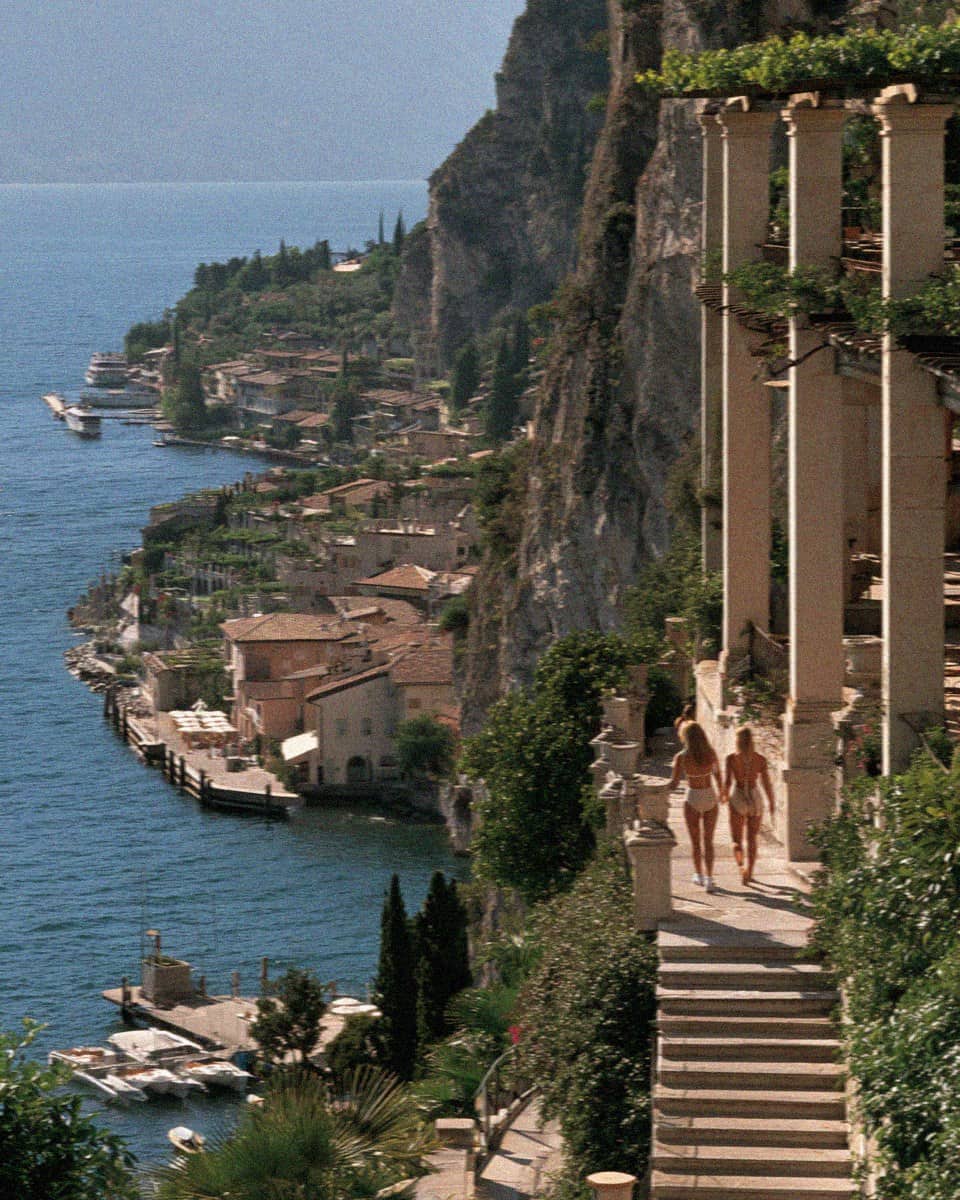
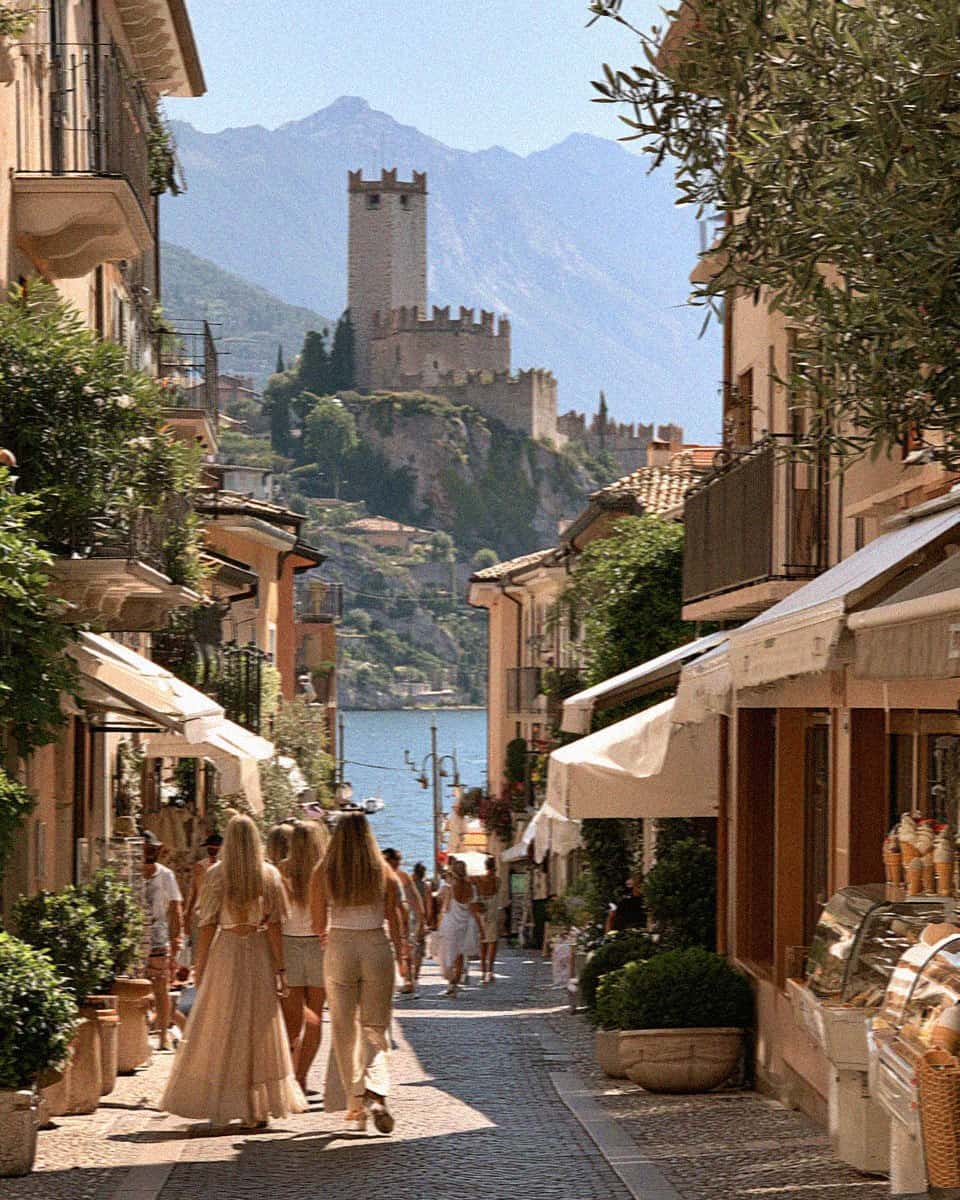
Garda town itself is quieter than its famous name suggests and works beautifully as a gateway to the lovely headland of Punta San Vigilio. Further north, Malcesine is the medieval postcard everyone photographs, a huddle of lanes beneath its own Scaligero castle with the rotating cable car climbing Monte Baldo behind it. On the west shore, Salo carries a Renaissance elegance and the longest promenade on the lake, Gardone Riviera holds the grand hotels and the extraordinary Vittoriale estate, and sleepy Gargnano rewards anyone who values tranquillity and fine dining over crowds. Limone sul Garda, its terraced lemon houses stacked against the cliffs, is impossibly pretty and knows it. And at the top, Riva del Garda and its windswept neighbour Torbole give you that Austrian-tinged, mountain-framed finale, Riva with its palm promenade and medieval Rocca, Torbole with its windsurfers skimming the whitecaps. I unpack all of them properly in my guide to the best towns on Lake Garda.
The sights I would never skip
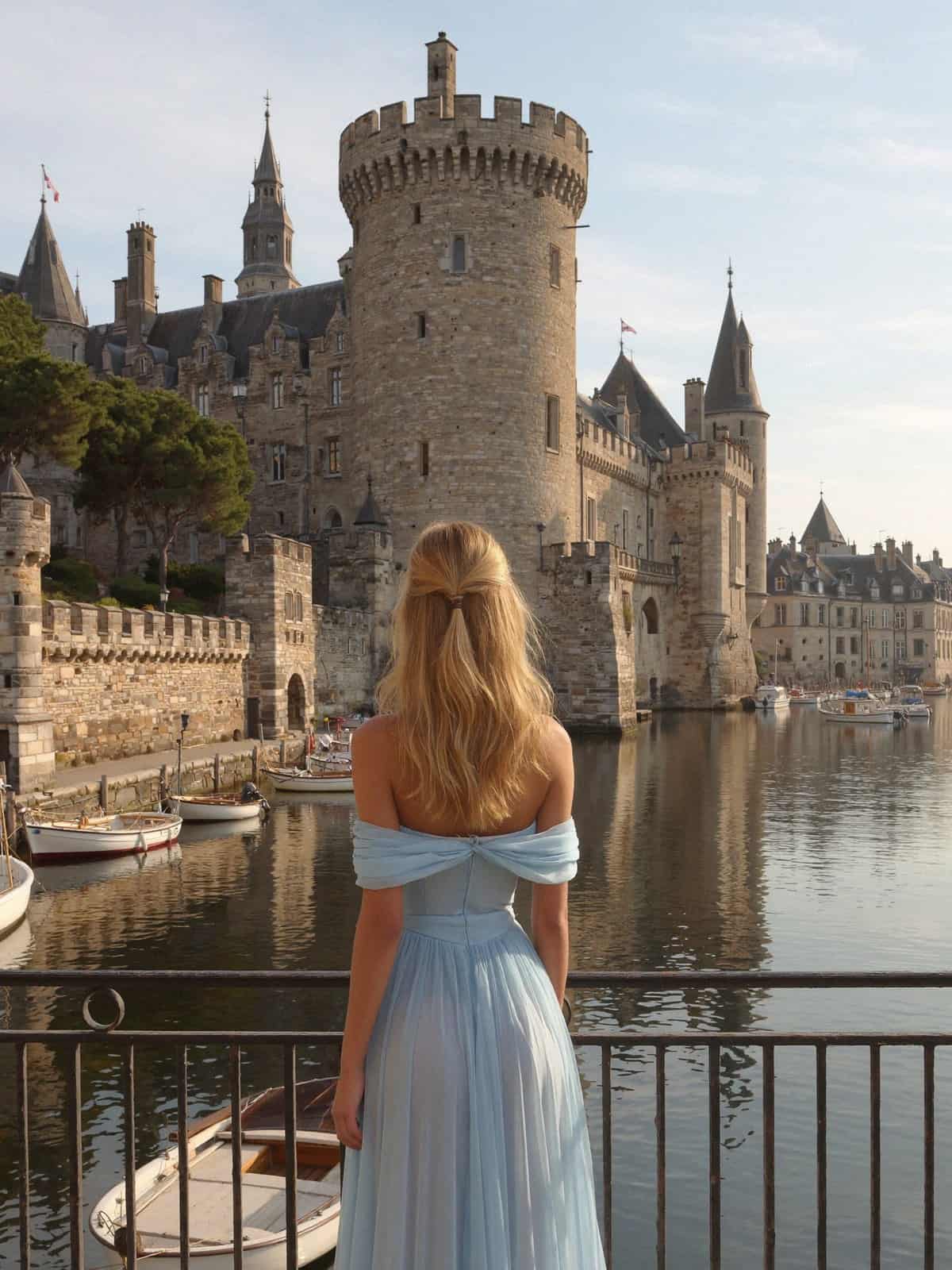
Some lakes are all scenery and no substance. Garda is not one of them, and a handful of its sights are worth building a day around. In Sirmione I always cross into the Scaligero Castle, one of the very few castles in Italy with a working harbour inside its walls, for something in the region of eight to twelve euros. At the peninsula’s tip, the Grotte di Catullo spread the romantic ruins of a vast Roman villa across an olive grove above the water, around eight to ten euros and, to my mind, the loveliest archaeological site on any Italian lake. And when my feet have had enough, the Aquaria thermal spa lets me sink into naturally warm sulphur water with the lake in front of me, a treat that runs roughly thirty-five to fifty-five euros depending on the day and the package.
Out on the water, the guided boat tour to Isola del Garda is the splurge I recommend without hesitation. For something like thirty-nine to forty-nine euros, boat and guide included, you are taken across to a private island crowned by a neo-Gothic villa and formal gardens that belong on a film set. On the west shore, Il Vittoriale degli Italiani above Gardone Riviera is the theatrical, slightly mad estate of the poet Gabriele D’Annunzio, complete with a warship embedded in the hillside garden, and at sixteen to eighteen euros it is one of the strangest and most memorable places I know on the lake.
For sheer spectacle, nothing beats the rotating cable car from Malcesine, which lifts you to around 1,760 metres on Monte Baldo, turning slowly so that the whole lake unspools beneath you, for roughly twenty-seven euros return. Families will want Gardaland, Italy’s best-known theme park near Peschiera, at around forty to forty-five euros a head, while anyone visiting in spring should make time for the Parco Giardino Sigurta near Peschiera, where the tulips put on a display that rivals anything in the Netherlands. I gather all of these, and plenty more besides, in my guide to the best things to do on Lake Garda.
How many days to give it
The honest answer is four to seven. Garda is too varied to rush and too spread out to see properly in a long weekend. With four days you can settle into one shore and take a couple of ferry excursions without ever feeling harried. With a full week you can genuinely taste all three personalities, spending a few nights in the warm south, a few in the grand west, and a night or two up in the dramatic north.
Where you base yourself matters more here than on most lakes, because the shores are so different in feel. For a first visit I almost always point people to Sirmione, which puts the classic Garda images and the best transport links within easy reach. For west-shore luxury and that unhurried, grand-hotel mood, I would choose Gardone Riviera or Salo. For drama, sport and mountain air, Riva del Garda or Malcesine are the obvious picks. And for wine, gentleness and family-friendly ease, I would look to Bardolino or Lazise on the eastern shore. I walk through the actual hotels, from lakefront palazzi to simple harbour guesthouses, in my guide to where to stay on Lake Garda, and if you would rather have the whole trip mapped out day by day, my Lake Garda itinerary stitches the shores together into a route that actually flows.
Getting there and getting around, in brief
Garda is one of the easier Italian lakes to reach, which is part of its charm. The nearest airport is Verona, only twenty to forty minutes from the southern and eastern shores, and for many travellers that alone settles the question. Bergamo is around fifty minutes to an hour away, Milan sits anywhere from one to three hours out depending on which of its airports you land at, and even Venice is manageable, roughly an hour by train to Verona and onward from there. The two lakeside railway stations that matter most are Desenzano-Sirmione and Peschiera del Garda, both on the fast Milan to Venice line. Do note that Sirmione itself has no station, so you arrive at Desenzano and continue by bus, taxi or ferry.
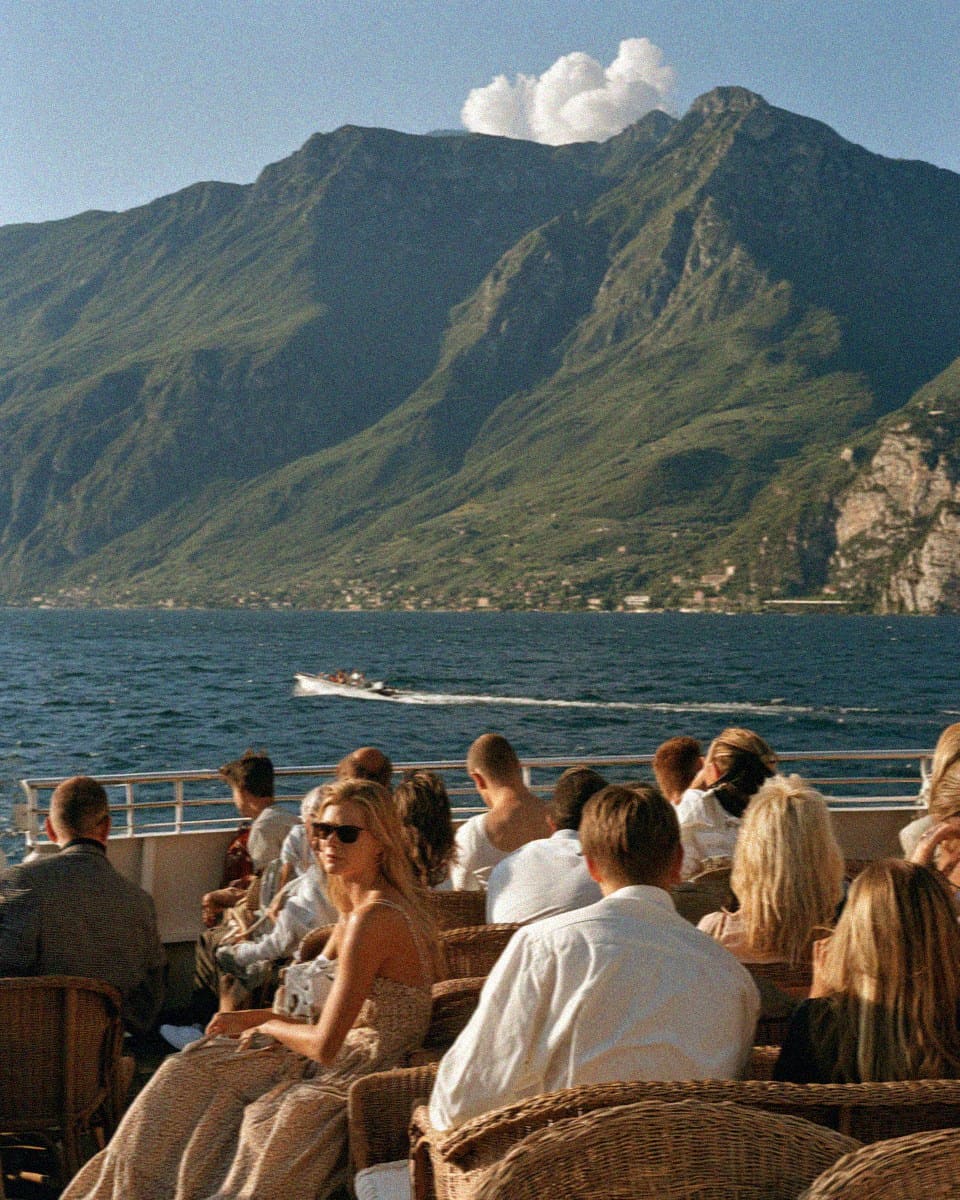
Once you are on the lake, the ferries are a joy and, frankly, half the point. Navigazione Lago di Garda, universally known as Navigarda, links Desenzano, Sirmione, Salo, Gardone, Gargnano, Malcesine, Limone, Riva and a good many places in between, while a separate car ferry crosses the middle of the lake between Torri del Benaco and Maderno, saving a long drive around. Single tickets run somewhere between three and fifteen euros depending on distance, a full-lake day pass costs around twenty-five to thirty-five euros, and the timetable runs from roughly March through to October or November before winding down for winter.
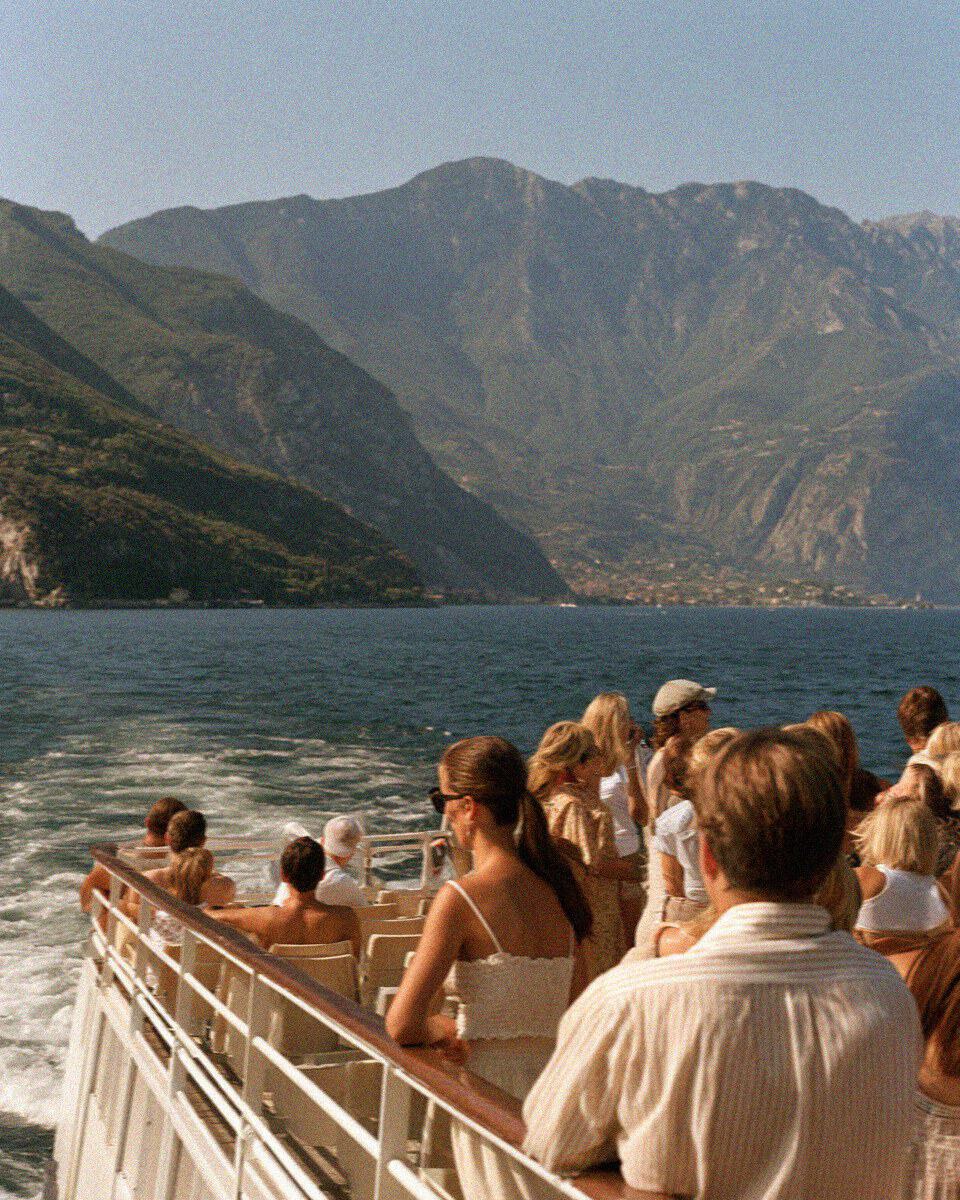
As for whether to hire a car, my answer depends entirely on your plans. If you intend to explore the west-shore villages and the wineries behind the southern and eastern shores, a car earns its keep and gives you real freedom. If you are basing yourself in one walkable town and leaning on trains and ferries, I would skip it, because parking in the popular centres is a genuine trial in high season and the boats reach the loveliest spots anyway. I lay out every route, transfer time and ticket type in my guide to how to get to Lake Garda.
When to come
Garda has a proper season, and choosing the right slice of it makes an enormous difference. July and August are the peak: hottest, busiest and priciest, with the water warm enough for long swims but the promenades shoulder to shoulder and the hotels charging their top rates. I understand the appeal, especially for families tied to school holidays, but it would not be my choice.
The sweet spot, without question, is the shoulder season. May and June, and again September into early October, give you temperatures of roughly twenty to twenty-seven degrees, gardens either in full bloom or still lush, and prices somewhere around twenty to thirty per cent below the summer peak. The lake feels alive but not overwhelmed, and the light in early autumn is particularly beautiful. Spring proper begins around the twenty-first of March, when many of the seasonal hotels, gardens and ferry services reopen, so a late-March visit can be quiet and rewarding if you do not mind cooler evenings.
Winter is the sleepy season, when a good number of hotels reduce their hours or close altogether and the ferry timetable thins right down. There are two lovely exceptions worth knowing. Sirmione’s thermal spa runs year-round, which makes a winter soak with steam rising off the water genuinely magical, and Riva del Garda hosts a charming Christmas market that gives the northern shore a festive glow. I go through the month-by-month detail, including exactly what is open when, in my guide to the best time to visit Lake Garda.
Food and wine, in brief
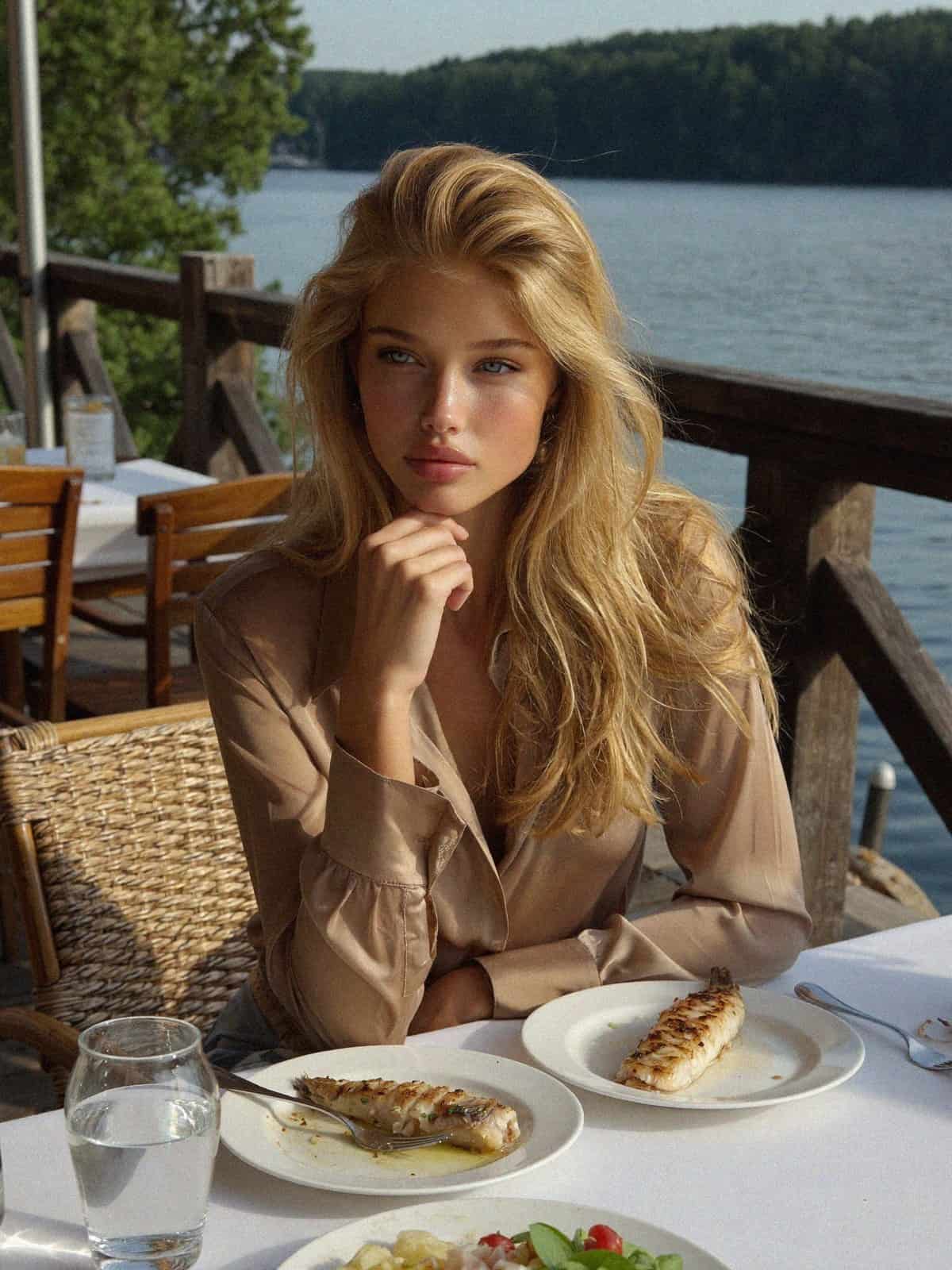
Do not make the mistake of assuming a lake this close to Verona and Milan will simply serve you generic Italian fare. Garda has its own table, and it is worth seeking out. The lake gives up a whole vocabulary of freshwater fish, from perch, which the locals call persico, to pike, tench, the delicate whitefish known as coregone, tiny sardines and the rare, almost mythical carpione that lives only here. You will find them turned into dishes I always order at least once: bigoli con le sarde, a hearty pasta with lake sardines, risotto con la tenca made with tench, and the featherlight love-knot tortellini from nearby Valeggio that are among my favourite things to eat anywhere in the region.
Behind the plates sits the oil and the wine. Garda produces its own DOP olive oil, greener and more delicate than the robust southern oils, a legacy of those lemon and olive terraces that climb the western cliffs. And the wines are a genuine reason to visit. The standout is Lugana, a mineral, age-worthy white from the vineyards behind the southern shore that punches well above its modest fame. Over on the eastern side, Bardolino gives its name to a light, cheerful red and to Chiaretto, a pale rose made for warm evenings by the water. I point you to the trattorie, wine terraces and lakeside tables I return to again and again in my guide to where to eat on Lake Garda.
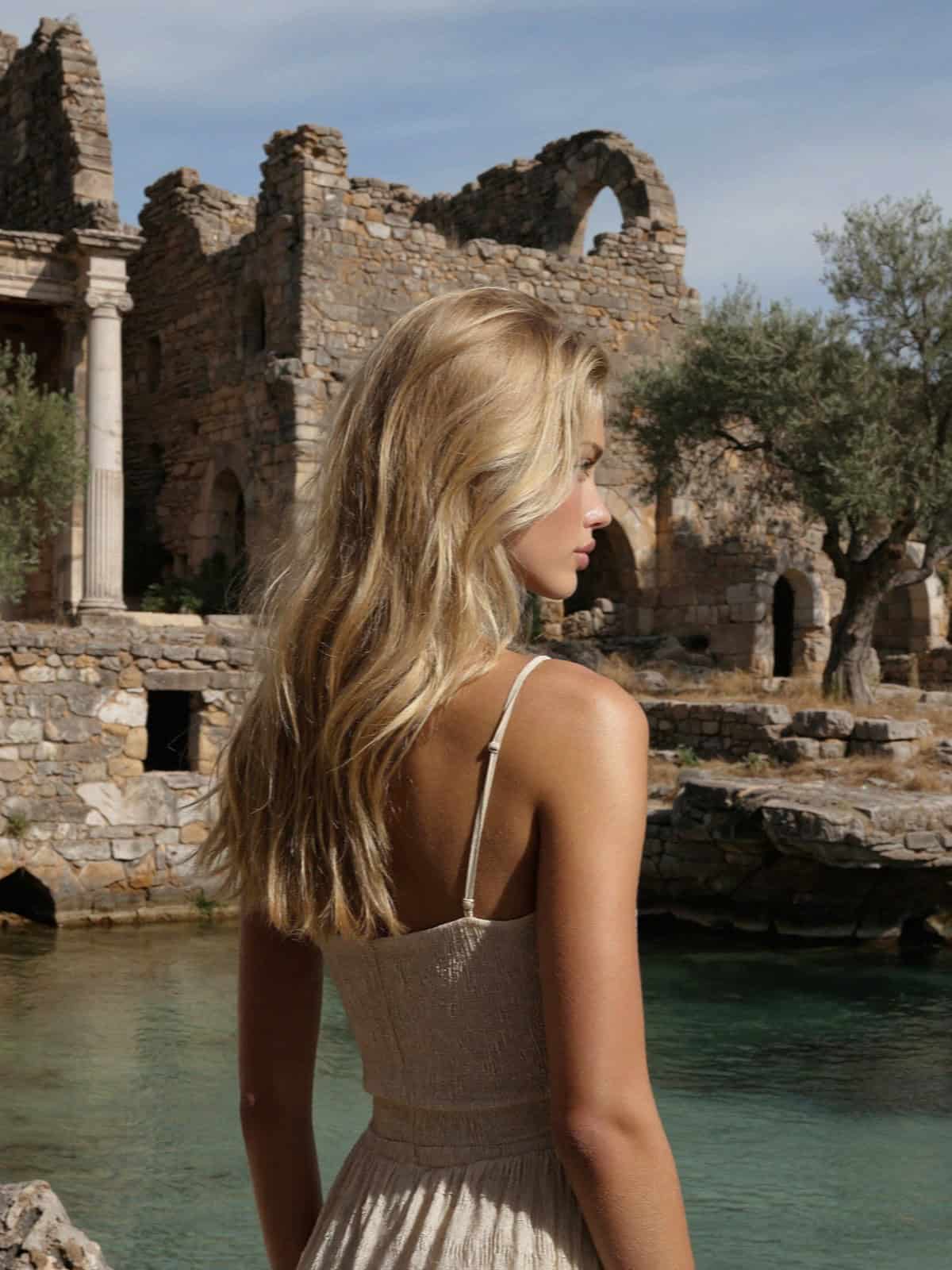
More images from Lake Garda


Your Lake Garda Guides
- The Best Towns on Lake Garda
- Where to Stay on Lake Garda
- The Best Things to Do on Lake Garda
- The Perfect Lake Garda Itinerary: 5 Days
- How to Get to Lake Garda
- The Best Time to Visit Lake Garda
- Where to Eat on Lake Garda
- The Most Beautiful Photo Spots on Lake Garda
Lake Garda Travel Diaries
Frequently Asked Questions
Which shore of Lake Garda is best for a first visit?
For most first-timers, I recommend the southern shore, and Sirmione in particular. It gives you the classic Garda scenery, the Scaligero castle, the Roman ruins and the thermal spas, along with the easiest transport links, since Verona airport and the Desenzano railway station are both close by. From there you can take ferries to sample the west and north without committing your whole trip to one mood. If you already know you want grand hotels, choose the west shore around Gardone and Salo, and if you want mountains and sport, head north to Riva or Malcesine.
How many days do I need on Lake Garda?
I would give it four to seven days. Four is enough to settle into one shore and take a couple of ferry excursions at a relaxed pace, while a full week lets you experience all three of Garda’s very different personalities, moving from the warm south to the grand west and up into the dramatic north. Anything shorter than three nights and you will spend more time in transit than by the water, which rather defeats the purpose.
Do I need a car at Lake Garda?
Not always. If you plan to explore the west-shore villages and the wineries tucked behind the southern and eastern shores, a car gives you real freedom and is worth having. But if you are basing yourself in a single walkable town and relying on the excellent ferry network and the trains at Desenzano and Peschiera, I would skip it, because parking in the popular centres is difficult and expensive in high season, and the boats reach the prettiest spots anyway.
When is the cheapest time to visit Lake Garda?
Outside the July and August peak, prices soften considerably. The shoulder months of May, June, September and early October typically run around twenty to thirty per cent below peak rates while still offering warm, pleasant weather of roughly twenty to twenty-seven degrees. Late March, just after the spring reopenings, and the quieter winter weeks are cheaper still, though many hotels and ferries reduce their services then, so you trade savings for a sleepier lake.
Can I visit Lake Garda in winter?
You can, but with expectations set accordingly. Many hotels and much of the ferry timetable wind down for the season, so the lake feels quiet and some towns half-shuttered. The two happy exceptions are Sirmione, whose thermal spa stays open all year and is wonderful in the cold, and Riva del Garda, which hosts a festive Christmas market on the northern shore. For a spa-and-market winter break, these two make a lovely pairing, but for the full sweep of the lake, wait for spring.
Related
For the deeper dives that build on this hub, see my guides to the best towns on Lake Garda, where to stay on Lake Garda, the best things to do on Lake Garda, my day-by-day Lake Garda itinerary, how to get to Lake Garda, the best time to visit Lake Garda, where to eat on Lake Garda and the best photo spots on Lake Garda.
And for the sister lakes, wander next through my complete guide to Lake Como and my complete guide to Lake Maggiore.