I have a soft spot for Lake Garda that I struggle to explain in a sentence, so I tend to reach for the geography instead. This is the largest of the Italian lakes, long enough that the south feels almost Mediterranean while the north sits pinned beneath sheer Dolomite walls, and that single fact is the reason a few days here never feel repetitive. You can spend a morning among Roman ruins with your feet nearly in turquoise water, then be up at 1,760 metres by mid-afternoon looking down on the whole silver expanse. What follows is what I would actually do, grouped the way I think about the lake rather than the way a map does. If you want the whole thing threaded into a single route, I have set that out in my full Lake Garda itinerary, but for now, let me simply talk you through the best of it.
What to book before you come
Garda is much bigger than people expect, and the towns on it are a long way apart by road and close together by water. Almost everything worth booking here is a way of getting onto the lake rather than driving around it.
- A Fiat 500 boat, no licence needed. Rated 4.9. Exactly what it sounds like, and the most fun thing on this lake: you drive it yourself, along the Sirmione peninsula and out past the Grotte di Catullo, at a speed that suits an afternoon.
- The four hour cruise with a stop at Sirmione. The proper look at the lake, and it lands you in the one town everybody wants to see without the parking problem that defines it.
- The Scaligero castle at Sirmione, with tower access. A moated castle standing in the water at the entrance to the town. The tower is the view everyone photographs the peninsula from.
- A Lugana tasting. The white wine grown in the flat land behind Sirmione, drunk everywhere around the lake and almost nowhere else. Worth an hour.
- From Verona, Sirmione and the lake in a day. 4.7 from over nine hundred people. The easy answer if you are based in Verona and not hiring a car.
The lakefront at Malcesine, Limone and Riva, the beaches on the eastern shore and the walk out to the point at Sirmione are all free. The car ferries between the shores are cheap and count as a boat trip if you are not fussy.
Castles and Roman ruins in the south
Sirmione is where I always begin, partly because the approach is so theatrical. The little historic centre sits on a slender peninsula, and to reach it you cross a drawbridge into the Scaligero Castle, a moated thirteenth-century fortress whose water still laps right against the walls. Entry runs somewhere around 8 to 12 euros, and climbing the tower for the view over the terracotta roofs and the moored boats is worth the modest effort. Do go early, because by late morning the causeway fills.
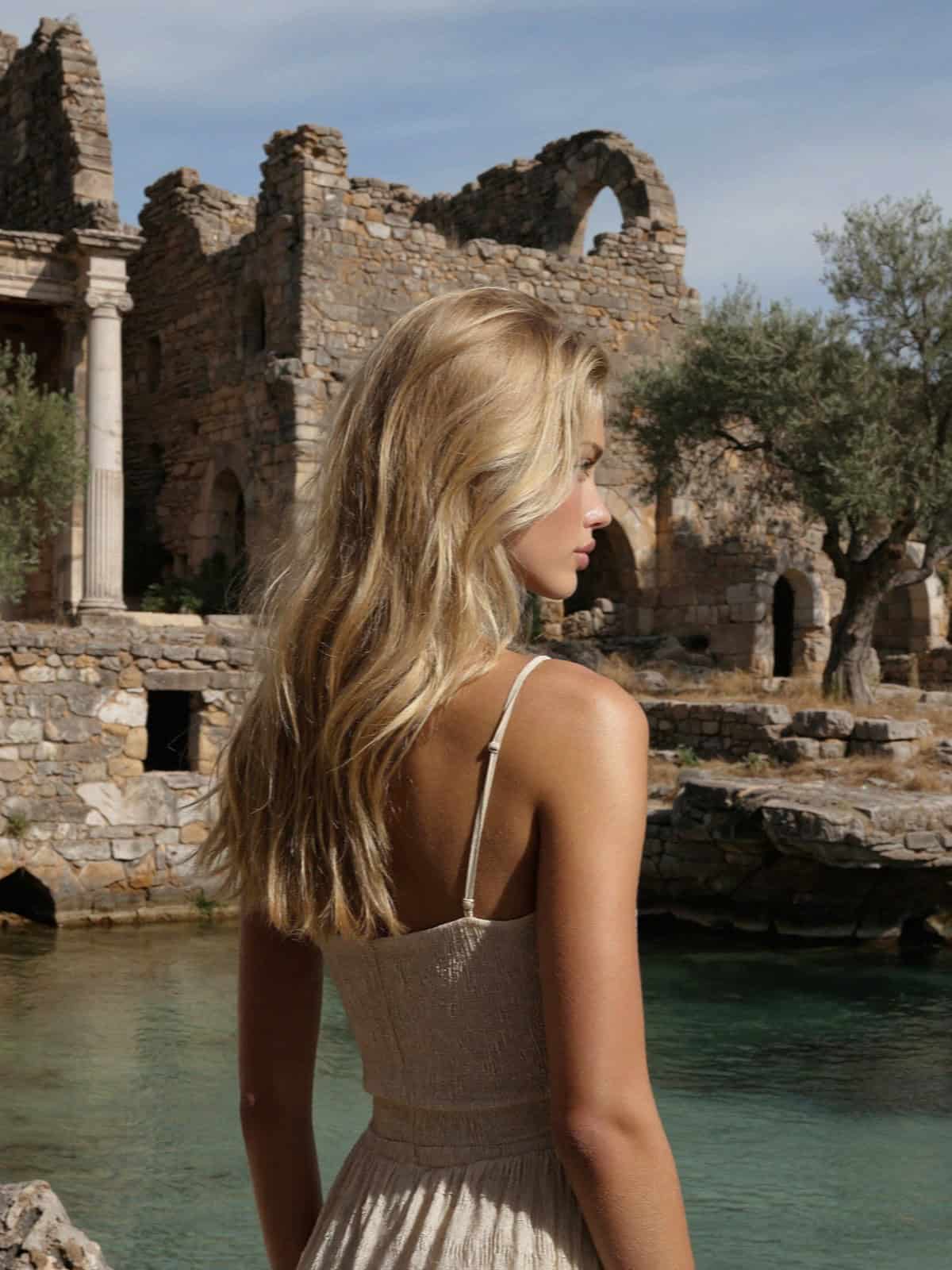
At the very tip of the peninsula I would carry on to the Grotte di Catullo, which is not a grotto at all but the ruins of a grand Roman villa set in an olive grove, with the lake glittering on both sides of the headland. It costs roughly 8 to 10 euros, includes a small museum, and I find it one of the most quietly moving places on the whole lake, all pale stone and silvered leaves and that impossible colour of water. When my legs have had enough, the Aquaria Thermal Spa nearby lets you soak in lakeside thermal pools for something in the region of 35 to 55 euros depending on the day and how long you stay. It is an unhurried, faintly indulgent way to end an afternoon.
Malcesine, further north on the eastern shore, gives you the other great Scaliger castle, this one perched on a rock above the harbour with a natural history museum inside and views that make the modest ticket of roughly 6 to 8 euros feel almost unfair. Goethe was briefly arrested here as a suspected spy while sketching the walls, which tells you something about how long people have been unable to resist the place.
Plan Your Visit to Lake Garda
A few things I booked and loved. These help support the blog, at no cost to you.
- Where I stayed: search Lake Garda hotels
- Gardaland and Lake Garda activity tickets
- Rent a car to explore the area
- Stay connected: get a travel eSIM
This section contains affiliate links. If you book through them I may earn a small commission, at no extra cost to you.
Villas, gardens and a private island
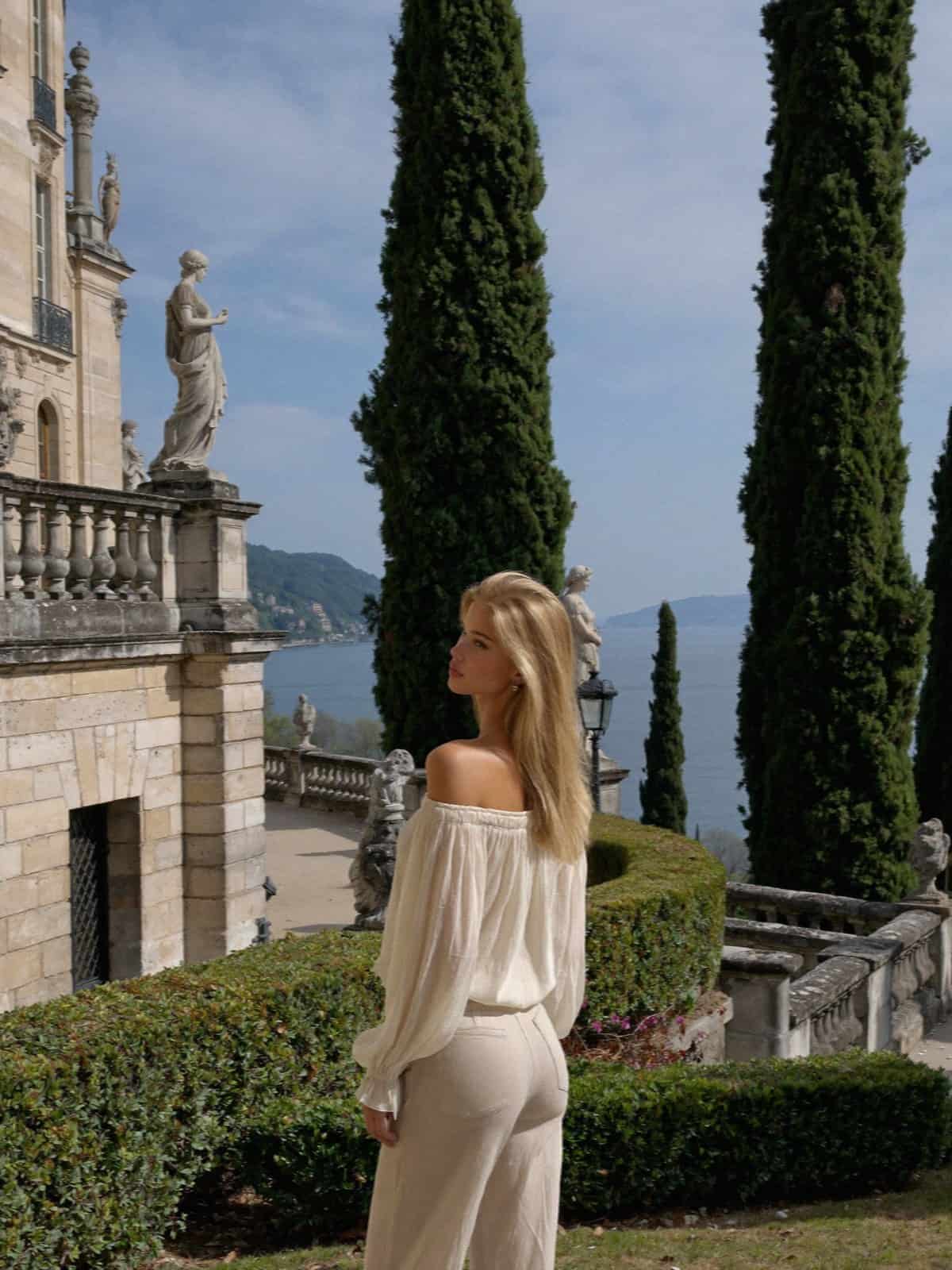
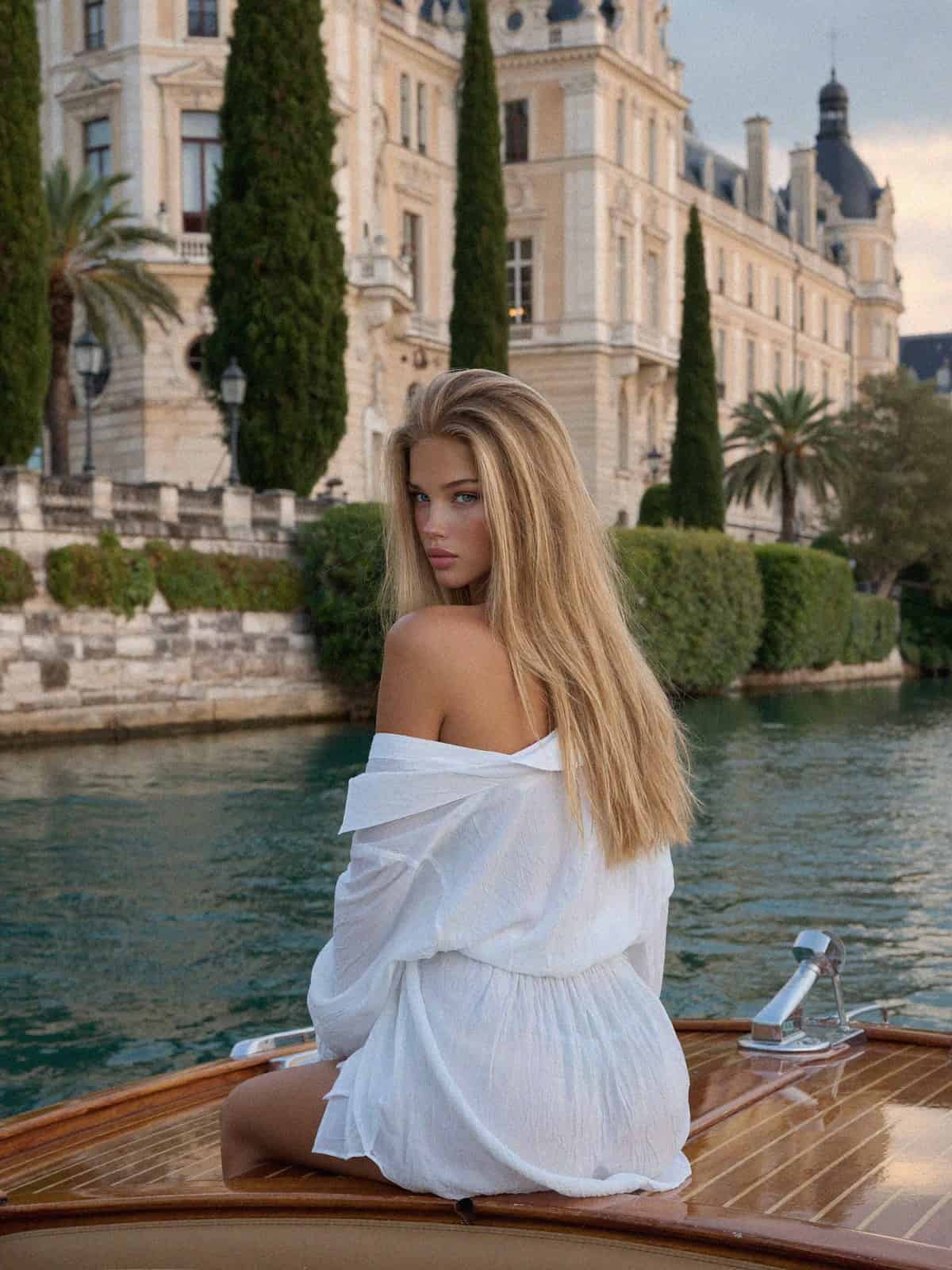
For sheer romance, nothing on Garda quite matches Isola del Garda, the lake’s only island and still privately owned. You cannot simply turn up; you visit on a guided tour by boat from the western ports, and the ticket of around 39 to 49 euros for an adult includes the return crossing, the guide and a welcome drink. What you get is a fairytale Venetian Gothic villa belonging to the Borghese family and a series of formal terraced gardens tumbling down to the water. I think it is absolutely worth the outlay, provided you book ahead, because places are limited and it does sell out in high season.
Back on the mainland at Gardone Riviera sits Il Vittoriale degli Italiani, the extravagant hillside estate of the poet Gabriele D’Annunzio, and I mean extravagant. He had an entire warship hauled up and embedded in the gardens, built an open-air amphitheatre, and filled the house with a magpie’s hoard of curiosities. The full ticket is around 16 to 18 euros, or roughly 12 to 14 if you only want the grounds, and honestly the gardens alone, with that ship rising absurdly out of the greenery, justify the trip. It is one of the strangest and most memorable estates in Italy.
The mountains and the water
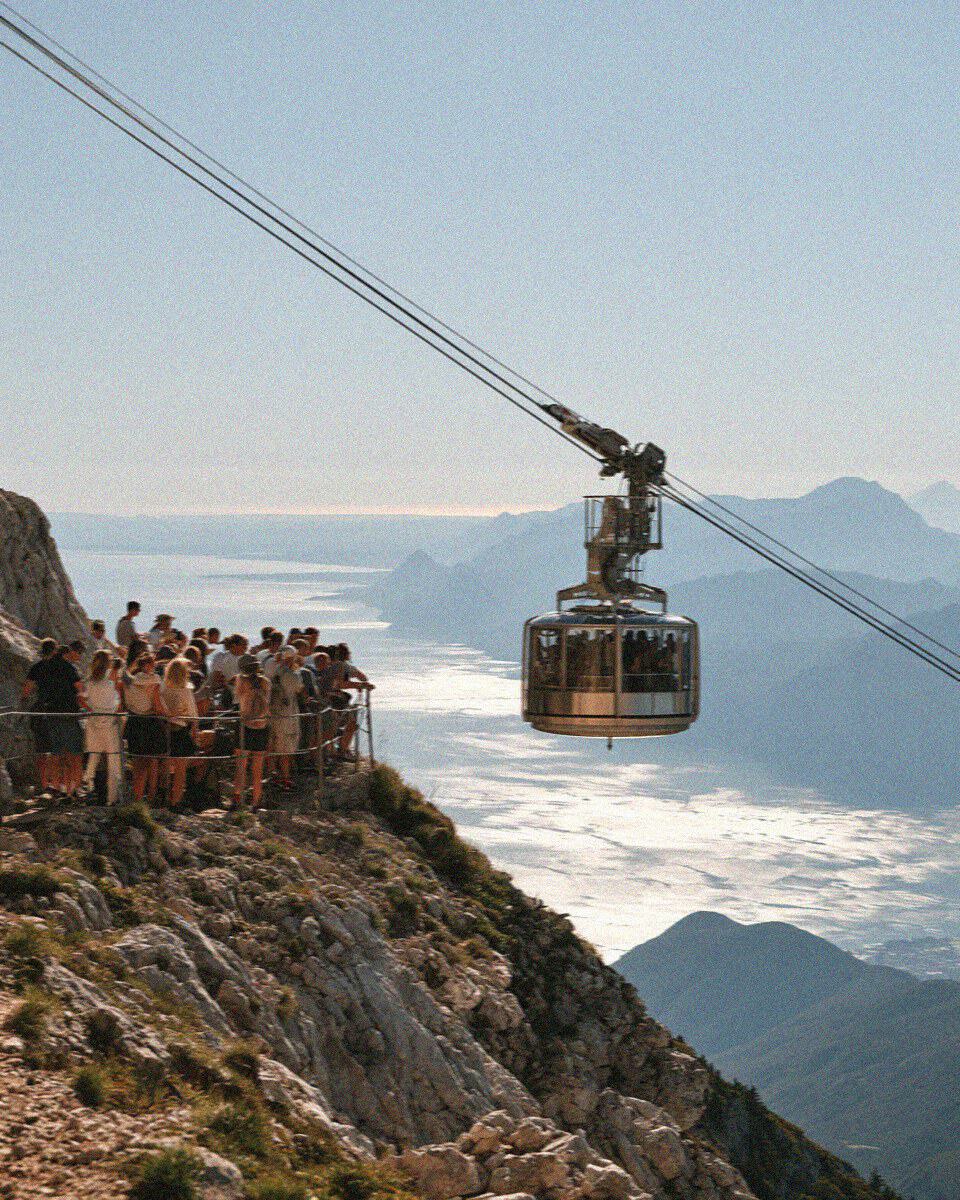
The northern shore is where Garda turns dramatic, and where I would spend a full day if the weather is kind. From Malcesine, the Funivia Malcesine cable car climbs to Monte Baldo in rotating cabins, so the panorama turns slowly around you as you rise to about 1,760 metres. A round trip is somewhere near 27 euros, and at the top you can walk the ridge paths with the entire lake laid out below like poured mercury. It is, without much competition, the finest view on Garda, and it is also one of the scenes I flag in my guide to the best photo spots on Lake Garda.
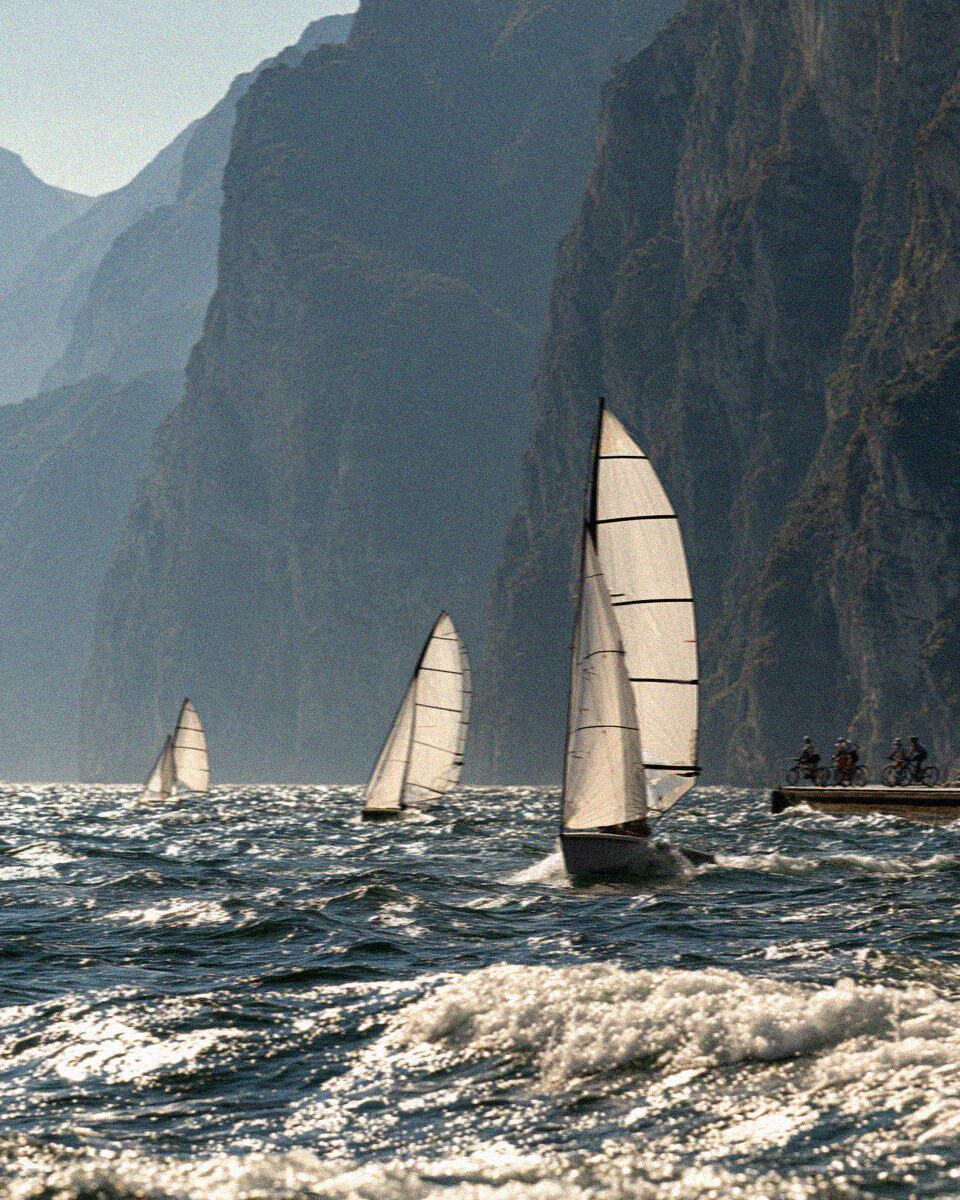
At the northern end proper, Riva del Garda and neighbouring Torbole are the lake’s watersports capital, blessed with two reliable thermal winds: the Peler blowing from the north in the morning and the Ora arriving from the south in the afternoon.

This clockwork breeze is why windsurfers and sailors gather here, and even if you never touch a board, it is lovely to watch the coloured sails cross the water. Above Riva, the Rocca sits by the harbour, and the Bastione funicular carries you up to a restored fortress tower for a wide view without the climb.
For drivers, the Strada della Forra is unmissable and free. It threads up a narrow gorge above Tremosine on the western shore, the rock closing overhead in places, and it is so cinematic that it has stood in for a James Bond chase. Take it slowly, because it is genuinely tight, and pull in at Pieve when you can to catch your breath and the view.
Wine, lemons and slow afternoons
Garda quietly produces some lovely wine, and I like to build a slow afternoon around it. Bardolino on the eastern shore gives its name to a light, cheerful red, while Lugana, made near the southern shore, is a white of real elegance that I think is badly underrated. In Bardolino itself, the Zeni Wine Museum offers tastings and a walk through how the wine is made, an easy and inexpensive way to understand what is in your glass.
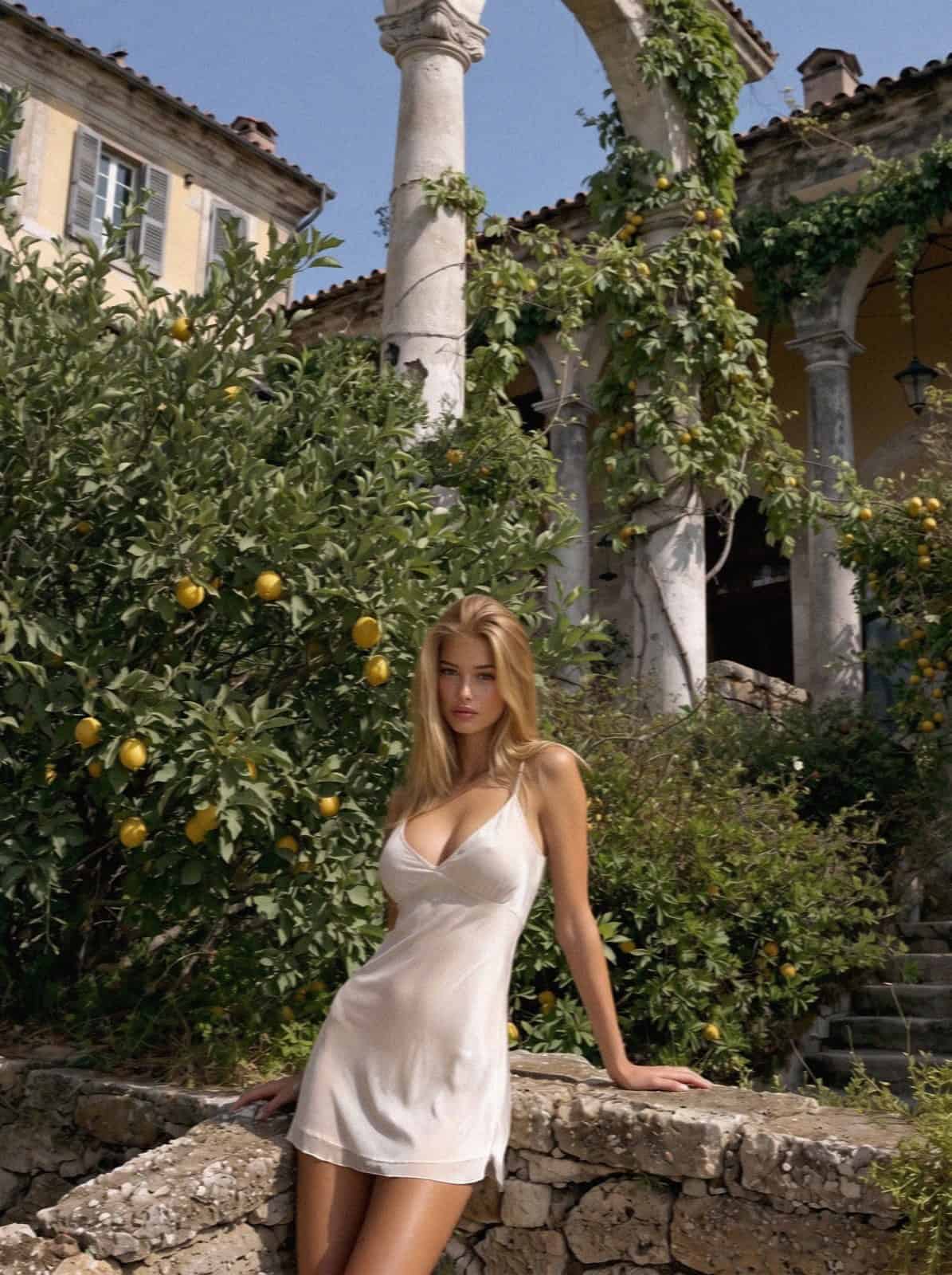
The lake was once famous for its lemons, grown in tall terraced glasshouses against the winter cold, and at Limone sul Garda you can visit the Limonaia del Castel, a restored lemon house museum that explains this vanished industry beautifully. The town’s name, charmingly, comes not from the fruit but from the old word for boundary, though nobody there will discourage you from buying the limoncello. On the eastern shore I would also make time for Punta San Vigilio, a tiny private headland with a miniature harbour and the sheltered Baia delle Sirene beach, one of the prettiest and most peaceful corners of the whole lake.
Theme parks for families
If you are travelling with children, Garda is unusually well equipped. Just inland from Peschiera sits Gardaland, Italy’s largest theme park, with tickets around 40 to 45 euros for an adult when booked online, and it comfortably fills a whole day of rides and shows. For something gentler, Parco Giardino Sigurta at Valeggio sul Mincio is a sixty-hectare garden park, at its most spectacular in spring during Tulipanomania when the beds turn into rivers of colour. Entry is roughly 15 euros, though I would confirm before you go, and it suits all ages, since you can walk, cycle or ride the little land train between the lakes and rose gardens.
My ideal mix
If I had only a day, I would give the morning to Sirmione, the castle and the Grotte di Catullo, then cross to the north for the Monte Baldo cable car and finish with a glass of Lugana as the light goes. Given two days I would add Isola del Garda or Il Vittoriale on the first afternoon and keep the second for the water and the winds of the north, perhaps with the Strada della Forra on the way. That balance of Roman stone, mountain air and slow wine is, to me, the essence of the lake. For everything in one place, my complete guide to Lake Garda ties the whole region together.
Frequently Asked Questions
What is the top thing to do on Lake Garda?
If I had to choose one, it would be the pairing of Sirmione’s Scaligero Castle and the Grotte di Catullo. Between the moated fortress and the Roman villa ruins ringed by turquoise water, it captures history and beauty in a single morning, and neither costs much more than 12 euros to enter.
Is Isola del Garda worth it?
Yes, provided you book ahead. The guided tour of around 39 to 49 euros includes the boat crossing, a guide and a welcome drink, and the Venetian Gothic villa with its terraced gardens is genuinely special. Because tours run to a fixed schedule and sell out, it rewards a little planning rather than a spur-of-the-moment visit.
What is best for families on Lake Garda?
Gardaland near Peschiera is the obvious draw, being Italy’s largest theme park at around 40 to 45 euros online, but I would also point families towards Parco Giardino Sigurta for a calmer day among the tulips and rose gardens, and towards the sheltered Baia delle Sirene beach at Punta San Vigilio.
What is the best free thing to do on Lake Garda?
Driving the Strada della Forra above Tremosine costs nothing and delivers one of the most dramatic gorge roads in Italy. Wandering the harbour and old streets of Riva del Garda, or watching the sails gather at Torbole on the afternoon Ora wind, are lovely and free too.
Related
Read next: my day-by-day Lake Garda itinerary, the best photo spots on Lake Garda, and my complete guide to Lake Garda.