The first decision on Lake Garda is not what to see but where to sleep, because the lake is long and narrow and the shore you choose quietly shapes every day that follows. I would base myself in Sirmione, the honey-stoned peninsula that reaches into the southern basin like a finger, romantic and central and blessed with both ferry and train access. If you prefer a more polished, west-shore hush, Gardone Riviera or Salo will give you villa gardens and belle epoque calm instead, and I say more about the trade-offs in my guide to where to stay on Lake Garda. This particular plan assumes Sirmione with a hire car, which is how I like to travel here: the car lets you slip up the mountain road to Malcesine or inland to a watermill hamlet without watching a timetable.
If you would rather not drive, you absolutely can do this car-free. The Navigarda ferries stitch the whole lake together from roughly March to October or November, and a full-lake day pass sits at around twenty-five to thirty-five euros. I will flag the ferry logic as we go, because a few of these days work beautifully by boat and one or two are simpler with four wheels.
Day one, Sirmione and the south
I would spend the first day falling for the south without going anywhere, because Sirmione rewards slowness. Begin at the Scaligero Castle, that storybook fortress with its swallowtail battlements rising straight out of the water, where entry runs about eight to twelve euros, and the climb up the tower gives you the whole peninsula laid out below. From there, walk the length of the old town to the Grotte di Catullo at the very tip, the tumbled ruins of a grand Roman villa set among ancient olive trees, roughly eight to ten euros and worth every minute for the view back down the lake. By early afternoon I would surrender to the thermal water that made Sirmione famous and book into Aquaria for a spa afternoon, somewhere in the region of thirty-five to fifty-five euros, drifting between warm outdoor pools with the lake shimmering beyond. Come evening, let the crowds thin, wander the narrow lanes as the light turns gold, and settle in for dinner with a glass of crisp local Lugana, the white wine grown in these very southern vineyards.
Plan Your Visit to Lake Garda
A few things I booked and loved. These help support the blog, at no cost to you.
- Where I stayed: search Lake Garda hotels
- Gardaland and Lake Garda activity tickets
- Rent a car to explore the area
- Stay connected: get a travel eSIM
This section contains affiliate links. If you book through them I may earn a small commission, at no extra cost to you.
Day two, the west shore and culture
The second day belongs to the west shore, which is the lake at its most cultivated and grand. Drive first to Salò, the elegant little town curled around the widest bay, where I would stroll the long lakefront promenade and step inside the Duomo for its quiet Renaissance beauty. A short hop north brings you to Gardone Riviera and the day’s centrepiece, Il Vittoriale degli Italiani, the extraordinary hillside estate of the poet Gabriele d’Annunzio. Entry to the grounds and house sits at about sixteen to eighteen euros, and I would give it real time: the theatrical rooms, the warship embedded in the garden, the botanical planting spilling down the slope. If you fancy lengthening the day into something more indulgent, carry on to Gargnano for a fine-dining lunch on the water, the sort of long, unhurried meal the west shore does so well. This is the stretch that most defines the lake’s luxury character, and it features heavily in my roundup of the best towns on Lake Garda.
Day three, the north and the mountains
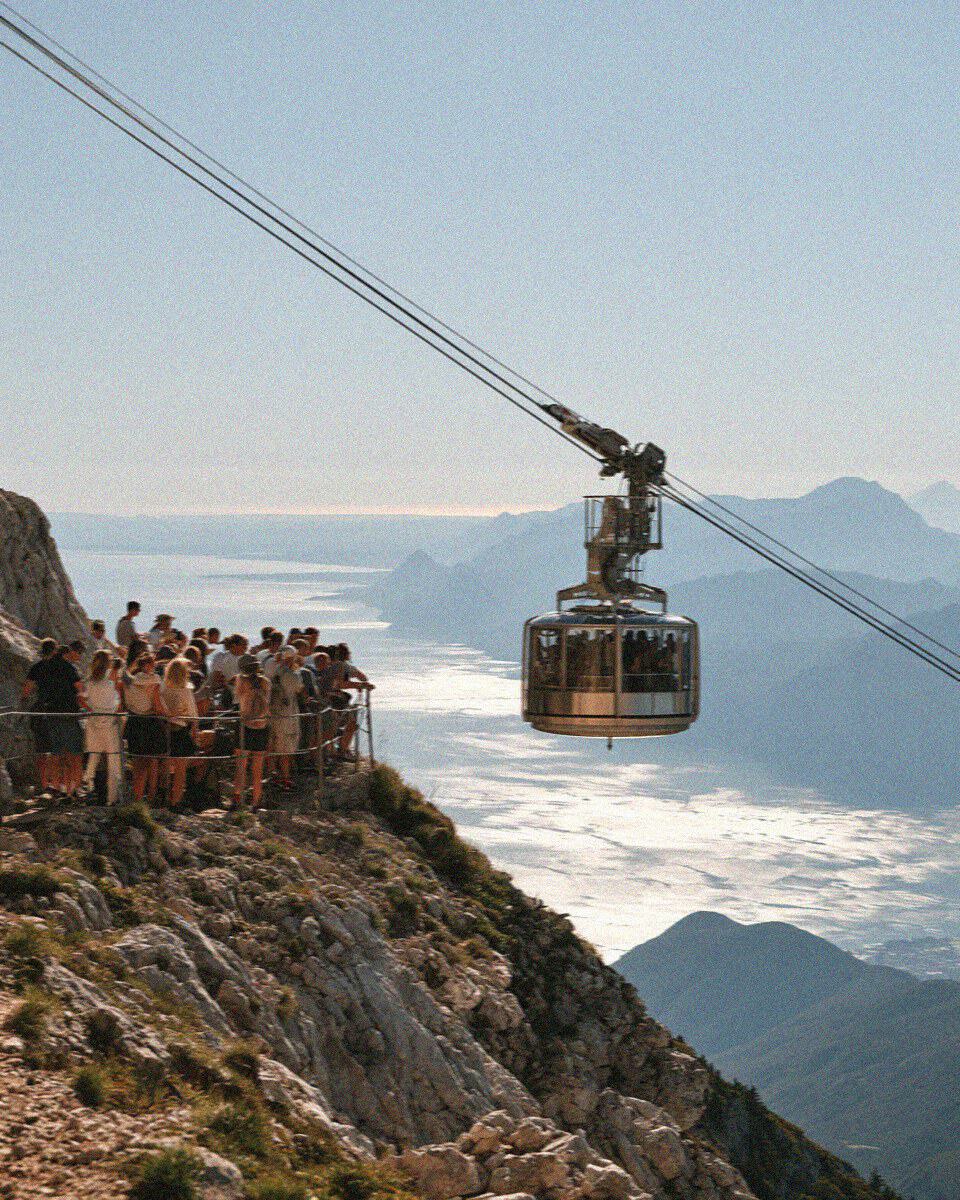
Now for the mountains, because Garda’s northern end is a different country: sheer cliffs, cooler air, and windsurfers cutting across the water. Drive up to Malcesine, perhaps the prettiest town on the lake, and lose an hour in its tangle of lanes beneath another Scaliger castle. Then ride the marvel that is the Monte Baldo cable car, whose cabins rotate slowly as they climb so every passenger gets the full sweep of the lake below. It carries you to around one thousand seven hundred and sixty metres for about twenty-seven euros return, and the alpine meadows at the top feel a world away from the beaches down at the shore. In the afternoon I would continue to the very head of the lake, either to Riva del Garda with its medieval Rocca and palm-lined promenade, or to neighbouring Torbole to watch the windsurfers lean into the famous afternoon breeze over a cold drink.
Day four, islands and wine on the east shore
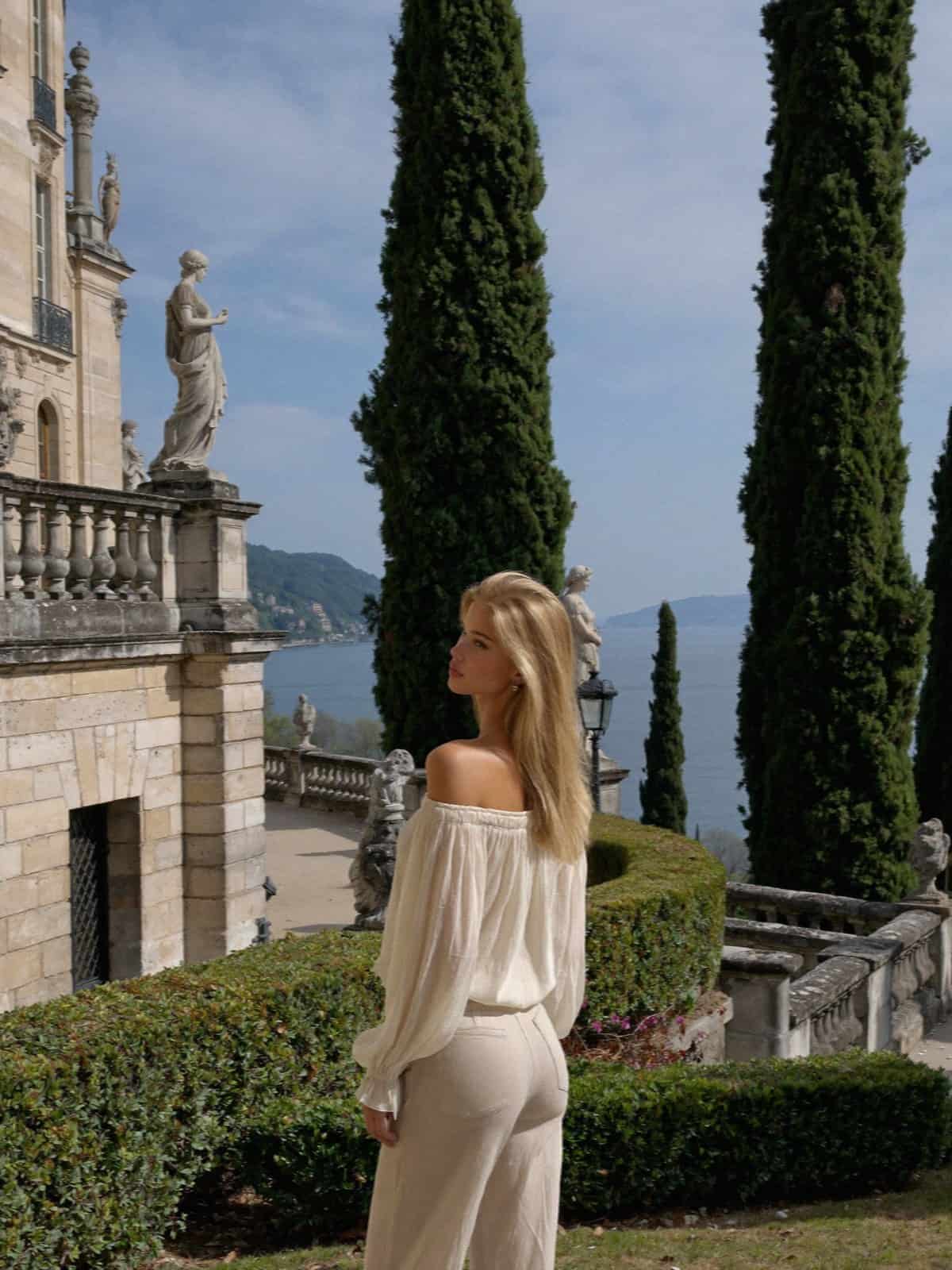
The fourth day pairs an island with the wine country of the east shore. I would start on the water with the morning boat tour to Isola del Garda, the lake’s only island and a private one, where a guided visit takes you through the neo-Gothic villa and its formal terraced gardens, roughly thirty-nine to forty-nine euros including the crossing. It is a genuinely romantic morning, and quite unlike anywhere else on the lake. Come afternoon, cross back and drive down the gentler eastern shore to Bardolino or Lazise, twin towns of Venetian harbours, arcaded squares, and easy vineyard country. Bardolino is the name on the local red, so I would fold in a tasting, perhaps at the Zeni wine museum, before an aimless stroll along the little harbour as the fishing boats knock against the quay.
Day five, families or an inland gem
The final day bends to whoever you are travelling with. Families will want a big day out, and there are two obvious ones: Gardaland, Italy’s famous theme park just behind Peschiera at around forty to forty-five euros, or the gentler, greener Parco Giardino Sigurta with its vast landscaped gardens. If you would rather end quietly, and I usually would, drive a short way inland to Borghetto sul Mincio, a fairytale hamlet of watermills straddling the river, then on to nearby Valeggio for a plate of the region’s famous love-knot tortellini, delicate parcels tied like little bows. Whichever you choose, I would come back to the shore for a farewell dinner, one last long evening with the water turning pink and the swifts wheeling overhead.
A seven-day version
Given two more days, I would resist the urge to add sights and instead slow the whole thing down, building in a lazy morning or two with nothing planned but a swim and a coffee. I would use one of the extra days for Limone sul Garda on the far west shore, whose terraced lemon houses climb the cliffs in stone and timber, and the other for Verona, an easy fifteen to twenty minute train from Peschiera at the lake’s southern edge, which turns a lake holiday into a lake-and-city one without any real effort. The rhythm matters more than the mileage.
Frequently Asked Questions
How many days do you need for Lake Garda?
Five days is my sweet spot: enough to know the south, the grand west shore, the wild north, and the softer east, without ever feeling rushed. Three days will give you a taste but forces hard cuts, usually the mountains or the islands. Seven lets you breathe and add Verona or Limone. Fewer than three and I would honestly pick one shore and stay put.
What is the best base for this itinerary?
Sirmione, for its central-south position and its ferry and train links, which is why this whole plan is built around it. If your priority is quiet luxury over convenience, Gardone Riviera or Salo on the west shore are lovely alternatives, though you will drive a little further to reach the north. I weigh all the options in my guide to where to stay on Lake Garda.
Can you do this itinerary without a car?
Yes, with a little rejigging. The Navigarda ferries connect Sirmione, Gardone, Malcesine, Riva, Bardolino, and more from about March to October or November, and a full-lake day pass of roughly twenty-five to thirty-five euros covers a lot of ground. The car-dependent days are the ones that go inland, Monte Baldo aside, so I would simply swap Day Five’s watermills for a ferry-based east-shore day and let the boats do the work.
Is five days enough for Lake Garda?
For a first, full-hearted visit, yes. Five days covers every distinct character the lake has to offer with time left to sit still and enjoy it, which is the whole point of coming here. You will leave with a list of reasons to return, and that is exactly as it should be.
Related
For more on planning your trip, see my guide to the best towns on Lake Garda, my advice on where to stay on Lake Garda, and the full complete guide to Lake Garda.