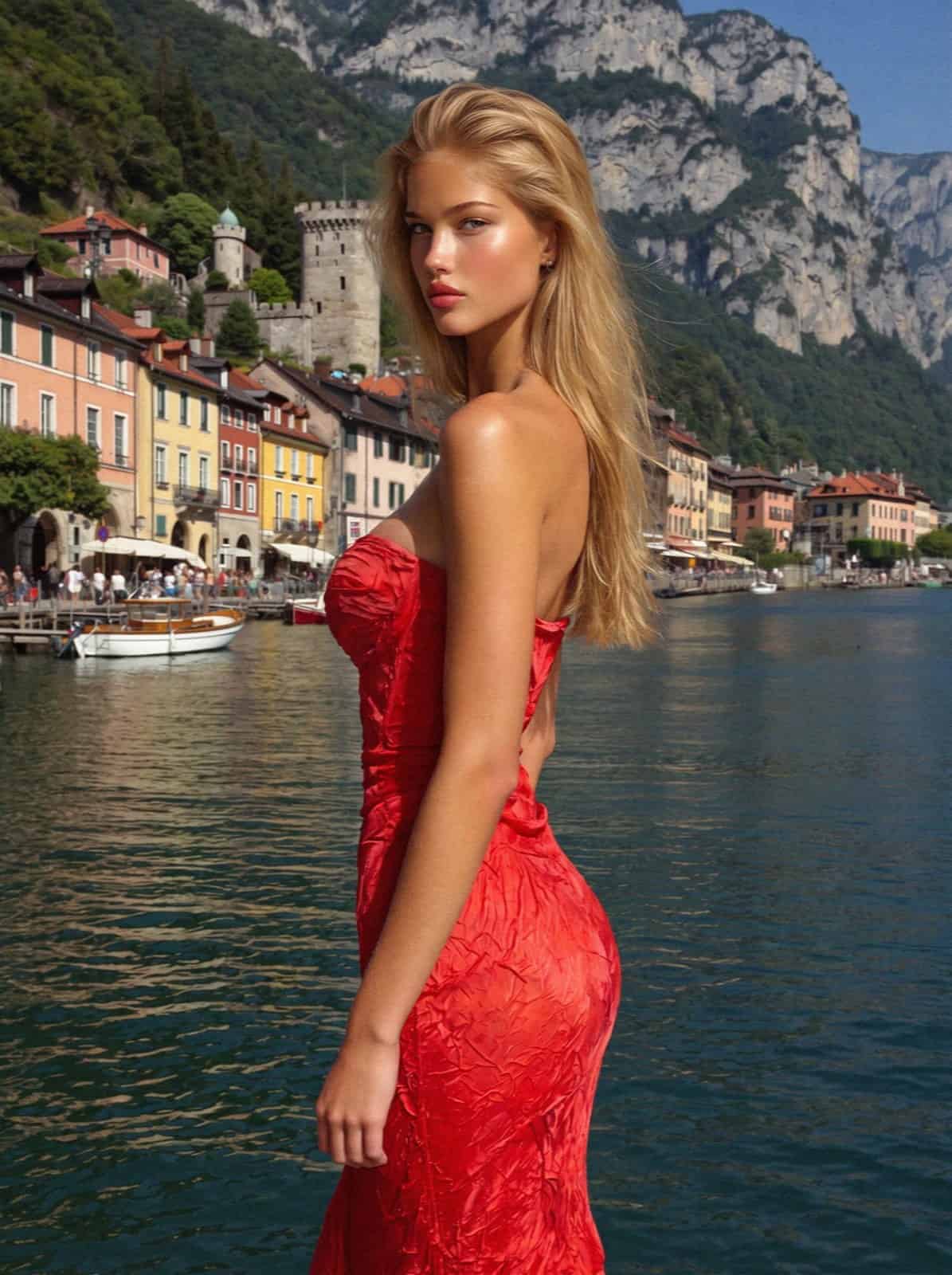
Lake Garda is really three lakes wearing one name, and choosing where to sleep is the single decision that shapes everything else about your trip. The southern shore, in Lombardy, is flat and sun-warmed, all vineyards and castles and the easy Mediterranean sprawl of the plain. The western shore, also Lombardy, is where the belle-epoque grand hotels line up along the water like guests at a very old, very elegant party. And the north, up in Trentino, is another country in feeling as well as fact: steep, fjord-like, the mountains closing in and the wind rising off the water every afternoon. The east belongs to the Veneto, gentler and greener, threaded with harbours and vines. I have based myself on each of these shores at different times, and I promise you they reward completely different travellers. Here is how I would choose, town by town.
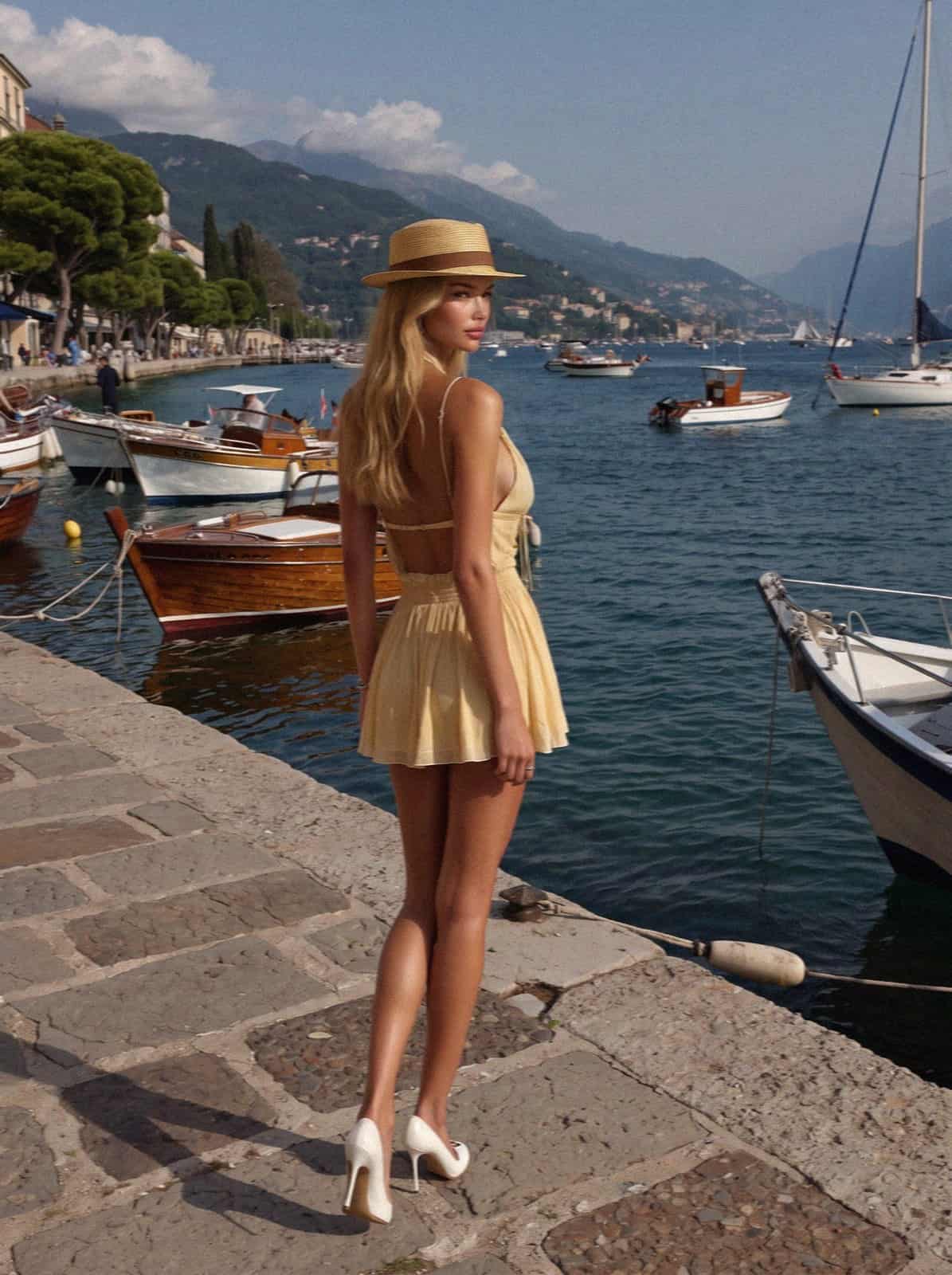
The southern shore: castles, spas and the grand entrance
Sirmione is the showpiece, and there is no point pretending otherwise. It sits at the tip of a long, narrow peninsula that reaches out into the lake like a finger, guarded at its neck by the moated Scaligero castle with water lapping right up to the stone. Walk to the very end and you reach the Grotte di Catullo, the tumbled Roman ruins spread across an olive-shaded headland with the lake on three sides, and there are thermal spas here too, so you can soak away the day. It is romantic, it is beautiful, and it is very, very busy, especially in the narrow lanes by midday. I would send first-timers here without hesitation, along with couples and anyone who loves history, but I would also gently suggest staying overnight so you have the place in the golden hour after the day-trippers leave.
Desenzano del Garda is the practical heart of the south and the largest town on the lake. This is where the trains come in, the main transport hub, so if you are arriving by rail it makes a natural landing point. It has a proper marina, a genuine after-dark buzz, and a set of beautifully preserved Roman villa mosaics for the culturally curious. It feels like a real working town rather than a stage set, which some travellers find refreshing after the prettiness elsewhere. I would point train travellers and anyone who wants a bit of urban energy in the evenings towards Desenzano.
Peschiera del Garda is my quiet recommendation for families and for anyone worried about logistics. It is a UNESCO-listed Venetian fortress town, ringed by canals and mighty walls, and it has the best-connected station on the lake. That matters enormously if you have children and you are close to Gardaland, or if you simply want to step off a train and be somewhere lovely within minutes. It has less pomp than Sirmione but a great deal of charm, and it is one of the easiest bases from which to explore in every direction.
Plan Your Visit to Lake Garda
A few things I booked and loved. These help support the blog, at no cost to you.
- Where I stayed: search Lake Garda hotels
- Gardaland and Lake Garda activity tickets
- Rent a car to explore the area
- Stay connected: get a travel eSIM
This section contains affiliate links. If you book through them I may earn a small commission, at no extra cost to you.
The eastern shore: wine, harbours and the postcard town
The Veneto shore is where I would send anyone who wants their days to feel unhurried. Lazise is a walled Venetian harbour town, close to the theme parks and the thermal park, which makes it another sensible choice for families who want prettiness and convenience in the same package. Just up the road, Bardolino is the wine capital of the lake and one of my favourite places to simply potter. This is the home of Bardolino reds and the pale, pretty Chiaretto rose, and the lakefront is lively without being frantic. Visit the Zeni wine museum, time your stay for the Thursday market, and let the evenings unfold with a glass in hand. Wine lovers and easy-going couples will feel instantly at home. If you want to build a proper route around these towns, my Lake Garda itinerary sets out how to string them together without doubling back.
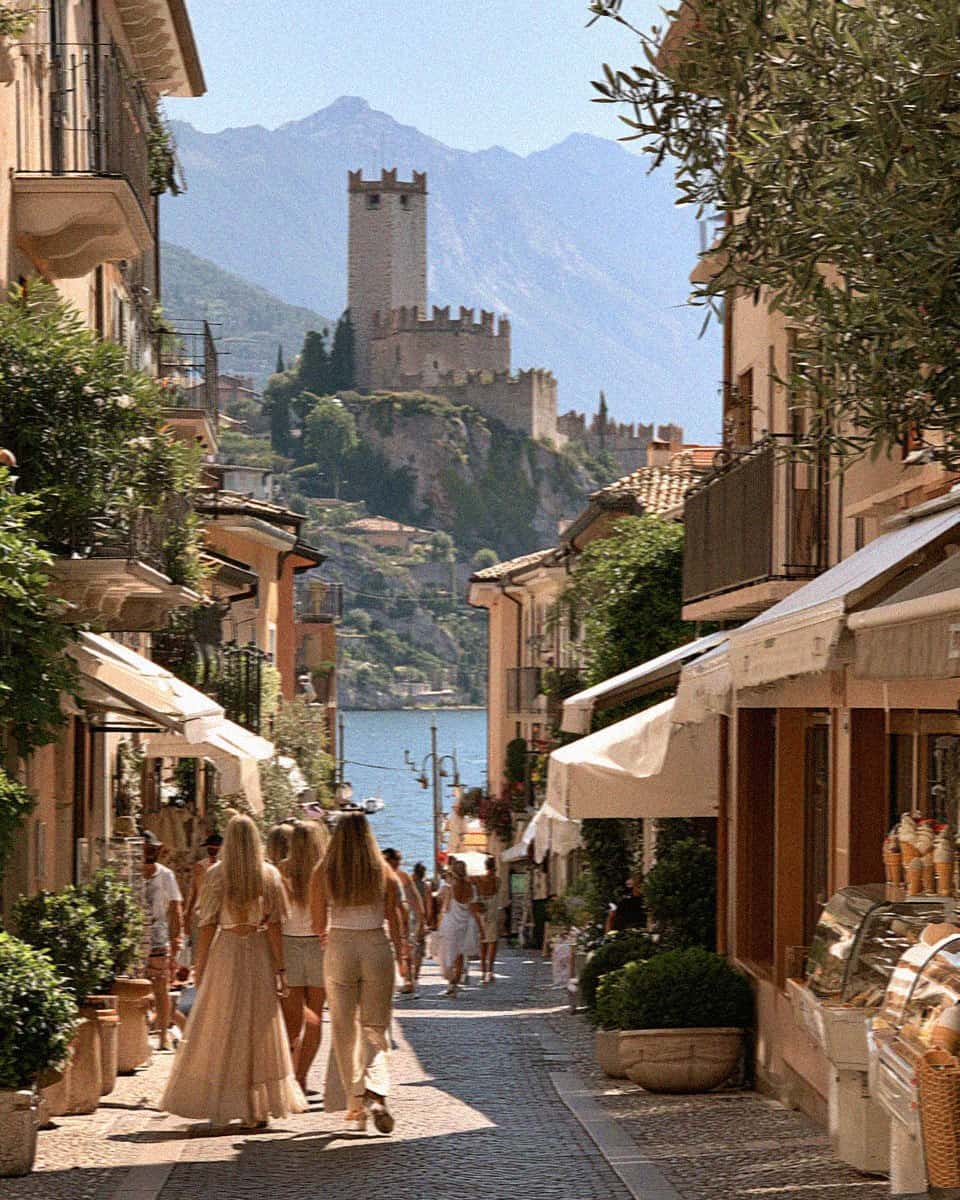
Garda town itself is quieter, a gentle mix of nature and history, with the Venetian Gothic Palazzo dei Capitani on its waterfront and the lovely wild headland of Punta San Vigilio within easy reach. Further north, Malcesine is the postcard everyone has seen: a medieval town huddled beneath the great bulk of Monte Baldo, with its own Scaliger castle and a rotating cable car that lifts you to the summit for views that genuinely take the breath away. This is the base for adventurers, hikers and anyone with an eye for a beautiful composition. And if Malcesine feels too well-discovered, Torri del Benaco just to the south is a quieter alternative, with a castle that shelters an old lemon greenhouse, a charming and unusual thing to stumble upon.
The western shore: grand hotels and quiet luxury
If old-world elegance is what you are after, the western shore is where I would spend my money. Salo is a refined Renaissance town with the longest promenade on the lake and a fine Duomo, and it suits the leisurely, sophisticated visitor who likes to stroll, linger over lunch and stroll again. Just along the shore, Gardone Riviera is the belle-epoque grand-hotel enclave, blessed with a famously mild microclimate. Here you will find the Vittoriale, the extraordinary hilltop estate, and a lovely botanical garden, and the whole town has an air of classic luxury and wellness that I find deeply restful.
Gargnano is quieter still, and to my mind one of the most special addresses on the entire lake: tranquil, home to serious Michelin dining and the storied Villa Feltrinelli. This is quiet luxury in its truest sense, the kind of place where nothing much happens and that is precisely the point. For the specific hotels I recommend along this shore, I have gathered my thoughts in my guide on where to stay on Lake Garda. And then there is Limone sul Garda, clinging to the cliffs at the top of the western shore, with its terraced lemon houses, the historic limonaie, stacked up the hillside in a way that feels almost Amalfi-like. It is ravishing, and it can be very crowded, so I would go early or stay the night. Photographers and romantics adore it.
The northern shore: drama and sport in the mountains
At the top of the lake, in Trentino, the mood changes entirely. Riva del Garda is an elegant resort with a distinctly Austrian tinge to its architecture, a palm-lined promenade, a medieval Rocca rising from the water and dramatic cliffs hemming it all in. It is the ideal base for travellers who want culture and sport in the same trip: hikers and cyclists especially, but really anyone drawn to grandeur. Its near neighbour Torbole is the windsurf and sailing mecca of the lake, sitting right where the afternoon breezes are at their most reliable. If you have come to be on the water rather than beside it, this is your town.
How to choose your base
Let me make it simple. For a first visit, I would choose Sirmione: it is the romantic distillation of everything Garda promises. For old-world luxury and slow, sophisticated days, base yourself in Gardone Riviera or Salo. For drama and sport, whether that is hiking, cycling or catching the wind, go north to Riva del Garda or east to Malcesine. And for wine, ease and unhurried evenings, Bardolino or Lazise will serve you beautifully. If you would like the whole picture in one place, my complete guide to Lake Garda pulls every shore together.
Frequently Asked Questions
Which is the best town for a first visit?
Sirmione, without question. The moated castle, the Roman ruins on their olive headland and the thermal spas give you the full romance of Garda in one compact peninsula. Stay overnight so you have the lanes to yourself once the day-trippers have gone.
Where should families base themselves?
Peschiera del Garda and Lazise are my two picks. Peschiera has the best-connected station and sits close to Gardaland, while Lazise pairs a pretty walled harbour with easy access to the theme parks and thermal park. Both are lovely without being overwhelming.
Where would you go for a quieter stay?
Gargnano on the western shore is the most tranquil address of all, with serious dining and a real sense of hush. Garda town and Torri del Benaco on the eastern shore are gentler alternatives too, with plenty of history and far fewer crowds.
Sirmione or somewhere else?
Sirmione is glorious but genuinely busy, so if you love its romance yet crave more calm, consider Bardolino for wine and ease, or Gardone Riviera for grand-hotel elegance. You keep the beauty and trade some of the crowds for a slower rhythm.
Related
I would read these next to plan the rest of your trip: my guide on where to stay on Lake Garda, my day-by-day Lake Garda itinerary, and the full complete guide to Lake Garda.