Most people meet Bergamo by accident. They fly into a low-cost airport that calls itself Milan, climb straight onto a bus toward the city an hour away, and never once turn to look at the walled town on the hill behind them. I did exactly this the first time, years ago, and I have been quietly making up for it ever since. Because that town on the hill is one of the loveliest small cities in northern Italy, and the fact that millions of travellers a year pass within five kilometres of it without stopping is either a small tragedy or, if you are the kind of person who likes a beautiful place to yourself, an ongoing and delicious secret.
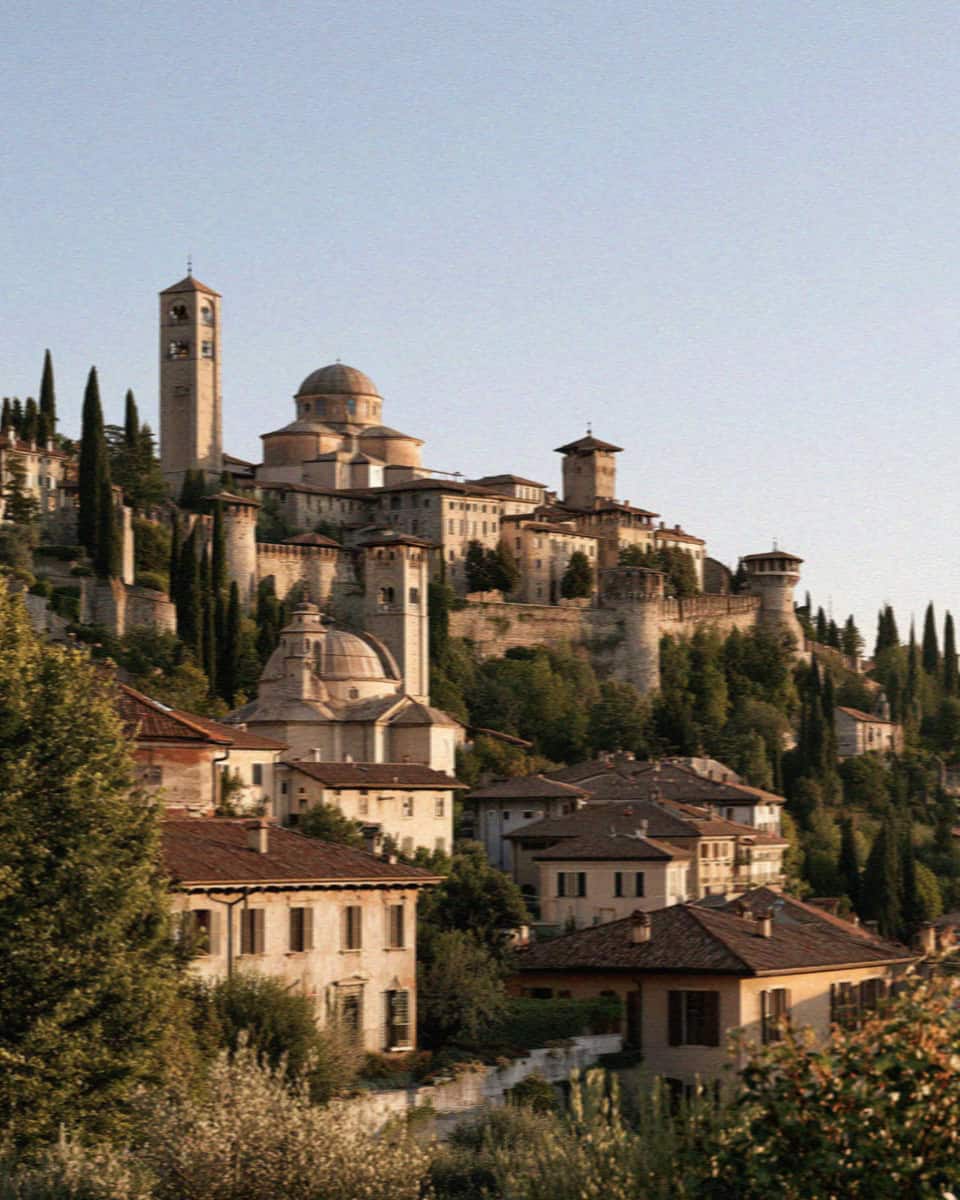
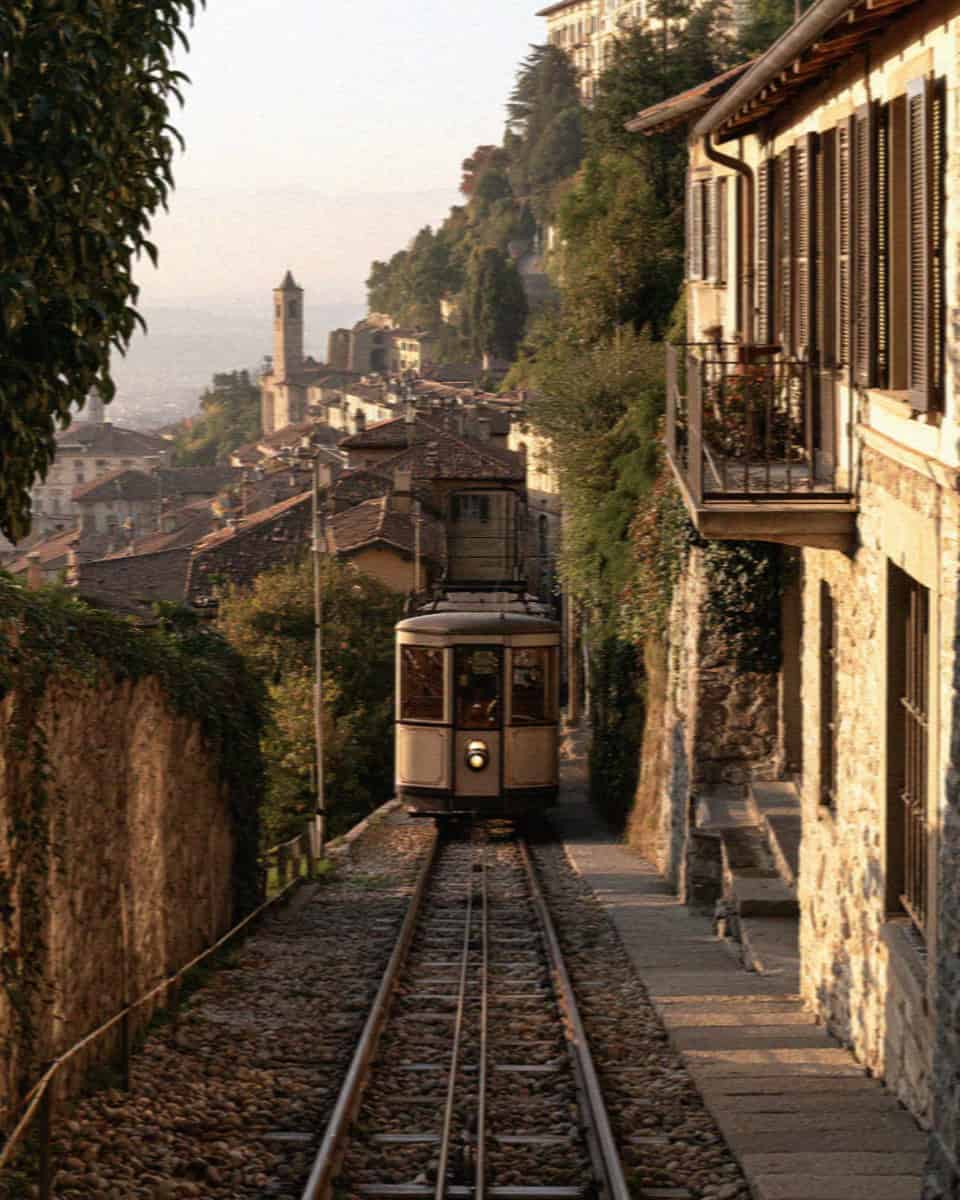
Bergamo comes in two halves, and understanding that is understanding Bergamo. There is the Città Bassa, the lower town, where modern life happens: broad avenues, the theatre, the shopping streets, the trains and everyday Italian bustle. And there is the Città Alta, the upper town, a compact medieval city wrapped inside enormous Venetian walls and set on a hilltop, reached by a little funicular that has been climbing the same slope since 1887. The lower town is where you arrive. The upper town is why you came.
This guide is the long version, the one I wish someone had handed me the first time. It covers what to see, where to sleep, what to eat, how to get here, when to come, and how to spend the days once you have. Everything is broken out in detail in the guides linked through this page, but if you read only this one, you will still leave knowing how to do Bergamo properly.
What to book before you come
I will be honest: the Citta Alta is free and the funicular up to it costs about the same as a coffee, so there is little to buy here. What is worth arranging is how you arrive, and the days you spend outside the city.
- The transfer between Bergamo airport and Milan. 4.7 from over six and a half thousand people, which tells you how many of us fly into BGY thinking it is Milan.
- A Franciacorta winery day. Italy makes its best traditional-method sparkling wine forty minutes from here and almost nobody staying in Bergamo goes.
- Verona and Sirmione on Lake Garda. A long day, and the easiest way to see the lake without a car.
- A private guide for the upper town. Bergamo is Venetian rather than Milanese, and the walls say so if somebody explains them.
Piazza Vecchia, the Colleoni Chapel, the walls and the climb through Porta Sant Agostino cost nothing.
The two cities
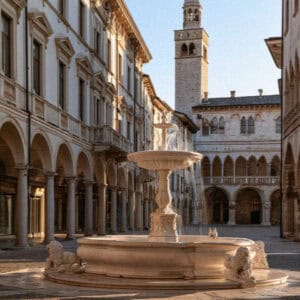
The Città Alta is the heart of it. You climb up out of the modern town, pass through a gate in walls that are four kilometres round and, in places, wide enough to stroll along the top of, and on the other side the twenty-first century politely steps back. The streets are narrow and paved in worn stone, the buildings are the colour of old honey, and everything funnels toward the Piazza Vecchia, a square so perfectly proportioned that the architect Le Corbusier is said to have called it one of the most beautiful in Europe and warned that no one should ever change a stone of it. He was not wrong. There is a white marble fountain in the centre ringed by little stone lions, the grand arcaded sweep of the old civic library along one side, and, framed through the arches of the medieval town hall opposite, the pale wedding-cake facade of one of the most extravagant little chapels in Italy.
The Città Bassa gets unfairly overlooked, and I understand why, but skipping it entirely would be a mistake. This is where you find the Accademia Carrara, a small art gallery that punches enormously above its weight, with Raphael, Botticelli, Bellini and Mantegna hung in calm rooms you can nearly have to yourself. It is where the elegant Sentierone promenade fills at aperitivo hour, where the theatre named for the composer the city gave the world still stages opera, and where ordinary Italian life carries on in a way the upper town, gorgeous as it is, has slightly surrendered to visitors. My advice is simple: sleep and sightsee up top, but come down for at least one afternoon.
Plan Your Visit to Bergamo
A few things I booked and loved. These help support the blog, at no cost to you.
- Where I stayed: search Bergamo hotels
- Rent a car to explore the area
- Stay connected: get a travel eSIM
This section contains affiliate links. If you book through them I may earn a small commission, at no extra cost to you.
The best things to do
The set-piece is the Piazza Vecchia and the cluster of buildings around it. The Palazzo della Ragione, the medieval town hall, sits on graceful arches; behind it rises the Campanone, the civic bell tower, which you can ride a lift most of the way up for a handful of euros and one of the best views in Lombardy. Its great bell still rings one hundred times at ten o’clock every night, a leftover from the centuries when that was the signal to be inside the walls before the gates were shut.
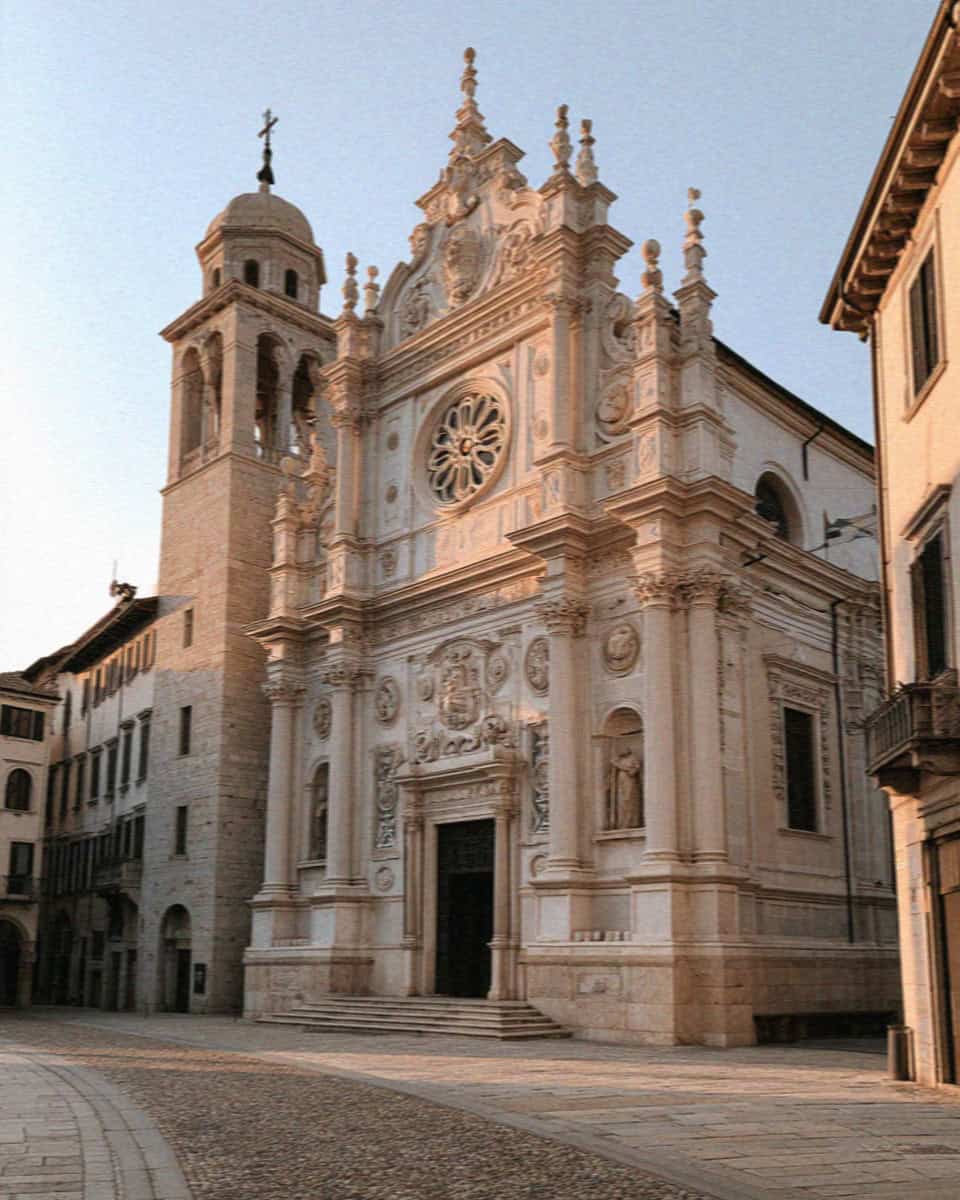
Through the arcade you reach the religious heart. The Basilica di Santa Maria Maggiore is plain and Romanesque outside and then, within, an overwhelming riot of tapestry, gilt and inlaid wood, with the tomb of Gaetano Donizetti, Bergamo’s own composer, set into one wall; entry is free. Beside it stands the Cappella Colleoni, the private mausoleum of a fifteenth-century mercenary captain rich and vain enough to knock down part of the basilica to build it, its pink-and-white marble facade carved into a frenzy of columns, medallions and figures. It is gaudy, sacred and unforgettable, and it too costs nothing to admire.
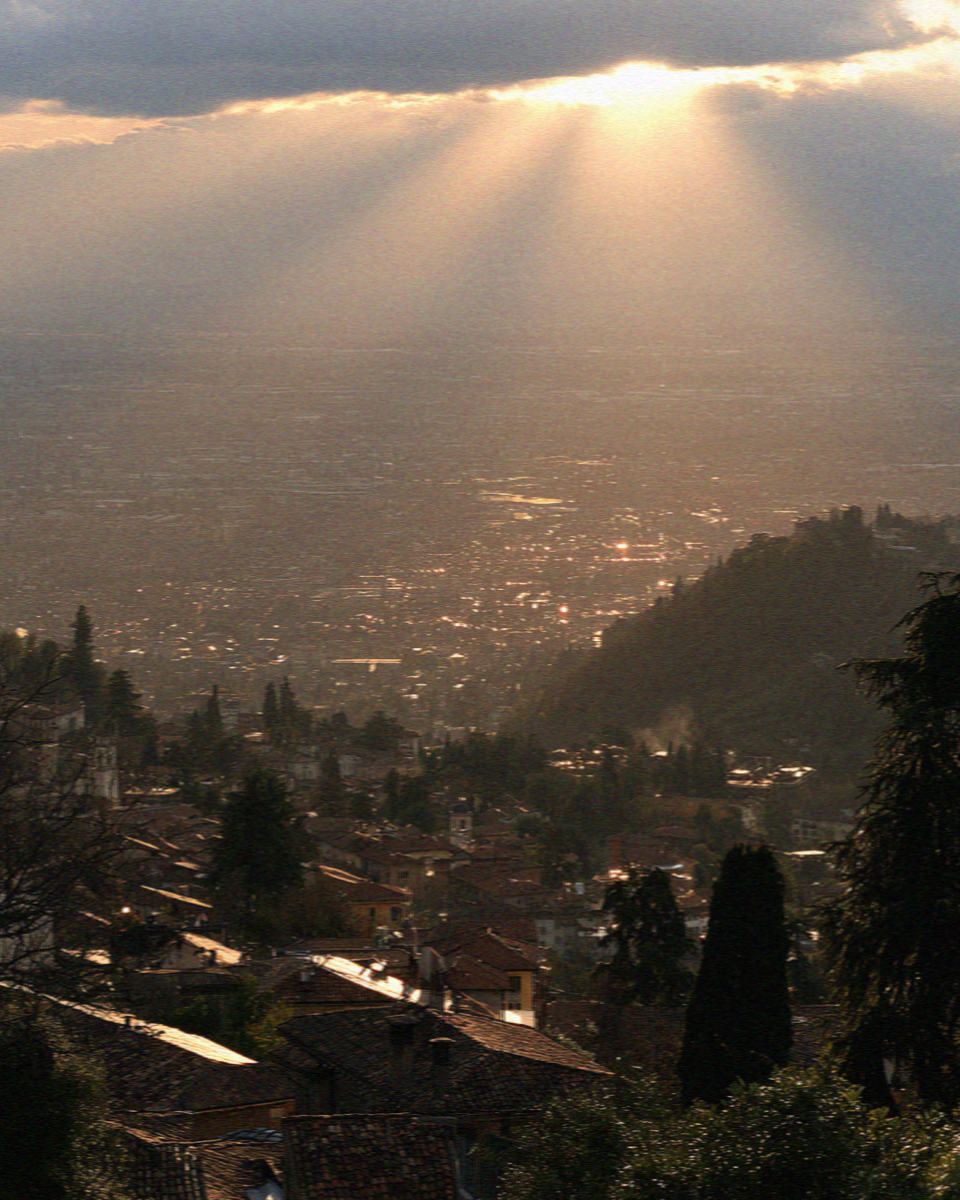
Beyond the monuments, the real pleasure is the Venetian walls, protected by UNESCO since 2017, which you can walk almost the whole way around, with the Lombard plain falling away on one side and the foothills of the Alps rising on the other. Time it for sunset at the pink-stoned Porta San Giacomo and you will understand why half of Bergamo comes here in the evening. When your legs want a rest, ride the second, smaller funicular up to San Vigilio, the hill above the upper town, where a ruined castle and a little park give you the widest view of all. There is far more than a day can hold, and I have gathered it, in the order I would actually do it, in my guide to the best things to do in Bergamo.
The food
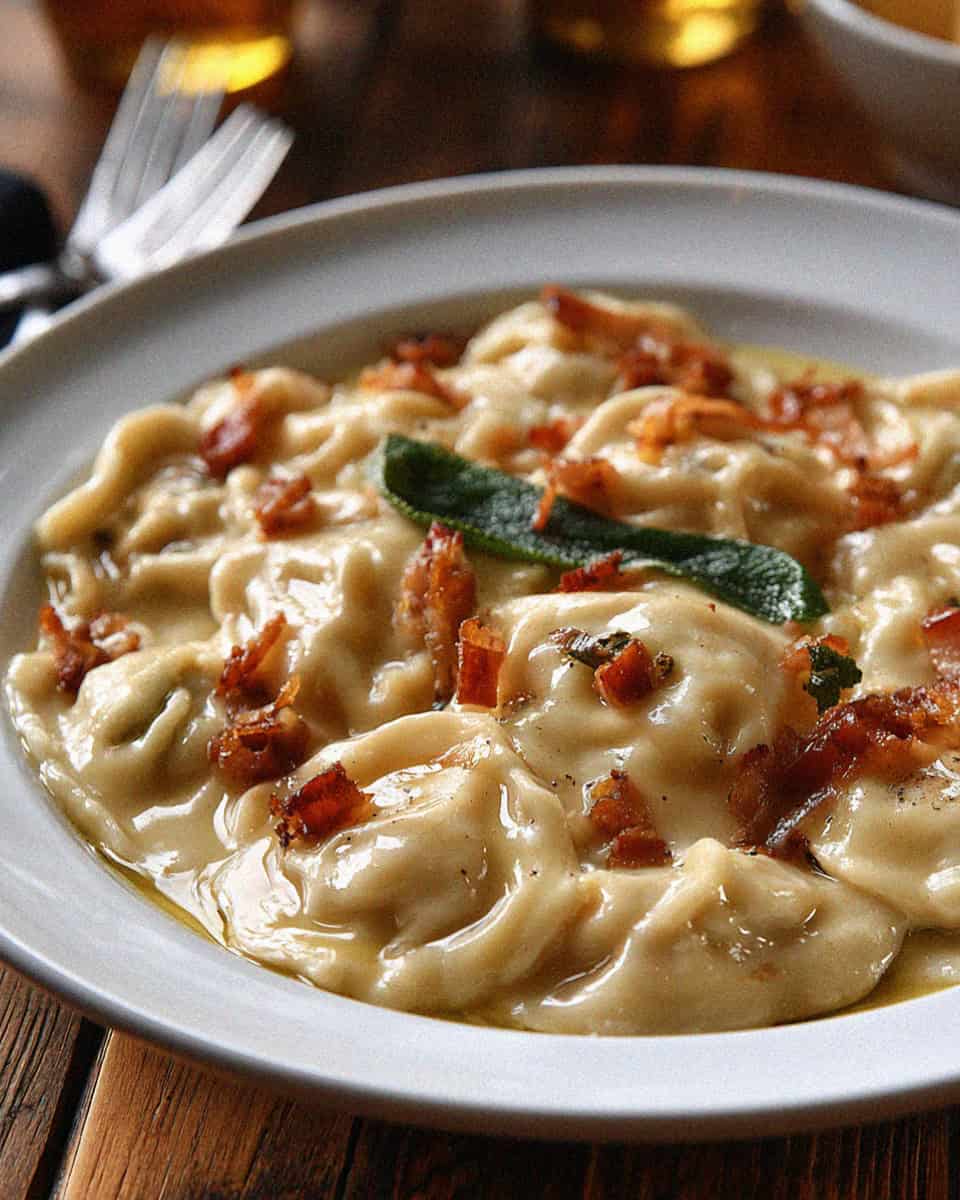
Bergamo takes its food seriously enough to have been named a UNESCO City of Gastronomy, and the local kitchen is hearty, buttery mountain food, built for a place with the Alps at its back. The dish to try first is casoncelli alla bergamasca, plump crescents of stuffed pasta dressed in melted butter, crisped pancetta and sage; after that, polenta taragna, a rich dark polenta of corn and buckwheat folded through with the valleys’ melting cheeses, and the slimmer stuffed scarpinocc from the village of Parre. Bergamo province is said to claim more protected cheeses than anywhere else in Italy, so a board of them with a glass of local Valcalepio red, or the rare sweet Moscato di Scanzo from a single nearby village, is never a bad idea.
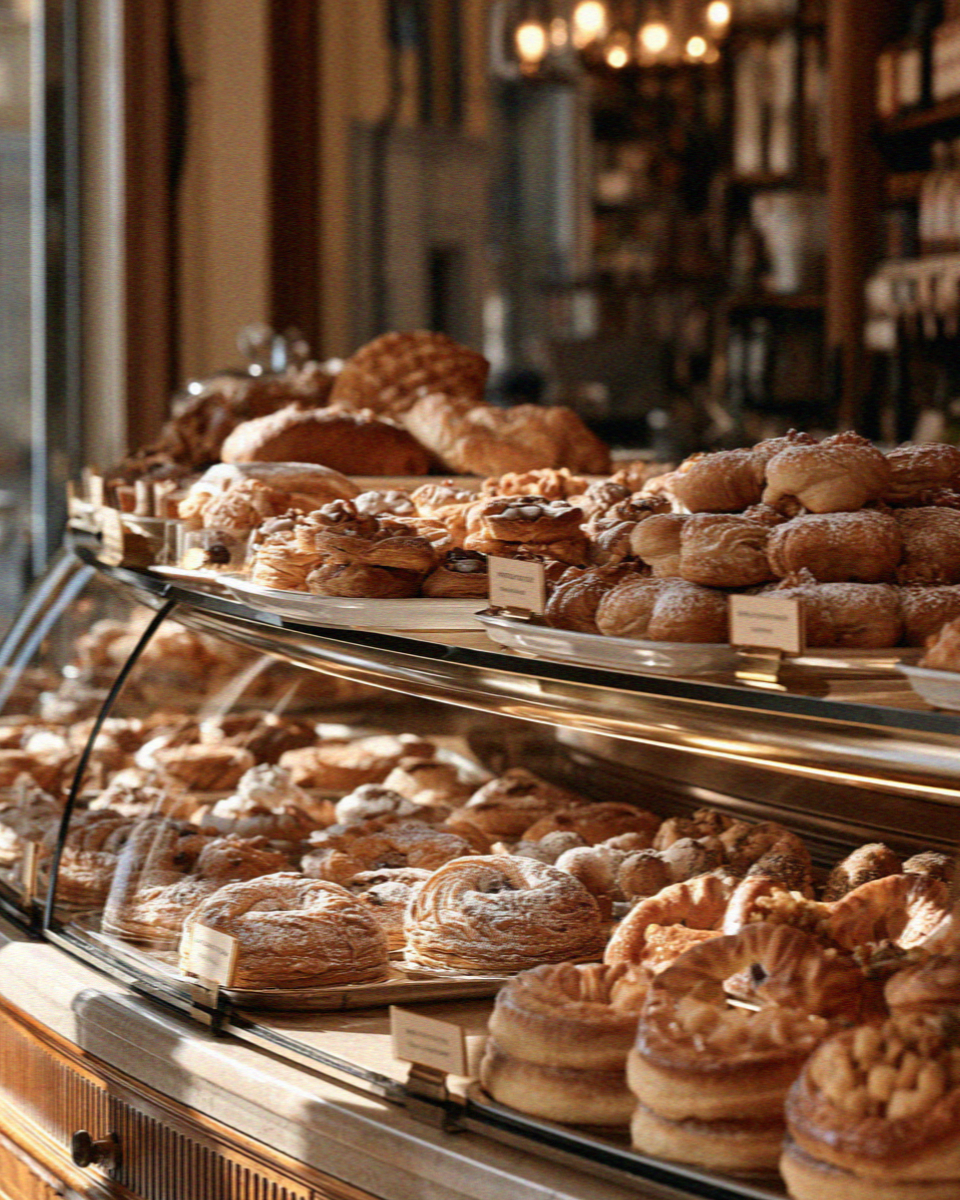
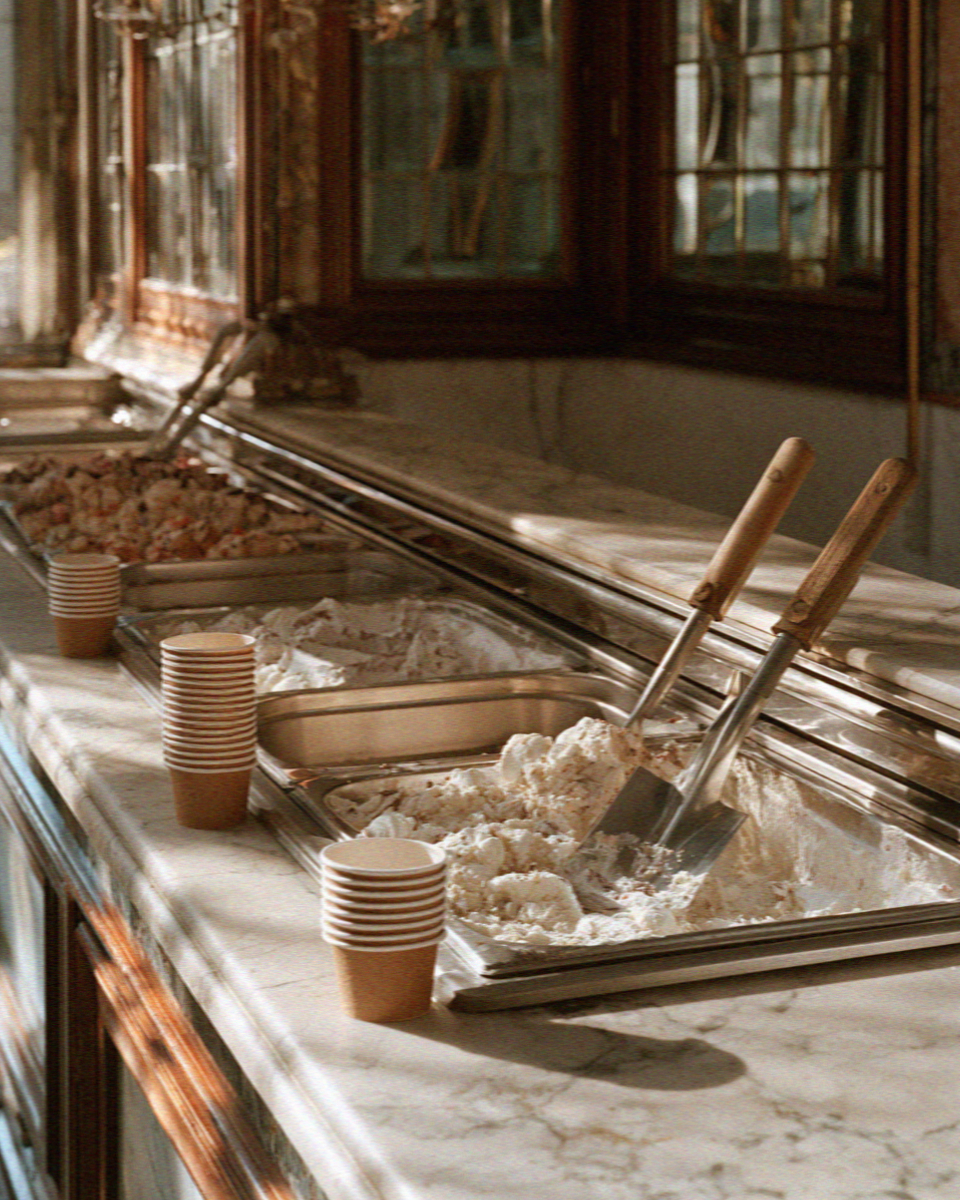
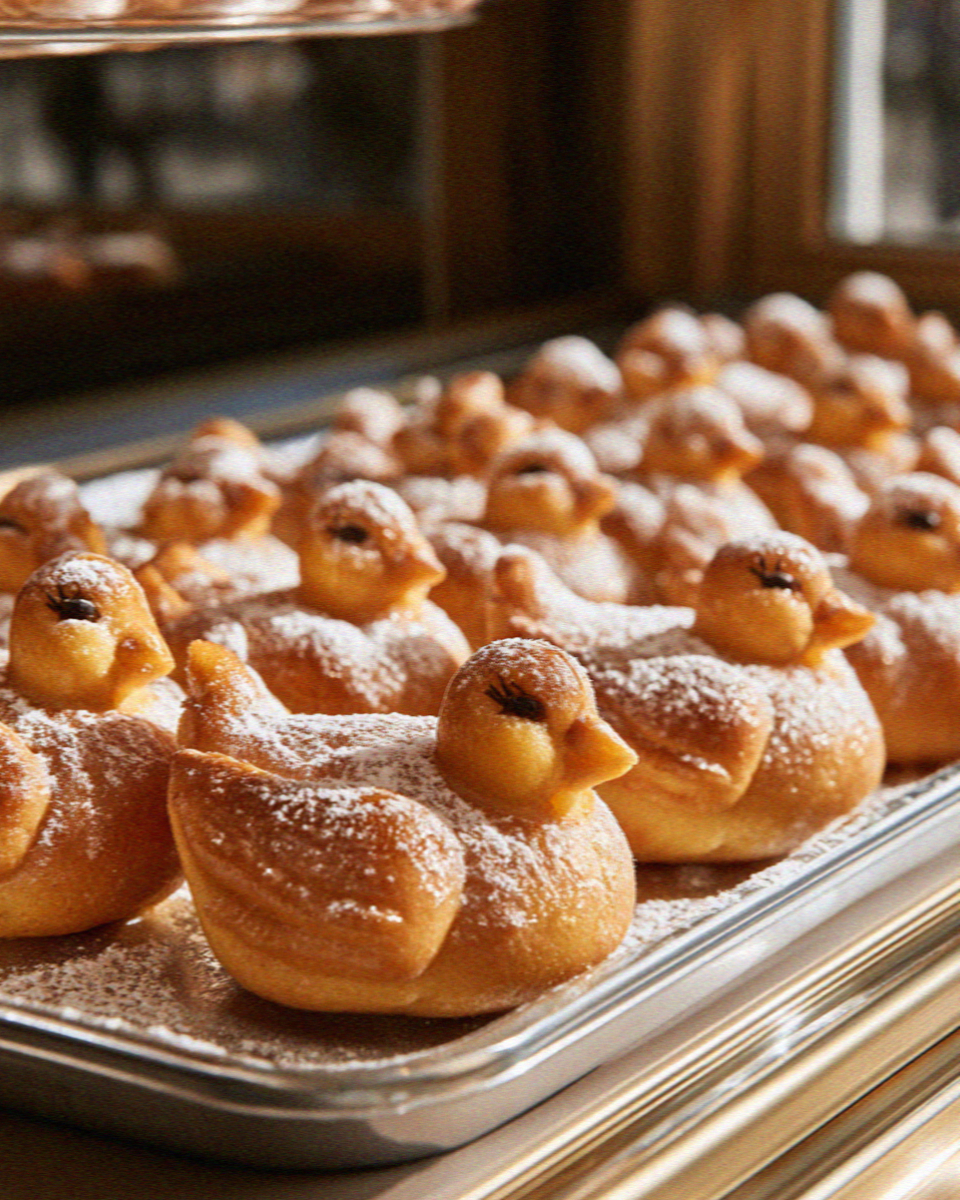
Save room for something sweet. Torta Donizetti, a soft ring cake of almond and candied citrus, is named for the composer; polenta e osei, in its famous sweet version, is a little marzipan dome topped with tiny chocolate birds. And here is the fact I love to tell people: stracciatella gelato, those shards of chocolate through sweet cream, was invented right here in Bergamo, at a place called La Marianna up by the Colle Aperto gate, in 1961. You are eating it at the source. Where to find all of this is in my guide to where to eat in Bergamo.
A city that belonged to Venice
It helps to know that for nearly four centuries, from 1428 until Napoleon arrived in 1797, Bergamo was the westernmost outpost of the Republic of Venice, hundreds of miles from the sea. That is why you keep seeing the winged lion of Saint Mark carved above doorways, and it is why those tremendous walls exist at all: Venice raised them in the sixteenth century to hold its frontier, and they proved so formidable that no army ever bothered to test them, which is the happy reason they survive whole today. The city gave Italy the composer Donizetti and the great mercenary captain Bartolomeo Colleoni, and more recently spent a year, alongside neighbouring Brescia, as Italy’s Capital of Culture. It wears all of this lightly, which is a large part of its charm. Look, too, for the winged lion above the old gates and for the strong local dialect you will still hear in the market: both are reminders that Bergamo has always been a little apart, a proud mountain city that answered to Venice for centuries yet never stopped being entirely itself.
Getting there
This is the easy part, and it is why Bergamo makes such a natural base. Milan Bergamo airport (Orio al Serio, code BGY) sits barely five kilometres from the city; the ATB airport bus, Line 1, runs every twenty minutes for around 2.60 euros and reaches the rail station in fifteen to twenty minutes and the foot of the funicular a little after. Bergamo is also about fifty minutes by train from Milan for roughly five or six euros, which means you can treat it as a day trip from the city, or, far better, do it the other way round and use pretty Bergamo as your base for Milan, the lakes and the Franciacorta wine country. The full detail is in my guide to how to get to Bergamo.
Getting around
Once you are here, you will barely need anything with an engine. The funicular links the lower and upper towns in a couple of minutes and runs on the same cheap urban ticket as the buses, about 1.60 euros for seventy-five minutes of travel, with a 24-hour pass around 5.50 if you plan to hop about. The upper town itself is small and made for walking, though it is all handsome, ankle-testing stone, so leave the delicate heels at home. A second funicular carries you higher still to San Vigilio when the climb has had its way with you.
When to come
Bergamo is a year-round city, but it is loveliest in the shoulder seasons. Late April to June and September to October give warm, clear days and long golden light on the walls without the height of summer’s heat or crowds. November brings the Donizetti Opera festival, which fills the theatre with exactly the music the city was made for; December brings Christmas markets, and a Città Alta wrapped in mist and lamplight. Summer is perfectly pleasant and far cooler in feel than the coast. A month-by-month breakdown is in my guide to the best time to visit Bergamo.
Where to stay, in short
If you can, sleep inside the walls. Waking in the Città Alta, having the streets to yourself before the first funicular disgorges the day-trippers, and lingering after they have gone, is the whole experience, and it is worth paying a little more for. The upper town has a handful of lovely small hotels folded into old buildings, from the design-led GombitHotel by Piazza Vecchia to the spa-and-rooftop comforts of Relais San Lorenzo; the lower town is cheaper, better connected and only minutes away by funicular, with grand old classics like the Excelsior San Marco. I lay out the neighbourhoods and my favourite places in the guide to where to stay in Bergamo.
What I would do with a day, or two
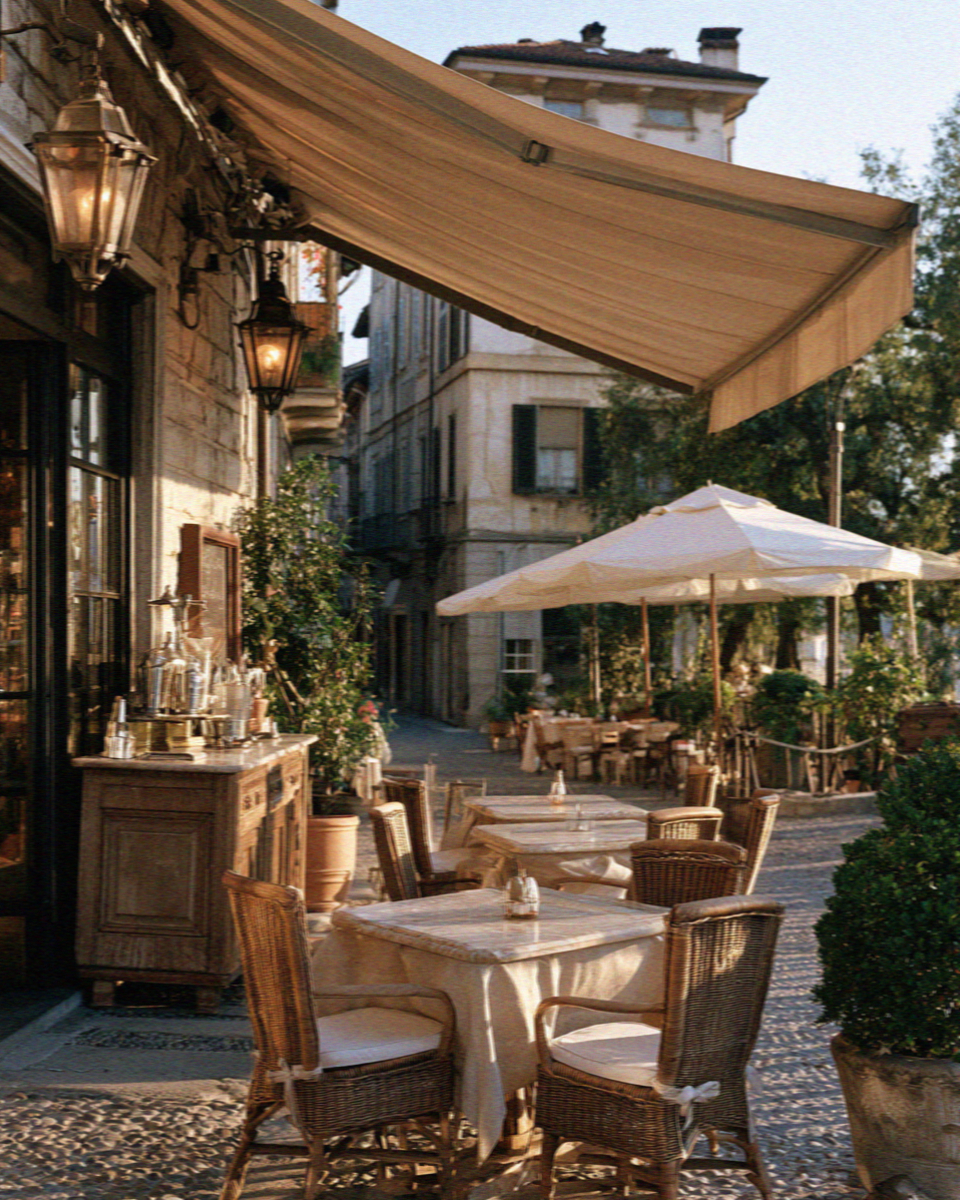
If you have only a day, ride up early, lose the morning in Piazza Vecchia and its churches, climb the Campanone for the view, eat casoncelli somewhere with a terrace, and walk the walls as the light goes gold. If you have two, add the Accademia Carrara down in the lower town, the funicular up to San Vigilio, and a slow evening of aperitivo and stracciatella with nowhere in particular to be. I have written both versions out properly, hour by hour, in the perfect Bergamo itinerary, gathered the loveliest views in my guide to the best photo spots in Bergamo, and, when you are ready to venture further, laid out the lakes and vineyards on the doorstep in the best day trips from Bergamo.
Art, music and the life of the lower town
Give the Città Bassa its due and it will reward you. The Accademia Carrara is the jewel: a compact gallery, born of an eighteenth-century count’s bequest, whose walls hold Raphael, Botticelli, Bellini, Mantegna, Titian and Lotto in serene, unhurried rooms that a city ten times the size would envy. Across the street, the GAMeC answers with modern and contemporary art for those who want the other end of the story. A short walk away, the Teatro Donizetti and the small Museo Donizetti keep faith with the composer who was born poor in a Bergamo cellar and became one of the giants of Italian opera; in November his festival brings his music home. All of it sits among the graceful avenues, the daily market life and the long Sentierone promenade where Bergamo takes its evening stroll. It is the working, living half of the city, and an afternoon down here is the perfect cool counterweight to a morning on the sunlit walls above.
More images from Bergamo









Your Bergamo Guides
Everything here in detail, guide by guide.
- The Best Things to Do in Bergamo
- Where to Stay in Bergamo
- Where to Eat in Bergamo
- The Perfect Bergamo Itinerary
- How to Get to Bergamo
- The Best Time to Visit Bergamo
- The Best Photo Spots in Bergamo
- The Best Day Trips from Bergamo
Bergamo Travel Diaries
And the days themselves, as they happened.
Frequently asked questions
How many days do you need in Bergamo?
One full day is enough to see the Città Alta properly and fall for it; two lets you slow down, add the Accademia Carrara and San Vigilio, and enjoy the upper town in the quiet early and late hours when the day-trippers have gone. If you are using Bergamo as a base for the lakes and Milan, plan three or four nights and treat the city itself as the gentle bookend to busier days out.
Is Bergamo worth visiting, or just a Milan day trip?
It is absolutely worth visiting in its own right, and I would argue it is nicer to sleep in than Milan. You can see it as a day trip by train from Milan in about fifty minutes each way, but staying overnight, when the upper town belongs to the people who live there and the handful of guests clever enough to have booked a room, is a completely different and better experience.
Do you need a car in Bergamo?
No. The airport bus, the trains and the funicular cover everything, and cars are more nuisance than help in and around the walled upper town, much of which is a restricted traffic zone. A car only earns its keep if you plan to roam the quieter valleys and lake shores under your own steam, and even then the trains reach most of the highlights.
Should I stay in the upper town or the lower town?
Stay in the upper town if you possibly can, for the magic of having it early and late; stay in the lower town if you want more choice, lower prices and easy trains. They are only a two-minute funicular ride apart, so whichever you choose, the other is never far.
Is Bergamo expensive?
Happily, no. City transport costs a euro or two, the great churches are free, a plate of casoncelli runs in the low teens of euros, and a cone of that famous stracciatella is a couple of euros well spent. Upper-town hotels command a premium, especially at weekends and during the November opera festival, but the lower town and the shoulder seasons are kind to the budget.