One of Bergamo’s quiet advantages is everything within easy reach of it. Sit in the middle of Lombardy with good trains and roads running in every direction, and the lakes, the vineyards and two great cities are all a short hop away. Here are the day trips I would make, keeping the pretty walled city as my base each night and coming home to it in the evening. For the full picture, start with my complete guide to Bergamo.
Lake Iseo and Monte Isola
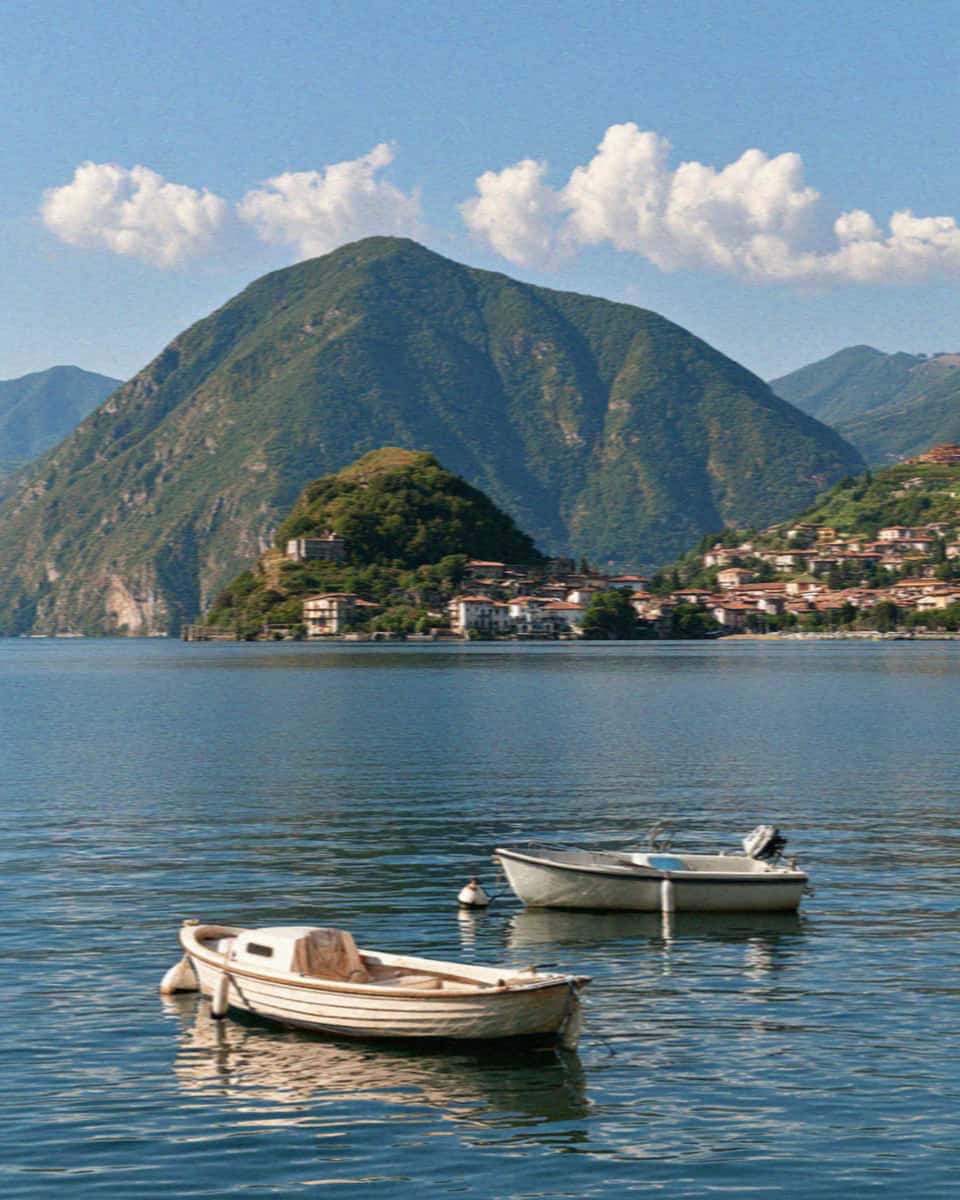
The nearest and most underrated of the lakes, Lake Iseo sits just to the northeast, roughly an hour away, and is far quieter than its famous neighbours. Its great treasure is Monte Isola, the largest lake island in Europe, a car-free hump of fishing villages, olive groves and a hilltop sanctuary that you reach by a short ferry and explore on foot or by rented bike. Spend the morning circling the island, eat a lunch of lake fish by the water, and wander the pretty shore towns of Sarnico, Lovere or Iseo itself. It is a gentle, beautiful day, and the one I would choose first.
Plan Your Visit to Bergamo
A few things I booked and loved. These help support the blog, at no cost to you.
- Where I stayed: search Bergamo hotels
- Rent a car to explore the area
- Stay connected: get a travel eSIM
This section contains affiliate links. If you book through them I may earn a small commission, at no extra cost to you.
Franciacorta wine country
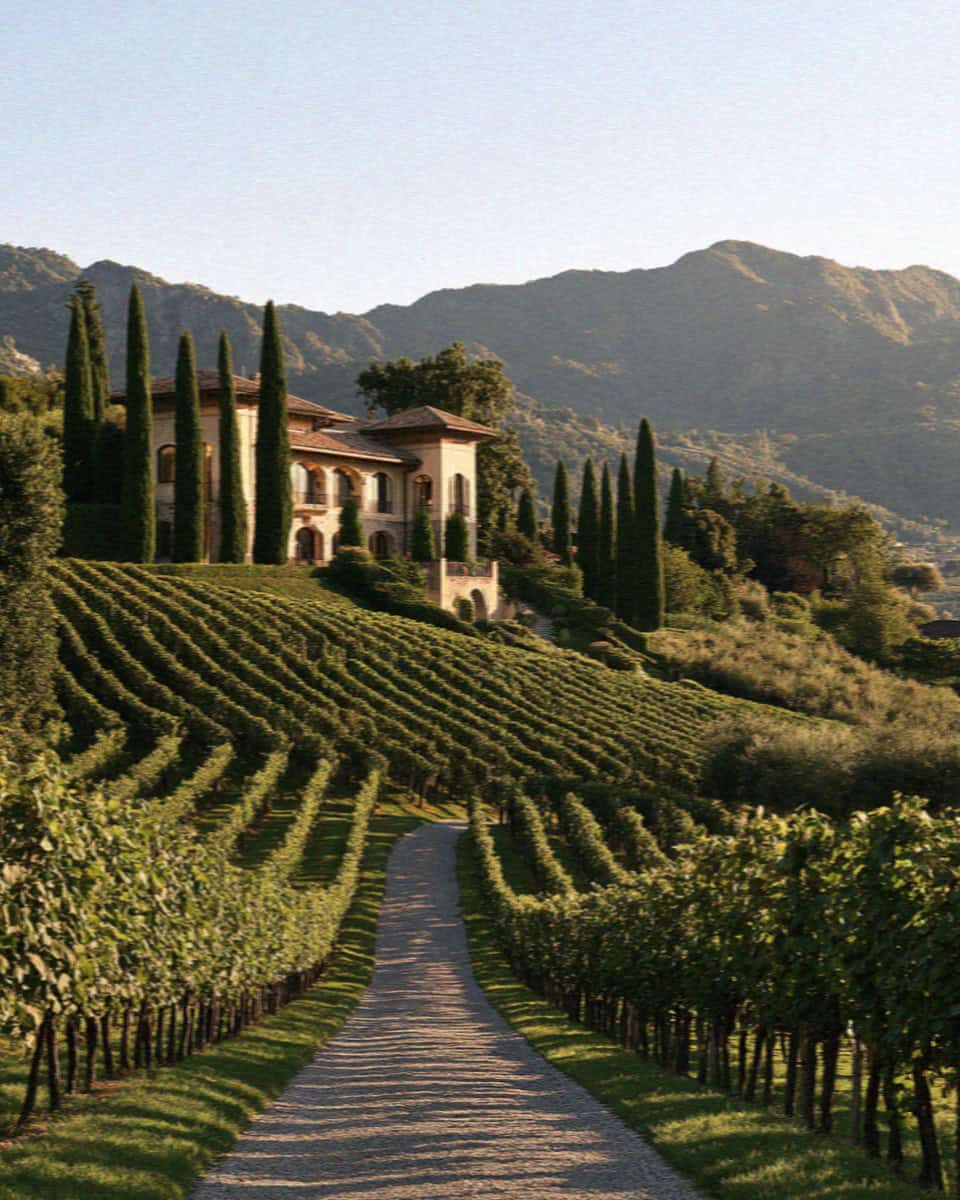
Just south of Lake Iseo lies Franciacorta, the home of Italy’s finest bottle-fermented sparkling wine, a rolling landscape of vineyards, cypresses and elegant cellars. A day here is a slow, delicious one: a couple of winery visits with tastings, a long lunch among the vines, and a bottle or two of those fine bubbles to bring home. It pairs naturally with Lake Iseo if you have a car, the two sitting side by side, and it makes a wonderful contrast to the mountains and the medieval stone of the city.
Lake Como
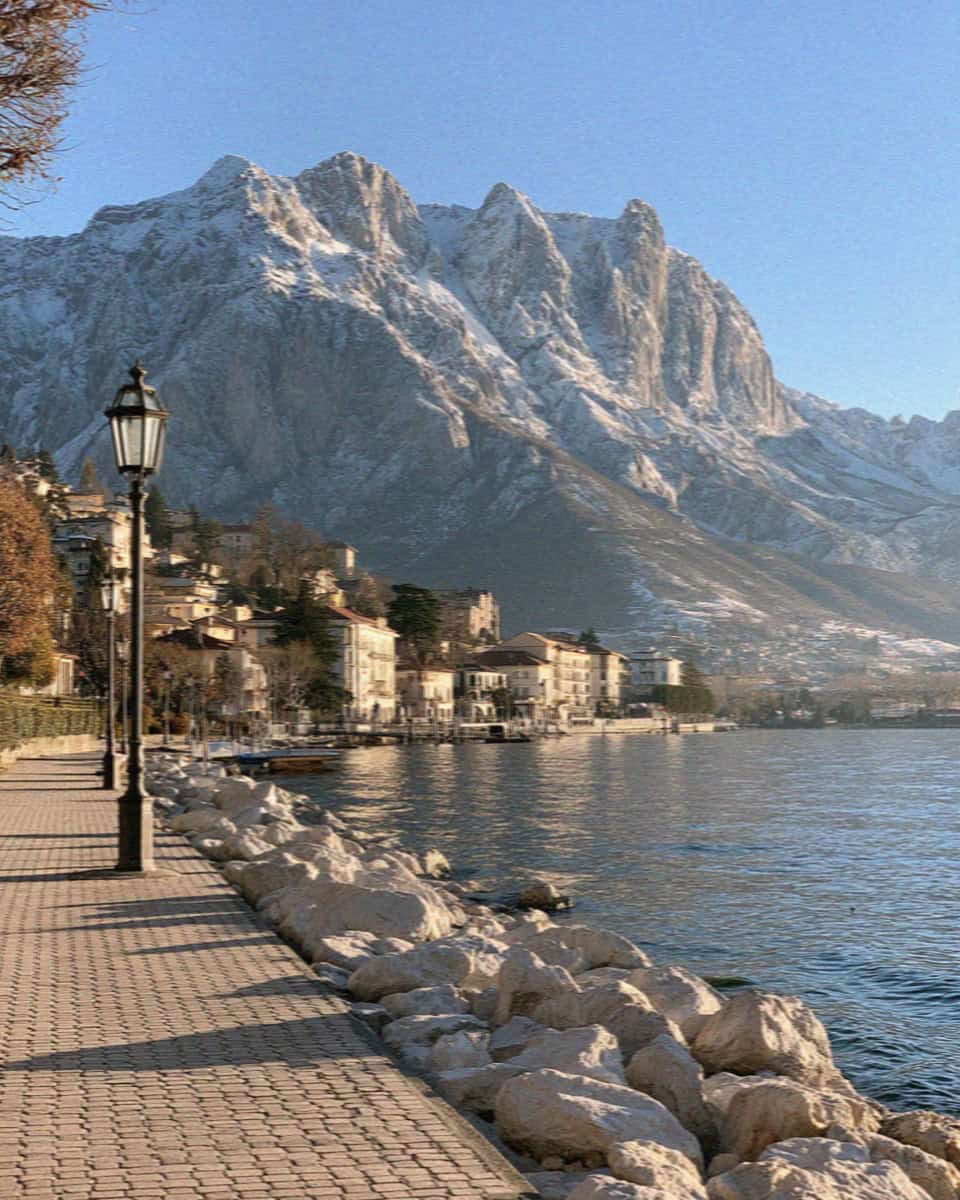
The most famous of the lakes is within reach too. Lake Como takes a little more effort from Bergamo, but the closer, quieter Lecco arm is the sensible target for a day: mountain-ringed water, handsome lakeside towns, and a fraction of the crush that descends on Bellagio and the Como-town side. Travel light, give it a full day, and enjoy a Como that feels more like the locals’ lake than the postcard.
Milan
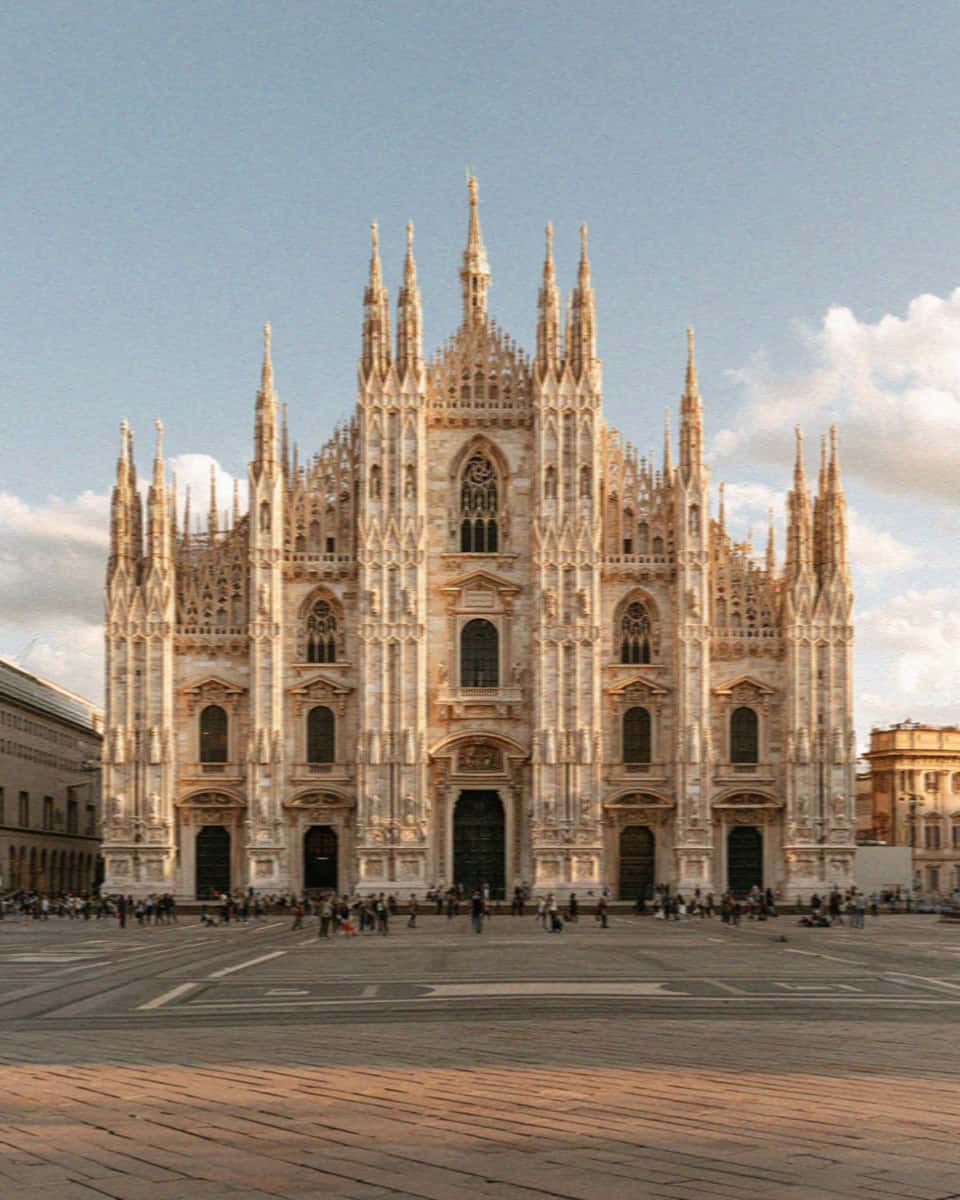
Italy’s capital of fashion and finance is only about fifty minutes by train, which makes a day in Milan effortless: the pinnacled Duomo and its rooftop terraces, the glittering Galleria, Leonardo’s Last Supper if you have booked well ahead, the great shopping and the aperitivo scene. It is the perfect big-city contrast to little Bergamo, and you will be quietly glad to ride back up the hill to the quiet in the evening.
Brescia
Bergamo’s sister city, Brescia, is a similar short train ride to the east, and the two shared the title of Italian Capital of Culture in 2023. Brescia is bigger, less visited and full of surprises, from a remarkably preserved Roman forum and temple and the vast monastery complex of Santa Giulia to a hilltop castle with views over the plain. It makes a rewarding, refreshingly crowd-free day out for anyone who likes their history hands-on.
Crespi d’Adda
For something completely different, the UNESCO-listed Crespi d’Adda, a remarkably preserved late-nineteenth-century company town built for the workers of a cotton mill, sits a short drive southwest on the river Adda. Its neat terraces, villas, church and factory, all laid out by a paternalistic industrialist, offer a fascinating, off-the-beaten-track half day for anyone curious about how people once lived and worked.
San Pellegrino Terme and the valleys
North of the city, up the green Val Brembana, lies San Pellegrino Terme, the spa town whose name you know from the water bottles, a faded Art Nouveau charmer of grand hotels and a magnificent Liberty-style casino and bath house. It is a lovely, nostalgic drive or train ride into the mountains, and can be combined with the wider Bergamo valleys and towns like handsome Clusone, with its astronomical clock, for a day among the peaks that ring the city.
Getting to the lakes and cities by train
Most of these trips are easy without a car. Milan and Brescia are each about fifty minutes by frequent regional train. Lake Iseo is roughly an hour, usually with a change at Brescia, arriving at the lakeside town of Iseo with its ferries to Monte Isola. The Lecco arm of Lake Como is around forty minutes to an hour on the direct regional line north. Buses fill in the smaller lake towns and some of the valleys. Only Franciacorta and the deeper countryside really reward a car, since the wineries and the quieter shores are spread out and gentler to reach on four wheels; if you plan a wine day, hire one, and choose a designated driver.
Bergamo’s own backyard: the valleys
Do not overlook the mountains at the city’s back. Up the Val Brembana lies the Art Nouveau spa town of San Pellegrino Terme; the Val Seriana leads to handsome Clusone, with its famous astronomical clock and frescoes, and on toward the peaks of the Presolana, with cable cars, gentle walks and cool summer air. These are the local escapes, greener and quieter than the lakes, and a lovely way to see the landscape that shaped Bergamo’s mountain cooking.
A perfect Lake Iseo day, step by step
If you take only one trip, here is how I would spend it. Catch a mid-morning train to Iseo or drive to Sulzano, and step straight onto the ferry to Monte Isola. Spend a couple of hours circling the car-free island on foot or by rented bike, past fishing nets drying in the sun and olive groves climbing the slopes, and pause for a plate of lake fish and a glass of local wine at a waterside trattoria in one of the little harbours. In the afternoon, cross back and wander the pretty lakefront of Iseo, or ride up to elegant Lovere at the northern end, before an easy journey home to Bergamo in time for aperitivo on the walls. It is a slow, sunlit, gloriously uncrowded day, and it is why Lake Iseo is the trip I press on everyone.

Further afield: Verona and Cremona
With an early start, you can reach further. Verona, the city of Romeo and Juliet, the great Roman Arena and the pretty streets along the Adige, is around an hour and a half to two hours by train and makes a rewarding, if fuller, day. And to the south, quiet Cremona is the home of the violin, where the workshops of master luthiers still carry on the craft of Stradivari, and a wonderful museum tells the story. Neither is a lazy trip from Bergamo, but both are within reach if you are happy to make a proper day of it.
How to reach them, and which to choose
Most of these are reachable by train or bus from Bergamo, though a car opens up Franciacorta, the quieter lake shores and the valleys most freely. If you have one day, I would take Lake Iseo and Monte Isola; if you have wheels and a taste for wine, add Franciacorta; if you want a city, choose Milan for the icons or Brescia for the surprises. Sort your wheels or rails with how to get to Bergamo, and when you are back in the city, pick up the threads with the best things to do in Bergamo.