Assisi is one of those rare hill towns that lives up to the postcard and then quietly undoes you anyway. It rises in pale pink and cream stone off the flank of Monte Subasio, looking out over the Umbrian valley, and no matter how many photographs you have seen, the first sight of it stops you. I have arrived here in the flat gold of an October afternoon and in the sharp light of a spring morning, and both times the town felt less like a sight to tick off and more like a place that wanted me to slow down. This is my complete guide to Assisi: everything I have learned about when to come, what to see, where to sleep, what to eat, and how to make the town yours for a day or a leisurely long weekend.
It is a small place, walkable end to end in twenty-odd minutes if you never stopped, though you will stop constantly. It is also a serious pilgrimage town, the birthplace of St Francis and St Clare, which gives it a stillness that other pretty Italian hill towns lack. You feel the difference the moment you step off the busy axis and into a side lane. What follows is the whole picture, section by section, with links down to the deeper guides I have written for each part so you can follow whichever thread pulls at you.
What to book before you come
Assisi is unusual in that its greatest thing is free: entry to the Basilica costs nothing and always has. What a guide buys you here is not access, it is the ability to read a wall.
- The walking tour with the Basilica. Two and a half hours, 4.8 from over three hundred people. The Giotto cycle is twenty eight panels telling one story in order, and most people walk it backwards.
- City highlights and the Basilica together. The same idea with more of the town attached, which suits a single day better.
- A cooking class with local wine. Umbria is the quieter kitchen next to Tuscany and better than it is given credit for.
The Basilica, San Damiano, the Piazza del Comune and the climb to the Rocca are all free. Photography inside the upper church is not allowed, and it is enforced.
Why Visit Assisi
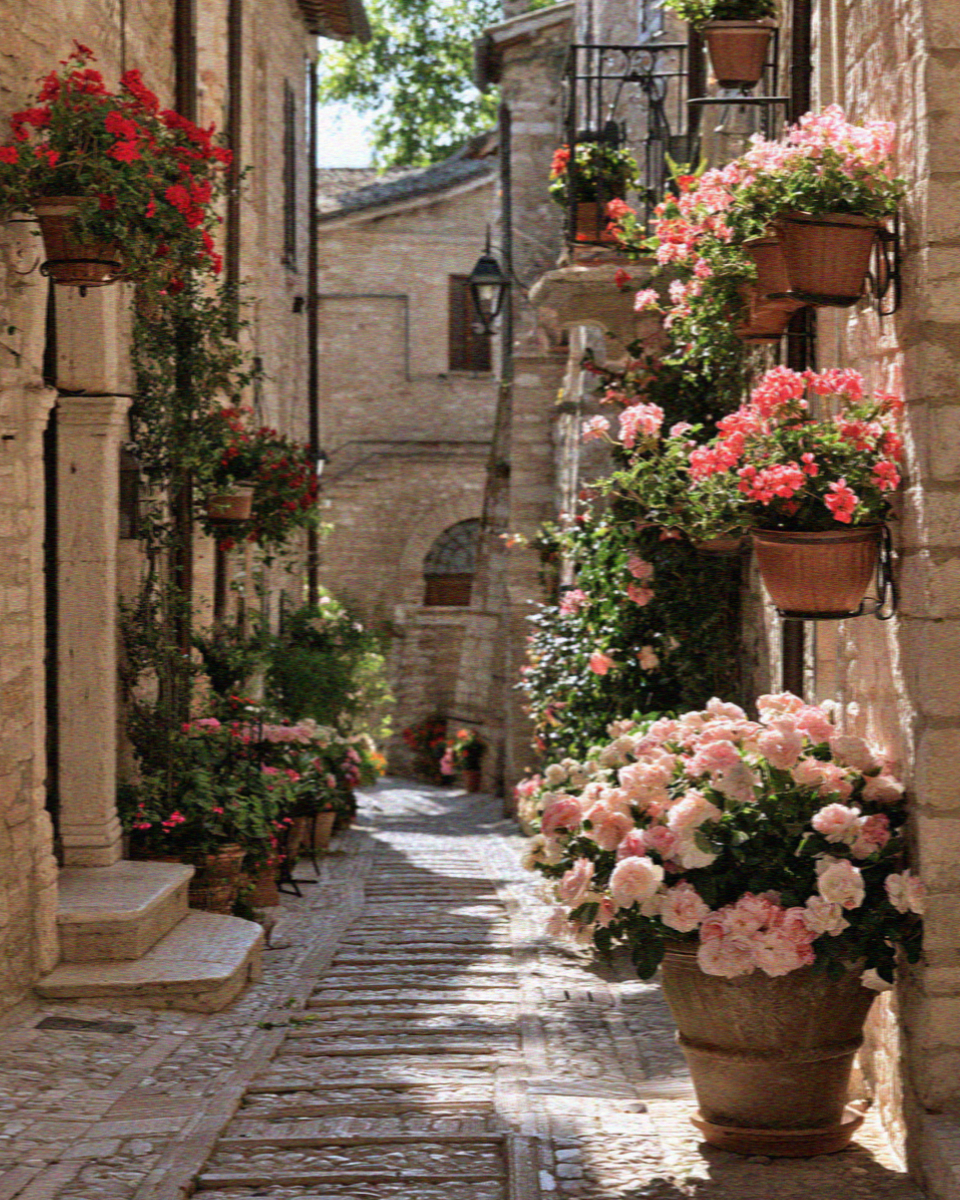
People come to Assisi for the Basilica of San Francesco, and rightly so, but that is only the beginning of why the town holds you. It is a masterclass in medieval urbanism: steep cobbled lanes, sudden arches, geranium-hung windows, and squares that open without warning onto the valley below. The whole historic centre is a UNESCO World Heritage site, and it wears that status lightly, without theme-park polish. There are working churches, quiet convents, a Roman temple still standing in the main square, and a hilltop fortress with a view that goes on for miles.
What sets Assisi apart, for me, is the atmosphere. There is a genuine contemplative quality here that survives even the tour-bus hours, and if you stay overnight, once the day-trippers leave you get the lamplit lanes almost to yourself. It rewards the unhurried traveller. You can see the headline sights in a single well-planned day, but the town is at its best when you give it two, letting mornings and evenings do the work that crowded middays cannot. Come for the art and the saint, stay for the light, the Umbrian food, and the particular hush of a town built for reflection.
There is also something restorative about a place this small and this coherent. Nothing here jars; the stone, the arches, the shutters and the geraniums all belong to one another, and the town has been loved and lived in continuously for the better part of a thousand years. You are never more than a few minutes from a view that opens onto the valley, never far from a bench in the shade or a church you can slip into for a moment of cool and quiet. For a traveller who has spent too long in cities that never stop, Assisi is a deep breath. That, as much as the frescoes, is why I keep going back.
Plan Your Visit to Assisi
A few things I booked and loved. These help support the blog, at no cost to you.
- Where I stayed: search Assisi hotels
- Tickets and things to do in Assisi
- Rent a car to explore the area
- Stay connected: get a travel eSIM
This section contains affiliate links. If you book through them I may earn a small commission, at no extra cost to you.
Best Time to Visit
If you can choose your dates freely, come in April to May or September to October. Those shoulder months are the sweet spot: mild days in the high teens and low twenties, walkable weather, moderate crowds, and gentler prices than the summer peak. Spring brings the valley into leaf and hangs the town with geraniums; early autumn holds soft warm light and the first of the truffle and wine season. I have a soft spot for late September, when the air is clear and the crowds have thinned but the terraces are still open for an evening aperitivo.
Summer, June through August, is the hottest and busiest stretch, often pushing well past thirty degrees in July and August, with the highest prices and the largest pilgrim numbers. Winter, December to February, swings the other way: cold, quiet, cheap, and quietly beautiful in the Nativity season, though some hours shorten. Do factor in the big dates. Easter week brings solemn processions, the medieval Calendimaggio festival lights up early May (2026 falls on 6 to 9 May), and the Feast of St Francis on 3 to 4 October is the single biggest religious event of the year and packs the town. For the full month-by-month breakdown, including what to expect from each season and how the festivals shift the crowds, read my guide to the best time to visit Assisi.
Top Things to Do
The essentials cluster along one gently climbing spine, which makes Assisi wonderfully easy to plan. At the lower, western end stands the Basilica of San Francesco. From there the town rises through Via San Francesco to Piazza del Comune, the main square, and on up to the Basilica of Santa Chiara and Piazza Matteotti at the top. Walk that axis and you have seen the bones of the town, with everything else hanging off it in side lanes and stairways.
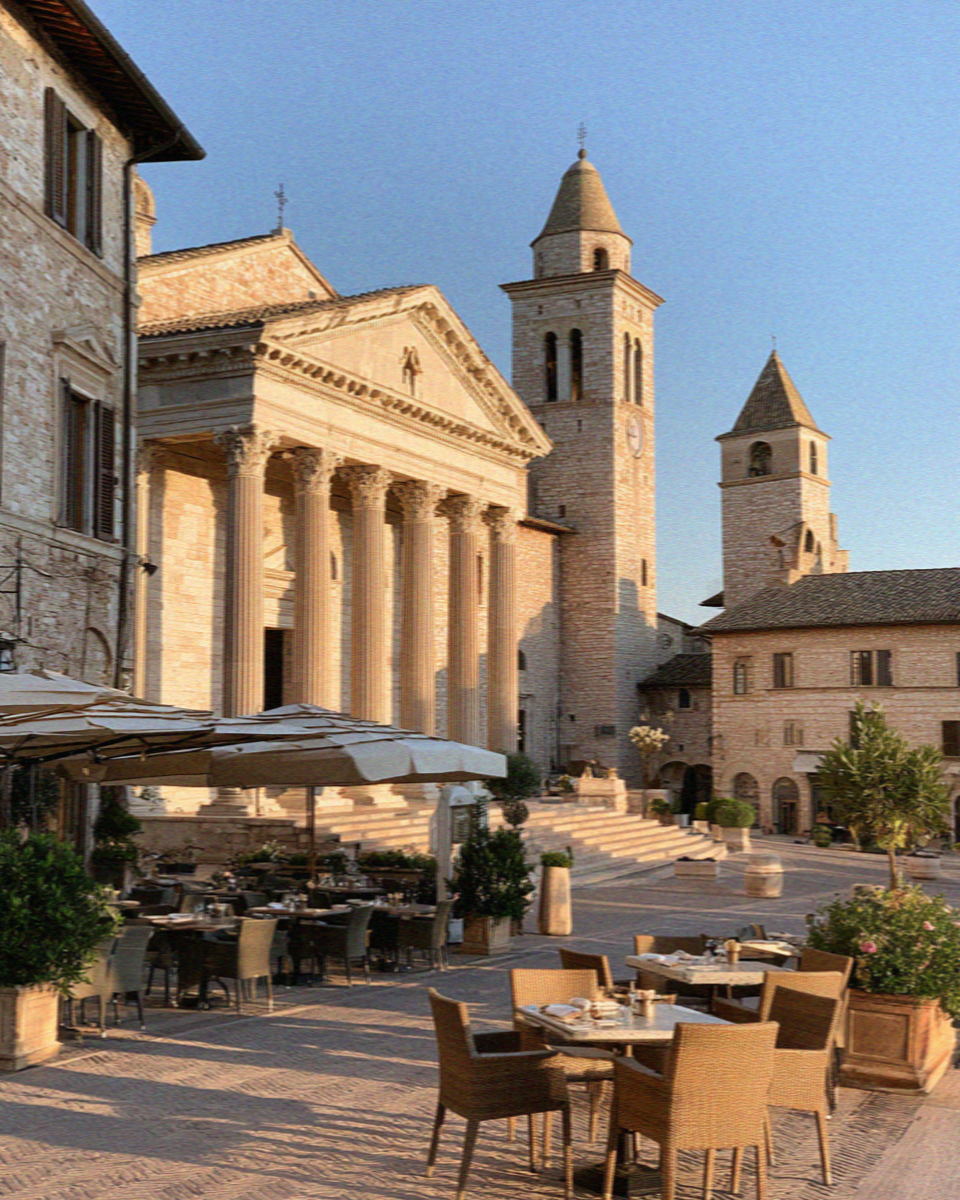
Piazza del Comune is the beating heart, laid over the old Roman forum, and its showpiece is the Temple of Minerva: a first-century BC Roman temple with six intact Corinthian columns, now a church called Santa Maria sopra Minerva, free to enter. The cafe terraces here face those columns, and there is no better spot for a morning coffee before the crowds arrive or an evening aperitivo as the light softens. Up at the top of town, the Basilica of Santa Chiara holds the original San Damiano Crucifix, the very one said to have spoken to St Francis, and its terrace gives you one of the best valley views in Assisi, all for free. For the energetic, the Rocca Maggiore fortress crowns the hill with a near-360-degree panorama over the rooftops, the Basilica and the valley toward Perugia; entry runs around eight euros, and the climb is steep but worth it. These are the headliners, but there is far more, and I have gathered it all, with opening tips and how to sequence them, in my guide to the best things to do in Assisi.
The Basilica of San Francesco
If you visit only one thing in Assisi, it is this. The Basilica of San Francesco is really two churches stacked together, and understanding that before you go makes the visit far richer.
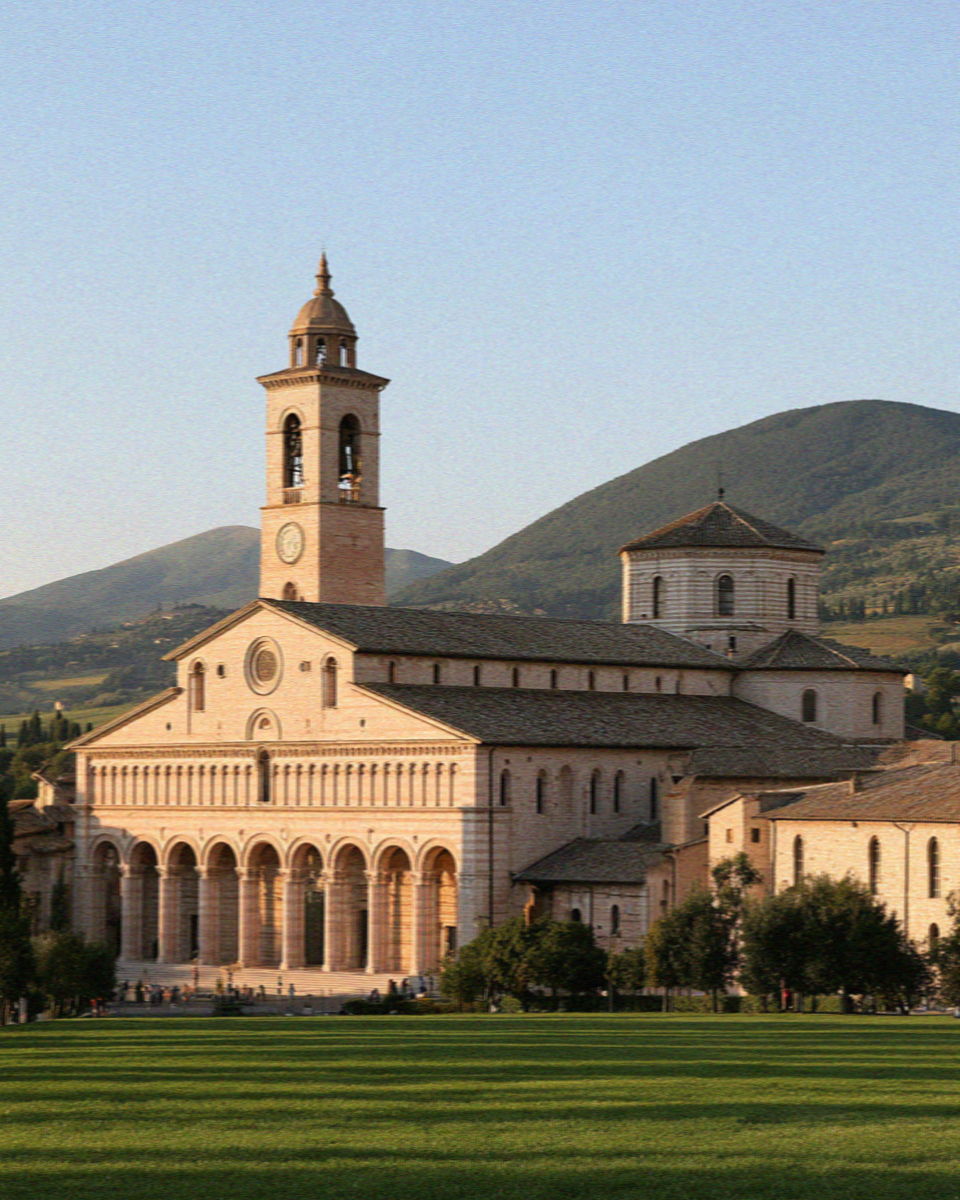
The Upper Church is bright and Gothic, a single soaring nave, and its walls carry Giotto’s astonishing twenty-eight-scene “Legend of St Francis” cycle along with work by Cimabue in the transept. It is one of the foundational monuments of Western painting, and standing in it feels like watching art step out of the flat medieval world into something recognisably human. The Lower Church below is darker, older and Romanesque, layered with masterpieces by Cimabue, Simone Martini and Pietro Lorenzetti; beneath it lies the crypt with the tomb of St Francis himself, a genuinely moving place. Entry to the whole complex is free.
A few practical things matter here. The dress code is enforced: shoulders and knees must be covered, for everyone. There is no photography inside, to protect the frescoes, so leave the camera in your bag and simply look. Give yourself one to two hours. The Upper Church runs roughly 08:30 to 18:00 in winter and closer to 18:50 in summer, while the Lower Church and Tomb open earlier, from around 06:00. To dodge the tour-bus crush, go right at opening or in the late afternoon, which also happens to be when the exterior and the lower plaza catch their best golden light, as the complex faces southwest. For the full walk-through, the story behind each fresco cycle and exactly how to time your visit, see my dedicated Basilica of San Francesco guide.
Where to Stay
Where you sleep in Assisi shapes the whole trip, and the first decision is simple: inside the walls or down in the valley. The historic centre gives you atmosphere, walkability and those magical emptied-out evenings, but driving in is restricted by a camera-enforced ZTL zone. The valley, around Santa Maria degli Angeli, trades charm for easy parking and train access. I almost always choose the centro storico and let the car sit in a lot below the walls.
For a splurge, the NUN Assisi Relais & Spa Museum is remarkable: an 18-suite five-star inside a 13th-century former monastery, with an underground spa set among first-century Roman thermal ruins, from roughly 350 euros and up. For something more attainable and still central, the Giotto Hotel & Spa is my pick for drivers, a four-star relais near the Basilica di San Francesco with a panoramic terrace and, crucially, its own parking, from around 110 to 220 euros. The Fontebella Palace Hotel offers elegant traditional rooms in a restored patrician mansion on Via Fontebella. If you are travelling by car with family and want space and easy access, the BV Grand Hotel Assisi sits down in the valley about 25 minutes’ walk below the old town. And for something quieter and cheaper, many convents and monasteries host guests in simple rooms with gardens and curfews, bookable through MonasteryStays.com. One note: ignore any old listings for the Hotel Subasio beside the Basilica, as it is closed and not bookable. For the full comparison of neighbourhoods, parking and every property, read my guide to where to stay in Assisi.
Where to Eat and Drink
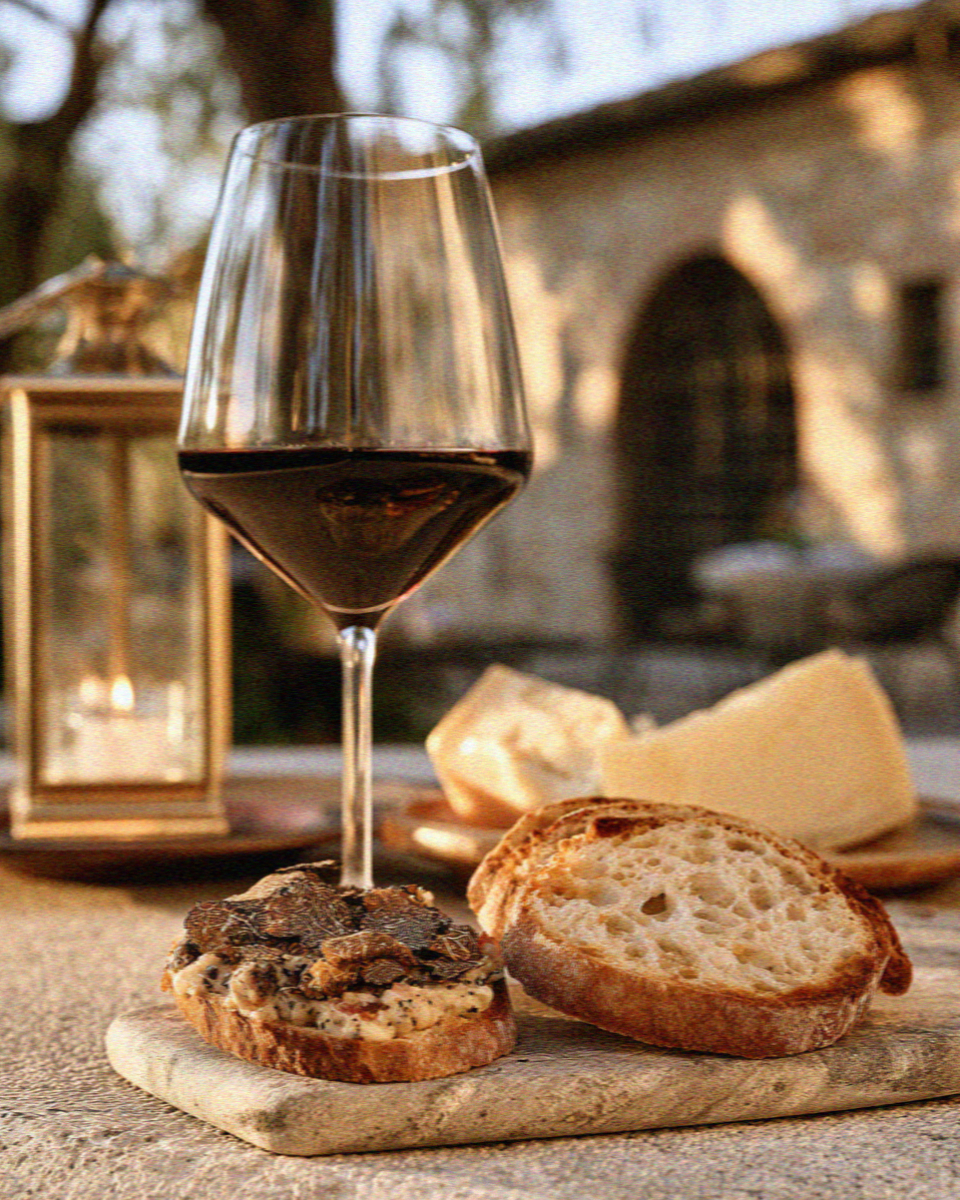
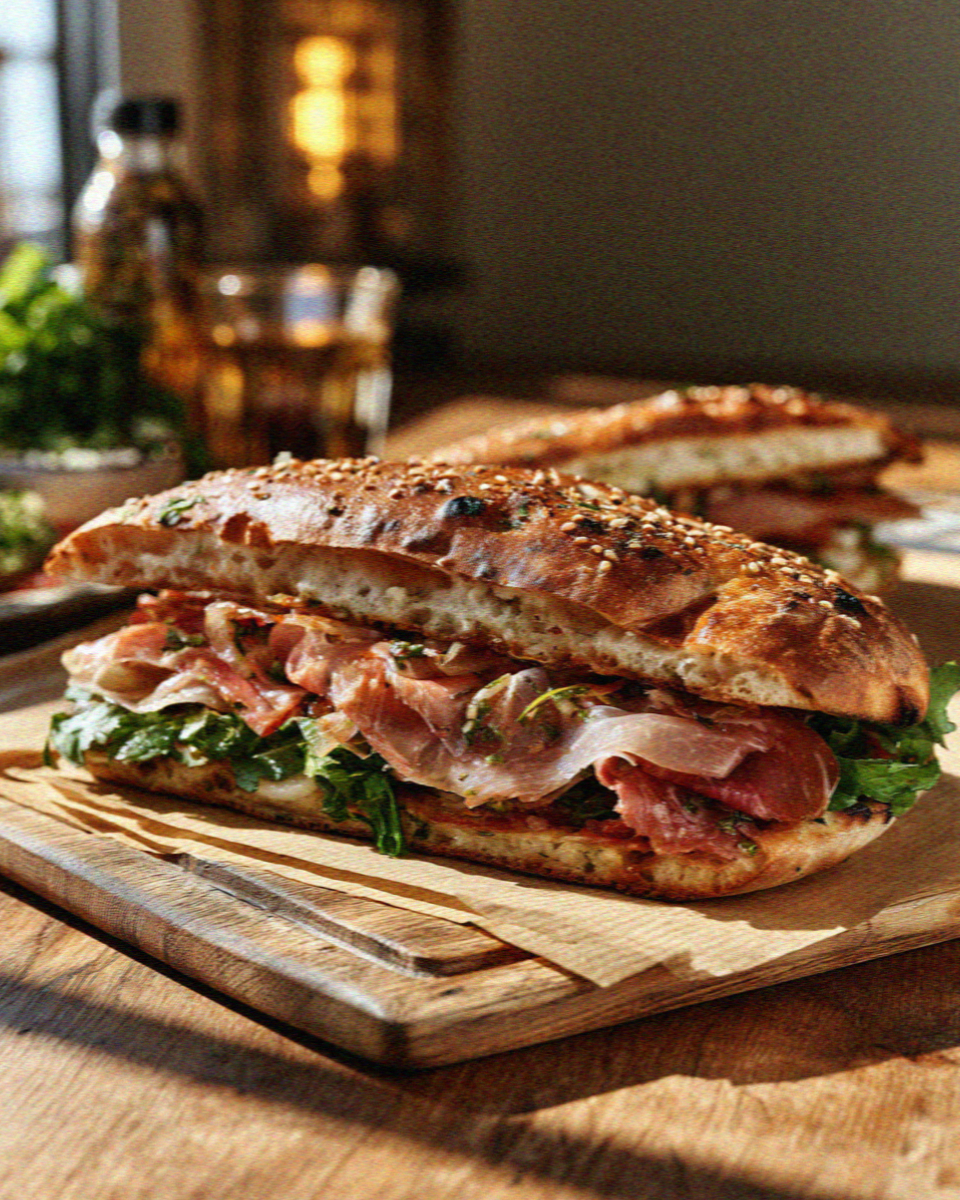
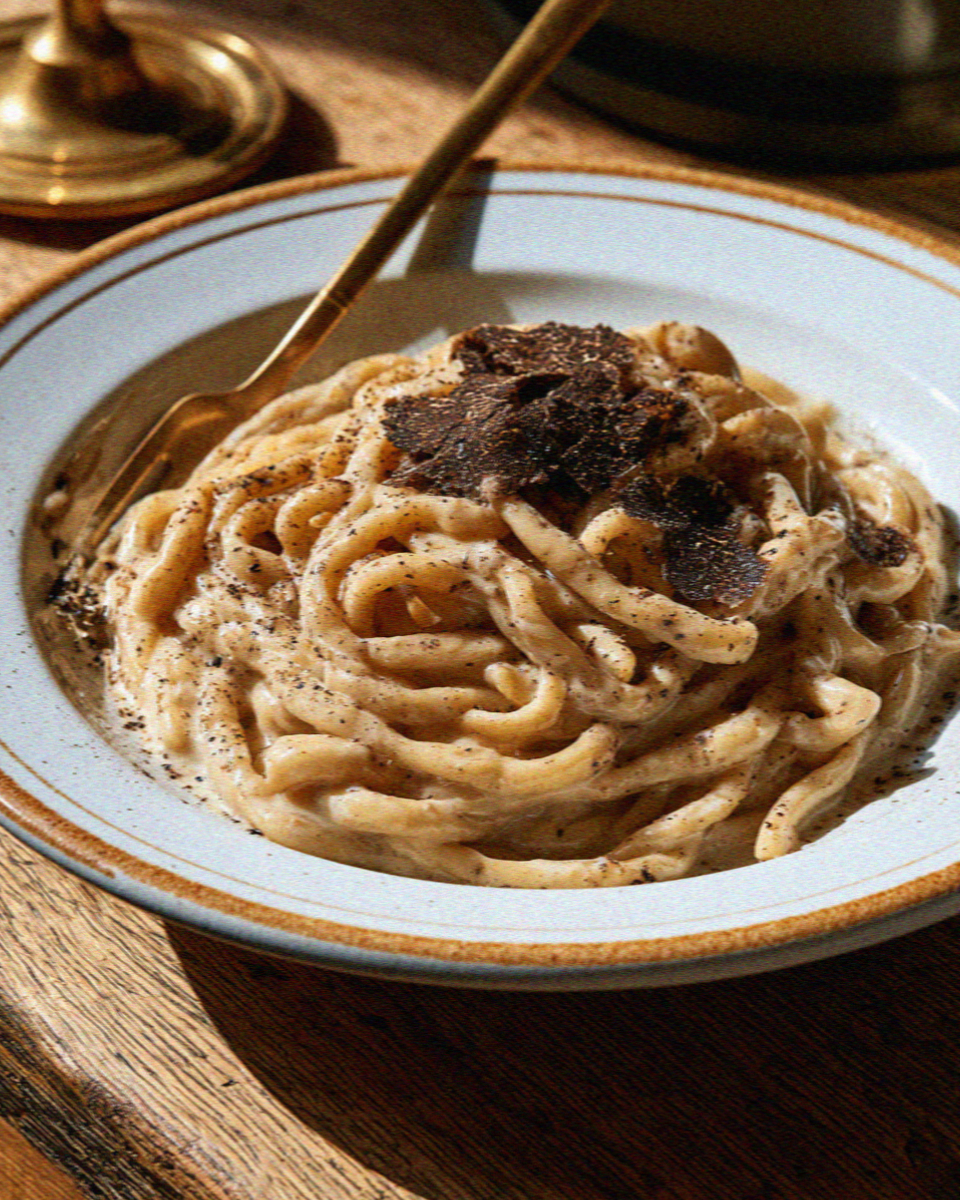
Umbrian food is honest, earthy and deeply satisfying, built on a handful of local specialities you should seek out. Order strangozzi, the hand-rolled eggless “shoelace” pasta, dressed with black truffle, tomato or a wild-boar ragu. Try torta al testo, the griddled flatbread split and filled with salumi or sausage and greens, which is the true everyday staple of Assisi. Look out for black truffle in season, Norcia cured meats, and rocciata, a rolled apple-and-nut pastry. Wash it all down with a bold Sagrantino di Montefalco red or a crisp local Grechetto white.
For where to actually sit down, my reliable favourites cover the range. Trattoria Pallotta, just off Piazza del Comune, is a long-running family trattoria doing classic Umbrian home cooking, strangozzi, pigeon, rabbit and torta al testo. Osteria Piazzetta dell’Erba is a slightly more modern osteria on a small square nearby, seasonal and good value. For a special evening, La Locanda del Cardinale serves refined creative Umbrian cooking over an excavated Roman domus with visible mosaics beneath a glass floor, and it is Michelin-listed. Bar Ristorante Metastasio has a scenic panoramic terrace, and for wine, Bibenda Assisi on Via San Rufino runs guided tastings of Umbrian wines with truffle, salumi, cheese and oil. The cafe and aperitivo scene clusters on Piazza del Comune, facing the Temple of Minerva. For all my picks, dish by dish and place by place, see my guide to where to eat in Assisi.
Hidden Gems: Eremo delle Carceri and San Damiano
The two places that stayed with me longest are the two that most day visitors miss, and both are free. Give them the time and they repay you with the real, contemplative Assisi that the busy central axis can hide.
The Eremo delle Carceri is a forest hermitage clinging to Monte Subasio about four kilometres above the town, built around the grotto where St Francis withdrew to pray. It is hushed and green and utterly removed from the crowds, one of the most atmospheric spots in the whole area. You reach it by car or taxi, with parking on site, or on a steep one-to-one-and-a-half-hour walk up from Porta Cappuccini; there is no regular city bus, so plan accordingly. In summer it opens roughly 06:15 to 19:00, closing over the middle of the day from about 12:45 to 14:30.
San Damiano sits the other direction, a short 15-to-20-minute walk downhill below the walls from Porta Nuova. This small convent and church is where the crucifix first spoke to Francis, where St Clare and the Poor Clares lived, and where Francis composed his Canticle of the Creatures. It is deeply atmospheric and far quieter than the great basilicas, with the church open roughly 06:15 to 12:00 and 14:00 to 19:45. If you have half a day to spare and want to feel why this town became a pilgrimage site, go to one or both of these. They are the antidote to the crowds.
Photography
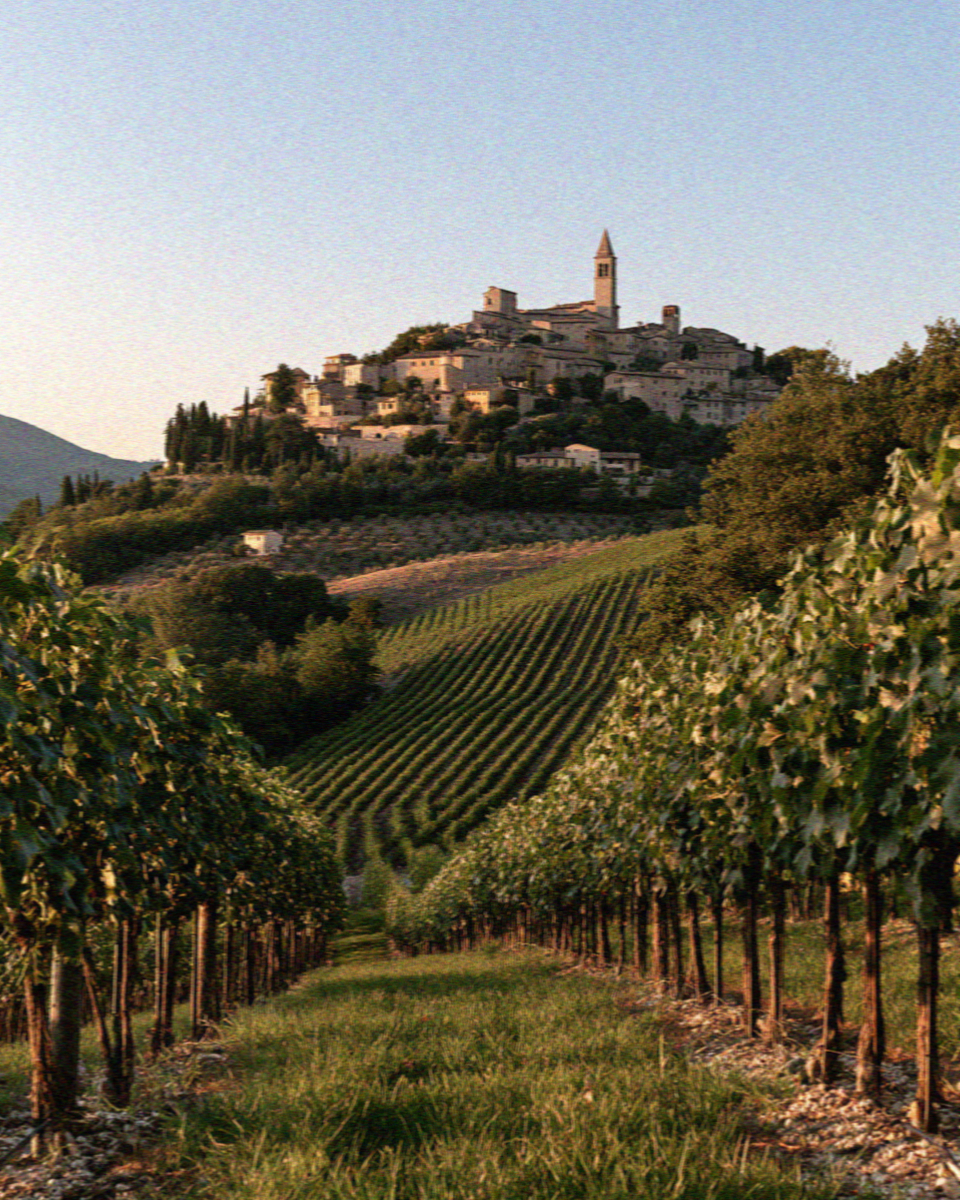
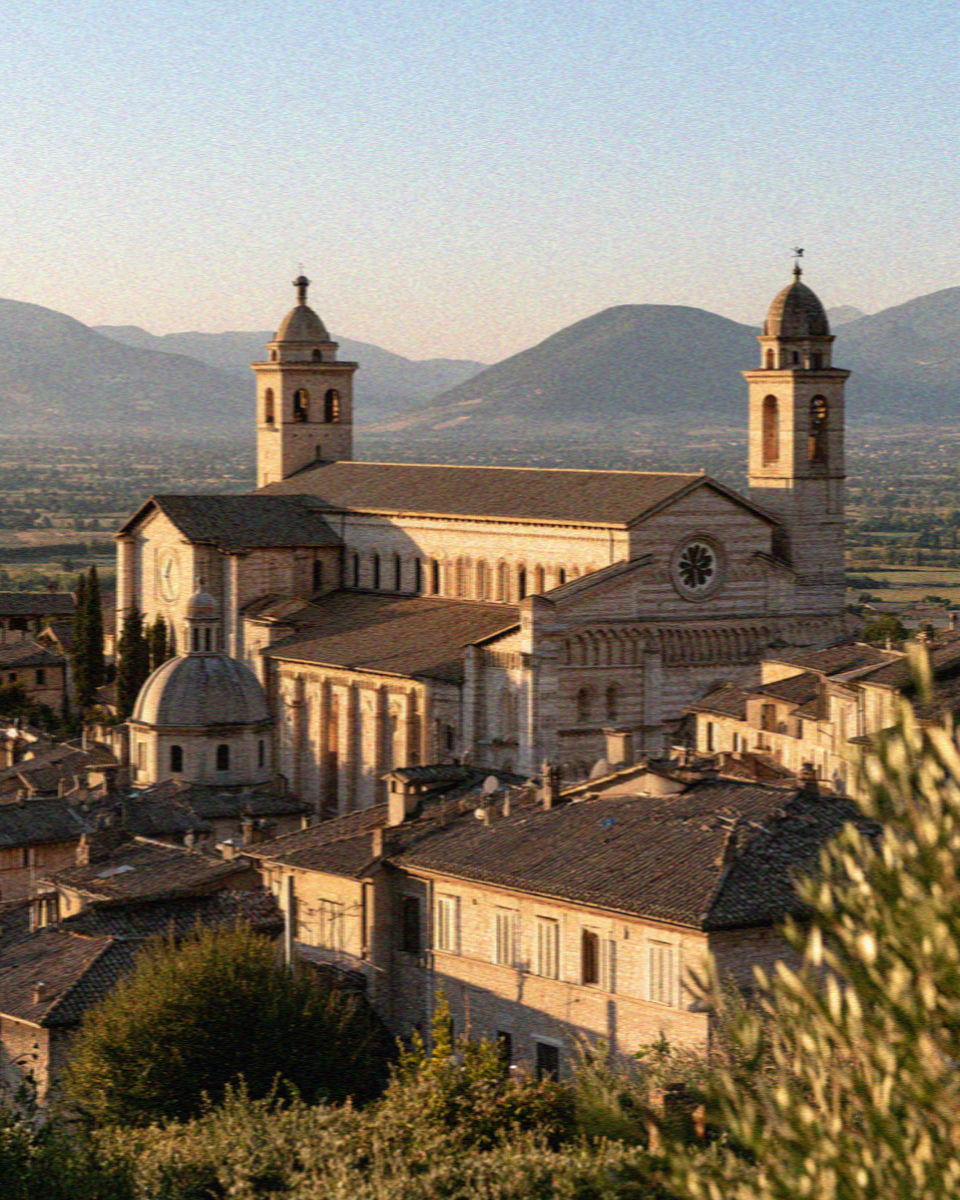
Assisi is a photographer’s town, and its pale limestone takes light beautifully, shifting from warm cream at midday to rose gold at dusk. A few spots stand out. The classic shot, the Basilica framed against the sweep of the valley, comes from the Rocca Maggiore and its terrace, and it is best in the afternoon when the light is on the stone. Via San Francesco, the sloping medieval street of stone arches leading down to the Basilica, is a study in receding lines and shadow.
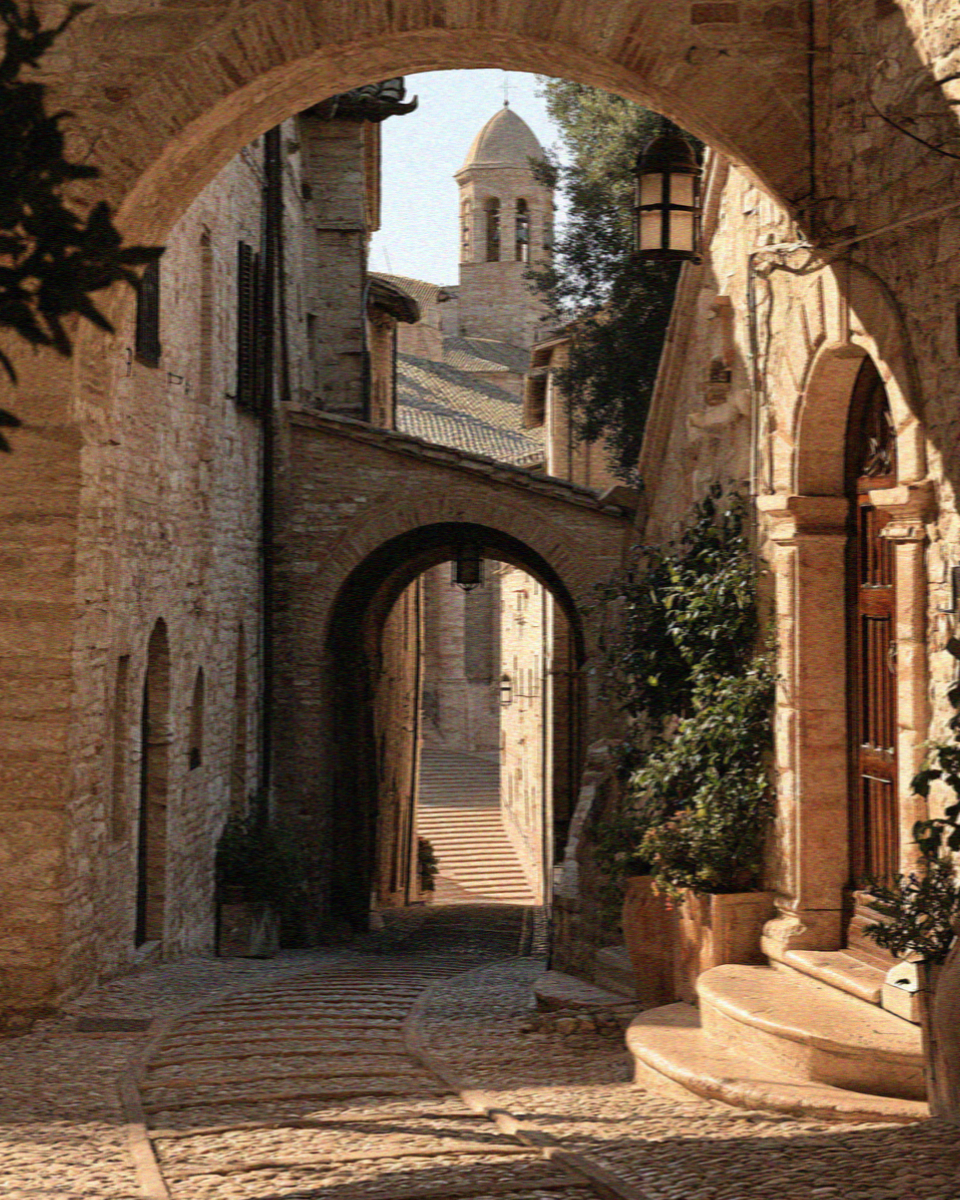
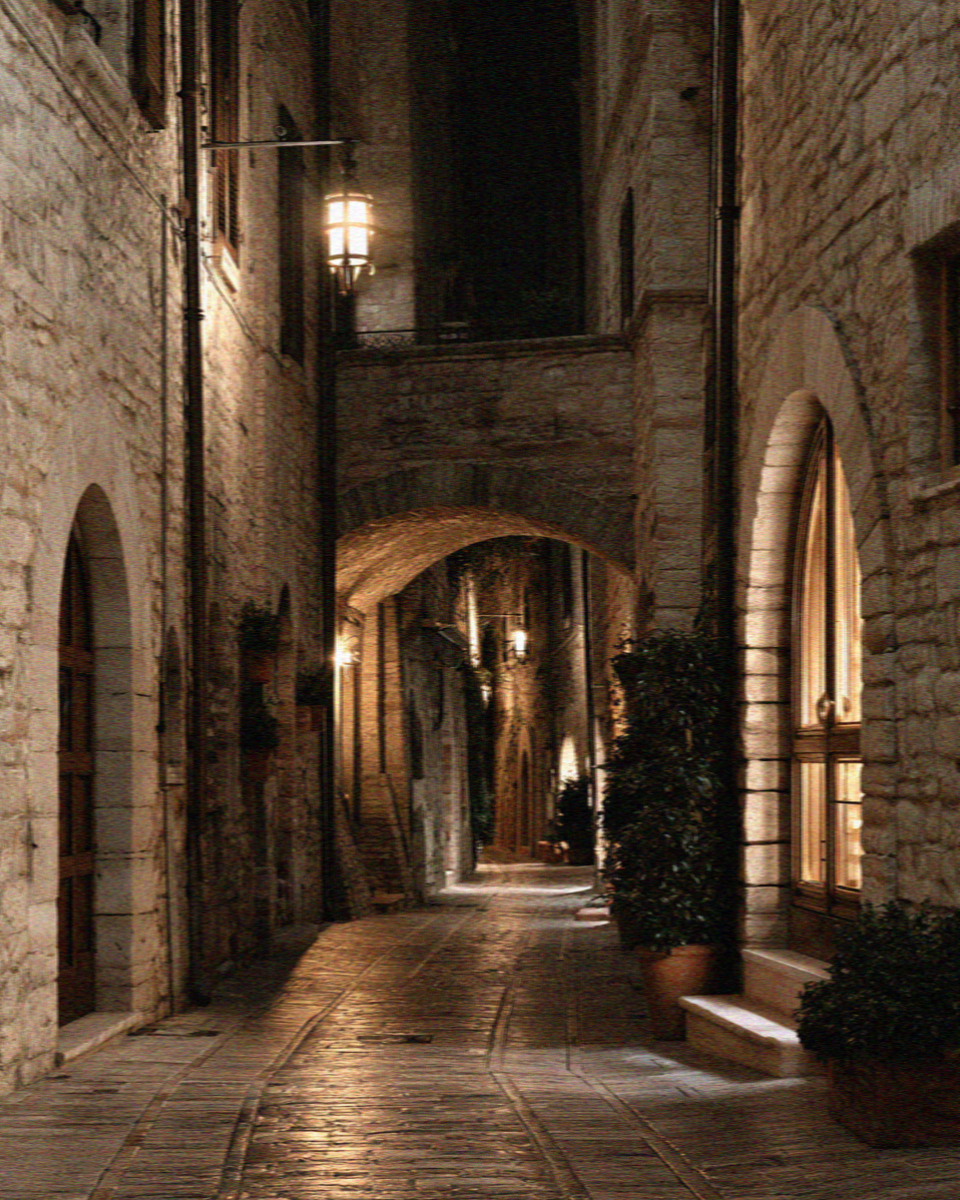
For quieter magic, wander the vicoli, the narrow arched side lanes, at twilight, when the lamps come on and the pale stone glows. The valley panoramas from Santa Chiara’s terrace and from the Basilica’s lower piazza are effortless winners at golden hour, and Piazza del Comune, with its Roman columns, is loveliest in the empty early morning before the terraces fill. Remember there is no photography inside the Basilica of San Francesco, so plan your shots for the exterior and the town. For my full map of viewpoints, the right time of day for each, and how to work the light, read my guide to the best photo spots in Assisi.
A Suggested Itinerary
If you have only one day, here is how I would spend it to get the most out of Assisi without rushing. Arrive early and start at the top or the bottom of the town’s single climbing axis, whichever suits your legs, but begin with the Basilica of San Francesco right at opening, around 08:30, to have Giotto’s frescoes in relative calm before the coaches arrive. From there, walk up Via San Francesco, pausing for coffee, to Piazza del Comune and the Temple of Minerva. Lunch on torta al testo or strangozzi at a trattoria just off the square.
In the afternoon, climb to the Basilica of Santa Chiara for the San Damiano Crucifix and the valley view from its terrace, then push on up to the Rocca Maggiore for the panorama if your legs allow. As the light turns gold, settle onto a terrace on Piazza del Comune for an aperitivo, then let the emptying evening lanes work their quiet magic. With a second day, add the Eremo delle Carceri in the morning and San Damiano in the afternoon, or slot in a valley visit to Santa Maria degli Angeli. For detailed one-day and two-day plans, with timings and walking routes, see my full Assisi itinerary.
Getting There, Around and Day Trips
Getting to Assisi is straightforward, with one wrinkle: the train station is in the valley at Santa Maria degli Angeli, about four to five kilometres below the historic centre, so you will need to transfer up. Bus Line C runs from the station up to Piazza Matteotti in about 15 minutes for roughly 1.30 to 1.50 euros (buy your ticket before boarding), or a taxi runs about 12 to 15 euros. Trains are mostly regional: from Rome expect two to two-and-a-half hours, often changing at Foligno; from Florence about two hours 20 to three hours; and from Perugia just 20 to 30 minutes, hourly. The nearest airport is Perugia’s small San Francesco d’Assisi, though Rome Fiumicino gives the best connections onward.
If you drive, mind the ZTL. The historic centre is a camera-enforced restricted zone with fines around 80 to 100 euros, so park below the walls in one of the Saba lots such as Giovanni Paolo II (closest to the Basilica), Mojano (with a mechanized walkway up) or Porta Nuova (with escalators), at roughly 1.50 to 2 euros an hour. Around town, everything is walkable end to end in 20 to 25 minutes, but the streets are steep and cobbled, so wear proper shoes; escalators help the climb from the lower car parks.
Assisi also makes a superb base for exploring Umbria, which is one more reason to give the town a couple of nights rather than a single day. Spello, the flower town famous for its June Infiorata carpets, is just 12 kilometres away and a 10-minute train ride; Perugia, the regional capital, is 20 minutes on and worth a half-day for its galleries and hilltop old town. Further out lie Montefalco, the “balcony of Umbria” and home of the great Sagrantino wine, medieval Gubbio with its funicular up Monte Ingino, Spoleto with its soaring Ponte delle Torri, and the wide silver of Lake Trasimeno. An easy car loop links Spello, Bevagna and Montefalco in a single unhurried day, while Perugia pairs naturally with the lake. For train times, driving details, parking specifics and my full list of day trips, read my guide to getting to Assisi and the best day trips.
Who Assisi Is For
Assisi is not a town for everyone, and that is part of its charm. It is at its best for the traveller who wants to slow down: for art lovers drawn to Giotto and Cimabue, for anyone with a spiritual or contemplative bent, for couples after a quiet romantic hill-town escape, and for photographers who chase light. If you come expecting nightlife or beach-resort buzz, you will be disappointed; the town goes quiet early and keeps its own gentle rhythm.
It suits solo travellers beautifully, being safe, small and easy to navigate, and it works for families provided everyone can manage the hills and stairs. Pilgrims and the simply curious find it equally rewarding. And it is forgiving of the traveller with limited time, since the essentials sit along one walkable axis, while also generous to those who linger for days. If your ideal trip involves long lunches, unhurried mornings and the sort of beauty that asks you to be still, Assisi will feel like it was made for you.
What to Wear and Pack
Two practical things shape what you bring to Assisi: the churches and the hills. For the churches, and especially the Basilica of San Francesco, the dress code is enforced, so pack clothing that covers shoulders and knees. I always carry a light scarf or shawl I can throw over bare shoulders, which doubles as cover in the cooler stone interiors and against an evening chill. Modest, comfortable layers are the order of the day.
For the hills, good shoes are non-negotiable. The streets are steep, cobbled and full of steps, so leave the smart heels at home and bring supportive flats or trainers you can walk in all day. Beyond that, pack for the season: light breathable clothes and sun protection in summer, warm layers and a waterproof in the cooler months, and a swimsuit if your hotel has a spa. A refillable water bottle, a small daypack and a proper camera round out my kit. Dress with a little care, as Italians do, but choose comfort and cover first, and Assisi will be easy to move through in every sense.
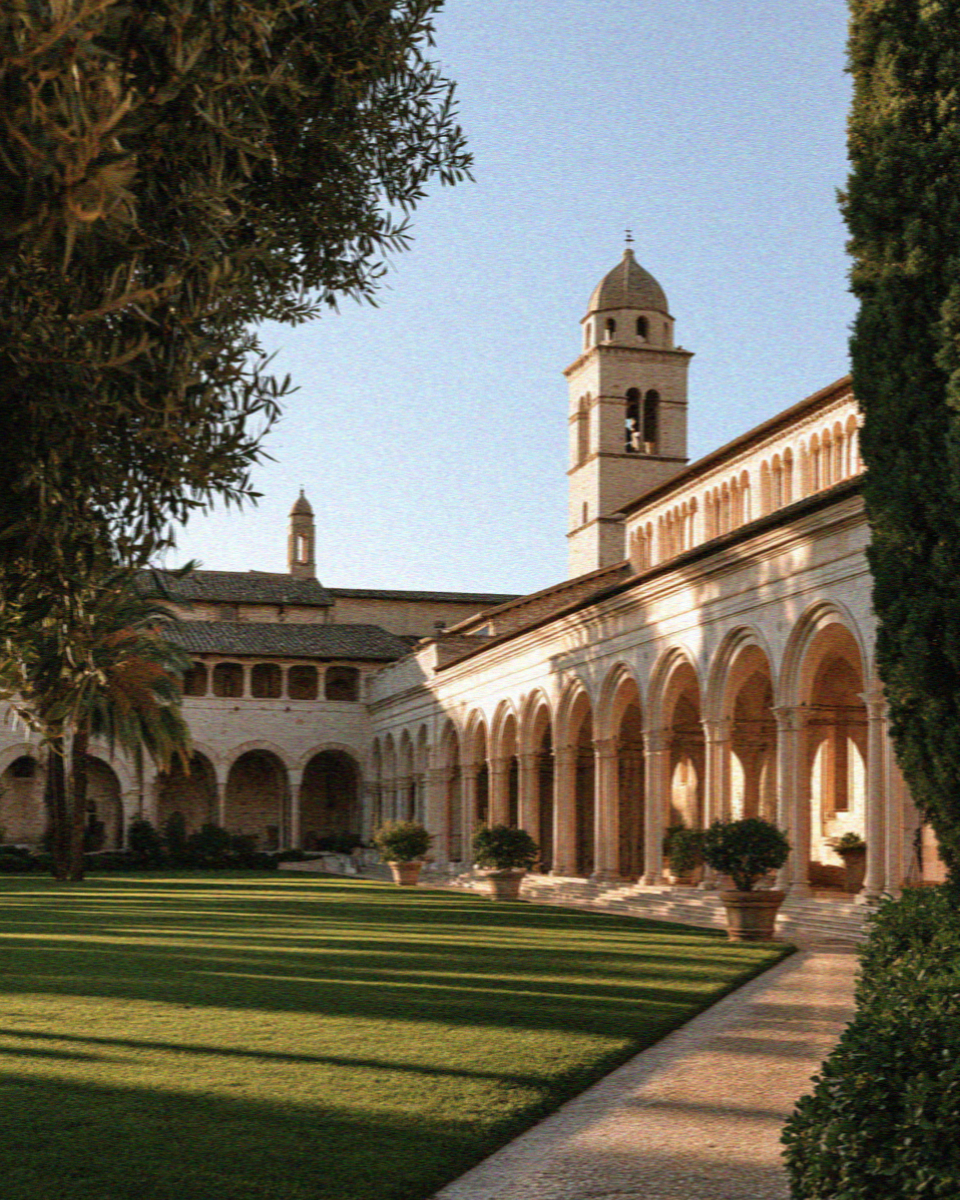
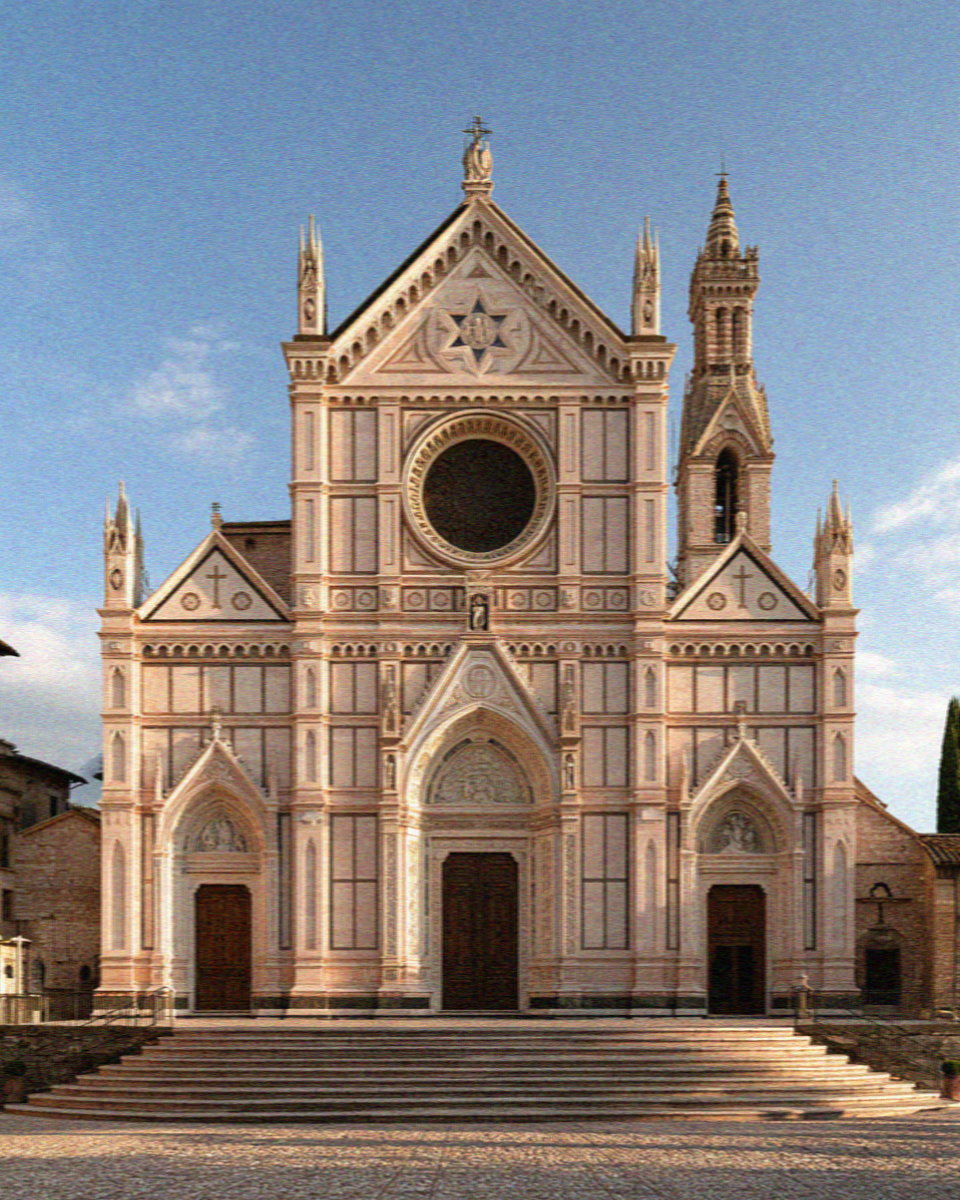
More images from Assisi





Your Assisi Guides
I have written a full guide for each part of a trip to Assisi, so you can go as deep as you like on whatever matters most to you.
- Best things to do in Assisi
- Assisi itinerary
- Where to stay in Assisi
- Where to eat in Assisi
- Best time to visit Assisi
- Best photo spots in Assisi
- Basilica of San Francesco guide
- Getting to Assisi and day trips
- My Assisi journal
Assisi Travel Diaries
Frequently Asked Questions
How many days do you need in Assisi?
One full day is enough to see the headline sights, since they line up along a single walkable axis: the Basilica of San Francesco, Piazza del Comune, Santa Chiara and the Rocca Maggiore. But I would give it two if you can. A second day lets you slow down, reach the hidden gems like the Eremo delle Carceri and San Damiano, enjoy the emptied-out evening lanes after the day-trippers leave, and perhaps take a short trip into the valley or a nearby town.
Is the Basilica of San Francesco free to visit?
Yes, entry to the Basilica of San Francesco is free, including both the Upper and Lower churches and the tomb of St Francis in the crypt. Be aware of two rules: the dress code, covering shoulders and knees, is strictly enforced for everyone, and photography is not allowed inside in order to protect the frescoes. Guided tours can be booked if you want the art explained in depth.
What is the best way to get from Assisi train station to the old town?
The station sits in the valley at Santa Maria degli Angeli, about four to five kilometres below the historic centre, so you will need to transfer up. Bus Line C runs to Piazza Matteotti in the old town in around 15 minutes for roughly 1.30 to 1.50 euros, and you should buy your ticket before boarding. A taxi covers the same trip for about 12 to 15 euros.
If you would rather read the town as a story than a checklist, I have kept a more personal, unhurried account of my days here in my Assisi journal, where the light, the food and the quiet lanes get the space they deserve.