Eating well in Assisi is less about hunting for a hidden gem and more about slowing down enough to notice how good the everyday food is. This is Umbria, the green heart of Italy, and the cooking here is honest and unfussy: hand-rolled pasta, griddled flatbread, black truffle shaved over almost everything, cured meats from nearby Norcia, and big-shouldered red wine from the hills you can see from the town walls. Below are the dishes I order, the trattorias I actually book, and where I go for a glass at golden hour. For the wider picture of the town, this sits inside my complete guide to Assisi.
What to eat in Assisi
If you order one thing in Assisi, make it strangozzi (sometimes spelled stringozzi), the local hand-rolled pasta. It is eggless, cut into thick uneven “shoelaces” that catch sauce beautifully, and it turns up dressed simply with tomato, with a wild-boar ragu, or, best of all, with black truffle. It is rustic and a little chewy and completely the point of eating here.
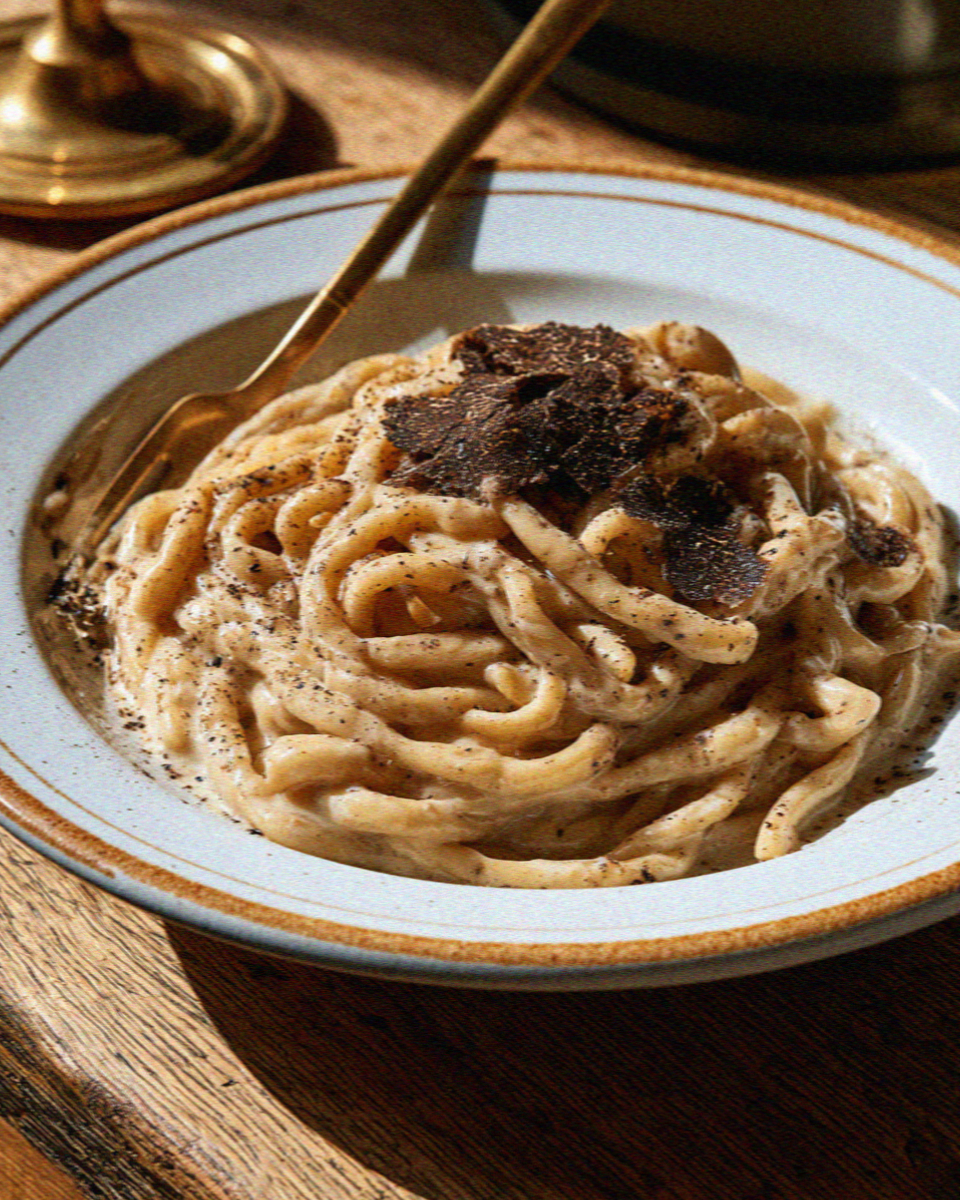
The truffle deserves its own line. Umbria is black-truffle country (tartufo nero), and unlike the eye-watering white truffle up north, it appears generously and affordably here, folded into pasta, layered into a warm flatbread, or shaved over a plate of cheese. Do not be shy about ordering it: this is one of the places in Italy where truffle is a local habit rather than a luxury flourish.
The other essential is torta al testo, the Umbrian flatbread cooked on a hot griddle stone, then split and stuffed. It is the Assisi staple, sold everywhere from proper restaurants to hole-in-the-wall counters, and it is my favourite quick lunch when I do not want to sit down for two hours.
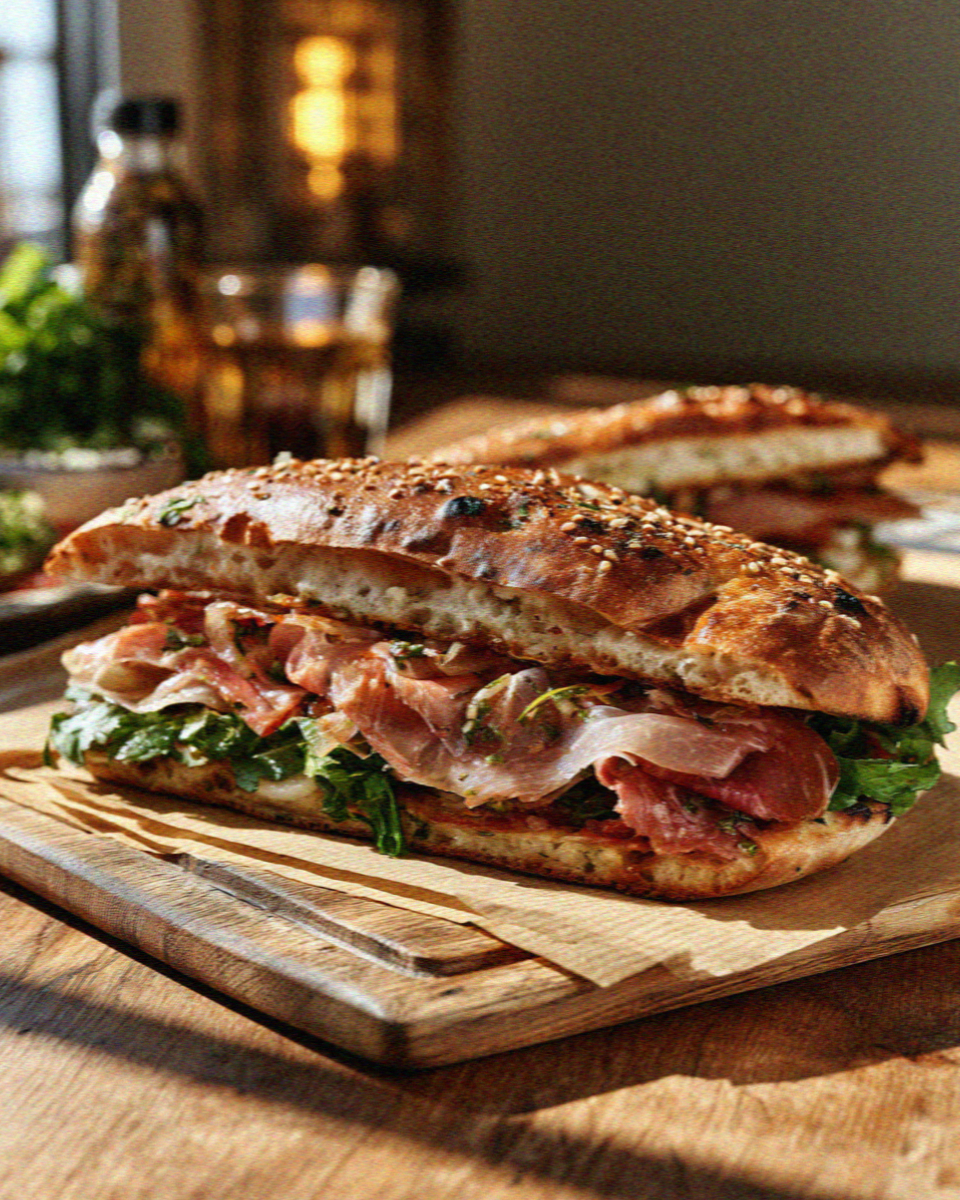
Fillings run to salumi, sausage with bitter sauteed greens (salsiccia e erbette), or melting cheese. Round things out with a board of Norcia cured meats, the prized pork and salami from the town just over the mountains, and if you see rocciata on a dessert menu, order it: it is a rolled pastry of apples, nuts and spices, a little like a flatter, denser strudel, and it is the sweet note this region does best. Almost everything, by the way, is dressed with Umbrian DOP extra-virgin olive oil, which is worth tasting on its own with bread.
Plan Your Visit to Assisi
A few things I booked and loved. These help support the blog, at no cost to you.
- Where I stayed: search Assisi hotels
- Tickets and things to do in Assisi
- Rent a car to explore the area
- Stay connected: get a travel eSIM
This section contains affiliate links. If you book through them I may earn a small commission, at no extra cost to you.
The trattorias I’d book
For a proper sit-down dinner, my first call is Trattoria Pallotta (EE), a long-running family trattoria tucked just off Piazza del Comune. This is where I send anyone who wants the real Umbrian repertoire done without reinvention: strangozzi, piccione (pigeon), rabbit, torta al testo. It is warm, a little old-fashioned in the best way, and reliably busy, so book ahead, especially at weekends and in high season.
For a special occasion I go to La Locanda del Cardinale (EEE), which is genuinely unlike anywhere else in town. You dine on a glass floor set over an excavated Roman domus, with the original mosaics lit beneath your feet, and the kitchen is refined and creative rather than rustic, with a serious wine list to match. It is Michelin-listed and priced accordingly, so save it for the night you want to make an event of dinner.
When I want something lively and good value, Osteria Piazzetta dell’Erba (EE) is my pick. It sits on a small square a moment from Piazza del Comune, the cooking is seasonal and a touch more modern, the truffle dishes are excellent, and the atmosphere skews younger and busier. It is small, so again, reserve.
And for the view, Bar Ristorante Metastasio (EE) has a scenic panoramic terrace looking out over the valley, with a traditional local menu. I would go for the setting as much as the food: a plate of pasta and a glass of white with that view over the olive groves at sunset is one of those simple Assisi pleasures that stays with you. If you are still sketching out how the days fit together, my Assisi itinerary folds these meals in around the sights.
Wine and aperitivo
Assisi does aperitivo without fuss, and the ritual is half the pleasure: a glass of something local, a few bites, the light going gold on the stone. My favourite spot for taking wine seriously is Bibenda Assisi (EE-EEE) on Via San Rufino, a wine bar and tasting room where you can sit down to guided flights of Umbrian wines paired with truffle, salumi, cheese, oil and even local chocolate. It is set up for tasting rather than a full dinner, so I treat it as either a slow, delicious early evening or a light supper in its own right.
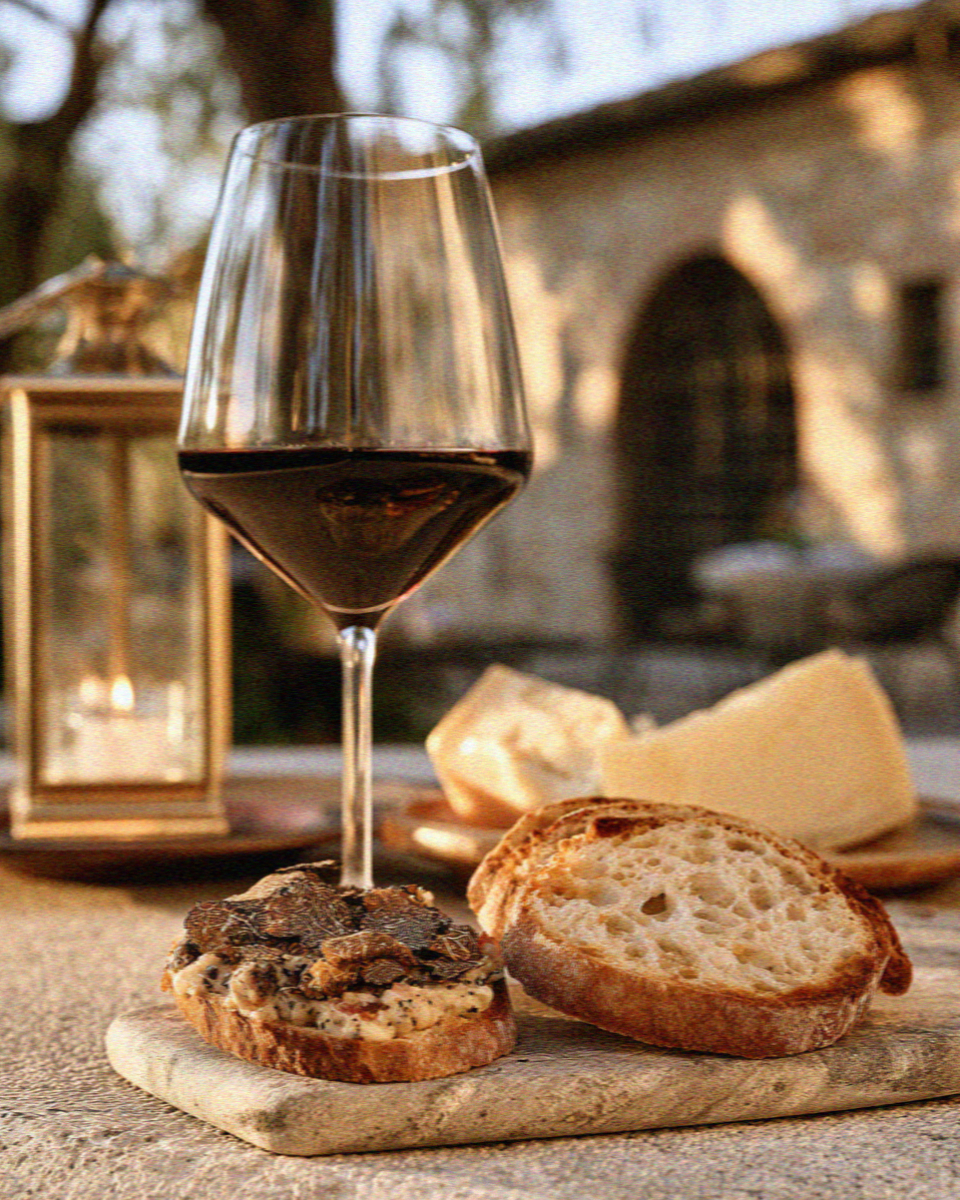
For the classic terrace aperitivo, the cluster of cafes on Piazza del Comune is the place, with tables facing the six Corinthian columns of the Temple of Minerva. You pay a small premium for that view, of course, but nursing a spritz or a glass of red while the square empties of day-trippers is exactly the kind of unhurried hour I come to Assisi for. Go a little before sunset and you will get the best of the light and the crowds thinning at the same time.
The wines to try
The wine to seek out here is Sagrantino di Montefalco DOCG, a bold, deeply tannic red from the hills around Montefalco just south of Assisi. It is one of Italy’s great powerful reds, built for the region’s rich meat and truffle dishes, and it rewards a little patience in the glass. If you fall for it, the vineyards themselves make an easy trip, which I cover in my guide to getting to Assisi and its day trips.
For whites and everyday drinking, look for Assisi DOC and Grechetto, the crisp, characterful Umbrian white grape that partners the lighter flatbreads and cheeses far better than anything imported. A carafe of local Grechetto with a torta al testo at lunch costs very little and tastes completely of this place. When in doubt, ask your waiter for what is local and pour yourself into the region’s own bottles rather than the familiar Tuscan names.
Coffee and gelato
Morning in Assisi belongs to the espresso bar. I take my coffee standing at the counter the way locals do, a quick cappuccino before eleven and an espresso any time after, usually at whichever bar on or near Piazza del Comune has the fewest tourists and the most regulars at that hour. It costs a euro or two and it is the cheapest, most reliable pleasure in town.
Gelato is the other daily ritual, and the centro storico has several genuinely good gelaterie tucked along the main streets between the Basilica and Santa Chiara. Rather than send you to one name, I would trust your eyes: look for natural colours, seasonal flavours, and a queue of Italians, then eat your cone slowly on a terrace with the valley falling away below you. On a warm afternoon it is the perfect pause between churches.
Frequently Asked Questions
What food is Assisi known for?
Assisi and the surrounding Umbria region are known for strangozzi (hand-rolled eggless pasta, often served with black truffle or wild-boar ragu), torta al testo (a griddled flatbread split and filled with salumi, greens or cheese), local black truffle, cured meats from nearby Norcia, and rocciata, a rolled apple-and-nut pastry. Wash it down with Sagrantino di Montefalco red or a local Grechetto white.
Do I need to book restaurants in Assisi?
For dinner at the popular trattorias, yes, I would book, particularly at weekends, over Easter and in the busy autumn feast periods. Places like Trattoria Pallotta and Osteria Piazzetta dell’Erba are small and fill quickly, and La Locanda del Cardinale should always be reserved. For a casual lunch of torta al testo or a walk-in aperitivo, you can usually just turn up.
How expensive is eating out in Assisi?
Reasonable by Italian standards. A casual osteria or trattoria dinner (marked EE) typically runs to a mid-range bill for pasta, a main and house wine, while a refined meal at somewhere like La Locanda del Cardinale (EEE) costs noticeably more. A counter torta al testo, a coffee or a gelato is genuinely cheap, and a carafe of local wine adds very little.
Once you have eaten your way around the centro storico, let the town do the rest: read my complete guide to Assisi for the full picture, plan your days with the best things to do in Assisi, and pick a base close to all of it in my guide to where to stay in Assisi. Eat slowly, order the truffle, and let the valley light do the rest.