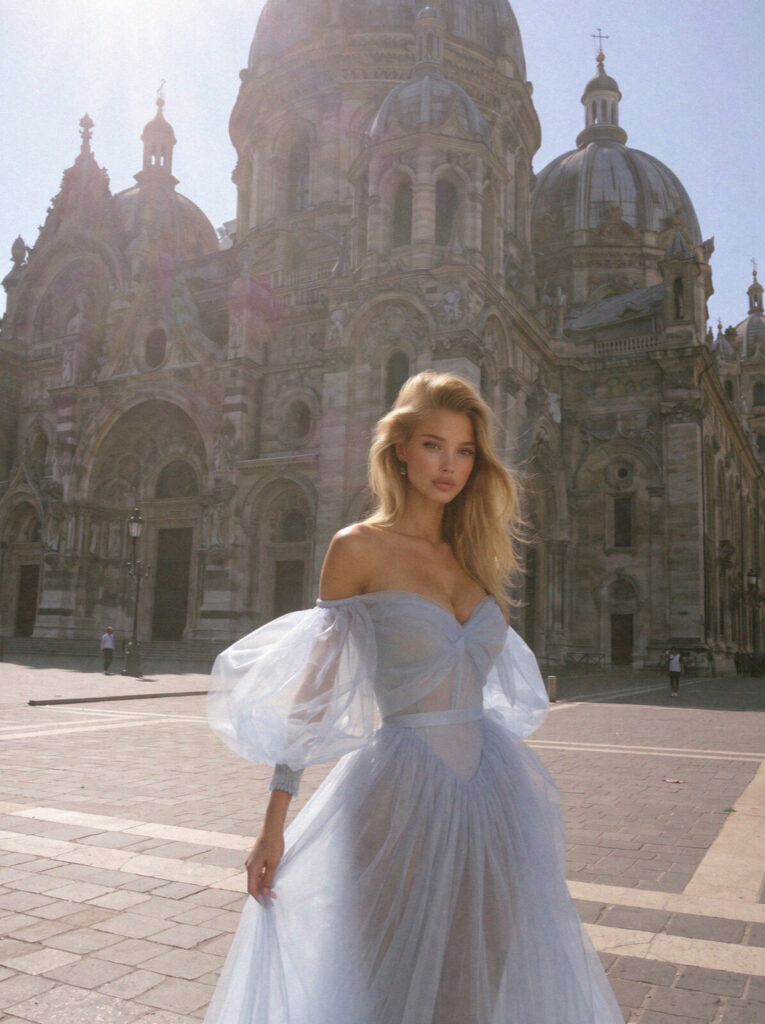
The best time to visit Assisi, if you want the town at its gentlest, is spring or autumn: roughly April into May, and September into October. That is when the light is soft on the pale limestone, the hills are green or gold rather than scorched, and you can climb the steep lanes without arriving at the top pink and defeated. Assisi is a hill town, and the season you choose changes not just what you wear but how the place feels underfoot. Here is how I think about timing a trip, honestly, trade-offs and all.
The short answer
Come in April or May, or in September or October. In those windows you get mild temperatures, moderate crowds and better prices than high summer, which matters more than you might think in a town where the accommodation is limited and the good rooms go early. Spring gives you flowers spilling from every windowsill and the fresh green of the Umbrian valley. Autumn gives you the olive harvest, warm stone in low afternoon light and a slower, more contemplative mood once the biggest feast days have passed. If your dates are flexible and you take nothing else from this piece, take that. For how to spend those days once you arrive, my complete guide to Assisi pulls the whole trip together.
Plan Your Visit to Assisi
A few things I booked and loved. These help support the blog, at no cost to you.
- Where I stayed: search Assisi hotels
- Tickets and things to do in Assisi
- Rent a car to explore the area
- Stay connected: get a travel eSIM
This section contains affiliate links. If you book through them I may earn a small commission, at no extra cost to you.
Season by season
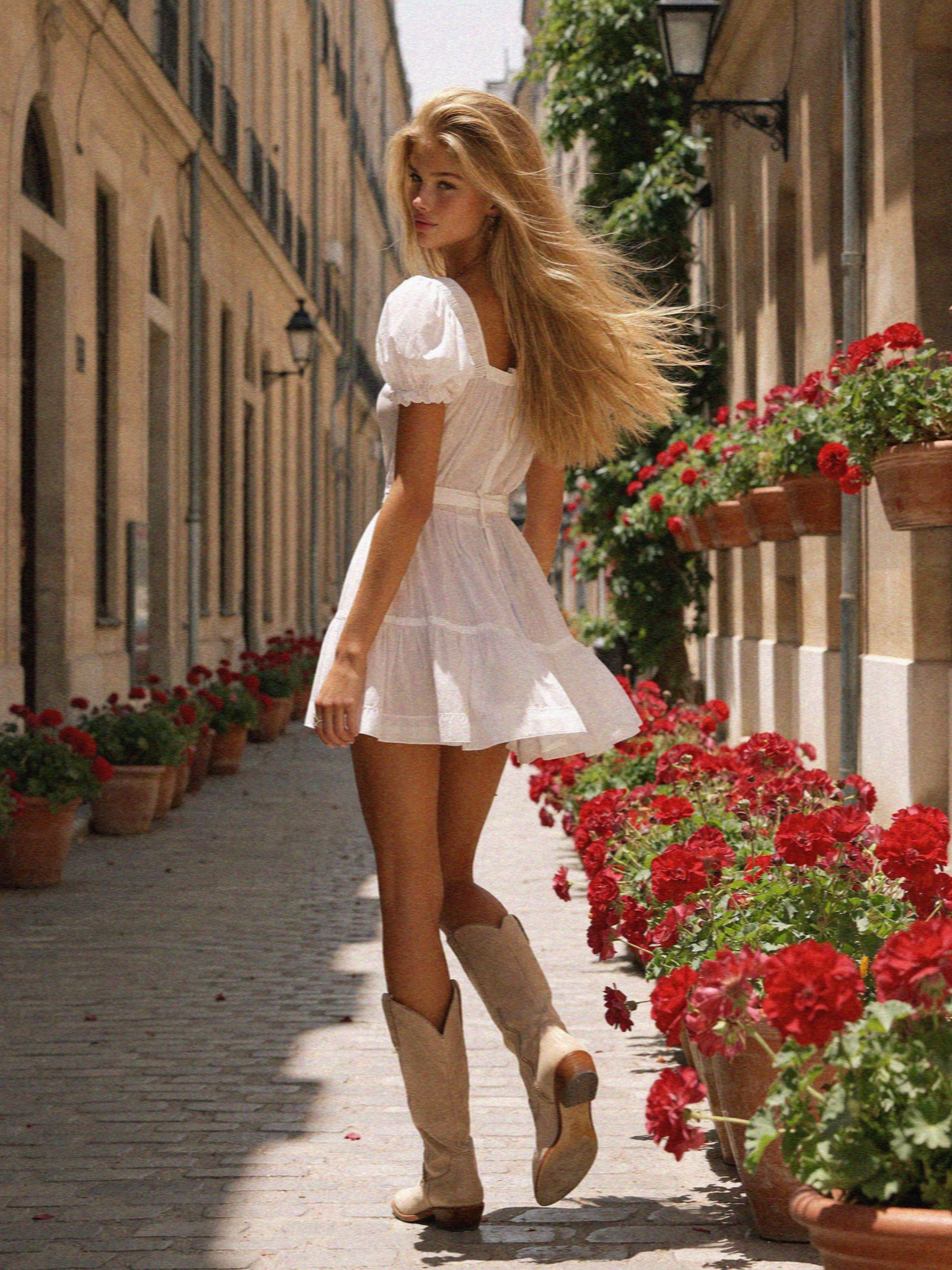
Spring (March to May). Temperatures sit around 8 to 20C, mild and walkable, with some rain to expect, so pack a light layer and something that copes with a shower. This is Assisi at its prettiest: geraniums in the window boxes, the valley greening up, the air soft. The catch is that spring holds two of the year’s busiest moments, Easter and Calendimaggio in early May, so if you want the flowers without the crush, aim for late April between those events or the calmer stretches of March.
Summer (June to August). Days run from the low 20s well past 30C, and July and August are frequently above 30. This is the hottest, busiest and priciest season, with the highest pilgrim numbers of the year. The town does not empty out at midday the way a beach resort might; it just gets warm and crowded on stone that holds the heat. I would not tell you to avoid summer outright, the long evenings are lovely, but go in with your eyes open and your plans built around the cool hours.
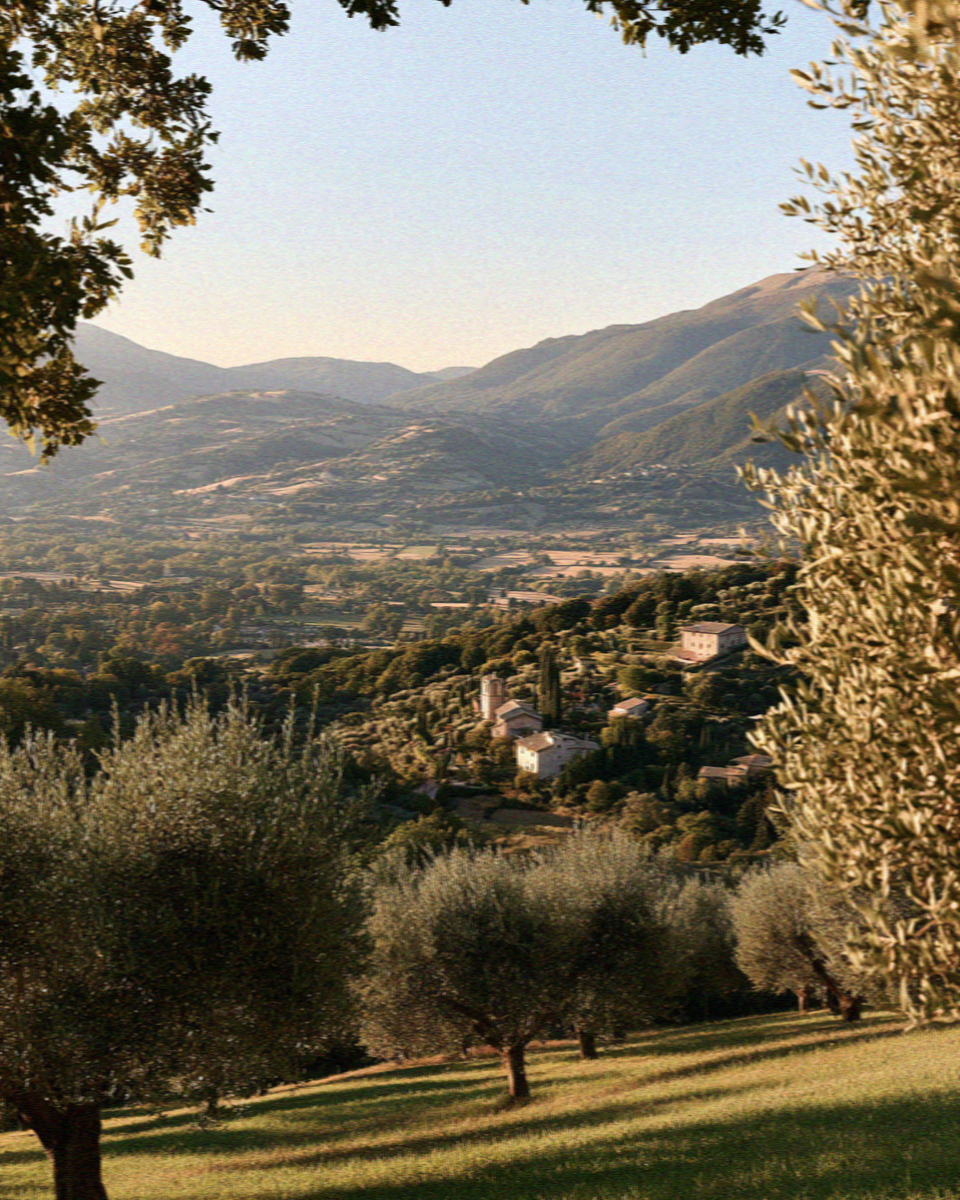
Autumn (September to November). September is a quiet joy, 18 to 25C and often the sweet spot of the whole year. October cools to 10 to 18C, with the feast of St Francis on the 3rd and 4th spiking crowds hard for those few days. By November the town is genuinely quiet, cooler and damper, but atmospheric if you like a place to yourself. Autumn is also olive season, and the valley below town takes on a silvery, working-landscape beauty.
Winter (December to February). Temperatures hover between 0 and 10C, so it is properly cold, but this is the cheapest and quietest time to come, and the Nativity season gives it a real charm. Assisi does presepi, the traditional crib scenes, beautifully, and the churches, all free year-round, feel especially resonant with hardly anyone in them. You trade warmth and long days for solitude and low prices. For some travellers that is the best deal Assisi offers.
The festivals worth timing a trip around
Assisi’s calendar is tied to its faith and its medieval past, and a handful of events are worth building a trip around, or deliberately dodging, depending on what you want.
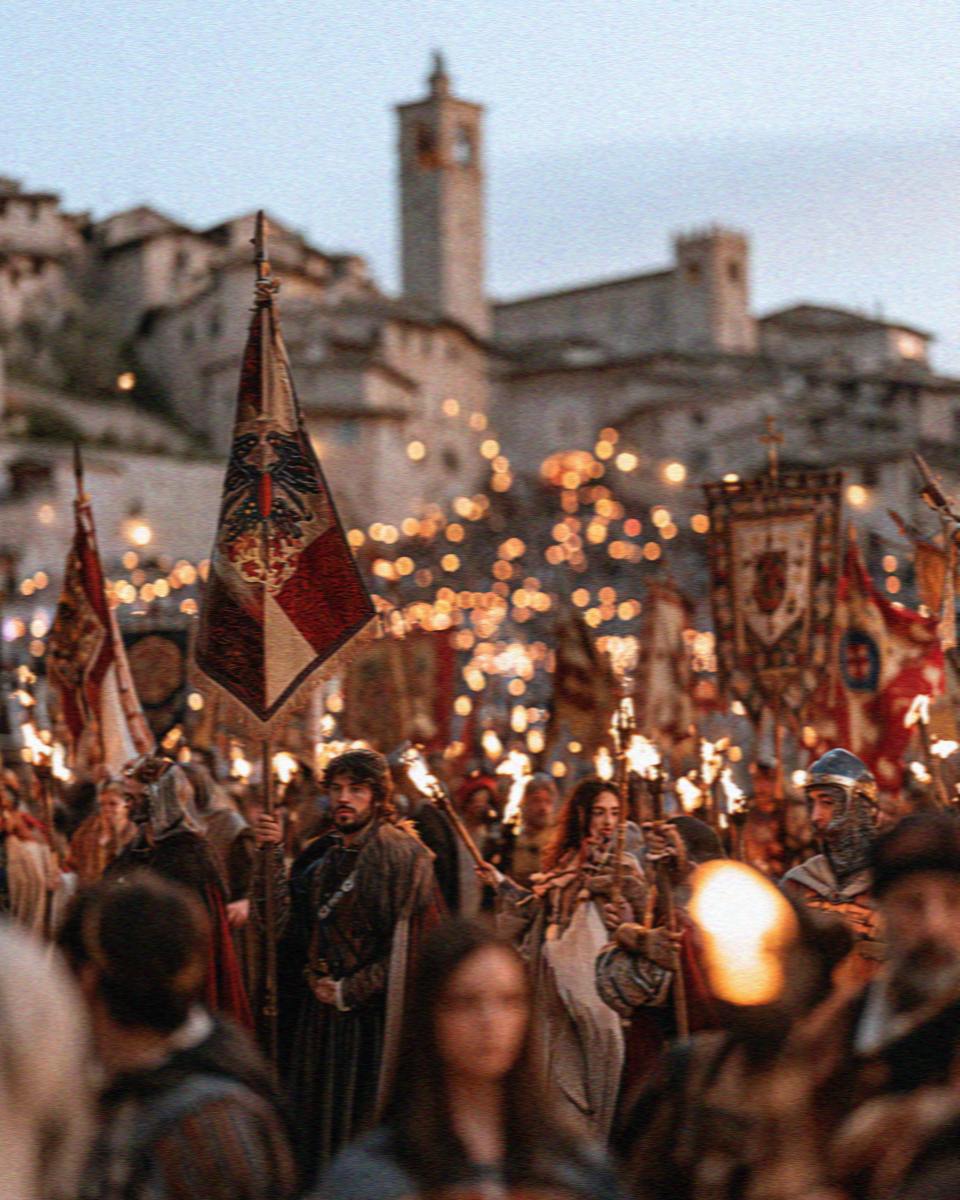
Calendimaggio (early May). A medieval spring festival built on the old rivalry between the Upper and Lower town, with costumed processions, flag-throwing, music and ticketed evening shows in Piazza del Comune. In 2026 it runs 6 to 9 May. It is a wonderful spectacle, but it fills the town, so book well ahead if you want to be there for it.
Feast of St Francis (3 to 4 October). The biggest religious event of the year, honouring the patron saint of Italy, with solemn ceremonies and a large influx of pilgrims. Moving and significant if that is what draws you; very crowded if it is not. Either way, know it is happening before you book those dates.
Easter and Holy Week (movable, spring). Settimana Santa brings processions through the streets, quietly powerful and deeply local. The dates move each year with Easter, so check against your travel window. Expect the town to be busy.
The Spello Infiorata (June). For Corpus Domini, the famous flower-carpet displays, whole streets laid with intricate designs made entirely of petals, happen in nearby Spello, an easy 10 to 12 minute train hop or short drive from Assisi. If you are here in June, it is well worth the day trip, and my getting to Assisi and day trips guide covers how to reach it.
Christmas and the Nativity season (December to early January). The presepi season turns the town festive and reflective at once, with crib scenes displayed around Assisi and the churches at their most atmospheric. Cold, quiet, and quietly beautiful.
One more to mention: the Marcia della Pace, the Perugia-to-Assisi peace march of around 24 km, is usually held in early to mid October, but it is held periodically rather than every year, so do not plan a trip around it without confirming that it is actually on.
Avoiding the crowds and pilgrim peaks
The pilgrim peaks to know are Easter, the first days of October and high summer. On those dates the Basilica of San Francesco draws tour buses and long queues, and the main axis from the Basilica up through Piazza del Comune to Santa Chiara can feel like a slow river of people. The good news is that Assisi rewards timing more than most towns. Early morning and late afternoon are yours almost anywhere; the day-trippers arrive mid-morning and thin out by evening. If you want the Basilica of San Francesco without the crush, go at opening or in the last hour of the day, which is also when the exterior and the lower piazza catch the best light.
Even in a busy season, there are quiet corners. The Eremo delle Carceri up on Monte Subasio, San Damiano below the walls, and the vicoli, the little arched lanes off the main streets, stay peaceful when the centre does not. Staying overnight rather than day-tripping is the single best crowd strategy: the town belongs to its guests once the buses leave. If you are deciding how to structure your days around the quiet hours, my Assisi itinerary is built to do exactly that.
A note on summer heat
I want to be straight about July and August. The heat is real, often above 30C, and Assisi is unforgiving terrain for it: the town is compact but steep, all cobbles, stairs and gradients, and the pale stone throws the warmth back at you through the afternoon. If summer is your only option, and for many people it is, it is entirely doable, but plan around the temperature. Do your walking and your climbing early, retreat into the cool of the churches or a shaded terrace over the hottest hours, carry water, wear proper shoes, and save the Rocca Maggiore climb and the exposed viewpoints for the softer end of the day. An afternoon aperitivo on Piazza del Comune, in the shade of the Temple of Minerva, is one of summer’s genuine pleasures. Just do not schedule your uphill sightseeing for two in the afternoon and expect to enjoy it.
There is a trade-off in every season, and no single “perfect” month that works for everyone. Spring and autumn are the safe, lovely middle. Summer gives you long light and life at the cost of heat and crowds. Winter gives you peace and low prices at the cost of cold and short days. Choose for the version of Assisi you actually want.
Frequently Asked Questions
What is the cheapest time to visit Assisi?
Winter, December through February, is the cheapest and quietest, with the lowest room rates of the year and the added charm of the Nativity season. The trade-off is cold weather, 0 to 10C, and shorter days. For mild weather at better-than-summer prices, late autumn, particularly November, is the next best value.
When is Assisi least crowded?
November and the depths of winter are the quietest, along with weekdays in early spring before Easter. Within any season, early mornings and evenings are far calmer than the mid-morning to mid-afternoon window when day-trippers and tour buses arrive. Avoid Easter, 3 to 4 October and high summer if crowds are your main concern.
How many days do you need in Assisi?
Two full days is the comfortable sweet spot: one for the Basilica of San Francesco and the centro storico, another for Santa Chiara, the hilltop Rocca and the quieter sites like the Eremo delle Carceri. One day works if you are passing through, but staying overnight transforms the trip, because you get the town in its early-morning and evening calm.
Whichever month you land on, let the season shape the trip rather than fight it. Read my complete guide to Assisi to see the whole picture, then match your dates to the days themselves with my Assisi itinerary and the best things to do in Assisi. And if you are the sort of traveller who chooses a season for its light, spring geraniums, golden autumn olive groves, lamplit winter lanes, my guide to the best photo spots in Assisi will help you be standing in the right place when it arrives.