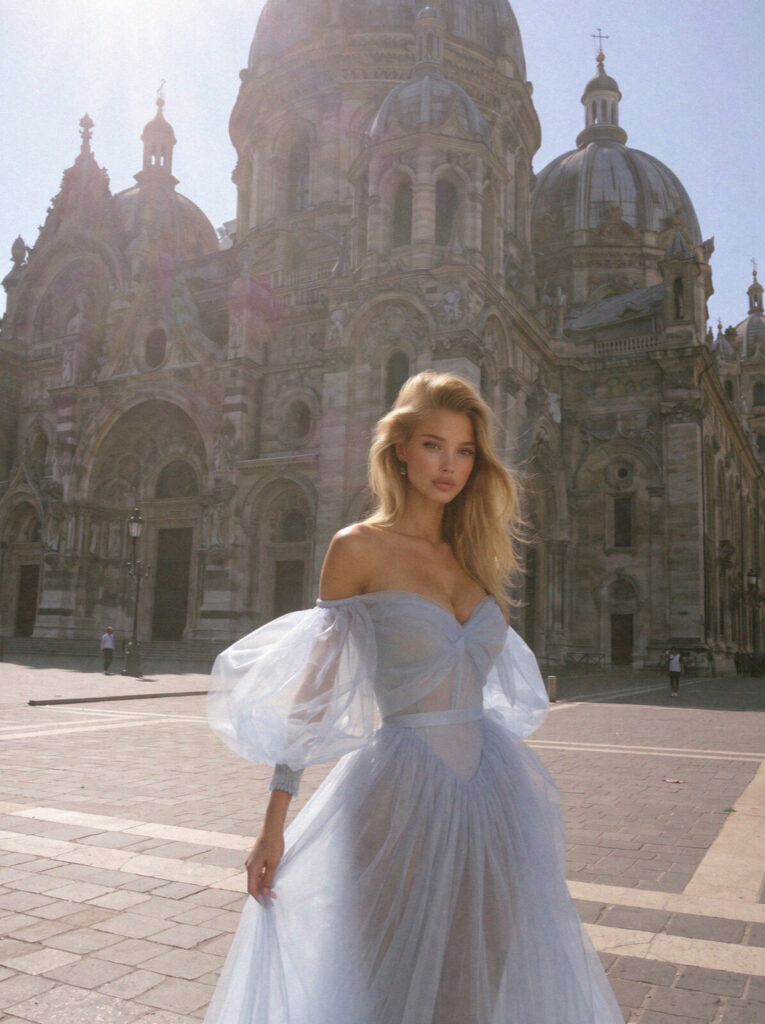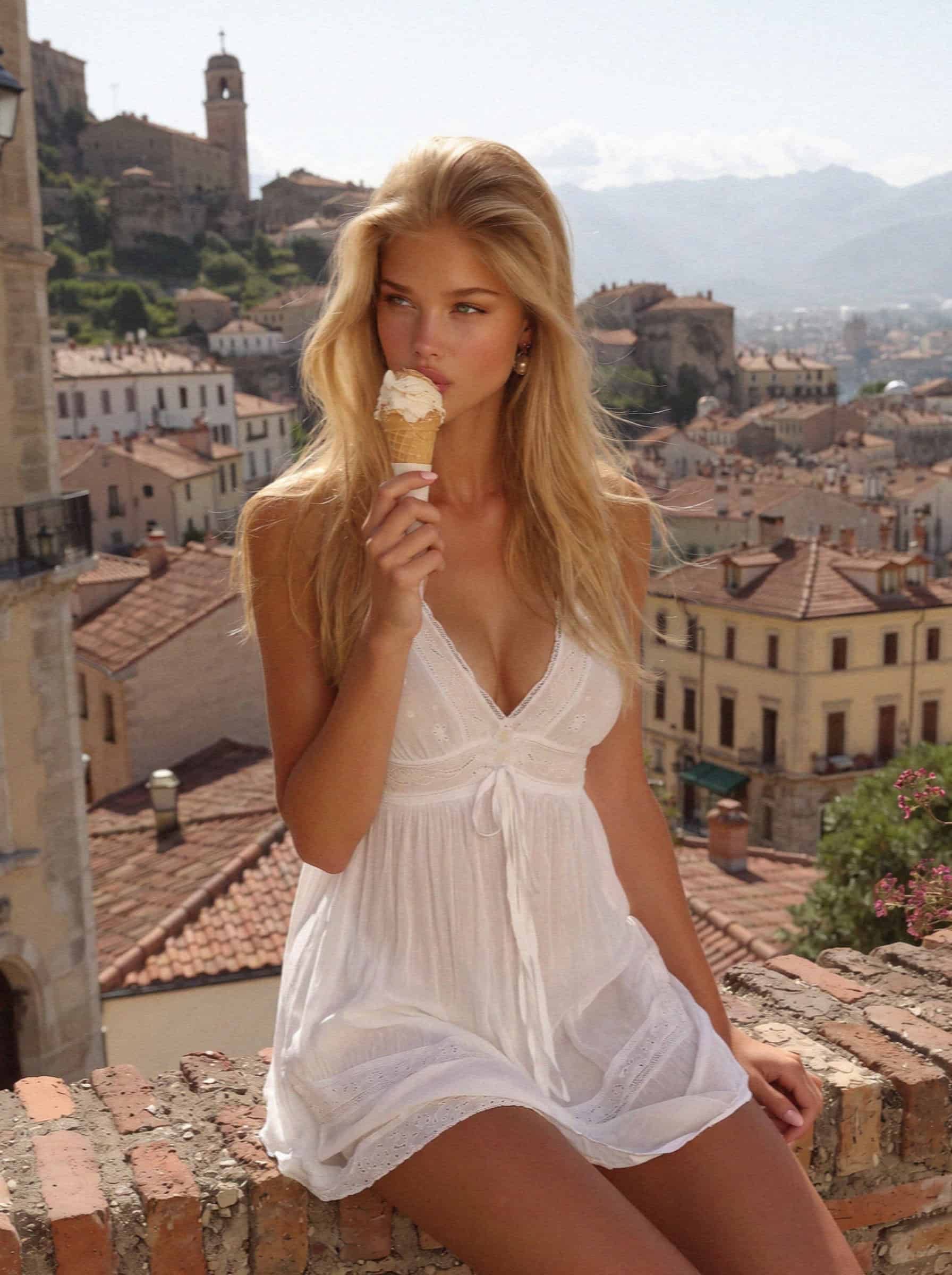
Bergamo is a city for all seasons, sheltered a little from the extremes by its position between the Lombard plain and the Alpine foothills. But some months are lovelier than others, and the right timing can turn a good visit into a magical one. Here is how the year unfolds, and when I would choose to come. For the full picture, start with my complete guide to Bergamo.
Spring (April to June): my favourite
Late spring is Bergamo at its very best. The days are warm and clear, the light on the honey-coloured walls is long and golden, the surrounding hills turn green, and the crowds are still gentle. Terraces reopen, the wisteria comes out over old doorways, the walks along the Venetian walls are a pleasure rather than a sweat, and the whole city feels freshly awake. Evenings are mild enough to sit out with a spritz and watch the sun go down over the plain. If you can choose only one time to come, make it May or early June, when everything is in balance and nothing is yet crowded.
Plan Your Visit to Bergamo
A few things I booked and loved. These help support the blog, at no cost to you.
- Where I stayed: search Bergamo hotels
- Rent a car to explore the area
- Stay connected: get a travel eSIM
This section contains affiliate links. If you book through them I may earn a small commission, at no extra cost to you.
Summer (July and August): warm but easy
Bergamo in summer is warm but rarely oppressive in the way the coast or the deep south can be, and up on its hill the upper town catches a breeze that the lowlands miss. Days are long, the light lingers late, and the evenings on the walls are wonderful. August sees many locals leave for their own holidays, so a handful of family-run trattorie close for a couple of weeks, but the city never feels shuttered, and the twenty-sixth of the month brings the feast of Sant’Alessandro, the city’s patron saint, with festivities in his honour. Summer is also the ideal season for pairing the city with the nearby lakes, when a day on the water is exactly what you want.
Autumn (September to November): light, food and opera
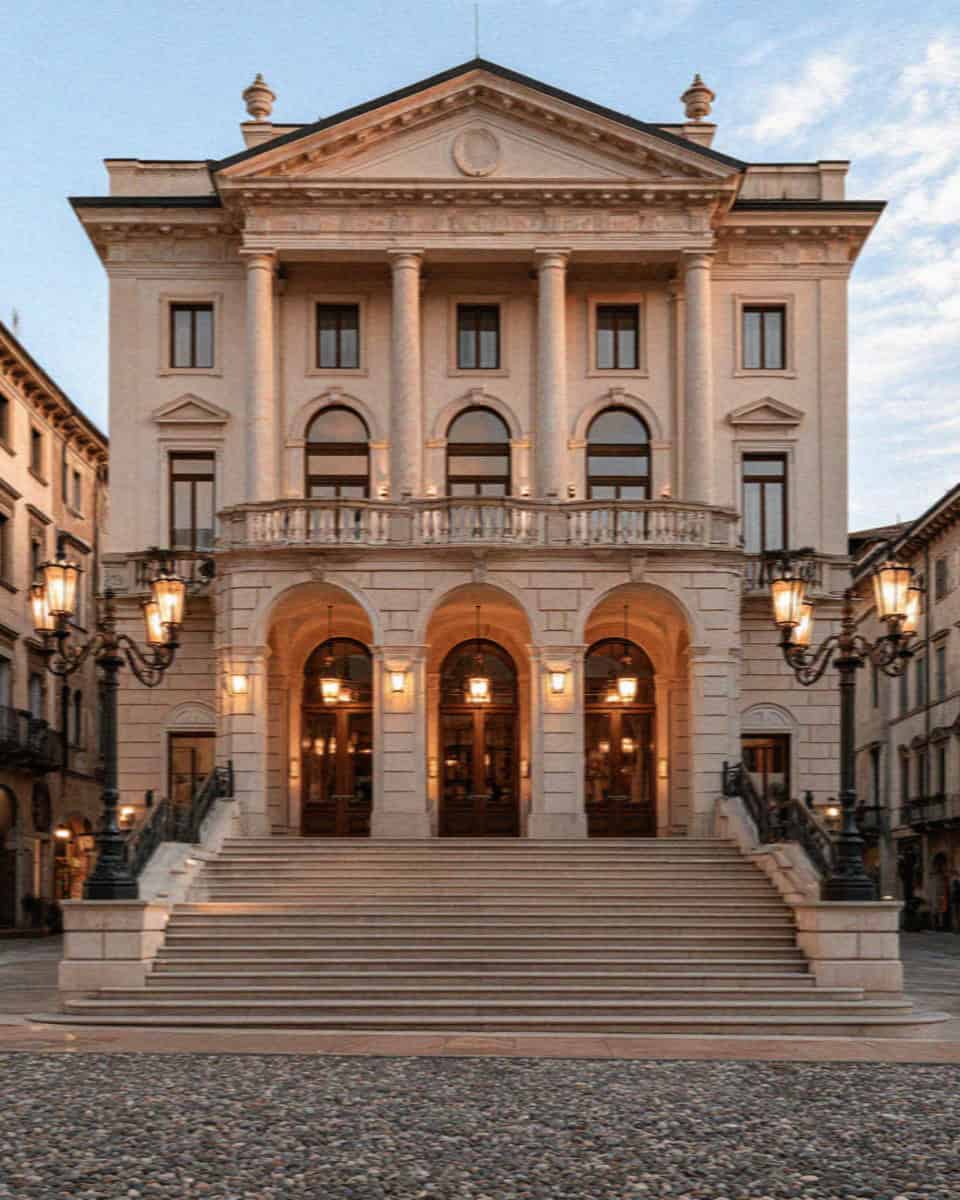
Early autumn rivals spring for beauty: soft light, mild days, thinning crowds, and the first of the season’s heartier food, the polenta and the game, coming back onto the menus. The grape harvest fills the Valcalepio hills, and a glass of the new wine tastes of the season. Then, in November, comes the Donizetti Opera festival, when the theatre named for the city’s composer fills with exactly the music Bergamo was made for, and the upper town takes on a romantic, misty quality as the evenings draw in early. Pack a warmer layer for the nights, and book your rooms and tickets ahead if the festival is your reason to come, because it is the busiest and most sought-after time in the upper town.
Winter (December to March): mist, markets and quiet
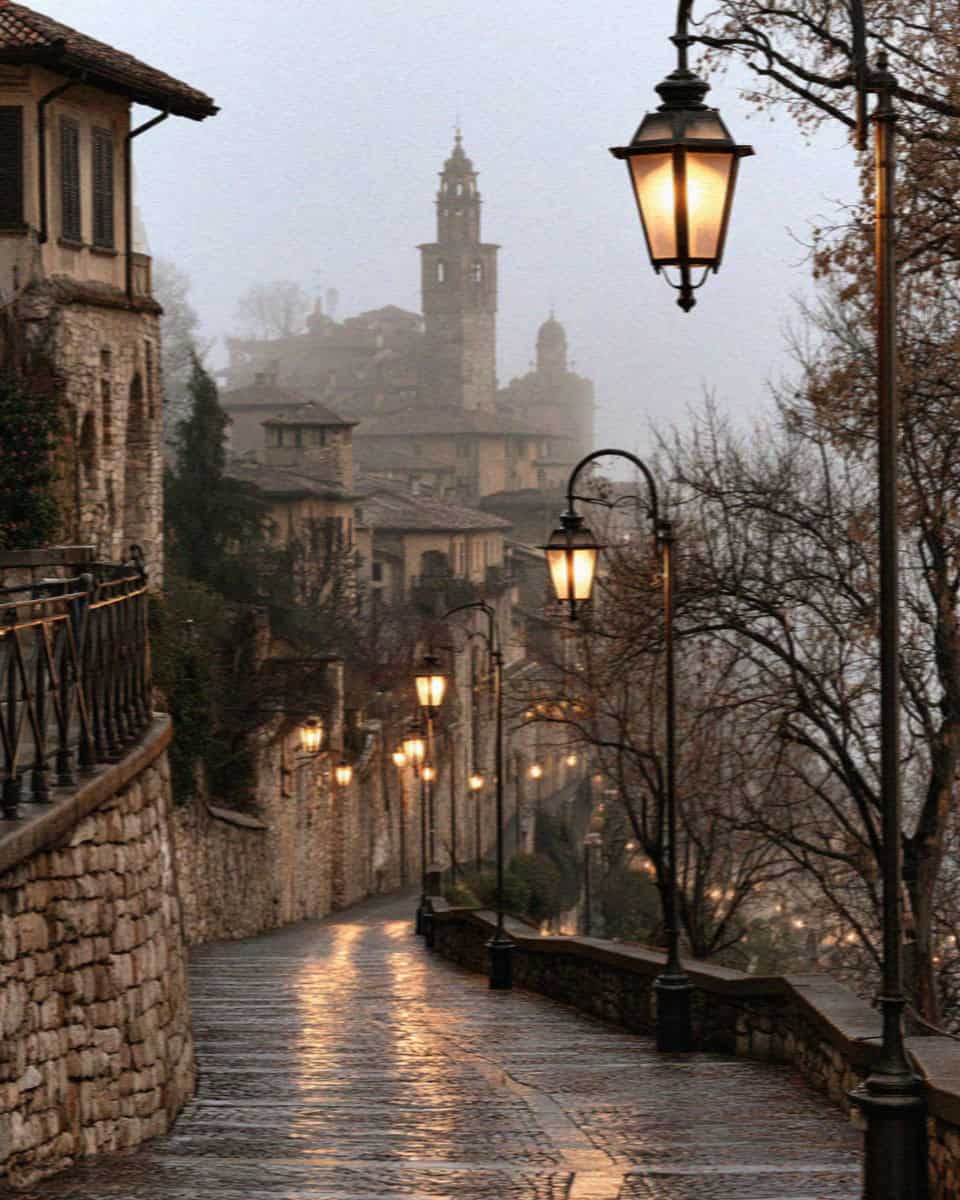
Winter is quiet and atmospheric. December brings Christmas markets, lights strung through the old streets, and a Città Alta wrapped in fog and lamplight that is a genuinely beautiful thing, if a cold one; a cup of vin brulé on a frosty evening up by the walls is its own small joy. January and February are the sleepiest months, sometimes grey and chilly, but also the cheapest and most peaceful, and there is a particular pleasure in ducking out of the cold into a warm trattoria for casoncelli and a glass of red while the mist presses at the windows. By March the first hints of spring return and the terraces begin, tentatively, to reappear.
The weather, roughly
Expect warm summers, with daytime highs often in the high twenties and occasional hotter spells, tempered on the hill by air and breeze. Spring and autumn are mild and changeable, pleasant by day and cool after dark, so a layer is wise. Winters are cold, damp and often foggy, with the odd bright, sharp blue day that shows the Alps at their clearest. Rain can come in any season but rarely lingers long, and Bergamo is compact enough that a shower is only ever an excuse to step into a church or a café.
When it is busiest, and when it is calm
The upper town is busiest at weekends year-round, when Milan comes up the hill, and during the November opera festival and the Christmas season. It is quietest on weekdays and in the deep winter of January and February. Whenever you come, the simple trick is to be up in the Città Alta early and late, before the day-trippers arrive and after they leave, when the city is at its most beautiful and most yours.
Events worth timing your trip around
Bergamo’s calendar rewards a little planning. The headline is the Donizetti Opera festival in November, weeks of performances of the local composer’s work in the beautifully restored Teatro Donizetti and around the city; opera lovers plan whole trips around it. December brings Christmas markets and lights through both towns. On the twenty-sixth of August the city honours its patron, Sant’Alessandro, and spring and early summer scatter food and wine fairs through the Valcalepio hills and the valleys, while the famous Mille Miglia classic-car parade sweeps through this corner of Lombardy on its way between Brescia and beyond. If a particular event is your reason to come, book rooms and tickets early, because the upper town fills fast around them.
For photographers and slow travellers
If you are chasing light, the shoulder seasons are unbeatable: the low, golden sun of spring and autumn does wonderful things to the honey-coloured stone, and the mornings are soft and clear. Winter fog gives you moody, atmospheric frames of the walls and towers dissolving into grey, a completely different city. Summer offers the longest evenings and the most generous blue hours on the ramparts. Whenever you come, plan to be out at either end of the day, when both the light and the emptiness are on your side.
A quick season-picker
For the best all-round trip, choose May to June or September to October. Come in November if opera is your passion, in December for the markets and the lamplit mist, in July or August if you are pairing the city with days on the lakes, and in January or February if you want Bergamo at its cheapest, quietest and most local. Whatever you pick, the city will find a way to charm you.
So when should you go?
For the best all-round experience, aim for late April to June or September to October: mild, bright and uncrowded. Come in November for the opera and the moody autumn light, in December for the markets, and in summer if you are combining the city with the lakes. There is genuinely no bad time to visit Bergamo; there are only different moods, and each has its admirers.
What to pack, by season
A quick word on what to bring. In spring and autumn, layers are your friend: a light jacket for the cool mornings and evenings, sunglasses for the bright afternoons, and comfortable, flat shoes for the cobbles. In summer, pack light clothes and sun protection, a shawl or light sweater for a breezy evening up on the walls, and swimwear if you plan a day on the lakes. In winter, bring a proper warm coat, a scarf, something waterproof and sturdy shoes for damp, uneven stone. A small folding umbrella is sensible in any season, and grippy soles matter year-round, because Bergamo’s beauty and its slippery old flagstones come as a pair.
Plan around the season
Match your days to the weather with the perfect Bergamo itinerary, catch the best light in the best photo spots in Bergamo, and sort your arrival in how to get to Bergamo.