There are lakes you visit and lakes you remember, and Garda has always belonged firmly to the second kind for me. It is the largest of the Italian lakes, and it wears its size beautifully, shifting from the soft, olive-scented south to the sheer alpine drama of the north in the space of a single morning’s drive. I have watched its water turn from milk to turquoise to deep ink depending on the hour, and I have learned, over many returns, exactly where to stand and when. What follows are the views I return to again and again, the ones that stay with me long after I have gone home, arranged more or less as you might travel them.
The soft south: Sirmione and the lower shore
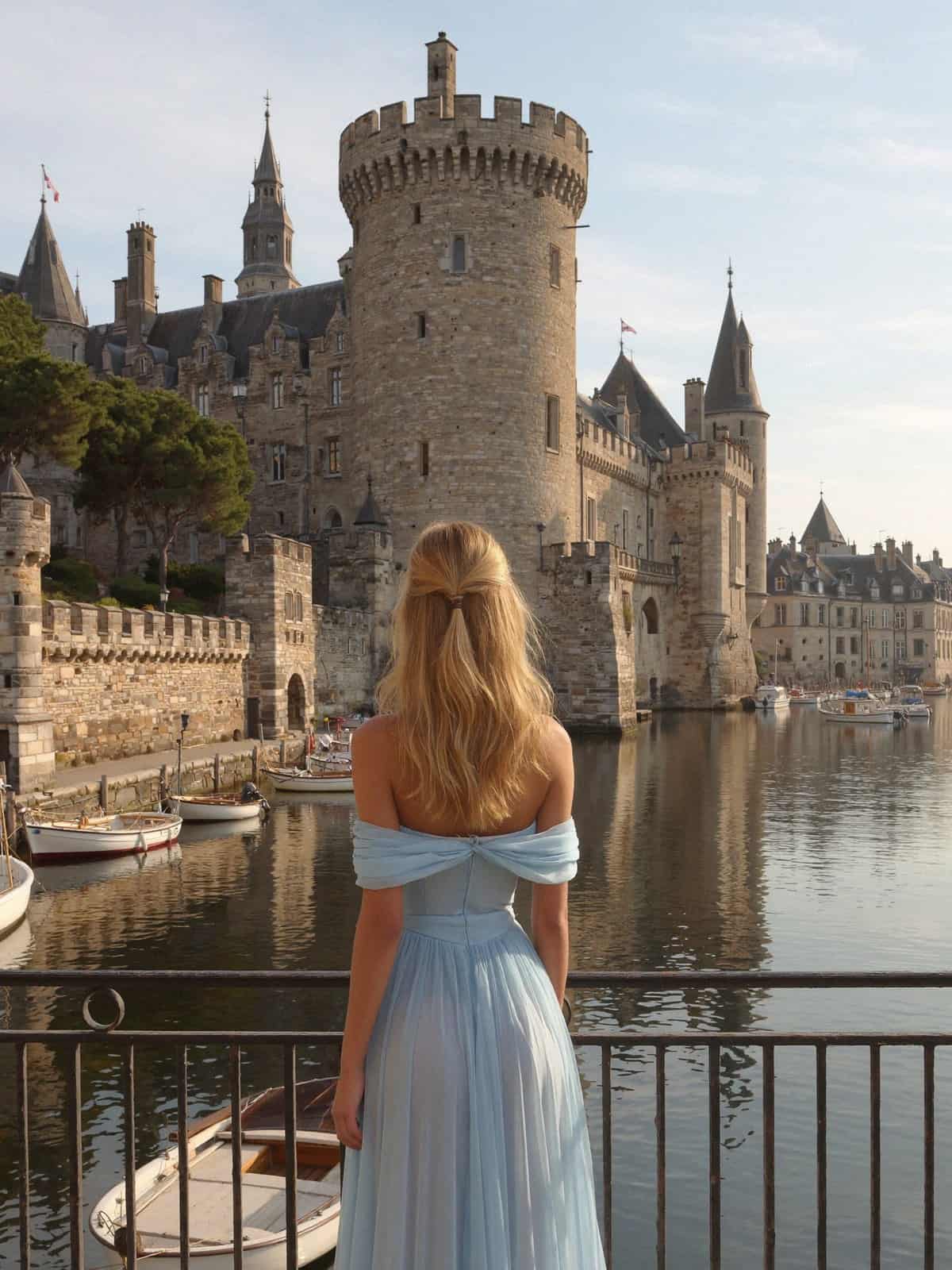
If you have only one morning, give it to Sirmione. The old town sits at the end of a long, slender peninsula, and you reach it across a little bridge that delivers you almost into the arms of the Scaligero castle. This is one of the rare moated fortresses that still sits directly over the water, its swallowtail battlements reflected in the harbour, and there is nothing quite like it in soft morning light. I always arrive early, before the coaches, when the surface of the little port is still and the stone glows warm and honeyed. Come midday the crowds thicken and the magic thins, so this really is a place to see at first light, coffee in hand, when the reflections are unbroken and the whole scene looks like something painted centuries ago.
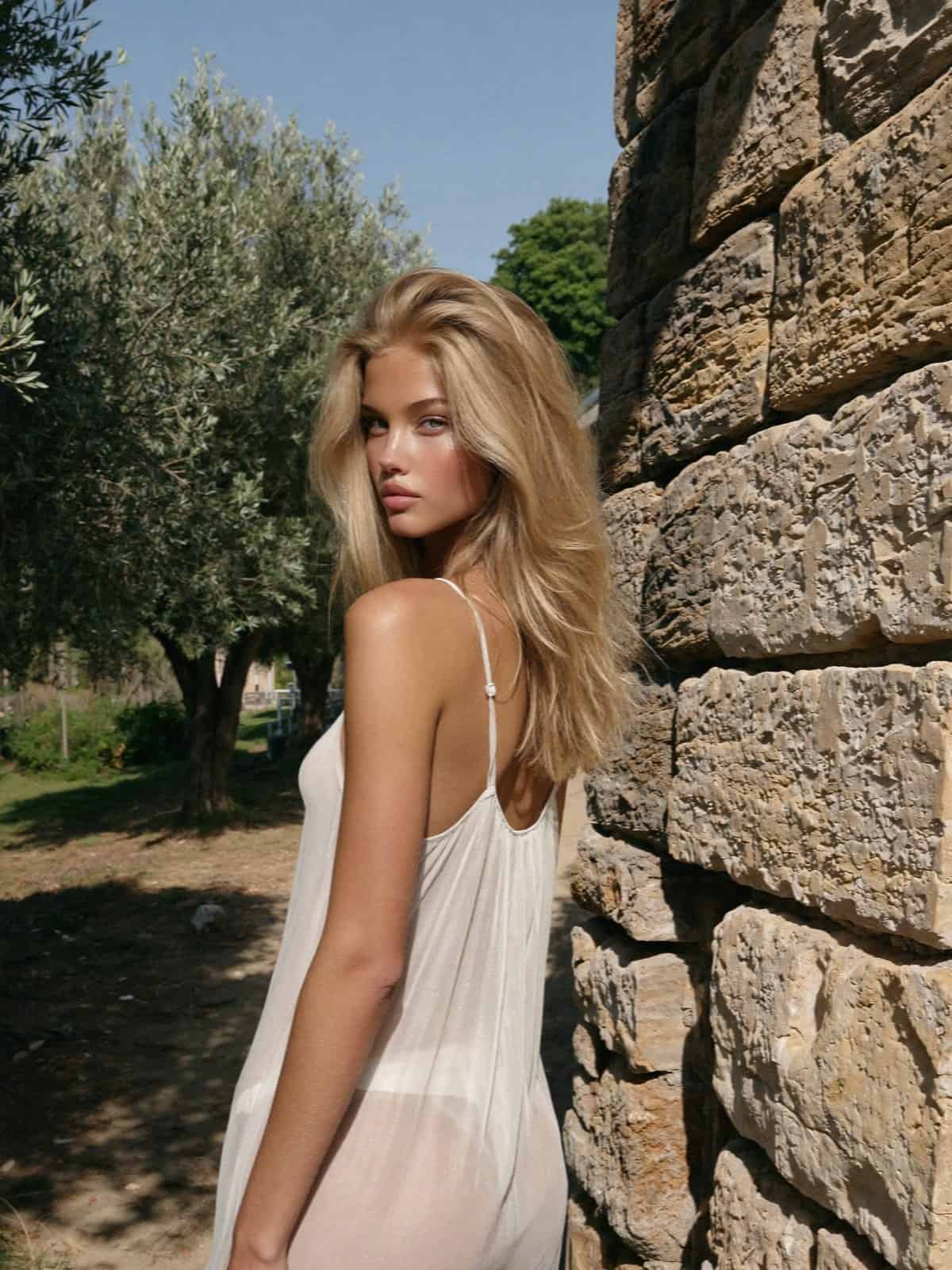
Walk to the very tip of the peninsula and you arrive at the Grotte di Catullo, the tumbled remains of a grand Roman villa spread across an olive-clad headland. I find it one of the most quietly moving spots on the entire lake. The ruins themselves are lovely, all pale stone and gnarled trees, but it is the setting that undoes me: turquoise water on both sides of the promontory, so clear and bright it hardly looks real. Late afternoon is kindest here, when the low sun sets the olive leaves shimmering silver and the water takes on that impossible Mediterranean blue. It is an easy addition to a wider itinerary, and if you are still deciding how to spend your days, my guide to the best things to do on Lake Garda will help you shape the rest.
A little further along the western shore lies one of Garda’s most romantic sights, Isola del Garda. The island is crowned by an ornate Venetian-Gothic villa that rises straight from the lake like a confection, all spires and pale tracery against the water and the mountains behind. The finest way to see it is on the boat approach, when the villa grows slowly larger and the whole silhouette reveals itself, though there are vantage points along the west shore from which it floats prettily in the middle distance. Either way, it is a view that rewards a clear day and a calm lake.
Plan Your Visit to Lake Garda
A few things I booked and loved. These help support the blog, at no cost to you.
- Where I stayed: search Lake Garda hotels
- Gardaland and Lake Garda activity tickets
- Rent a car to explore the area
- Stay connected: get a travel eSIM
This section contains affiliate links. If you book through them I may earn a small commission, at no extra cost to you.
Headlands and fairytales near Garda town
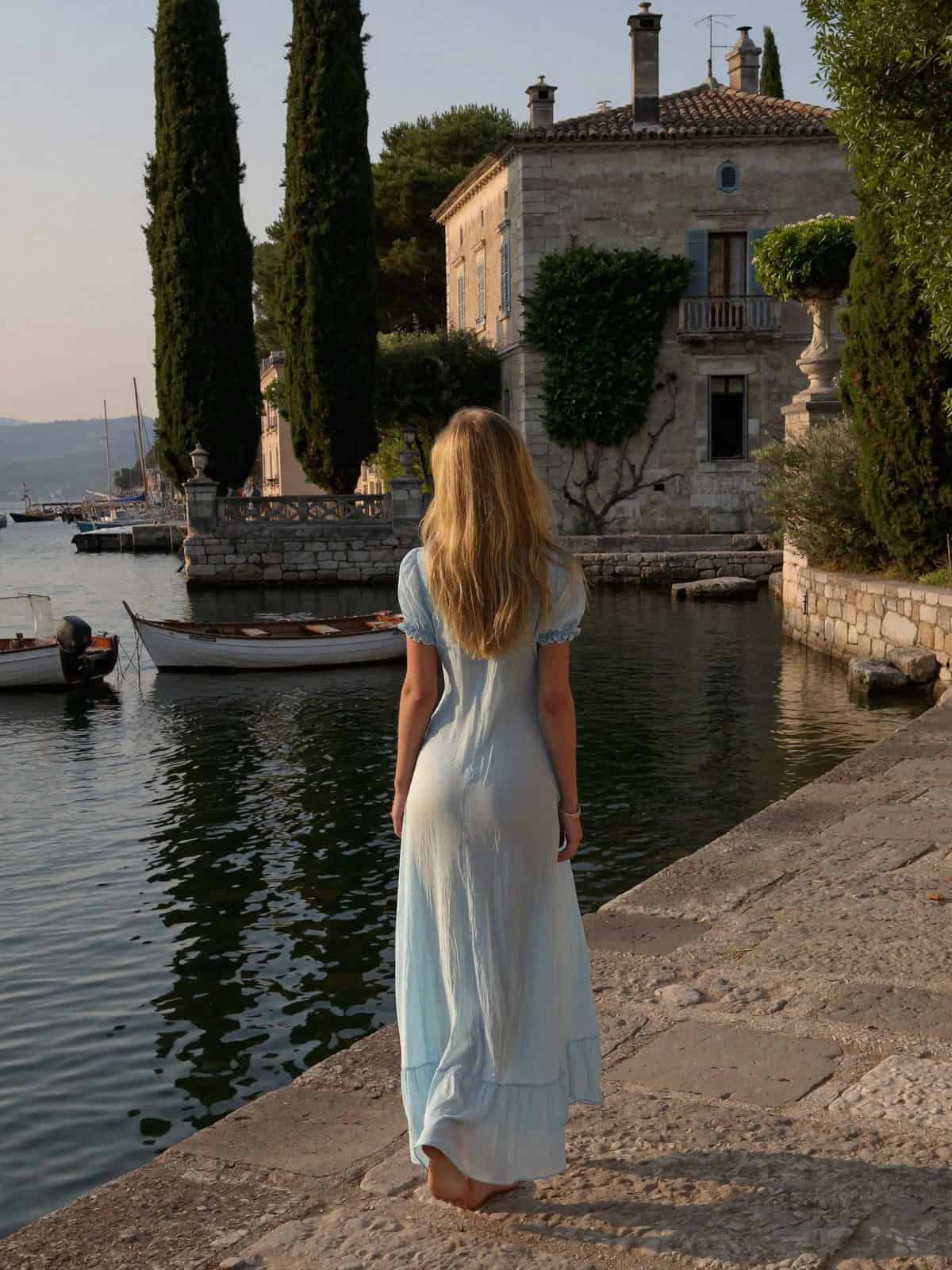
Not far from the town of Garda sits Punta San Vigilio, and I confess a deep fondness for this one. It is a cypress-lined promontory reaching gently into the lake, with a tiny stone harbour and, tucked alongside, the Baia delle Sirene, the Bay of the Sirens. The cypresses give it a Tuscan solemnity that feels unexpected here, and the little harbour, with its handful of boats and its old locanda, is the sort of place that makes you slow your step and lower your voice. I love it in the golden hour before sunset, when the trees throw long shadows across the water and the whole point turns amber and rose.
Southwards, on a headland above the lower lake, stand the ruins of the Rocca di Manerba. There is a short climb to the top, but the reward is one of the most commanding panoramas of the southern basin, the water spreading wide and pale beneath you with the far shores dissolving into haze. It is a place for a clear afternoon and a little patience, and it pairs naturally with the pretty lakeside villages nearby, several of which I have written about in my guide to the best towns on Lake Garda.
And then, a short detour off the lake proper, there is Borghetto sul Mincio, near Valeggio and Peschiera. I hesitate to give away favourites, but this one is too lovely to keep quiet. It is a fairytale hamlet of old watermills strung along the River Mincio, their wheels turning slowly, ivy trailing to the water, arched bridges crossing between them. It looks like an illustration from a book of fables, and it photographs like one too. The light is gentlest in the early morning or the last hour before dusk, when the mills glow and the river runs gold. It is only a short drive from the lake, and it is worth every minute.
The dramatic north: cliffs, castles and a summit
The north is where Garda changes character entirely, and it is where the landscape turns properly cinematic. Malcesine, on the eastern shore, is the picture most people carry in their minds when they imagine the lake: the slender Scaliger castle rising on its rock, the tumble of medieval rooftops clinging to the shoreline, and behind it all the great grey wall of Monte Baldo. From a boat, or from the lakefront looking back, the composition arranges itself beautifully, the pale castle set against the mountain, the terracotta roofs warm in the afternoon sun.
From Malcesine you can rise above all of it. The cable car climbs to the summit of Monte Baldo, and the cabins themselves are part of the pleasure, for they rotate slowly as they ascend, so the whole panorama wheels past the windows on the way up. At the top, some 1,760 metres above the lake, Garda lies stretched out far below, a long silver ribbon threading between the mountains, the towns reduced to tiny bright clusters on the shore. On a clear day it is one of the great views of northern Italy. I always tell friends to choose a settled, cloudless morning, because the whole reward here is the visibility, and haze will rob you of the horizon.
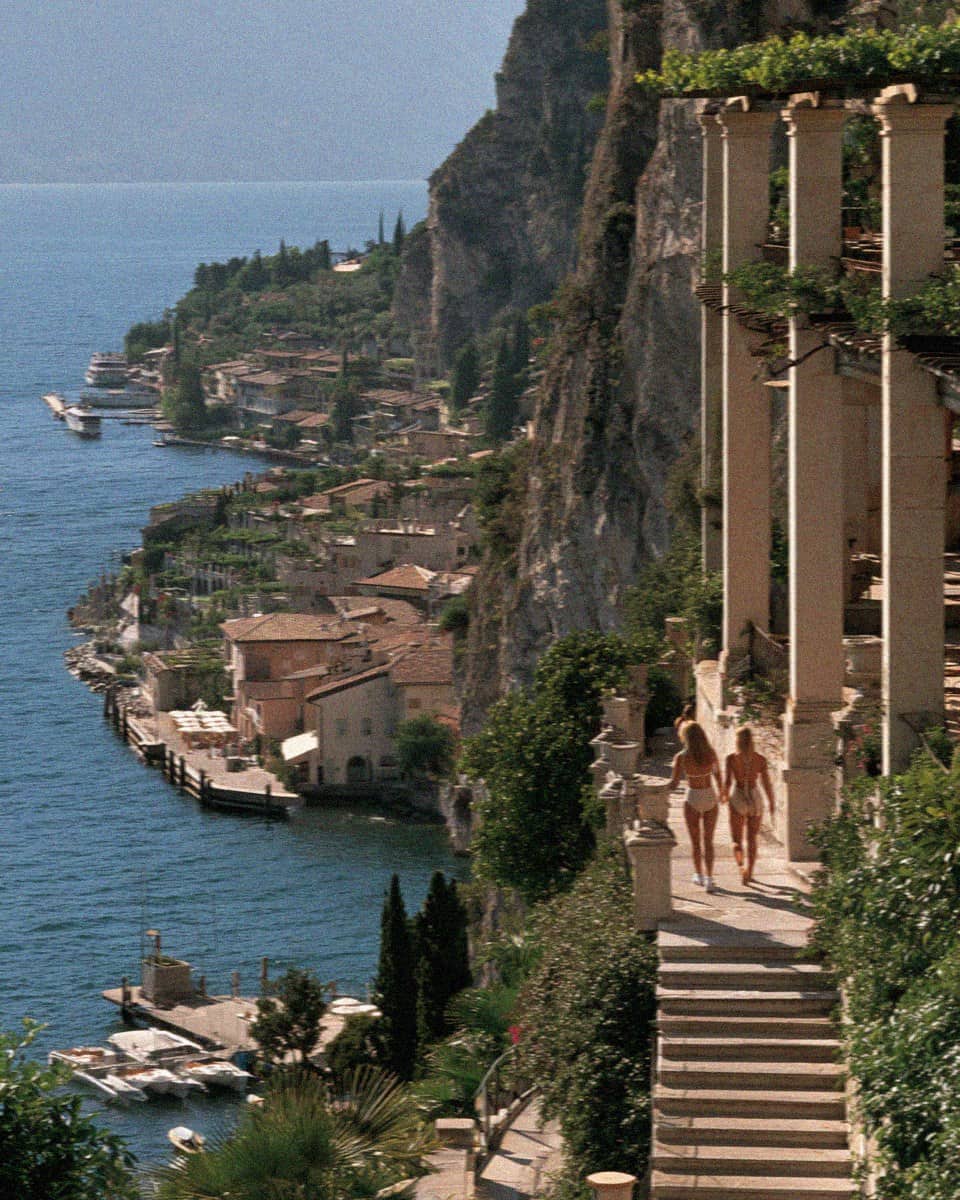
The western shore of the north has its own treasures. Limone sul Garda is a jewel of a place, famous for its lemon houses, the terraced limonaie where citrus was once grown against tall stone pillars on the steep hillside. The pergolas step up from the pastel harbour in neat green tiers, and the waterfront below is all soft ochre and rose, with the mountains rising sheer behind. There is also the cliff cycle-path, a slender ledge that runs out over the open water, and looking back at the town from that walkway gives you a view few visitors think to seek out.
Above Limone, in the hills of Tremosine, runs the Strada della Forra, and I would not miss it for the world. This is the gorge road, a series of dramatic switchbacks cut through a cleft in the cliffs, so narrow in places that the rock closes overhead. It is theatrical driving, and it delivers you to the Terrazza del Brivido, the Terrace of the Thrill, a viewing platform that seems to hang in mid-air high above the lake. The name is earned. The view down to the water is dizzying and glorious, best in the middle of the day when the sun reaches into the gorge, and it is a fitting finale to any journey through the northern shore. If you would like to see how all of these places connect into a single unhurried trip, my complete guide to Lake Garda draws the whole map together.
Frequently Asked Questions
What is the most photogenic spot on Lake Garda?
For me it is a close contest between Sirmione and Malcesine, but Sirmione’s Scaligero castle over its moated harbour, seen in soft early light, is the image I return to most. The combination of water, medieval stone and reflection is simply hard to beat, particularly before the day’s crowds arrive.
What is the best spot for sunrise or sunset?
Sunset belongs to Punta San Vigilio, where the cypresses and the little harbour turn amber in the golden hour, and to the Grotte di Catullo, where the low sun lights the olive trees and the turquoise water. For a glowing sunrise, Sirmione’s harbour and the watermills of Borghetto sul Mincio are both wonderfully quiet and warm at first light.
What is the best view without a hike?
Limone sul Garda’s waterfront and lemon terraces need no climbing at all, nor does the Terrazza del Brivido at the end of the Strada della Forra, which you reach by car. Sirmione’s castle and harbour are likewise flat and easy, making them ideal if you would rather stroll than scramble.
Is Monte Baldo worth it?
Yes, wholeheartedly, provided you choose a clear day. The rotating cable car cabins are a delight in themselves, and the summit view over the whole lake, some 1,760 metres below, is one of the finest panoramas in the region. On a hazy day you will lose the horizon, so watch the weather and go when the sky is settled.
Related
Read next: the best things to do on Lake Garda, the best towns on Lake Garda, and Victoria’s complete guide to Lake Garda.