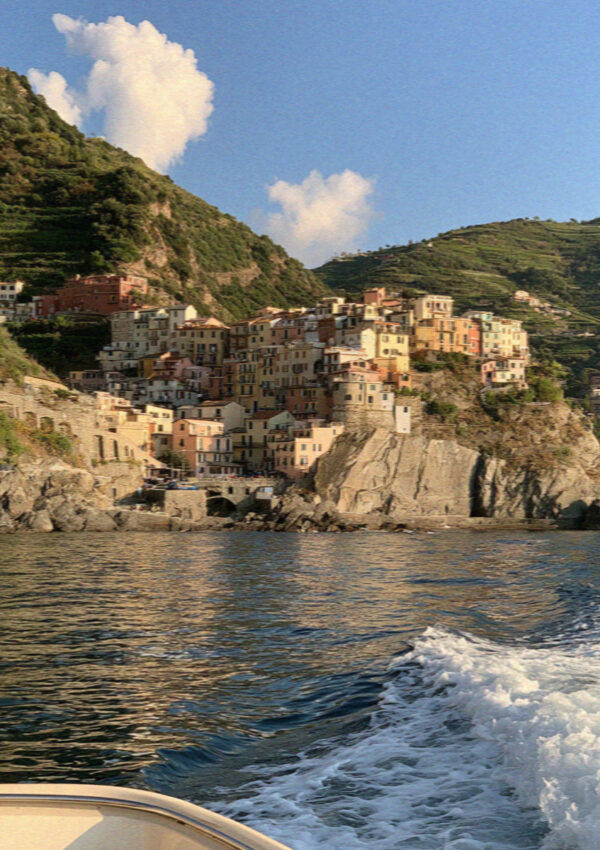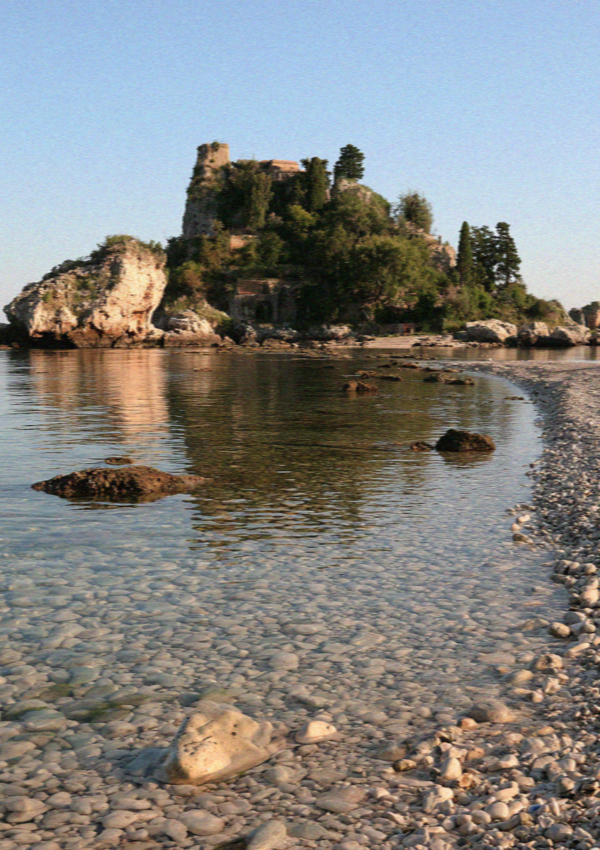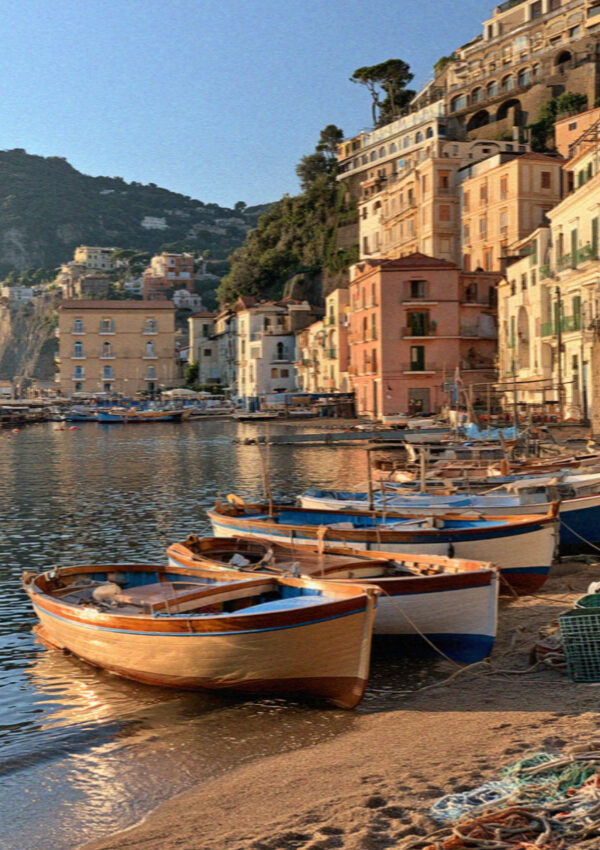
This is the only decision that really matters, and most people make it from a photograph.
The seven Aeolian islands are genuinely different from one another in ways that photographs do not show: how many beds there are, how often a boat leaves, whether there is a shop, whether there is a road. Get it right and everything else follows easily. Get it wrong and you spend the week either bored or on a timetable.
Here is how I would choose. The wider planning is in my complete guide to the Aeolian Islands.
The short answer
Lipari, for about seventy percent of people. It has the beds, the food, the connections and the fallback options, and every other island is a day trip from it.
Salina, if you would rather eat well and move slowly than have things to do.
Stromboli, only if the volcano is the reason you came.
Panarea, for a short expensive stay with a particular social flavour.
Filicudi or Alicudi, if the point is to disappear.
Vulcano, almost never. Go for the day.
Lipari, the one with the beds
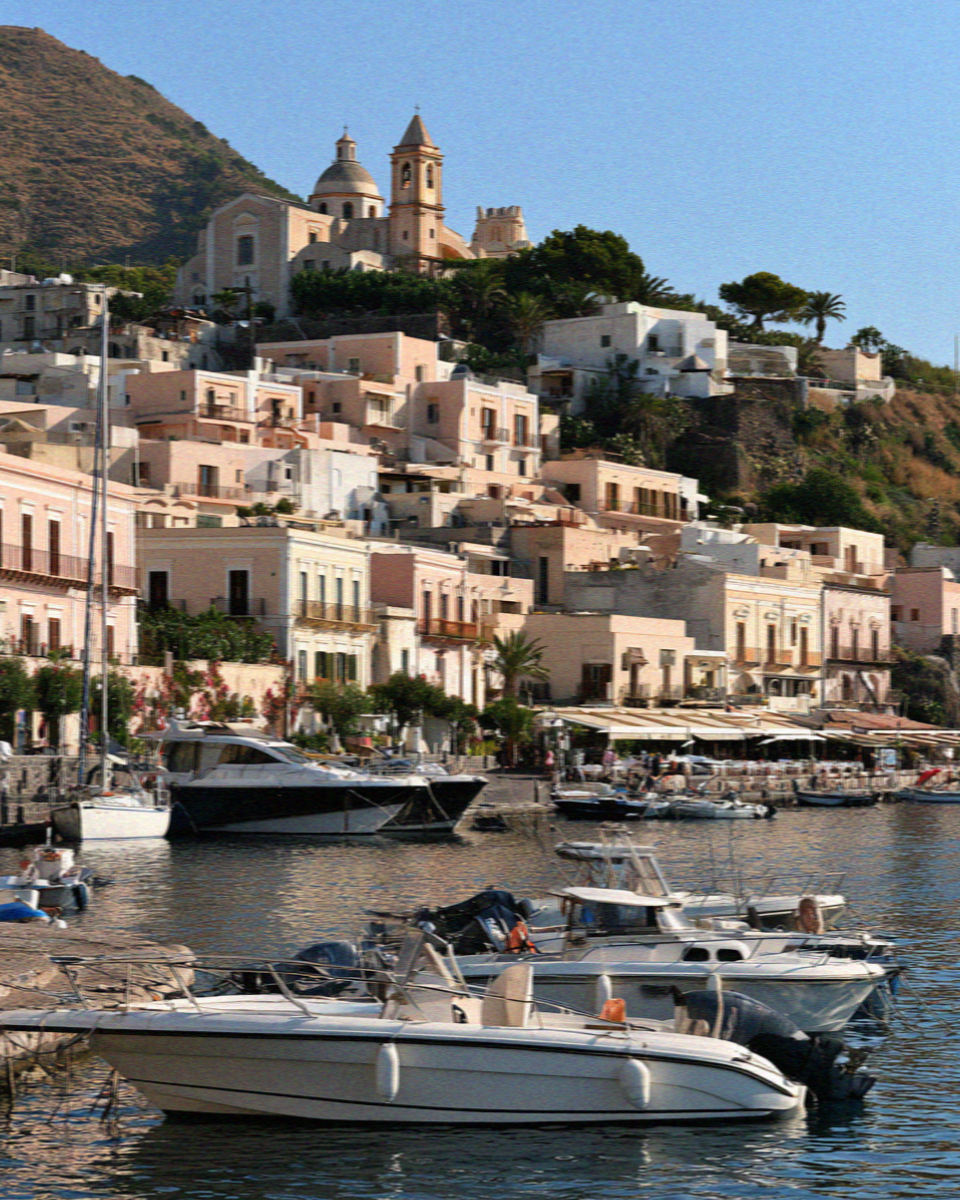
The largest island and the practical capital of the archipelago.
What it gives you. By far the most accommodation, from simple guesthouses up to comfortable hotels, which also means the most competition and the widest price range. Restaurants that stay open. A bus. Scooter hire. A hospital. And ferries in every direction all day, which is the real argument: from Lipari you can reach any other island and be back for dinner.
What it costs you. It is the busiest and the least dreamy. The main town is a working town with a ferry port in it, not a whitewashed fantasy, and in August the front is crowded.
Stay here if you have four to seven nights, want day trips in several directions, are travelling with children, or simply do not want to think hard about logistics.
The island itself is in Lipari.
Salina, the green one
Two extinct cones with a saddle between them, and the only island in the group with real water in the ground. That single fact makes it green when the others are grey and brown.
What it gives you. Vines, capers, chestnut woods on the high ground, and the best eating in the archipelago by a clear margin. A slower evening. Three small villages rather than one town. And a cliff bay on the west side that turns extraordinary colours at the end of the day.
What it costs you. Fewer connections than Lipari, so day trips take more planning, and less to do if doing things is what you want.
Stay here if your ideal island week is a long lunch, a swim and a nap, repeated. It is the one I would go back to, and the one most people wish they had chosen once they see it.
Full detail in Salina.
Panarea, the expensive one
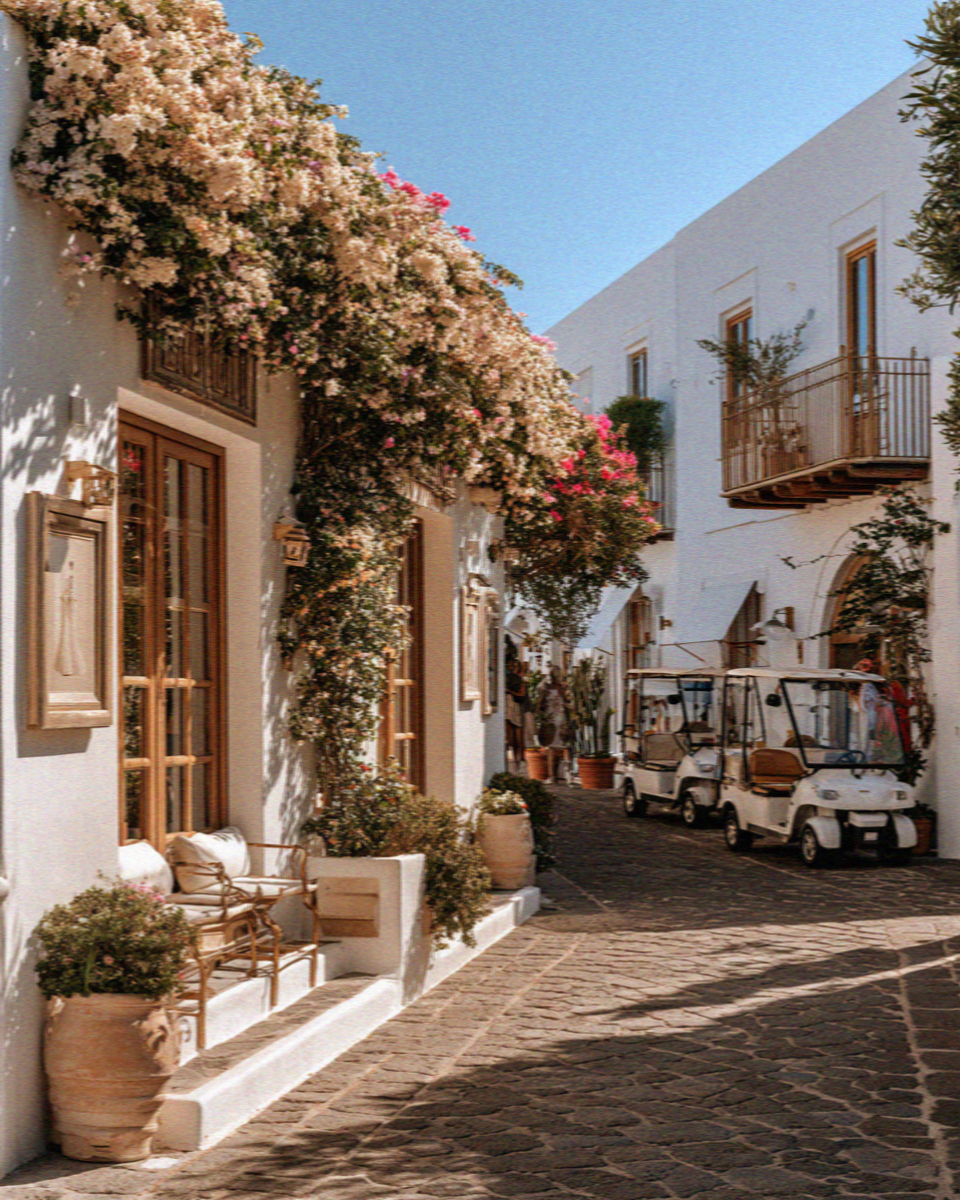
The smallest of the inhabited islands and by some distance the most fashionable.
What it gives you. Whitewashed lanes with bougainvillea over them, no cars at all, a cove of astonishing turquoise water, and in July and August a genuine scene: yachts anchored offshore, terrace bars, a club that runs late.
What it costs you. Money, mostly. Rooms in August are priced at the top of the Italian range and a drink is priced to match. It is also very small, so if the scene is not your reason for being there, you will have seen the island by lunchtime on day two.
Stay here if you want two or three nights of that specifically, and have budgeted for it. Otherwise come for the day and swim.
More in Panarea.
Stromboli, if the volcano is the point
A black cone with a white village on its lower slope and an eruption every twenty minutes or so, day and night, forever.
What it gives you. Proximity to something genuinely extraordinary. The night boat below the lava slope. Black sand. A village with no cars and very little light, which means real darkness and an enormous sky.
What it costs you. It is the least convenient island to reach and leave, the accommodation is limited, and the summit is closed, so the climb you may be imagining is not available.
Stay at least two nights if you come. One night gives you a single chance at the weather, and cloud on the cone means you see nothing.
Everything about the climb and its restrictions is in Stromboli and the volcano climb.
Filicudi and Alicudi, if the point is to disappear
Two very quiet islands at the western end, and they are not the same as each other.
Filicudi is the more habitable: a few places to stay, a restaurant or two, a rock arch offshore that is the best snorkelling in the archipelago, and paths rather than roads.
Alicudi is the extreme version. No roads at all. No cars. Stone staircases up a steep slope, mules carrying the shopping and the luggage, no bank, no ATM, and until relatively recently no electricity.
Stay here if you actively want very little, and bring cash and a book. Do not come for one night on a whim: the boats are thinner out here and the wind cancels them first.
In detail: Filicudi and Alicudi.
Vulcano, and why I would not sleep there
Vulcano is the closest island to the mainland and the easiest to reach, which is exactly why it fills with day trippers.
It has a real attraction in the crater walk and another in the shore where the sea is naturally warm. What it does not have is much of an evening, and it has a faint permanent smell of sulphur that some people stop noticing and others do not.
Come for the day from Lipari, which is twenty minutes away. Details in Vulcano.
If you are splitting a week
The split that works is Lipari then Salina, or Salina then Stromboli.
Four nights on the first, three on the second. One move, one packing day, and the two halves feel genuinely different: the busy practical island and then the quiet green one, or the quiet green one and then the volcano.
What does not work is a different island every night. The boats are radial, not circular, and you will spend the week going back and forth through the same port.
The question that actually decides it
Ask yourself what you want to do at six o’clock in the evening.
If the answer involves choice, other people and somewhere to walk, take Lipari. If it involves a table, a bottle and a view, take Salina. If it involves a bar and a boat full of people you have not met, take Panarea. If it involves the dark and something enormous doing what it has done for two thousand years, take Stromboli.
That question sorts almost everybody, and it is a better guide than any photograph.
Read also: Lipari, Salina, and my complete guide to the Aeolian Islands.
Frequently Asked Questions
Which is the best Aeolian island to stay on?
Lipari suits most visitors, because it has the widest range of accommodation, the most restaurants and the most ferry connections, so every other island becomes a day trip. Salina is the better choice for green surroundings, the best food in the archipelago and a slower pace.
Should you stay on more than one Aeolian island?
With a week, yes, but change bed only once. Four nights on Lipari or Salina and three on Stromboli or Panarea gives you two genuinely different halves. Moving every night means spending the week packing, because the boats run out of a hub rather than around a circle.
Is Panarea worth staying on?
If you want its particular summer scene and have budgeted for it, yes, for two or three nights. It is the most expensive island in the archipelago and also the smallest, so without an interest in the nightlife you will have seen it quickly. Otherwise visit for the day and swim in the cove.
Can you stay on Alicudi?
Yes, though it is deliberately spartan. There are no roads and no cars, everything moves by mule or on foot up stone staircases, and there is no ATM, so bring cash. It suits people who actively want very little and can absorb a cancelled boat.
Which Aeolian island is best with children?
Lipari. It has the flattest walking, the shortest ferry crossings, a beach reachable by bus, the widest choice of food and a hospital on the island. The crater walk on Vulcano and the late night boat at Stromboli are the two activities that do not suit young children.
V.