The Aeolians have a narrower usable season than most of Italy, and the reason is not temperature. It is boats.
These islands depend entirely on a ferry network, and that network expands and contracts with the year. In August there are boats everywhere. In February there are barely any, and half the accommodation is shut. So the question of when to come is really a question about how much of the archipelago is switched on.
Here is the year, honestly. The wider planning is in my complete guide to the Aeolian Islands.
The short answer
September, then June.
Both give you warm sea, a full ferry timetable and noticeably fewer people than July and August. September has the warmer water, because the sea has had all summer to heat up. June has the fresher landscape, because it has not yet burnt brown.
If you can only travel in high summer, go, but read the August section first.
June
The sea is warm enough for everyone by the middle of the month, the timetable is at or near full, and the islands still look green rather than scorched.
Prices have not reached their peak. Accommodation is available at reasonable notice. The evenings are long.
The one caveat is early June, when the water is swimmable but bracing, and when some seasonal places have not opened yet on the smaller islands.
July, and then August

July is busy. August is something else.
In August the whole of Italy is on holiday, and a meaningful proportion of it comes here. Panarea becomes a scene. Lipari’s front is crowded. Ferries are full and need booking. Prices peak, particularly for accommodation, which on the smaller islands can double.
The heat is serious. These islands have almost no natural shade: the vegetation is low, the ground is dark volcanic rock that holds heat, and there is no forest to retreat into. The middle of the day is genuinely unusable, and the black sand beaches become painful to walk on.
If you must come in August: book everything months ahead, base yourself on Lipari or Salina where there is more infrastructure, do everything before eleven or after five, and accept that Panarea will be at full volume.
What August is good for is the sea, which is at its warmest, and the atmosphere, if a busy Italian summer is what you want rather than what you tolerate.
September, which is the best of it
The sea is at its warmest, or within a degree of it, having absorbed three months of sun. The Italian holiday ends in the first days of the month and the pressure drops immediately. The timetable is still full. The light gets longer and lower and better.
The first three weeks are the sweet spot. By the last week, some seasonal businesses on the smaller islands begin closing and the wind becomes more of a factor.
This is when I would come.
October and the shoulder
Early October is often still lovely: swimmable sea, quiet islands, cheap rooms.
But two things change. Services thin out, particularly to Filicudi and Alicudi. And the wind picks up, which matters more here than the temperature does.
By late October you are into genuinely uncertain territory, and any plan should assume a lost day.
The wind, which matters more than the weather
This is the thing no packing list mentions and every trip should account for.
Hydrofoils cancel in wind. They are fast and light and need a reasonably flat sea. When the mistral blows, routes close, sometimes for a full day. Car ferries are hardier and sometimes run when hydrofoils do not, but a bad enough blow stops those too.
It is most common in spring and autumn, and it can happen in summer.
The outer islands go first. Filicudi and Alicudi lose their connections before Lipari and Vulcano do.
What this means practically: never schedule a flight for the same day as your final crossing. Come off the islands the day before, sleep on the mainland, and treat that as the price of the archipelago rather than a wasted night. In shoulder season, build a spare day into any itinerary that has to end on a particular date.
Winter
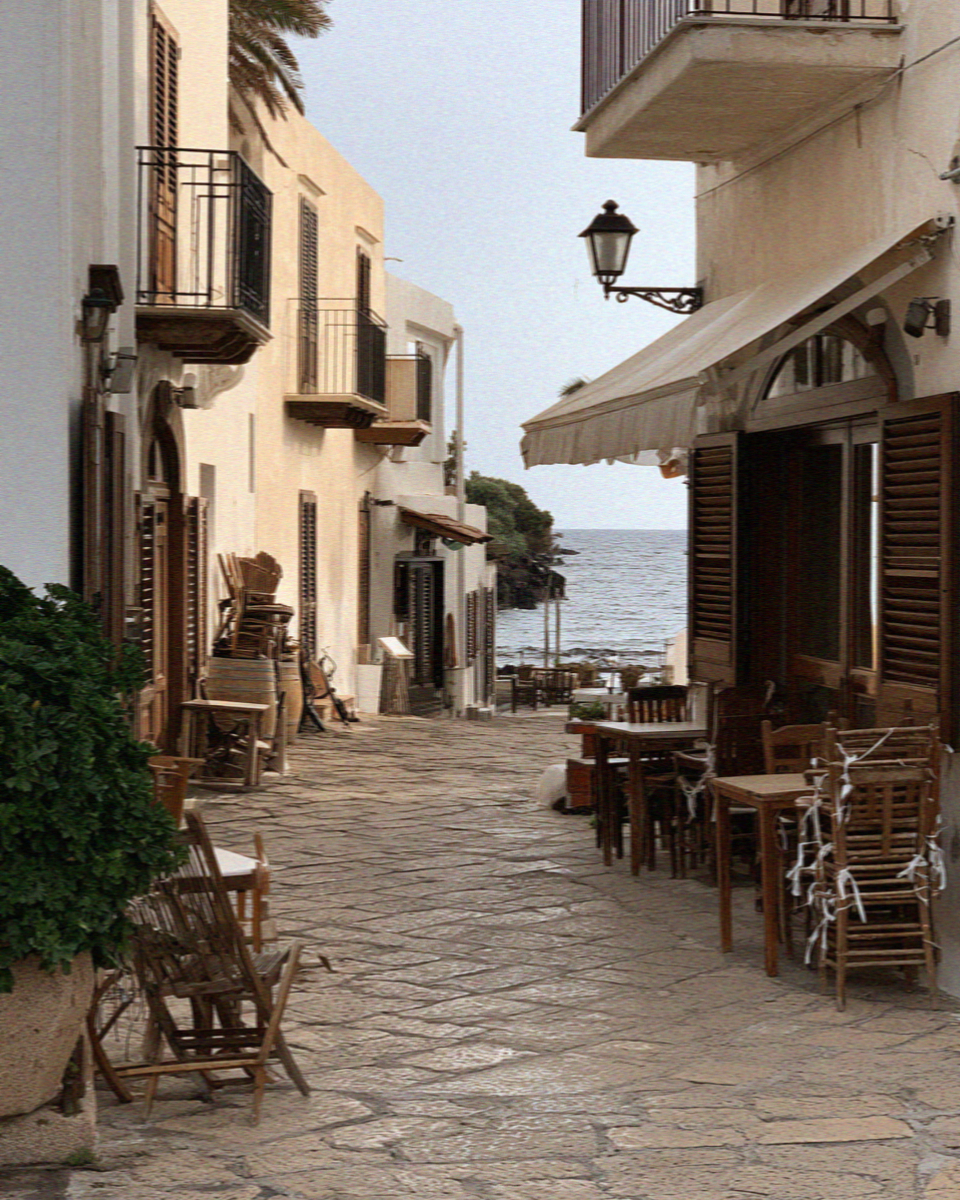
Most of it closes.
On the smaller islands a large proportion of accommodation and almost all the restaurants shut for the winter. Ferry services drop to a skeleton timetable. On Alicudi and Filicudi there may be almost nothing open at all.
Lipari stays alive all year, because it has a resident population of several thousand, a hospital, schools and shops. It is a real town rather than a resort, and a winter visit there is a genuine experience: empty, cheap, weather blowing through, and the archipelago to yourself.
But it is a specific kind of trip. Do not come in January expecting islands.
Month by month, briefly
January to March. Cold, wet, windy. Most things closed. Lipari only, and for a particular sort of traveller.
April. Waking up. Landscape at its greenest. Sea too cold for most. Services increasing.
May. Lovely, and underrated. Warm days, thin crowds, everything opening. Sea bracing but swimmable.
June. Excellent. Warm sea, full timetable, green islands, prices not yet at peak.
July. Hot and busy. Book ahead.
August. Hottest, busiest, most expensive. Sea at its warmest.
September. The best month. Warm sea, quieter, full timetable, better light.
October. Good early, uncertain late. Services thinning, wind rising.
November and December. Shutting down. Winter conditions.
What to plan around
The crater walk on Vulcano closes during the middle of the day from April to October, so in season it is a morning activity. In winter it is open through the day.
The Stromboli night boat depends on sea state, so give yourself two nights on that island whatever month you come.
And the ferries, always. Everything here is downstream of the ferries.
Read also: Aeolian Islands ferries and island hopping, the best beaches in the Aeolian Islands, and my complete guide to the Aeolian Islands.
Frequently Asked Questions
When is the best time to visit the Aeolian Islands?
September, and then June. September has the warmest sea, because the water has absorbed a whole summer of heat, along with a full ferry timetable and far fewer people once the Italian holiday ends. June has cooler water but greener islands and lower prices.
What are the Aeolian Islands like in August?
Hot, crowded and expensive. Much of Italy is on holiday, ferries need booking, accommodation prices peak and Panarea becomes a scene. There is almost no natural shade on these islands, so the middle of the day is unusable and the black sand beaches become painful to walk on.
Do Aeolian ferries stop in winter?
They reduce to a skeleton timetable rather than stopping entirely. Lipari keeps year-round connections because it has a resident population, a hospital and schools. Services to Filicudi and Alicudi thin out most, and much of the accommodation and almost all restaurants on the smaller islands close.
Does wind affect travel to the Aeolian Islands?
Considerably. Hydrofoils are light and fast and cancel in wind, most often in spring and autumn, and the mistral can close routes for a day. Car ferries are more robust. Never book a flight for the same day as your final crossing.
Is May a good time to visit the Aeolian Islands?
Yes, and it is underrated. The islands are at their greenest, the crowds are thin, prices are low and most places have opened for the season. The sea is swimmable but bracing, so May suits walking and looking more than long afternoons in the water.
V.