Venice diary, entry 2 of 5
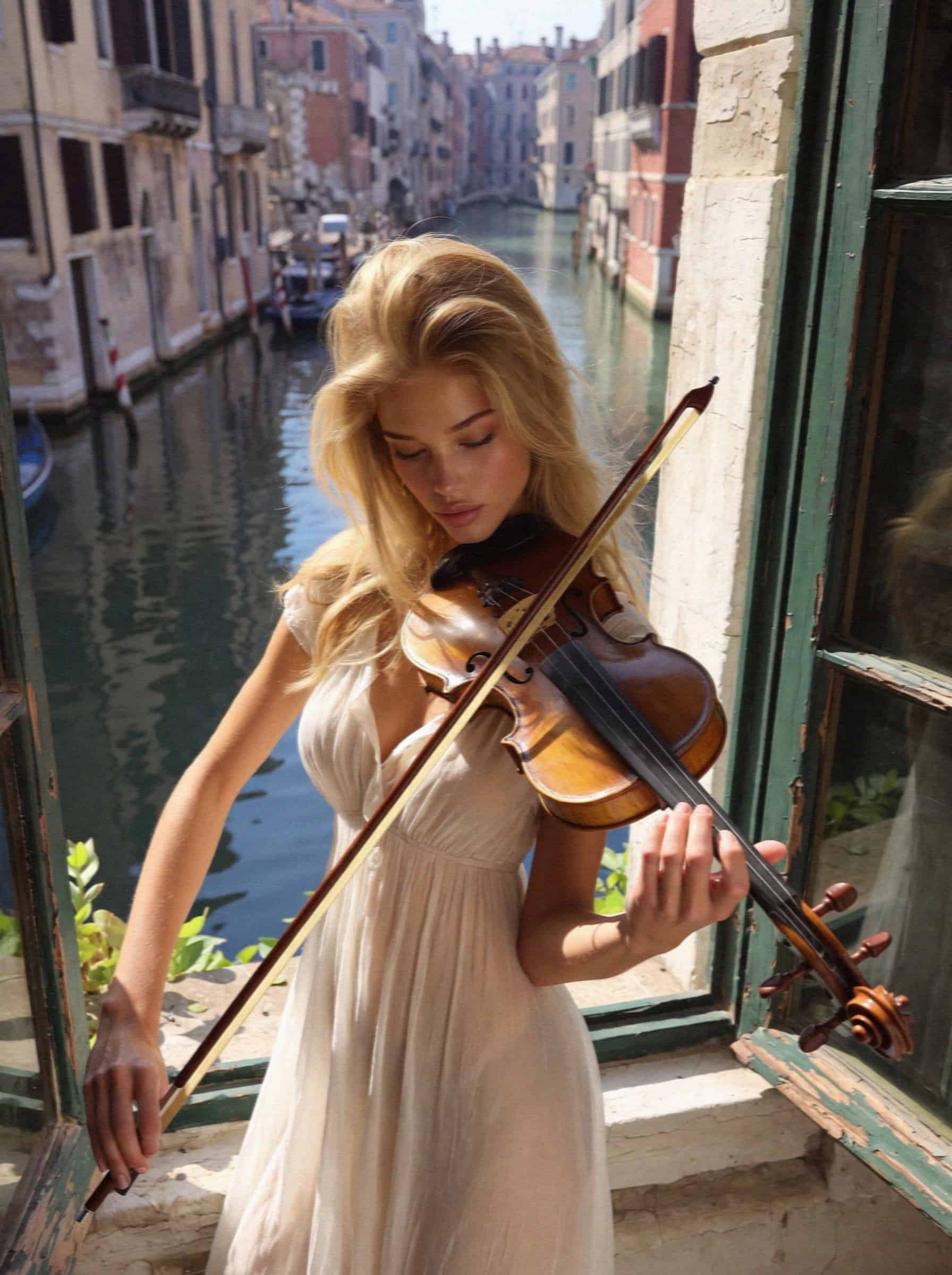
I practise the violin before I do anything else, wherever I happen to wake, and this morning I played at a window thrown open over a canal so narrow I could almost have passed a book across to the shutters on the other side. The city was still only half awake. Somewhere below, water touched stone with that soft, repetitive sound Venice makes before the voices begin, and a small boat moved beneath me, low and unhurried, carrying crates towards a morning I could not yet see. The man at the tiller looked up when he heard the music and lifted two fingers from the wood, not quite a wave, more the quiet acknowledgement one musician gives another when there is no need to interrupt the song. I have never had an audience arrive by water before, and I found myself smiling long after he had disappeared beneath the next bridge.
It felt right that it should happen here, because this is the city that taught Europe how a violin ought to sing. A little way along the Riva degli Schiavoni, where the narrow streets suddenly release you onto the lagoon and the light comes off the water in wide, bright sheets, there is a pale church called Santa Maria della Pietà. Beside it, three centuries ago, stood the Ospedale della Pietà, a hospital for foundlings, and it was there that a red-haired priest named Antonio Vivaldi taught the orphaned girls to play. They performed in the church behind metal screens, hidden from the congregation, while travellers and Venetians crowded in to hear music made by girls most of them would never see. I stood outside with my case still beneath my arm and thought about those unseen musicians, about the discipline of their mornings and the strangeness of becoming famous through sound while remaining almost invisible in person. Venice has always understood that the things we cannot quite see are often the ones we are most willing to fall in love with.
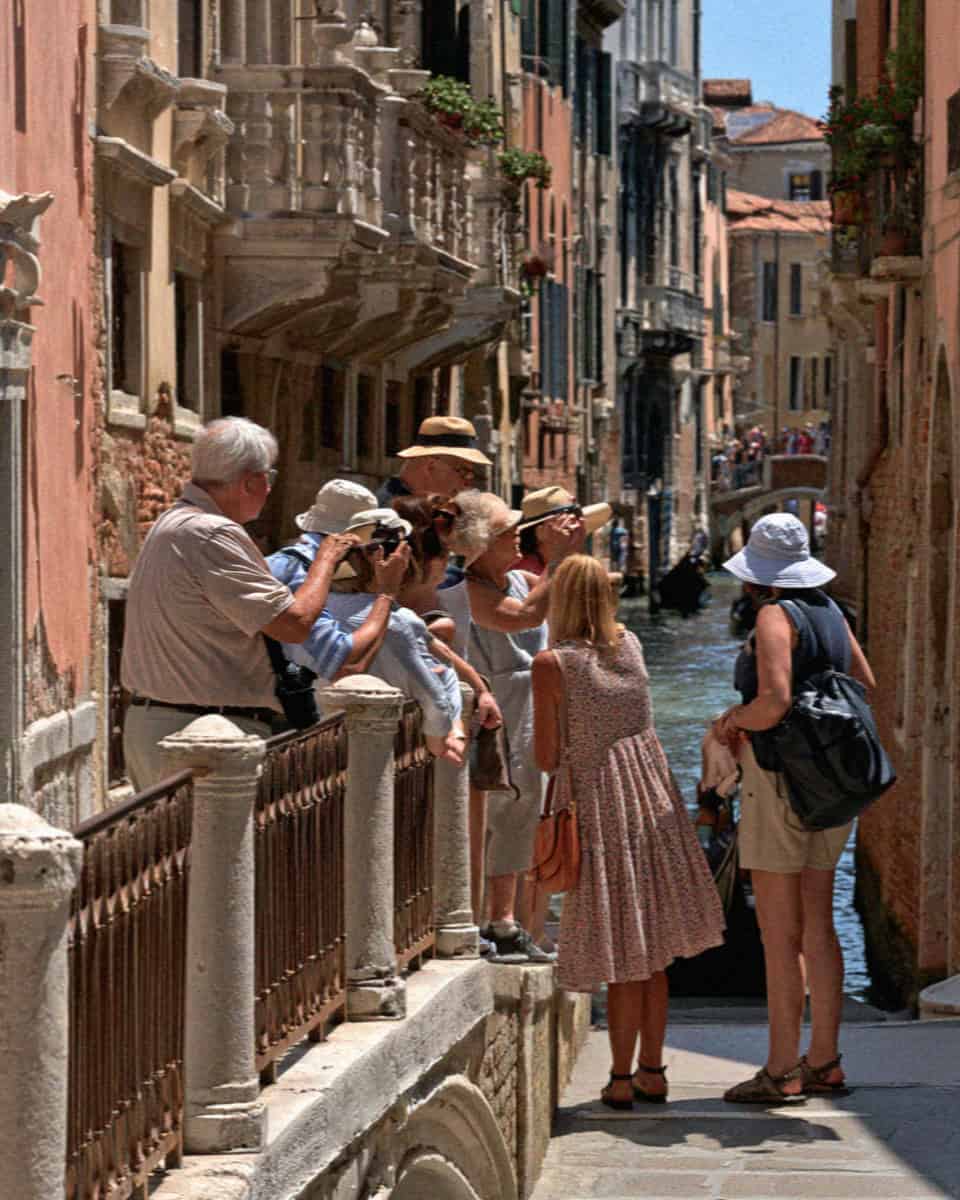
And it is, without the slightest embarrassment, a city built for love. It is built for it in the way a theatre is built for a play, with every corridor, staircase and shaft of light arranged to make feeling seem inevitable. The streets are too narrow for two people to walk comfortably side by side without brushing against one another, so they touch. The bridges ask you to pause, and everyone does, leaning over the stone to watch a boat pass beneath them or simply remaining there because the view has made moving on feel unnecessarily practical. The boats themselves are slow here, partly by law and partly, I think, by temperament, so there is nothing to do once aboard except sit close and watch the palaces drift past. I saw three separate couples carried beneath the same bridge within the space of an hour, each of them looking around with the tender astonishment of people who believed Venice had arranged itself entirely for their benefit. The lovely trick of the city is that, for the length of the journey, each of them was right.
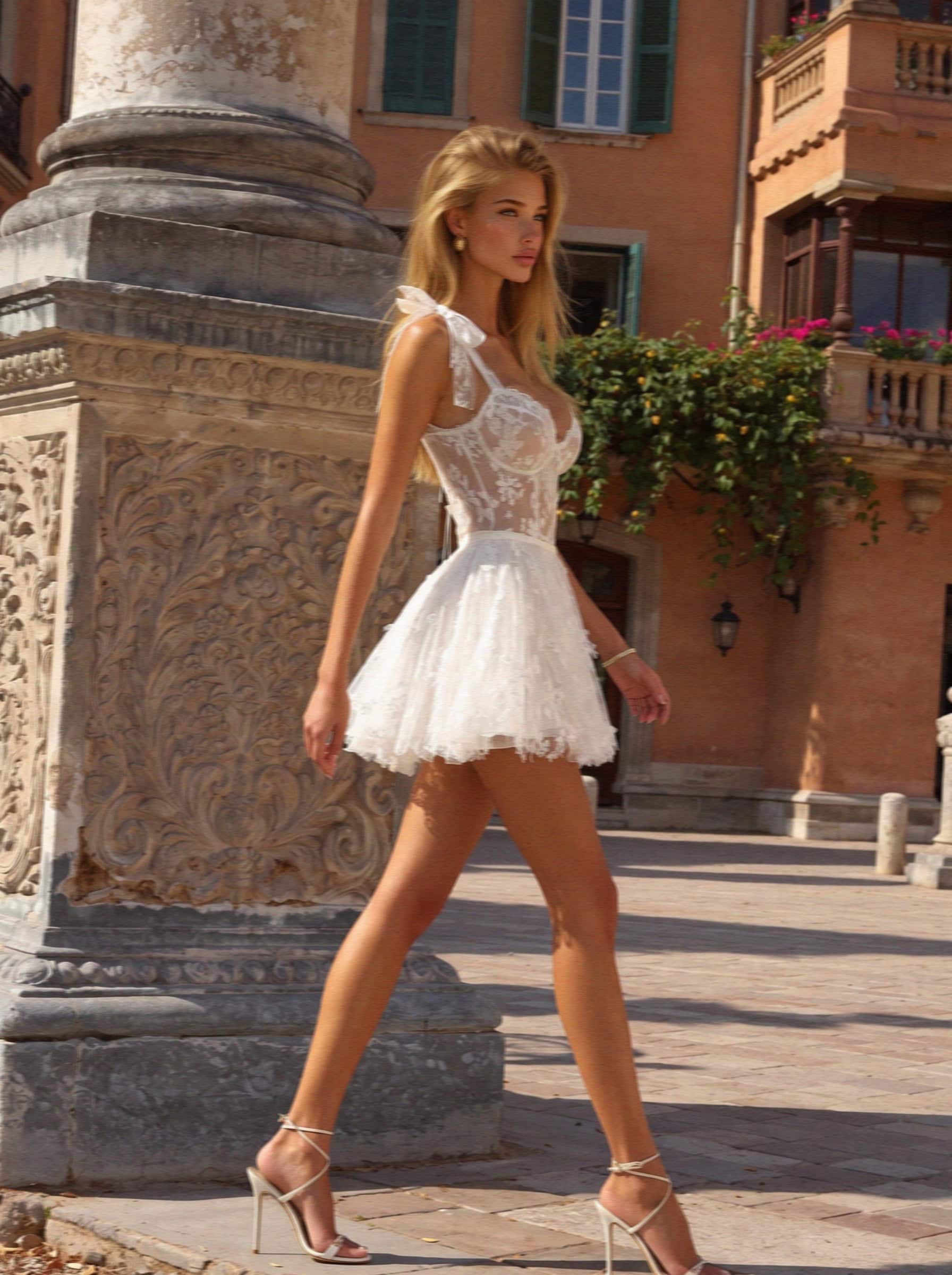
By midday it had become properly warm, the generous August warmth that softens the colour of the stone and seems to pull the whole city down towards the water. I wore a white broderie sundress and flat sandals and allowed the heat to decide how quickly I moved, which is the only sensible arrangement in Venice during summer. There is no reward here for marching efficiently from one important thing to another. The city resists efficiency with great charm. I found a bacaro no wider than a corridor, where everyone stood shoulder to shoulder beneath shelves of bottles, and ate cicchetti at the counter, first a crostino of creamed cod, then one with soft cheese and fig, followed by another I had not ordered but accepted when the man behind the bar placed it in front of me with complete confidence. I drank a small, cold spritz the colour of sunset beside Venetians doing exactly the same, and nobody appeared to be on their way anywhere more urgent. Lunch here is not an interruption to the day. It is one of the ways the city persuades you to remain inside it.

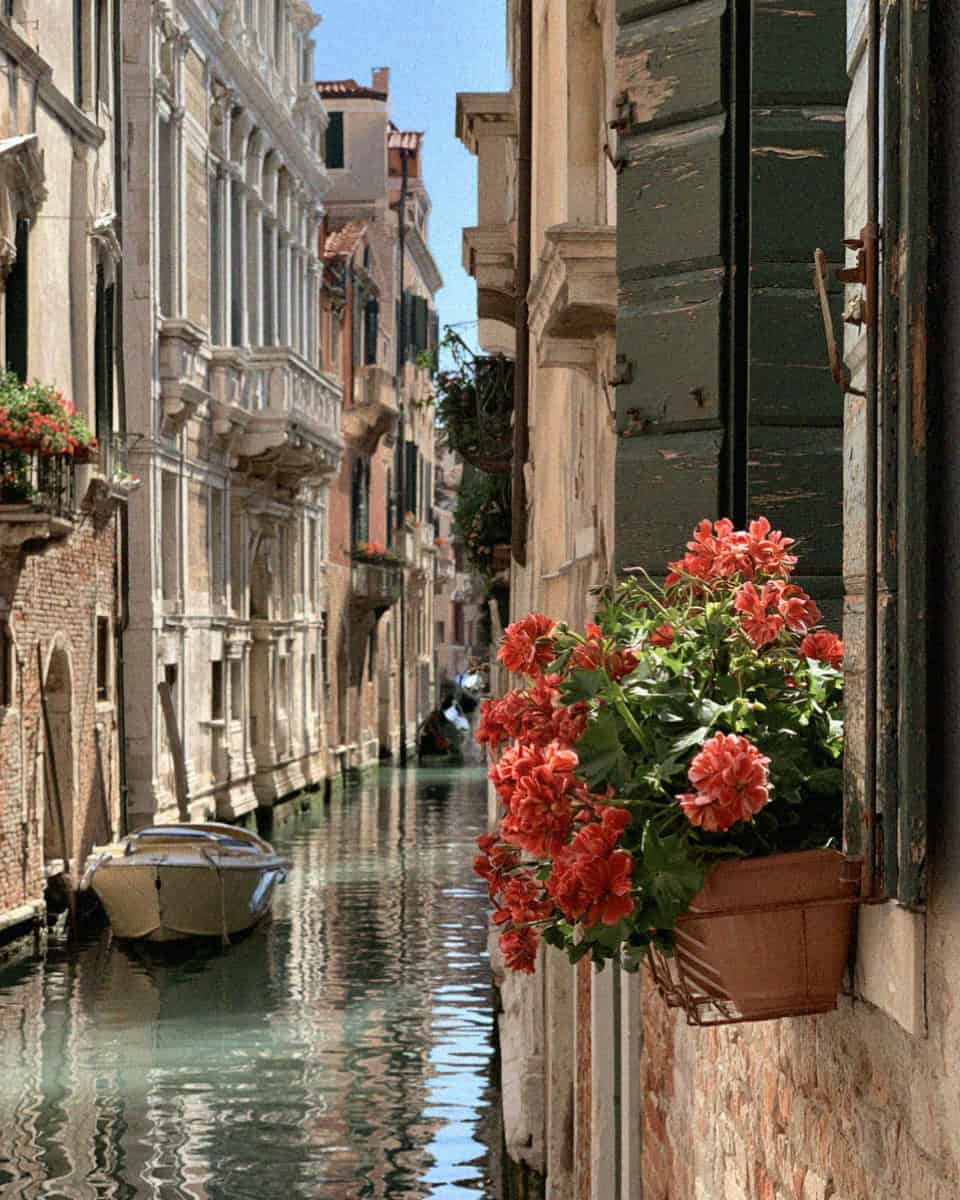
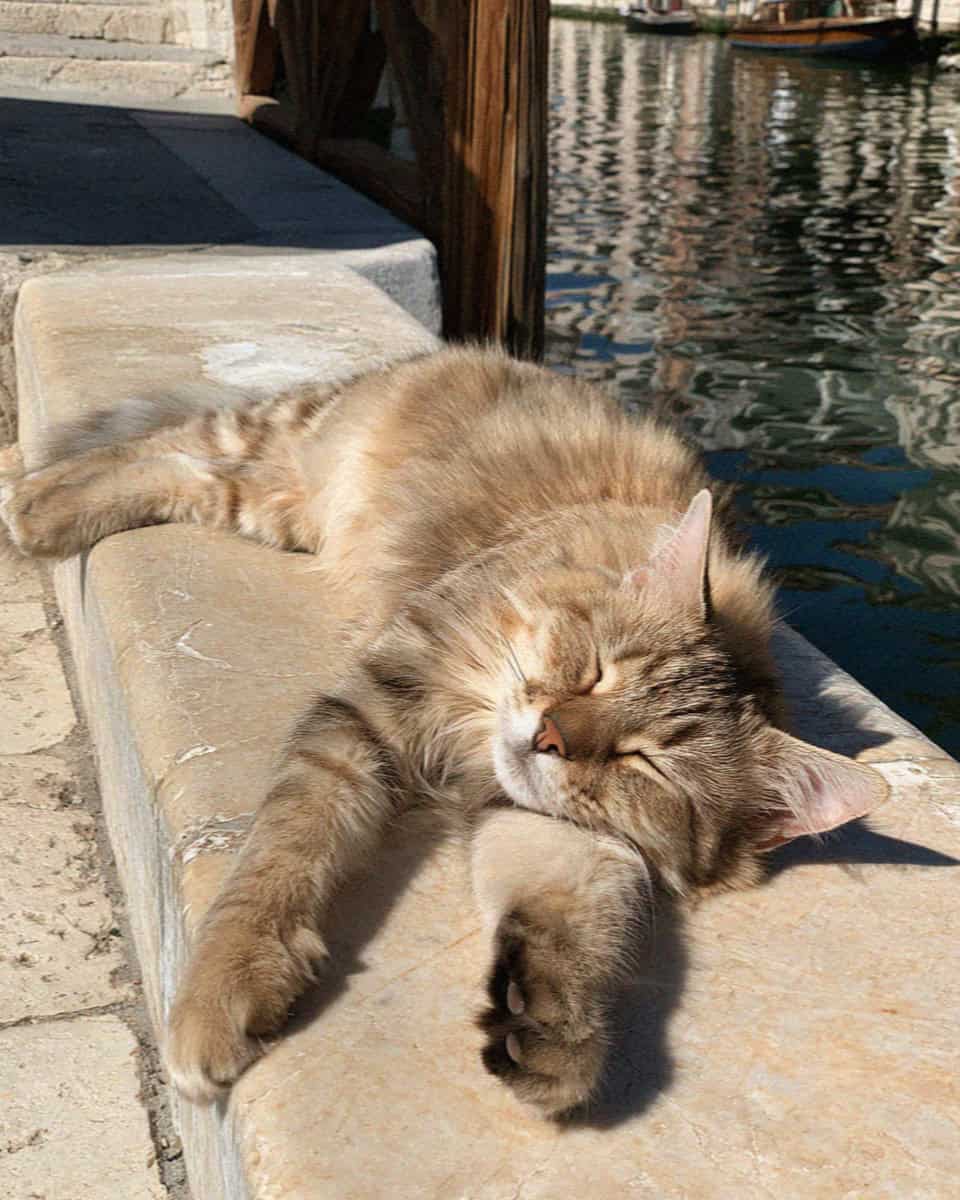
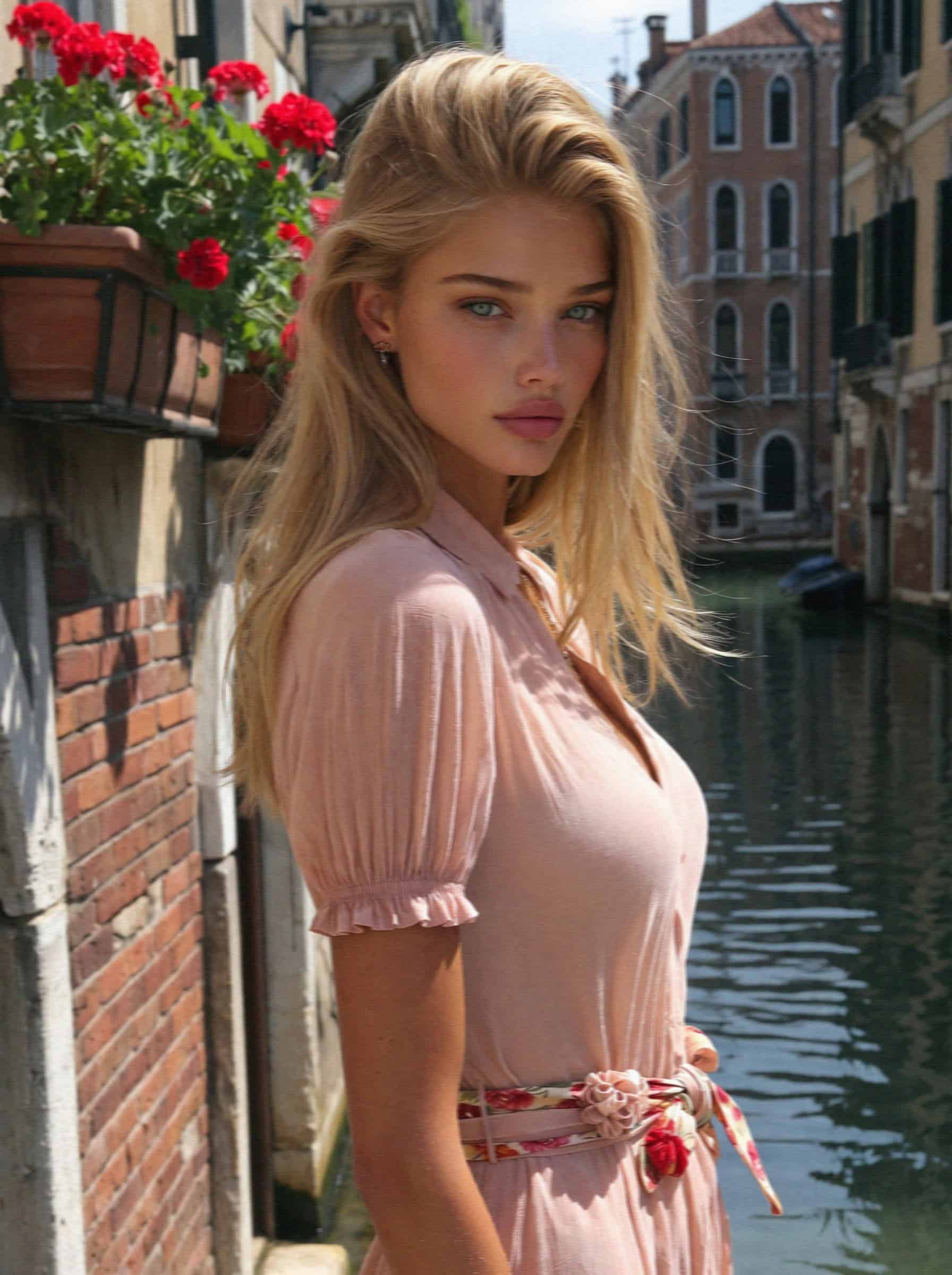
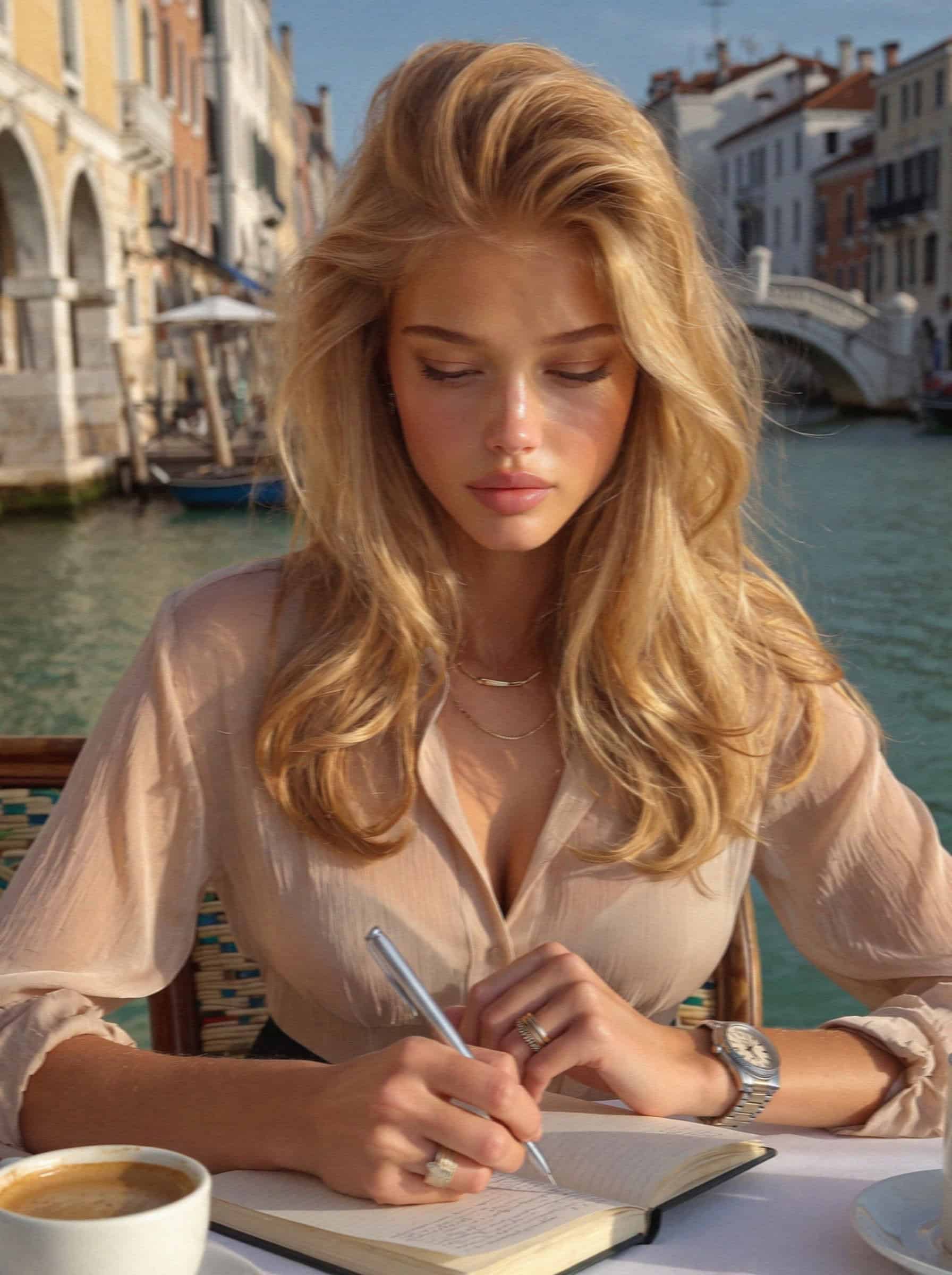
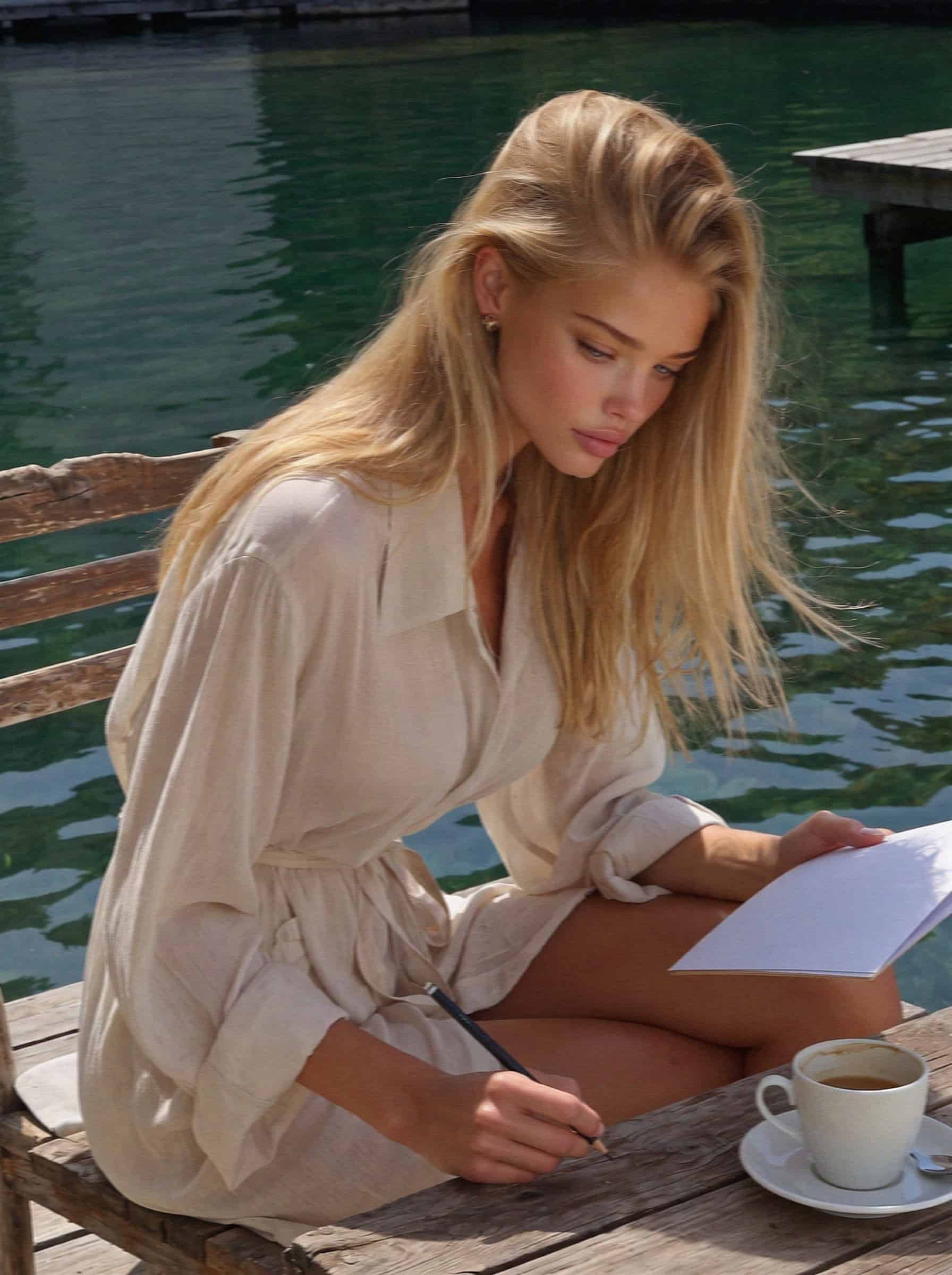
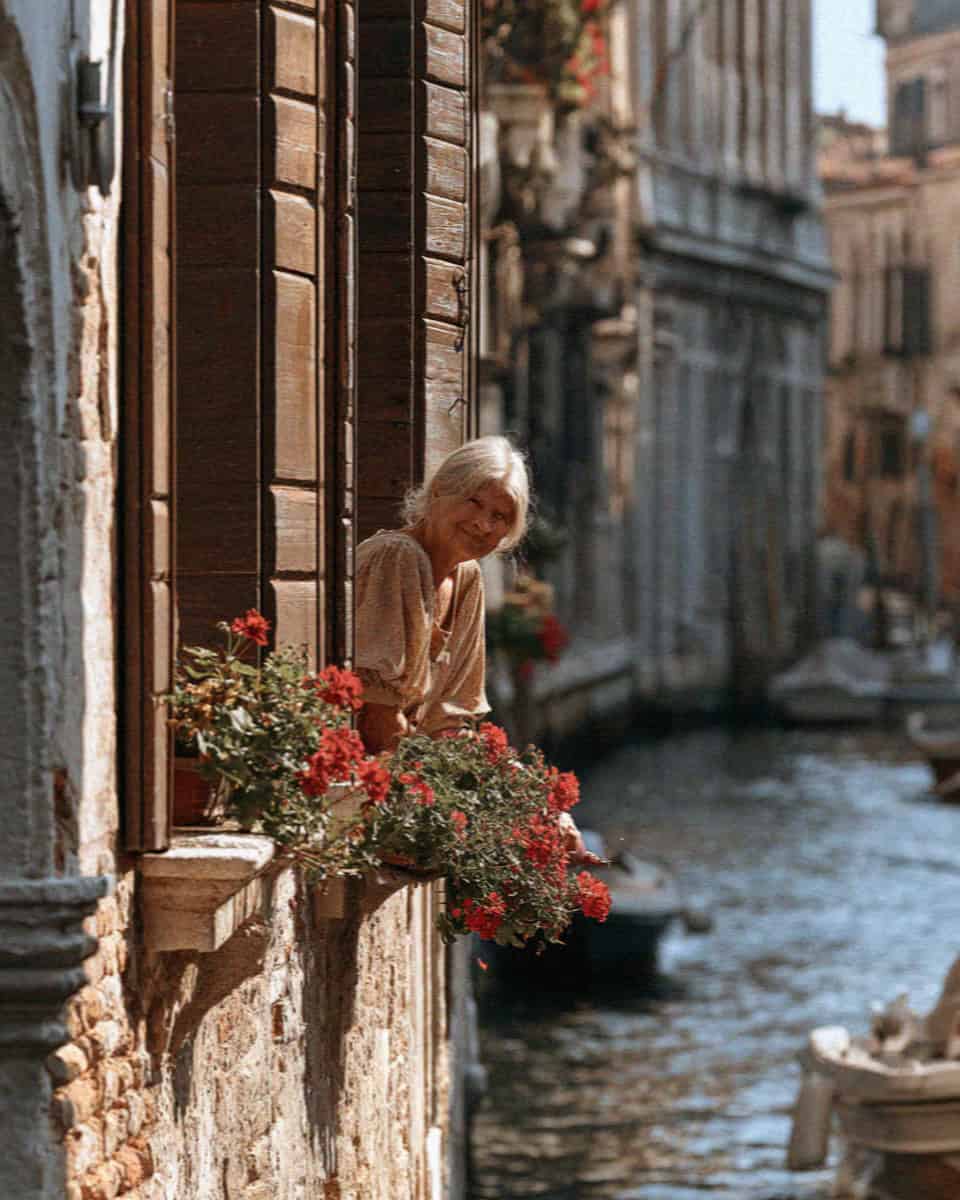
I had meant, vaguely, to see a great deal, and instead I became lost, which is the correct thing to do in Venice and strangely difficult to arrange on purpose. The moment you decide to lose yourself, you begin looking for signs of it, which rather spoils the effect. It happened naturally sometime after lunch, when I crossed a bridge I was certain I recognised and discovered, with some relief, that I did not. Venice is the only city I know where being lost feels like a form of being courted. Every mistaken turn offers something in return: a courtyard with a stone wellhead polished smooth by centuries of hands, a window box spilling red geraniums towards a narrow green canal, laundry moving gently above an alley as if the city had hung out its private life for the afternoon, a cat asleep on a marble step with the serene authority of something that had inherited the entire republic. I stopped trying to remember where I was and began writing everything down instead, which is usually how I know that a day has become worth keeping.
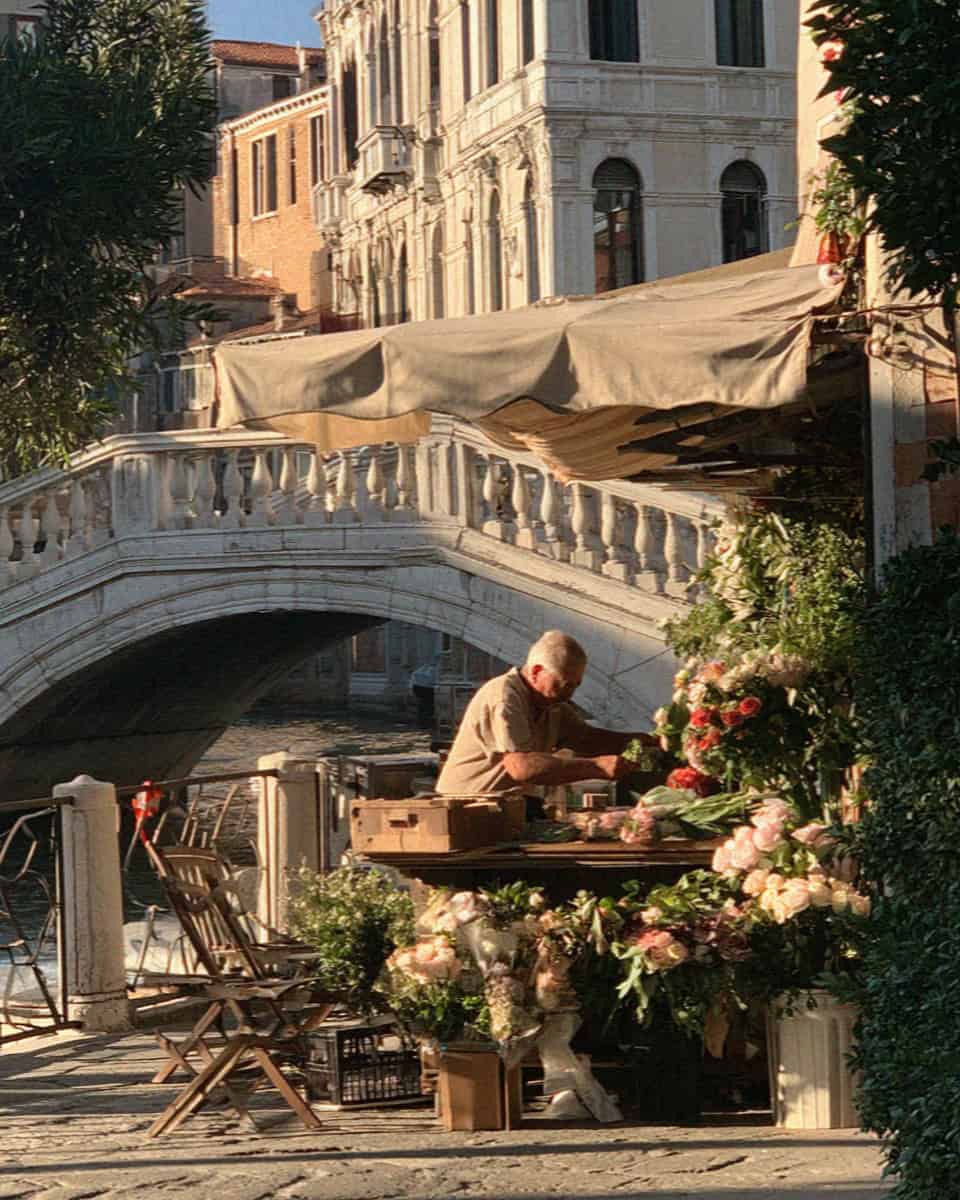
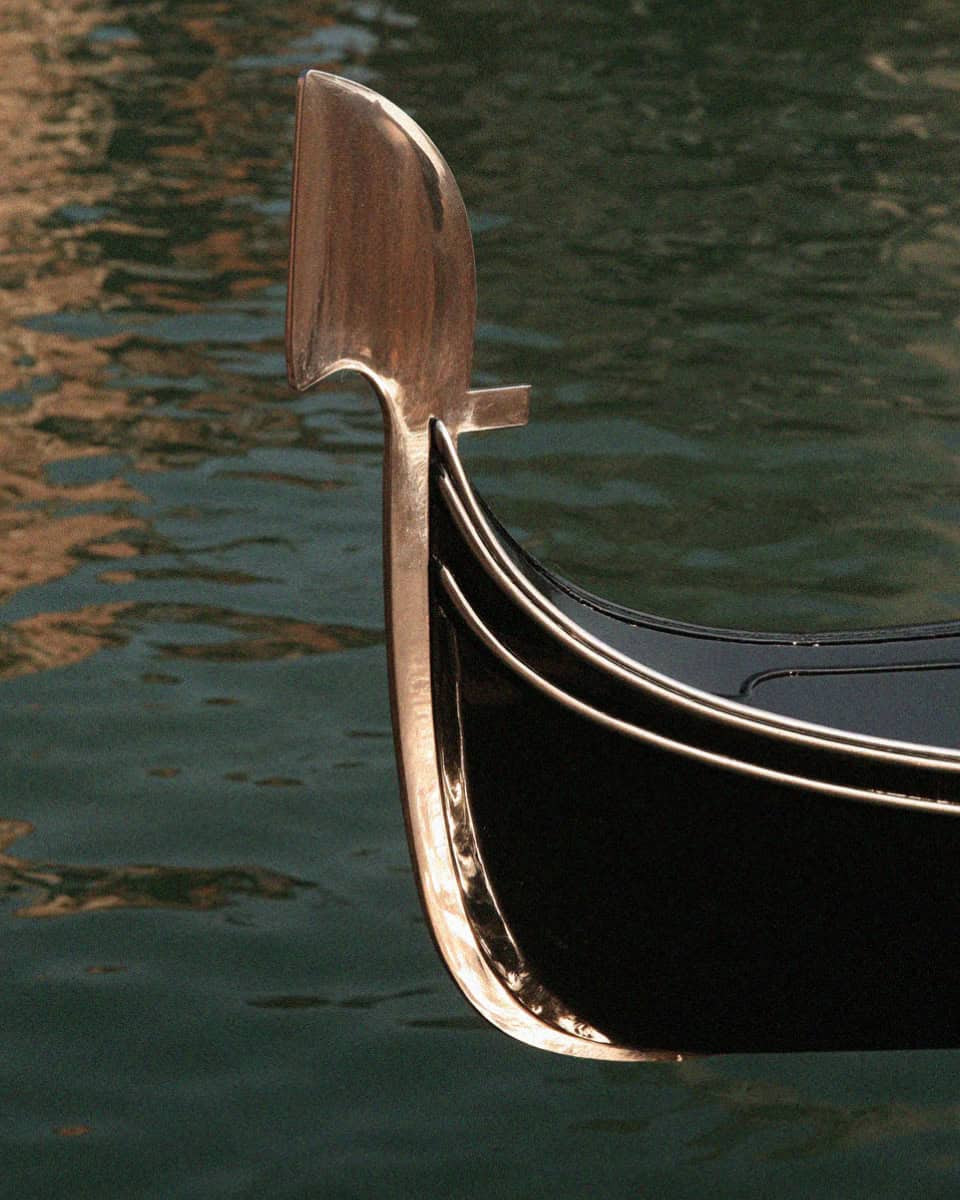
There are moments when Venice feels less like a place people built than a place people agreed to dream together. Nothing should quite work as it does. The buildings rise directly from the water, their lower stones darkened by tides that have been returning longer than anyone can remember. Doorways open onto canals. Deliveries arrive by boat. Refuse leaves the same way. Men in striped shirts stand at the stern of black vessels built according to rules older than most countries, while residents step across bridges with shopping bags and scarcely notice the spectacle beneath them. A visitor sees impossibility everywhere, while the Venetian sees Tuesday. I think that may be part of the seduction. The city allows you to experience wonder without ever announcing that wonder is the point.
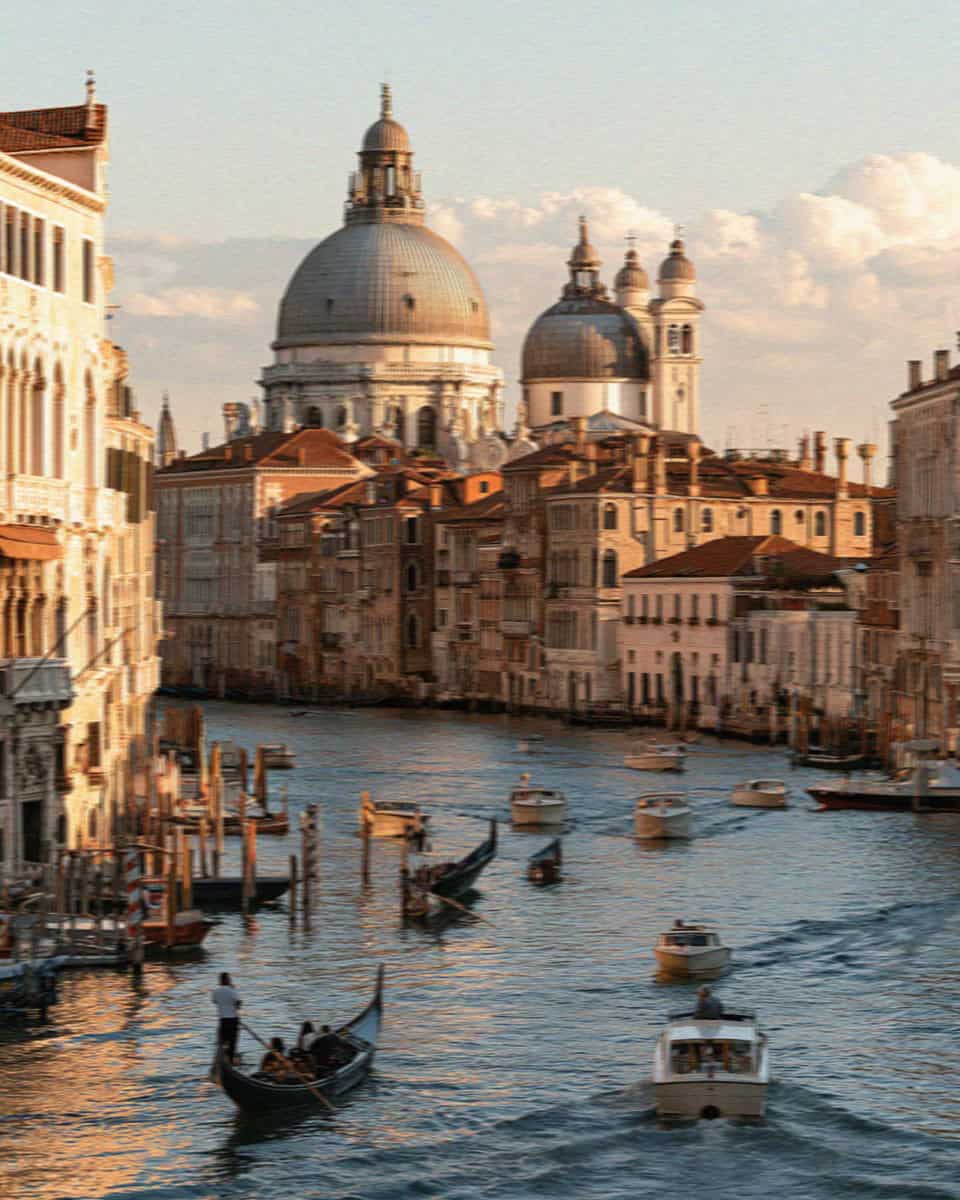
Towards evening I walked to the place where the Grand Canal opens towards the lagoon and the Salute lifts its pale domes against a sky slowly turning peach, rose and violet. The light did the thing it seems able to do only here, rising from the water almost as much as it fell from the sky, so that the façades appeared illuminated from beneath and the whole city took on the theatrical glow of a stage just before the curtain rises. The gondolas were out in their evening numbers, gliding one after another through the reflected colour. There is an old story that a couple who kiss beneath the Bridge of Sighs at sunset, just as the bells begin to ring, will love one another forever. It is almost certainly a legend made for visitors, and the bridge itself was named not for lovers but for prisoners catching their last glimpse of Venice before being led to their cells, which is considerably less romantic. Still, I watched a young couple attempt the kiss anyway, laughing as they missed the bells and then trying again, and thought that this is precisely what Venice does to people. It gives you a story you know cannot be trusted and makes you want to believe it all the same.
Perhaps that is why the city has carried the title so easily for so long. It is not simply that lovers come here, though they do, or that every balcony, bridge and lantern seems designed to flatter them. It is that Venice understands the necessary foolishness of love. The willingness to believe something because believing it makes the world more beautiful. The impulse to promise forever while passing beneath a bridge built for prisoners. The hope that a kiss can change time, or at least interrupt it. There are cities that ask to be understood and others that ask to be admired. Venice asks for something more dangerous. It asks you to surrender your good sense without making a spectacle of the request.
I was alone, and I want to be honest that it did not feel like an absence. There is a particular grace in being unaccompanied in the most romantic city in the world, because you are not excluded from the romance so much as handed all of it at once. The city becomes the companion. It presses music, flowers, polished wood, bells and impossible evening light upon you and asks for nothing more intimate in return than your attention. I sat beside the water with a glass of something cold and watched the last colour loosen itself from the sky. Couples passed behind me, their voices arriving and fading with their footsteps, while boats crossed the lagoon carrying dinners, luggage, flowers and people on their way home. Somewhere across a canal, someone began practising the violin, badly but with such happiness that I could not help listening. The same passage was attempted several times, faltering in the same place, recovering, beginning again. I wondered whether they had also started their morning that way, before the shutters opened and the city remembered how many people had come to see it.
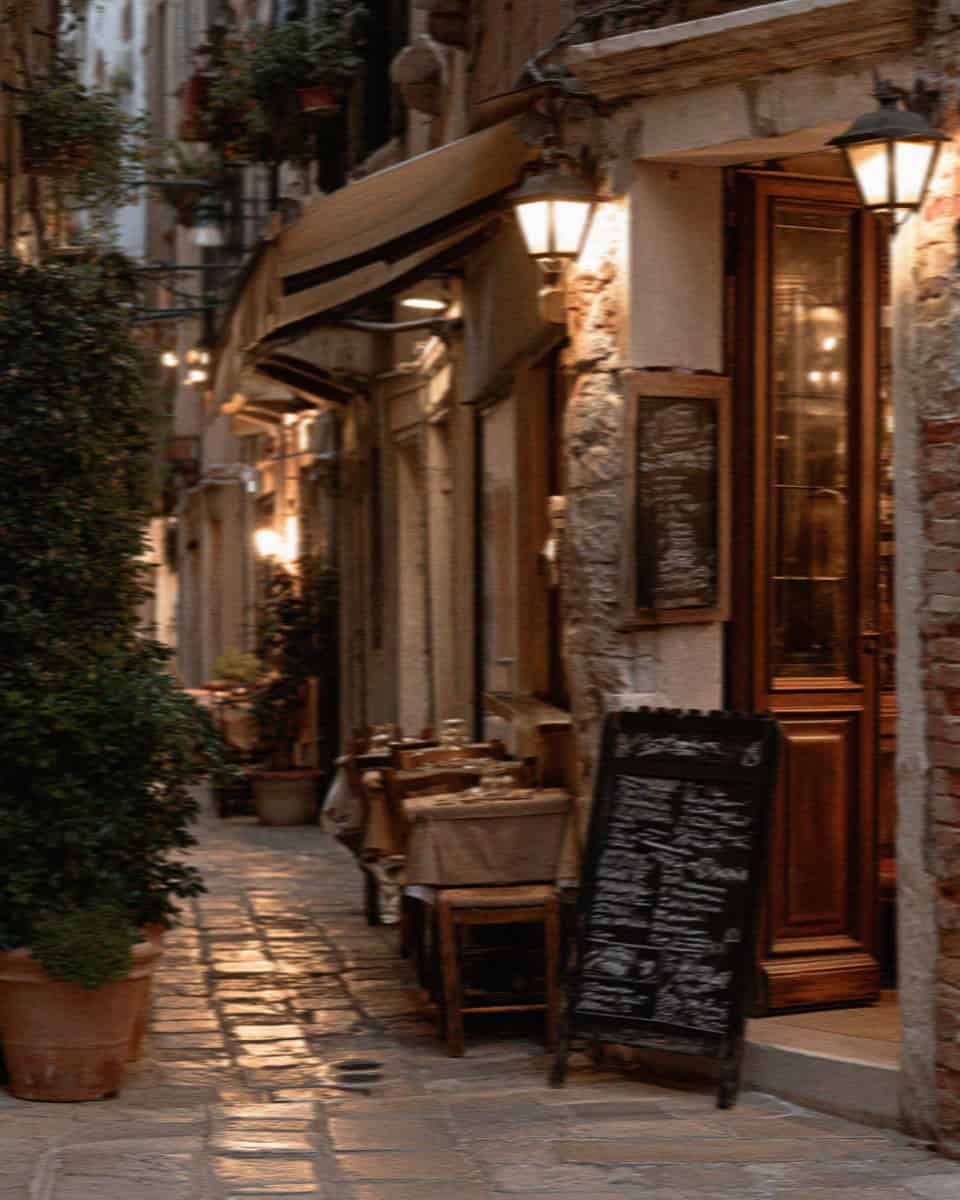
By the time I walked back, the passages between the buildings had become blue with evening and the canals held broken pieces of every lamp. Restaurants had filled the small squares with white tables, and glasses touched one another beneath awnings while waiters carried plates through spaces that appeared far too narrow to accommodate them. I crossed bridges without looking at the map and, for once, did not mind when the route became longer. Venice alters distance. A ten-minute walk becomes forty because there is always another canal to follow, another doorway filled with music, another fragment of domestic life visible through an open window for only a second before the curtain moves. The city does not prevent you from reaching your destination. It simply keeps offering reasons not to arrive too quickly.
I will keep the morning’s tune in my head when I leave, though I suspect Venice will attach other things to it before I go: the lift of two fingers from a boatman beneath my window, the thought of Vivaldi’s invisible girls playing behind their screens, the taste of fig and soft cheese eaten standing at a crowded counter, the young couple beneath the Bridge of Sighs waiting for bells that refused to cooperate. These are small things, but Venice seems to understand that small things are often what remain. The palaces may be what brings you here, but it is usually a gesture, a sound or a particular square of light that follows you home.
Venice does not truly let anyone leave. It only allows us to depart carrying the promise that we will return, a promise made so often that it ought to have become meaningless by now, and yet everyone who says it appears to mean it.
V.
More images from Venice





This is the second of five entries from my August week in Venice. The full practical guide lives in Victoria’s complete guide to Venice.