Race week in Monaco compresses a year of appetite into four days. The principality, which is small enough to cross on foot in under an hour, swells with people who all want the same tables at the same hours, and the kitchens that matter know it. I have dined here during the Grand Prix more than once, and the lesson never changes: the food in Monaco is extraordinary if you plan, and merely expensive if you do not. What follows is how I think about eating in the principality when the engines are running, and the harbour is full of steel, from the three-star dining rooms to the fried pastry sold near the market. If you want the wider picture of the weekend, I have written a full guide to the Monaco Grand Prix that this piece sits beneath.
The One Rule: Book Before You Arrive
Race week dining in Monaco has one non-negotiable rule: book everything before you arrive. The restaurants that do not require advance booking are not the restaurants you want. This is not snobbery; it is arithmetic. Demand during Grand Prix weekend outstrips supply so completely that the good rooms are committed weeks out, and the great ones are committed months out. I make my reservations at the same time I confirm where I am sleeping, which is to say the moment my plans are firm. If a concierge offers to handle it, let them, but confirm the booking yourself in writing. Walking the Boulevard des Moulins on a Saturday night in May hoping for a table is a plan that ends with a mediocre pizza and a view of someone else’s dinner.
Think of your reservations as a small itinerary. One grand table, one lively night by the water, one relaxed lunch. Three fixed points across a weekend are enough, and they leave room for the spontaneous glass of rosé that Monaco does so well.
Plan Your Visit to Monaco
A few things I booked and loved. These help support the blog, at no cost to you.
This section contains affiliate links. If you book through them I may earn a small commission, at no extra cost to you.
The Grand Tables
Monaco takes fine dining as seriously as any city on earth, and race week is when its best rooms perform at full stretch.
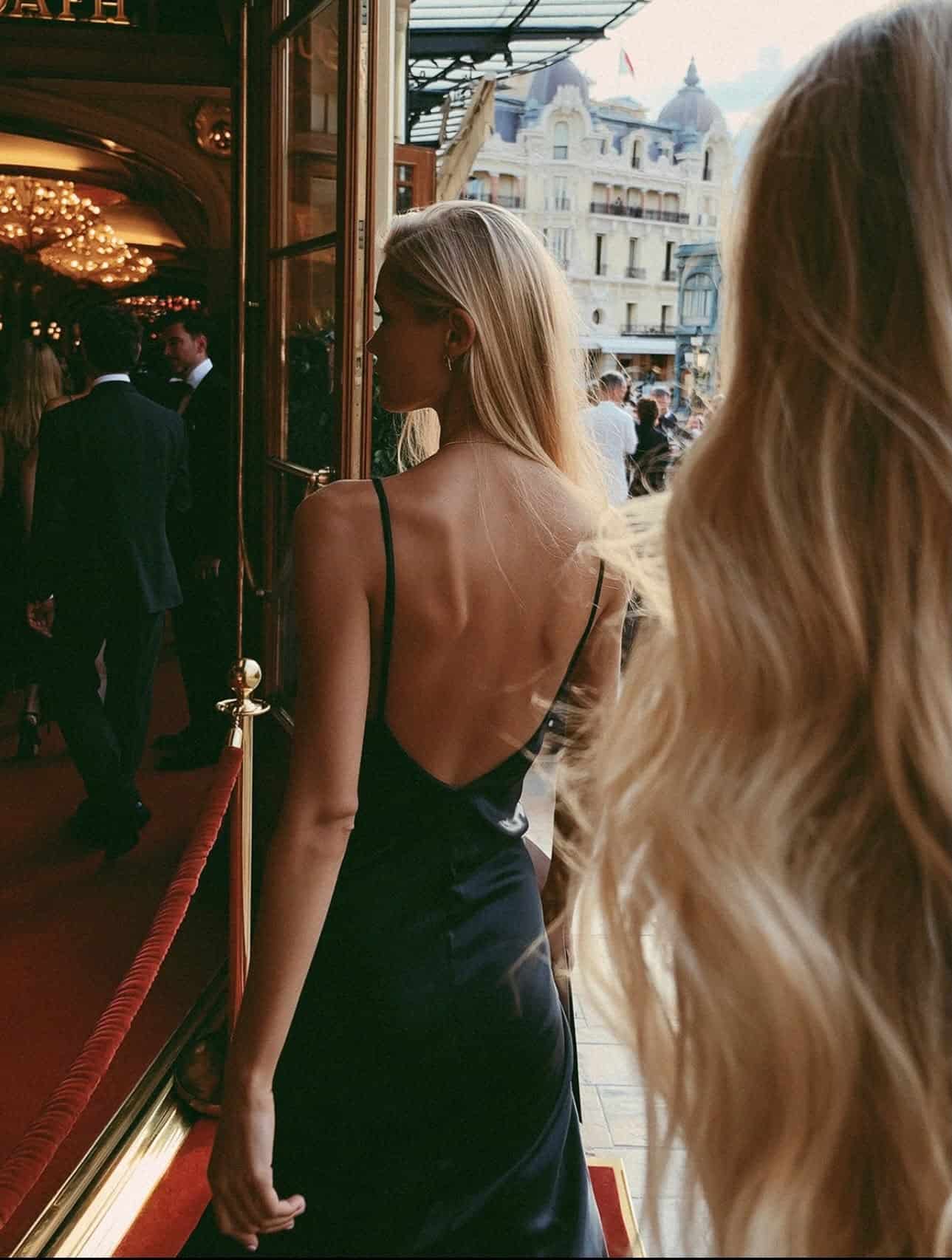
Le Louis XV by Alain Ducasse, in the Hotel de Paris, is the one to build a weekend around. It opened in 1987 and has held to a long, almost stubborn commitment to source exclusively from the markets and producers of Provence and Liguria, which means the plate in front of you tastes of a specific stretch of coast rather than of anywhere and nowhere. The dining room overlooks the Place du Casino, gilded and grand without tipping into parody, and the cooking is among the finest in the world. This is not the moment for a walk-in. Book months in advance, dress properly, and give it the whole evening. It is the single most memorable meal I have had in the principality, and I have never regretted the ceremony of it.
Joël Robuchon Monte-Carlo, in the Hotel Metropole, is its opposite in temperament and every bit its equal in quality. Where some kitchens reach for theatre, Robuchon reaches for precision. The technique is faultless, the cooking is ingredient-forward, and the restraint is the whole point. Nothing is trying to impress you, which is exactly why it does. After a meal here, a certain kind of ambitious restaurant elsewhere starts to feel like it is working too hard. If Le Louis XV is the grand occasion, this is the perfect dinner, and on a busy race weekend that quiet confidence is a relief.
The Harbour and the Scene
Not every night wants a tasting menu. Some of the pleasure of race week is the scene itself, and two rooms do it properly.
Twiga Monte Carlo, down in Port Hercule, has the view you came for: water, yachts, and the principality rising behind them, exactly the frame the Grand Prix promises. It works as a restaurant early and shifts into a club as the evening goes on, so you can arrive for dinner and simply stay as the room tips into something louder. It books out for the race weekend early, so treat it with the same urgency as the grand tables. Sit outside if you can, order well, and let the harbour do the rest.
Amazonico Monte-Carlo, at One Monte-Carlo, brings a different energy to a district that can feel uniform in its polish. The interior is lush and theatrical, dense with greenery, and the bar programme is a serious one rather than an afterthought. It stands out precisely because it refuses to match the marble-and-gold register of everything around it. I like it for a long dinner that becomes a longer night, and for the fact that it feels like somewhere with a pulse. For where the evening goes after the plates are cleared, my Monaco Grand Prix nightlife guide picks up the thread.
The Local Counterpoint
For all its imported glamour, Monaco and the coast around it have a real food culture, and it is worth stepping into it. The grand tables are the headline, but the casual, local plates are the counterpoint that keeps a weekend from feeling like one long tasting menu.
The Monegasque specialty is barbagiuan, a fried pastry stuffed with chard and cheese, savoury and satisfying and best eaten warm from a paper wrapping rather than a plate. Just along the coast in Nice, you find socca, a thin chickpea pancake cooked until the edges char, sold by the slice and eaten standing up. Add the Mediterranean seafood that the market and the smaller kitchens do so well, and a glass of cold rosé from Provence, and you have a lunch that costs a fraction of dinner and, on a hot race-week afternoon, satisfies just as deeply. I make a point of one meal like this every visit. It resets the palate and reminds you that Monaco sits on a coast with its own long appetite, not just above a harbour full of yachts.
How to Plan Your Race-Week Dining
Start with the reservations you cannot risk losing. Secure Le Louis XV or Robuchon first, because those calendars fill earliest and the rooms are small. Then book your harbour night at Twiga or Amazonico, ideally for the Friday or the Sunday rather than the Saturday, when the whole principality is trying to do the same thing at once. Leave your lunches loose. That is where the barbagiuan and the socca and the unplanned glass of rosé belong, and where the weekend breathes.
A few practical notes. Distances are short, but race-week road closures reshape the map, so build in time and expect to walk. Dress up for the grand tables and dress well everywhere else, because Monaco notices. Confirm every booking the week before you travel. And decide your budget before you sit down, not after, because it is very easy to let a good evening run away with you here. Where you base yourself shapes all of this, and my guide to where to stay for the Monaco Grand Prix will help you land somewhere close to the tables that matter.
Frequently Asked Questions
What is the best restaurant in Monaco?
For a single defining meal, I would send you to Le Louis XV by Alain Ducasse at the Hotel de Paris, one of the finest restaurants in the world, with a dining room overlooking the Place du Casino. Joel Robuchon Monte-Carlo at the Hotel Metropole is its equal in quality and quieter in style. Between them you have the two best tables in the principality.
Do you need to book restaurants for Monaco Grand Prix week?
Yes, without exception. The good rooms fill weeks ahead and the great ones fill months ahead. Book the moment your travel plans are firm, confirm it in writing, and treat any restaurant that does not require advance booking as one to skip.
Where should I eat near the circuit during race week?
The harbourside rooms at Port Hercule put you closest to the action. Twiga Monte Carlo has the classic view of water and yachts and moves from restaurant to club as the night goes on, while Amazonico at One Monte-Carlo offers a livelier, more theatrical setting a short walk away.
What is the local Monegasque food to try?
Seek out barbagiuan, the fried pastry filled with chard and cheese that is the local specialty, and socca, the charred chickpea pancake from nearby Nice. Pair either with Mediterranean seafood and a glass of Provence rosé for the casual, delicious counterpoint to Monaco’s grand tables.
Read also: Victoria’s Guide to the Monaco Grand Prix