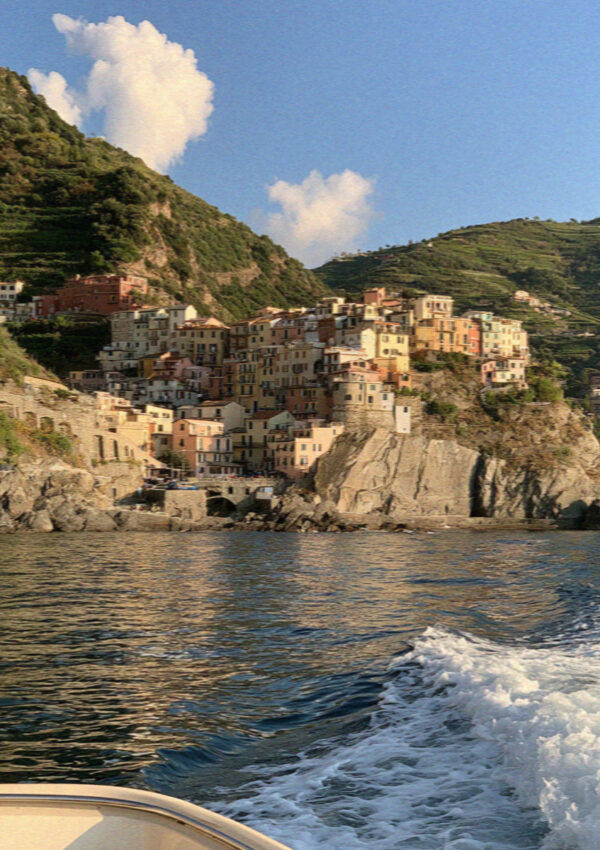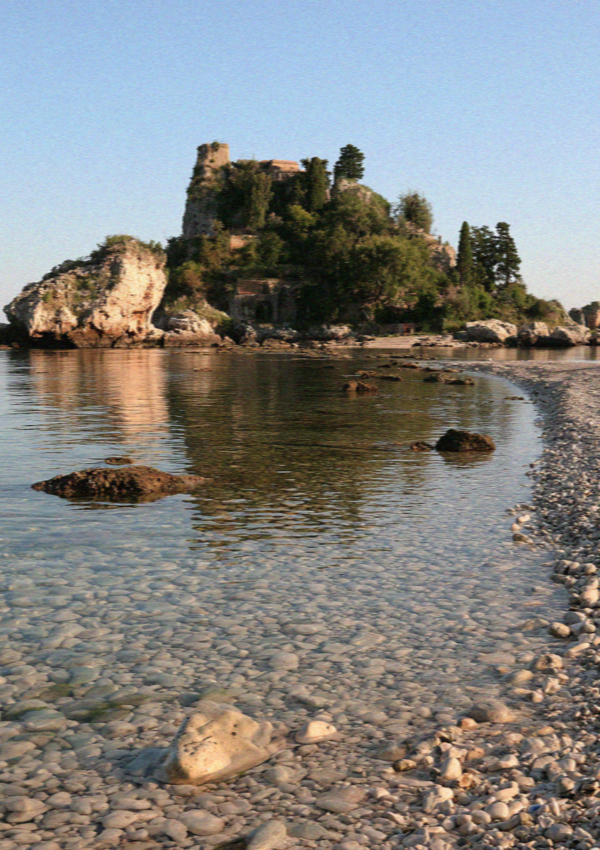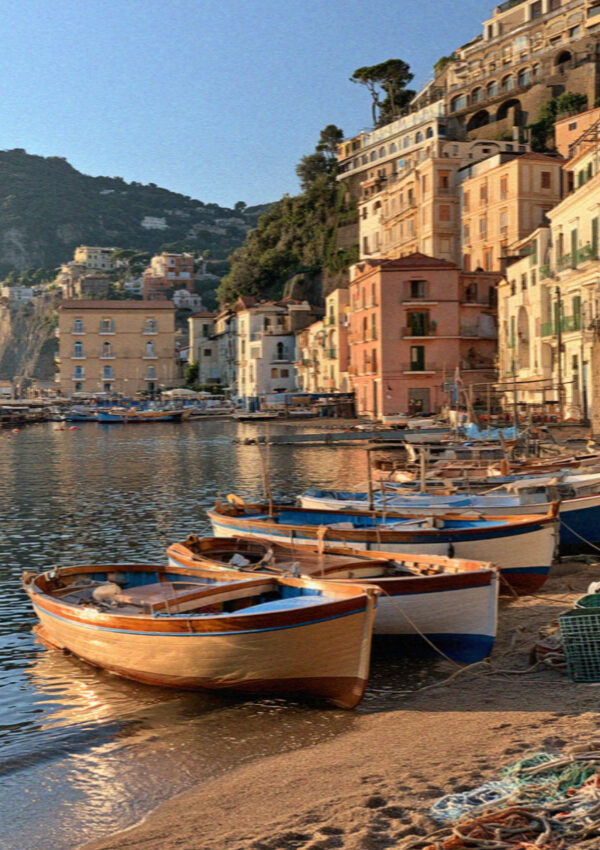
Sorrento is a town built for photographs, and almost all of them are about the same two things: the bay and the light. Vesuvius across the water, the painted boats of the marina, a ravine full of green, a cloister hung with flowers. This is my working list of the best photo spots in Sorrento and, just as importantly, when to shoot each one. For the wider trip, start with my complete guide to Sorrento; this page is purely about where to point the lens.
The Villa Comunale Terrace
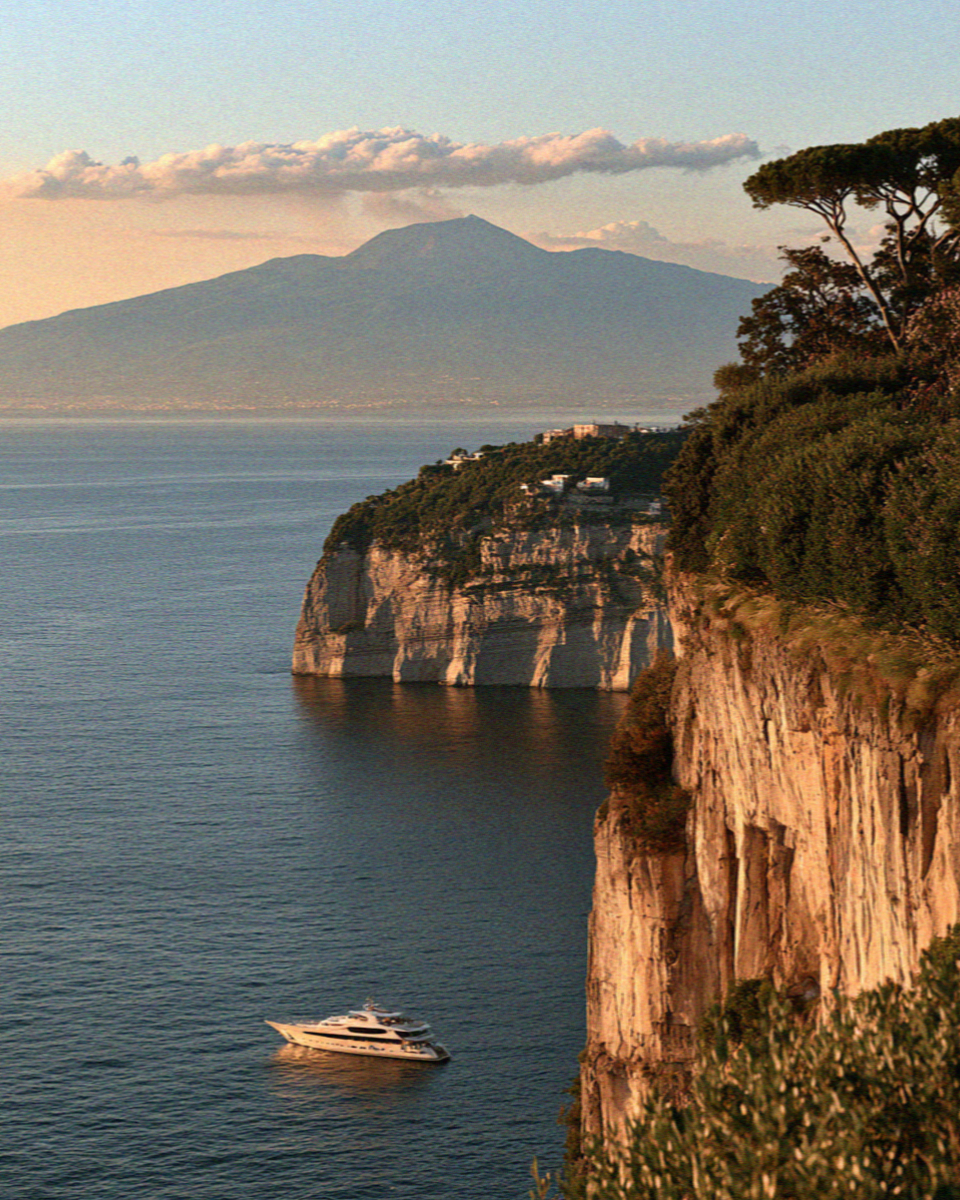
The single best view in town is from the terrace of the Villa Comunale gardens: the whole sweep of the Bay of Naples, Vesuvius rising across the water, and Marina Piccola directly below. It is the town’s sunset spot, so the light is at its most dramatic in the last hour of the day, when the sky colours behind the volcano; arrive early for a place at the railing, because everyone comes here for the same shot. For a quieter version of the same panorama, walk a few minutes west to the little garden of Parco Ibsen, which frames the sunset with a fraction of the crowd.
Plan Your Visit to Sorrento
A few things I booked and loved. These help support the blog, at no cost to you.
- Where I stayed: search Sorrento hotels
- Tickets and day trips from Sorrento
- Stay connected: get a travel eSIM
This section contains affiliate links. If you book through them I may earn a small commission, at no extra cost to you.
Marina Grande
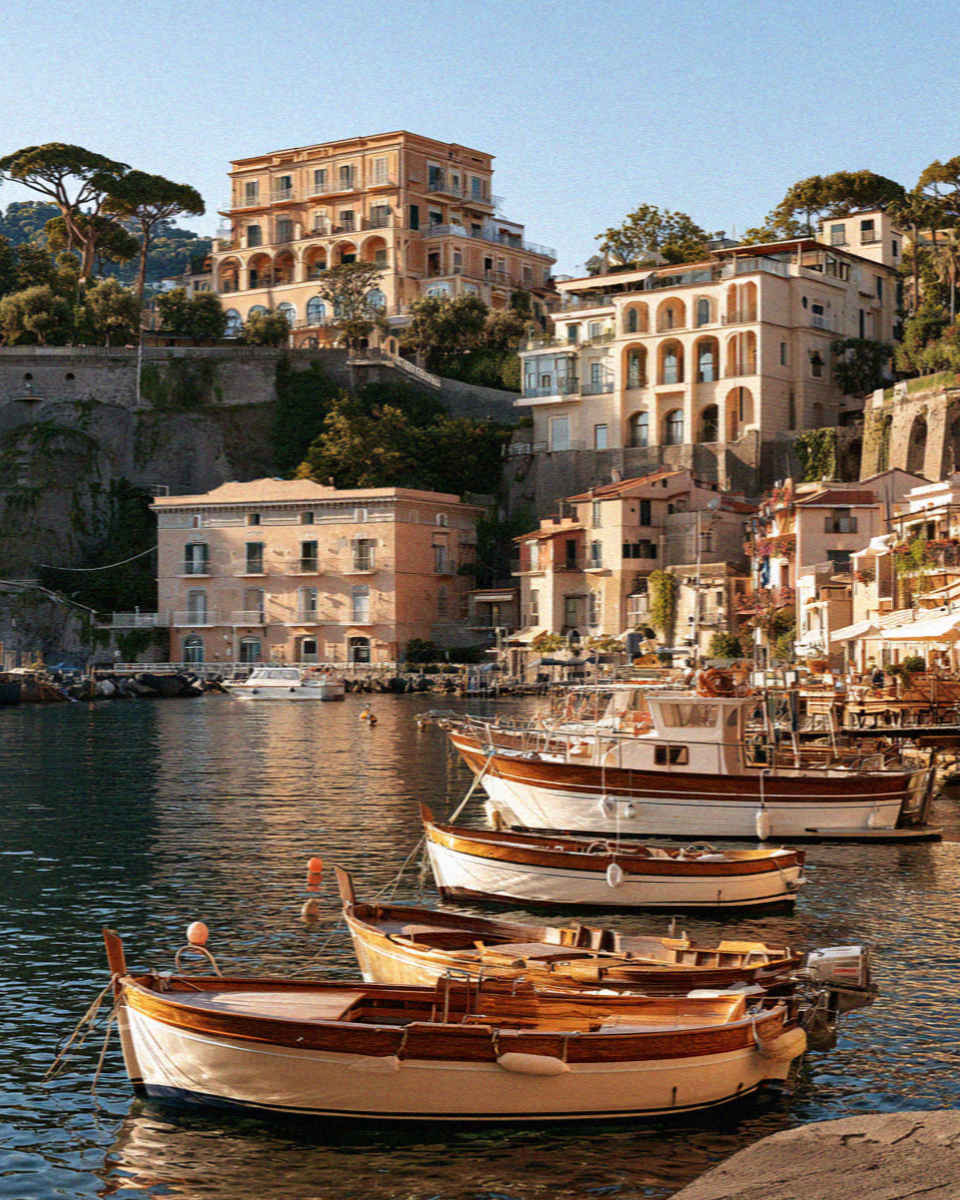
The old fishing village of Marina Grande is the most photogenic corner at sea level: painted houses stacked above the water, nets and small wooden boats along the front, and restaurant decks reaching out over the sea. It photographs best in the soft light of early morning, before the lunch crowd, or in the warm glow of late afternoon. Shoot along the waterfront with the boats in the foreground and the pastel houses behind, and wait for a fisherman or a passing figure to give the frame some life.
The Vallone dei Mulini
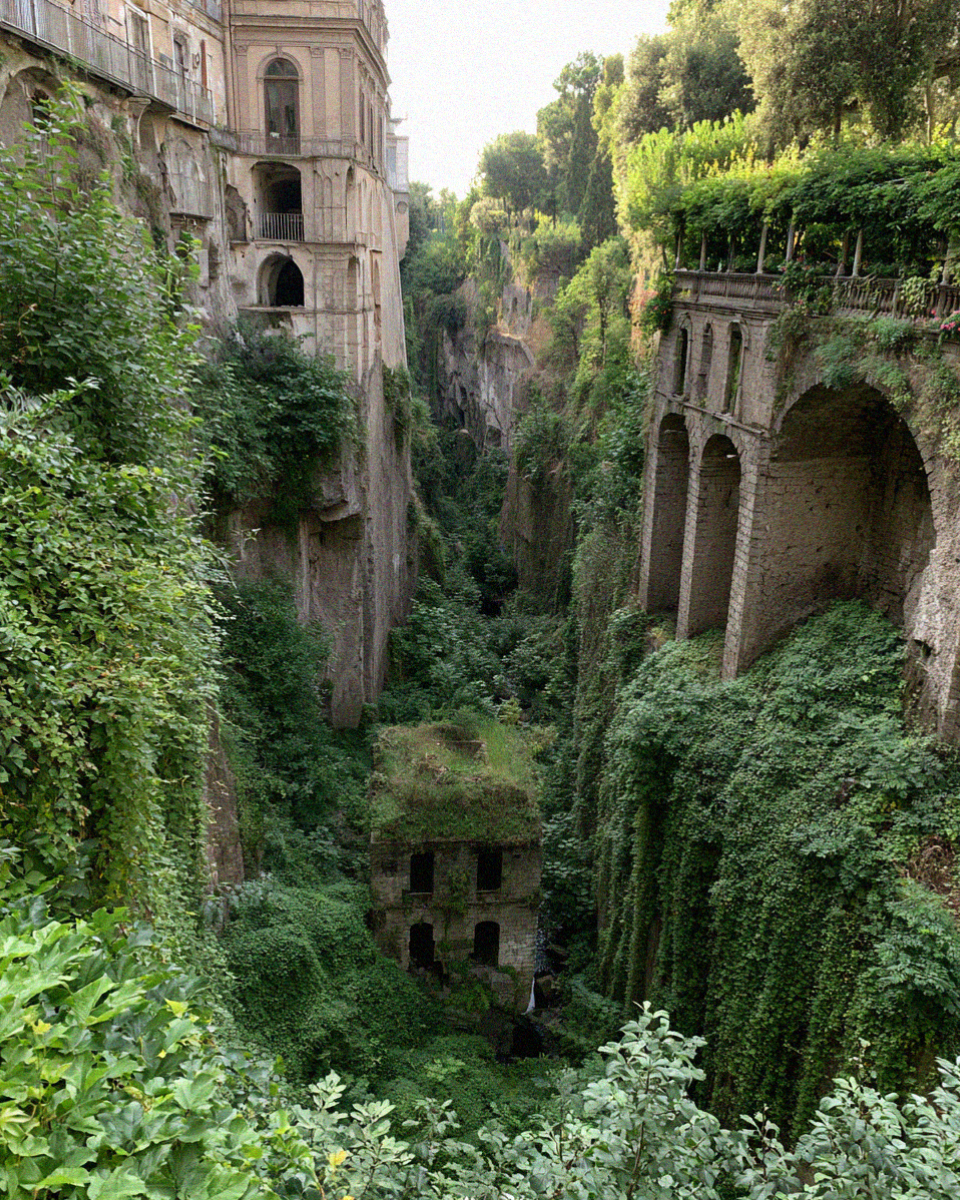
Near Piazza Tasso, the railing above the Vallone dei Mulini looks down into a deep green ravine where an abandoned flour mill stands swallowed by ferns. It is a study in green and stone, a whole building being taken back by nature in the middle of a busy town, and it is unlike anything else you will shoot in Sorrento. The soft, even light of the middle of the day actually suits it, because the gorge is in shade and the greens stay saturated rather than blowing out.
The Cloister of San Francesco
The Chiostro di San Francesco, the cloister beside the church of the same name, gives you a quiet, romantic frame in any light: fourteenth-century arches, a mix of pointed and rounded, wrapped around a small courtyard hung with bougainvillea and greenery. It is free, central and often empty early in the day, which is the best time to shoot it before weddings and concerts fill it. Frame through the arches into the garden for depth, and use the shade to keep the stone soft.
The Old-Town Lanes
Away from the big views, the vicoli of the historic centre reward a slow eye: shopfronts spilling lemons and ceramics, washing lines and shutters, and Corso Italia in the evening when it empties of cars and fills with strollers. Early morning gives you the lanes clean and quiet; the blue hour after sunset gives you warm shop light against a deepening sky. These street frames, more than the panoramas, are the ones that end up feeling like the real Sorrento.
Two more subjects give you the town’s flavour. The lemon groves in and around the centre, with their pergolas hung with enormous fruit and the light falling in green stripes, make some of the most evocative and least-shot pictures in Sorrento, especially in the spring blossom. And the shop windows themselves, the stacks of painted ceramics, the bottles of limoncello, the inlaid wood, are little still lifes of the place, best caught in the soft light of morning before the crowds. Give these quiet, close-up subjects as much attention as the grand panorama and your set will feel less like everyone else’s and more like the town you actually walked through.
A Few More Viewpoints
Beyond the famous spots there are quieter frames worth chasing. The garden of the Museo Correale runs to the very edge of the cliff and gives a serene, uncrowded panorama over the bay. Marina Piccola, the working ferry port below the town, offers boats, cranes and cliffs for a grittier, more graphic composition than pretty Marina Grande. And for the grandest picture of all, take the short bus up to Sant’Agata sui Due Golfi, the village that looks over both the Bay of Naples and the Bay of Salerno at once, best at sunset. The Bagni della Regina Giovanna out at Capo di Sorrento, with its turquoise pool and stone arch, is the reward for a walk and photographs beautifully in the clear morning light.
A Few Camera Tips
The light does most of the work here, so plan around it. Shoot the bay and the Basilica-lit cliffs in the last hour before sunset and stay for the blue hour, when the town lights come on against a deep sky. Reserve the mornings for the shaded, east-facing corners, the cloister, the Vallone dei Mulini and the old-town lanes, which are also blissfully empty before the day-trippers arrive. Bring something to steady the camera for the low light of dusk and the lamplit streets, pack a wide lens for the panoramas and something longer to pull Vesuvius closer across the water, and remember that a single passing figure, a fisherman or a stroller, is what turns a postcard into a photograph.
Frequently Asked Questions
Where is the best view in Sorrento?
The terrace of the Villa Comunale gardens, looking across the Bay of Naples to Vesuvius with Marina Piccola below. It is the town’s classic panorama and its favourite sunset spot. Parco Ibsen nearby offers the same view with fewer people.
What is the best time of day for photos in Sorrento?
Sunset for the Villa Comunale and the bay, early morning or late afternoon for Marina Grande, and the middle of the day for the shaded Vallone dei Mulini and cloister. Early morning is best for empty old-town lanes, and the blue hour after sunset for warm street scenes.
Can you see Vesuvius from Sorrento?
Yes. Vesuvius sits directly across the Bay of Naples from Sorrento and is the backdrop to most of the town’s sea views, seen at its best from the Villa Comunale terrace and from the cliffs and hotels along the front, especially at sunset.
Is the Vallone dei Mulini worth photographing?
Yes, it is one of Sorrento’s most unusual sights: an abandoned mill deep in a green ravine in the centre of town, viewed from the railing above near Piazza Tasso. The shaded, saturated greens make it a striking and distinctive photograph.
Read also: The best things to do in Sorrento | The best time to visit Sorrento | The Complete Guide to Sorrento