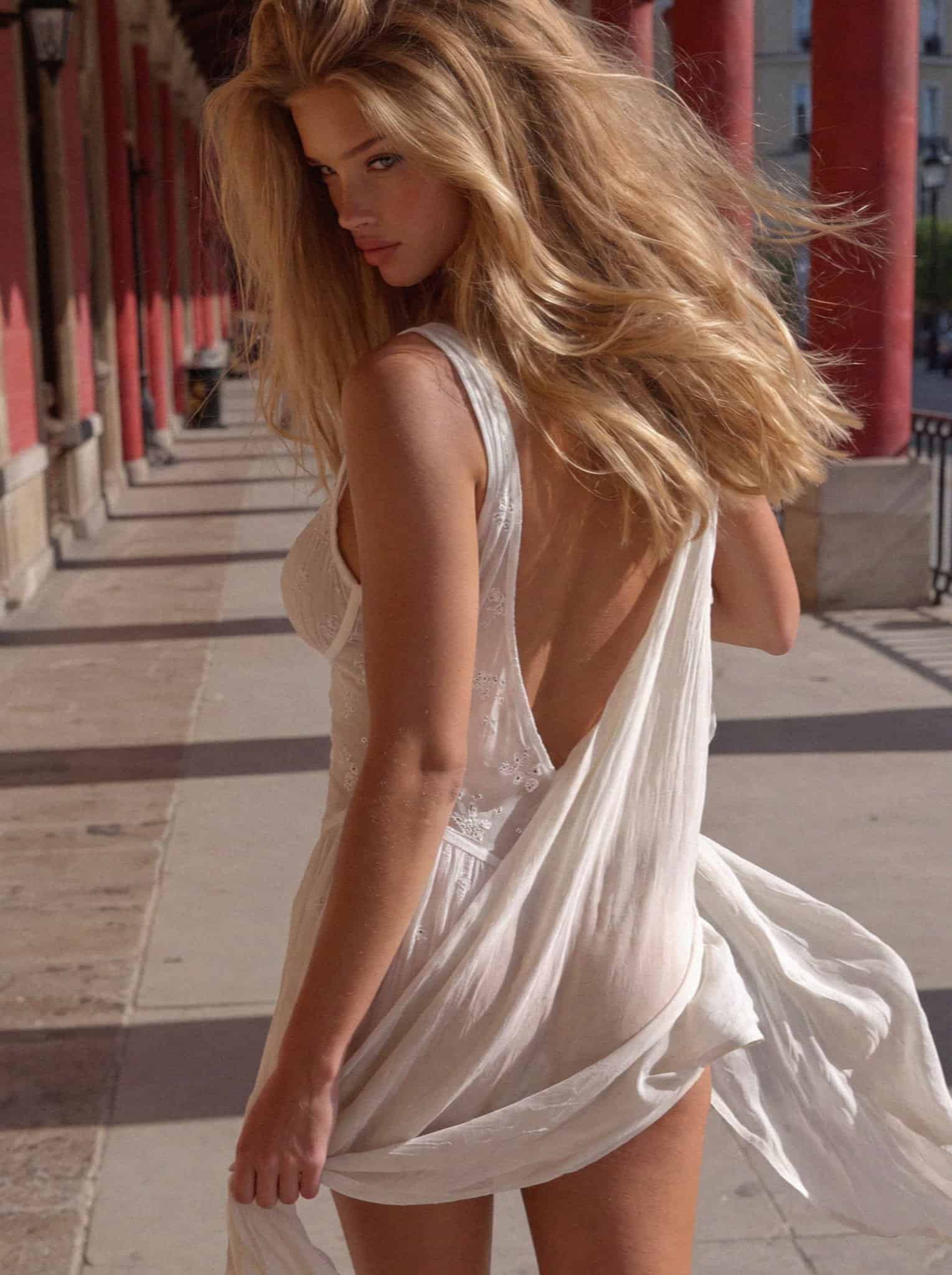
I arrived in the late afternoon, when Bologna does its oldest trick and turns the colour of a blood orange. They call it the red city and you understand why the moment you step out from under the station, before you have seen a single church: it is the brick, the ochre, the terracotta, all of it warmed by a sun that seems to hang lower here than it should. I had promised myself two unhurried days and nothing more. No lists, no timed tickets, no counting of towers. Just the porticoes and whatever they chose to show me.
Day one, under the arches
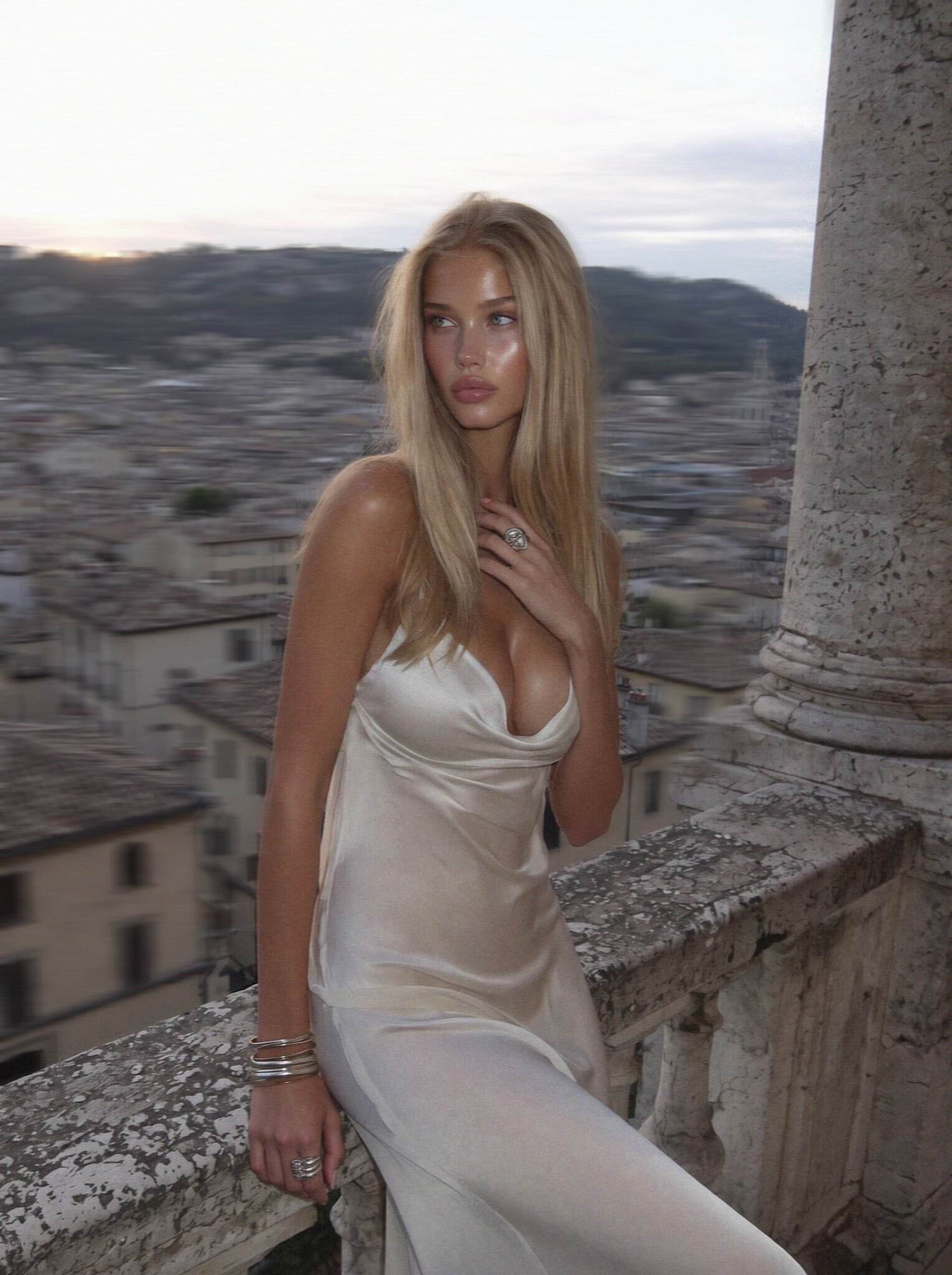
You can cross most of this city without ever meeting the sky. Something like forty kilometres of portico in the centre alone, arch after arch after arch, so that walking becomes a kind of covered wandering, dry in the rain and shaded in the glare. I love that Bologna decided, centuries ago, that its people should be sheltered on the way to everywhere. It makes the whole place feel like an interior, a great red room you are always somewhere inside of. My heels found the rhythm of it quickly: the columns going by like slow music, a doorway, a bicycle leaned against stone, a cat, another column.
By evening I had drifted into Piazza Maggiore without meaning to, the way you always do, and stood a while in front of San Petronio with its half-finished face, brick below and bare stone above, as if the masons had simply put down their tools one afternoon and never come back. There is something honest in a building that never pretended to be finished. Nearby, Neptune stood green and unbothered over his fountain, and a knot of teenagers photographed him from the one angle everyone knows and nobody admits to knowing. I did not climb anything. The famous leaning towers are wrapped and resting now, held up by scaffolding and patience, and I was content to look at them from the square and leave them be.
Mornings are for standing at the bar
I have never learned to take my coffee sitting down in Italy, and Bologna would not let me start. You come in, you say your good morning, you stand at the counter with your elbow on the zinc, and the espresso arrives in its small hot cup with no ceremony at all. You drink it in three sips, you leave a few coins, you go. The whole thing lasts under two minutes and somehow sets the tone for an entire day. I stood beside a man reading his paper and a woman in a good coat doing exactly the same as me, and none of us spoke, and it was one of the friendliest silences I know.
Afterwards I let the university quarter carry me along. This is the oldest university in Europe, and even on an ordinary weekday morning you feel it, the streets around Via Zamboni loud with students on bicycles and students on the steps and students arguing cheerfully about something that clearly mattered enormously and would be forgotten by lunch. The city is nearly a thousand years old and yet it is perpetually nineteen. I bought nothing, understood nothing they said, and felt lighter for an hour of it.
A long lunch, the way it should be
Then, because it was Bologna and because I was hungry in the particular way this city seems to arrange, I sat down to a lunch that had no intention of ending. Tagliatelle al ragù first, the real thing, flat ribbons of egg pasta cut by hand and dressed in a sauce that had clearly been on the stove longer than I had been in the country. Not the tomato-heavy invention the rest of the world calls bolognese: this was meat and time and a little nutmeg, glossy, unhurried, entirely itself. I twirled it slowly and understood, not for the first time, that some cities fill your plate and some steady your nerves, and Bologna quietly manages both.
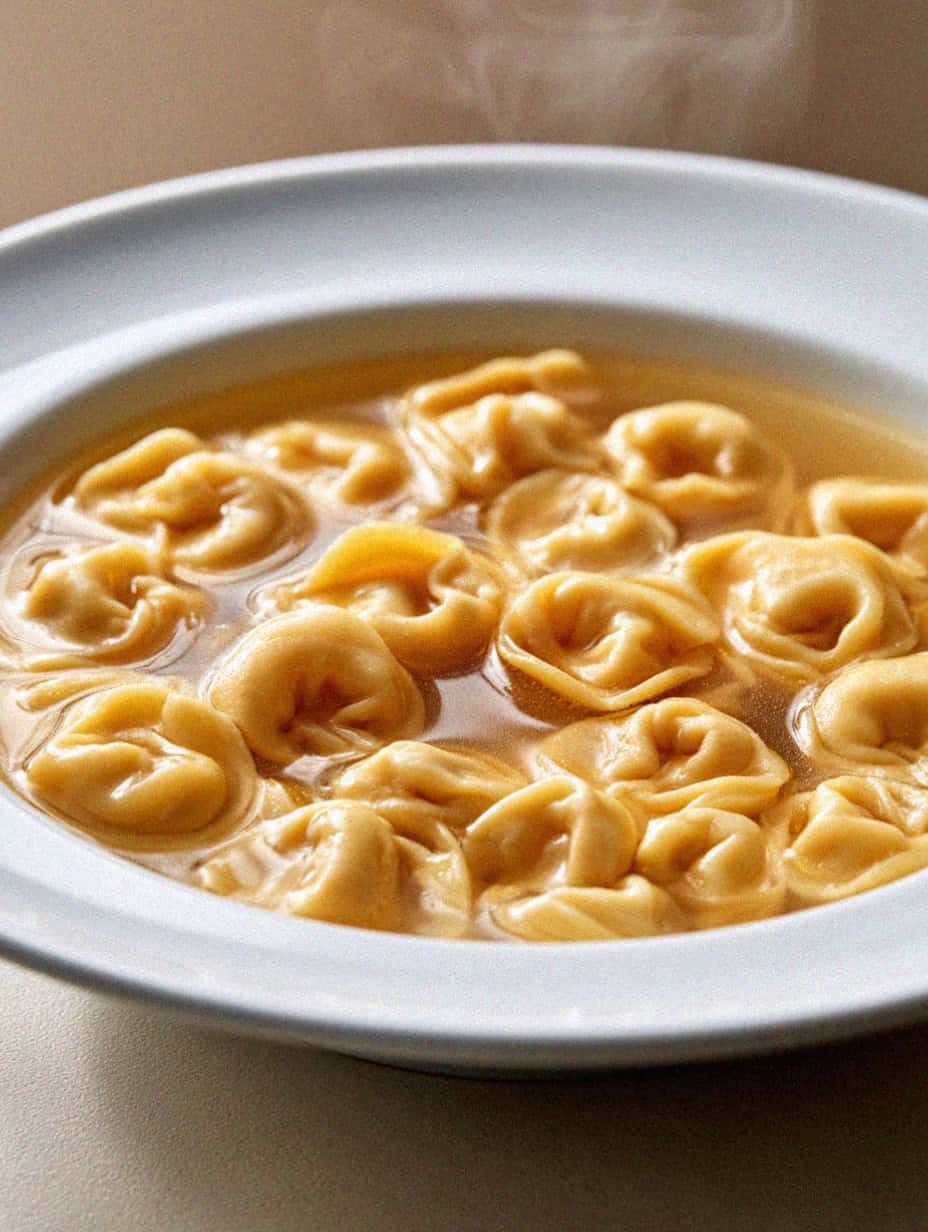
And then the tortellini in brodo, which undid me a little. Tiny folded parcels, each one closed by someone’s thumb that morning, floating in a clear golden capon broth that tasted of every Sunday I have ever missed. It is a dish for Christmas and for grandmothers, and eating it alone on a weekday felt almost too intimate, like reading someone else’s letters. I finished the bowl and sat with my hands around the warmth of it and did not want to be anywhere else on earth. That is the bittersweet of travelling well, I think. You find the table you always wanted, and you find it far from home.
The little window on the canal
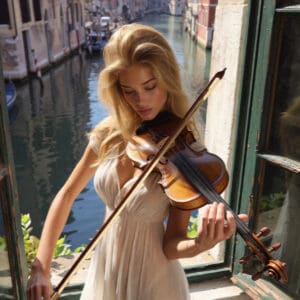
In the golden hour I went looking for the window on Via Piella, the one everyone means when they say Bologna has a secret. You would walk straight past it. A shuttered opening in a plain wall, and then you push the little panel aside and there, quite suddenly, is water: the Canale delle Moline running green between old houses with their feet in it, shutters and window boxes and a slice of Venice that the city keeps mostly hidden beneath its streets. A young couple waited their turn behind me with the good patience of people who already knew what they would see. I looked longer than my share. Bologna hides its canals the way it hides everything tender, under the arches, behind a shutter, in a bowl of broth.
Aperitivo, and the light before the hill

Around six the whole city loosens its collar. The lanes of the Quadrilatero, all salumerie and market stalls by morning, fill up with people holding orange spritzes and standing in the road as if the road were a living room. I took mine slowly and watched the crowd thicken, the pink of the mortadella in the shop windows, the trays of cheese, the good noise of a working day letting go of itself. There is an old wine bar somewhere in these lanes that has poured since the fifteenth century and serves no food at all, only wine, and I loved knowing it was there even as I drifted past it.
Six hundred and sixty-six arches to the light
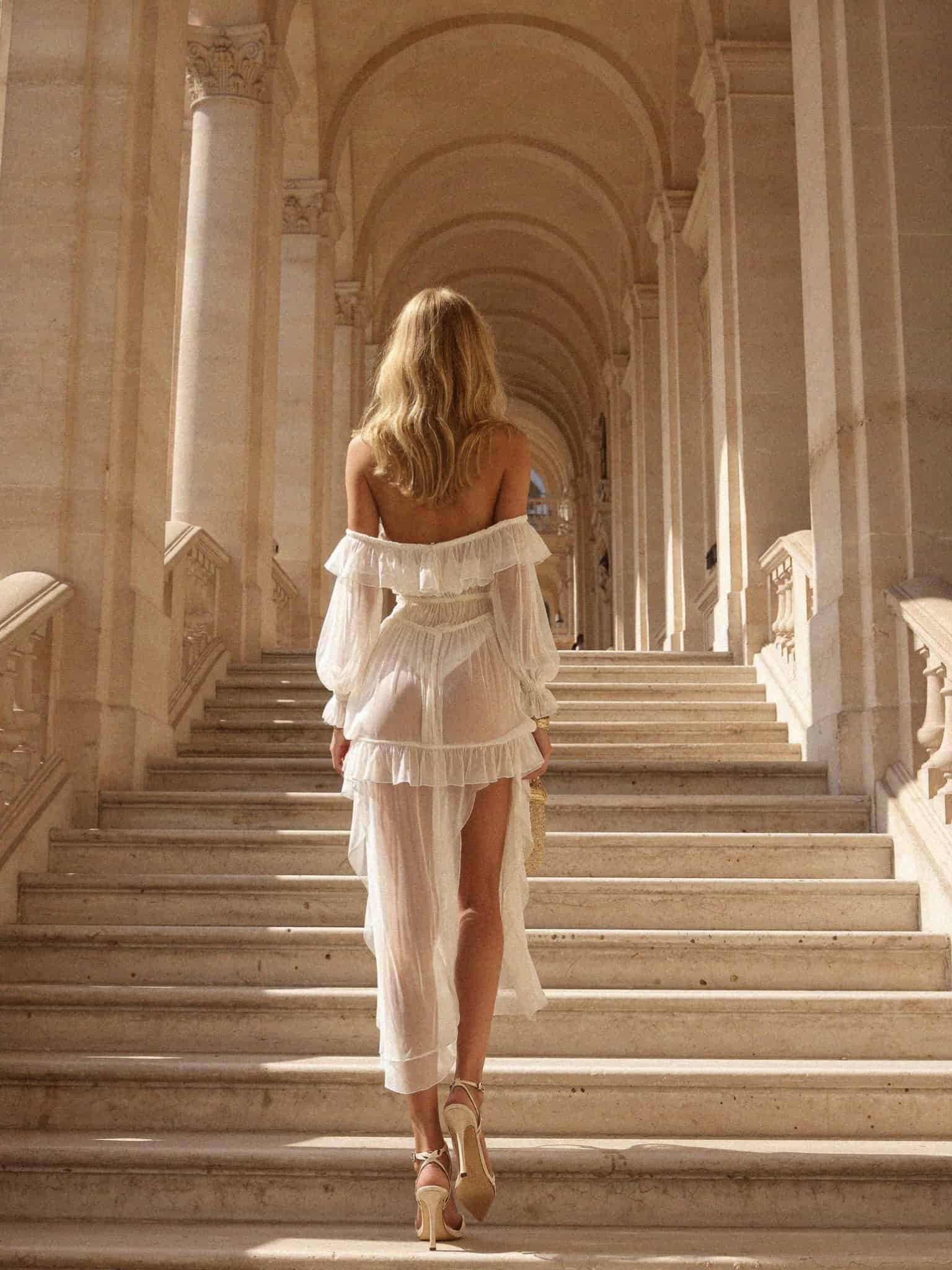
I saved the climb for the last of the light. From the Porta Saragozza the world’s longest portico begins its long walk uphill, past the great arch at the Meloncello and then up in earnest, six hundred and sixty-six arches strung nearly four kilometres to the sanctuary of San Luca on its hill. People have gone up this way for centuries, sheltered every step, and you feel them beside you, the pilgrims and the Sunday families and the runners and the heartbroken, all the ones who ever needed somewhere to walk to. My legs complained. I let them. The arches counted themselves down and the city fell away behind me, red roofs softening into blue.
At the top I turned around, and there it was: Bologna laid out in the last of the sun, all its terracotta catching fire one final time, the towers small and the hills going violet and the porticoes I had walked all day threaded invisibly through it. I stayed until the colour went and the lights came up one by one, and I thought, as I always do at the tops of hills at dusk, that the reluctance to leave was not a sign I had planned the days badly but proof I had spent them exactly right. Two days was always going to be too few, and that is the quiet bargain Bologna strikes with you.
V.
If you would like the practical companion to all of this, the where and the when and the how, the full guide lives in my complete guide to Bologna.