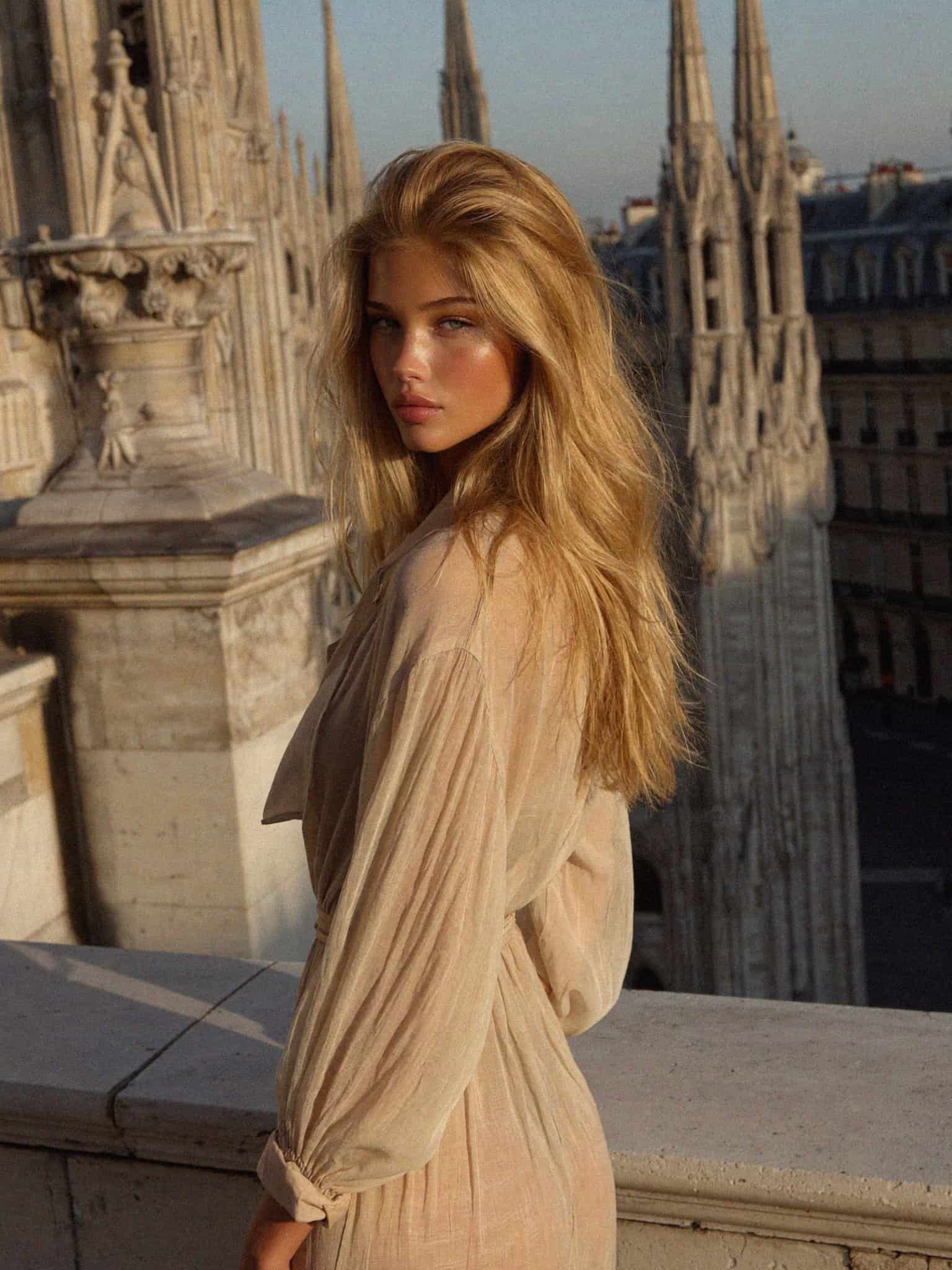
I have arrived in Milan more times than I can count, usually off a train from somewhere else, and for years I made the mistake of treating it as a place to change platforms rather than a place to stay. That was foolish of me. Milan rewards the traveller who lingers, who learns to read its quiet courtyards and its very loud fashion, who understands that beneath the business suits there is a city of Leonardo, of Verdi, of marble spires and canal-side aperitivo.
So this is my honest shortlist, built from many returns rather than a single weekend. I have kept it to the experiences I would genuinely send a friend to, with real prices, real hours and a first-person note on what I would actually do. For the fuller picture, I keep everything in one place in my complete guide to Milan, and if you are short on days, my three-day Milan itinerary threads these together.
What to book before you come
Milan is not a city you need to plan to death, but three things here genuinely sell out, and turning up hopeful is how people miss them. This is what I would have in my inbox before I landed.
- The Last Supper, skip the line with a guide. Start here, because it is the one that goes. Only about thirty people are allowed in front of it at a time and slots open weeks ahead. The visit itself lasts fifteen minutes; the guided version wraps it in an hour and is far easier to get than a bare ticket.
- The Duomo and its rooftop terraces. The cathedral is worth it, the roof is the reason you came. Book the combined entry so you are not choosing at the door, and go up late in the day when the marble goes warm. Rated 4.6 across more than seventy thousand people, which for a ticket is about as safe as it gets.
- The same rooftop, with a guide. Worth the extra only if you want the building explained. The statues and the spires reward someone telling you what you are looking at.
- Last Supper, Sforza Castle and the centre on foot. If you have one day and no plan, this is the efficient version: it solves the Last Supper problem and walks you through the middle of the city in three hours.
- Lake Como by private boat, Bellagio and Lugano. The day trip everyone takes, done properly. Eleven hours and not cheap, but a private boat on Como is a different experience from the public ferry, and this is the one I would spend on.
- The Bernina Express to St Moritz. A long day, and the most beautiful train in Europe. Twelve hours from Milan, over the Alps and back. Not a Milan sight at all, which is rather the point.
Everything else below can be walked to and paid for on the day.
The Duomo and its rooftop terraces
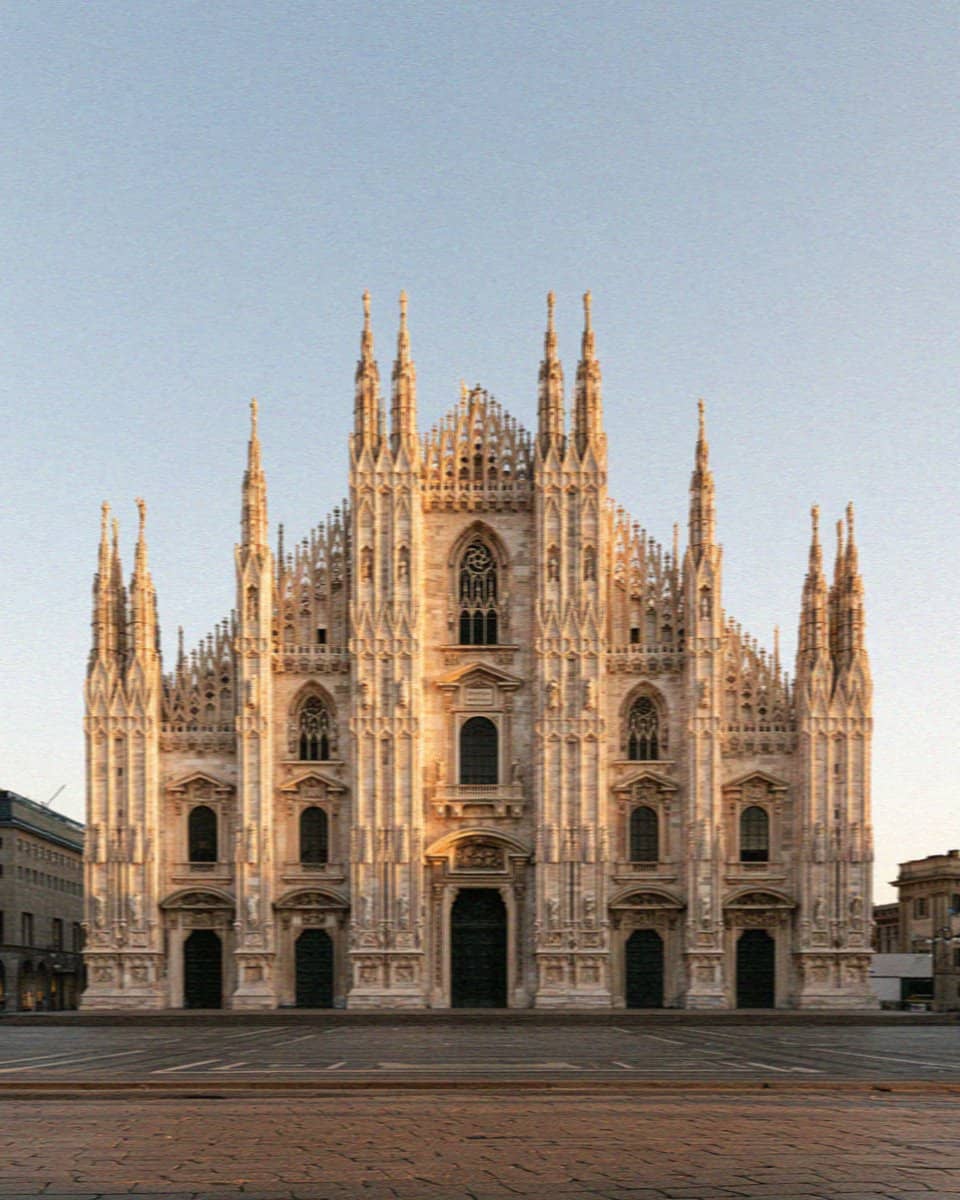
Nothing prepares you for the Duomo. It is the third-largest church in the world, a forest of pink-white Candoglia marble that took roughly six centuries to finish, and I still stop dead in the piazza every time. Entry to the cathedral itself is worthwhile, but the real prize is the roof, where you walk among the flying buttresses and 135 spires with the Alps sometimes floating on the horizon.
As of 2026, a rooftop-only ticket costs 16 euros on foot via the stairs or 18 euros by lift. If you want the cathedral and the terraces together, the combined ticket is 22 euros with stairs or 26 euros with the lift, which is what I would buy. The complex generally closes around 19:00, with last entry earlier, so I aim for a late-afternoon rooftop slot when the marble turns gold. Book online in advance to skip the ticket queue, and give yourself a good hour up top. I have written a much deeper piece on the whole business in my Duomo rooftop guide, because the stairs-versus-lift question genuinely matters here.
Plan Your Visit to Milan
A few things I booked and loved. These help support the blog, at no cost to you.
- Where I stayed: search Milan hotels
- Duomo, Last Supper and attraction tickets
- Stay connected: get a travel eSIM
This section contains affiliate links. If you book through them I may earn a small commission, at no extra cost to you.
The Galleria Vittorio Emanuele II
Step out of the piazza and straight into the Galleria Vittorio Emanuele II, the glass-roofed arcade that opened in 1877 and is often called the world’s oldest shopping mall. It costs nothing to walk through, which is a mercy given what the boutiques inside charge. Prada has had its home here since the beginning, and even if you buy only a coffee you should stand under the great glass dome and simply look up.
There is a small ritual I never skip. On the floor, in the mosaic of the bull that represents Turin, tradition says you place your heel on the poor animal and spin three times for good luck. The tile is worn into a hollow from a century of tourists doing exactly that. I do it every time, slightly embarrassed, entirely willing.
Leonardo’s The Last Supper
If you do one thing in Milan that requires forward planning, make it this. Leonardo’s The Last Supper, painted on the refectory wall of Santa Maria delle Grazie in the 1490s, is viewed in tightly controlled groups for a strictly enforced fifteen minutes. The standard adult ticket is 15 euros, dropping to 2 euros for those aged 18 to 25, and there are no walk-ups. Ever.
The catch is availability. Tickets are released in quarterly batches roughly three months ahead through the official site, and the good slots vanish within hours. A small number of additional places are released every Wednesday at noon for the following week, which is worth setting an alarm for if you have left it late. Fifteen minutes sounds miserly, but standing in that hushed room in front of the real thing is genuinely moving, and I have never once felt short-changed. I walk through the exact booking mechanics, dates and back-up options in my guide to how to see the Last Supper, because this is the single trip-planning task people most often get wrong.
La Scala and its museum
Teatro alla Scala is opera’s most famous house, and even if you cannot secure a performance you can still get inside. The Museo Teatrale alla Scala costs 12 euros for adults and 8 euros reduced, and it is open every day from 09:30 to 17:30, with last admission at 17:00. Crucially, when no rehearsal is under way, the museum route lets you step into a box and look down on that red-and-gold auditorium, which is the moment everyone comes for.
If you can manage tickets to an actual performance, they range wildly from a few dozen euros in the upper galleries to several hundred in the stalls, and they sell through the official Teatro alla Scala site. I once bought a cheap gallery seat on a whim and stood at the back with the true devotees. It remains one of my best Milan evenings.
Sforza Castle and Parco Sempione
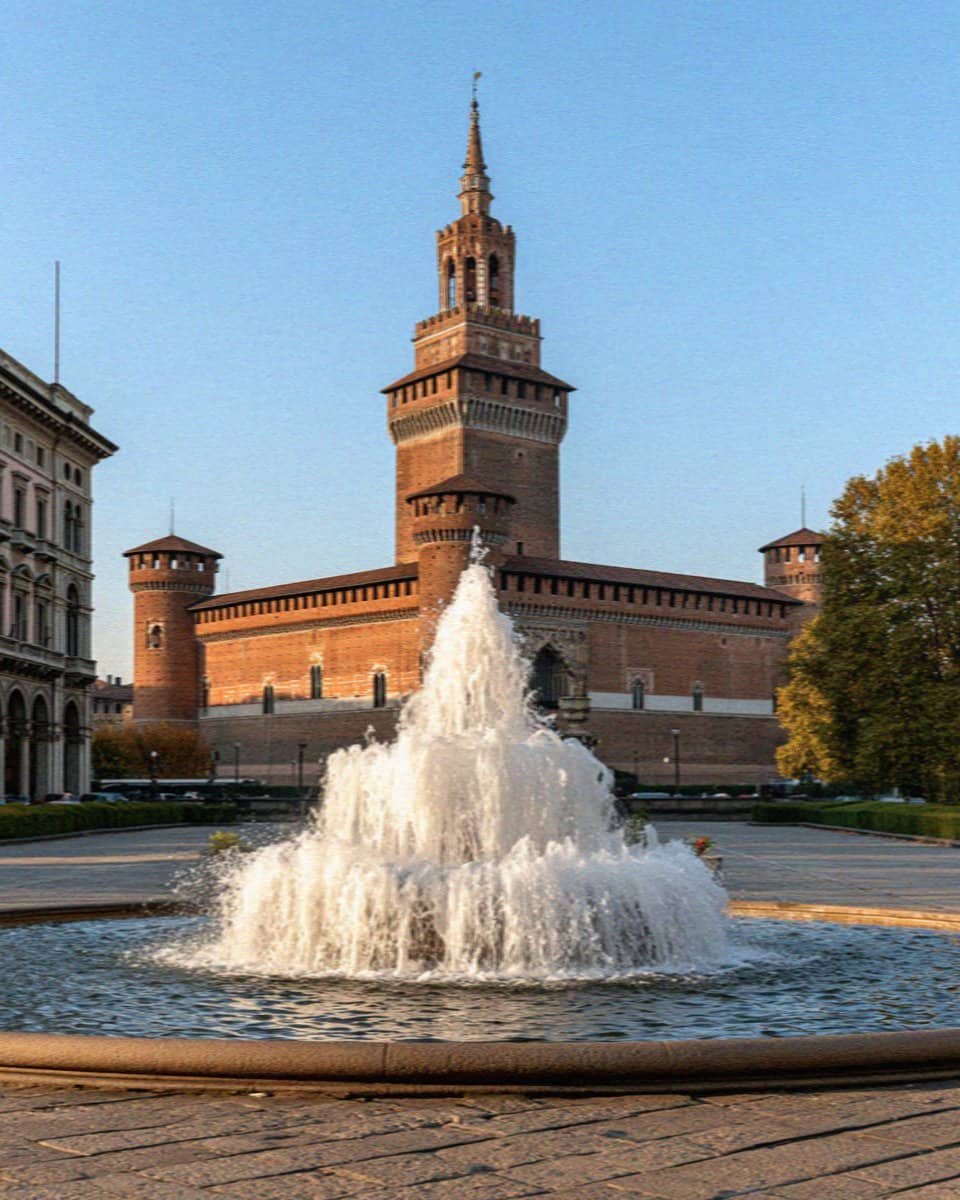
The Castello Sforzesco is a vast brick fortress a short walk from the Duomo, and I love that its courtyards are free to wander, open daily from 07:00 to 19:30. You can spend a happy hour inside the walls without paying a cent. The castle’s civic museums, however, are the reason to buy a ticket, and a single 5 euro pass covers all of them.
The one I would not miss is Michelangelo’s Pieta Rondanini, the sculpture he was still carving days before his death at 88, displayed in its own high-ceilinged hall in the old Spanish Hospital so you can circle it completely. The museums run Tuesday to Sunday, 10:00 to 17:30, and are closed on Mondays. Behind the castle stretches Parco Sempione, Milan’s grand central park, which is free and perfect for a slow stroll out to the Arco della Pace. This is prime golden-hour territory, and it features heavily in my roundup of the best photo spots in Milan.
Brera and the Pinacoteca di Brera
Brera is my favourite quarter to simply exist in, a knot of cobbled lanes, ivy, small galleries and unhurried cafes that feels a world away from the fashion machine. At its heart sits the Pinacoteca di Brera, one of Italy’s great picture galleries, home to Raphael’s Marriage of the Virgin and Mantegna’s foreshortened Dead Christ. The standard ticket is 15 euros, and it is open Tuesday to Sunday from 08:30 to 19:15, with last entry at 18:00 and closed on Mondays. Admission is free on the first Sunday of each month, though you will share it with everyone else who knows that.
I like to arrive when the doors open, and then reward myself with a proper aperitivo in the surrounding streets afterwards. Brera at dusk, when the boutiques glow and the lanes fill with people ordering their first Negroni, is Milan at its most romantic.
The Museo del Novecento
Right on Piazza del Duomo, in the curved Palazzo dell’Arengario, the Museo del Novecento holds Italy’s twentieth-century art, with the Futurists at its heart. The adult ticket is 9.50 euros, and the building alone is worth the entry: a spiralling ramp inspired by the Guggenheim lifts you up towards Boccioni and Modigliani, and the top-floor windows frame the Duomo so perfectly it feels staged. I always leave time here even on a packed day, because it is central, quick and quietly brilliant.
The Quadrilatero della Moda
You cannot come to the fashion capital and ignore the fashion. The Quadrilatero della Moda is the golden rectangle bounded by Via Montenapoleone, Via della Spiga, Via Sant’Andrea and Via Manzoni, and Via Montenapoleone is regularly ranked among the most expensive shopping streets on earth. Even as a committed window-shopper I find it thrilling: the flagship houses, the impeccable displays, the sheer confidence of it all.
You need no ticket to walk it, only nerve. I treat it as an open-air museum of tailoring, then retreat for a coffee before my card feels tempted. If you actually intend to shop, or to understand where to eat and rest between boutiques, I have laid it all out in my Milan shopping and fashion guide.
San Siro
Football is close to religion here, and the Stadio Giuseppe Meazza, universally called San Siro, is its cathedral, shared by both AC Milan and Inter. The official stadium and museum tour costs 39 euros for adults, and runs roughly 60 to 75 minutes, with an optional Skywalk rooftop add-on. You walk the tunnel, sit in the stands and browse trophies from both clubs.
One honest caveat: the stadium’s long-term future has been under discussion for some time, so if San Siro matters to you, go now and check the tour calendar before travelling. Even for a mild football agnostic like me, standing pitch-side in that towering bowl was unexpectedly stirring.
Frequently Asked Questions
How many days do I need to see the best of Milan?
Two full days covers the essentials comfortably, three lets you slow down and add Navigli or San Siro. I have mapped a realistic route in my Milan itinerary so you are not backtracking across the city.
What should I book before I arrive?
Only one thing is truly urgent: The Last Supper, released about three months ahead and sold out within hours. Book the Duomo rooftop and Pinacoteca di Brera a few days ahead, and everything else you can arrange on the day.
When is the best time to visit Milan?
April to June and September to October give the kindest weather and lighter crowds. Avoid Fashion Week and the Salone del Mobile in April if you dislike full hotels, and note that many Milanese leave in August, so some restaurants close.
Read also: How to see the Last Supper in Milan and my Milan Duomo rooftop guide, both part of my complete guide to Milan.