I have stayed in Milan in every season and in nearly every mood the city offers, from a frantic Fashion Week when a room felt like a small miracle to a slow, grey January when I had the Navigli towpaths almost to myself. What I have learned is that Milan rewards you enormously for choosing the right neighbourhood, and quietly punishes you for choosing the wrong one. This is a compact, walkable city stitched together by an excellent metro, so almost anywhere central works. But works and feels right are not the same thing.
Below I have organised my recommendations by area, with real hotels I know or have researched carefully across three price bands: luxury, mid-range, and what I call smart-budget, meaning clean, characterful, and honestly priced. Prices shift with the trade-fair calendar, so treat my bands as guidance rather than gospel. If you want the wider picture first, my complete guide to Milan sets the scene.
Duomo and Centro Storico: grand and gloriously central
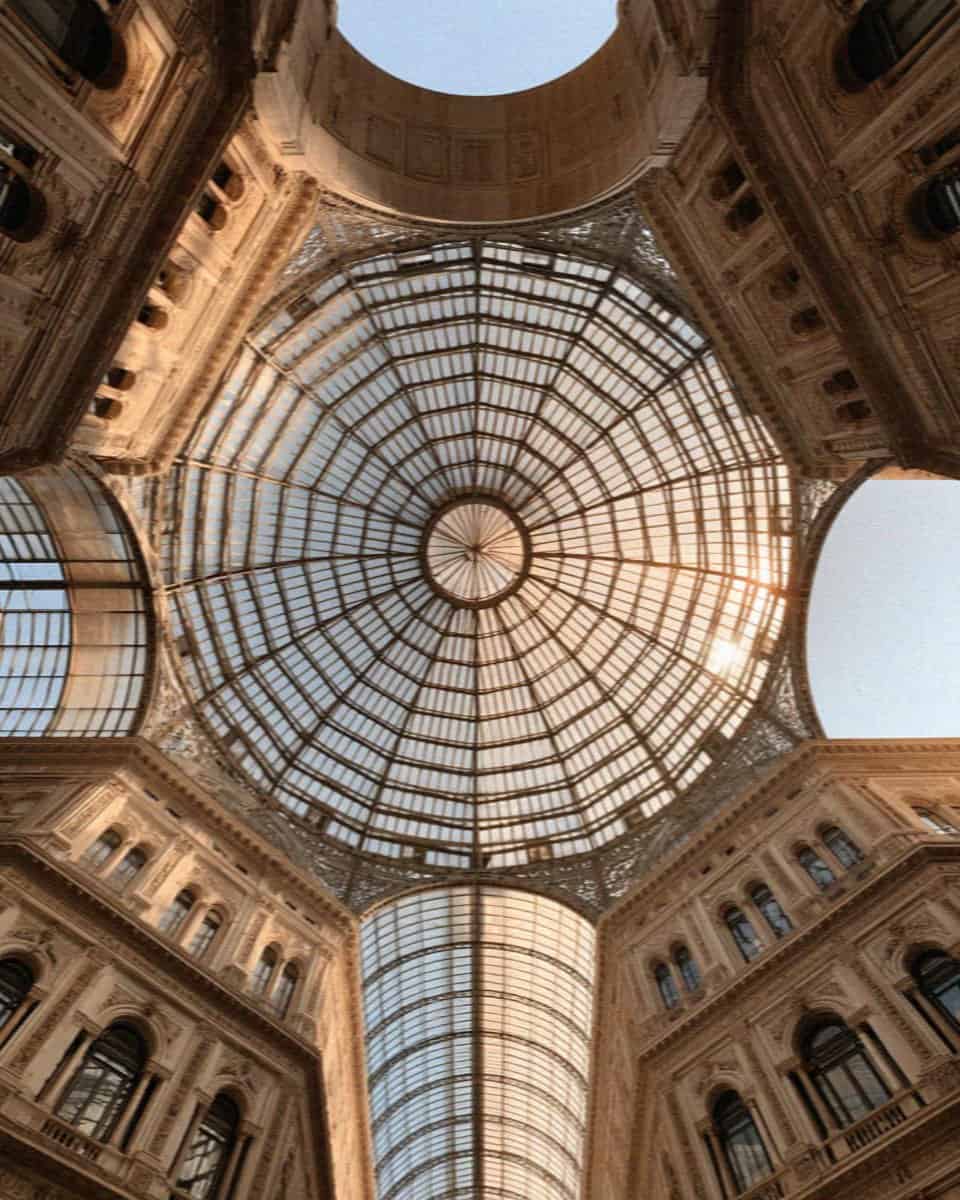
If it is your first visit and you want the cathedral, the Galleria, and La Scala all within a few minutes’ stroll, stay here. You pay for the postcode, but you save it back in taxi fares and tired feet.
At the top, the Park Hyatt Milano sits almost against the Galleria Vittorio Emanuele II, all travertine and hushed calm, and expect roughly 700 to 1,100 euros a night. For something with real theatre, Room Mate Giulia is tucked into the Galleria itself, a design-forward bolthole where I have watched the arcade empty of shoppers at dusk, usually around 250 to 400 euros. For smart-budget, the Hotel Spadari al Duomo is a family-run four-star hung with contemporary art, a genuine bargain for the location at roughly 180 to 260 euros.
This is the area I send first-timers to, and where you will want to be for the best things to do in Milan.
Plan Your Visit to Milan
A few things I booked and loved. These help support the blog, at no cost to you.
- Where I stayed: search Milan hotels
- Duomo, Last Supper and attraction tickets
- Stay connected: get a travel eSIM
This section contains affiliate links. If you book through them I may earn a small commission, at no extra cost to you.
Brera: elegant, arty, and my personal favourite
Brera is where I stay when I want Milan to feel like a village. Cobbled lanes, the Pinacoteca, little trattorias with wobbling outdoor tables, and a fashion crowd that dresses beautifully but never tries too hard. It is central without being frantic.
The grande-luxe choice here, on the Brera edge, is the Bulgari Hotel Milano, set around a large private garden that feels impossibly serene given you are minutes from Montenapoleone, and priced from around 1,200 euros upward. In the mid-range, I am fond of the Hotel Milano Scala, a quietly green boutique with a rooftop terrace and a piano in the lobby, usually 220 to 320 euros. For smart-budget with real charm, the Antica Locanda Solferino has been welcoming artists and writers for decades, a romantic little inn of individually decorated rooms at roughly 150 to 220 euros.
Brera suits couples, returning visitors, and anyone who values atmosphere over convenience.
Quadrilatero della Moda and Montenapoleone: pure fashion luxury
This is the golden rectangle, the streets where the great houses keep their flagship boutiques and where the hotels are, frankly, spectacular. If your Milan is about shopping and fashion, sleep here and let the boutiques come to you.
The Four Seasons Hotel Milano occupies a fifteenth-century convent on Via Gesu, with a colonnaded cloister I could sit in for hours, and rates that generally begin around 1,000 euros and climb. The Mandarin Oriental, Milan on Via Andegari is sleek and serene with one of the best spas in the city, similarly priced. The Armani Hotel Milano on Via Manzoni is exactly as disciplined and monochrome as you would hope, from roughly 900 euros. A newer star is Portrait Milano on Corso Venezia, built around a restored seminary courtyard that has become a genuine social hub, from around 800 euros.
This district skews expensive, so my mid-range suggestion is the Baglioni Hotel Carlton, a classic Italian five-star right on Via della Spiga that can be found nearer 400 to 550 euros in quieter weeks. There is little that is truly budget here, and I would not pretend otherwise.
Navigli: lively, canalside, and younger
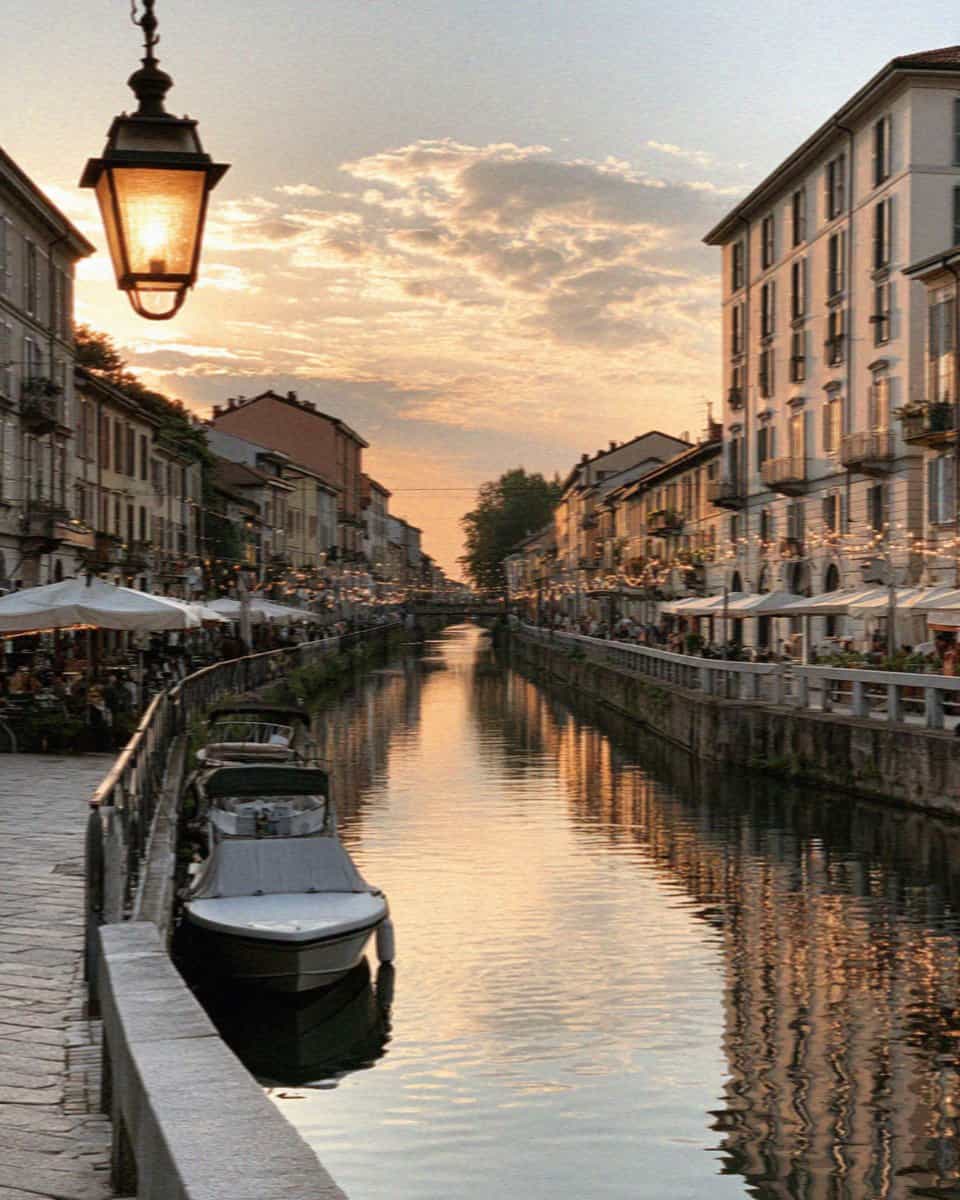
The Navigli is Milan’s most sociable quarter, two old canals lined with bars, vintage shops, and the aperitivo crowd spilling onto the water’s edge every evening. I love it in my thirties-and-beyond way, but I will be honest: it is loud at weekends, and light sleepers should ask for a room away from the towpath.
There is little grande-dame luxury down here, which is rather the point. My top design choice is nhow Milano in the neighbouring Tortona design district, a bold, art-filled hotel that hums during design week, usually 200 to 320 euros. For something more intimate and canalside, Maison Borella sits directly on the Naviglio Grande in a restored townhouse with a pretty internal courtyard, around 180 to 280 euros. For smart-budget, Ostello Bello Grande near the station and the original Ostello Bello are the best social hostels in Italy, with private rooms as well as dorms and a genuinely warm bar, from roughly 40 euros for a dorm bed and 120 upward for a private.
Navigli suits younger travellers, groups of friends, and anyone who plans their days around where to eat and drink in Milan.
Porta Nuova and Isola: modern, design-led Milan
This is the Milan that surprises first-time visitors, all glass towers, the Bosco Verticale with its forested balconies, and the elegant curve of Piazza Gae Aulenti. Isola, just behind, was once working-class and is now one of the city’s most creative pockets. I stay here when I want to feel the contemporary city rather than the historic one.
For luxury, ME Milan Il Duca overlooks Piazza della Repubblica with a rooftop bar I return to for the skyline alone, roughly 400 to 600 euros. The Melia Milano nearby is a reliable, polished four-star-plus at around 250 to 380 euros. In Isola proper, Milano Verticale, UNA Esperienze is a sharp design hotel built into the district’s towers with an excellent ground-floor bistro, usually 200 to 320 euros, and my pick for the mid-range here. Smart-budget options thin out, but the many well-run B&B Hotels and aparthotels around Porta Nuova start nearer 110 to 160 euros.
Near Milano Centrale: convenient, with honest trade-offs
Let me be candid. The immediate surroundings of Milano Centrale are practical rather than pretty, useful if you are arriving late, connecting to Malpensa on the express, or catching an early train onward. The grand station itself is a marvel; the streets directly around it are ordinary and, late at night, a little scruffy. It is not dangerous in my experience, but it lacks the charm you came to Milan for.
The exception is the magnificent Excelsior Hotel Gallia, a Luxury Collection grande dame facing the station with a spectacular rooftop spa and terrace, from around 500 to 750 euros; it is a destination in its own right. For mid-range, the long-established Hotel Berna is efficient and genuinely welcoming, usually 160 to 240 euros. For smart-budget, chain reliability wins here, with options around 90 to 140 euros. Stay in this pocket for a night of transit convenience, then move closer to the centre for the rest of your trip. For the logistics themselves, see how to get to Milan.
Frequently Asked Questions
Which area is best for first-time visitors?
The Duomo and Centro Storico, without hesitation. You will walk to the cathedral, the Galleria, and La Scala, and everything else is a short metro ride. If you want a little more calm and atmosphere while staying central, choose Brera instead.
Is it safe to stay near Milano Centrale?
Broadly yes, and the hotels themselves are perfectly secure. The station district is simply less charming than central Milan, and the streets can feel scruffy late at night, so keep the usual big-city awareness and I would not build a whole holiday around it. It is best for a transit night rather than a base.
Do I need a car in Milan?
No, and I would actively discourage it. The metro, trams, and your own two feet cover everything, parking is expensive, and much of the centre is a restricted traffic zone. Save the car for exploring the lakes, and even then consider the train.
Read also: The best things to do in Milan and where to eat in Milan, both part of my complete guide to Milan.