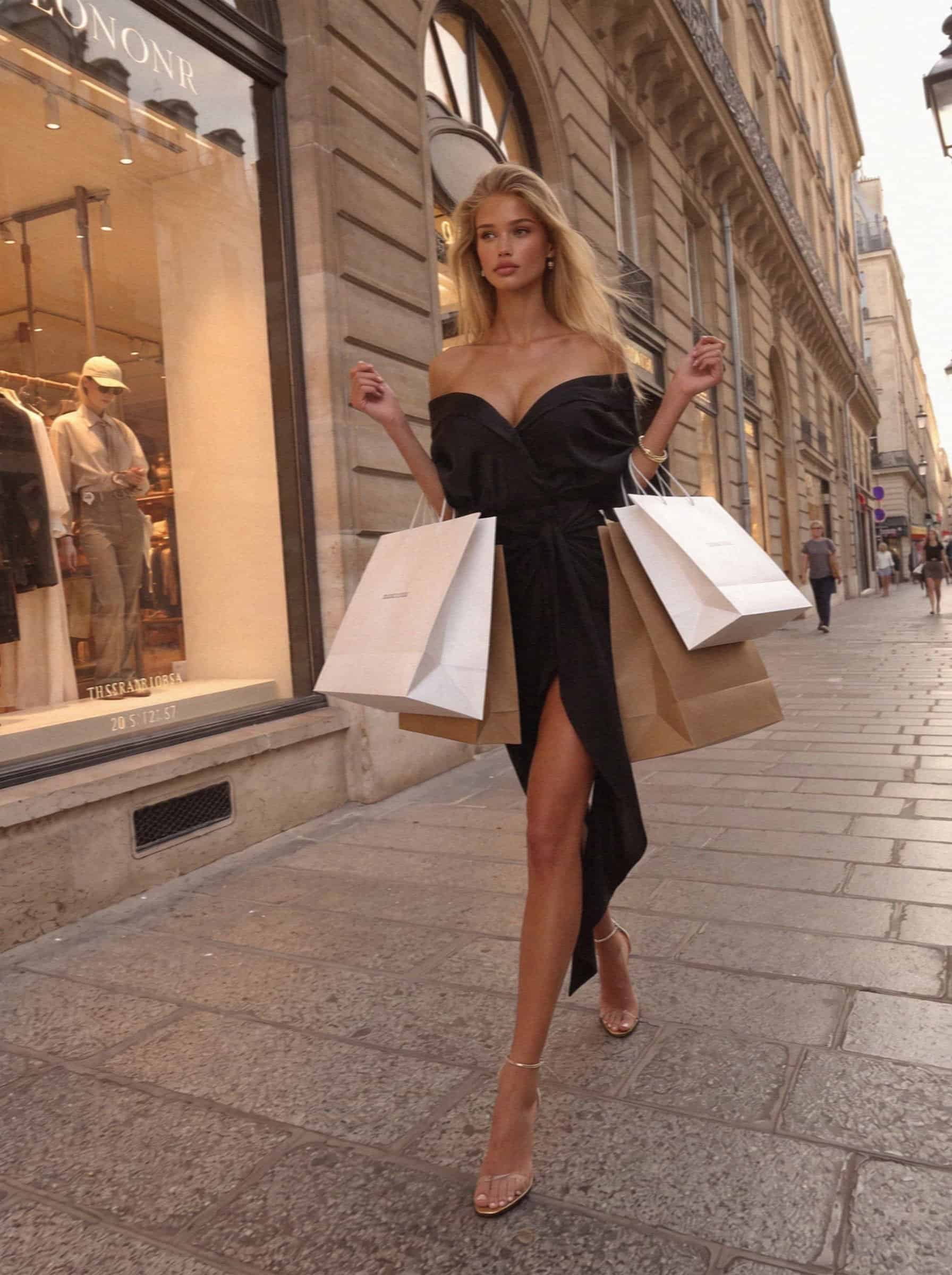
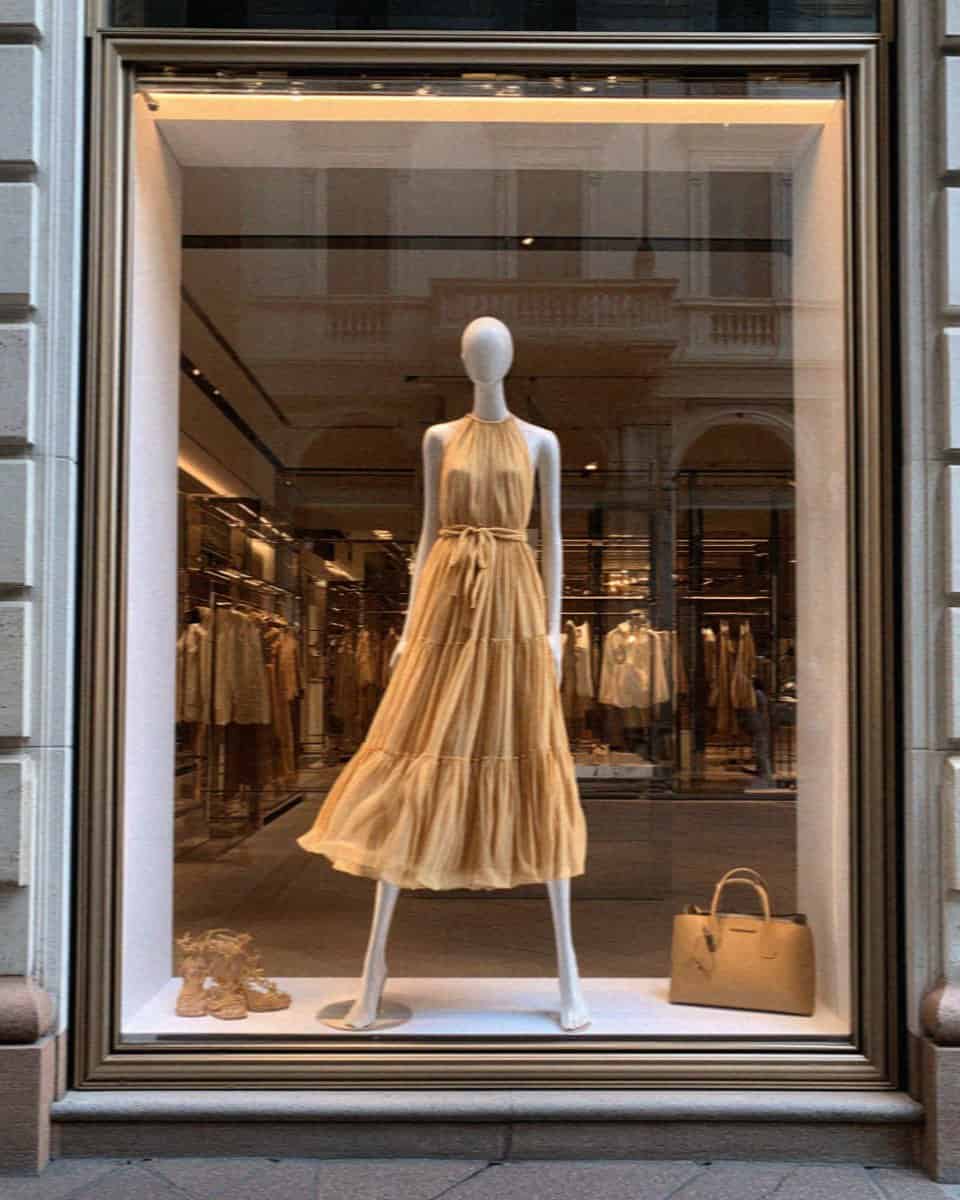
I have shopped a great many cities, but Milan is the one that taught me the difference between buying clothes and understanding fashion. Here, the two are never separate. A morning on Via Montenapoleone is a lesson in proportion and restraint, and even the window displays feel like they have been styled by someone who reads the collections properly.
What I love most is how the city layers itself. You can spend a fortune in the Quadrilatero or nothing at all in a Navigli vintage shop, and both count as a genuine Milanese day. Below is how I actually shop this city, level by level, with the practical details I always wish someone had told me first.
The Quadrilatero della Moda: the flagship houses
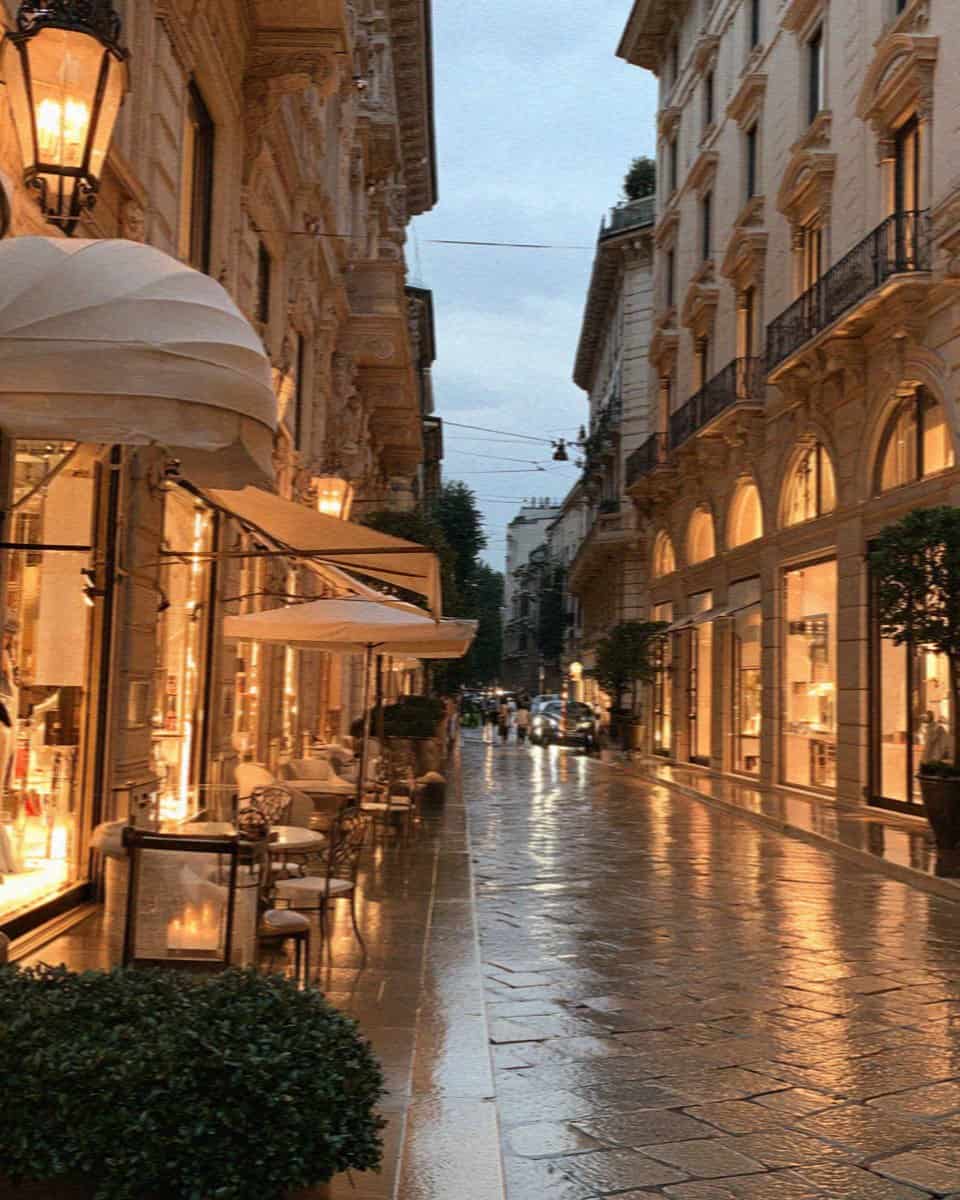
The Quadrilatero della Moda, the fashion rectangle, is the heart of it all, and it is smaller and more walkable than its reputation suggests. Four streets frame it. Via Montenapoleone is the grand spine, consistently ranked among the most expensive shopping streets in the world, and it is where the great Italian houses keep their most serious flagships. Via della Spiga runs parallel and is pedestrianised, which makes it my favourite for an unhurried wander. Via Sant’Andrea connects the two, and Via Manzoni closes the rectangle towards the Scala.
On Montenapoleone you will find the temples: Prada, Gucci, Versace, Valentino, Bottega Veneta, Louis Vuitton. Via Sant’Andrea holds Chanel, Fendi and the Giorgio Armani flagship. I treat these boutiques the way I treat a good gallery. Even when I am only looking, the service is unfailingly gracious. A tip I hold to: dress with a little care when you come here. The Milanese notice, the sales assistants respond warmly to it, and you will simply enjoy yourself more.
Plan Your Visit to Milan
A few things I booked and loved. These help support the blog, at no cost to you.
- Where I stayed: search Milan hotels
- Duomo, Last Supper and attraction tickets
- Stay connected: get a travel eSIM
This section contains affiliate links. If you book through them I may earn a small commission, at no extra cost to you.
The Galleria Vittorio Emanuele II and its historic boutiques
Between the Duomo and La Scala sits the Galleria Vittorio Emanuele II, the glass-and-iron arcade from the 1860s that Milan calls its salotto, its drawing room. It is the oldest active shopping arcade in Italy and, to my eye, the single most beautiful place to shop anywhere in Europe.
The mosaic floors and the great glass dome are reason enough to come, but there is real history in the retail. This is where Mario Prada opened the very first Prada shop in 1913, and the house still keeps a boutique here. Louis Vuitton, Gucci and Versace all hold space under the arches too. Do observe the tradition of spinning your heel on the mosaic bull for luck. I always do, half in jest and half in earnest.
More affordable high-street shopping
Milan is not only for the deep of pocket. Just off the Duomo, Corso Vittorio Emanuele II is the pedestrian street lined with the high-street names most of us actually wear day to day, from Zara to COS to the Italian mid-market labels.
For sheer scale, though, nothing beats Corso Buenos Aires, which is one of the longest shopping streets in Europe and holds more shops than almost any comparable stretch on the continent. It runs from Porta Venezia outwards and is a proper democratic mile of denim, footwear, eyewear and everything in between. I come here when I want to move quickly and buy something practical, and I take the red M1 metro to Porta Venezia or Lima to save my feet for the browsing.
Brera and Navigli: independents and concept stores
When I want the Milan that feels most personal, I go north to Brera or south to the Navigli. Brera is the artists’ quarter, all cobbled lanes and small ateliers, and the independent boutiques here reward slow looking. The Navigli, along the old canals, leans younger and more eclectic, with vintage racks, artisan jewellers and design shops tucked between the aperitivo bars.
No account of Milan concept shopping is complete without 10 Corso Como, the pioneering concept store founded by Carla Sozzani at Corso Como 10, just north of the Garibaldi station. It reinvented the idea of what a shop could be, folding fashion, a bookshop, a gallery, a cafe and a leafy courtyard into one address. I always leave time for a coffee in that courtyard.
Vintage, archive and resale: the Milanese second-hand scene
This is where Milan quietly excels, and where I find the pieces people ask me about most. The city’s consignment and second-hand scene is exceptional precisely because the closets being emptied are so well dressed to begin with.
Around Brera and the Navigli you will find archive and vintage dealers with carefully curated rails of past-season Armani, Ferre and Versace. The consignment shops, several of them clustered near the Quadrilatero and in the Porta Genova area, deal in gently worn luxury handbags and ready-to-wear at a fraction of retail. I never come to Milan without setting aside an afternoon for this. Bring cash for the smaller dealers, look closely at hardware and stitching, and do not be shy about asking provenance.
The outlet villages: a dedicated day out
If serious discounts are your object, you must leave the city, and it is worth it. Two outlet villages sit roughly an hour from Milan, and each deserves a full, dedicated day.
Serravalle Designer Outlet, run by McArthurGlen, is the largest designer outlet in Europe and sits near Novi Ligure, south towards Genoa. Expect Prada, Gucci, Armani and dozens more at genuinely reduced prices. A direct shuttle coach runs daily from central Milan, near the Foro Buonaparte and the castle, and the journey takes around an hour.
Fidenza Village, part of the Bicester Collection, lies to the south-east near Parma and has a slightly more boutique feel. The easiest way there is the dedicated Shopping Express coach from central Milan, or you can take a high-speed train to Fidenza station and connect by a short local shuttle. My honest counsel: go to the outlets for the brands you already know and love, in sizes you already know fit.
The winter and summer saldi
Twice a year Italy holds official sales, the saldi, and they are governed by regional dates. In Lombardy, the region Milan sits in, the winter saldi 2026 began on 3 January and run through early March, and the summer saldi 2026 begin on 4 July. Discounts start at around thirty per cent and deepen as the weeks pass. Go on the first weekend for the best selection, or hold your nerve until late in the run for the deepest cuts on what remains.
How I shop Milan
My own rhythm is simple. I start with a slow morning in the Quadrilatero and the Galleria, looking properly, trying on, learning what the season is really saying, whether or not I intend to buy. I break for a coffee standing at the bar, never sitting, and I keep the afternoon for the parts that surprise me: a Brera independent, a Navigli vintage rail, a consignment find. If I have a spare day and a shopping list of known loves, I give the outlets their own outing. And I always leave a little room in the case for the thing I did not plan to find.
Read also: my complete guide to Milan, the best things to do in Milan, and, for timing your trip, the best time to visit Milan.
Frequently Asked Questions
Where is the main shopping area in Milan?
The Quadrilatero della Moda, bounded by Via Montenapoleone, Via della Spiga, Via Sant’Andrea and Via Manzoni, is the main luxury shopping district. For high-street shopping, head to Corso Vittorio Emanuele II by the Duomo or the long stretch of Corso Buenos Aires.
When are the Milan sales?
Milan follows Lombardy’s saldi dates. The winter sales run from early January, starting 3 January in 2026, through early March. The summer sales begin in early July, on 4 July in 2026, and last several weeks, with discounts deepening over time.
Are the outlets worth it?
Yes, if you plan a dedicated day. Serravalle Designer Outlet and Fidenza Village both sit about an hour from Milan and offer designer labels at real discounts. Go for brands and sizes you already know, and use the direct shuttle coaches from the city centre.