I have stood in front of a great many paintings in my life, and very few have made me hold my breath the way Leonardo’s Last Supper did. Fifteen minutes is all you are given, and I spent the first two of mine simply adjusting to the scale of it, the way the far wall of that quiet refectory seems to dissolve into a room that isn’t there.
The catch, of course, is getting in at all. This is the single hardest ticket in Milan, harder than the opera, harder than anything on the fashion calendar. I have booked it three times now, and every time the trick is the same: know exactly when the tickets drop and be ready at your keyboard. Let me walk you through precisely how it works, because a little planning here is the difference between standing before Leonardo and standing outside a locked door.
What it is, and why access is so limited
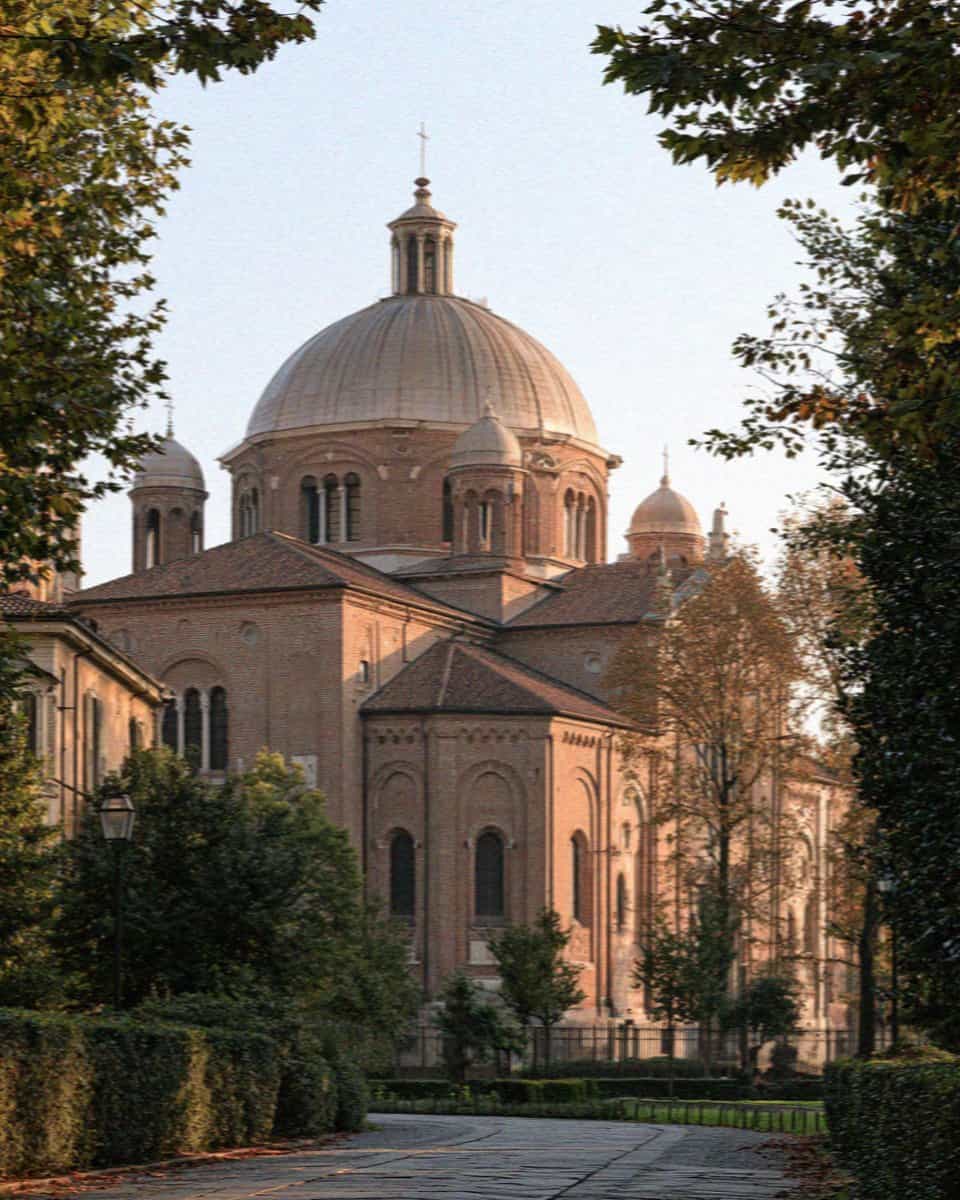
The Last Supper, or Il Cenacolo as the Italians call it, is not in a gallery. Leonardo painted it directly onto the end wall of the refectory, the monks’ dining hall, of the convent of Santa Maria delle Grazie between 1495 and 1498. It has lived on that wall for more than five centuries, and it is extraordinarily fragile. Leonardo used an experimental tempera technique rather than true fresco, which means the paint began flaking within his own lifetime. It survived Napoleon’s troops using the room as a stable and a bomb that flattened much of the convent in 1943.
All of which explains the rules. Only a small group is admitted at a time, for exactly fifteen minutes, and never longer. Before you reach the painting you pass through a series of sealed, climate-controlled antechambers that strip the humidity from your clothing and breath, because moisture is what is slowly killing it. The refectory holds a maximum of forty visitors per slot, and slots run back to back all day. That mathematics, a handful of people every quarter of an hour, is why demand so wildly outstrips supply.
Plan Your Visit to Milan
A few things I booked and loved. These help support the blog, at no cost to you.
- Where I stayed: search Milan hotels
- Duomo, Last Supper and attraction tickets
- Stay connected: get a travel eSIM
This section contains affiliate links. If you book through them I may earn a small commission, at no extra cost to you.
The official ticket
The official full-price ticket is 15 euros, and that figure already includes the compulsory booking fee. The reduced ticket, for EU citizens aged 18 to 25, is 2 euros plus a small reservation fee. Admission is free on the first Sunday of each month, though I would not pin a trip on those dates, as they vanish almost instantly.
The one and only official booking platform is Vivaticket, at cenacolovinciano.vivaticket.it. You can also book by telephone. Please commit that web address to memory, because the entire first page of any search will be resellers charging three or four times the face value. If you are paying 60 euros for a skip-the-line ticket, you are paying a middleman, not the museum.
Opening hours and closed days
The museum is open Tuesday to Sunday, from 8.15am to 7pm, with the last admission at 6.45pm. It is closed every Monday, along with the usual Italian holiday closures around Christmas and New Year. Do build the Monday closure into your itinerary early. I have watched more than one couple realise, on their single free morning, that the one thing they came to Milan for is dark that day.
Exactly how and when tickets are released
This is the part that matters most, so read it twice. Tickets are released in quarterly batches, roughly three months at a time. When a new batch opens, it covers a block of dates several months ahead. To give you the real pattern from this year: tickets for the May to August 2026 period went on sale on 24 March, and tickets for September to December 2026 went on sale on 23 June, both at 12 noon Milan time. So the rhythm is a fresh drop late in each quarter, unlocking the following quarter, always at midday.
When a batch opens, the most popular dates and the coveted late-afternoon slots can be gone within the hour. Weekends and holidays evaporate first. So the golden rule is simple: work out which quarter your travel dates fall into, find out the release date for that batch, and be logged in and ready at 11.55am Milan time on the day.
There is a second, quieter channel worth knowing. The museum also releases a small number of additional individual tickets weekly, every Wednesday at 12 noon, for the following week, capped at five tickets per booking. This is your lifeline if you have left it late or if your dates are already sold out.
How to book, step by step
- Go to the official Vivaticket page a few minutes before noon on release day. Do not use a search engine to find it in the moment; type the address directly.
- Choose English from the language selector so you are not translating on the fly.
- Select your date and time slot. Have a first, second and third choice ready before the clock strikes.
- Choose your ticket type and quantity. Note that groups are limited, so a large party may need to split across slots.
- Enter your details and pay promptly. There is often a countdown timer holding your slot, and it is unforgiving.
- Save the confirmation email and your QR code to your phone, and screenshot it for good measure.
If the official site is sold out
It happens, and there is no shame in a back-up plan. Authorised guided tours are allocated a block of tickets by the museum, held separately from the general release. This is often the most reliable route when the official site shows nothing. You will pay considerably more, frequently 60 to 90 euros, because you are buying a guided experience and not just entry, and a good guide genuinely enriches those fifteen minutes. The important thing is to book an operator that includes a proper guided visit, not a faceless reseller.
There is also the weekly Wednesday drop, the official last-minute release. And slots do occasionally reappear on the official site as people cancel, so it is worth refreshing Vivaticket in the days before you travel. I would gently steer you away from unofficial resellers promising guaranteed entry at inflated prices with no tour attached.
What to expect on the day
Arrive early. This is not advice, it is a rule. Your entry time is exact, and the museum asks you to be there at least twenty minutes beforehand to collect tickets and pass security. Arrive late and you forfeit your slot entirely, with no refund and no sympathy.
Large bags, rucksacks and suitcases are not permitted and must be left in the cloakroom, so travel light. You will be filed through those sealed glass rooms in your group, and the doors open and close in sequence to control the air. You may take photographs without flash and without a tripod, but you will have your fifteen minutes and no more, so I would urge you to take one or two frames and then simply look. On the opposite wall, do not miss Montorfano’s Crucifixion, which everyone forgets to turn around for.
Is it worth it?
Yes. Unreservedly, yes. I understand the hesitation. It is expensive in effort, if not in money, and fifteen minutes sounds cruelly short for something you planned months around. But there is nothing else quite like standing in the actual room Leonardo painted for, watching that impossible depth open up on a wall that has held it for over five hundred years. Photographs flatten it entirely. Of everything I have done in Milan, this is the one I would tell you not to skip.
Read also: my complete guide to Milan, the best things to do in Milan, and if you are lining up sights, my three-day Milan itinerary.
Frequently Asked Questions
How far in advance should I book?
As far ahead as you possibly can. Tickets release in quarterly batches roughly three months before, and the best dates go within the hour. Identify your release date, and be online at 11.55am Milan time. If you have missed the batch, use the weekly Wednesday noon release for the following week.
Can you see The Last Supper without a ticket?
No. Reservations are compulsory for every single visitor, with no exceptions and no walk-ups. The painting sits behind sealed doors and controlled entry, so without a booked slot, whether direct or via an authorised tour, you simply cannot get in.
How long do you get with the painting?
Fifteen minutes, precisely. Groups are admitted on a strict rotation, and when your time is up you are ushered out so the next group can enter. Use it well: look first, photograph second.