The best time to visit Pisa and Lucca is late spring or early autumn, when the light is long, the walls are made for walking, and the coach crowds at the Leaning Tower thin out by mid-afternoon. I have been to this corner of Tuscany in every season now, in August heat that made the marble too bright to look at and in a January drizzle that emptied Via Fillungo of everyone but the pharmacist’s cat. What follows is the honest version, month by month, with the festivals worth planning around and the ones worth planning against.
The short answer
If you want a single window, choose May, June, or September. These are the months when the countryside is green rather than scorched, the evenings are warm enough to eat outside, and the two cities feel lived-in rather than overrun. May gives you wildflowers along the Lucca ramparts, June brings Pisa’s finest night of the year, and September holds the warmth of summer without its worst heat, the grape harvest beginning in the hills. October is lovely too, with one enormous caveat I will come to. Everything else has its case, but if you are pressed, book late spring or the start of autumn and you will not go far wrong.
Plan Your Visit to Pisa and Lucca
A few things I booked and loved. These help support the blog, at no cost to you.
- Where I stayed: search Pisa hotels
- Leaning Tower and Cathedral tickets
- Rent a car to explore the area
- Stay connected: get a travel eSIM
This section contains affiliate links. If you book through them I may earn a small commission, at no extra cost to you.
Spring: the walking season
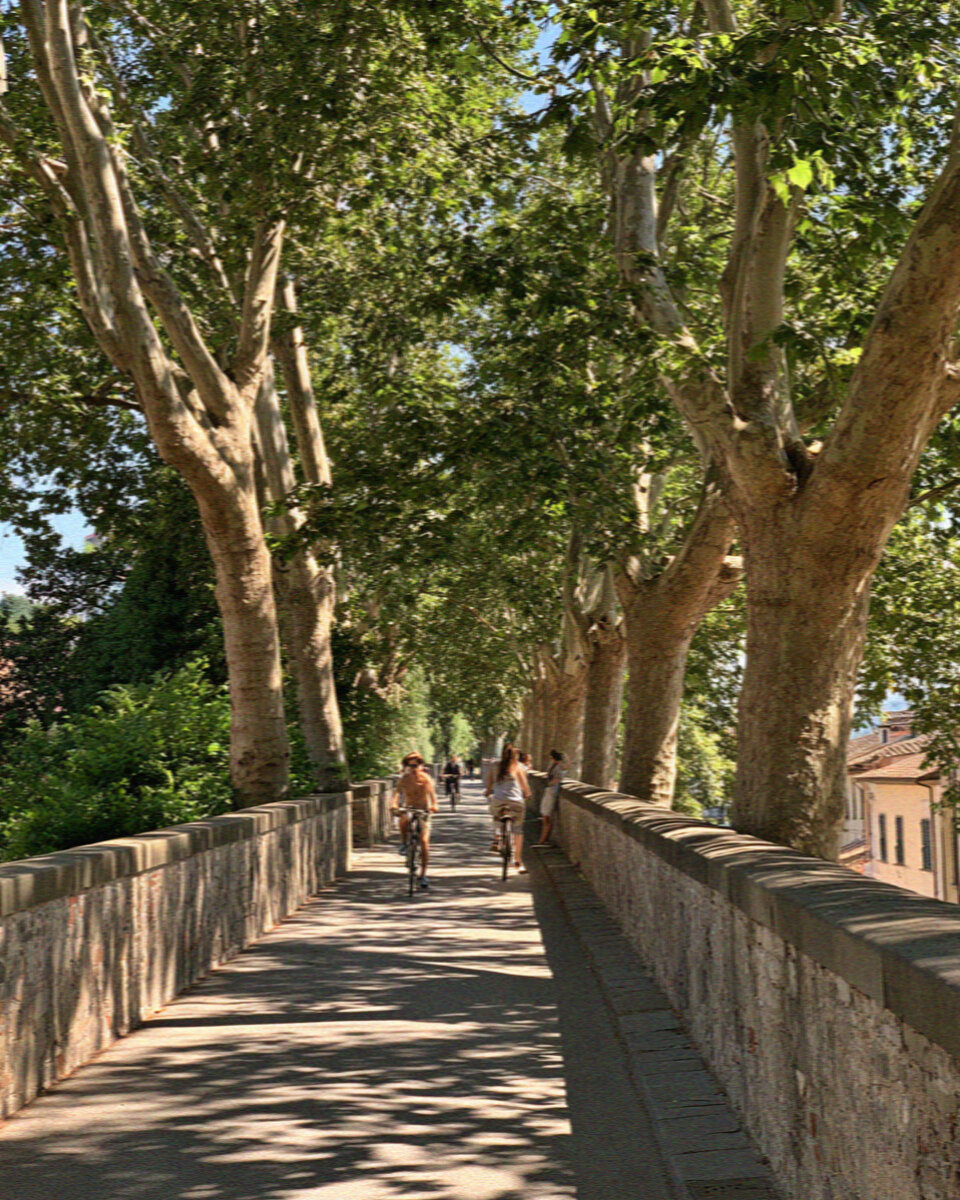
Spring is my quiet favourite. April can still surprise you with rain, and the first week or two carry a chill in the shade, but by the end of the month the plane trees on Lucca’s walls have leafed out and the four-kilometre rampart path becomes the loveliest place in the city to spend an hour. Temperatures in April tend to sit in the high teens Celsius; by May they climb into the low to mid-twenties, close to perfect for walking, cycling, and doing very little. Crowds are present but manageable: you can still turn up at the Leaning Tower mid-morning without queuing for an hour, and Lucca’s piazzas have space to breathe. Easter is the exception, when families travel and prices lift for the long weekend, so check the calendar before you book.
Summer: the heat, the coast, and the festivals
Summer is the season everyone pictures and the one I would most gently caution about. July and August bring real heat, with daytime temperatures regularly in the low to mid-thirties Celsius and a humidity that sits heavy in the flat Arno plain. Pisa’s open piazzas offer little shade at midday, and the Field of Miracles can feel like standing on a griddle. This is a reason to change your rhythm, not to stay away. See the churches and the tower early, retreat indoors through the worst of the afternoon, and come back out when the stone has cooled and the swallows dip over the rooftops.
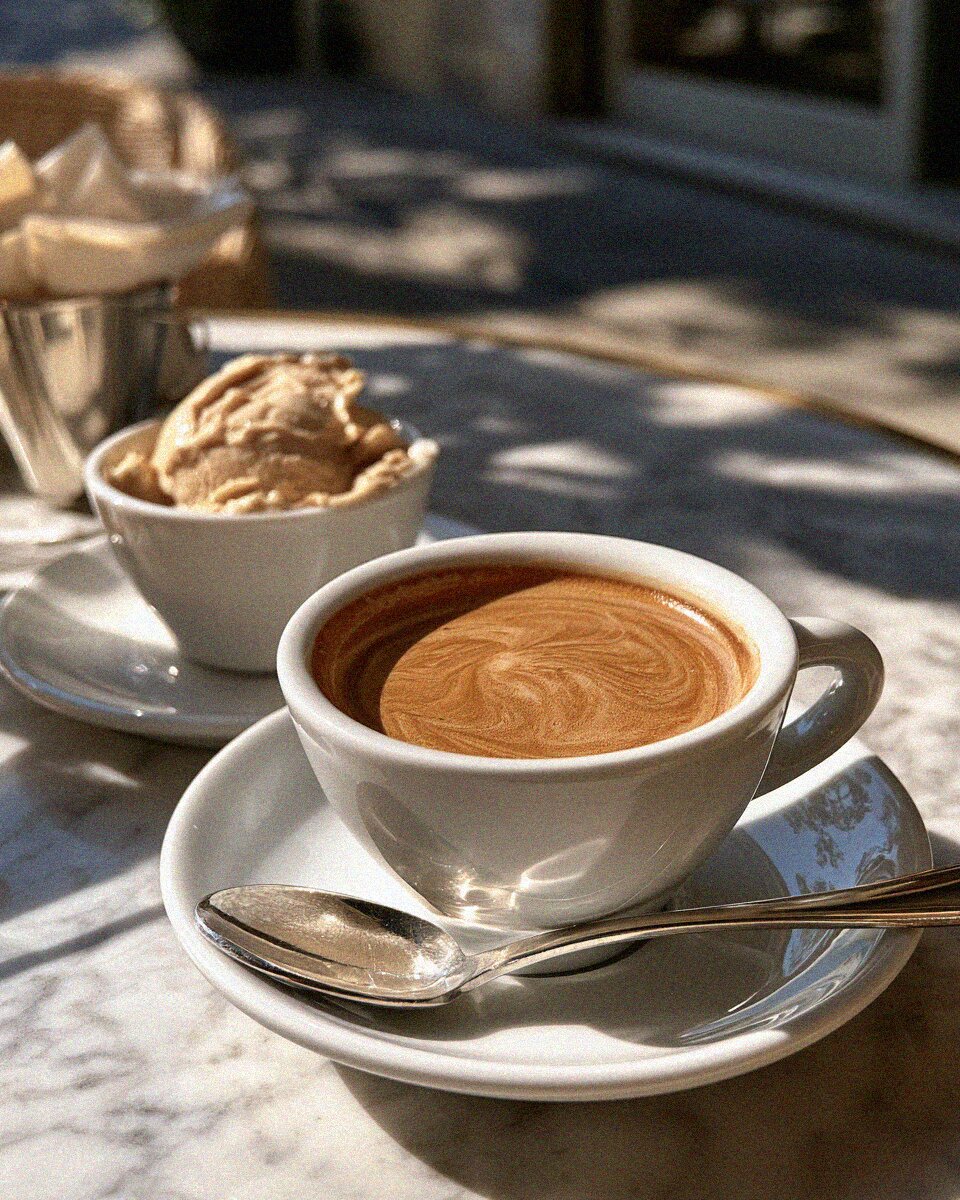
The saving grace of summer is that the locals long ago worked out how to live with the heat, and you can borrow their habits. A morning espresso at the bar, a long lunch, and a gelato at dusk are less indulgence here than survival tactic. The other saving grace is the coast. The Versilia, the Tuscan shoreline around Viareggio, runs its beach season from roughly June to September, under an hour from either city.
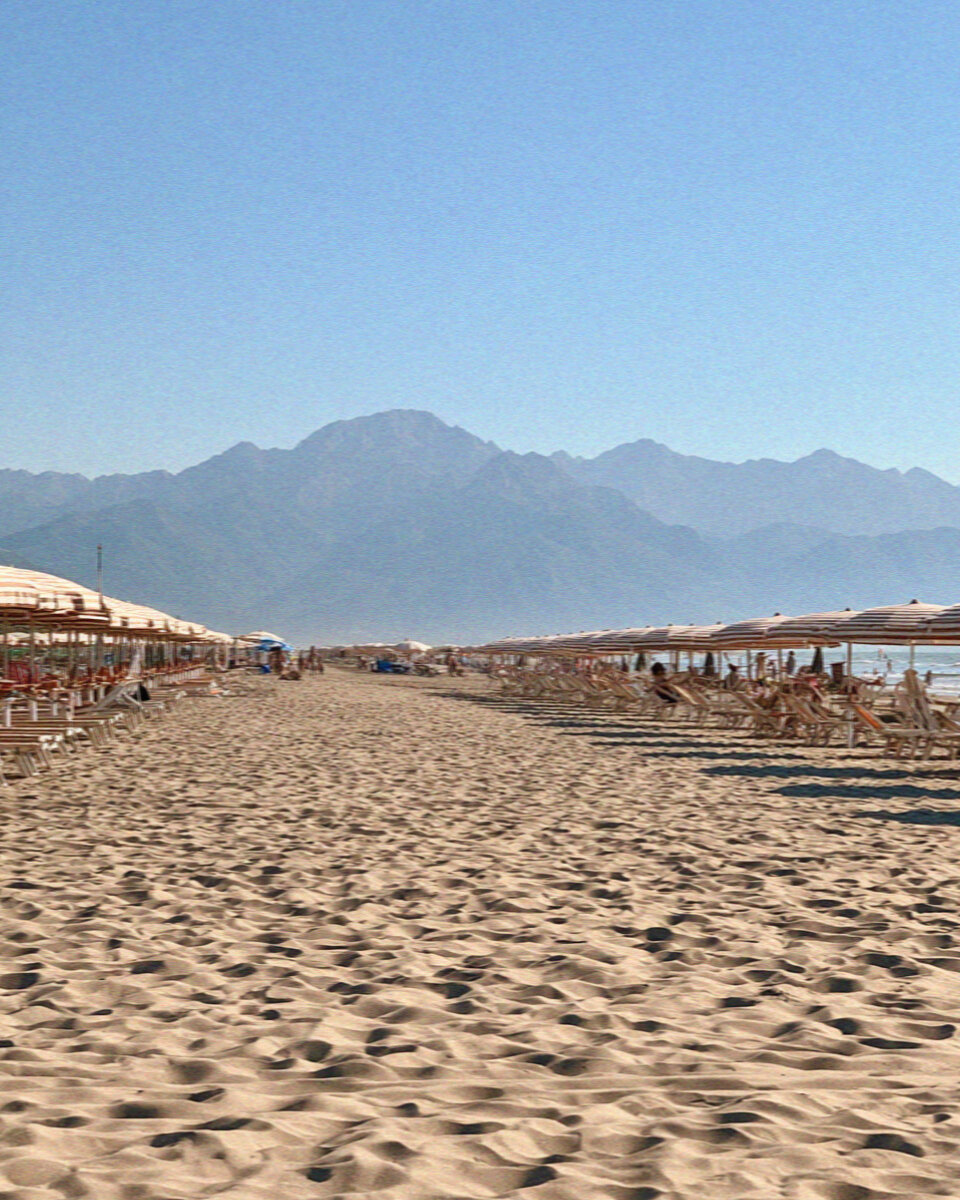
Viareggio’s beach is largely organised into stabilimenti, the private lidos where you pay for a parasol and a lounger and get tidy sand and a decent lunch in return, though there are free stretches too. If your idea of a hot afternoon is a swim and fried fish rather than more marble, the coast earns its place.
Summer is also festival season, and the events are genuinely worth building a trip around. The one I would cross a continent for is the Luminara di San Ranieri in Pisa, held on the evening of 16 June, when the buildings along the Arno are outlined in tens of thousands of small flames set in white wooden frames, and the river gives you every candle twice. It falls within Giugno Pisano, the city’s month of festivities, which also includes the historical regatta of San Ranieri around the same days and the Gioco del Ponte, a costumed tug-of-war on the Ponte di Mezzo usually held on the last Saturday of June. Do confirm the exact dates for your year, as both can shift.
Lucca has its own summer draw. The Lucca Summer Festival brings big international names to open-air stages in the historic centre, typically from late June through July; in 2026 it opens around 24 June and runs into late July. And a short drive to Torre del Lago, on the shore of Lake Massaciuccoli where Puccini wrote most of his operas, the Festival Puccini stages his work in a purpose-built open-air theatre; the 2026 edition runs from mid-July to early September. Hearing Tosca or La Bohème outdoors, a few steps from the house where it was composed, is the sort of evening that reorders your sense of a place.
Autumn: harvest, festivals, and one very busy weekend
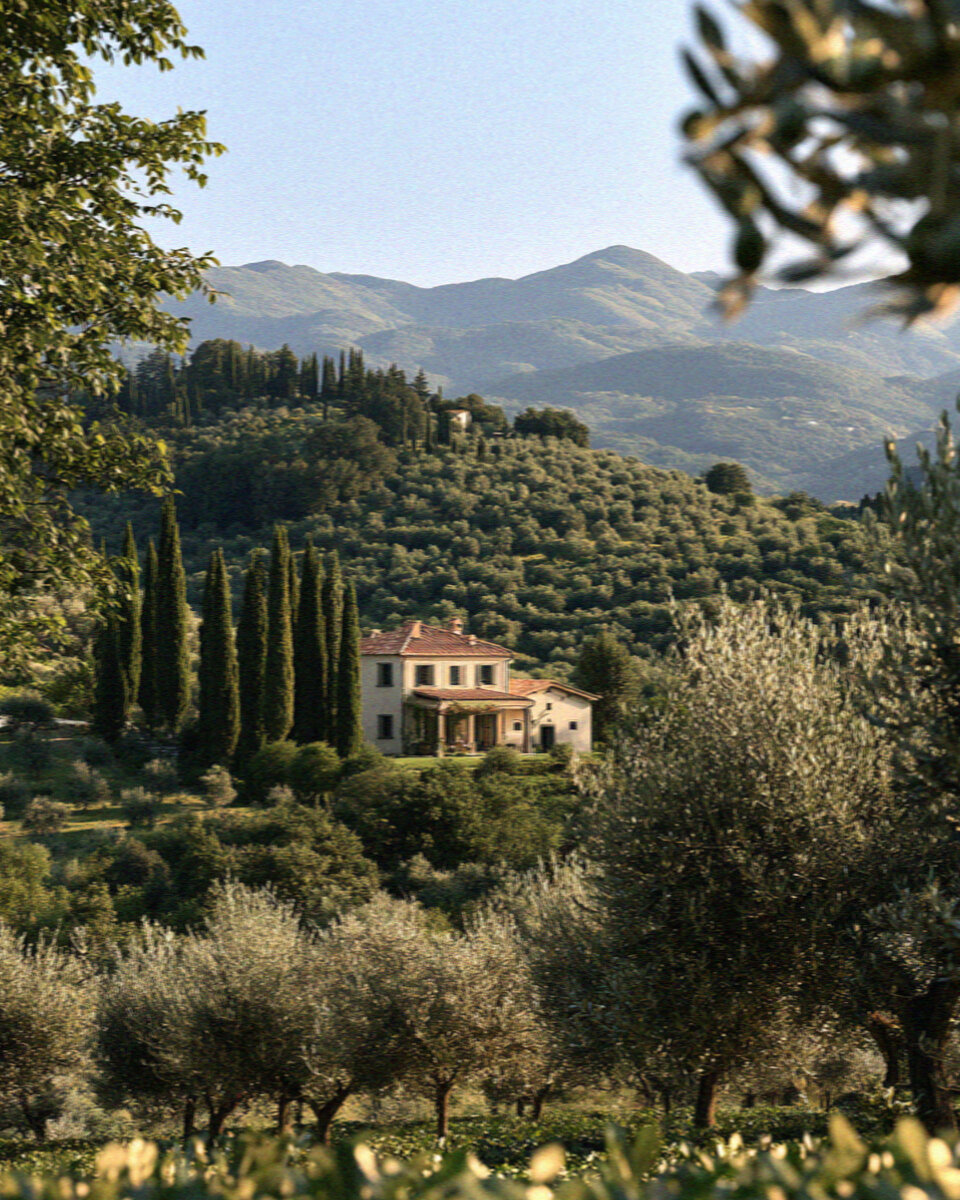
September is, along with May, the month I would pick if made to choose only one. The heat softens, the sea stays warm enough to swim into early October, and the hills around Lucca turn to the work of harvest. The grape vendemmia comes first, and by later autumn the olive presses are running and the new oil arrives, green and peppery and unlike anything you buy at home. Temperatures sit comfortably in the mid-twenties, easing through October, and the summer crowds have mostly gone home.
September also holds Lucca’s most atmospheric night. The Luminara di Santa Croce falls on the evening of 13 September, when a candlelit procession carries the veneration of the Volto Santo, the city’s revered wooden crucifix, from San Frediano through the historic centre, the streets lit only by flame. It is the culmination of Settembre Lucchese, a month of concerts, markets, and observance, and it is far quieter and more devotional than Pisa’s Luminara, a slow river of candlelight rather than spectacle.
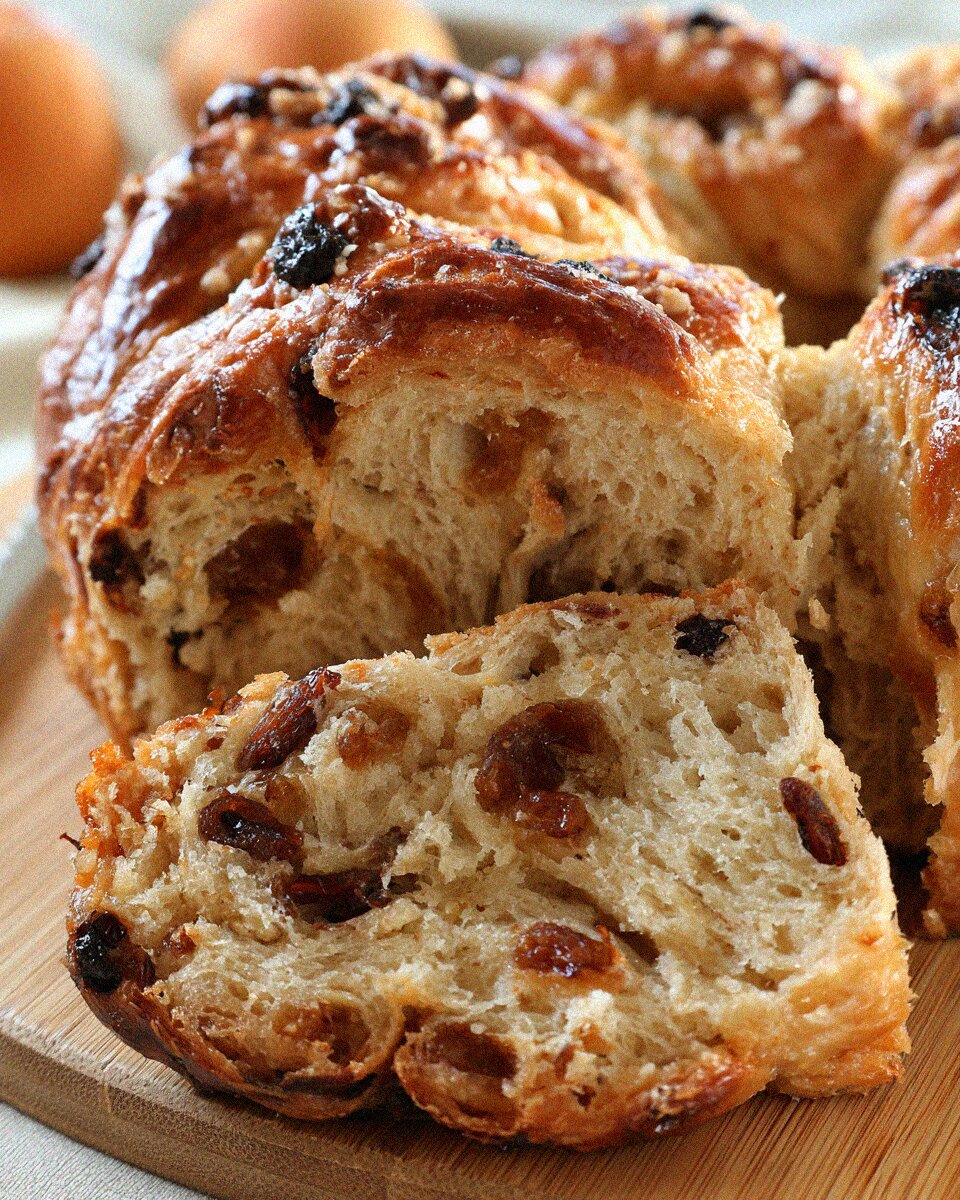
Around the festivals, seek out buccellato, Lucca’s ring of sweet bread flecked with sultanas and aniseed. It keeps for days, ideal to carry off on a picnic up on the walls.
Now the caveat I promised. From roughly the last days of October into the first days of November, Lucca hosts Lucca Comics & Games, one of Europe’s largest festivals of comics, gaming, and cosplay; in 2026 it runs from 28 October to 1 November. Hundreds of thousands of costumed visitors pour inside the walls, hotels sell out months ahead, and the compact old town becomes very nearly impassable. If you are a fan, it is glorious and you should go. If you are hoping for quiet streets and a table without a reservation, this is the single week of the year to avoid Lucca entirely. Pisa, half an hour away by train, stays comparatively calm.
Winter: quiet and cheaper
Winter gets overlooked, and I understand why, yet it has a real case. From late November through February the cities empty of tourists, prices drop, and you get the tower and the piazzas almost to yourself. Temperatures are cool rather than harsh, usually in the single digits to low teens Celsius, with damp, grey spells and the odd bright, cold, blue-skied day that shows off the marble beautifully. Some smaller restaurants and coastal businesses close for the season, so it is a city-and-food trip rather than a swimming one, with Christmas markets and lights for warmth. And February brings the one great winter exception on this coast: the Viareggio Carnival, whose enormous satirical papier-mache floats parade along the seafront over several weekends. In 2026 the parades run across February, from the first to the twenty-first. It is loud, irreverent, and worth the cold.
A month-by-month quick guide
- January to February: Coldest and quietest, cheapest beds. Viareggio Carnival lights up February.
- March: Shoulder season waking up. Variable weather, low crowds, good value.
- April: Spring arrives, the walls green over. Watch for Easter crowds and prices.
- May: One of the two ideal months. Warm, green, walkable, not yet crowded.
- June: Warm and lively. Giugno Pisano and the Luminara di San Ranieri on the 16th; the Summer Festival begins.
- July: Hot and busy. Summer Festival concerts, the Puccini Festival opens, the coast in full swing.
- August: Hottest, and many Italians take their own holidays. Plan around the midday heat.
- September: The other ideal month. Warm, harvest under way, the Luminara di Santa Croce on the 13th.
- October: Lovely and mild until the very end, when Lucca Comics & Games arrives.
- November to December: Quiet and cool, with Christmas markets and low prices in December.
When to avoid
Three windows call for caution: the Lucca Comics & Games weekend at the turn of October into November, if crowds and inflated room rates are not what you came for; the peak of August, when the heat is fiercest and some places close for the Italian holidays; and Easter week, briefly, for the crowds and prices. None of these are absolute. They are simply the times when your Tuscany may not match the postcard in your head.
Frequently Asked Questions
What is the cheapest time to visit Pisa and Lucca?
Late autumn and winter, roughly November through February, bring the lowest hotel prices and the smallest crowds, setting aside Christmas and the Viareggio Carnival weekends. You trade warm weather and open beach clubs for quiet streets and real value, which for a city-and-food trip is a fair bargain.
How many days do I need for Pisa and Lucca?
Pisa’s Field of Miracles can be seen in a focused half-day, though the rest of the city rewards longer. Lucca deserves a full day at least, ideally two, to walk the walls and settle into its rhythm. I would give the pair three to four days together, more if you want to add the coast or the hills.
Is one day enough to see both Pisa and Lucca?
You can do both in a single day, since the train between them takes under half an hour, but it will be a rushed sketch rather than a proper acquaintance. If a day is all you have, see the tower in Pisa in the morning and spend the afternoon and evening in Lucca, the more inviting of the two after dark.
Once you have settled on your season, the rest follows easily. For a day-by-day plan, see the itinerary. To fill your time inside the walls, read Best Things to Do in Lucca, and for trains, buses, and the coast, turn to Getting Around and Day Trips. All of it sits within my complete guide to Pisa and Lucca.