Getting around Pisa and Lucca is one of the quiet pleasures of this corner of Tuscany, and it asks very little of you. Two walkable historic centres sit half an hour apart by train, a small international airport feeds straight into the network, and some of the best days out in Italy are an hour or less down the line. I have done this route slowly and often, and what follows is how I actually move between the two towns and out into the wider region, with the practical detail I wish someone had handed me the first time. Where fares shift with the season or the operator, I have said so rather than pretend a number is fixed.
From the airport
Pisa International Airport, still known to everyone as Galileo Galilei and signposted as PSA, sits so close to the city that you can practically see the tower from the runway. The link into town is the PisaMover, an automated people-mover that runs from the terminal to Pisa Centrale railway station in about five minutes, with an intermediate stop along the way. It runs from early morning until around midnight, extended later in high summer, and trains come frequently enough that I never bother checking a timetable. A one-way ticket is in the region of six euros and fifty cents at the time of writing; buy it from the machines before you board rather than after.
Once you are at Pisa Centrale you are on the national rail network, which is the whole point. If Lucca is your base, you do not need to set foot in Pisa proper: walk off the PisaMover, cross to the platforms, and take the next Regionale. If Pisa is your base, the leaning tower and the historic centre are a walk or a short local bus from the station.
Plan Your Visit to Pisa and Lucca
A few things I booked and loved. These help support the blog, at no cost to you.
- Where I stayed: search Pisa hotels
- Leaning Tower and Cathedral tickets
- Rent a car to explore the area
- Stay connected: get a travel eSIM
This section contains affiliate links. If you book through them I may earn a small commission, at no extra cost to you.
The Pisa to Lucca train
This is the spine of the whole cluster, and it could hardly be simpler. Regionale trains run between Pisa Centrale and Lucca in roughly half an hour, broadly every half hour or so across the day, and the fare is small, in the region of three to four euros one way. You buy a Regionale ticket, not a reserved seat, so there is no need to plan ahead or lock yourself into a departure. I treat the two towns as a single base with a corridor running between them, and I hop back and forth depending on where I want to have dinner.
One habit worth forming with Regionale tickets: if you hold a paper ticket, validate it in the little machine on the platform before you board, or you risk a fine. Tickets bought through the Trenitalia app and activated for a specific train do not need stamping. The trains are unhurried and often busy with locals and students, which is exactly the character you want.
Getting around Pisa on foot
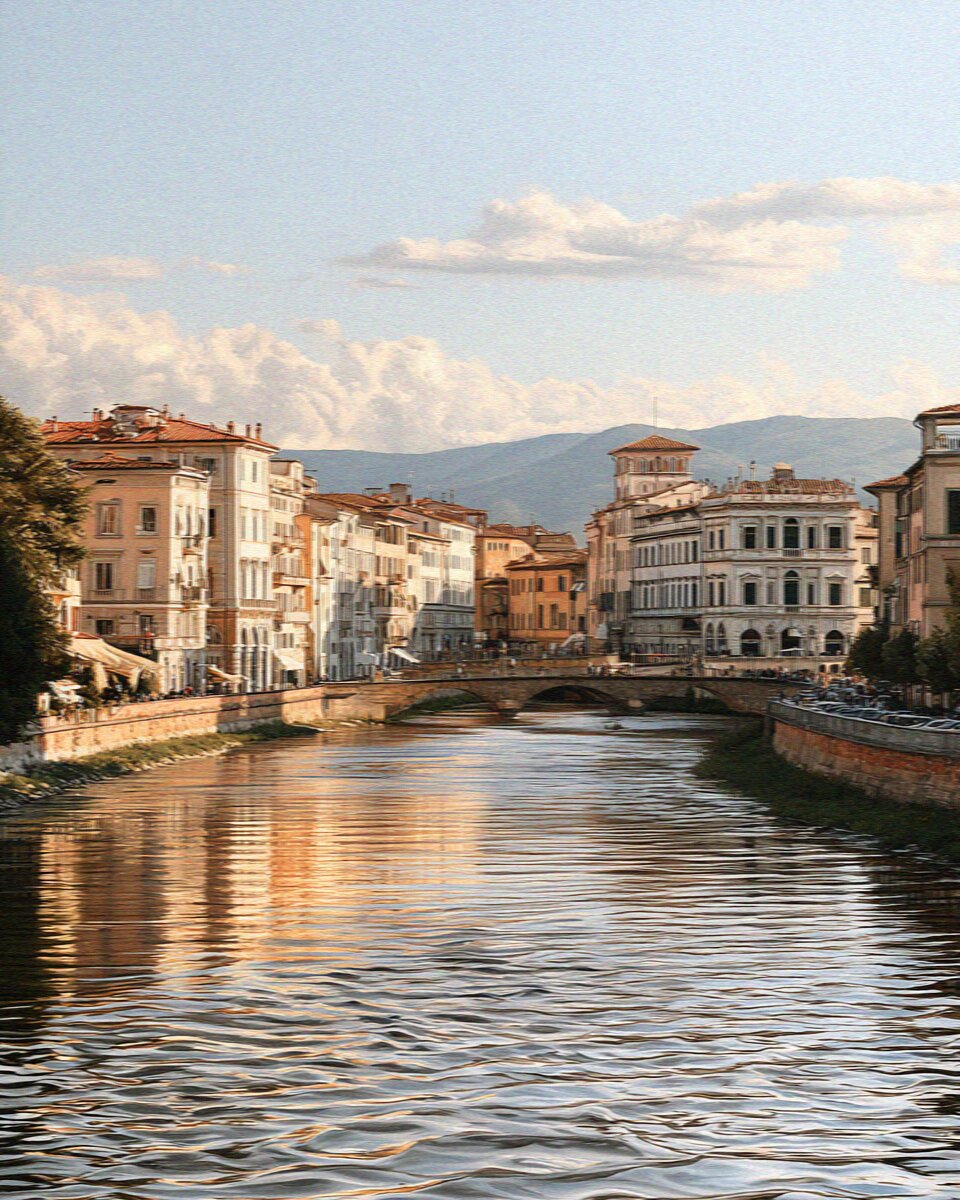
Pisa rewards walking more than most visitors expect, because most visitors only ever see the Piazza dei Miracoli and leave. The real city runs along the Arno, where the lungarni, the embankment streets on both banks, catch the light beautifully in the late afternoon. From Pisa Centrale it is a straightforward stroll up through the shopping streets, across the river, and on to the tower, and you will pass more of the actual town in twenty minutes than a shuttle would ever show you.
If your legs are tired or you have luggage, the LAM Rossa city bus links the station area with the Piazza dei Miracoli. But the centre is compact and flat, so unless you are pressed I would keep your feet on the cobbles. Pisa is a working university city as much as a monument, and the difference shows the moment you slow down.
Getting around Lucca
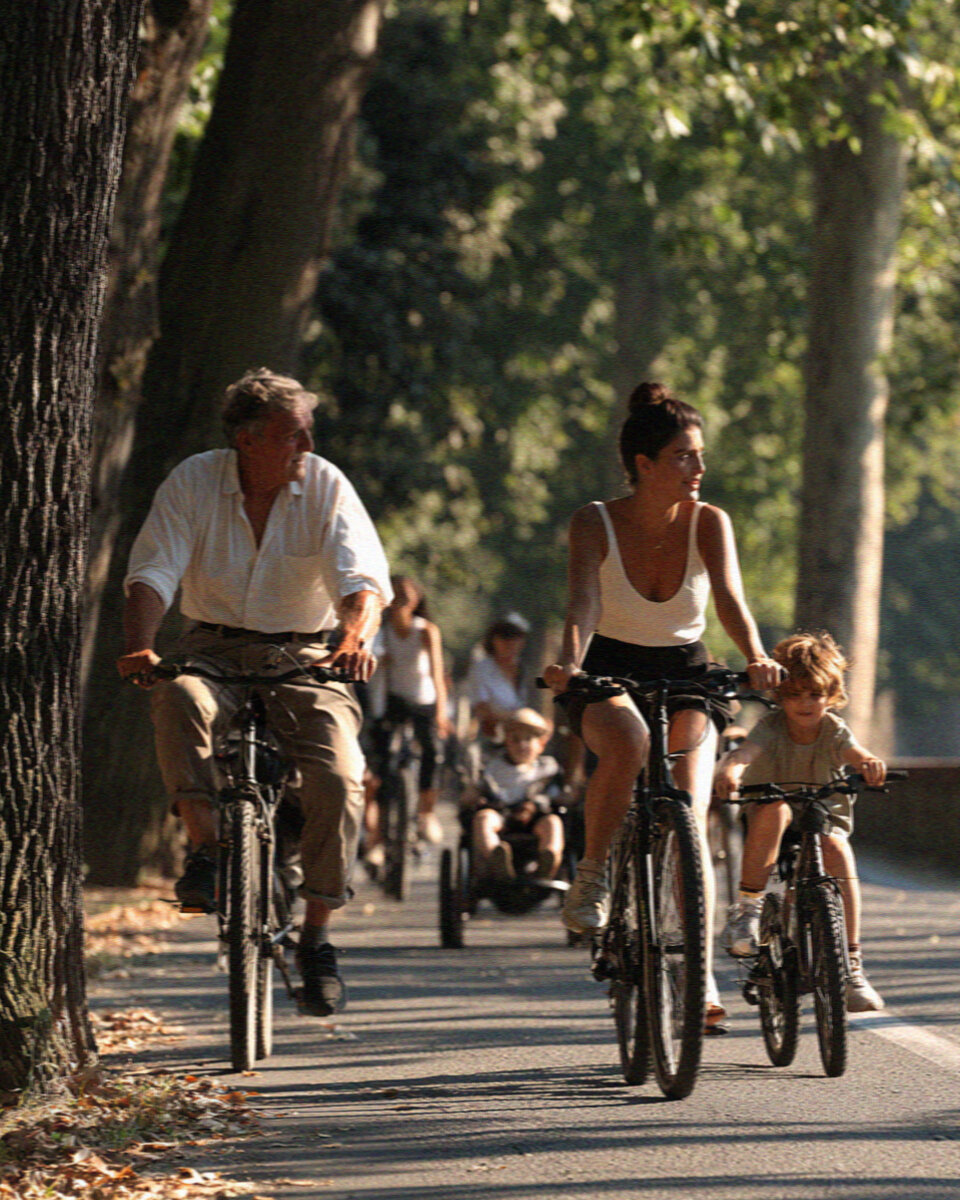
Lucca is made for walking, ringed by its intact Renaissance walls and closed to most traffic within. From the station you cross into the old town and the whole centre opens up on foot: Piazza dell’Anfiteatro, the towers, San Michele in Foro, the shop-lined Via Fillungo. Nothing is far, and the pleasure is in wandering rather than routing yourself efficiently.
The one thing every visitor should do at least once is cycle the walls. The tree-lined path along the top runs an unbroken circuit of about four and a bit kilometres, level the whole way, with the town on one side and the countryside on the other. Bike rental shops cluster near the walls and at the main gates; a standard city bike runs somewhere around three to five euros an hour, with half-day rates if you want to keep it, and e-bikes cost a little more. It is the single loveliest hour you can spend in Lucca, and children take to it happily. You can also simply walk the same circuit if you would rather not pedal.
Driving, ZTL and parking
Here is where I turn stern, because this is the one thing that catches people out. Both Pisa and Lucca have a ZTL, a limited traffic zone covering the historic centre, monitored by cameras. Drive into it without authorisation and a fine follows in the post, sometimes months later, often more than one if you looped around. Your hotel can register your plate for access if you genuinely need to load or unload, but do not assume; ask first and get it confirmed.
My honest advice is that you do not need a car for Pisa, Lucca, or the day trips in this guide, because the train does all of it. If you have hired one for the wider region, park it outside the walls and leave it there. In Lucca there are car parks and street parking just beyond the gates; in Pisa there are lots near the station and around the edge of the centre. Blue lines mean paid parking, white lines are free where they exist, and yellow lines are reserved. Then walk in, as everyone does, and let the car sit until you are heading for the hills.
Day trips: Florence
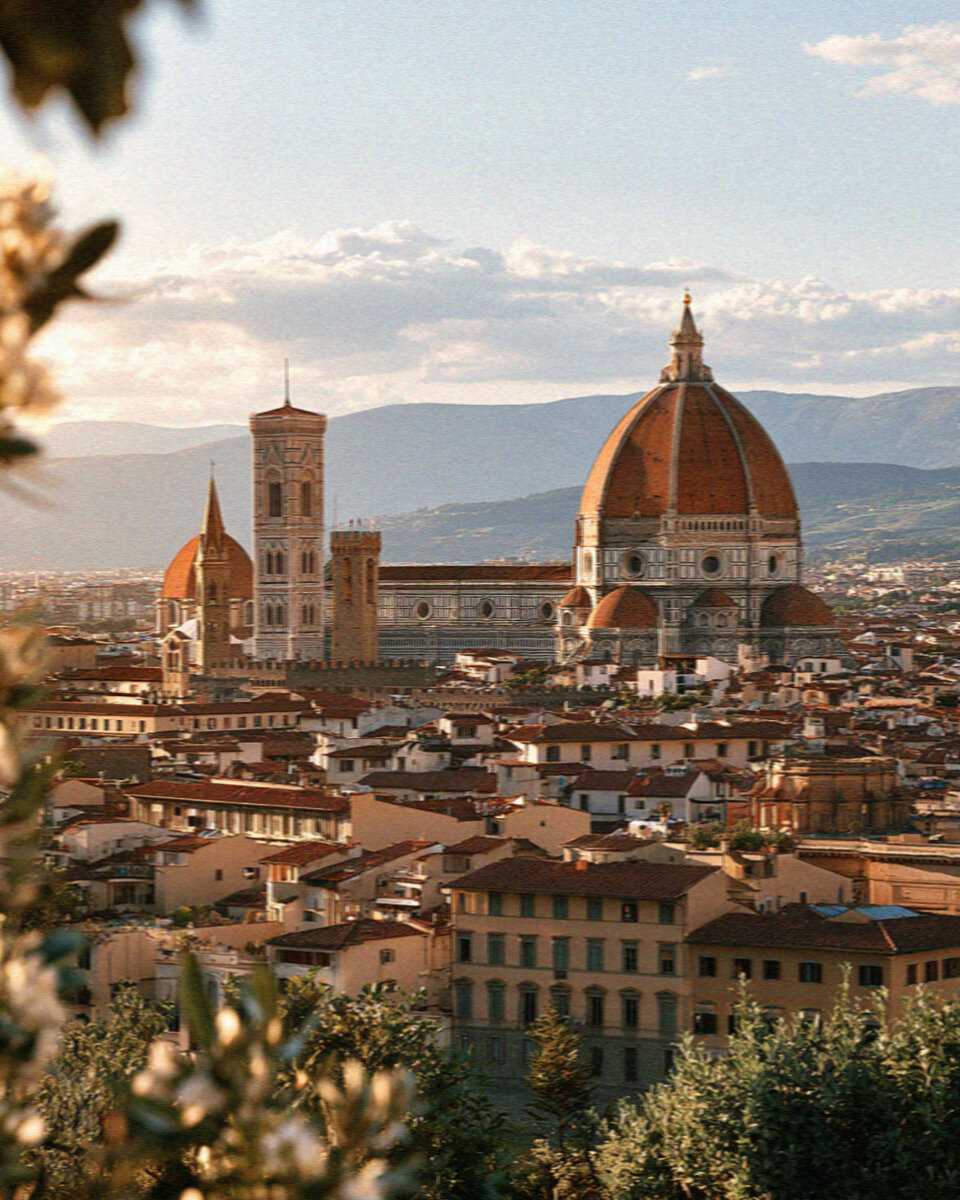
Florence is the obvious and entirely justified day trip. From Pisa Centrale the Regionale takes roughly an hour to an hour and twenty depending on the service, for a fare usually under ten euros. From Lucca you go via Pistoia and Prato, which takes a little longer, around an hour and a half. Go early, come back late, and treat it as a full day rather than a rushed dash. I will not pretend you can see Florence in an afternoon, but a single deliberate morning at the Uffizi or the Accademia, followed by a slow lunch and a wander, is a fine day out from either base.
Day trips: Cinque Terre
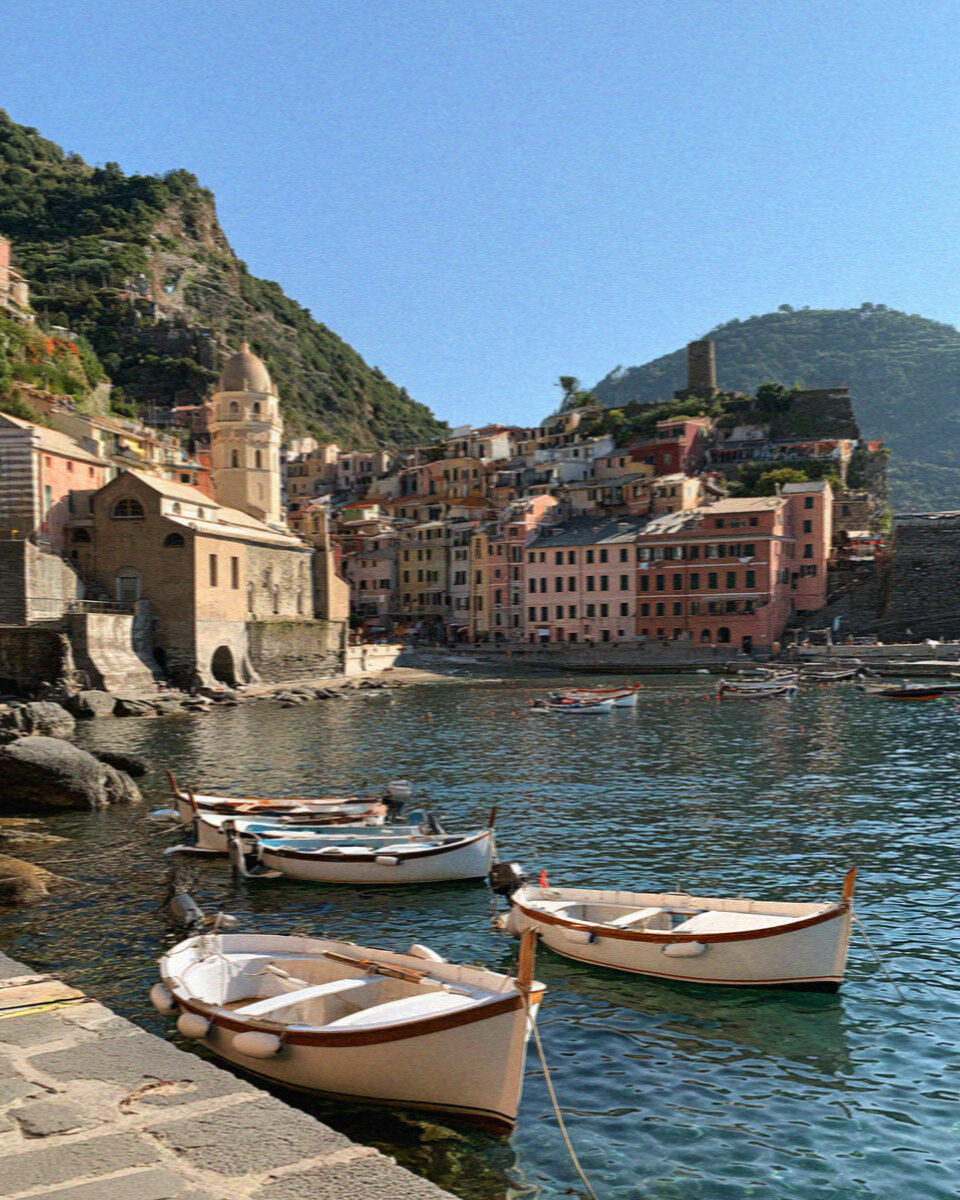
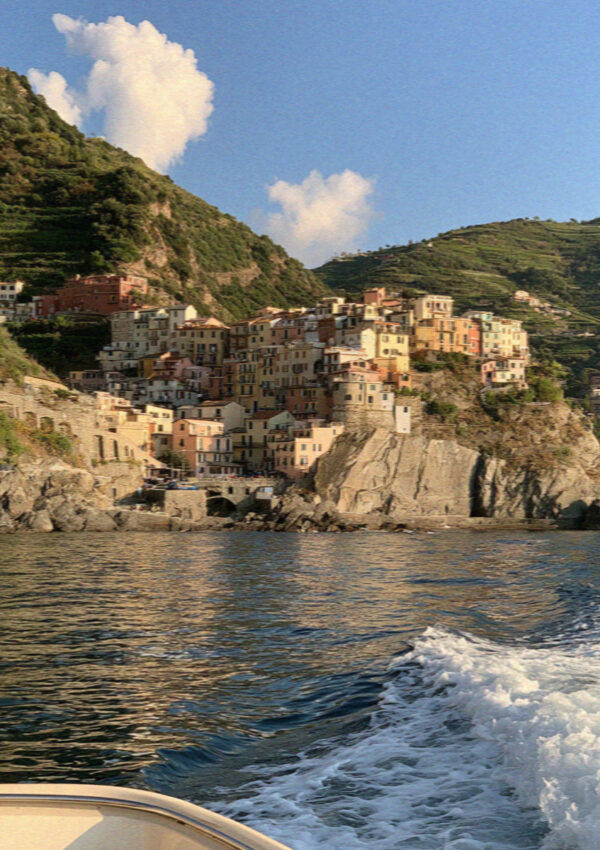
The five villages of the Cinque Terre are very doable in a day from either town, and the route is easy once you know the shape of it. Take a train up the coast to La Spezia Centrale, which is around an hour from Pisa, then change onto the Cinque Terre Express, the frequent local shuttle that stops at all five villages. Buy the Cinque Terre Treno card at La Spezia if you plan to hop between villages, as it covers unlimited train rides for the day. Start early; the villages fill by late morning, and the pleasure of arriving before the crowds is worth the alarm clock. It makes a long but genuinely rewarding day, and the coastal train ride itself is half the joy.
Day trips: Viareggio and the Versilia coast
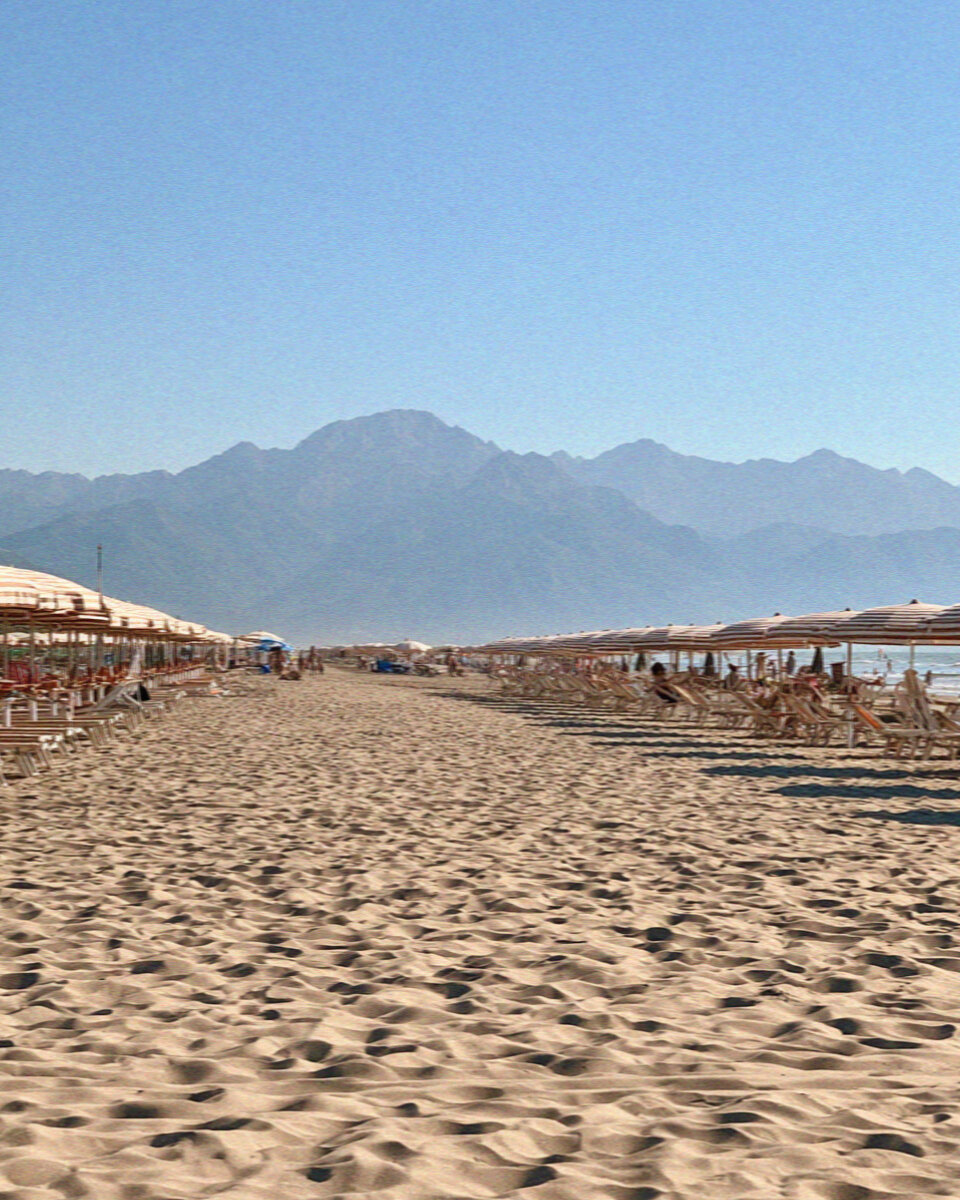
If you want the sea without the epic journey, Viareggio is the answer, sitting on the same coastal line and only fifteen to twenty minutes from Pisa, or a similar short hop from Lucca via the junction. It is a proper Italian seaside town, all Liberty-style facades along the promenade and rows of bathing establishments where you rent a lounger and umbrella for the day. The Versilia coast runs on north from here through Lido di Camaiore and Forte dei Marmi, the last of which is where Italians of a certain wardrobe go to be seen. For a low-effort beach afternoon between sightseeing days, Viareggio is hard to beat.
Day trips: Livorno, San Miniato and the wine hills
For something less obvious, three options reward the effort. Livorno, about fifteen minutes south of Pisa by train, is a salty port city with canals, a boisterous covered market, and the best seafood in the province; order the cacciucco, the local fish stew, and do not rush it. San Miniato, on the Pisa to Florence line, is a hill town famous for white truffles in autumn and for long views over the Arno valley all year round.
And then there are the Colline Lucchesi, the wine hills just north and east of Lucca, where small producers make honest reds and whites in a landscape of olive groves and villas. This one really does want a car or a booked tour, since the cellars are scattered and rural, but for an afternoon it is the antidote to town after town. A tasting, a plate of local salumi, and the hills going gold as the light drops: that is Tuscany doing what it does best.
Frequently Asked Questions
Do I need a car to visit Pisa and Lucca?
No. The train links the airport, both towns, and every day trip in this guide, and both centres are best explored on foot. I would only hire a car for the Colline Lucchesi wine hills or very rural stays, and even then I would park outside the walls and leave it there to avoid the ZTL.
How do I get from Pisa airport to Lucca?
Take the PisaMover from the terminal to Pisa Centrale, about five minutes, then a Regionale train on to Lucca, roughly half an hour. The whole journey is comfortably under an hour, needs no advance booking, and costs only a few euros beyond the PisaMover ticket.
Should I base myself in Pisa or Lucca for day trips?
Either works, because they share the same rail corridor. Pisa is marginally quicker for the coast and for Florence, while Lucca is the more charming place to come home to in the evening. Honestly, with trains running every half hour I treat them as one base and stop worrying about which side of the line I sleep on.
For how to string these journeys into actual days, see the itinerary. To choose your season, read Best Time to Visit, and to settle on a base, Where to Stay. Everything ties back to my complete guide to Pisa and Lucca, which is where I would start if you are still shaping the trip.