Where to stay in Pisa and Lucca is the one decision that quietly shapes everything else about these few days, and I want to save you the wobble I had the first time. The short version is that I sleep in Lucca and only pass through Pisa. Lucca rewards you for staying: the walls come alive after the coach parties leave, the bells wake you at a civilised hour, and dinner is a two-minute wander rather than a drive. Pisa is where the airport is, and an airport night has its own logic. Below I have set out the hotels I have actually looked at or stayed in, with rough price bands, so you can match a bed to the kind of trip you are having.
Lucca or Pisa as your base
If you have two nights or more, base yourself in Lucca. It is the more liveable of the two by a wide margin: a walkable oval inside the ramparts, good restaurants that are not there purely for tourists, and a rhythm that lets you slow down. Pisa, for all the fame of its tower, is a working university city where most visitors see one square and leave. That is not a criticism so much as a reason to treat it differently.
The one clear case for sleeping in Pisa is the airport. Pisa’s runway sits astonishingly close to the centre, so an early departure or a late landing is far easier managed from a room near the Arno than from Lucca half an hour up the line. My rule of thumb: Lucca for the stay, Pisa for a single night bolted onto a flight. If your itinerary has you flying in one evening and out another, one night in each is perfectly sensible.
Plan Your Visit to Pisa and Lucca
A few things I booked and loved. These help support the blog, at no cost to you.
- Where I stayed: search Pisa hotels
- Leaning Tower and Cathedral tickets
- Rent a car to explore the area
- Stay connected: get a travel eSIM
This section contains affiliate links. If you book through them I may earn a small commission, at no extra cost to you.
Staying inside Lucca’s walls
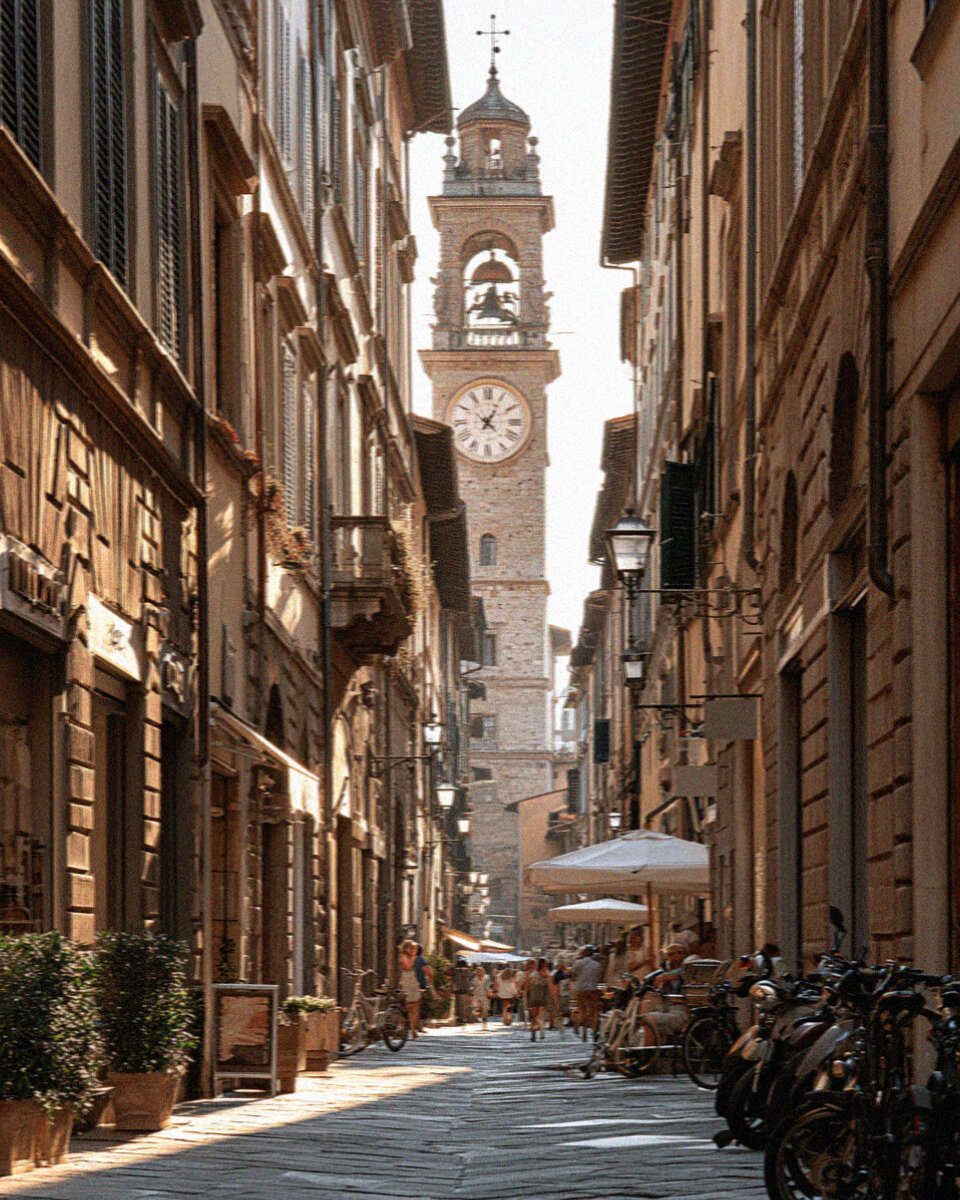
Sleep inside the walls. This is the whole point of Lucca, and the difference between waking to church bells and a cobbled lane, versus waking to a ring road, is not subtle. The historic centre is small enough that no hotel is truly far from anything, so I choose on character and budget rather than on address.
At the top of the range sits Grand Universe Lucca, Autograph Collection, a handsomely restored nineteenth-century hotel on Piazza del Giglio with a rooftop bar that looks out over the terracotta. It is the polished, full-service choice, and it prices like one: expect somewhere in the region of £250 to £400 a night depending on season, more when the summer festival fills the town. This is the one to book if you want a lift, a concierge and a proper cocktail without leaving the building.
A gentler four-star option is Hotel Ilaria, tucked into a former stable block by the old harbour canal near Via del Fosso. It is comfortable, quietly modern, has parking and bicycles, and tends to land roughly in the £140 to £230 band. I would send couples here who want reliability and a bit of green space without the grand-hotel price tag.
For something with more of a residence feel, Palazzo Alexander occupies a twelfth-century building with beamed ceilings and a small, warm scale, usually around £150 to £250 a night. And Alla Corte degli Angeli, a maison de charme on Via degli Angeli with flower-themed rooms, is the friendly, characterful mid-range pick, often in the £100 to £180 range. Prices everywhere in Lucca swing with the calendar, so treat these as a guide rather than a quote and book early for summer.
Choosing your corner of Lucca
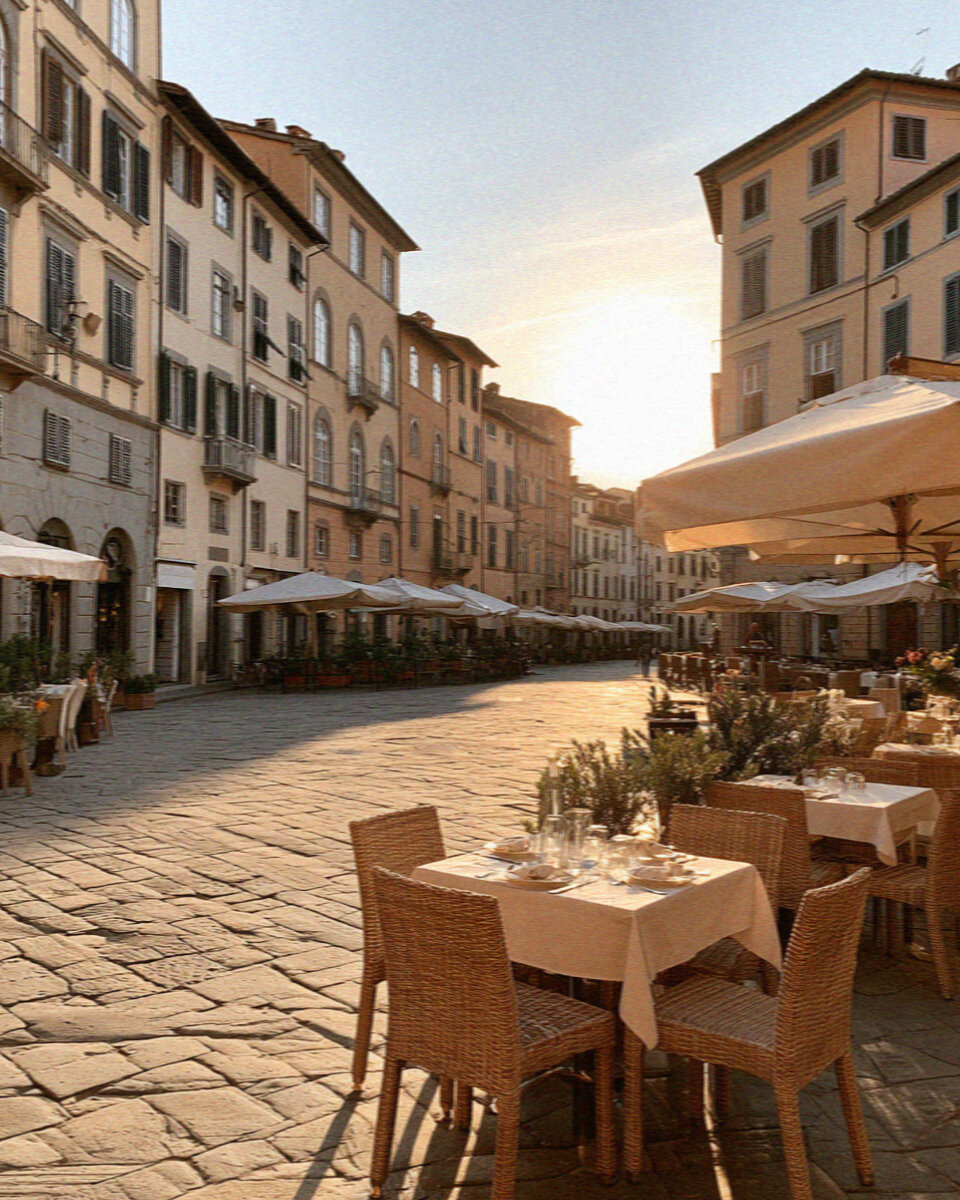
Within the walls, a few areas have their own feel, and it is worth knowing them before you book. The streets around Piazza dell’Anfiteatro, the oval square built on the footprint of a Roman amphitheatre, are the most atmospheric and the most photographed. Staying a lane or two back from it means you are close to the morning bustle but not sleeping above a busy café terrace, which matters if you are a light sleeper.
The stretch along Via Fillungo, the main shopping spine, and around Piazza San Michele puts you in the thick of things and within easy reach of dinner and the towers. The quieter southern and eastern edges, near the botanical garden or the Via del Fosso canal, trade a little liveliness for calm and are where I tend to point people who want to hear their own footsteps at night. Nowhere inside the walls is a long walk from anywhere else, so this is a question of texture rather than convenience.
Outside the walls and on a budget
If the inside-the-walls rates make you wince, the area just beyond the ramparts is where the value lives. Bed and breakfasts and small guesthouses in the streets around the station and to the south tend to run noticeably cheaper, often well under £100 a night, and you are still only a short stroll from a gate. The trade is honest: you lose the wake-up-inside-the-walls magic and gain a bit of traffic, but you also solve the parking problem, since most of these places sit outside the restricted zone and can offer a proper space.
For a family or a longer stay, an apartment outside the walls with its own kitchen and parking can be the sensible answer, letting you walk in for dinner and drive out for day trips without wrestling the traffic rules each time. Just check how far the front door really is from a gate; some listings stretch the definition of central.
Where to stay in Pisa
In Pisa the real choice is between the river and the tower. Along the Arno you get the city Pisans actually live in: honey-coloured palazzi, quiet quays and a short walk to the station. Up by Piazza dei Miracoli you get the famous lawn on your doorstep and very little else after dark, since that quarter empties once the day-trippers go.
My pick on the water is the Royal Victoria Hotel, a wonderfully creaky family-run place on the Arno that has been taking guests since the early nineteenth century. It is full of character rather than luxury, and rates are gentle, often somewhere around £80 to £160 depending on the room and the season. Ask for a river-facing room and forgive the odd worn edge; the atmosphere is the point.
If you would rather be a straightforward walk from the tower, Hotel Bologna is a solid four-star on the north side of the river, roughly £100 to £180 a night, with parking and a proper breakfast. It is the practical airport-night choice: comfortable, unfussy and close enough to see the Leaning Tower before your flight without hurrying. Wherever you land in Pisa, one night is usually plenty.
A Tuscan agriturismo in the hills
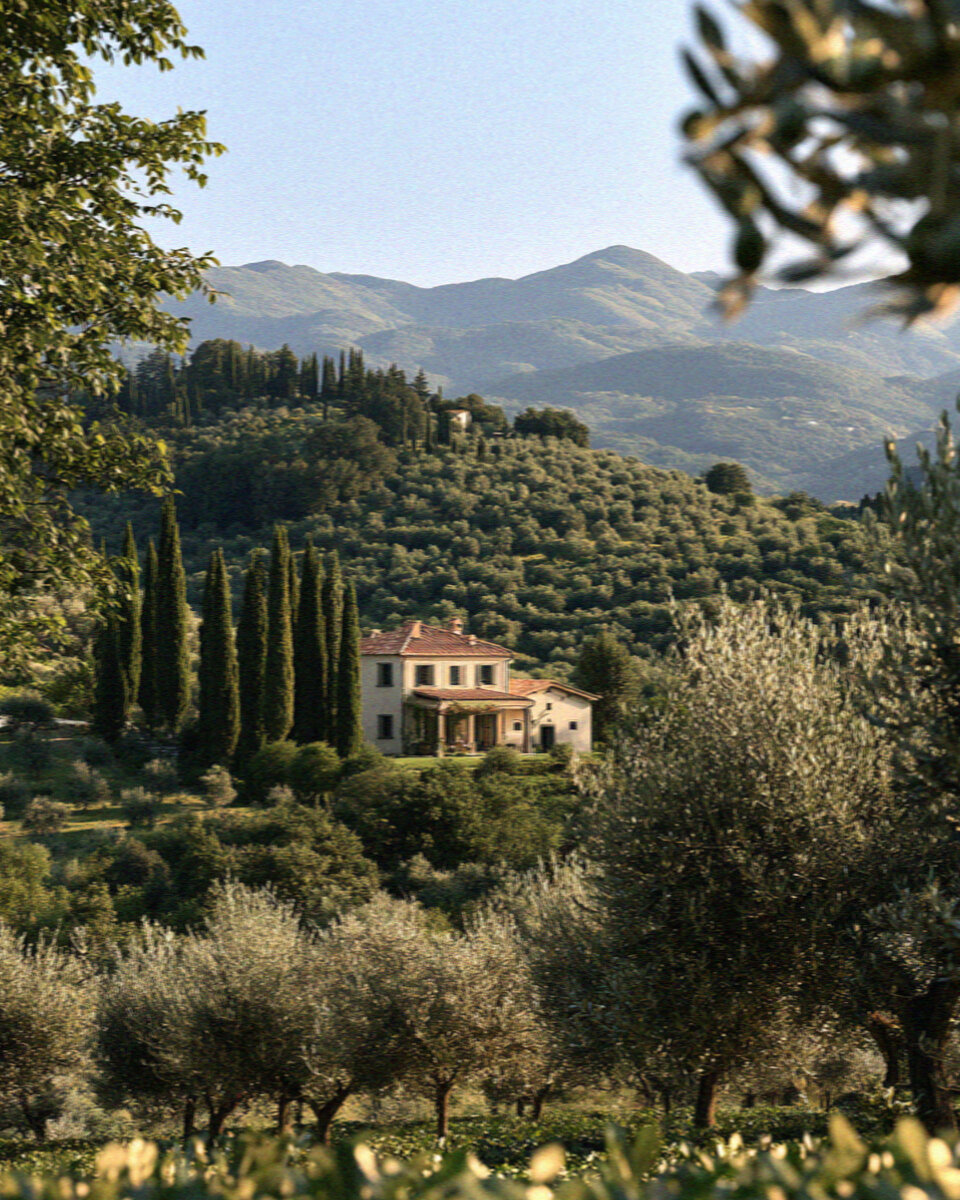
There is a third way, and on a slower trip it might be the best of the lot: skip the town altogether and take a farm stay in the Lucchesi hills. The country just north of Lucca is a patchwork of olive groves and small vineyards, and a handful of working estates take guests. Fabbrica di San Martino is the one I would name, an organic wine and olive-oil estate a short drive from the walls, with a scatter of rooms and a pool, usually landing somewhere around £120 to £200 a night. You wake to cicadas rather than church bells, and you will want a car.
An agriturismo suits a certain kind of trip: two or more nights, a hire car you are happy to use daily, and an appetite for long dinners under a pergola rather than a nightly wander through town. If your days are built around Lucca, Pisa and the odd hill village, and you like the idea of driving home to your own quiet, it is a lovely way to do it. If you want to walk everywhere and never touch the car, stay in Lucca instead.
Practical booking notes: ZTL and parking
Both cities restrict cars in their historic hearts with a ZTL, the limited-traffic zone, and the cameras are unforgiving. Driving into Lucca’s walls or Pisa’s centre without authorisation earns a fine that arrives by post months later, and it stings. The important thing to know is that hotels inside the zone can usually register your number plate for the days you are their guest, which makes your entry legal. Email your hotel your registration and arrival details before you travel and ask them to confirm it is done; do not assume it happens automatically.
In practice, most visitors driving to Lucca leave the car outside the walls anyway. There are paid car parks ringing the ramparts, and leaving the car put for the length of your stay is far less stressful than threading the old streets. Many hotels beyond the walls include a space, which is another quiet argument for booking outside if you are on wheels. In Pisa, choose a hotel with its own parking or use one of the guarded lots near the centre rather than gambling on the street. Sort the car before you arrive and the rest of the trip is on foot, which is exactly how both of these towns are meant to be seen.
Frequently Asked Questions
Is it better to stay in Pisa or Lucca?
For the trip itself, Lucca. It is more charming, more walkable and far nicer to come home to in the evening. Save Pisa for a single night tied to your flight, since the airport sits right beside the centre. If you have only one base, make it Lucca inside the walls.
How many nights do I need in Lucca and Pisa?
Two nights in Lucca gives you a full day inside the walls plus time to breathe, and Pisa’s headline sights fit comfortably into a half-day or an airport morning. Three or four nights in Lucca, or in a hills agriturismo, lets you add day trips without feeling rushed.
Can I drive into Lucca’s walls to reach my hotel?
Only if your hotel registers your number plate with the ZTL for your stay, and even then it is often easier to park outside the walls and walk in. Message your hotel your car details in advance, and if in doubt, use one of the car parks ringing the ramparts.
Once your bed is booked, the rest falls into place. Pair this with the itinerary to shape your days, Getting Around for trains, cars and the ZTL in more detail, and Where to Eat to fill the evenings. For the full picture, everything ties back to my complete guide to Pisa and Lucca.