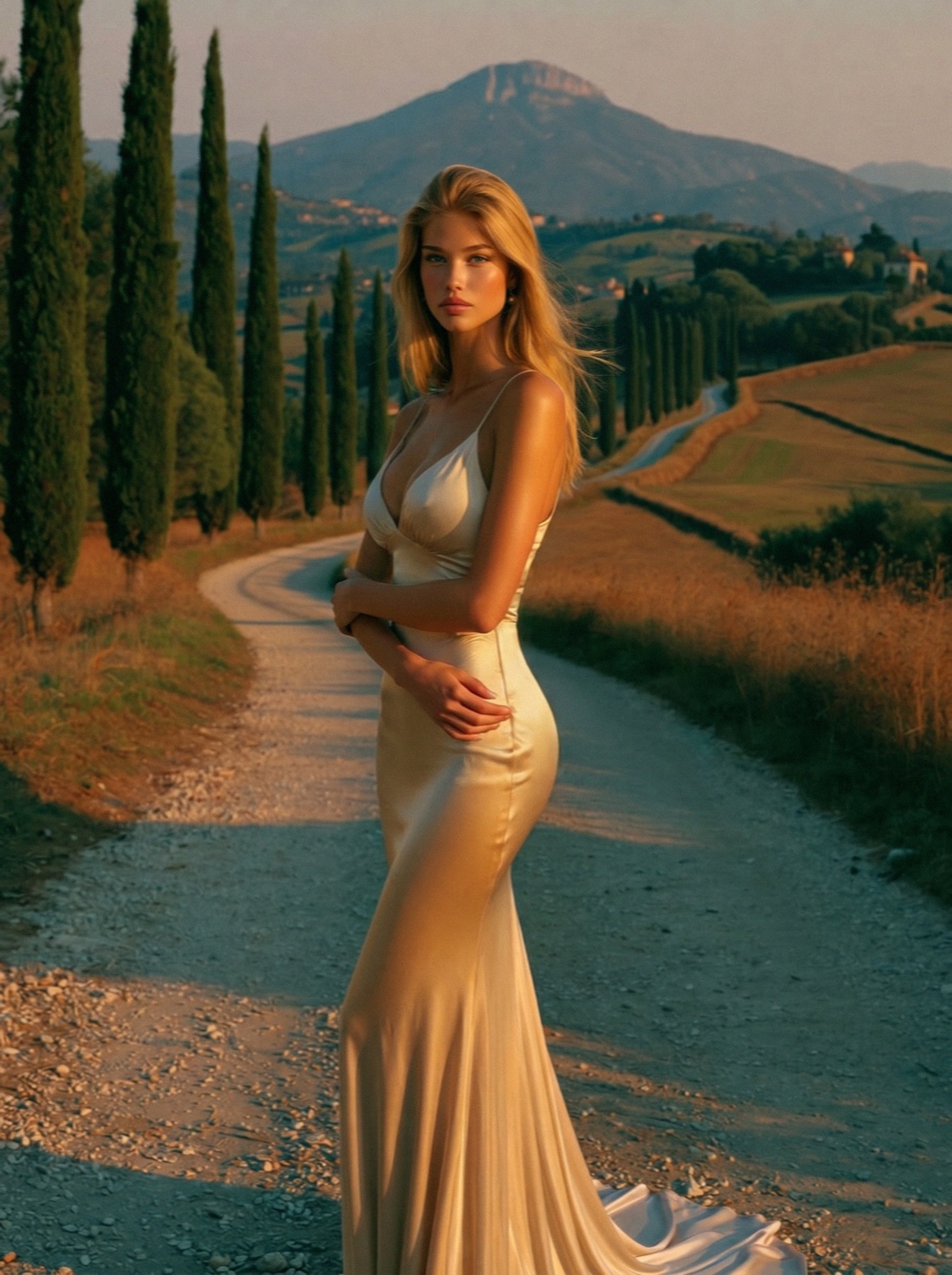
Tuscany does not want to be rushed. The temptation, with so many famous towns so close together, is to tick them off one after another until they blur into a single golden smear of stone and vines. Do not do that. The whole point of this place is the slowness, the long lunch, the detour down a cypress road, the second glass of wine as the hills go dark. So here is how I would spend a week, built to give you the cities, the villages, the wine and the landscape without ever feeling like a coach tour. Shorten it if you have less time; the shape holds.
The Shape of It
The ideal Tuscany trip has two bases, not one, which saves you hours of driving. Spend the first part in or near Florence and Chianti for the cities and the wine roads, then move south to the Val d’Orcia for the landscapes and the hill towns. Pick up a car when you leave Florence, and keep it until you head home. Below is a seven-day version; a five-day trip simply trims the edges.
Day 1: Florence
Arrive, and do not touch a car. Spend your first day and night in Florence itself, car-free, seeing the things you came for: the Duomo and its dome, the Uffizi if you have booked ahead, the Ponte Vecchio, a sunset from Piazzale Michelangelo over the rooftops. Eat a proper Florentine dinner and stay the night in the city. For the full city, see my complete guide to Florence.
Day 2: Florence to Chianti
In the morning, collect your rental car from the airport or an edge-of-town office, and drive out into the Chianti hills, the green, wooded country between Florence and Siena. Base yourself at an agriturismo near Greve, Panzano or Radda. Spend the afternoon on the wine road, stopping at a cantina or two for a tasting of Chianti Classico, and have your first slow country dinner. This is the day the holiday changes gear.
Day 3: Siena and a Wine Estate
Drive to Siena, park outside the walls, and spend the morning in the Piazza del Campo, the striped Duomo and the lanes of the old city. Have lunch there, then in the afternoon visit a Chianti wine estate you have booked, touring the cellars and tasting properly, with a designated driver or before you drive. Back to your farmhouse for the evening.
Day 4: Chianti to the Val d’Orcia, via San Gimignano
Pack up and make your way south, taking the scenic route. If you have not seen it, detour to San Gimignano in the morning, arriving early to beat the crowds and climbing among its medieval towers before it fills. Then drive down into the Val d’Orcia and settle into your second base, an agriturismo near San Quirico d’Orcia, in the heart of the cypress-hill country. Watch your first Val d’Orcia sunset from the terrace.
Day 5: The Wine Towns, Montepulciano and Montalcino

A day for the great hill towns of the south. Climb Montepulciano to the Piazza Grande and taste Vino Nobile in a cellar beneath the town. Cross the valley to Montalcino, crowned by its fortress, for Brunello, or its gentler sibling Rosso, tasted in the Fortezza enoteca with the vines below you. Fit in tiny, thermal Bagno Vignoni if you can, with its steaming pool for a piazza. Keep the driving gentle and the tastings spread across food.
Day 6: Pienza and the Val d’Orcia Landscape
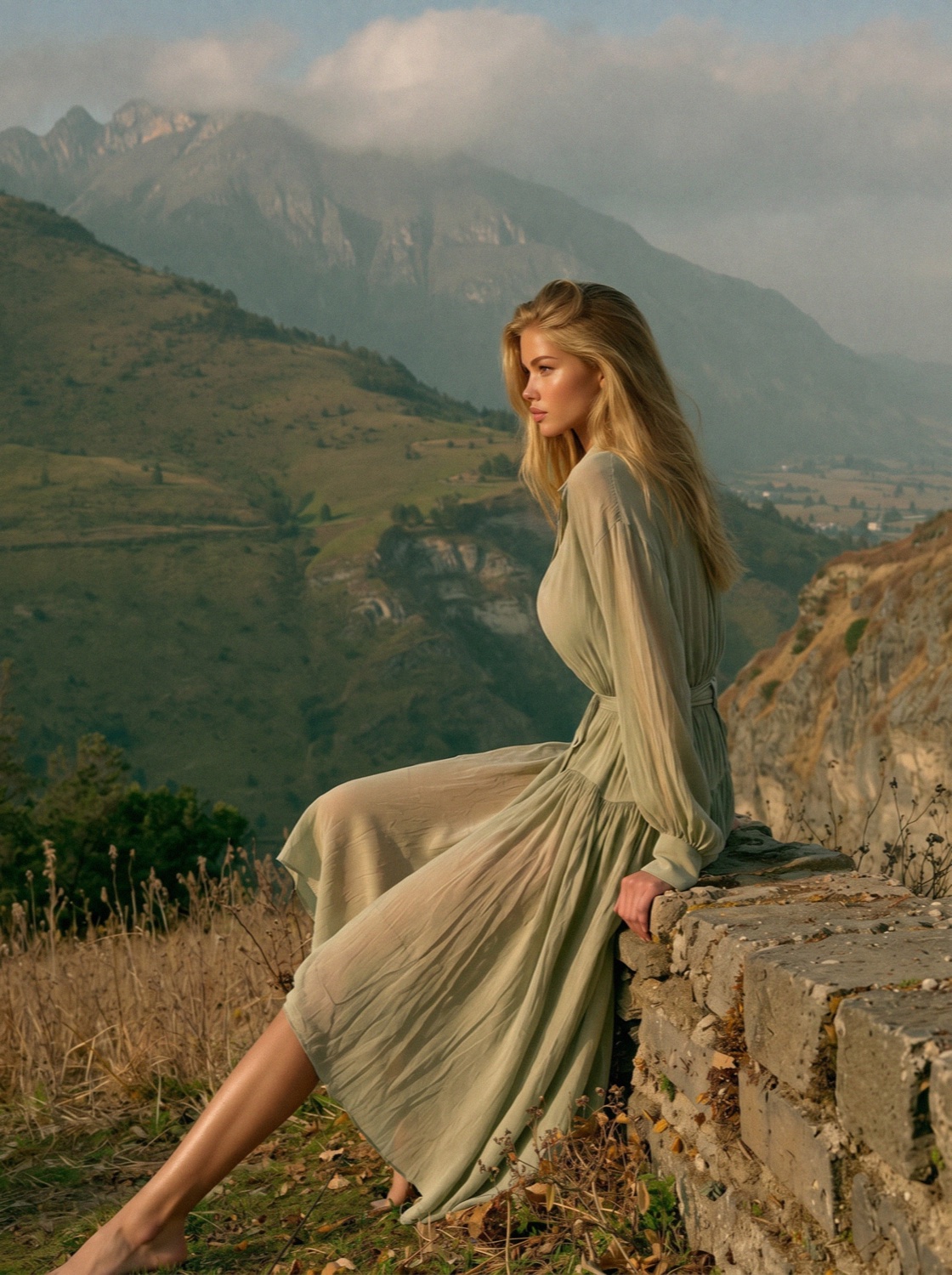
Your slowest and perhaps loveliest day. Rise early, before the light goes flat, and drive out to the great photo spots: the Chapel of Vitaleta, the farmhouse of Podere Belvedere, the cypresses of San Quirico. Then spend the middle of the day in Pienza, the perfect little Renaissance town, wandering its ramparts over the valley and buying its famous pecorino. In the late afternoon, chase the golden light back out into the hills for one more round of the views before dinner. This is the Tuscany you came for.
Day 7: A Last Morning and Home
Take a final slow breakfast on the terrace and, depending on your flight, either sit still and do nothing, which the Val d’Orcia rewards better than almost anywhere, or make one last stop, perhaps the Crete Senesi and the spiral cypresses of Baccoleno on your way back north toward Florence or Pisa to fly home. Drop the car at the airport, not in the city.
If You Have Less Time
Three days: skip Chianti. Fly into Florence, take one city day, then drive straight to a Val d’Orcia base for two nights, doing the wine towns one day and the landscape and Pienza the next. It is tight but wonderful.
Five days: do the seven-day plan but combine the Chianti days into one and trim a landscape day. You still get Florence, Siena, a wine estate, San Gimignano and two full Val d’Orcia days.
A Few Rules for the Road
Book your Uffizi slot, your wine-estate visits and your agriturismi well ahead, especially in spring and autumn. Park outside every town’s walls and walk in, never crossing a ZTL. Appoint a non-drinking driver for tasting days, or take a tour. Get up for at least one sunrise in the Val d’Orcia; it is the thing you will remember. And build in empty time, an afternoon with no plan, a long dinner, a second coffee in a square. In Tuscany, the gaps between the sights are where the trip actually happens.
Frequently Asked Questions
How many days do you need in Tuscany?
A week is ideal and lets you combine Florence and the cities with the Chianti wine country and the Val d’Orcia landscapes without rushing. Five days is very doable with two bases. Even three days can work if you focus, taking one city day and two nights in the Val d’Orcia for the towns and scenery.
What is the best Tuscany road trip route?
Base first in or near Florence and Chianti for the cities and wine roads, then move south to the Val d’Orcia for the hill towns and landscapes, picking up a car as you leave Florence. A classic loop takes in Florence, Siena, San Gimignano, then Montepulciano, Montalcino and Pienza, returning north past the Crete Senesi.
Should I base myself in one place or move around Tuscany?
Two bases work better than one for a week: a few nights in or near Chianti for Florence, Siena and the wine roads, then a few in the Val d’Orcia for the southern hill towns and the landscape. This keeps daily drives short. One base only really works for a short trip focused on a single area.
Can I do Tuscany without a car?
You can see the cities, Florence, Siena, Pisa and Lucca, by train without a car, but the countryside and the hill towns need one, or a guided tour. For the itinerary above, which is largely about the villages, vineyards and landscapes, a car is essential; rent it when you leave Florence.
When should I do this Tuscany itinerary?
May and September are ideal, with warm weather, beautiful countryside and manageable crowds; September also brings the grape harvest. April and October are excellent and quieter. Avoid the peak heat and crowds of July and August if you can, or plan around early mornings and long afternoon rests if you come then.
Read also: The Best Towns in Tuscany | Where to Stay in Tuscany | The Complete Guide to Tuscany
V.