In August the towns give up.
Lucca goes quiet inside its walls in a way that has nothing to do with peace. Half the shutters are closed. There are handwritten signs on the doors of the good places, back on the first of September, and nobody sounds remotely sorry about it. The city does not empty because it is tired of you. It empties because everyone in it has gone thirty minutes west to the sea, which is what they have done every August for generations, and if you have any sense you follow them.
So I followed them.
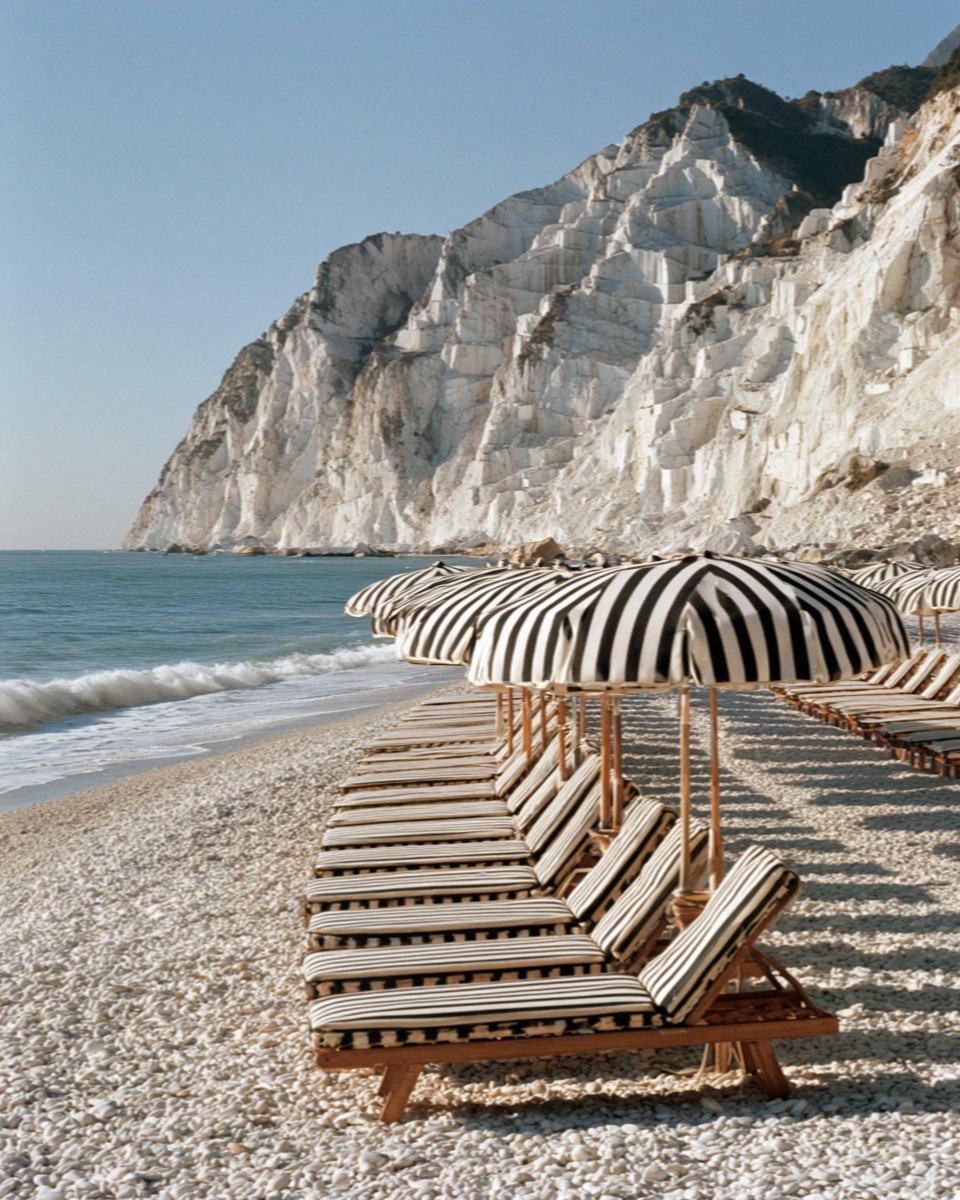
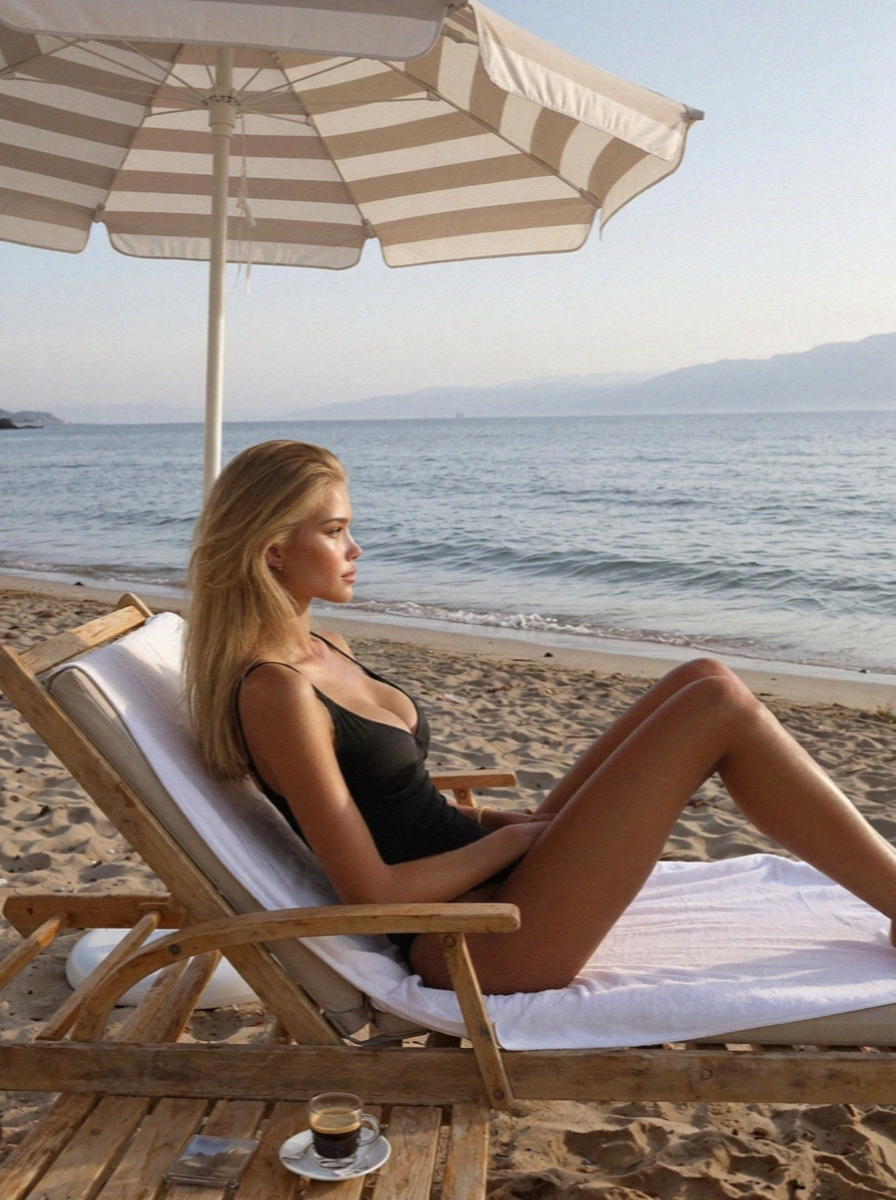
The coast here is called the Versilia, and it is not a wild coast. It has been thoroughly, unapologetically organised. Behind you the Apuan Alps rise white and quarried, marble country, the mountains that gave Michelangelo his stone. In front of you the Tyrrhenian goes out flat and pale. And between the two, in a strip that seems to run forever, are the bagni.
I had not understood the bagni before I saw them.
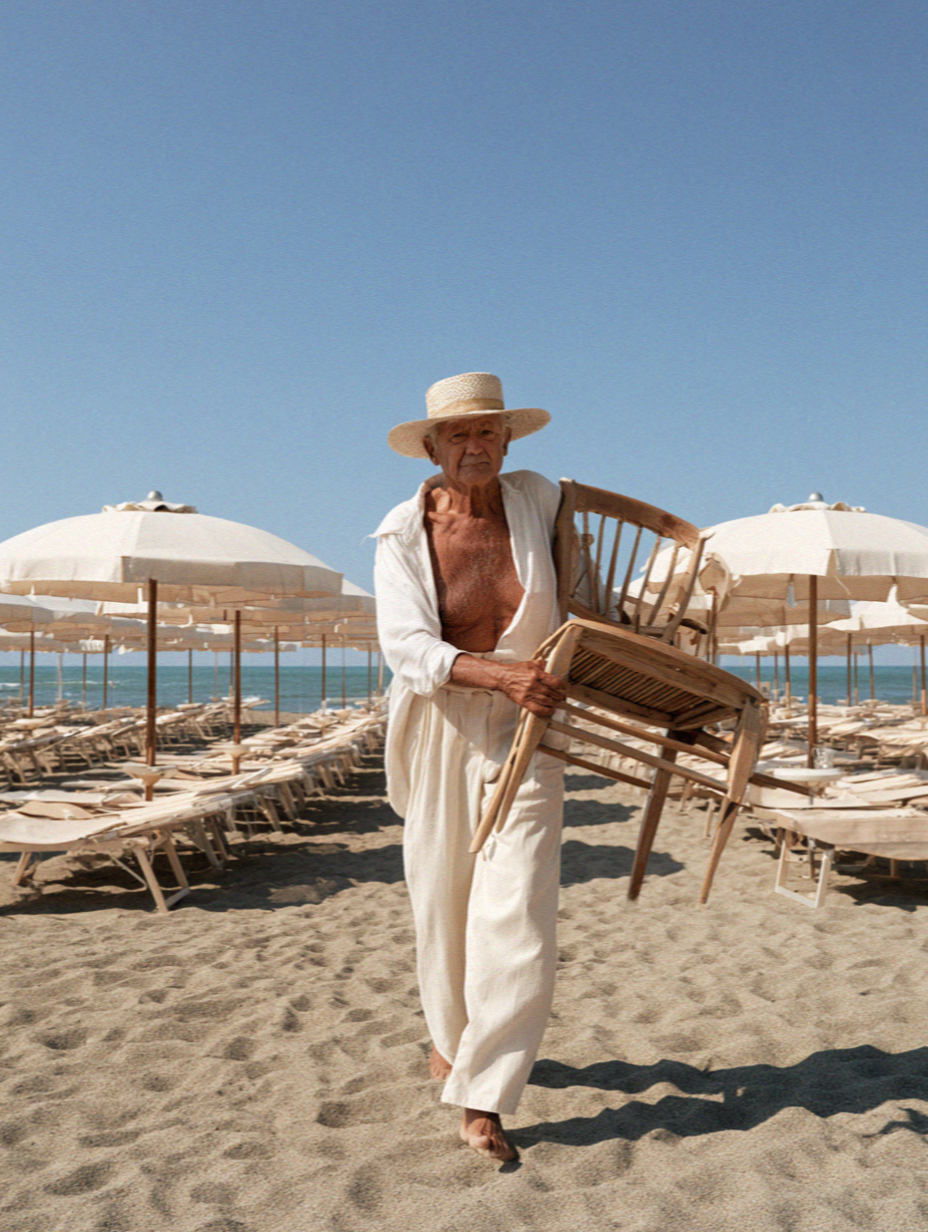
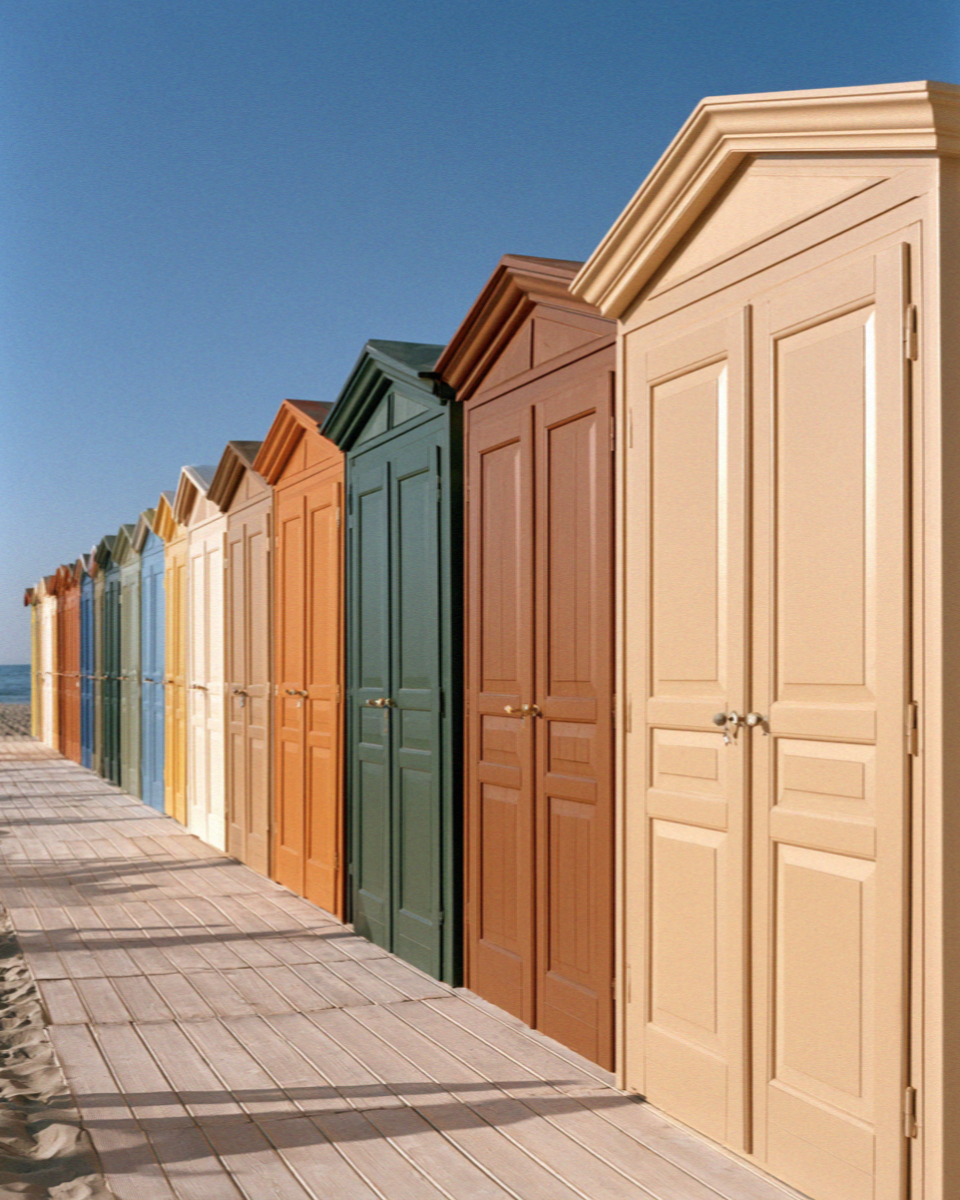
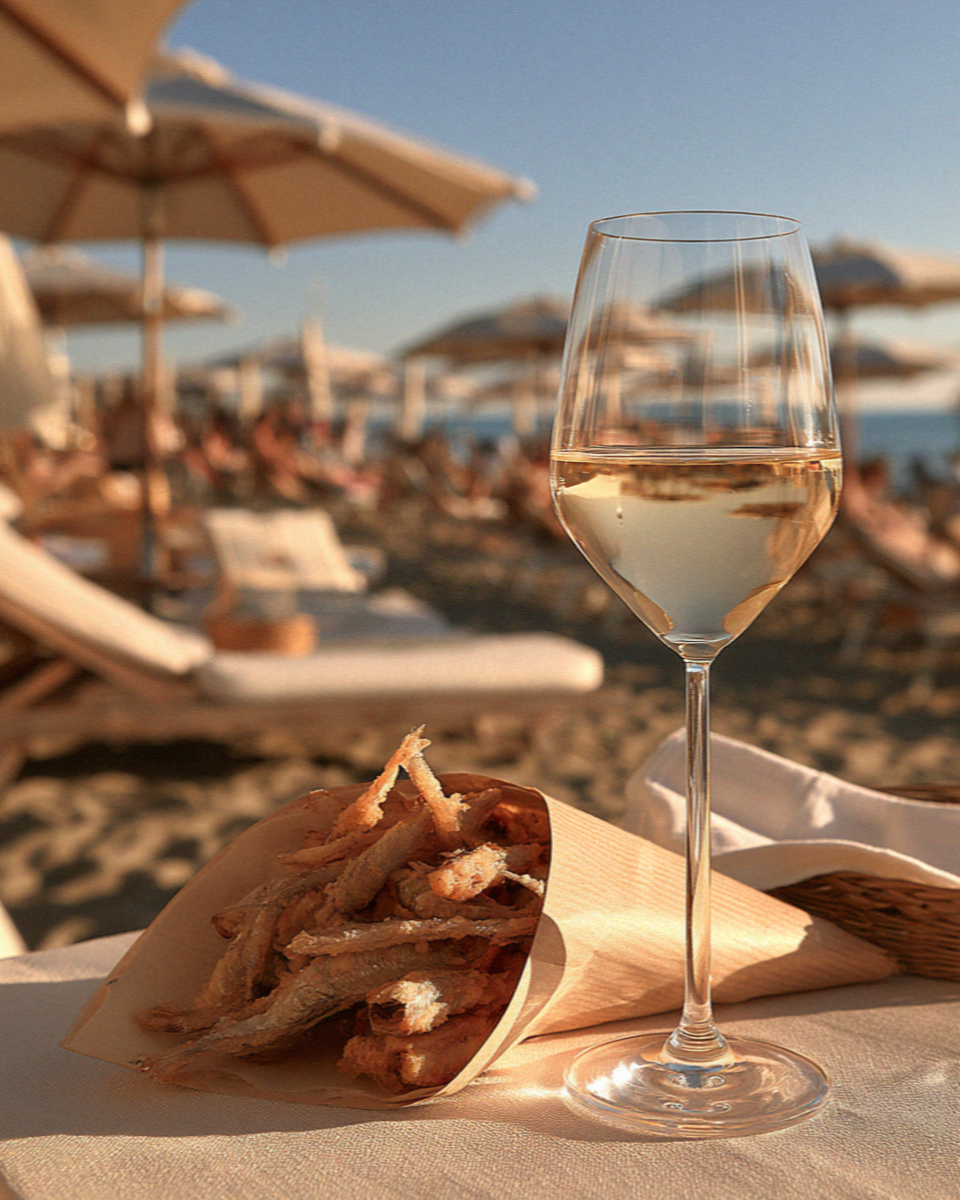
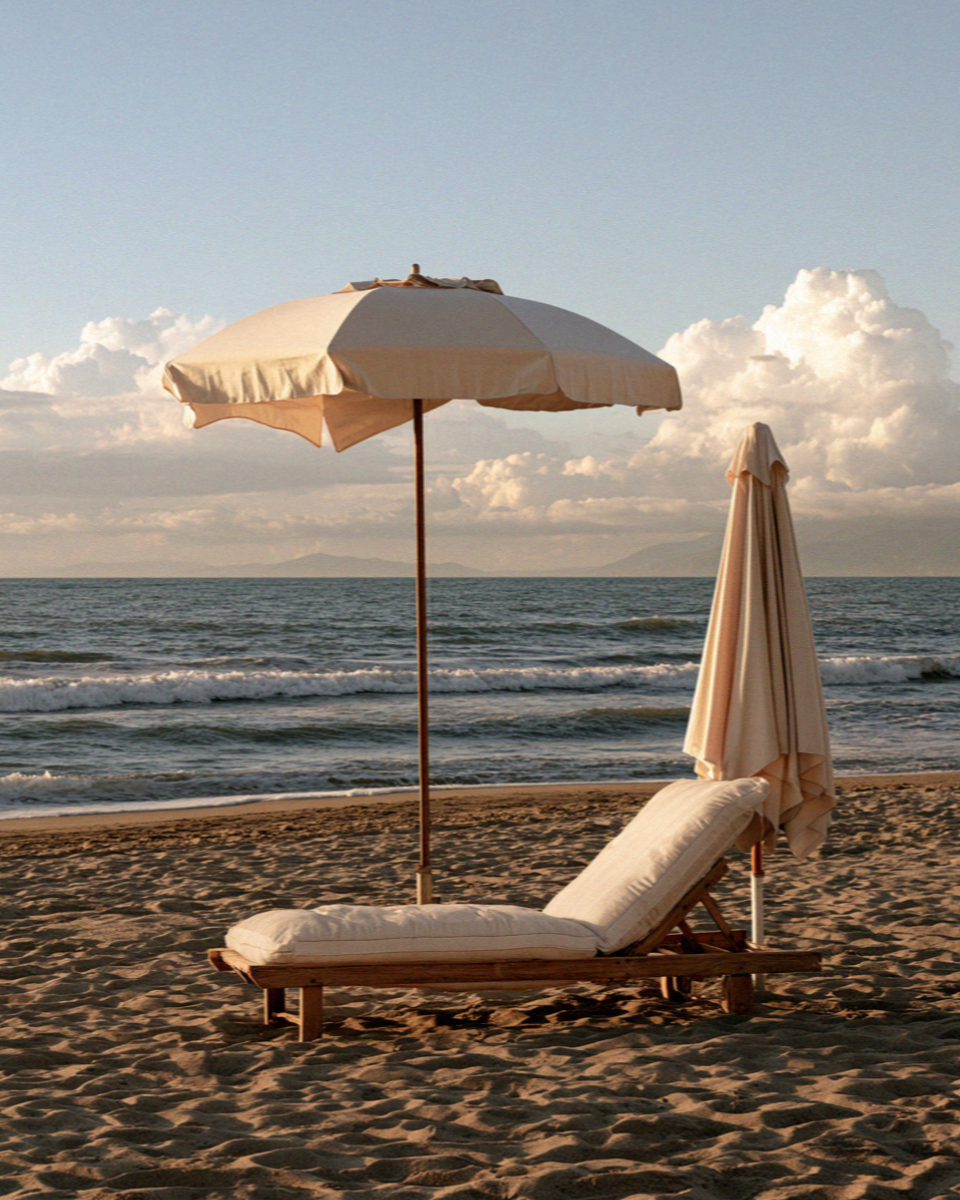
They are beach clubs, but that translation does them no favours. Each is its own little establishment, numbered or named, with its own bar and cabins and colours, and the umbrellas are set out in ranks, absolutely straight, row after row, the same distance apart, stretching back from the water in a grid you could survey.
The front row costs more.
Obviously it does.
Families return to the same bagno, the same row, often the same umbrella, year after year. The man bringing the chairs seems to know where you belong before you tell him. There are children on that beach sitting where their parents sat when they were children, and there is a whole quiet order to it, invisible if you arrive for one afternoon and impossible not to notice once you have.
I liked it enormously, and I could not entirely say why.
Perhaps because it is the opposite of the beach as an escape. There is nothing particularly free about it. It is some of the most regimented sand in Italy and everybody on it is completely relaxed, and I suspect those two facts are related.
Nobody has to decide anything.
The umbrella is where the umbrella has always been.
The sea in August is warm all the way in. No shock, no gasp, no bracing little act of courage. You walk down the sand and keep walking and at some point you are swimming, and the water is almost the temperature of the air and there is nothing to react to at all.
I swam out past the last of the buoys and turned over on my back and looked towards the mountains.
Marble at the top, white enough to look like snow and not being snow. Then the pines. Then the umbrellas in their rows, tiny by then, orange and green and blue, all of them turned the same way.
For a coast so carefully arranged, it felt strangely effortless.
The house on the lake
Late in the afternoon I went inland again, though only slightly, because ten minutes behind that coast there is a lake.
Massaciuccoli is not a beautiful lake.
I should say that plainly.
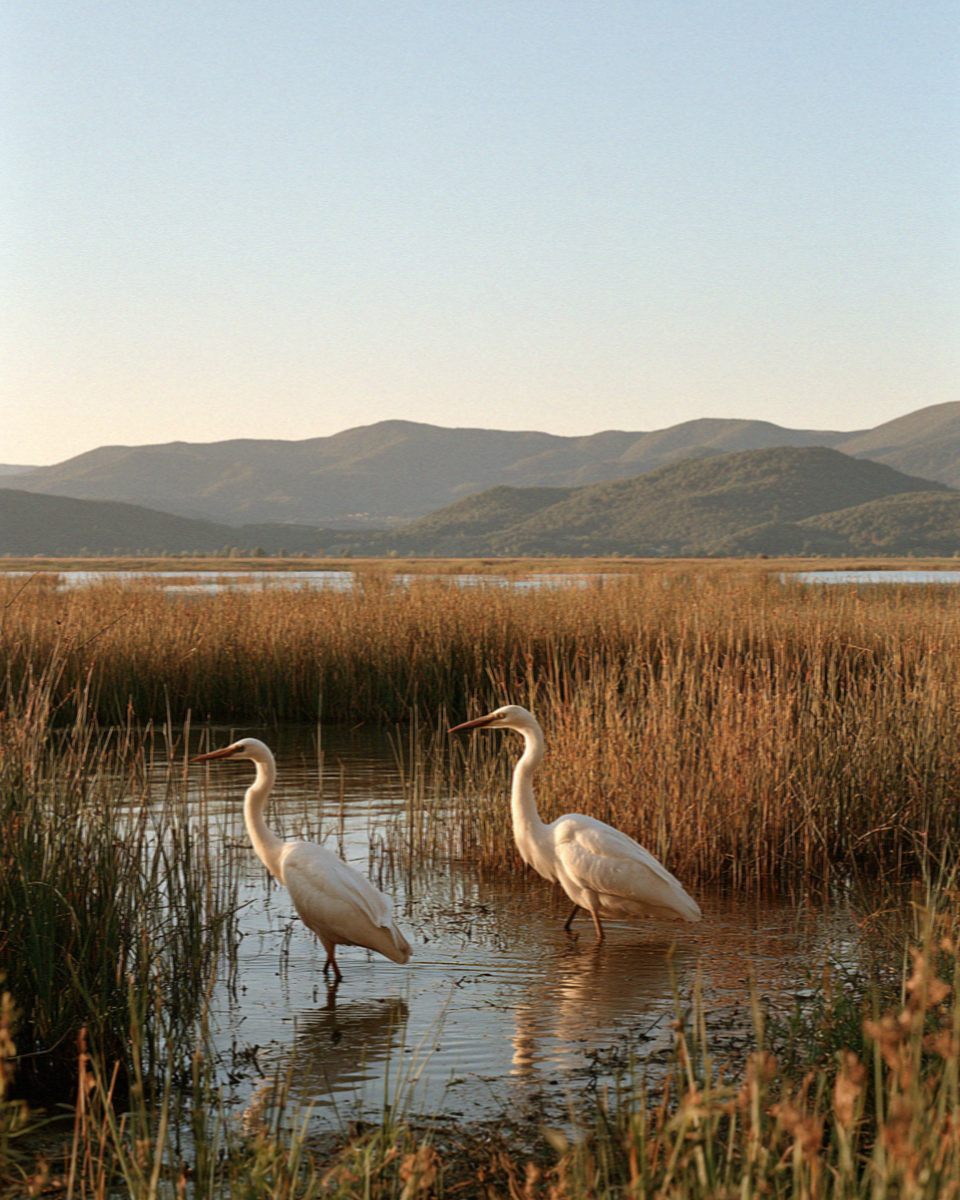
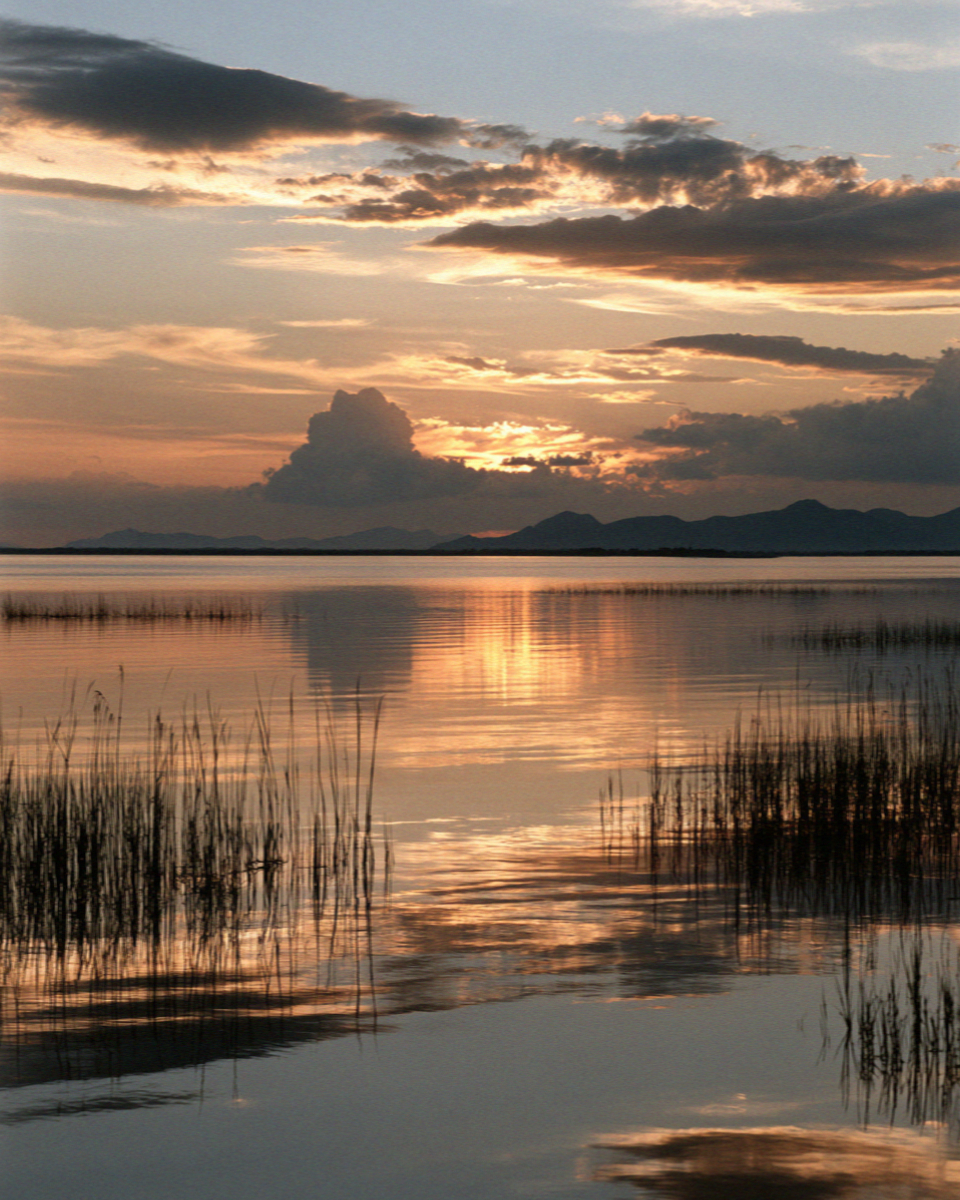
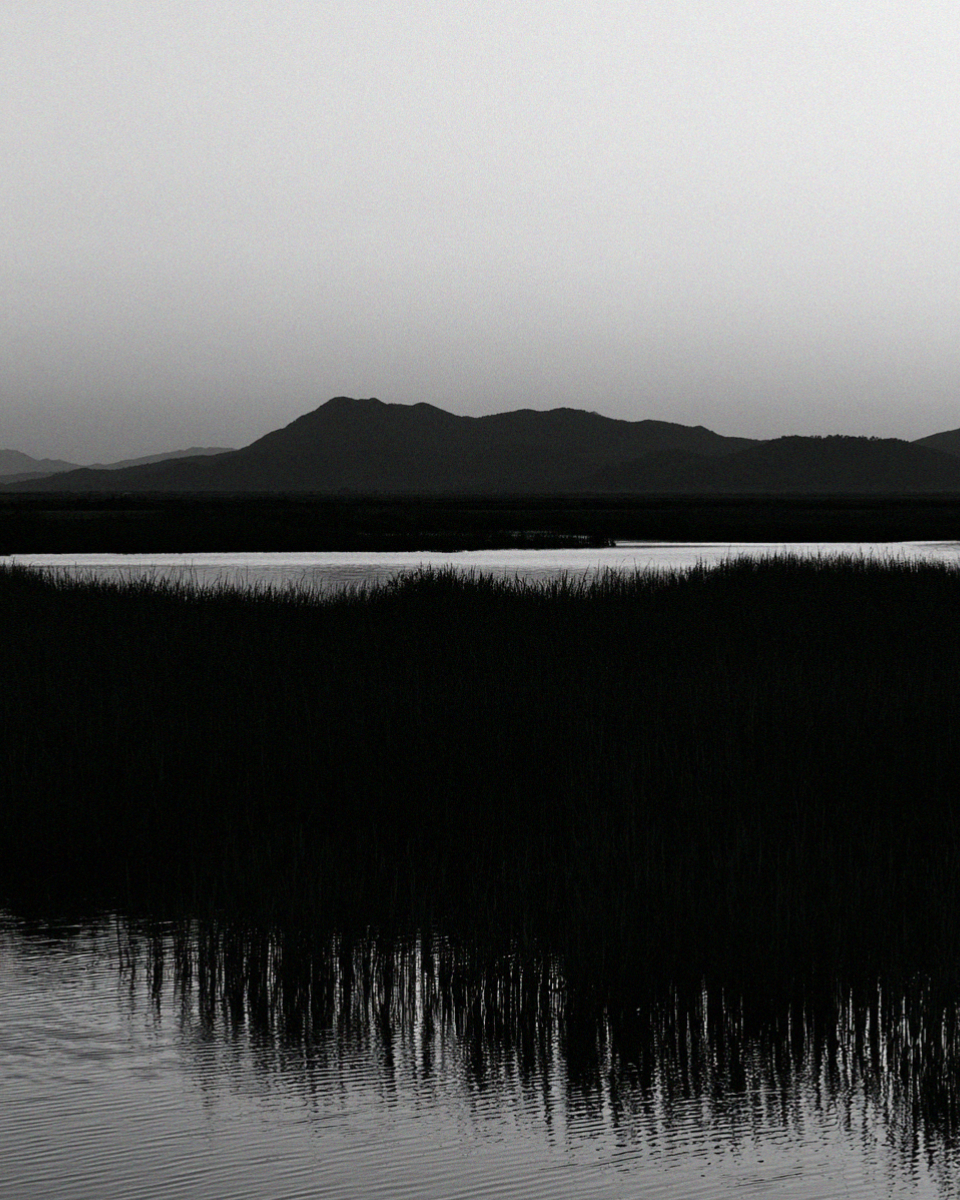
It is shallow and reeded and half marsh, more a lagoon that lost its argument with the land, and in the heat it smells faintly of vegetation turning back into earth at its edges. Herons stand about in it. The light at the end of the day is extraordinary and almost everything else about it is ordinary.
Giacomo Puccini loved it more than anywhere on earth.
He was born in Lucca, in a house on a narrow street in the middle of town, into a family of musicians. Music was waiting for him before he had any say in the matter. But he went to Milan, became something much larger than anyone could reasonably have expected, and when success finally gave him the freedom to choose where he wanted to be, he came back here.
Not to Florence. Not to Rome.
To the marsh.
He stayed for decades and wrote much of what the world remembers him for beside this lake.
The villa is kept much as he left it, which is a phrase preserved houses like to use and which, in this case, feels unusually close to true. I went through it in the last hour before closing, with almost nobody else in the rooms.
Here is where I noticed my mother in myself.
She has an eye for rooms. It is her training and her subject, eighteenth-century interiors, French decorative work, the way a room is assembled and what it is trying to say. She gave that habit to me without ever meaning to teach it.
I cannot walk into a preserved house and simply be moved by it.
I have to read it first.
What is original. What has been replaced. What has been arranged for us. What was genuinely left where somebody last put it.
This house reads honestly.
The furniture is heavy and dark and occasionally a little vulgar in the particular way of a successful man who had acquired enough money to stop asking other people what he ought to like. There is a piano. There are personal things everywhere. There are guns on the walls because Puccini hunted on the lake obsessively and apparently saw no reason to pretend otherwise.
Nothing about the house feels designed to make him more tasteful for posterity.
Everything in it feels his.
And in a small chapel inside the house, he is buried.
Not in Lucca, where he was born. Not in Milan, where he became Puccini.
Here.
Inside his own house, beside the water he loved.
There is something very intimate about discovering someone’s grave inside the rooms where he lived. You lower your voice without anybody asking you to.
A hundred years

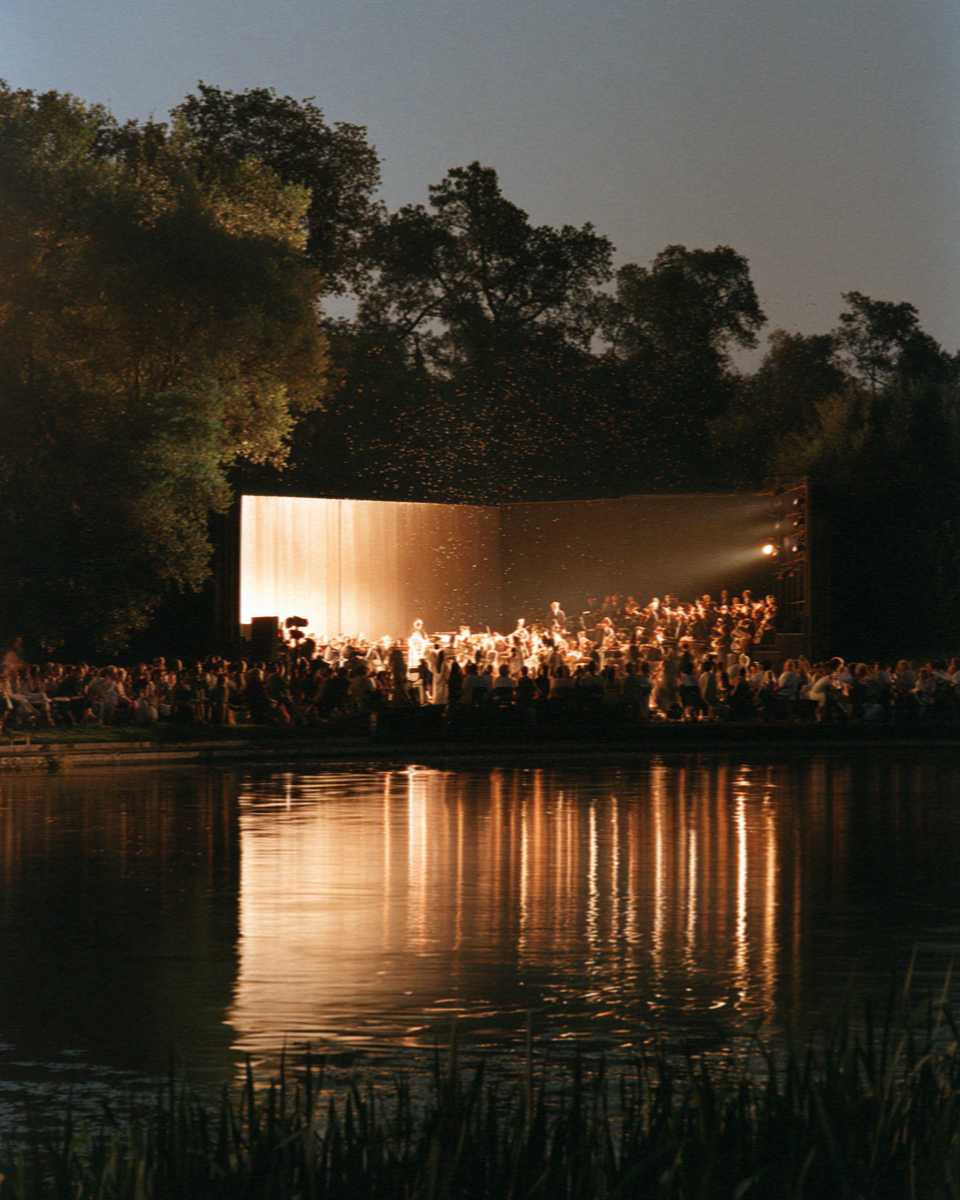
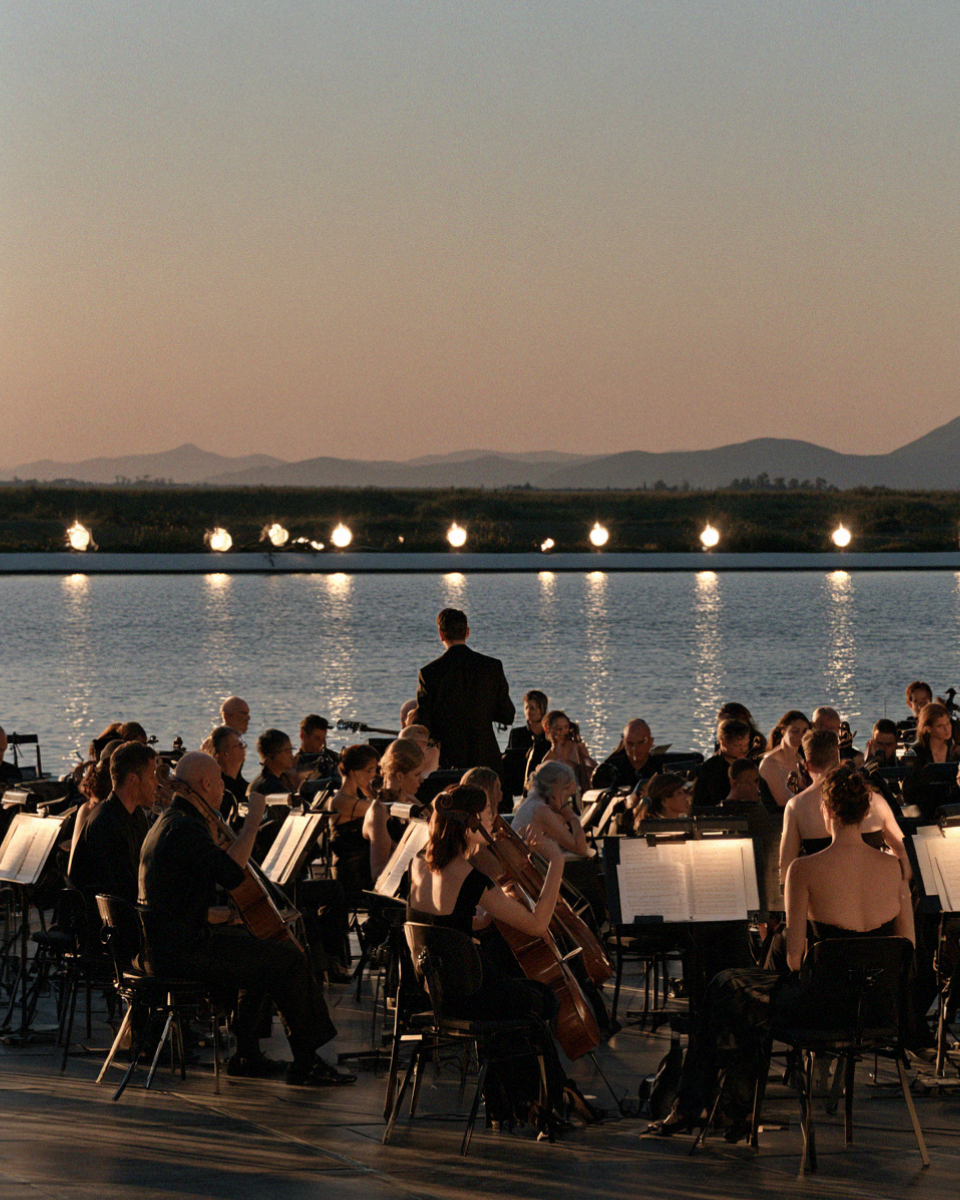
A short walk from the house, on the shore, there is a theatre with no roof.
They stage his operas here every summer, outdoors in the dark beside the lake, and this year there is something particularly strange about hearing Turandot here.
The opera is a hundred years old.
Puccini did not finish it.
He was working on the last act when he became ill. He went to Brussels for treatment and died there in November of 1924, leaving the ending unwritten. His sketches were eventually given to another composer to complete, and Turandot reached the stage at La Scala in Milan in April of 1926.
At the first performance, Arturo Toscanini conducted only as far as Puccini had written.
Then he stopped.
The baton came down. The music ended. There was more music available to play, but Toscanini did not play it that night. The audience was left with the opera unfinished because the man who had been writing it was dead.
The completed ending came afterwards.
But not that night.
I have known that story since I was a girl, and it has always got me. But knowing it in one place and hearing the orchestra begin to tune a short walk from the house where Puccini is buried are two different things.
The last of the daylight was going off the water behind the theatre.
For a moment I thought about the afternoon. I had been swimming in the sea only a few hours earlier. Salt in my hair, sand everywhere, thinking about absolutely nothing.
Now I was waiting for Turandot beside Puccini’s lake.
Italy does this to you rather unfairly.
The heat came out of the day slowly.
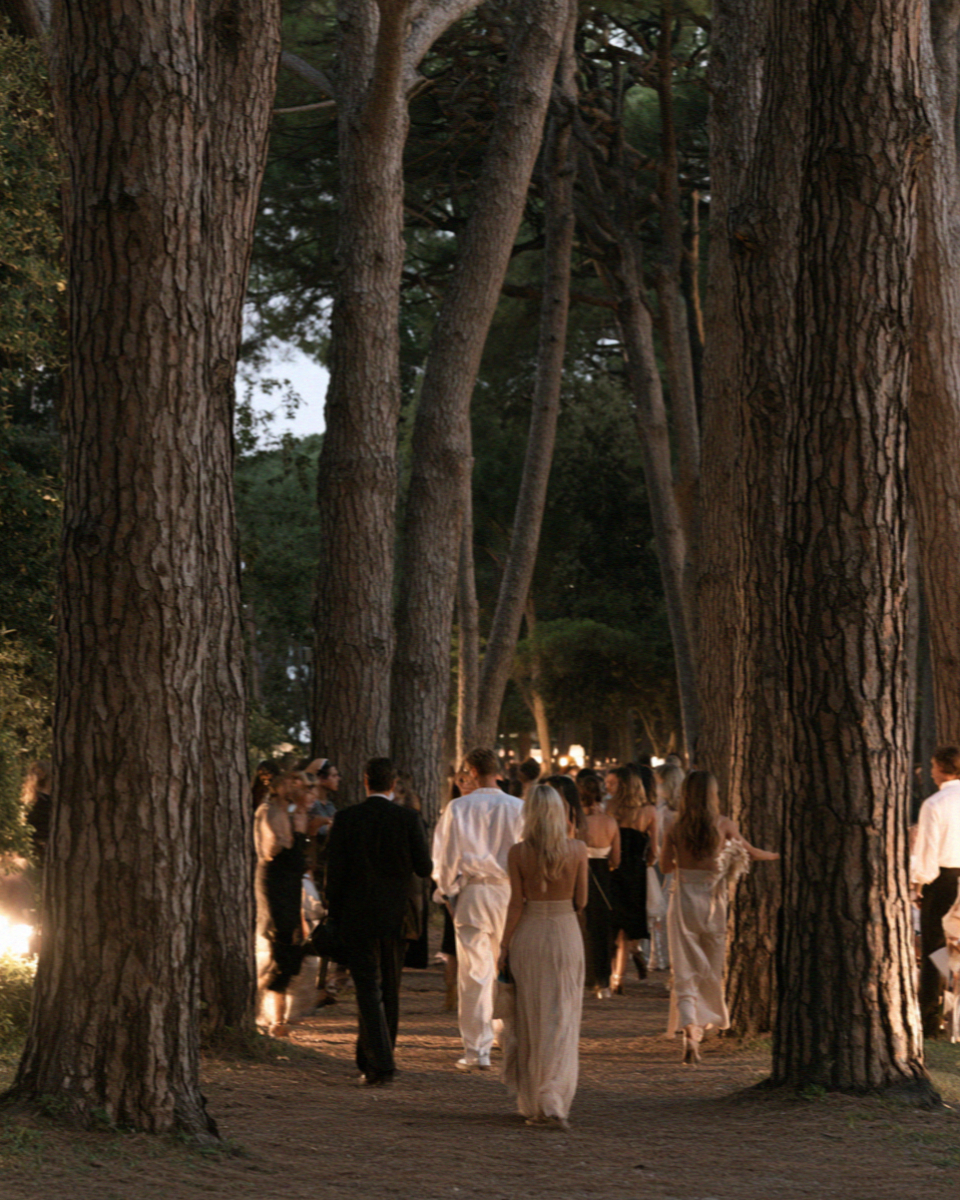
People arrived in the way Italians arrive at an outdoor performance in August, which is to say beautifully dressed, entirely unhurried and somehow still talking when the lights begin to go down. Somebody’s phone rang during the performance and was dealt with by several hundred people simultaneously.
Insects came off the lake and turned in the stage lights all evening.
Nobody minded.
It is not that kind of house.
The sound goes up and out instead of striking a ceiling and coming back at you, so it feels thinner than it would indoors, further away somehow, and you find yourself leaning towards it. I have played in enough rooms to know what a roof does for you. There is no roof here. The singers simply have to send their voices out into the Tuscan night and trust that they will reach you.
They did.
Afterwards everyone walked back through the park in the dark, still humming in fragments, the way an audience does when it has got what it came for.
Across the water there were almost no lights.
Just the reeds, the flat black lake, the shape of the mountains behind it, and somewhere along the near shore the house, closed for the night, with Puccini still inside it.
I had started the day in the sea and ended it listening to an opera its composer never lived to finish.
He could have been buried anywhere.
He chose the marsh.
V.
More images from that day












The practical side of both towns, the trains and the walls and the towers worth the climb, is in my complete guide to Pisa and Lucca.