The best things to do in Amalfi are not the things the ferries deposit you in front of. Most visitors arrive at the harbour, walk the length of the main street, buy a limoncello they will never open, and leave by mid-afternoon. That is a pity, because Amalfi is the town that gave this whole coast its name, a former maritime republic that once traded with Byzantium and Cairo, and its real character sits just above the crowd line, in the covered lanes and the valley behind the square. I have spent enough slow mornings and long evenings here to know that the town rewards the person who stays. What follows is what I would actually do, and who each of these things suits.
Climb the Steps of the Duomo di Amalfi
The cathedral is the town’s obvious wonder, and it earns the attention. You climb 62 steps from the Piazza del Duomo to reach it, and the effort is part of the encounter: the striped Arab-Norman facade rises above you as you go, geometric and gold, more Palermo than Naples. Entry to the cathedral itself is free, but pay the roughly 4 euros for the museum-and-cloister complex, because the real prize is the Chiostro del Paradiso. Built in 1266 as a burial ground for the town’s nobles, it is a square of slender Moorish double arches around a small garden where cats sleep in the shade and the noise of the street simply stops. Go between 7 and 9am, before the tour groups climb the steps. You will have the cloister nearly to yourself, and the light through the arches at that hour is worth more than any queue-time later. This suits anyone, frankly. It is the one thing I would not skip.
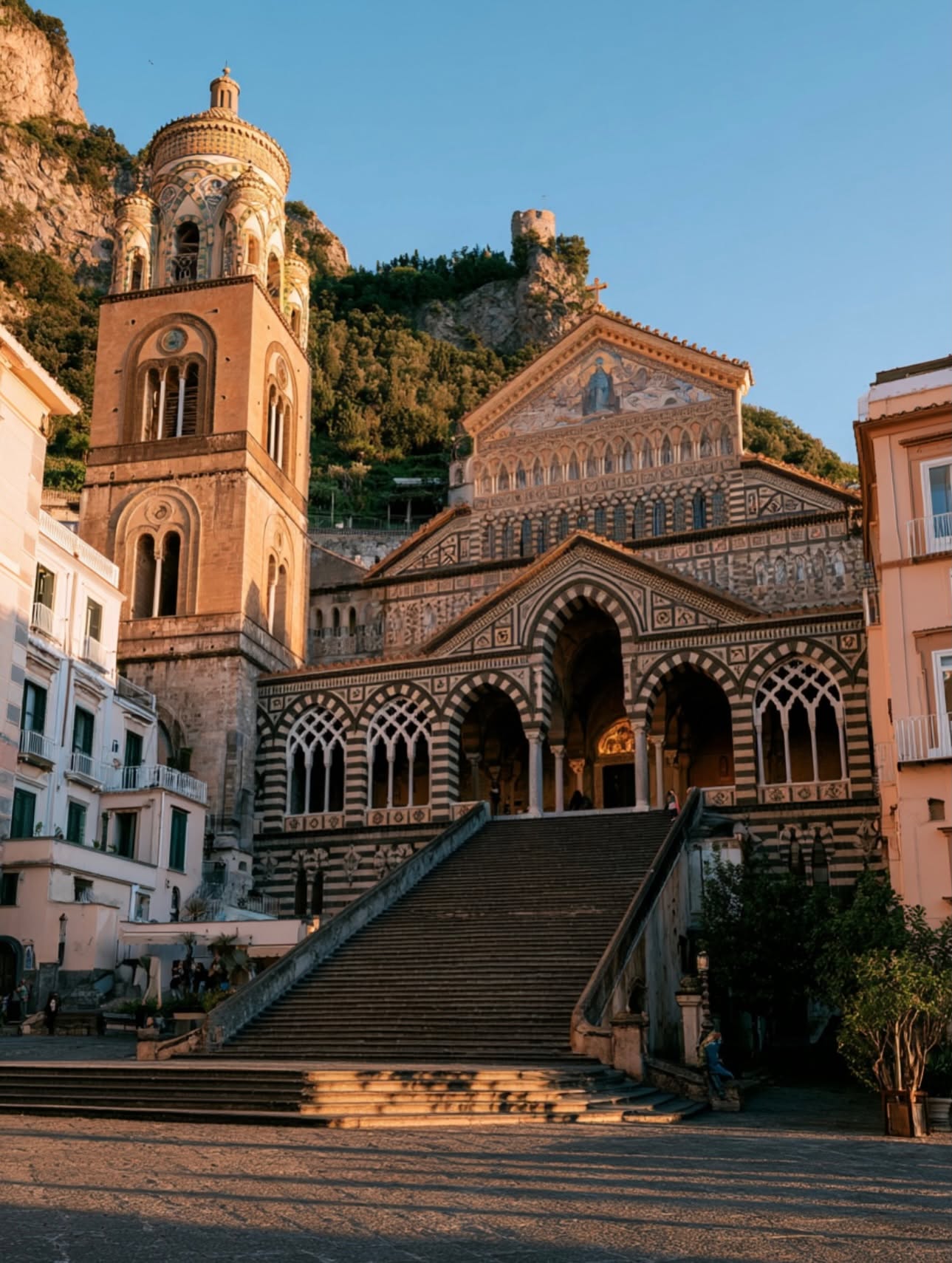
If you want more than a passing look, I have written separately about the Duomo di Amalfi and what to notice inside.
Plan Your Visit to the Amalfi Coast
A few things I booked and loved. These help support the blog, at no cost to you.
- Where I stayed: search Amalfi Coast hotels
- Boat tours and Amalfi Coast tickets
- Stay connected: get a travel eSIM
This section contains affiliate links. If you book through them I may earn a small commission, at no extra cost to you.
Walk Up the Valle dei Mulini to the Paper Museum
Behind the square, the town narrows into a valley, and if you follow it upward you reach the Museo della Carta, the Paper Museum, set inside a restored 13th-century mill. This is one of the finest small museums on the coast, and almost nobody goes. Amalfi paper, the carta amalfitana, has been made here by hand since the 11th century, and inside the old mill the waterwheel still turns and drives the machinery. You can watch a sheet of paper made from cotton pulp in front of you, the same way it was made eight centuries ago, and then buy some to take home. It suits the curious, and anyone who likes to understand how a place made its money before it made its postcards. Give it an hour. The walk up alone, out of the crowd and into the cooler shade of the valley, is a relief in the heat of the day.

See the Arsenale della Repubblica
Down at the water’s edge sits the Arsenale, the medieval shipyard where Amalfi built the galleys that made it a power. Two of the original vaulted stone bays survive, long and low and beautifully proportioned, and the town uses them now for occasional exhibitions. Even if there is nothing on, put your head in. Stand under those stone vaults and you understand, in a way no plaque can tell you, that this pretty harbour town was once a serious republic. It takes ten minutes and it changes how you see the rest.
Wander the Via dei Mercanti and the Stepped Lanes
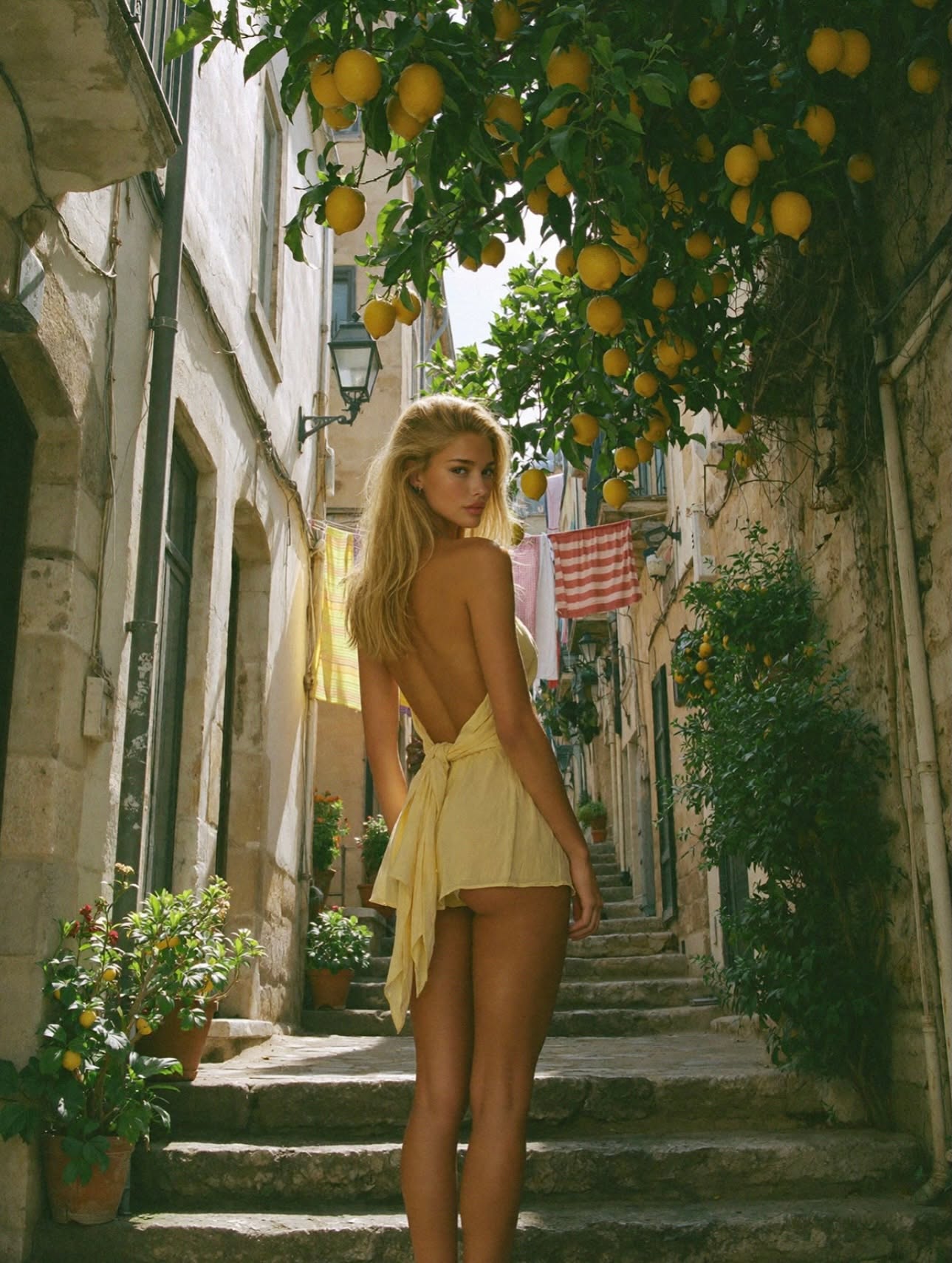
The town’s spine is the Via dei Mercanti, the covered arcaded main street, and from it a network of stepped alleys climbs the valley. This is where I would simply wander with no aim at all. You will pass ceramics, limoncello and paper shops; some are excellent, run by families who have made the thing they sell for generations, and some are identical to every other shop on the coast, selling the same lemon-print apron. Learn to tell them apart and the walking becomes a pleasure rather than a gauntlet. Somewhere in the middle of the hot afternoon, stop and drink a granita di limone standing up in the shade, made with the sfusato amalfitano, the local lemon, long and pale and intensely fragrant. It is the correct thing to do here, and it costs almost nothing.

Spend Time at the Harbour, and Slip Round to Atrani
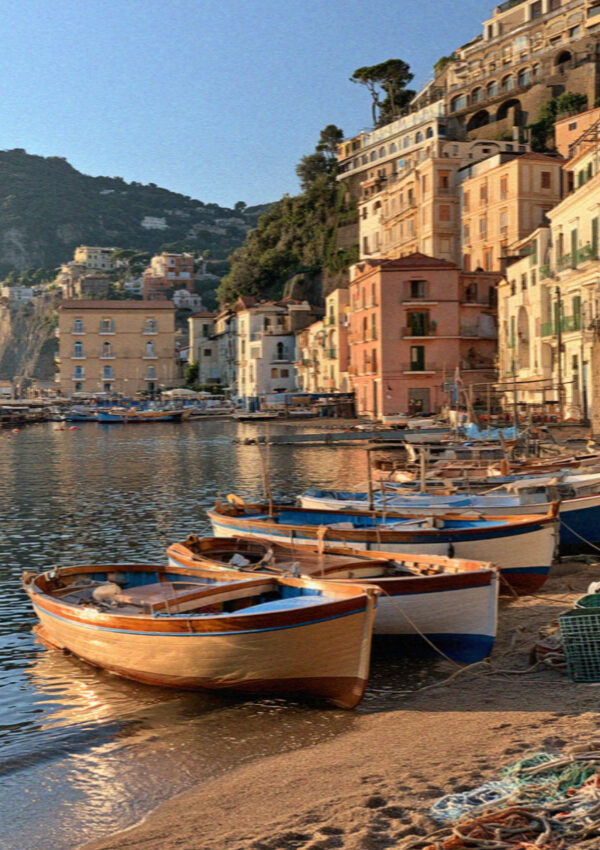
The harbour is the town’s front room. Ferries come and go, fishing boats knock against the quay, and old men sit and watch the water as they have always done. The town beach, Marina Grande, is honest rather than glorious: dark sand and pebble, functional, but the swimming is clean and good, and there is something to be said for a beach that does not pretend. If you want quieter, walk east around the headland for about ten minutes to Atrani, Amalfi’s tiny neighbour, which has kept a real village piazza and a smaller, calmer beach. Most people never make the ten-minute walk, which is exactly why you should. For a fuller account of the swimming, see the beaches of Amalfi.
A word on where to point a camera, since people ask. The Duomo steps seen from the piazza early in the morning, before the crowd, are the town’s finest composition. The harbour with the cathedral floating above it is the classic wide view. The look back to Atrani from the coast road heading east is quietly perfect. And in summer, at about half past six in the evening, the amber light lands full on the Duomo facade and holds there for a while. I appear in these places as a person who lives the hour, not as someone hunting a shot, but I will not pretend the light is not remarkable.
Climb Into the Valle delle Ferriere
At the very top edge of town, where the last houses give out, the Valle delle Ferriere hike begins. It climbs into a shaded fern forest, cool and green and improbably lush, past waterfalls and the ruins of the abandoned paper mills that once powered the town’s trade. It is a proper walk, not a stroll, so bring water and real shoes, but it is the antidote to everything crowded below. This suits anyone who needs to move and breathe. I have written the walk up in full in Valle delle Ferriere.
Stay for the Evening in the Piazza del Duomo
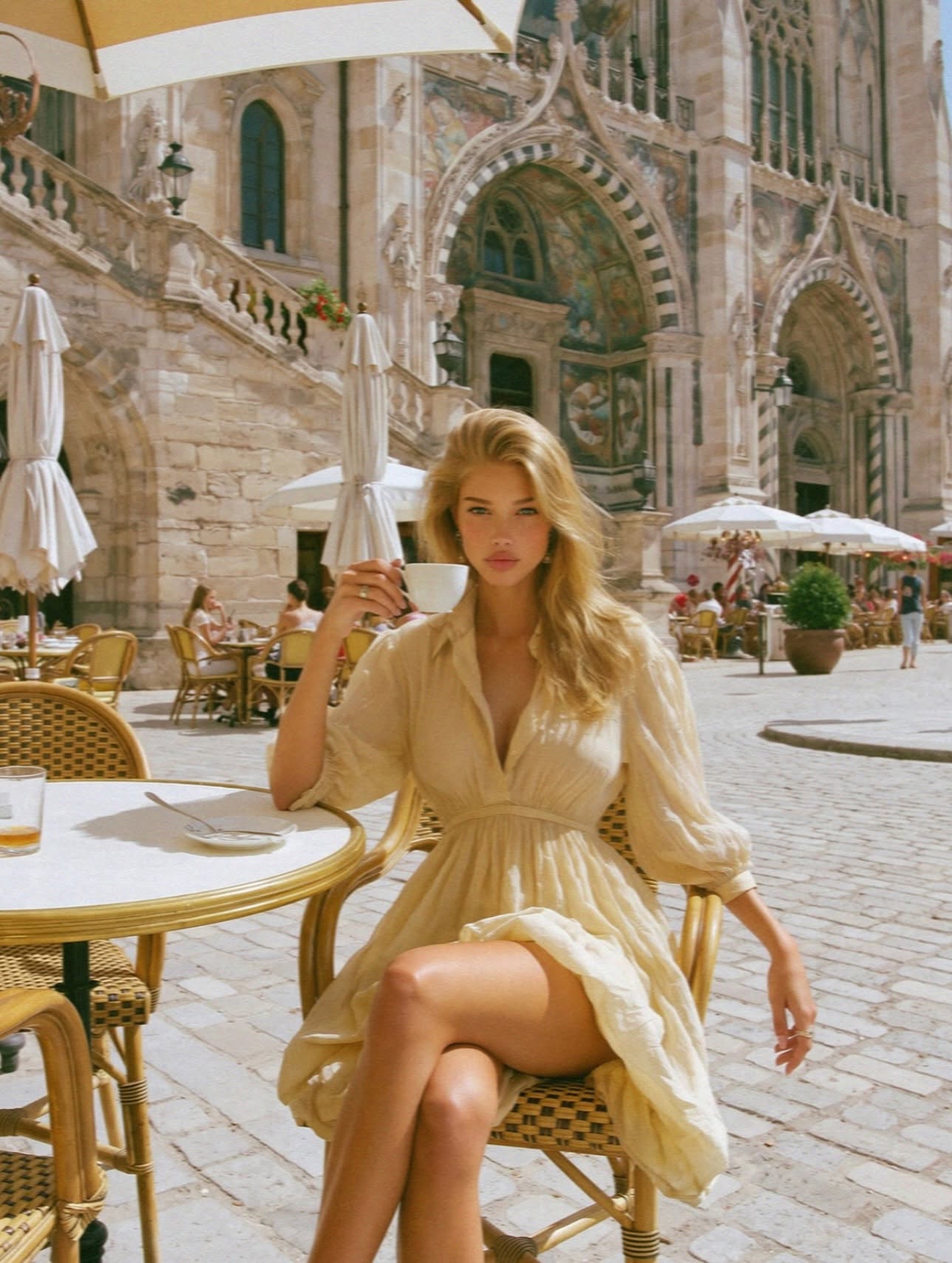
Here is the thing almost no day-tripper knows. At about half past six, when the ferries have taken the crowds away, the Piazza del Duomo empties and reveals its real proportions for the first time all day. The cathedral facade goes from white to amber to rose as the sun drops. Local families come out and take the square back. The waiters relax. This is, without question, the best hour in Amalfi, and it costs you nothing but the decision to stay. Take a table, order something small, and simply watch the town become itself again.
Frequently Asked Questions
How long do you need in Amalfi?
A day will let you see the Duomo, walk the main street and sit at the harbour, but it will show you only the crowded version of the town. I would give it at least a night. Staying to the evening, when the day-trippers leave and the piazza opens up, is the difference between visiting Amalfi and actually meeting it.
Is the Amalfi Cathedral worth paying to enter?
The cathedral itself is free to enter, so you lose nothing by looking. The small fee, around 4 euros, is for the museum and the Chiostro del Paradiso, and that cloister is genuinely one of the loveliest quiet corners on the whole coast. Yes, it is worth it. Go early, before 9am, and you may have it almost to yourself.
What is Amalfi actually known for?
Amalfi is the town that gave the coast its name, and it was once a powerful maritime republic trading across the Mediterranean. Today it is known for its striped Arab-Norman cathedral, its handmade paper, and its lemons, the long fragrant sfusato amalfitano that flavours everything from granita to limoncello. It is smaller and older-feeling than its fame suggests.
If you want the whole picture, my Victoria’s Complete Guide to Amalfi gathers everything in one place. From here you might read on about the Duomo di Amalfi, plan a table with where to eat in Amalfi, or find your patch of water among the beaches of Amalfi. Amalfi asks only that you slow down. Do that, and it gives you far more than the ferry timetable suggests.