I went down to the Portara before the town was awake, because every other time I had seen it there had been somebody standing in it.
The causeway was empty. A fisherman was coiling a line on the rocks below and did not look up. The doorway had the sea behind it and nothing else, which is perhaps how it looked to whoever stopped building it. The light came up grey and then white, without any of the performance the evening crowd waits for.
I stood in it.
That is really all there is to do. You step through a door into the same air you were already in.
On the way back, the bakery by the harbour had its shutter half up and a woman passed me two cheese pies through the gap without fully opening it. I ate one on the sea wall.
The other I kept for the boat and then ate on the sea wall as well.
There was one errand left. The shop below the Kastro steps sells kitron in all three colours, lined up in the window like traffic lights, and I bought a bottle of the green.
I still think the yellow is the better drink. But the woman from my first evening had been right about the potatoes, and it seemed only fair to let her be right about one more thing.
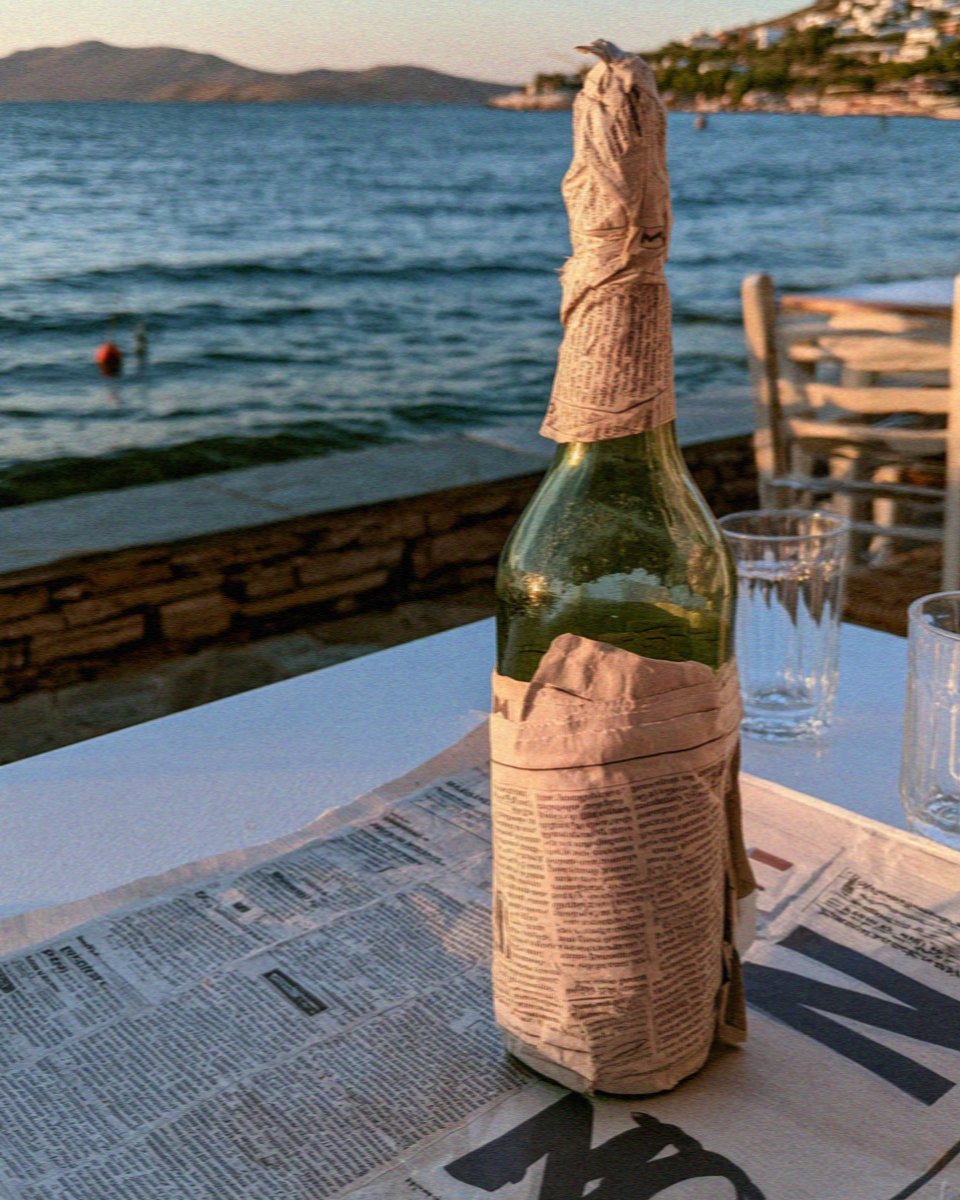
The man behind the counter wrapped the bottle in newspaper very tightly, as if it might try to escape.
The ferry to Paros takes about three quarters of an hour on the big boat. I went up on deck with my holdall between my feet and watched Naxos go backwards.
The Kastro first, then the white town beneath it, then the whole waterfront shrinking into one bright line.
And the doorway on its rock, getting smaller but staying perfectly clear because it is the only shape on that coast with a hole in it. You could find it from anywhere.
I suspect that was the point.

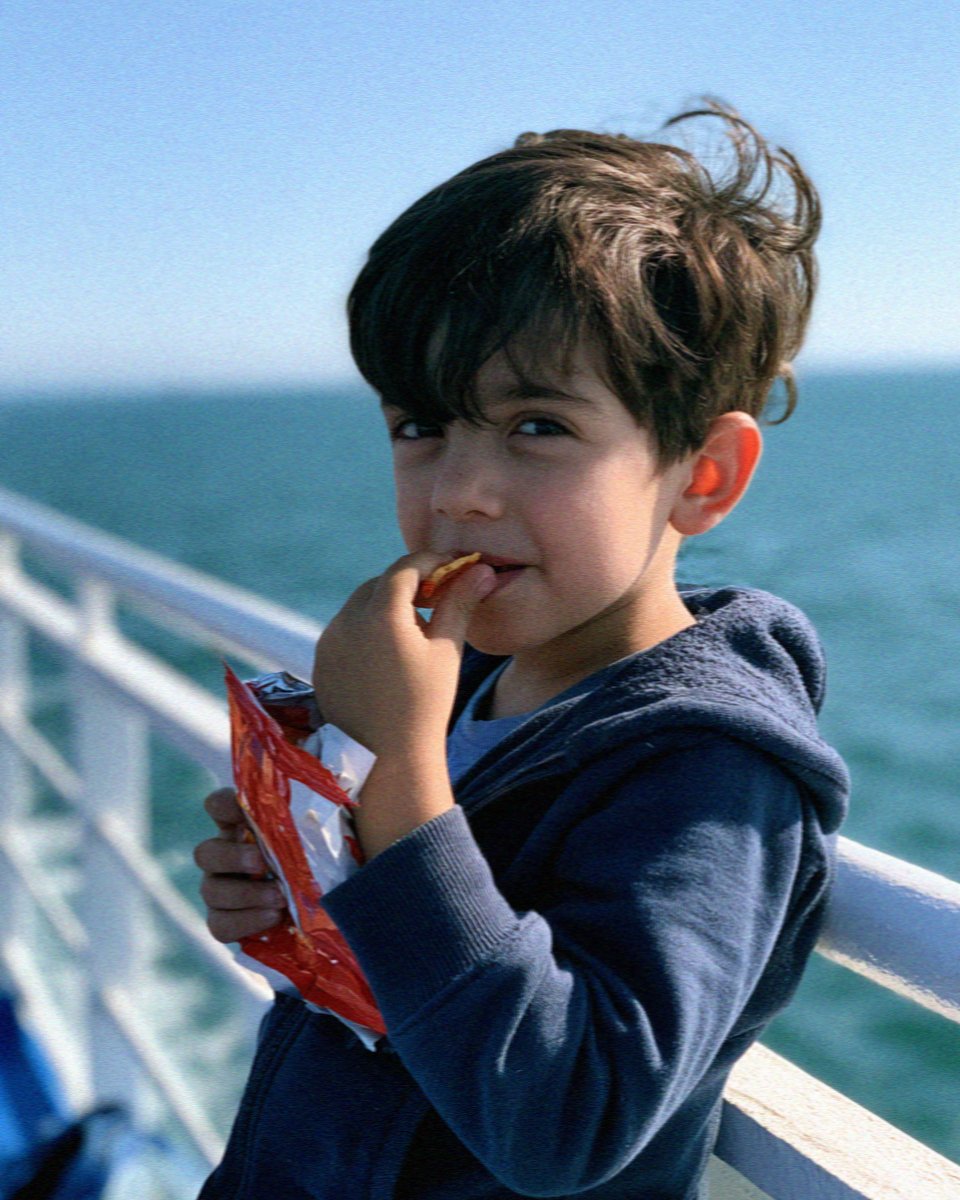
A boy beside me was eating crisps and feeding every third one to the wind.
Nobody stopped him.
The wind took them very seriously.
Three days. A door with nothing behind it. A giant on his back in an olive garden. A drink I was told which colour to order, ordered the wrong one, and have now bought the right one to take away.
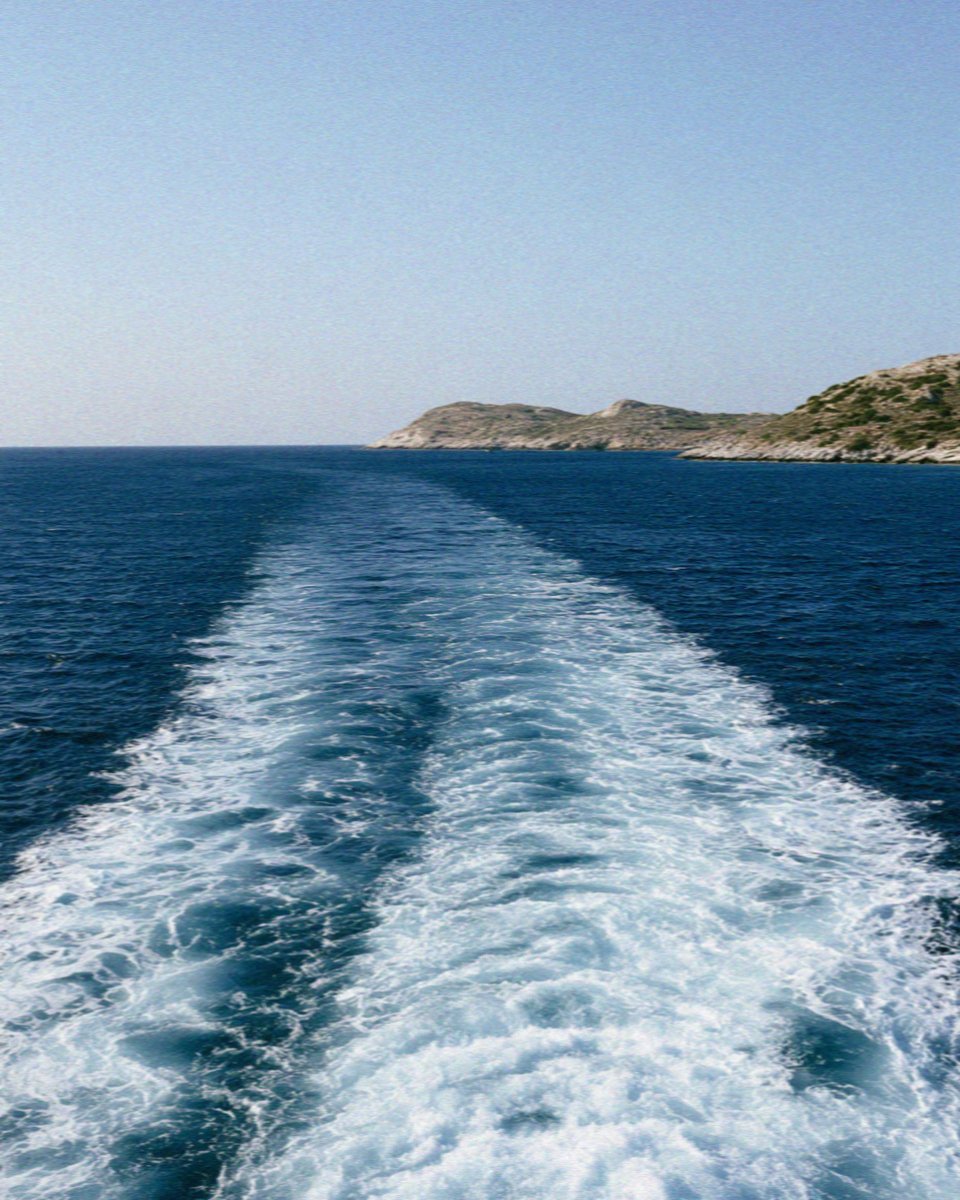
Yesterday, from the top of Zas, Paros was a flat grey shape in the haze.
Up close it is still fairly flat.
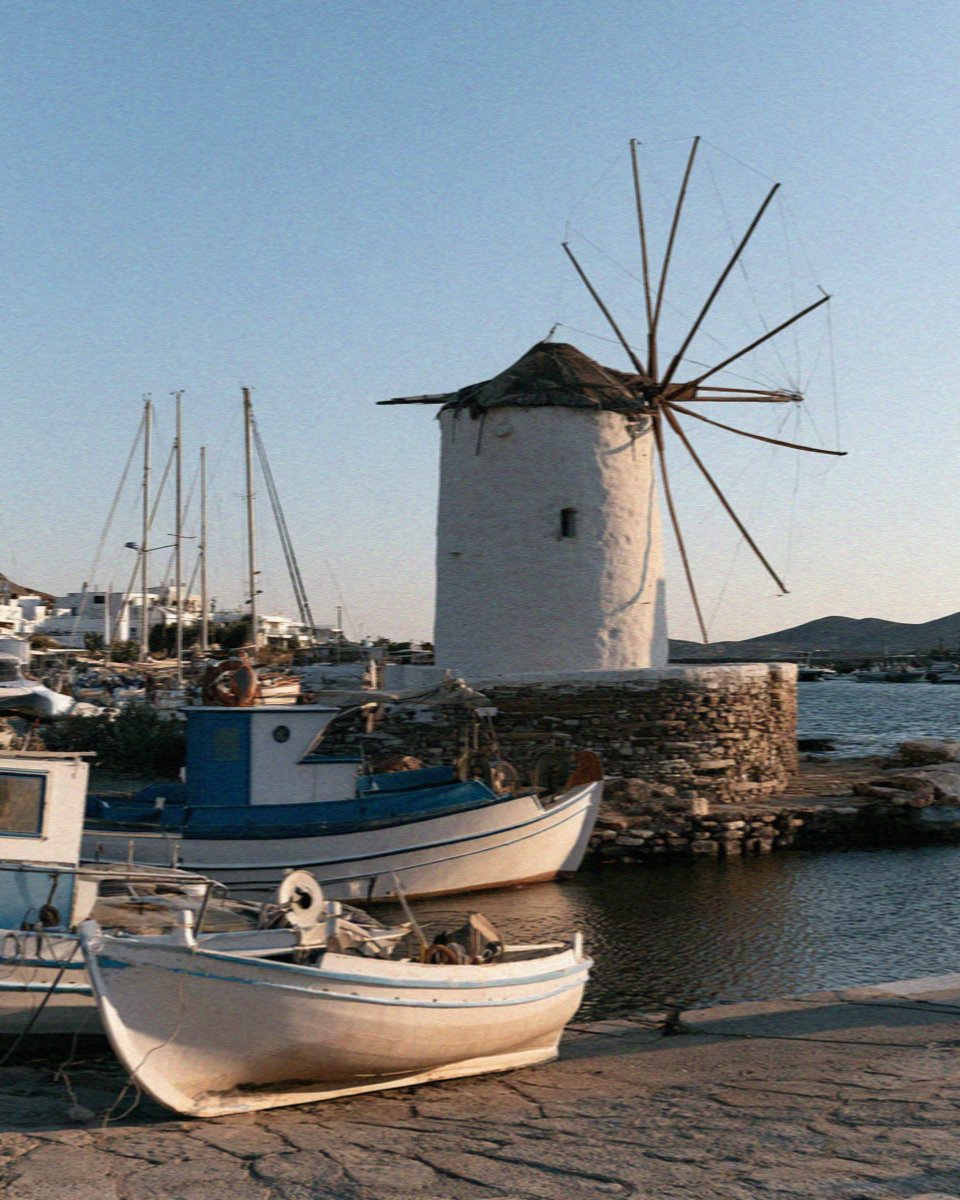
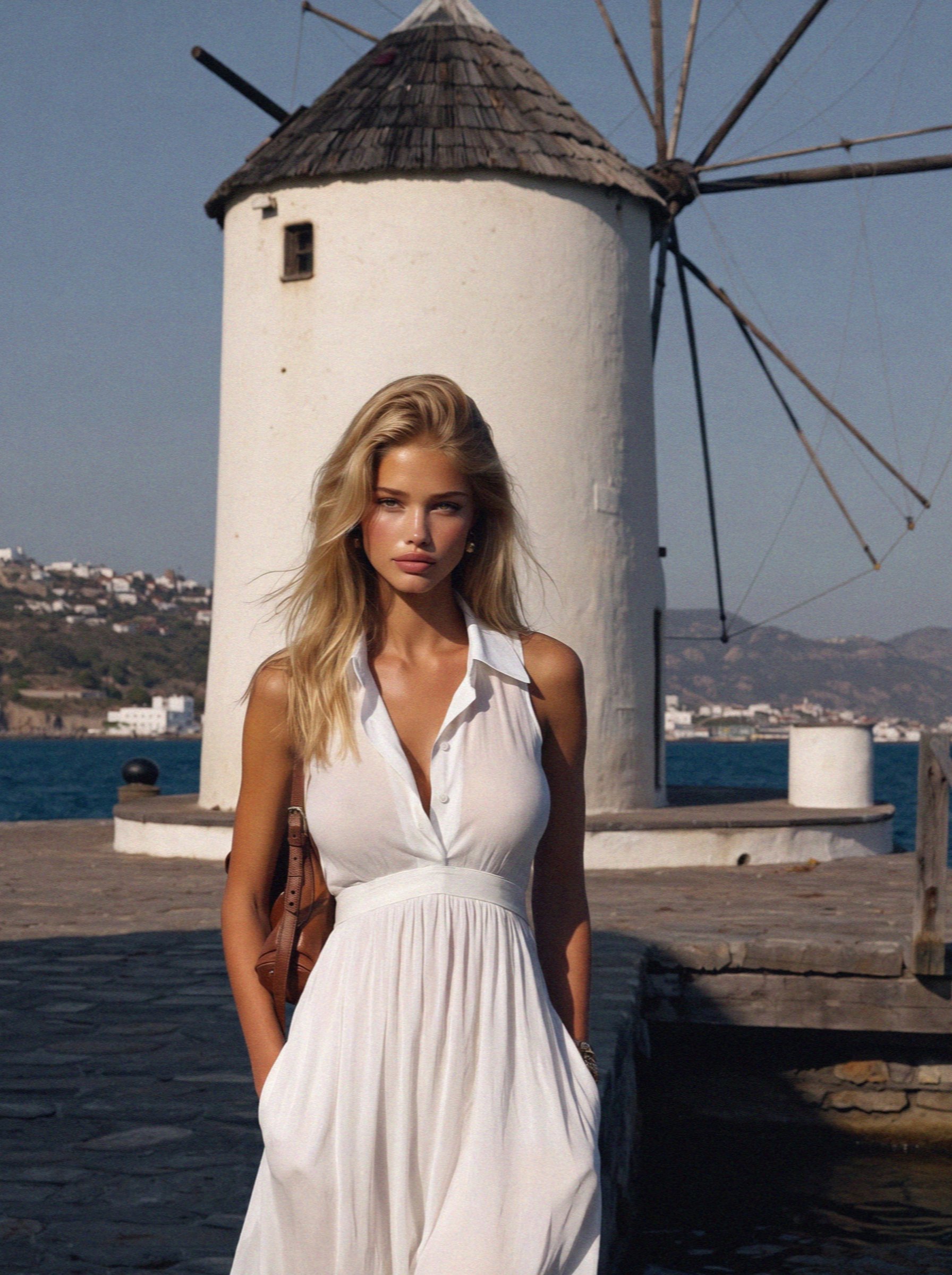
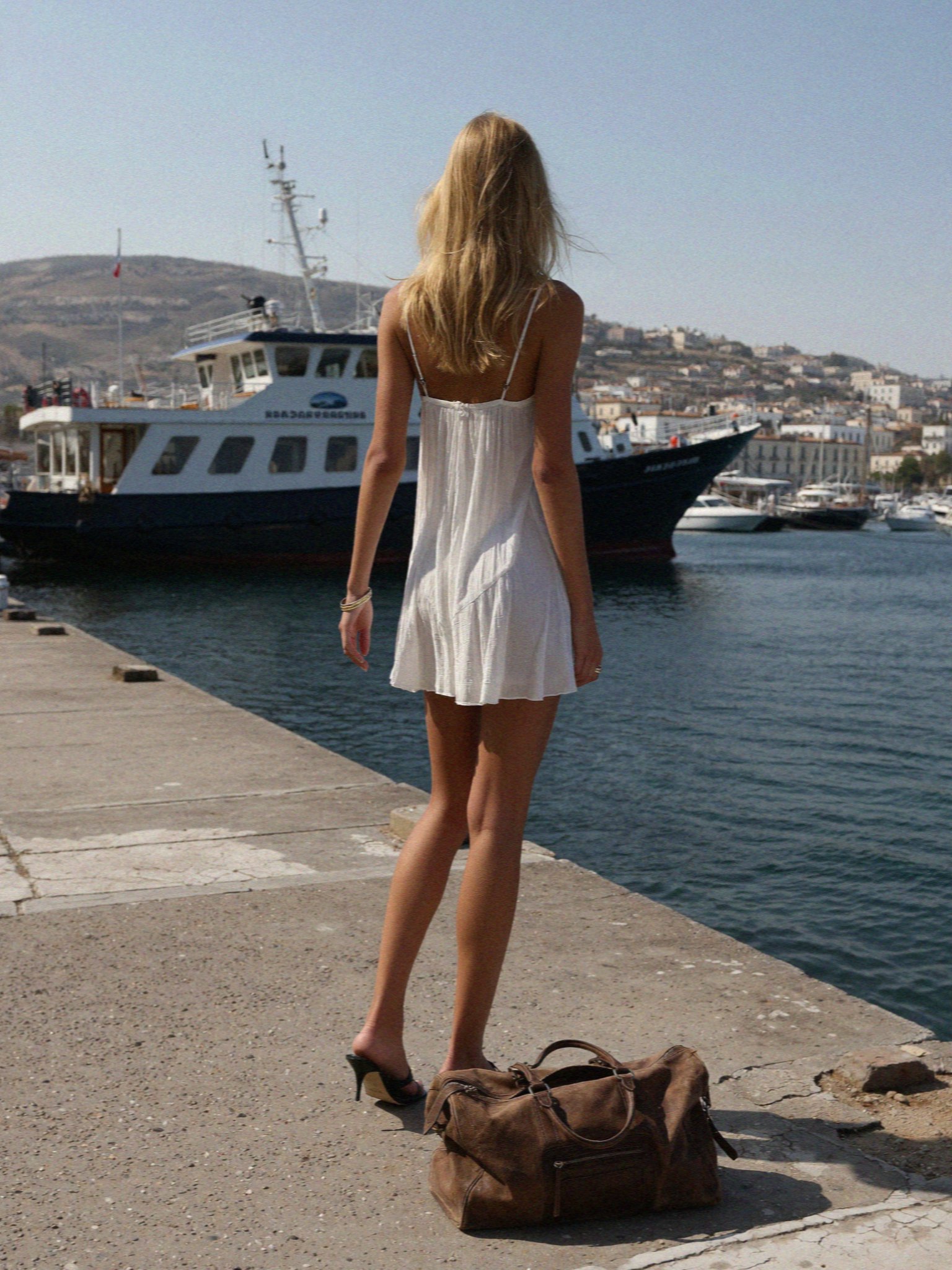
It is lower than Naxos and somehow softer, and Parikia meets you with a windmill on the quay, cafés with all their chairs turned towards the boats, and a great many people with suitcases trying to decide whether they are on holiday yet.
I was hot, I had a bag on my shoulder, and the nearest open door with shade behind it belonged to a church about five minutes from the ferry.
That is the entire reason I went in.
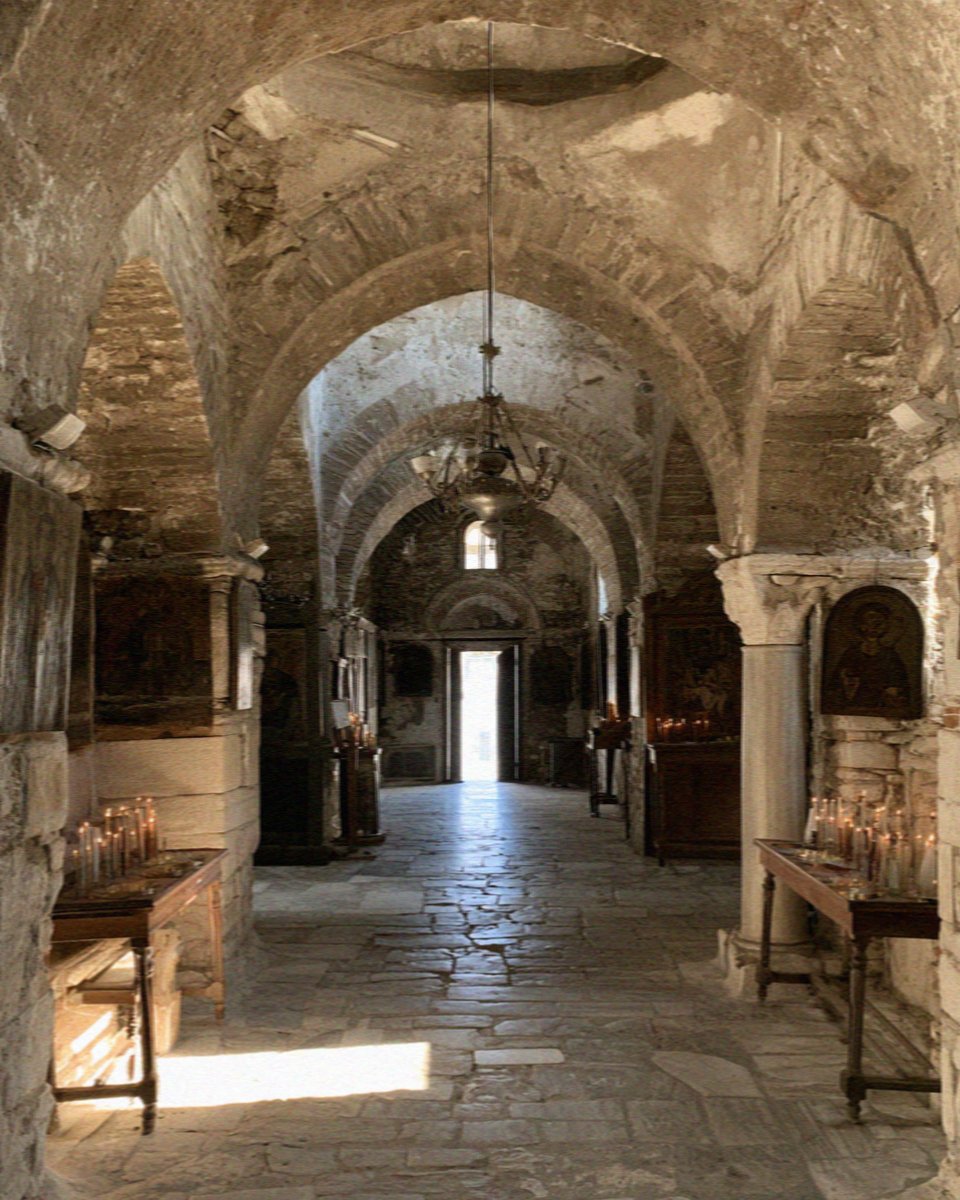
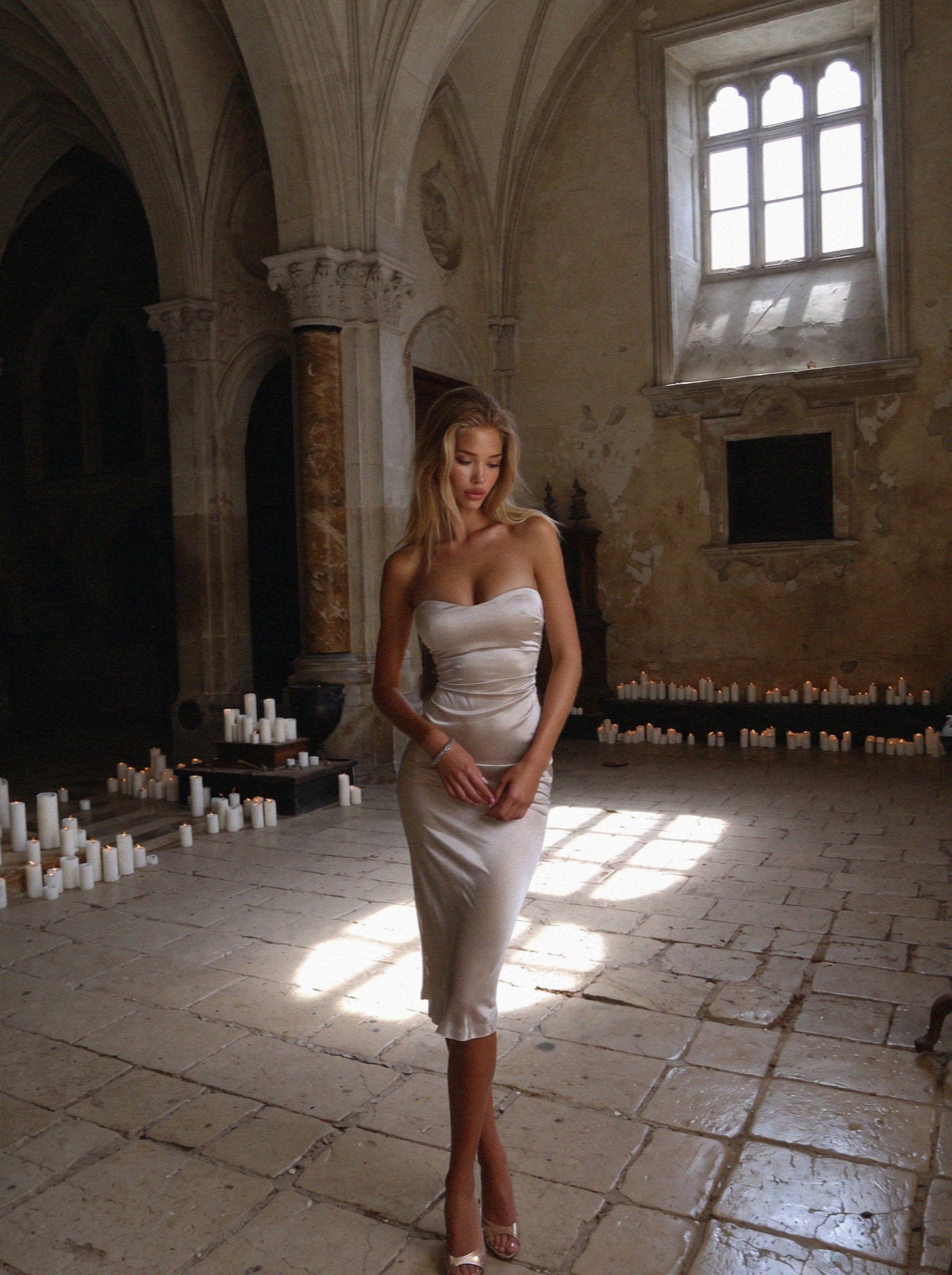
It sits behind a wall with trees in the courtyard and does not look especially grand from the street. Inside, though, it feels old immediately. Dark stone, low ceilings that suddenly lift, candles everywhere, the smell of wax and something sweeter.
Two women from my ferry came in with their suitcases still in their hands, crossed themselves before an icon, and went straight back out to find a taxi.
Its name is Panagia Ekatontapyliani.
Our Lady of the Hundred Doors.
So naturally I started counting.
It is harder than it sounds.
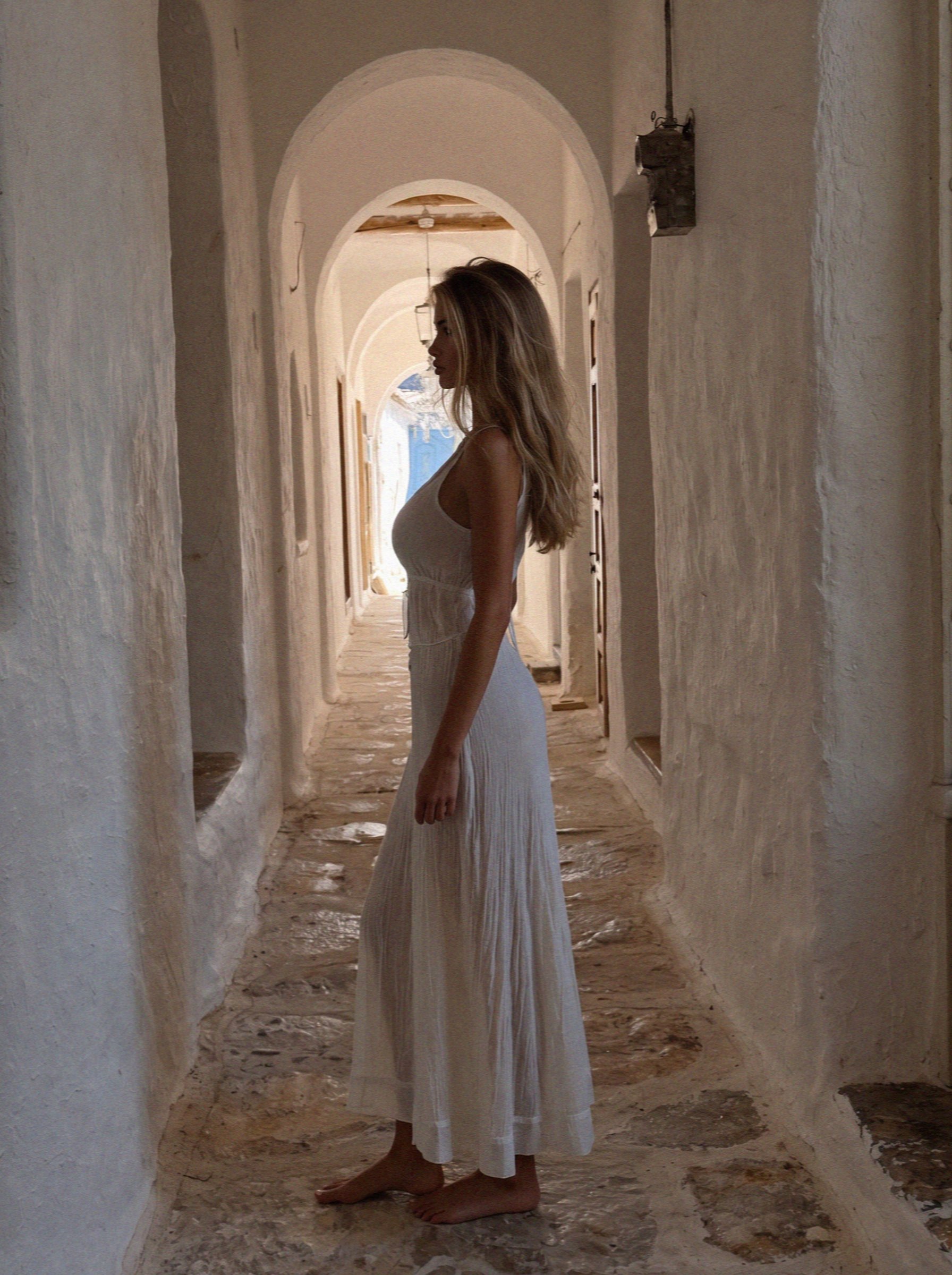
There are doors inside doors, bricked-up doors that still have frames, doors the size of cupboards, and archways that might be doors or might simply be a decision about where one room ends.
I lost count somewhere in the thirties, started again, and lost it in almost exactly the same place.
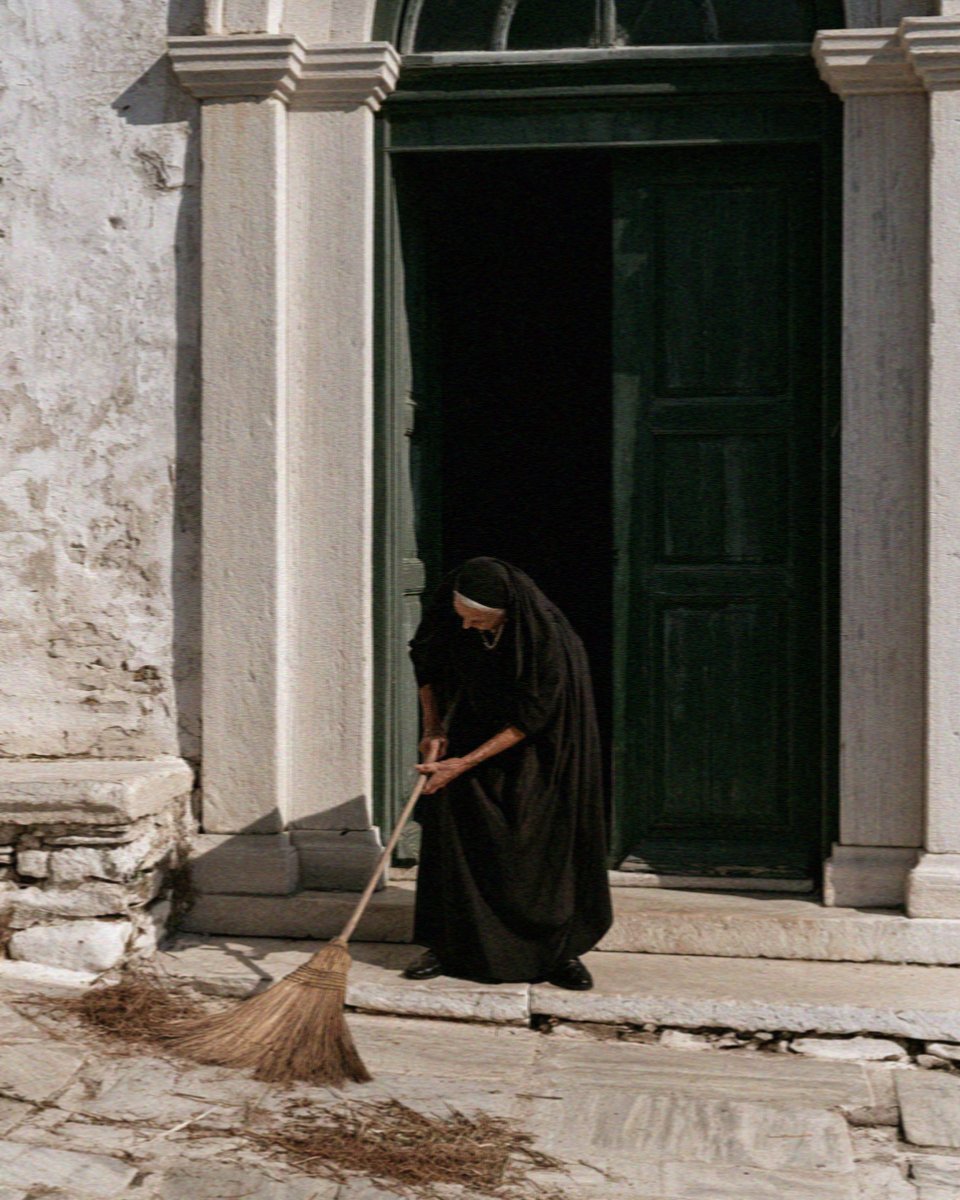
A woman sweeping near the entrance had been watching me do this.
“Ninety-nine,” she said.
“And the hundredth?”
“Not yet.”
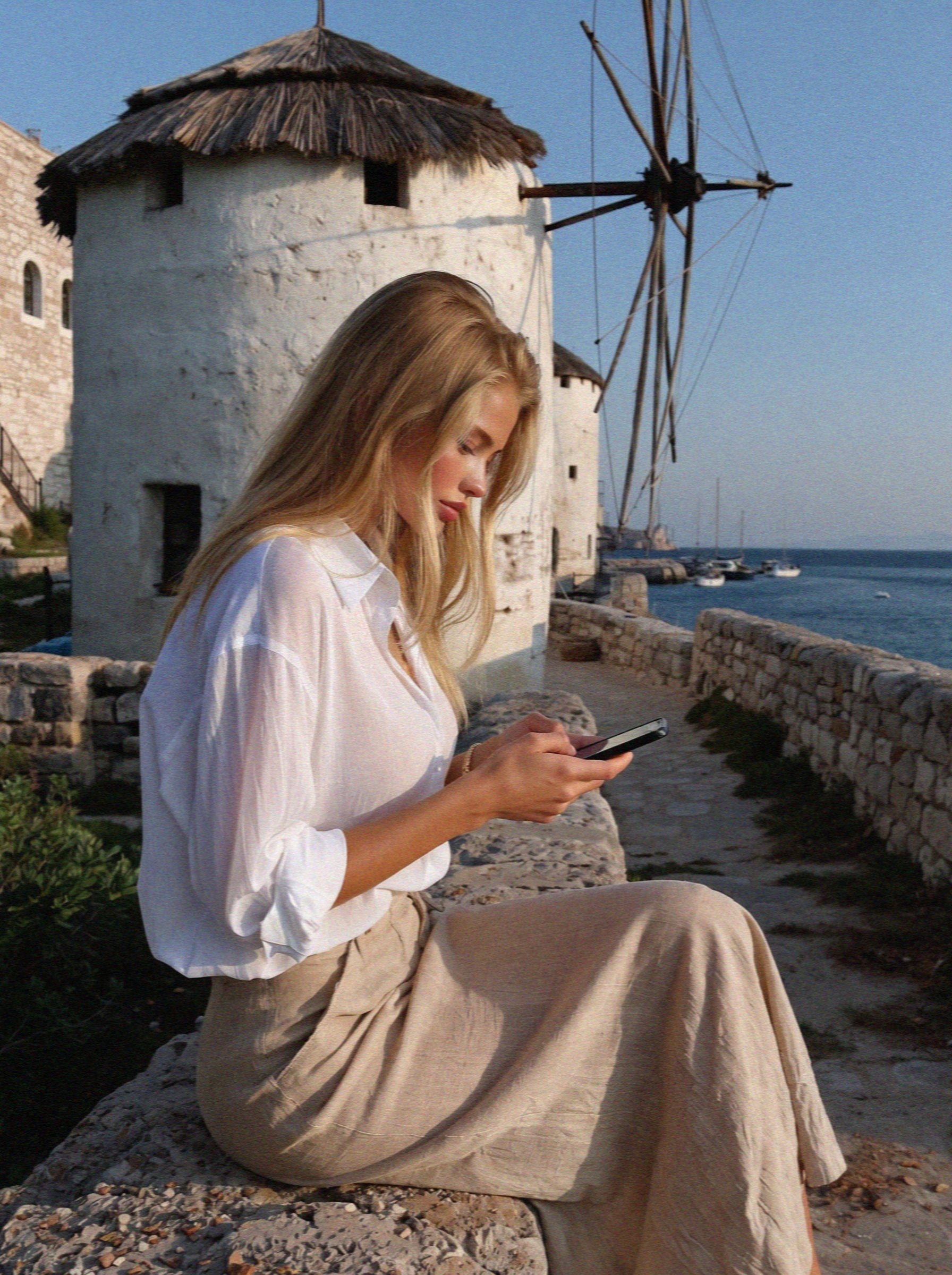
I looked it up that evening, sitting on the harbour while the windmill went pink behind me.
The story says the hundredth door is already there, hidden, and will reveal itself on the day Hagia Sophia in Constantinople becomes an Orthodox church again.
Nobody appears to expect this soon.
The door has apparently developed patience.
The church itself reaches back, in tradition at least, to Saint Helen, Constantine’s mother, who is said to have stopped on Paros on her way to the Holy Land and promised a church if her journey went well. Later it was rebuilt in the age of Justinian, the emperor whose great church was Hagia Sophia.
So the missing door points all the way across the sea to Constantinople.
I liked that more than I expected to.
It is a very long time to keep a door shut on principle.
I have had two doors this week and they do not agree with each other.
On Naxos, a doorway finished with nothing built behind it. On Paros, a building finished and one door that has not arrived.
One is a beginning nobody completed.
The other is a completion still, very patiently, waiting for its beginning.
I do not know what that means.
I am fairly sure the two islands are not discussing it.
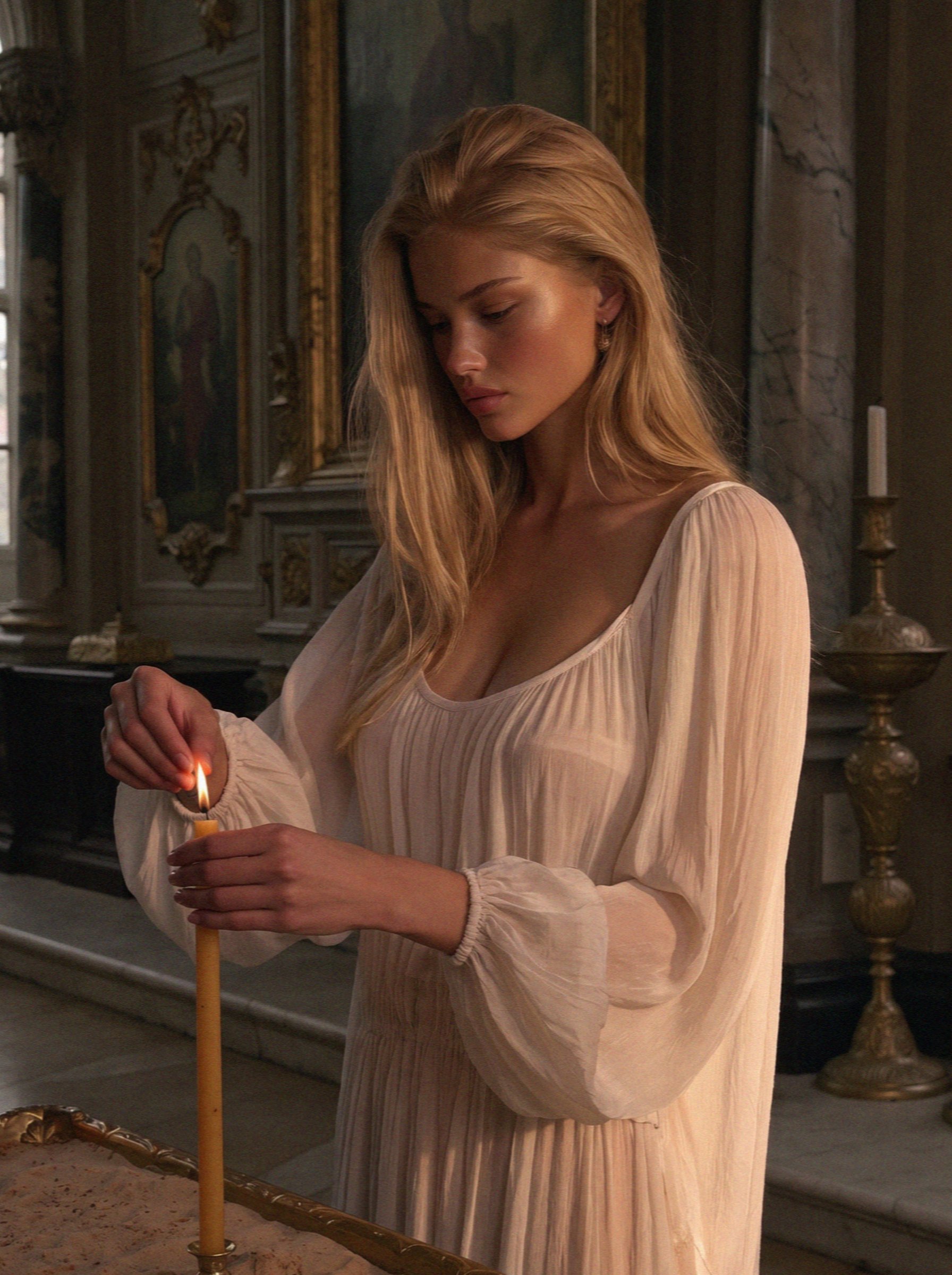
Before I left the church I lit a candle and paid for it with the change from the bakery.
Then I went out by one of the ninety-nine.
I did not check which.
V.
More images from Paros